Published:
September 20, 2026 - 3:01 AM
پبلشنگ کی تاریخ:
20 ستمبر 2026 - 3:01 صبح
Ningbo Green Light Energy Set for Pakistan’s First SPAC Listing
ننگبو گرین لائٹ انرجی سٹاک مارکیٹ میں لسٹ ہونے والی پہلی قابلِ تجدید توانائی کمپنی بنے گی
▫️Renewable energy company awaits court approval for reverse takeover through LSE SPAC One,backdoor listing expected to be completed within weeks
▫️کمپنی کا ایل ایس ای ایس پی اے سی ون کے ذریعے ریورس ٹیک اوور، عدالتی منظوری کے بعد چند ہفتوں میں بیک ڈور لسٹنگ متوقع
Islamabad | ReNews Pakistan Renewable energy company Ningbo Green Light Energy is set to become the first company in Pakistan...
اسلام آباد | ری نیوز پاکستان قابلِ تجدید توانائی کے شعبے سے وابستہ کمپنی ننگبو گرین لائٹ انرجی پاکستان کی...
Islamabad | ReNews Pakistan Renewable energy company Ningbo Green Light Energy is set to become the first company in Pakistan to enter the stock market through a Special Purpose Acquisition Company,with its backdoor listing expected to be completed within weeks. Chief Executive Officer Qasim Ningbo told Bloomberg that Ningbo Green Light Energy,which imports solar equipment for renewable energy projects,is awaiting court approval for a reverse takeover of LSE SPAC One Limited. LSE SPAC One is a subsidiary of LSE Capital Limited,which raised Rs250 million through an initial public offering in May. The company used the proceeds to acquire a 19.04 percent stake in Ningbo Green Light Energy,which is partly owned by Ningbo Green Light Energy Group Company Limited. Pakistan’s initial public offering market has seen a notable recovery in recent years,with the momentum continuing through 2026. New listings have generally recorded strong performance after listing. The recovery has been supported by improving economic stability under the International Monetary Fund programme,positive market sentiment,high liquidity,lower interest rates and greater political stability,which have collectively encouraged equity investment. LSE Chief Executive Officer Aftab Ahmed Chaudhry told Bloomberg that traditional initial public offerings in Pakistan have generally been associated with mature and established companies. He said the new structure could allow companies still in their growth phase and unable to meet the usual size requirements for an IPO to access capital markets. Pakistan is also seeing growing interest in alternative energy sources,particularly solar power,which is gaining popularity across residential and commercial sectors. The country remains heavily dependent on imported oil and liquefied natural gas,making it vulnerable to fluctuations in global energy prices. The ongoing US Iran war and the effective closure of the Strait of Hormuz have contributed to fuel shortages and increased pressure on the government to accelerate efforts to explore alternative energy sources while introducing energy conservation measures.
اسلام آباد | ری نیوز پاکستان قابلِ تجدید توانائی کے شعبے سے وابستہ کمپنی ننگبو گرین لائٹ انرجی پاکستان کی سٹاک مارکیٹ میں خصوصی مقصد کے ذریعے عوامی سطح پر آنے والی پہلی کمپنی بننے جا رہی ہے، جبکہ اس کی بالواسطہ لسٹنگ چند ہفتوں میں مکمل ہونے کی توقع ہے۔ کمپنی کے چیف ایگزیکٹو آفیسر قاسم ننگبو کے مطابق قابلِ تجدید توانائی کے منصوبوں کیلئے شمسی آلات درآمد کرنے والی ننگبو گرین لائٹ انرجی، ایل ایس ای ایس پی اے سی ون لمیٹڈ کے ریورس ٹیک اوور کیلئے عدالت کی منظوری کی منتظر ہے۔ ایل ایس ای ایس پی اے سی ون، ایل ایس ای کیپیٹل لمیٹڈ کی ذیلی کمپنی ہے،جس نے رواں سال مئی میں ابتدائی عوامی پیشکش کے ذریعے 25 کروڑ روپے حاصل کیے تھے۔ کمپنی نے حاصل شدہ رقم سے ننگبو گرین لائٹ انرجی میں 19.04 فیصد حصص خریدے، جس کی جزوی ملکیت ننگبو گرین لائٹ انرجی گروپ کمپنی لمیٹڈ کے پاس ہے۔ پاکستان کی ابتدائی عوامی پیشکشوں کی مارکیٹ میں حالیہ برسوں کے دوران نمایاں بحالی دیکھی گئی ہے اور 2026 میں بھی یہ رفتار برقرار رہی ہے۔ نئی لسٹنگز نے بھی عمومی طور پر لسٹنگ کے بعد مضبوط کارکردگی کا مظاہرہ کیا ہے۔ اس بحالی کی وجوہات میں عالمی مالیاتی فنڈ کے پروگرام کے تحت معاشی استحکام میں بہتری،مارکیٹ میں مثبت رجحان،زیادہ سرمایہ دستیابی،شرح سود میں کمی اور سیاسی استحکام شامل ہیں،جنہیں ایکویٹی سرمایہ کاری میں اضافے سے جوڑا جا رہا ہے۔ ایل ایس ای کے چیف ایگزیکٹو آفیسر آفتاب احمد چوہدری کے مطابق پاکستان میں روایتی ابتدائی عوامی پیشکشیں عموماً پختہ اور طویل عرصے سے قائم کمپنیوں تک محدود رہی ہیں،تاہم اب ترقی کے مرحلے میں موجود اور روایتی پیشکش کیلئے مطلوبہ حجم پر پورا نہ اترنے والی کمپنیوں کیلئے بھی سرمایہ بازار سے مالی وسائل حاصل کرنے کے نئے راستے پیدا ہو رہے ہیں۔ پاکستان میں متبادل توانائی، خصوصاً شمسی توانائی، کی جانب رجحان بھی بڑھ رہا ہے اور رہائشی و تجارتی شعبوں میں شمسی توانائی کا استعمال تیزی سے پھیل رہا ہے۔ ملک درآمدی تیل اور مائع قدرتی گیس پر انحصار کے باعث عالمی توانائی قیمتوں میں اتار چڑھاؤ سے متاثر ہوتا ہے۔ جاری امریکا ایران جنگ اور آبنائے ہرمز کی مؤثر بندش سے پیدا ہونے والی ایندھن کی قلت نے حکومت پر متبادل توانائی ذرائع کی تلاش اور توانائی کے استعمال میں کفایت شعاری کیلئے اقدامات تیز کرنے کا دباؤ بڑھا دیا ہے۔
Published:
September 20, 2026 - 2:01 AM
پبلشنگ کی تاریخ:
20 ستمبر 2026 - 2:01 صبح
Sapphire Fibres Joins Race for IESCO Privatisation
سیفائر فائبرز بھی آئیسکو کی نجکاری کی دوڑ میں شامل
▫️Board approves participation in IESCO privatisation process,subject to pre qualification and regulatory approvals,company may form a consortium after approval
▫️ٹیکسٹائل کمپنی کے بورڈ نے نجکاری عمل میں شرکت کی منظوری دے دی، پیشگی اہلیت اور ضروری منظوریوں سے مشروط شرکت،منظوری کے بعد کنسورشیم بنانے کا امکان
Islamabad | ReNews Pakistan Pakistani textile manufacturer Sapphire Fibres Limited has joined the privatisation process of Islamabad Electric Supply Company,with...
اسلام آباد | ری نیوز پاکستان پاکستان کی معروف ٹیکسٹائل کمپنی سیفائر فائبرز لمیٹڈ بھی اسلام آباد الیکٹرک سپلائی کمپنی...
Islamabad | ReNews Pakistan Pakistani textile manufacturer Sapphire Fibres Limited has joined the privatisation process of Islamabad Electric Supply Company,with the company’s board approving participation in the proposed transaction involving the sale of IESCO shares through privatisation. Sapphire Fibres disclosed the development in a notice to the Pakistan Stock Exchange on Friday. According to the notice,Sapphire Fibres has obtained the Request for Statement of Qualification issued by the Privatisation Commission for the divestment of IESCO through privatisation. The company’s board has approved participation in the transaction,although Sapphire Fibres has not assumed any binding obligation at this stage. The company said its participation remains subject to pre qualification by the Privatisation Commission and all required corporate and regulatory approvals. It also stated that,once approval is granted,the company may form a consortium with other investors. The privatisation of IESCO is part of the government’s wider programme to privatise several power distribution companies,with the stated objectives of reducing power losses,improving bill recovery and enhancing service delivery. The government has offered between 51 percent and 100 percent shareholding along with management control in FESCO,GEPCO and IESCO to local and international investors. The Privatisation Commission has extended the deadline for submission of Expressions of Interest for IESCO to September 21,2026 at 4:00pm Pakistan time. The restructuring plan for FESCO,GEPCO and IESCO has also been approved. Under the plan,selected assets,including land,and certain liabilities,particularly post retirement benefits of employees who have already retired,will be transferred to a government owned Special Purpose Vehicle,while benefits of existing employees will remain with the respective distribution companies. IESCO has reported an improvement in its operational performance,with line losses declining from 8.75 percent to 7.6 percent over the past two financial years.
اسلام آباد | ری نیوز پاکستان پاکستان کی معروف ٹیکسٹائل کمپنی سیفائر فائبرز لمیٹڈ بھی اسلام آباد الیکٹرک سپلائی کمپنی کی نجکاری کے عمل میں شامل ہوگئی ہے، کمپنی کے بورڈ آف ڈائریکٹرز نے آئیسکو کے حصص کی نجکاری کے ذریعے فروخت کے عمل میں حصہ لینے کی منظوری دے دی ہے۔ سیفائر فائبرز نے پاکستان سٹاک ایکسچینج کو جاری کردہ اعلامیے میں اس پیش رفت سے آگاہ کیا۔ اعلامیے کے مطابق سیفائر فائبرز نے نجکاری کمیشن کی جانب سے آئیسکو کے حصص کی نجکاری کے ذریعے فروخت کیلئے جاری کردہ اہلیت کے بیان کی درخواست حاصل کرلی ہے،جبکہ کمپنی کے بورڈ نے مجوزہ لین دین میں شرکت کی منظوری دے دی ہے۔ تاہم کمپنی نے واضح کیا ہے کہ اس مرحلے پر اس نے کوئی پابند ذمہ داری قبول نہیں کی اور اس کی شرکت نجکاری کمیشن کی جانب سے پیشگی اہلیت کے تعین سمیت تمام مطلوبہ انتظامی اور ضابطہ جاتی منظوریوں سے مشروط ہے۔ کمپنی کے مطابق منظوری ملنے کے بعد وہ دوسرے سرمایہ کاروں کے ساتھ مل کر کنسورشیم بھی تشکیل دے سکتی ہے۔ آئیسکو کی نجکاری حکومت کے بجلی کی تقسیم کار کمپنیوں کی نجکاری کے وسیع تر منصوبے کا حصہ ہے۔ اس منصوبے کے تحت نجی شعبے کی شمولیت کے ذریعے بجلی کے نقصانات میں کمی، بلوں کی وصولی بہتر بنانے اور صارفین کو فراہم کی جانے والی خدمات میں بہتری لانے کا ہدف مقرر کیا گیا ہے۔ حکومت نے پہلے مرحلے میں فیسکو،گیپکو اور آئیسکو کیلئے مقامی و غیر ملکی سرمایہ کاروں سے اظہارِ دلچسپی طلب کیا تھا،جس میں متعلقہ کمپنیوں کے 51 فیصد سے 100 فیصد تک حصص انتظامی اختیار سمیت پیش کیے جانے ہیں۔ نجکاری کمیشن نے آئیسکو کیلئے اظہارِ دلچسپی جمع کرانے کی آخری تاریخ میں توسیع کرتے ہوئے اسے 21 ستمبر 2026 شام 4 بجے تک کر دیا ہے۔ اس سے قبل نجکاری کمیشن کے بورڈ نے فیسکو، گیپکو اور آئیسکو کی تنظیمِ نو کے منصوبوں کی سفارش کی تھی۔ بعد ازاں کابینہ کمیٹی برائے نجکاری نے ان منصوبوں کی منظوری دے دی۔ منصوبے کے تحت منتخب اثاثے،جن میں زمین بھی شامل ہے اور بعض واجبات، بالخصوص پہلے ہی ریٹائر ہوچکے ملازمین کے بعد از ریٹائرمنٹ فوائد،حکومت کی ملکیت میں قائم خصوصی مقصدی ادارے کو منتقل کیے جائیں گے،جبکہ موجودہ ملازمین کے فوائد متعلقہ تقسیم کار کمپنیوں کے پاس رہیں گے۔ آئیسکو کے مطابق گزشتہ دو مالی برسوں کے دوران بجلی کی ترسیلی و تقسیمی لائنوں کے نقصانات میں کمی آئی ہے اور یہ شرح 8.75 فیصد سے کم ہو کر 7.6 فیصد رہ گئی ہے۔
Published:
September 20, 2026 - 1:01 AM
پبلشنگ کی تاریخ:
20 ستمبر 2026 - 1:01 صبح
Sindh Orders Province-Wide Fire Safety Audits of School Buildings
سندھ میں سکول عمارتوں کے فائر سیفٹی آڈٹ کا حکم
▫️Schools directed to maintain alarms, extinguishers and emergency exits, conduct evacuation drills and train staff in fire response
▫️سکولوں کو فائر الارم، سموک ڈیٹیکٹرز اور فائر ایکسٹنگوشرز فعال رکھنے، ہنگامی راستے کھلے رکھنے کی ہدایت
Karachi | ReNews Pakistan The Sindh government has ordered comprehensive fire safety audits of school buildings across the province as...
کراچی | ری نیوز پاکستان سندھ حکومت نے تعلیمی اداروں میں ہنگامی صورتحال سے نمٹنے کی تیاریوں کو مؤثر بنانے...
Karachi | ReNews Pakistan The Sindh government has ordered comprehensive fire safety audits of school buildings across the province as part of efforts to strengthen emergency preparedness and reduce fire related risks at educational institutions. Under the decision, relevant authorities will assess fire safety arrangements in schools and compile the findings for uploading to the website of the Provincial Disaster Management Authority (PDMA). The exercise is aimed at establishing a province-wide record of fire safety conditions and identifying gaps requiring corrective measures. According to a government notification, the School Education Department has appointed Deputy Secretary Ashraf Hussain Ansari as the focal person to coordinate matters related to the fire safety audits and facilitate communication among the departments and institutions concerned. The latest move follows fire safety directives issued by the Sindh Directorate of Inspection and Registration of Private Institutions in August. The directorate had instructed privately managed schools to ensure that all mandatory fire prevention and safety systems remain operational at all times. Schools were directed to install and regularly test fire alarms and smoke detectors, while suitable fire extinguishers were required on every floor and at other critical locations. Authorities also instructed schools to ensure that emergency exits, staircases and evacuation routes remain unlocked, clearly marked, adequately illuminated and free of obstructions. The safety requirements also cover periodic inspection of electrical wiring and switchboards, laboratories, kitchens, generator rooms and other areas identified as potential fire hazards. Educational institutions have further been instructed to display updated evacuation plans and emergency instructions at prominent locations. Schools are required to conduct at least three fire evacuation drills during each academic year and maintain proper records of the exercises. The directives also place emphasis on staff preparedness, requiring teaching and non-teaching personnel to receive training in fire emergency response, evacuation procedures and basic first aid. Through the province wide audit, the Sindh government is seeking to move beyond routine safety instructions toward systematic monitoring of fire preparedness in school buildings. The data collected through the process is expected to help authorities identify vulnerable institutions and improve compliance with prescribed fire safety standards.
کراچی | ری نیوز پاکستان سندھ حکومت نے تعلیمی اداروں میں ہنگامی صورتحال سے نمٹنے کی تیاریوں کو مؤثر بنانے اور آتشزدگی کے خطرات کم کرنے کے لیے صوبے بھر میں اسکولوں کی عمارتوں کے جامع فائر سیفٹی آڈٹ کرانے کا حکم دے دیا۔ فیصلے کے تحت متعلقہ حکام سکولوں میں فائر سیفٹی کے انتظامات کا جائزہ لے کر اس کی تفصیلات مرتب کریں گے، جنہیں صوبائی ڈیزاسٹر مینجمنٹ اتھارٹی (PDMA) کی ویب سائٹ پر اپ لوڈ کیا جائے گا۔ اس اقدام کا مقصد صوبے بھر کے سکولوں میں فائر سیفٹی کی صورتحال کا ریکارڈ مرتب کرنے کے ساتھ ساتھ حفاظتی انتظامات میں موجود خامیوں کی نشاندہی کرنا ہے۔ سرکاری نوٹیفکیشن کے مطابق محکمہ اسکول ایجوکیشن نے ڈپٹی سیکریٹری اشرف حسین انصاری کو فائر سیفٹی آڈٹ سے متعلق امور کے لیے فوکل پرسن مقرر کیا ہے، جو متعلقہ محکموں اور تعلیمی اداروں کے درمیان رابطہ کاری کے امور دیکھیں گے۔ یہ اقدام سندھ ڈائریکٹوریٹ آف انسپیکشن اینڈ رجسٹریشن آف پرائیویٹ انسٹی ٹیوشنز کی جانب سے اگست میں جاری کی گئی فائر سیفٹی ہدایات کے بعد سامنے آیا ہے۔ ڈائریکٹوریٹ نے تمام نجی سکولوں کو ہدایت کی تھی کہ آگ سے بچاؤ اور فائر سیفٹی کے لیے ضروری تمام نظام ہر وقت فعال حالت میں رکھے جائیں۔ سکولوں کو فائر الارم اور اسموک ڈیٹیکٹرز نصب کرنے اور ان کی باقاعدگی سے جانچ کرنے کی ہدایت کی گئی تھی، جبکہ ہر منزل اور اہم مقامات پر موزوں فائر ایکسٹنگوشرز کی دستیابی بھی یقینی بنانے کا کہا گیا تھا۔ حکام نے سکولوں کو ہنگامی اخراج کے راستے، سیڑھیاں اور ایویکیویشن روٹس ہر وقت کھلے رکھنے، واضح نشانات لگانے، مناسب روشنی کا انتظام کرنے اور راستوں میں کسی بھی قسم کی رکاوٹ نہ رکھنے کی ہدایت بھی کی ہے۔ فائر سیفٹی اقدامات کے تحت بجلی کی وائرنگ اور سوئچ بورڈز، لیبارٹریز، کچن، جنریٹر رومز اور دیگر ممکنہ خطرناک مقامات کا باقاعدگی سے معائنہ بھی ضروری قرار دیا گیا ہے۔ تعلیمی اداروں کو تازہ ترین ایویکیویشن پلانز اور ہنگامی صورتحال سے متعلق ہدایات نمایاں مقامات پر آویزاں کرنے کی بھی ہدایت کی گئی ہے۔ اسکولوں کو ہر تعلیمی سال کے دوران کم از کم تین فائر ایویکیویشن ڈرلز کرانے اور ان کی مکمل دستاویزات محفوظ رکھنے کا پابند کیا گیا ہے۔ حفاظتی اقدامات کے ساتھ اسکولوں کے تدریسی اور غیر تدریسی عملے کی تربیت پر بھی زور دیا گیا ہے۔ عملے کو فائر ایمرجنسی سے نمٹنے، انخلا کے طریقہ کار اور ابتدائی طبی امداد سے متعلق بنیادی تربیت فراہم کرنے کی ہدایت کی گئی ہے۔ صوبے بھر میں فائر سیفٹی آڈٹ کا مقصد محض حفاظتی ہدایات جاری کرنے کے بجائے سکولوں میں فائر سیفٹی کی صورتحال کی باقاعدہ نگرانی اور ریکارڈ مرتب کرنا ہے۔ آڈٹ سے حاصل ہونے والے ڈیٹا کی مدد سے حکام حساس اور کمزور عمارتوں کی نشاندہی کرکے فائر سیفٹی کے مقررہ معیار پر عمل درآمد بہتر بنانے کے اقدامات کر سکیں گے۔
Published:
September 20, 2026 - 12:01 AM
پبلشنگ کی تاریخ:
20 ستمبر 2026 - 12:01 صبح
K Electric Plans to Shift Bin Qasim Power Station III to Local Gas
کے الیکٹرک کا بن قاسم پاور سٹیشن تھری کو مقامی گیس پر منتقل کرنے کا منصوبہ
▫️License amendment sought from NEPRA, use of indigenous gas expected to reduce fuel costs and potentially lower electricity tariffs
▫️نیپرا سے بجلی پیدا کرنے کے لائسنس میں ترمیم کی درخواست، مقامی گیس کے استعمال سے فیول لاگت اور بجلی نرخوں میں کمی کا امکان
Islamabad | ReNews Pakistan K Electric has prepared a plan to shift Bin Qasim Power Station III (BQPS III) to...
اسلام آباد | ری نیوز پاکستان کے الیکٹرک نے کراچی میں بجلی کی پیداوار کی لاگت کم کرنے اور صارفین...
Islamabad | ReNews Pakistan K Electric has prepared a plan to shift Bin Qasim Power Station III (BQPS III) to locally produced gas in an effort to reduce generation costs and limit the impact of expensive electricity on consumers in Karachi. The utility has submitted an application to the National Electric Power Regulatory Authority (NEPRA) seeking an amendment to its generation licence. Under the proposed amendment, K Electric has requested permission to use both locally produced gas and imported gas as primary fuels for BQPS III, while diesel would remain available as an alternative fuel. The company has proposed Sui Southern Gas Company (SSGC) as the supplier of indigenous gas. According to the application, the turbines at BQPS III are currently connected to an imported gas system, with imported gas supplied through Pakistan LNG Limited. K Electric said it has held positive discussions with the Petroleum Division and SSGC regarding arrangements for the supply of local gas. K Electric has maintained that increasing the use of local gas could reduce reliance on imported fuel and lower fuel costs, potentially reducing the cost of electricity generation. The company has said that any reduction in generation costs could benefit consumers through lower electricity tariffs. The utility has also stated that access to local gas could provide greater operational flexibility when imported gas is unavailable, helping maintain electricity generation during supply disruptions. NEPRA records show that BQPS III is a 942.32 MW combined cycle power plant and forms part of K Electric’s generation fleet. The regulator’s records list natural gas, RLNG and RFO among the fuels associated with K Electric’s generation facilities. NEPRA issued a notice on September 18, 2026 regarding K Electric’s proposed modification to its generation licence and has invited public comments on the application. The proposal will remain subject to the regulatory process and NEPRA’s final decision. The application also involves the installation of new compressors, which could affect the plant’s generation capacity. The availability of indigenous gas, supply arrangements with SSGC and approval of the proposed licence modification will be key factors in implementing the plan.
اسلام آباد | ری نیوز پاکستان کے الیکٹرک نے کراچی میں بجلی کی پیداوار کی لاگت کم کرنے اور صارفین کو مہنگی بجلی کے اثرات سے بچانے کیلئے بن قاسم پاور سٹیشن تھری (BQPS III) کو مقامی گیس پر منتقل کرنے کا منصوبہ تیار کر لیا ہے اور اس مقصد کیلئے نیشنل الیکٹرک پاور ریگولیٹری اتھارٹی (نیپرا) کو اپنے جنریشن لائسنس میں ترمیم کی درخواست دے دی ہے۔ کے الیکٹرک نے درخواست میں BQPS III کیلئے مقامی گیس اور درآمدی گیس دونوں کو پرائمری فیول کے طور پر شامل کرنے کی اجازت مانگی ہے، جبکہ ڈیزل کو متبادل فیول کے طور پر برقرار رکھنے کی تجویز دی گئی ہے۔ مقامی گیس کی سپلائی کیلئے سوئی سدرن گیس کمپنی (SSGC) کو سپلائر کے طور پر شامل کرنے کی درخواست کی گئی ہے۔ کمپنی کے مطابق بن قاسم پاور سٹیشن تھری کے ٹربائنز اس وقت درآمدی گیس کے نظام سے منسلک ہیں اور درآمدی گیس پاکستان ایل این جی لمیٹڈ کے ذریعے فراہم کی جاتی ہے۔ کے الیکٹرک نے پیٹرولیم ڈویژن اور ایس ایس جی سی کے ساتھ مقامی گیس کی فراہمی کے حوالے سے مثبت پیش رفت کا بھی مؤقف اختیار کیا ہے۔ کے الیکٹرک کا کہنا ہے کہ مقامی گیس کے استعمال سے درآمدی فیول پر انحصار اور فیول لاگت کم ہو سکتی ہے، جس کے نتیجے میں بجلی کی پیداواری لاگت میں کمی کا امکان ہے اور اس کا فائدہ صارفین کو بجلی نرخوں کی صورت میں منتقل کیا جا سکتا ہے۔ کمپنی کے مطابق مقامی گیس کی دستیابی درآمدی گیس کی فراہمی میں رکاوٹ کی صورت میں پلانٹ کے آپریشنز کو جاری رکھنے میں بھی مدد دے گی۔ نیپرا کے موجودہ ریکارڈ میں کے الیکٹرک کے جنریشن فلیٹ کیلئے قدرتی گیس، آر ایل این جی اور آر ایف او سمیت مختلف فیولز درج ہیں۔ نیپرا نے 18 ستمبر 2026 کو کے الیکٹرک کی جنریشن لائسنس میں مجوزہ ترمیم کا نوٹس جاری کیا ہے اور درخواست پر عوامی تبصرے طلب کیے ہیں۔ حتمی فیصلہ ریگولیٹری عمل مکمل ہونے کے بعد ہوگا۔ کے الیکٹرک کی درخواست میں نئے کمپریسرز کی تنصیب کا معاملہ بھی شامل ہے، جس سے پلانٹ کی بجلی پیدا کرنے کی صلاحیت پر اثر پڑ سکتا ہے۔ تاہم مقامی گیس کی دستیابی، سپلائی انتظامات اور لائسنس میں ترمیم کی منظوری اس منصوبے پر عملدرآمد کے اہم عوامل ہوں گے۔
City and District Real Estate Newsشہری اور ضلعی ریئل
اسٹیٹ خبریں
Lahore
Sep 19, 2026 - 05:11 PM
19 ستمبر 2026 - 5:11 شام
LDA Plans Phased Urban Regeneration of 15 Km Ferozepur Road Corridor
فیروزپور روڈ کی 15 کلومیٹر پٹی کی اربن ریجنریشن، ایل ڈی اے کا مرحلہ وار اپ گریڈیشن پلان
▫️DG Reviews Beautification and Revamping at Abdul Sattar Edhi Underpass and Gajjumata Stop, Directs Parking and Traffic Remodelling Outside Hospitals
▫️عبد الستار ایدھی انڈرپاس اور گجومتہ سٹاپ پر بیوٹیفکیشن و ری ویمپنگ کا جائزہ، ہسپتالوں کے باہر پارکنگ اور ٹریفک ری ماڈلنگ کی ہدایت
Lahore : ReNews Pakistan Director General Lahore Development Authority (LDA) Tahir Farooq visited various points along Ferozepur Road and inspected...
لاہور : ری نیوز پاکستان ڈائریکٹر جنرل لاہور ڈویلپمنٹ اتھارٹی (ایل ڈی اے) طاہر فاروق نے فیروزپور روڈ کے مختلف...
Lahore : ReNews Pakistan Director General Lahore Development Authority (LDA) Tahir Farooq visited various points along Ferozepur Road and inspected ongoing beautification, revamping, repair and rehabilitation works at the Abdul Sattar Edhi Underpass and Gajjumata Stop. LDA Chief Engineer Israr Saeed, the project director and director of architecture briefed the DG on the progress of ongoing projects and the proposed designs for development works at different locations. Tahir Farooq said the LDA was carrying out phased development and beautification works under an urban regeneration initiative covering around 15 kilometres on both sides of Ferozepur Road. The project envisages the gradual upgrading of the corridor from Canal Bank Road to the Ring Road. He said the revamping plan would include road repair, rehabilitation and patchwork, along with improvements to urban facilities and road infrastructure. Footpaths and parking areas would be developed along the road, while seating spaces would also be created to improve public convenience. The DG said the façades of commercial and other properties along Ferozepur Road would be improved, while signage would be upgraded to create a more organised and visually coherent corridor. He further directed officials to utilise available spaces beneath flyovers and bridges by developing organised parking and seating areas. Encroachments, hanging wires and illegal signage would also be removed from different sections of the road. During the visit, Tahir Farooq inspected the pilot revamping project underway at Gajjumata Stop and reviewed the pace and quality of work. He directed officials to ensure that development activities remain focused on public convenience, smooth traffic flow and improved urban aesthetics. The LDA chief also directed officials to undertake traffic remodelling and improve parking arrangements outside hospitals along Ferozepur Road to address congestion and facilitate the movement of motorists and pedestrians. He reviewed proposed designs for development works at various points along the corridor and directed officials to finalise the plans in line with practical requirements and ground realities. According to LDA officials, the proposed urban regeneration of Ferozepur Road is aimed at improving road infrastructure, pedestrian facilities, parking, landscaping and the external appearance of commercial properties, while also addressing encroachments and unregulated signage along the major corridor.
لاہور : ری نیوز پاکستان ڈائریکٹر جنرل لاہور ڈویلپمنٹ اتھارٹی (ایل ڈی اے) طاہر فاروق نے فیروزپور روڈ کے مختلف پوائنٹس کا دورہ کیا اور عبد الستار ایدھی انڈرپاس سمیت گجومتہ سٹاپ پر جاری بیوٹیفکیشن، ری ویمپنگ اور مرمت و بحالی کے کاموں کا تفصیلی جائزہ لیا۔ اس موقع پر چیف انجینئر ایل ڈی اے اسرار سعید، پراجیکٹ ڈائریکٹر اور ڈائریکٹر آرکیٹیکچر نے ڈی جی ایل ڈی اے کو جاری منصوبوں اور مجوزہ ترقیاتی کاموں کے ڈیزائن کے حوالے سے بریفنگ دی۔ طاہر فاروق نے بتایا کہ ایل ڈی اے فیروزپور روڈ کے دونوں اطراف تقریباً 15 کلومیٹر طویل حصے پر اربن ریجنریشن کے تحت مرحلہ وار ترقیاتی اور تزئین و آرائش کے کام کر رہا ہے۔ منصوبے کے تحت کینال بینک روڈ سے رنگ روڈ تک فیروزپور روڈ کی مختلف حصوں میں اپ گریڈیشن کی جائے گی۔ انہوں نے کہا کہ ری ویمپنگ منصوبے میں سڑک کی مرمت و بحالی اور پیچ ورک کے ساتھ ساتھ شہری سہولیات اور روڈ انفراسٹرکچر کو بہتر بنانے پر بھی توجہ دی جائے گی۔ سڑک کے اطراف فٹ پاتھ، پارکنگ ایریاز اور بیٹھنے کی جگہیں بنائی جائیں گی جبکہ تجارتی و دیگر املاک اور سائنیج کو بھی بہتر کیا جائے گا۔ ڈی جی ایل ڈی اے نے کہا کہ فیروزپور روڈ پر فلائی اوورز اور برجز کے نیچے دستیاب جگہ کو منظم انداز میں استعمال کرتے ہوئے پارکنگ اور سیٹنگ ایریاز قائم کیے جائیں گے۔ اس کے علاوہ سڑک کے مختلف حصوں سے تجاوزات، لٹکتی تاروں اور غیر قانونی سائنیج کو ہٹانے کے اقدامات کیے جائیں گے۔ دورے کے دوران ڈی جی ایل ڈی اے نے گجومتہ سٹاپ پر جاری ری ویمپنگ کے پائلٹ منصوبے کا بھی معائنہ کیا اور کام کی رفتار و معیار کا جائزہ لیا۔ انہوں نے متعلقہ افسران کو ہدایت کی کہ ترقیاتی کاموں میں شہریوں کی سہولت، ٹریفک کی روانی اور خوبصورتی کے تقاضوں کو مدنظر رکھا جائے۔ طاہر فاروق نے فیروزپور روڈ پر ہسپتالوں کے باہر پارکنگ کے مسائل کے حل اور ٹریفک کی بہتر روانی کے لیے ٹریفک ری ماڈلنگ کی ہدایت بھی کی۔ انہوں نے مختلف مقامات پر مجوزہ ترقیاتی کاموں کے ڈیزائن کا جائزہ لیتے ہوئے منصوبوں کو عملی ضروریات کے مطابق حتمی شکل دینے کی ہدایت کی۔ ایل ڈی اے حکام کے مطابق فیروزپور روڈ کی مجوزہ اربن ریجنریشن کے ذریعے سڑک کے انفراسٹرکچر، پیدل چلنے والوں کی سہولیات، پارکنگ، لینڈ سکیپنگ اور تجارتی املاک کے بیرونی منظر کو بہتر بنانے کے ساتھ ساتھ غیر قانونی تعمیرات اور بے ہنگم سائنیج کے مسائل پر بھی قابو پانے کی کوشش کی جائے گی۔
Murree
Sep 19, 2026 - 04:23 PM
19 ستمبر 2026 - 4:23 شام
Rs 521 Million Bagh e Shaheedan Park Project in Murree, PHA Orders Timely Completion
مری میں 52 کروڑ روپے کا باغ شہیداں پارک منصوبہ، پی ایچ اے کی کام مقررہ وقت پر مکمل کرنے کی ہدایت
▫️40 Kanal Park to Feature Food Court, Steak House, Dancing Fountain and Modern Horticulture Facilities; Construction Quality Must Be Ensured
▫️40 کنال پر پارک میں فوڈ کورٹ، سٹیک ہاؤس، ڈانسنگ فاؤنٹین اور جدید ہارٹیکلچر سہولیات شامل، تعمیراتی معیار یقینی بنانے کا حکم
Murree | Riaz Hussain, ReNews Pakistan Managing Director of the Parks and Horticulture Authority (PHA) Lahore, Ahmad Usman Javed, visited...
مری : ریاض حسین ری نیوز پاکستان مینیجنگ ڈائریکٹر پارکس اینڈ ہارٹیکلچر اتھارٹی (پی ایچ اے) لاہور احمد عثمان جاوید...
Murree | Riaz Hussain, ReNews Pakistan Managing Director of the Parks and Horticulture Authority (PHA) Lahore, Ahmad Usman Javed, visited Murree and inspected various parks and ongoing development projects, directing authorities to complete the Bagh e Shaheedan Park project within the stipulated timeframe. During his visit to the under-construction Bagh e Shaheedan Park, the PHA chief reviewed ongoing construction activities, physical and financial progress, and the facilities were developed at the site. Project Director Shafique Raza, Director Engineering Samavia and the contractor briefed him on the progress of the project. Ahmad Usman Javed said Bagh e Shaheedan Park is being developed on 40 kanals of land at an estimated cost of Rs 521 million. The park will feature a food court, steak house, dancing fountain, tree pots and other recreational and public facilities for residents and tourists. He said the project would include extensive horticultural work along with quality recreational facilities, providing visitors to Murree with additional opportunities for leisure and entertainment. The PHA Managing Director directed the relevant authorities to ensure that construction work is completed within the stipulated period and that the quality of construction materials is not compromised. He stressed that construction speed must be matched by strict adherence to quality standards. During the visit, Ahmad Usman Javed also inspected PIA Park Murree and the Botanical Garden Murree. He said PIA Park, spread over 17 kanals, had already been completed at a cost of Rs 300 million. According to the PHA chief, the Botanical Garden Murree will further expand recreational opportunities in the area and provide residents and tourists with greater access to natural and landscaped spaces. He also directed officials to maintain high standards of facilities, landscaping and horticulture across ongoing and completed park projects in Murree.
مری : ریاض حسین ری نیوز پاکستان مینیجنگ ڈائریکٹر پارکس اینڈ ہارٹیکلچر اتھارٹی (پی ایچ اے) لاہور احمد عثمان جاوید نے مری کا دورہ کرتے ہوئے مختلف پارکس اور جاری ترقیاتی منصوبوں کا تفصیلی معائنہ کیا اور باغ شہیداں پارک کے تعمیراتی کام کو مقررہ مدت میں مکمل کرنے کی ہدایت کی۔ ایم ڈی پی ایچ اے نے زیر تعمیر باغ شہیداں پارک کا دورہ کیا اور منصوبے پر جاری تعمیراتی سرگرمیوں، فزیکل و فنانشل پراگریس اور فراہم کی جانے والی سہولیات کا جائزہ لیا۔ اس موقع پر پراجیکٹ ڈائریکٹر شفیق رضا، ڈائریکٹر انجینئرنگ سماویہ اور کنٹریکٹر نے منصوبے پر ہونے والی پیش رفت کے حوالے سے بریفنگ دی۔ احمد عثمان جاوید نے بتایا کہ باغ شہیداں پارک 40 کنال اراضی پر تعمیر کیا جا رہا ہے جبکہ منصوبے کی مجموعی لاگت کا تخمینہ 521 ملین روپے ہے۔ پارک میں شہریوں اور سیاحوں کے لیے فوڈ کورٹ، سٹیک ہاؤس، ڈانسنگ فاؤنٹین اور ٹری پاٹس سمیت مختلف تفریحی اور عوامی سہولیات فراہم کی جائیں گی۔ انہوں نے کہا کہ باغ شہیداں پارک میں خوبصورت ہارٹیکلچر ورک کے ساتھ ساتھ شہریوں کو بہترین تفریحی سہولیات فراہم کی جائیں گی، جس سے مری آنے والے مقامی اور غیر ملکی سیاحوں کے لیے تفریحی مواقع میں اضافہ ہوگا۔ ایم ڈی پی ایچ اے نے متعلقہ حکام کو ہدایت کی کہ منصوبے پر کام مقررہ وقت کے اندر مکمل کیا جائے اور تعمیرات کے دوران استعمال ہونے والے میٹیریل کے معیار پر کسی قسم کا سمجھوتا نہ کیا جائے۔ انہوں نے منصوبے کی تعمیراتی رفتار کے ساتھ معیار کو بھی یقینی بنانے پر زور دیا۔ دورے کے دوران ایم ڈی پی ایچ اے نے پی آئی اے پارک مری اور بوٹینیکل گارڈن مری کا بھی معائنہ کیا۔ انہوں نے بتایا کہ پی آئی اے پارک 17 کنال اراضی پر 300 ملین روپے کی لاگت سے پہلے ہی مکمل کیا جا چکا ہے۔ احمد عثمان جاوید کے مطابق بوٹینیکل گارڈن مری کی تکمیل سے علاقے میں تفریحی سرگرمیوں اور شہریوں کے لیے قدرتی ماحول سے لطف اندوز ہونے کے مواقع میں نمایاں اضافہ ہوگا۔ انہوں نے مری میں جاری اور مکمل کیے گئے پارکس کے منصوبوں میں سہولیات، خوبصورتی اور ہارٹیکلچر کے معیار کو برقرار رکھنے کی ہدایت بھی کی۔
Faisalabad
Sep 19, 2026 - 12:12 PM
19 ستمبر 2026 - 12:12 شام
70% of Faisalabad Development Projects Completed, Housing Secretary Reviews Progress
فیصل آباد کے ترقیاتی منصوبوں میں 70 فیصد کام مکمل، ہاؤسنگ سیکرٹری کا سائٹس کا دورہ
▫️24% of work completed under Punjab Development Programme; Noor ul Amin Mengal directs authorities to accelerate ongoing projects
▫️پنجاب ڈویلپمنٹ پروگرام کے تحت 24 فیصد کام مکمل، نورالامین مینگل کا ترقیاتی منصوبوں پر کام تیز کرنے کی ہدایت
Faisalabad : ReNews Pakistan Punjab Housing Secretary Noor ul Amin Mengal visited various development sites in Faisalabad and reviewed the...
فیصل آباد : ری نیوز پاکستان سیکرٹری ہاؤسنگ پنجاب نورالامین مینگل نے فیصل آباد میں مختلف ترقیاتی منصوبوں کا دورہ...
Faisalabad : ReNews Pakistan Punjab Housing Secretary Noor ul Amin Mengal visited various development sites in Faisalabad and reviewed the progress of projects being executed under the Chief Minister Punjab Development Package and the Punjab Development Programme (PDP). During the visit, he inspected the progress of ongoing schemes, construction activities and safety arrangements for workers and citizens. Deputy Commissioner Faisalabad Noman Siddique accompanied the Housing Secretary, while Managing Director WASA Saqib Haral briefed him on the progress of ongoing development projects. The briefing revealed that 70 percent of the development work being carried out in Faisalabad under the Chief Minister Punjab Development Package has been completed, while 24 percent of projects under the Punjab Development Programme have also been completed. The Housing Secretary visited key projects in the city, including the Gulistan Underground Mega Water Storage Tank and the Samanabad College Road Pipeline Scheme. He received updates from relevant officials on the current status of the projects, construction progress and the next stages of implementation. Noor-ul-Amin Mengal stressed the importance of completing development projects on schedule and directed the concerned departments to ensure both quality and speed in construction work so that citizens can benefit from the completed schemes at the earliest. He also emphasized the safety of workers and citizens at development sites, making it clear that a zero-tolerance policy would be followed regarding safety measures. He directed officials to ensure strict compliance with safety protocols during construction activities to prevent accidents and protect the public. The Housing Secretary further instructed the relevant authorities to strengthen monitoring of development projects and ensure that construction quality is not compromised in the drive to accelerate work. He said timely completion of the ongoing schemes is essential for improving civic facilities and addressing Faisalabad’s infrastructure needs. Officials also briefed the Housing Secretary on the future course of action and completion timelines for various development projects.
فیصل آباد : ری نیوز پاکستان سیکرٹری ہاؤسنگ پنجاب نورالامین مینگل نے فیصل آباد میں مختلف ترقیاتی منصوبوں کا دورہ کرتے ہوئے وزیراعلیٰ پنجاب ڈویلپمنٹ پیکیج اور پنجاب ڈویلپمنٹ پروگرام (PDP) کے تحت جاری کاموں کا تفصیلی جائزہ لیا۔ اس موقع پر انہوں نے منصوبوں کی پیش رفت، تعمیراتی سرگرمیوں اور شہریوں کی حفاظت سے متعلق انتظامات کا معائنہ کیا۔ ڈپٹی کمشنر فیصل آباد نعمان صدیق بھی سیکرٹری ہاؤسنگ کے ہمراہ تھے، جبکہ منیجنگ ڈائریکٹر واسا ثاقب ہرل نے جاری ترقیاتی منصوبوں پر پیش رفت کے حوالے سے تفصیلی بریفنگ دی۔ بریفنگ کے دوران بتایا گیا کہ وزیراعلیٰ پنجاب ڈویلپمنٹ پیکیج کے تحت فیصل آباد میں جاری ترقیاتی کاموں کا 70 فیصد حصہ مکمل کرلیا گیا ہے، جبکہ پنجاب ڈویلپمنٹ پروگرام کے تحت 24 فیصد کام مکمل ہوچکا ہے۔ سیکرٹری ہاؤسنگ نے شہر میں جاری اہم منصوبوں کا موقع پر جائزہ لیا، جن میں گلستان انڈر گراؤنڈ میگا واٹر سٹوریج ٹینک اور سمن آباد کالج روڈ پائپ لائن سکیم بھی شامل ہیں۔ انہوں نے متعلقہ افسران سے منصوبوں کی موجودہ صورتحال، تعمیراتی پیش رفت اور آئندہ کے مراحل کے بارے میں معلومات حاصل کیں۔ نورالامین مینگل نے منصوبوں کی بروقت تکمیل کی اہمیت پر زور دیتے ہوئے متعلقہ محکموں کو ہدایت کی کہ ترقیاتی کاموں میں معیار اور رفتار کو یقینی بنایا جائے تاکہ عوام کو منصوبوں کے فوائد جلد فراہم کیے جاسکیں۔ انہوں نے ترقیاتی سائٹس پر کام کرنے والے عملے اور شہریوں کی حفاظت کو بھی اہم قرار دیا اور واضح کیا کہ حفاظتی اقدامات کے معاملے میں زیرو ٹالرنس پالیسی اختیار کی جائے گی۔ ان کا کہنا تھا کہ تعمیراتی منصوبوں کے دوران حفاظتی ضوابط پر عملدرآمد ہر صورت یقینی بنایا جائے تاکہ کسی بھی حادثے سے بچا جاسکے۔ سیکرٹری ہاؤسنگ نے متعلقہ حکام کو ہدایت کی کہ ترقیاتی منصوبوں کی نگرانی مزید مؤثر بنائی جائے اور کام کی رفتار کے ساتھ ساتھ تعمیراتی معیار پر بھی کوئی سمجھوتا نہ کیا جائے۔ انہوں نے کہا کہ جاری منصوبوں کی بروقت تکمیل شہری سہولیات میں بہتری اور فیصل آباد کی بنیادی انفراسٹرکچر ضروریات پوری کرنے کے لیے اہم ہے۔ سیکرٹری ہاؤسنگ کو مختلف منصوبوں پر آئندہ کے لائحہ عمل اور تکمیل کی پیش رفت سے بھی آگاہ کیا۔
Islamabad
Sep 18, 2026 - 12:48 PM
18 ستمبر 2026 - 12:48 شام
DHA Islamabad Offers Ballot or Refund Options to Members Affected by Dadocha Dam Project
دادوچھا ڈیم سے متاثرہ ڈی ایچ اے اسلام آباد ممبران کو بیلٹ یا ریفنڈ کا آپشن دے دیا گیا
▫️Affected members must choose by November 15, 2026, as alternative land acquisition and development may take 4 to 5 years
▫️متاثرہ ممبران کو 15 نومبر 2026 تک فیصلہ کرنا ہوگا، متبادل اراضی کی خریداری اور ترقی میں 4 سے 5 سال لگ سکتے ہیں
Islamabad | ReNews Pakistan Defence Housing Authority Islamabad Rawalpindi (DHAI R) has issued a notice for members affected by the...
اسلام آباد | ری نیوز پاکستان ڈیفنس ہاؤسنگ اتھارٹی اسلام آباد راولپنڈی (DHAI R) نے دادوچھا ڈیم کی تعمیر سے...
Islamabad | ReNews Pakistan Defence Housing Authority Islamabad Rawalpindi (DHAI R) has issued a notice for members affected by the ongoing construction of Dadocha Dam, offering them two options regarding their project status. According to the notice, affected members can either wait for a future ballot or opt for a refund according to DHAI R’s approved policies. The notice issued on September 12, 2026, stated that acquisition and development of alternative land for the project may require an additional period of 4 to 5 years. DHA Islamabad Rawalpindi has asked affected members to confirm their preferred option by November 15, 2026. Members who choose to wait will be included in a future ballot after the alternative land is secured and development work is completed. Alternatively, members can apply for a refund under the authority’s approved refund policy. For members holding 8 Marla files, the refund package includes the original deposited amount along with an additional Rs1.4 million. To process the refund request, members will be required to submit a formal application, an affidavit and original property documents. DHA Islamabad Rawalpindi stated that it remains committed to fulfilling its obligations towards its valued members and ensuring that the matter is handled according to approved policies and procedures.
اسلام آباد | ری نیوز پاکستان ڈیفنس ہاؤسنگ اتھارٹی اسلام آباد راولپنڈی (DHAI R) نے دادوچھا ڈیم کی تعمیر سے متاثر ہونے والے ممبران کے لیے اہم نوٹس جاری کر دیا ہے، جس میں انہیں دو آپشنز فراہم کیے گئے ہیں۔ اتھارٹی کے مطابق متاثرہ ممبران یا تو مستقبل کے بیلٹ مرحلے کا انتظار کر سکتے ہیں یا منظور شدہ پالیسی کے مطابق ریفنڈ حاصل کر سکتے ہیں۔ 12 ستمبر 2026 کو جاری کیے گئے نوٹس کے مطابق منصوبے کے لیے متبادل اراضی کی خریداری اور اس کی ترقی کے عمل میں مزید 4 سے 5 سال کا وقت لگ سکتا ہے۔ ڈی ایچ اے اسلام آباد راولپنڈی نے ممبران کو ہدایت کی ہے کہ وہ اپنا انتخاب 15 نومبر 2026 تک اتھارٹی کو فراہم کریں۔ جو ممبران انتظار کا آپشن منتخب کریں گے، انہیں متبادل اراضی حاصل ہونے اور ترقیاتی کام مکمل ہونے کے بعد ہونے والے مستقبل کے بیلٹ میں شامل کیا جائے گا۔ دوسری جانب ریفنڈ کا انتخاب کرنے والے ممبران کو ڈی ایچ اے اسلام آباد راولپنڈی کی منظور شدہ پالیسی کے مطابق رقم واپس کی جائے گی۔ اتھارٹی کے مطابق 8 مرلہ فائلز رکھنے والے ممبران کے لیے ریفنڈ پیکیج میں اصل جمع شدہ رقم کے ساتھ اضافی 14 لاکھ روپے بھی شامل ہوں گے۔ ریفنڈ کے حصول کے لیے ممبران کو باقاعدہ درخواست، حلف نامہ اور اصل پراپرٹی دستاویزات جمع کروانا ہوں گی۔ ڈی ایچ اے اسلام آباد راولپنڈی نے کہا ہے کہ وہ اپنے قابل قدر ممبران سے کیے گئے وعدوں کو پورا کرنے کے لیے پرعزم ہے اور تمام معاملات مقررہ پالیسی اور طریقہ کار کے مطابق مکمل کیے جائیں گے۔
More City and District Real Estate Newsمزید شہری اور ضلعی
ریئل اسٹیٹ خبریں
Published: September 19, 2026 - 11:20 AM
پبلشنگ کی تاریخ: 19 ستمبر 2026 - 11:20 صبح
China Unveils Major Property Reforms to Tackle Prolonged Housing Crisis
چین میں ہاؤسنگ بحران سے نمٹنے کیلئے پراپرٹی شعبے میں بڑے پیمانے پر اصلاحات
چین میں ہاؤسنگ بحران سے نمٹنے کیلئے پراپرٹی شعبے میں بڑے پیمانے پر اصلاحات
▫️Beijing moves to dismantle the presale model, tighten funding oversight and extend mortgage terms from 30 to 40 years
▫️پری سیل ماڈل ختم کرنے کی سمت پیش رفت، فنڈنگ کی نگرانی سخت، مارگیج کی مدت 30 سے بڑھا کر 40 سال کر دی گئی
Beijing | ReNews International Desk News China has launched a sweeping overhaul of its property market to tackle a prolonged...
بیجنگ | ری نیوز انٹرنیشنل ڈیسک نیوز چین نے کئی سال سے جاری ہاؤسنگ بحران سے نمٹنے اور خریداروں کا...
Beijing | ReNews International Desk News China has launched a sweeping overhaul of its property market to tackle a prolonged housing crisis and rebuild homebuyer confidence, with reforms targeting the presale system, developer funding and mortgage terms. According to a Reuters Breakingviews analysis, 10 ministries and regulators announced a coordinated package of reforms in late August. The measures are aimed at preventing a repeat of the crisis in which buyers were left paying mortgages on homes that developers failed to complete. The reforms seek to dismantle the existing practice of selling unfinished homes before construction is completed. Under the presale model, developers used money from homebuyers to finance rapid expansion, but the prolonged property downturn left a number of projects unfinished and exposed buyers to significant financial risks. Beijing is also tightening supervision of project funding and linking the release of mortgage funds more closely to the completion of housing projects. The measures are intended to prevent developers from diverting funds and to protect buyers from being left with mortgages on undelivered homes. The reform package also extends mortgage terms from 30 years to 40 years. Reuters said this is the first such major change since the 1990s and is designed to reduce the repayment burden on homebuyers over a longer period. China’s prolonged housing downturn has left around four million homes unsold. Property sales by floor area fell 12.1% year on year during the first eight months of 2026, according to official data cited by Reuters. The reforms could also put further pressure on local government finances by reducing land sale revenues. The policy shift marks a move away from short term measures aimed at boosting demand, such as subsidies for first time buyers, towards structural changes designed to reduce excess housing inventory, improve buyer confidence and stabilise the market over the longer term. Reuters said the impact of the reforms is likely to take time to materialise, while continued weakness in the property sector could keep pressure on Chinese developers and local government finances.
بیجنگ | ری نیوز انٹرنیشنل ڈیسک نیوز چین نے کئی سال سے جاری ہاؤسنگ بحران سے نمٹنے اور خریداروں کا اعتماد بحال کرنے کیلئے پراپرٹی مارکیٹ میں بڑی اصلاحات کا آغاز کر دیا ہے، جن میں نامکمل گھروں کی فروخت کے روایتی پری سیل ماڈل میں بنیادی تبدیلی، ڈویلپرز کی فنڈنگ کی نگرانی سخت کرنا اور مارگیج کی مدت بڑھانا شامل ہے۔ رائٹرز کے مطابق اگست کے آخر میں 10 وزارتوں اور ریگولیٹری اداروں نے مشترکہ طور پر اصلاحات کے پیکیج کا اعلان کیا۔ ان اقدامات کا مقصد ایسے حالات کی روک تھام ہے جن میں خریداروں نے ایسے گھروں کیلئے مارگیج ادا کیے جو ڈویلپرز کے مالی بحران کے باعث مکمل نہیں ہو سکے۔ نئے اصلاحاتی پیکیج کے تحت نامکمل گھروں کی پہلے سے فروخت کے موجودہ طریقہ کار کو مرحلہ وار ختم کرنے کی سمت پیش رفت کی جا رہی ہے۔ پری سیل ماڈل کے تحت ڈویلپرز خریداروں سے حاصل ہونے والی رقوم کو نئے منصوبوں کی تعمیر اور توسیع کیلئے استعمال کرتے رہے ہیں، تاہم پراپرٹی بحران کے دوران کئی منصوبے ادھورے رہنے سے خریداروں کو مالی مشکلات کا سامنا کرنا پڑا۔ حکومت نے منصوبوں کی فنڈنگ کی نگرانی بھی سخت کرنے کا فیصلہ کیا ہے، جبکہ مارگیج کی رقم جاری کرنے کو منصوبے کی تکمیل سے منسلک کیا جا رہا ہے۔ اس اقدام کا مقصد ڈویلپرز کے مالی بحران کی صورت میں خریداروں کو نامکمل گھروں اور قرضوں کے دوہرے بوجھ سے بچانا ہے۔ اصلاحات میں مارگیج کی زیادہ سے زیادہ مدت 30 سال سے بڑھا کر 40 سال کرنا بھی شامل ہے۔ رائٹرز کے مطابق 1990 کی دہائی کے بعد یہ پہلی بڑی تبدیلی ہے جس کے ذریعے خریداروں کیلئے طویل مدت میں قرض کی ادائیگی کا بوجھ کم کرنے کی کوشش کی گئی ہے۔ چین میں ہاؤسنگ بحران کے باعث تقریباً 40 لاکھ گھر فروخت کیلئے موجود ہیں، جبکہ 2026 کے پہلے آٹھ ماہ میں پراپرٹی کی فروخت رقبے کے لحاظ سے سالانہ بنیاد پر 12.1 فیصد کم ہوئی۔ رائٹرز کے مطابق اصلاحات سے زمین کی فروخت سے مقامی حکومتوں کی آمدنی پر بھی مزید دباؤ پڑنے کا خدشہ ہے۔ تجزیے کے مطابق حکومت کی نئی پالیسی کا زور فوری طلب بڑھانے کیلئے سبسڈی دینے کے بجائے پراپرٹی مارکیٹ میں ساختی تبدیلیوں، اضافی ہاؤسنگ سٹاک کم کرنے اور طویل مدت میں قیمتوں کو مستحکم کرنے پر ہے۔ رائٹرز کے مطابق اصلاحات کے اثرات سامنے آنے میں وقت لگ سکتا ہے، جبکہ پراپرٹی شعبے میں جاری مندی چینی ڈویلپرز اور مقامی حکومتوں کے مالی معاملات پر دباؤ برقرار رکھ سکتی ہے۔
Published: September 19, 2026 - 11:15 AM
پبلشنگ کی تاریخ: 19 ستمبر 2026 - 11:15 صبح
Middle East Crisis Puts Dubai’s Artificial Island Real Estate Projects Under Pressure
مشرق وسطیٰ بحران سے دبئی کے مصنوعی جزائر کے رئیل اسٹیٹ منصوبے مشکلات کا شکار
مشرق وسطیٰ بحران سے دبئی کے مصنوعی جزائر کے رئیل اسٹیٹ منصوبے مشکلات کا شکار
▫️The Heart of Europe and The World Islands face weaker international tourism, logistical challenges and rising operating costs
▫️دی ہارٹ آف یورپ اور دی ورلڈ آئی لینڈز میں سیاحوں کی آمد میں کمی، لاجسٹک مسائل اور بڑھتے اخراجات سے منصوبوں پر دباؤ بڑھ گیا
Dubai | ReNews International Desk News The ongoing geopolitical crisis in the Middle East has created fresh challenges for major...
دبئی | ری نیوز انٹرنیشنل ڈیسک نیوز مشرق وسطیٰ میں جاری جغرافیائی سیاسی بحران نے دبئی کے مصنوعی جزائر پر...
Dubai | ReNews International Desk News The ongoing geopolitical crisis in the Middle East has created fresh challenges for major real estate and tourism projects on Dubai’s artificial islands, with weaker international tourism, logistical difficulties and rising operating costs adding to pressure on developments. According to the Financial Times, the approximately $6 billion Heart of Europe development on Dubai’s World Islands has been affected by the current conditions. The project had already faced years of delays because of technical, logistical and regulatory challenges, while the recent decline in international visitors has added to its difficulties. The report said the vast off grid development relies on diesel generators for power, with higher diesel costs increasing operational pressure. Developer Kleindienst Group has laid off dozens of employees or placed staff on unpaid leave in recent months, while the company has also faced legal action from investors and former employees. As international tourism weakened, The Heart of Europe shifted greater attention towards local residents and the staycation market. According to the developer, occupancy increased from 27% in March to 36% in April and 56% in May. Other developments across The World Islands have also faced challenges. The Maldives style Anantara resort closed in April, while several elements of The Heart of Europe remain incomplete. The situation, however, is not uniform across the artificial archipelago. The Financial Times reported that all 30 luxury villas at Zuhha Islands had been sold before the conflict began, while sales at the Amali development also continued. The wider Dubai housing market has also experienced pressure. According to the report, home transaction volumes in May were roughly half the level recorded a year earlier, while Dubai housing prices had declined by about 10% since the conflict began. Despite the challenges, major Dubai developers continue to launch new projects and advance existing developments. The Dubai Land Department has also said it is supporting the market through regulation and continuous monitoring, while maintaining a positive outlook for the sector.
دبئی | ری نیوز انٹرنیشنل ڈیسک نیوز مشرق وسطیٰ میں جاری جغرافیائی سیاسی بحران نے دبئی کے مصنوعی جزائر پر قائم بڑے رئیل اسٹیٹ اور سیاحتی منصوبوں کے لیے مشکلات پیدا کر دی ہیں، جہاں بین الاقوامی سیاحوں کی آمد میں کمی، لاجسٹک مسائل اور آپریشنل اخراجات میں اضافے نے منصوبوں پر دباؤ بڑھا دیا ہے۔ فنانشل ٹائمز کی رپورٹ کے مطابق دبئی کے دی ورلڈ آئی لینڈز پر قائم تقریباً 6 ارب ڈالر مالیت کا دی ہارٹ آف یورپ منصوبہ بھی موجودہ حالات سے متاثر ہوا ہے۔ منصوبے کو پہلے ہی تکنیکی، لاجسٹک اور ریگولیٹری مسائل کے باعث کئی سال کی تاخیر کا سامنا رہا ہے، جبکہ حالیہ بحران کے بعد بین الاقوامی سیاحت میں کمی نے مشکلات میں مزید اضافہ کیا ہے۔ رپورٹ کے مطابق جزائر پر قائم وسیع آف گرڈ منصوبے کو بجلی پیدا کرنے کے لیے ڈیزل استعمال کرنا پڑتا ہے، جس کی لاگت میں اضافے نے آپریشنل دباؤ بڑھا دیا ہے۔ منصوبے کے ڈویلپر نے حالیہ مہینوں میں متعدد ملازمین کو فارغ یا بلا معاوضہ رخصت پر بھیجا ہے، جبکہ سرمایہ کاروں اور سابق ملازمین کی جانب سے قانونی کارروائیوں کا بھی سامنا ہے۔ بین الاقوامی سیاحوں کی تعداد میں کمی کے بعد دی ہارٹ آف یورپ نے مقامی سیاحوں اور دبئی کے رہائشیوں کو متوجہ کرنے پر توجہ بڑھا دی ہے۔ ڈویلپر کے مطابق منصوبے کی ہوٹل occupancy مارچ میں 27 فیصد سے بڑھ کر اپریل میں 36 فیصد اور مئی میں 56 فیصد ہو گئی۔ رپورٹ کے مطابق دی ورلڈ آئی لینڈز کے دیگر منصوبے بھی مختلف نوعیت کے مسائل سے دوچار ہیں۔ مالدیپ طرز کا منصوبہ اپریل میں بند ہو گیا، جبکہ دی ہارٹ آف یورپ کے بعض مجوزہ منصوبے ابھی تک مکمل نہیں ہو سکے۔ تاہم ورلڈ آئی لینڈز کے تمام منصوبوں کی صورتحال یکساں نہیں ہے۔ رپورٹ کے مطابق زوہا آئی لینڈ کے 30 لگژری ولاز جنگ شروع ہونے سے پہلے فروخت ہو چکے تھے، جبکہ امالی منصوبے میں بھی فروخت جاری رہی۔ فنانشل ٹائمز کے مطابق دبئی کی مجموعی ہاؤسنگ مارکیٹ بھی بحران سے متاثر ہوئی ہے۔ مئی میں گھروں کے لین دین کا حجم ایک سال پہلے کے مقابلے میں تقریباً نصف رہ گیا، جبکہ جنگ شروع ہونے کے بعد دبئی میں گھروں کی قیمتوں میں تقریباً 10 فیصد کمی ریکارڈ کی گئی۔ اس کے باوجود دبئی کے بڑے ڈویلپرز نئے منصوبوں کا اعلان اور موجودہ منصوبوں پر کام جاری رکھے ہوئے ہیں، جبکہ دبئی لینڈ ڈیپارٹمنٹ نے مارکیٹ کی نگرانی اور ریگولیٹری اقدامات جاری رکھنے اور شعبے کے مستقبل کو مثبت قرار دیا ہے۔
Corporate Real Estate Newsکارپوریٹ
ریئل اسٹیٹ
نیوز
Published:
September 19, 2026 - 12:42 PM پبلشنگ کی تاریخ:
19 ستمبر 2026 - 12:42 شام
Lahore Global Village Opens for Retail Leasing, Special Discount Available Until October 15
لاہور گلوبل ولیج میں ریٹیل لیزنگ شروع، 15 اکتوبر تک خصوصی ڈسکاؤنٹ
▫️CBD Punjab opens Johar Town development for commercial occupancy, with premium retail shops and kiosks available for lease
▫️جوہر ٹاؤن میں سی بی ڈی پنجاب کا کمرشل منصوبہ کاروباری سرگرمیوں کیلئے کھول دیا گیا، ریٹیل شاپس اور کیوسکس لیز کیلئے دستیاب
Lahore | ReNews PakistanThe Punjab Central Business District Development Authority...
لاہور | ری نیوز پاکستان پنجاب سنٹرل بزنس ڈسٹرکٹ ڈویلپمنٹ...
Lahore | ReNews Pakistan The Punjab Central Business District Development Authority (CBD Punjab) has opened Lahore Global Village in Johar Town for business activity, with premium retail shops and kiosks now available for lease. CBD Punjab is marketing Lahore Global Village as a mixed lifestyle commercial destination designed to bring together retail, dining, entertainment and other commercial activities within a single development. The authority has also announced an exclusive discount offer for prospective tenants, valid until October 15, 2026. The leasing campaign is aimed at attracting brands, dining establishments, retail outlets, entertainment businesses and lifestyle ventures to the development. The launch of retail leasing marks a transition from the development phase toward active commercial occupancy and business activity. The project’s commercial performance will depend on its ability to attract tenants while generating sustained customer footfall and maintaining business activity over the longer term. Prospective tenants are advised to obtain the latest leasing terms directly from CBD Punjab and verify rental rates, security deposit and advance payment requirements, maintenance charges, available shop and kiosk sizes, fit out conditions, permitted business categories, lease tenure and the exact terms of the discount offer ending October 15. Located in Johar Town, Lahore Global Village is positioned within a significant residential, commercial and institutional corridor of the city, providing the development with access to an established urban market for retail and lifestyle businesses.
لاہور | ری نیوز پاکستان پنجاب سنٹرل بزنس ڈسٹرکٹ ڈویلپمنٹ اتھارٹی (سی بی ڈی پنجاب) نے جوہر ٹاؤن میں واقع لاہور گلوبل ولیج کو کاروباری سرگرمیوں کیلئے کھولتے ہوئے پریمیم ریٹیل شاپس اور کیوسکس لیز کیلئے پیش کر دیے ہیں۔ سی بی ڈی پنجاب کے مطابق لاہور گلوبل ولیج کو ایک مکسڈ لائف سٹائل کمرشل ڈیسٹینیشن کے طور پر ڈویلپ کیا گیا ہے، جہاں ریٹیل، ڈائننگ، انٹرٹینمنٹ اور دیگر کمرشل سرگرمیوں کو ایک ہی مقام پر فروغ دینے کی منصوبہ بندی کی گئی ہے۔ اتھارٹی نے ممکنہ ٹیننٹس کیلئے خصوصی ڈسکاؤنٹ آفر بھی متعارف کرائی ہے، جو 15 اکتوبر 2026 تک جاری رہے گی۔ اس اقدام کے ذریعے مختلف برانڈز، ڈائننگ آؤٹ لیٹس، ریٹیل بزنسز، انٹرٹینمنٹ اور لائف سٹائل وینچرز کو لاہور گلوبل ولیج میں کمرشل سپیس حاصل کرنے کیلئے متوجہ کیا جا رہا ہے۔ لاہور گلوبل ولیج کی لیزنگ کا آغاز منصوبے کے ڈویلپمنٹ مرحلے سے فعال کمرشل آپریشن اور occupancy کی جانب منتقلی کی نشاندہی کرتا ہے۔ منصوبے کی مستقبل کی کمرشل کامیابی کا انحصار نہ صرف ٹیننٹس کی تعداد بلکہ مسلسل کسٹمر فٹ فال اور کاروباری سرگرمیوں برقرار رکھنے کی صلاحیت پر بھی ہوگا۔ ممکنہ ٹیننٹس کیلئے لیز ریٹس، سکیورٹی ڈپازٹ، ایڈوانس پیمنٹ، مینٹیننس چارجز، شاپ اور کیوسک سائز، فٹ آؤٹ شرائط، منظور شدہ بزنس کیٹیگریز، لیز ٹینور اور 15 اکتوبر تک جاری ڈسکاؤنٹ کے حتمی ٹی او آرز براہ راست CBD پنجاب سے حاصل کرنا ضروری ہوگا۔ جوہر ٹاؤن میں واقع ہونے کے باعث لاہور گلوبل ولیج شہر کے اہم ریزیڈینشل، کمرشل اور انسٹی ٹیوشنل کوریڈور میں موجود ہے، جس سے منصوبے کو ریٹیل اور لائف سٹائل کمرشل سرگرمیوں کیلئے ایک نمایاں مارکیٹ تک رسائی حاصل ہوتی ہے۔
Published:
September 19, 2026 - 12:35 PM پبلشنگ کی تاریخ:
19 ستمبر 2026 - 12:35 شام
Burj Quaid Bookings Open, Corporate Offices Available at Rs 55,000 per Square Foot
برج قائد کی بکنگ کھل گئی، کارپوریٹ دفاتر 55 ہزار فی مربع فٹ پر دستیاب
▫️941 foot project in DHA City Karachi offers a 23 quarterly instalment payment plan, with apartments in the 82 storey development starting at Rs 17.8 million
▫️ڈی ایچ اے سٹی کراچی میں 941 فٹ بلند منصوبے کیلئے 23 سہ ماہی اقساط کا پیمنٹ پلان، 82 منزلہ منصوبے میں اپارٹمنٹس 1.78 کروڑ میں مل سکیں گے
Karachi | ReNews PakistanABS Developers has opened bookings for Burj...
کراچی | ری نیوز پاکستان اے بی ایس ڈویلپر نے...
Karachi | ReNews Pakistan ABS Developers has opened bookings for Burj Quaid, an 82 storey, 941 foot mixed use development in DHA City Karachi featuring residential apartments, corporate offices and retail spaces. A formal agreement between DHA City Karachi and ABS Developers for the project was signed in May 2026, with a reported development timeline of approximately six years. According to the developer’s current official payment schedule, residential apartments are priced from Rs 26,999 per square foot. A 660 square foot one bedroom apartment is listed at approximately Rs 17.82 million, with a down payment of Rs 2.70 million, followed by 23 quarterly instalments and a final payment at handover. A 5,315 square foot four bedroom apartment is listed at approximately Rs 143.50 million, with a down payment of Rs 21.50 million. The current official schedule states that the instalment plan starts from October 2026. Corporate offices within Burj Quaid are priced at Rs 55,000 per square foot. A 400 square foot office is listed at Rs 22 million, while a 1,000 square foot office is priced at Rs55 million. The current payment schedule also applies location and category premiums, with an additional 10% charge for a single category, 15% for a double category and 20% for a triple category. Categories include corner, boulevard facing and west open positions. According to ABS Developers, apartments will be handed over with significant interior finishes rather than as bare shell units. These include floor tiles, wall paint, doors, bedroom wardrobes, kitchen cabinets, countertops, sanitary fittings, lighting fixtures and selected kitchen equipment.
کراچی | ری نیوز پاکستان اے بی ایس ڈویلپر نے ڈی ایچ اے سٹی کراچی میں زیر تعمیر برج قائد کی رہائشی یونٹس کیلئے بکنگ کھول دی ہے۔ 941 فٹ بلند اور 82 منزلہ یہ منصوبہ رہائشی اپارٹمنٹس، کارپوریٹ دفاتر اور ریٹیل سپیسز پر مشتمل ہے اور ڈویلپر کے مطابق پاکستان کا بلند ترین ٹاور ہوگا۔ منصوبے کیلئے ڈی ایچ اے سٹی کراچی اور اے بی ایس ڈویلپر کے درمیان باضابطہ معاہدہ مئی 2026 میں ہوا تھا، جبکہ منصوبے کی تکمیل کیلئے تقریباً چھ سال کی ٹائم لائن مقرر کی گئی ہے۔ اے بی ایس ڈویلپر کے موجودہ آفیشل پیمنٹ شیڈول کے مطابق رہائشی اپارٹمنٹس کی قیمت 26,999 روپے فی مربع فٹ سے شروع ہوتی ہے۔ 660 مربع فٹ کے ایک بیڈ اپارٹمنٹ کی مجموعی قیمت تقریباً 1.78 کروڑ روپے ہے، جس کیلئے 27 لاکھ روپے ڈاؤن پیمنٹ کے بعد 23 سہ ماہی اقساط ادا کرنا ہوں گی، جبکہ آخری رقم ہینڈ اوور کے وقت واجب الادا ہوگی۔ بڑے یونٹس میں 5,315 مربع فٹ کا چار بیڈ اپارٹمنٹ تقریباً 14.35 کروڑ روپے میں درج ہے، جس کی ڈاؤن پیمنٹ 2.15 کروڑ روپے ہے۔ موجودہ شیڈول کے مطابق سہ ماہی اقساط کا آغاز اکتوبر 2026 سے ہوگا۔ برج قائد میں کارپوریٹ دفاتر 55 ہزار روپے فی مربع فٹ کے حساب سے پیش کیے جا رہے ہیں۔ اس حساب سے 400 مربع فٹ دفتر کی مجموعی قیمت 2.2 کروڑ روپے جبکہ 1,000 مربع فٹ دفتر کی قیمت 5.5 کروڑ روپے بنتی ہے۔ پراجیکٹ کے پیمنٹ شیڈول کے مطابق لوکیشن اور کیٹیگری کے حساب سے اضافی پریمیم بھی لاگو ہوگا۔ سنگل کیٹیگری پر 10 فیصد، ڈبل کیٹیگری پر 15 فیصد اور ٹرپل کیٹیگری پر 20 فیصد اضافی چارج رکھا گیا ہے، جس میں کارنر، بلیوارڈ فیسنگ اور ویسٹ اوپن پوزیشنز شامل ہیں۔ ڈویلپر کے مطابق اپارٹمنٹس کو صرف بیئر شیل کے طور پر ہینڈ اوور نہیں کیا جائے گا بلکہ فلور ٹائلز، وال پینٹ، دروازے، وارڈروبس، کچن کیبنٹس، کاؤنٹر ٹاپ، سینٹری فٹنگز، لائٹنگ اور منتخب کچن آلات سمیت متعدد فٹنگز شامل ہوں گی۔
Published:
September 17, 2026 - 4:08 PM پبلشنگ کی تاریخ:
17 ستمبر 2026 - 4:08 شام
IMARAT Reconfirms August 14, 2027 Opening Date For Courtyard By Marriott Islamabad
عمارات گروپ نے کورٹ یارڈ میریٹ اسلام آباد کے افتتاح کی تاریخ 14 اگست 2027 مقرر کر دی
▫️200 suite international hotel in G 11 Markaz to introduce a new hospitality destination in the capital
▫️جی 11 مرکز میں 200 سویٹس پر مشتمل فورس سٹار عالمی ہوٹل دارالحکومت کی ہاسپٹیلٹی مارکیٹ میں نیا اضافہ ثابت ہوگا
Islamabad | ReNews PakistanIMARAT has reconfirmed August 14, 2027 as...
اسلام آباد | ری نیوز پاکستان معروف ڈویلپر عمارات گروپ...
Islamabad | ReNews Pakistan IMARAT has reconfirmed August 14, 2027 as the planned opening date for Courtyard by Marriott Islamabad, a four star international hotel being developed in G 11 Markaz, Islamabad. The latest update from the developer confirms the targeted operational date for the 200 suite hotel, which is expected to become a new addition to Islamabad’s growing hospitality sector. According to IMARAT’s official project information, the G 11 development is financed by MCB Bank and the project does not offer any units for sale. This distinguishes it from some branded hospitality projects where individual hotel rooms or suites are offered as investment opportunities. IMARAT has previously announced that Courtyard by Marriott Islamabad and Residence Inn by Marriott are planned to open on the same date, marking the entry of two international Marriott brands into Pakistan’s hospitality market. The developer describes Courtyard by Marriott Islamabad as a four star hotel featuring 200 suites with views of the Margalla Hills. The project is positioned as a major hospitality development within the capital city. Construction activity at the G 11 site has continued with structural progress and facade work observed during earlier project updates. The latest announcement provides a developer stated timeline for completion and commencement of hotel operations. The addition of an internationally branded hotel is expected to enhance the commercial profile of G 11 Markaz by providing accommodation facilities for business visitors, corporate guests and leisure travellers. IMARAT said the project reflects its focus on developing premium real estate and hospitality assets aligned with changing market requirements.
اسلام آباد | ری نیوز پاکستان معروف ڈویلپر عمارات گروپ نے کورٹ یارڈ میریٹ اسلام آباد کے افتتاح کی تاریخ 14 اگست 2027 دوبارہ مقرر کر دی ہے۔ عالمی معیار کا یہ دور سٹار ہوٹل اسلام آباد کے سیکٹر جی 11 مرکز میں تعمیر کیا جا رہا ہے۔ ڈویلپر کی جانب سے جاری تازہ اپ ڈیٹ کے مطابق 200 سویٹس پر مشتمل اس کو مقررہ تاریخ پر آپریشنل کرنے کا ہدف رکھا گیا ہے، جو اسلام آباد کی بڑھتی ہوئی ہاسپٹیلٹی انڈسٹری میں ایک اہم اضافہ ہوگا۔ عمارات کی سرکاری معلومات کے مطابق جی 11 منصوبے کیلئے فنانسنگ ایم سی بی بینک فراہم کر رہا ہے جبکہ اس منصوبے میں کوئی یونٹس فروخت کیلئے دستیاب نہیں ہیں۔ یہ منصوبہ ان برانڈڈ ہاسپٹیلٹی منصوبوں سے مختلف ہے جہاں بعض اوقات ہوٹل رومز یا سویٹس کو سرمایہ کاری کیلئے پیش کیا جاتا ہے۔ عمارات اس سے قبل بھی اعلان کر چکا ہے کہ کورٹ یارڈ میریٹ اور ریزیڈنس اِن بائی میریٹ اسلام آباد دونوں ہوٹلز کا افتتاح ایک ہی تاریخ پر متوقع ہے، جس سے پاکستان کی ہاسپٹیلٹی مارکیٹ میں میریٹ برانڈز کی موجودگی مزید بڑھے گی۔ ڈویلپر کے مطابق کورٹ ہارڈ میریٹ اسلام آباد ایک دور سٹار ہوٹل ہوگا جس میں 200 سویٹس شامل ہوں گے اور جہاں سے مارگلہ پہاڑیوں کا نظارہ بھی کیا جا سکے گا۔ جی 11 سائٹ پر تعمیراتی سرگرمیاں جاری ہیں، جہاں پہلے سے تعمیراتی ڈھانچے اور بیرونی کاموں میں پیش رفت ریکارڈ کی گئی ہے۔ نئی تاریخ ہوٹل کی تکمیل اور آپریشن شروع کرنے کیلئے ڈویلپر کی جانب سے مقرر کردہ ہدف ہے۔ عالمی برانڈ کے اس ہوٹل کے آغاز سے جی 11 مرکز میں کاروباری، ادارہ جاتی اور تفریحی مسافروں کیلئے رہائشی سہولیات میں اضافہ متوقع ہے۔ آئی ایم اے آر اے ٹی کے مطابق یہ منصوبہ جدید رئیل اسٹیٹ اور ہاسپٹیلٹی اثاثوں کی ترقی کے وژن کا حصہ ہے۔
Published:
September 17, 2026 - 11:34 AM پبلشنگ کی تاریخ:
17 ستمبر 2026 - 11:34 صبح
China to Help Pakistan Establish AI Based Law Enforcement Center
چین پاکستان میں مصنوعی ذہانت سے لیس جدید قانون نافذ کرنے والا مرکز قائم کرنے میں مدد دے گا
▫️New initiative aims to strengthen security cooperation through artificial intelligence technology and advanced law enforcement solutions
▫️منصوبے کا مقصد جدید ٹیکنالوجی کے ذریعے سکیورٹی تعاون کو مزید مضبوط بنانا ہے
Islamabad | ReNews PakistanChina will support Pakistan in establishing a...
اسلام آباد | ری نیوز پاکستان چین پاکستان میں مصنوعی...
Islamabad | ReNews Pakistan China will support Pakistan in establishing a modern law enforcement center equipped with artificial intelligence (AI) based technology, according to an official statement issued on Wednesday. The development was discussed during a meeting between Pakistan’s Interior Minister Mohsin Naqvi and visiting Chinese Vice Minister for Public Security Gao Qi in Islamabad. During the meeting, both sides reviewed ways to further expand cooperation in the security sector, particularly in combating terrorism, drug trafficking and other law enforcement challenges. The proposed AI based center is expected to introduce advanced technological solutions to support security institutions, improve monitoring capabilities and enhance coordination between relevant departments. Pakistan’s Interior Ministry said that the discussions focused on strengthening bilateral cooperation between the two countries’ law enforcement agencies and benefiting from modern technology to address emerging security challenges. China and Pakistan have maintained close cooperation in various fields, including security, technology and institutional development. The latest initiative reflects efforts by both countries to enhance collaboration through digital and artificial intelligence-driven systems. Officials from both sides expressed their commitment to further improving security cooperation and exploring new areas of partnership in the future.
اسلام آباد | ری نیوز پاکستان چین پاکستان میں مصنوعی ذہانت (AI) پر مبنی جدید قانون نافذ کرنے والا مرکز قائم کرنے میں معاونت فراہم کرے گا، جس کے حوالے سے بدھ کو ایک سرکاری بیان جاری کیا گیا۔ یہ پیش رفت اسلام آباد میں پاکستان کے وفاقی وزیر داخلہ محسن نقوی اور دورہ پاکستان پر آئے ہوئے چین کے نائب وزیر برائے عوامی تحفظ گاؤ چی کے درمیان ملاقات کے دوران سامنے آئی۔ ملاقات میں دونوں ممالک نے دہشت گردی، منشیات سمگلنگ اور دیگر سیکیورٹی چیلنجز سے نمٹنے کے لیے تعاون بڑھانے کے طریقوں پر تبادلہ خیال کیا۔ مجوزہ مصنوعی ذہانت سے لیس مرکز جدید ٹیکنالوجی کے استعمال کے ذریعے قانون نافذ کرنے والے اداروں کی صلاحیتوں میں بہتری، نگرانی کے نظام کو مؤثر بنانے اور مختلف اداروں کے درمیان رابطہ کاری کو مضبوط بنانے میں مدد دے گا۔ وزارت داخلہ کے مطابق ملاقات میں پاکستان اور چین کے قانون نافذ کرنے والے اداروں کے درمیان تعاون کو مزید فروغ دینے اور سکیورٹی شعبے میں جدید ٹیکنالوجی سے فائدہ اٹھانے پر بات چیت ہوئی۔ پاکستان اور چین کے درمیان سکیورٹی، ٹیکنالوجی اور ادارہ جاتی تعاون کے شعبوں میں طویل عرصے سے روابط موجود ہیں۔ مصنوعی ذہانت پر مبنی یہ منصوبہ دونوں ممالک کے درمیان جدید ٹیکنالوجی کے استعمال اور سیکیورٹی تعاون کے نئے مرحلے کی عکاسی کرتا ہے۔ دونوں جانب سے مستقبل میں سکیورٹی تعاون کو مزید وسعت دینے اور نئے شعبوں میں شراکت داری بڑھانے کے عزم کا اظہار کیا گیا۔
Published:
September 14, 2026 - 3:22 PM پبلشنگ کی تاریخ:
14 ستمبر 2026 - 3:22 شام
DHA Multan Partners with UBL Ameen to Offer Shariah Compliant Housing Finance
ڈی ایچ اے ملتان اور یو بی ایل امین میں شراکت داری، شرعی اصولوں کے مطابق رہائشی مالی سہولت متعارف
▫️New banking facility will cover plot purchases, completed homes and residential construction, subject to applicant eligibility and bank approval
▫️پلاٹ اور تیار گھر کی خریداری کے ساتھ مکان کی تعمیر کیلئے بھی مالی معاونت فراہم کی جائے گی، حتمی منظوری اہلیت اور بینک کی شرائط سے مشروط ہوگی
Multan | ReNews PakistanDHA Multan has entered into a strategic...
ملتان | ری نیوز پاکستان ڈی ایچ اے ملتان نے...
Multan | ReNews Pakistan DHA Multan has entered into a strategic banking partnership with UBL Ameen to provide Shariah compliant property financing solutions for its members and clients, expanding access to institutional finance for property acquisition and residential construction. Under the collaboration, eligible customers will be able to seek financing for three major property requirements within DHA Multan: purchasing residential plots, acquiring already constructed homes and financing the construction of houses on existing plots. DHA Multan said the initiative is intended to broaden access to property finance while providing customers with an option structured in accordance with Shariah compliant banking principles. The announced facility references pricing at KIBOR plus 1.5 percent, along with an exclusive 2 percent discount. Prospective customers, however, should confirm the exact application of the pricing formula, discount, tenure and other applicable conditions directly with UBL Ameen before proceeding. One of the notable aspects of the arrangement is the inclusion of financing for plot purchases, an important segment of property transactions within DHA Multan. Applicants will need to confirm whether the facility applies to all plot sizes, categories and sectors or whether specific eligibility restrictions apply. Financing will also be available for the purchase of completed houses and other qualifying residential units. Approval will remain subject to the bank's assessment of property documentation, legal verification, valuation and other financing requirements. Existing plot owners may also seek financing for the construction of their homes. Construction financing could be released in stages linked to the progress of building work and subject to the bank's monitoring and disbursement requirements. Approval of financing will not be automatic. UBL Ameen is expected to assess applicants on factors including income, creditworthiness, repayment capacity, financing to value ratio, property valuation, legal documentation and applicable regulatory requirements. The amount ultimately sanctioned by the bank may therefore differ from the property's total purchase price or the applicant's requested financing amount. The partnership could broaden institutional housing finance options within DHA Multan and potentially encourage more plot owners to move towards construction. Greater availability of finance for completed homes could also support occupancy and end user activity within the housing development. Prospective borrowers are advised to carefully assess the total financing cost, repayment period, applicable benchmark rates, potential rate changes and other terms before entering into a financing arrangement, and to obtain final terms directly from UBL Ameen.
ملتان | ری نیوز پاکستان ڈی ایچ اے ملتان نے اپنے ارکان اور صارفین کو جائیداد کی خریداری اور گھروں کی تعمیر کیلئے شرعی اصولوں کے مطابق مالی سہولت فراہم کرنے کی غرض سے یو بی ایل امین کے ساتھ نئی بینکاری شراکت داری قائم کی ہے۔ اس شراکت داری کے تحت اہل صارفین کو ڈی ایچ اے ملتان میں پلاٹ خریدنے، پہلے سے تعمیر شدہ رہائشی مکان حاصل کرنے اور اپنے پلاٹ پر نیا گھر تعمیر کرنے کیلئے مالی معاونت حاصل کرنے کا موقع ملے گا۔ ڈی ایچ اے ملتان کے مطابق نئی سہولت کا مقصد جائیداد کے حصول اور تعمیر کیلئے مالی وسائل تک رسائی آسان بنانا اور ایسے صارفین کو متبادل راستہ فراہم کرنا ہے جو شرعی اصولوں کے مطابق بینکاری سہولت کے ذریعے اپنا گھر یا پلاٹ حاصل کرنا چاہتے ہیں۔ اعلان میں مالی سہولت کیلئے کراچی بینکوں کے مابین شرح کے علاوہ 1.5 فیصد کی شرح کا حوالہ دیا گیا ہے، جبکہ 2 فیصد خصوصی رعایت کا بھی ذکر کیا گیا ہے۔ تاہم صارفین کیلئے اصل قابل اطلاق شرح، رعایت کی نوعیت، مدت اور دیگر شرائط کی حتمی تصدیق یو بی ایل امین سے کرنا ضروری ہوگی۔ اس سہولت کی ایک نمایاں خصوصیت پلاٹ کی خریداری کیلئے مالی معاونت کی فراہمی ہے، کیونکہ ڈی ایچ اے ملتان میں جائیداد کے لین دین کا ایک بڑا حصہ رہائشی پلاٹوں سے متعلق ہے۔ درخواست گزاروں کو یہ بھی معلوم کرنا ہوگا کہ یہ سہولت کن رقبوں اور شعبوں کے پلاٹوں کیلئے دستیاب ہوگی۔ پہلے سے تعمیر شدہ گھروں یا دیگر اہل رہائشی جائیدادوں کی خریداری کیلئے بھی مالی سہولت حاصل کی جاسکے گی، تاہم اس کا انحصار جائیداد کی دستاویزات، قانونی جانچ، مالیت کے تعین اور بینک کے مقرر کردہ دیگر معیار پر ہوگا۔ ایسے افراد جو پہلے ہی ڈی ایچ اے ملتان میں پلاٹ رکھتے ہیں، گھر کی تعمیر کیلئے بھی مالی معاونت کی درخواست دے سکیں گے۔ تعمیراتی مالی معاونت کی رقم تعمیر کی پیش رفت سے منسلک مختلف مراحل میں جاری کی جاسکتی ہے۔ بینک کی جانب سے مالی سہولت کی منظوری خودکار نہیں ہوگی۔ درخواست گزار کی آمدن، ادائیگی کی صلاحیت، سابقہ مالی ریکارڈ، جائیداد کی مالیت، قانونی دستاویزات اور متعلقہ ضابطہ جاتی تقاضوں کا جائزہ لینے کے بعد ہی حتمی فیصلہ کیا جائے گا۔ منظور شدہ رقم جائیداد کی مکمل خریداری قیمت سے کم بھی ہوسکتی ہے۔ اس شراکت داری سے ڈی ایچ اے ملتان میں ادارہ جاتی رہائشی مالی معاونت کا دائرہ وسیع ہونے کی توقع ہے۔ پلاٹ رکھنے والے افراد کیلئے تعمیراتی مالی سہولت گھروں کی تعمیر میں اضافے کا باعث بن سکتی ہے، جبکہ تیار گھروں کیلئے مالی معاونت رہائشی آبادی بڑھانے میں بھی مدد دے سکتی ہے۔ ممکنہ صارفین کو مشورہ دیا گیا ہے کہ درخواست دینے سے قبل مالی معاونت کی مکمل لاگت، ادائیگی کی مدت، شرح میں ممکنہ تبدیلی، پیشگی ادائیگی اور دیگر تمام شرائط کا جائزہ لے کر یو بی ایل امین سے حتمی تفصیلات کی تصدیق کریں۔
Published:
September 12, 2026 - 12:44 PM پبلشنگ کی تاریخ:
12 ستمبر 2026 - 12:44 شام
J.P. Morgan Completes $1.1 Billion Real Estate Fund
جے پی مورگن نے 1.1 ارب ڈالر کا نیا رئیل اسٹیٹ فنڈ مکمل کر لیا
▫️U.S. Net Lease Real Estate Fund II Attracts Strong Institutional Investor Interest
▫️امریکی تجارتی جائیدادوں کے لیے قائم فنڈ میں ادارہ جاتی سرمایہ کاروں کی نمایاں دلچسپی
New York | ReNews International Desk NewsJ.
نیویارک | ری نیوز انٹرنیشنل ڈیسک نیوز جے پی مورگن...
New York | ReNews International Desk News J.P. Morgan Asset Management has completed fundraising for its U.S. Net Lease Real Estate Fund II, securing total investments of approximately $1.1 billion. The fund focuses on U.S. net lease real estate, providing institutional investors with exposure to commercial properties under long term lease arrangements. The successful fundraising highlights continued institutional investor interest in commercial real estate, particularly in assets that can provide relatively stable and long-term income streams. The completion of the fund also reflects the ongoing role of major global asset managers in channeling institutional capital into the commercial property market. The latest investment commitment comes as investors continue to assess commercial real estate opportunities amid changing market conditions, financing costs and demand across different property sectors.
نیویارک | ری نیوز انٹرنیشنل ڈیسک نیوز جے پی مورگن ایسٹ مینجمنٹ نے اپنے امریکی نیٹ لیز رئیل اسٹیٹ فنڈ دوم کے لیے سرمایہ کاری کا مرحلہ مکمل کرلیا ہے، جس کے تحت مجموعی طور پر تقریباً 1.1 ارب ڈالر حاصل کیے گئے ہیں۔ یہ فنڈ امریکا میں طویل مدتی کرایہ داری کے معاہدوں کے تحت چلنے والی تجارتی جائیدادوں میں سرمایہ کاری پر مرکوز ہے، جس سے بڑے ادارہ جاتی سرمایہ کاروں کو تجارتی رئیل اسٹیٹ کے شعبے میں سرمایہ کاری کا موقع ملتا ہے۔ فنڈ کے لیے 1.1 ارب ڈالر کی سرمایہ کاری حاصل ہونا تجارتی رئیل اسٹیٹ میں ادارہ جاتی سرمایہ کاروں کی مسلسل دلچسپی کو ظاہر کرتا ہے، خصوصاً ایسی جائیدادوں میں جہاں طویل مدت تک نسبتاً مستحکم آمدنی حاصل ہونے کی توقع کی جاتی ہے۔ یہ پیش رفت عالمی سرمایہ کاری اداروں کے اس کردار کو بھی نمایاں کرتی ہے جس کے ذریعے ادارہ جاتی سرمایہ بڑے پیمانے پر تجارتی جائیدادوں کے شعبے میں منتقل ہو رہا ہے۔ ماہرین کے مطابق بدلتی ہوئی مارکیٹ صورتحال، مالیاتی اخراجات اور مختلف شعبوں میں جائیداد کی طلب کے باوجود تجارتی رئیل اسٹیٹ اب بھی بڑے سرمایہ کاروں کے لیے اہم سرمایہ کاری کا شعبہ ہے۔
Published:
September 12, 2026 - 12:41 PM پبلشنگ کی تاریخ:
12 ستمبر 2026 - 12:41 شام
Broadcom Buys Back California Corporate Campus for $325 Million
براڈکام نے کیلیفورنیا میں اپنا رئیل اسٹیٹ کارپوریٹ کیمپس 325 ملین ڈالر میں دوبارہ خرید لیا
▫️Irvine Campus Returns to Company Ownership as Corporates Treat Office Properties as Long Term Assets
▫️ارون میں واقع کیمپس کی ملکیت دوبارہ حاصل، بڑی کمپنیوں میں کارپوریٹ رئیل اسٹیٹ کو طویل مدتی اثاثہ بنانے کا رجحان نمایاں
Irvine | ReNews International Desk NewsUS technology company Broadcom has...
Irvine | ReNews International Desk News US technology company Broadcom has bought back its corporate campus in Irvine, California, from real estate investment firm PRP Real Assets for $325 million. According to the report, the property transfer was completed on September 4, bringing the corporate campus back under Broadcom’s ownership. The transaction highlights a growing trend in corporate real estate, with major companies increasingly choosing to own offices and corporate campuses as long term strategic assets rather than relying solely on leased space. Broadcom’s decision to reacquire the campus comes as large technology and other corporate companies reassess their office requirements, property costs and long term real estate strategies. The deal also underscores the continued importance of corporate campuses as strategic real estate assets, particularly for companies seeking greater control over their long term workplace and property portfolios.
ارون | ری نیوز انٹرنیشنل ڈیسک نیوز امریکی ٹیکنالوجی کمپنی براڈکام نے کیلیفورنیا کے شہر ارون میں واقع اپنے کارپوریٹ کیمپس کو پراپرٹی سرمایہ کاری کمپنی پی آر پی ریئل ایسٹس سے 325 ملین ڈالر میں دوبارہ خرید لیا ہے۔ رپورٹ کے مطابق جائیداد کی ملکیت 4 ستمبر کو منتقل ہوئی، جس کے بعد براڈکام ایک بار پھر اس کارپوریٹ کیمپس کا مالک بن گیا ہے۔ یہ لین دین کارپوریٹ رئیل اسٹیٹ مارکیٹ میں بڑھتے ہوئے اس رجحان کی عکاسی کرتا ہے جس میں بڑی کمپنیاں دفاتر اور کارپوریٹ کیمپس کو محض کرائے کی جگہ کے بجائے طویل مدتی کاروباری اور مالیاتی اثاثے کے طور پر اپنی ملکیت میں رکھنے کو ترجیح دے رہی ہیں۔ براڈکام کی جانب سے کیمپس کی دوبارہ خریداری ایسے وقت میں ہوئی ہے جب بڑی ٹیکنالوجی اور دیگر کارپوریٹ کمپنیاں اپنی دفتری ضروریات، پراپرٹی اخراجات اور طویل مدتی اثاثہ حکمتِ عملی کا ازسرنو جائزہ لے رہی ہیں۔
Published:
September 11, 2026 - 11:25 AM پبلشنگ کی تاریخ:
11 ستمبر 2026 - 11:25 صبح
Cherat Cement Intends to Acquire at Least 30% Stake in Nimir Industrial Chemicals
چیراٹ سیمنٹ نے نِمیر انڈسٹریل کیمیکلز کے 30 فیصد شیئرز خریدنے میں دلچسپی ظاہر کر دی
▫️Public announcement of intention submitted through KTrade Securities, subject to regulatory approvals and due diligence
▫️نِمیر انڈسٹریل کیمیکلز نے پاکستان سٹاک ایکسچینج کو عوامی پیشکش سے آگاہ کر دیا
Karachi | ReNews PakistanCherat Cement Company Limited has announced its...
کراچی | ری نیوز پاکستان چیراٹ سیمنٹ کمپنی لمیٹڈ نے...
Karachi | ReNews Pakistan Cherat Cement Company Limited has announced its intention to acquire at least a 30 percent stake in Nimir Industrial Chemicals Limited. Nimir Industrial Chemicals Limited disclosed to the Pakistan Stock Exchange on Thursday that it had received a public announcement of intention from Cherat Cement Company Limited through KTrade Securities Limited to acquire at least 30 percent of its ordinary shares. The proposed acquisition remains subject to regulatory approvals, finalization of commercial terms, completion of due diligence and execution of the required agreements. According to the acquisition document, the public announcement of intention may be withdrawn if the required regulatory approvals are not obtained. Cherat Cement stated that its Chief Executive Officer, Azam Faruque, is the ultimate controlling shareholder of the company. It further disclosed that Cherat Cement currently has no existing shareholding in Nimir Industrial Chemicals and that no shares in NICL are controlled by persons acting in concert with the company. Nimir Industrial Chemicals has approximately 110.59 million issued ordinary shares, according to the acquisition document. The company’s major shareholders include Zafar Mahmood, who holds 19.72 percent, followed by Muhammad Yahya Khan with 11.89 percent and Khalid Mumtaz Qazi with 11.53 percent. If completed, the proposed acquisition would give Cherat Cement a significant stake in Nimir Industrial Chemicals. However, the current announcement represents an intention to acquire the shares and does not constitute confirmation of a completed transaction. The proposed deal will depend on the completion of regulatory approvals, due diligence, commercial negotiations and the execution of definitive agreements.
کراچی | ری نیوز پاکستان چیراٹ سیمنٹ کمپنی لمیٹڈ نے نِمیر انڈسٹریل کیمیکلز لمیٹڈ کے کم از کم 30 فیصد حصص حاصل کرنے میں دلچسپی ظاہر کر دی ہے۔ نِمیر انڈسٹریل کیمیکلز لمیٹڈ نے پاکستان سٹاک ایکسچینج کو جاری کردہ اعلامیے میں بتایا کہ اسے چیراٹ سیمنٹ کمپنی لمیٹڈ کی جانب سے کے ٹریڈ سکیورٹیز لمیٹڈ کے ذریعے نِمیر انڈسٹریل کیمیکلز کے کم از کم 30 فیصد عام شیئرز حاصل کرنے کے ارادے کا عوامی اعلان موصول ہوا ہے۔ اعلامیے کے مطابق مجوزہ حصول ریگولیٹری منظوریوں،تجارتی شرائط کو حتمی شکل دینے، تفصیلی جانچ پڑتال اور مطلوبہ معاہدوں پر عمل درآمد سے مشروط ہے۔ دستاویز میں یہ بھی واضح کیا گیا ہے کہ اگر ضروری ریگولیٹری منظوری حاصل نہ ہو سکی تو شیئرز کے حصول کا یہ عوامی اعلان واپس لیا جا سکتا ہے۔ چیراٹ سیمنٹ نے بتایا کہ کمپنی کے چیف ایگزیکٹو آفیسر اعظم فاروق حتمی طور پر کمپنی کے کنٹرولنگ شیئر ہولڈر ہیں۔ کمپنی کے مطابق اس وقت نِمیر انڈسٹریل کیمیکلز میں اس کی کوئی شیئر ہولڈنگ موجود نہیں اور نہ ہی اس کے ساتھ مشترکہ طور پر کام کرنے والے کسی فرد یا گروہ کے زیرِ کنٹرول نِمیر کے شیئرز موجود ہیں۔ دستیاب دستاویز کے مطابق نِمیر انڈسٹریل کیمیکلز کے جاری کردہ عام شیئرز کی مجموعی تعداد تقریباً 110.59 ملین ہے۔ کمپنی کے بڑے شیئرز ہولڈر میں ظفر محمود تقریباً 19.72 فیصد شیئرز کے ساتھ سرفہرست ہیں، جبکہ محمد یحییٰ خان کے پاس 11.89 فیصد اور خالد ممتاز قاضی کے پاس 11.53 فیصد حصص ہیں۔ مجوزہ حصول مکمل ہونے کی صورت میں چیراٹ سیمنٹ نِمیر انڈسٹریل کیمیکلز میں نمایاں حصص رکھنے والی کمپنی بن سکتی ہے۔ تاہم موجودہ مرحلے پر یہ صرف حصول کے ارادے کا اعلان ہے اور حتمی لین دین کا انحصار متعلقہ منظوریوں، تفصیلی جانچ پڑتال، تجارتی شرائط اور معاہدوں کی تکمیل پر ہوگا۔
Published:
September 11, 2026 - 10:37 AM پبلشنگ کی تاریخ:
11 ستمبر 2026 - 10:37 صبح
Thatta Cement Confirms In Principle Understanding on PC Hotels Restructuring
ٹھٹہ سیمنٹ نے پی سی ہوٹلز کی تنظیمِ نو کے منصوبے کی اصولی منظوری کی تصدیق کر دی
▫️Final terms and definitive agreements on Pakistan Services Limited restructuring still pending
▫️انتظام کے بارے میں علم نہیں، کسی بھی شیئرز ہولڈر کی جانب سے اس حوالے سے کوئی معلومات موصول نہیں ہوئیں: پاکستان سروسز لمیٹڈ
Karachi | ReNews PakistanThatta Cement Company Limited has confirmed that...
کراچی | ری نیوز پاکستان ٹھٹہ سیمنٹ کمپنی لمیٹڈ نے...
Karachi | ReNews Pakistan Thatta Cement Company Limited has confirmed that it has reached an in-principle understanding on the proposed restructuring of Pakistan Services Limited, although the final terms have yet to be agreed and definitive agreements are still pending. In a disclosure to the Pakistan Stock Exchange on Thursday, Thatta Cement said the understanding remains subject to the finalization of definitive agreement or agreements. The company added that the relevant details would be communicated to the exchange in due course. The disclosure comes days after media reports suggested that a proposed out-of-court settlement could resolve a long-running dispute over control of Pakistan Services Limited, the owner and operator of the Pearl Continental hotel chain. Pakistan Services had stated on September 7 that it was not aware of the reported arrangement and had not received any information from any shareholder regarding the matter. According to earlier media reports, the proposed settlement could involve the division of five Pearl Continental properties between Thatta Cement and Fauji Foundation. However, Thatta Cement’s latest disclosure does not confirm the division of any specific hotels or establish the final ownership structure. The dispute is linked to an approximately 56 percent voting stake in Pakistan Services Limited and has been the subject of legal proceedings for more than a year. Thatta Cement acquired around 28 percent of Pakistan Services in October 2025 and subsequently sought fresh elections for the company’s board. Cases relating to the company’s shareholding and management have also been heard by the Islamabad High Court. The latest disclosure confirms that an understanding on the restructuring has been reached in principle, but the final ownership arrangement, division of specific properties and other terms remain subject to definitive agreements. These details are expected to become clearer once the agreements are finalized and formally disclosed.
کراچی | ری نیوز پاکستان ٹھٹہ سیمنٹ کمپنی لمیٹڈ نے پاکستان سروسز لمیٹڈ کی مجوزہ تنظیمِ نو کے حوالے سے اصولی اتفاقِ رائے کی تصدیق کر دی ہے، تاہم حتمی شرائط ابھی طے ہونا باقی ہیں اور باقاعدہ معاہدوں پر دستخط نہیں کیے گئے۔ پاکستان سٹاک ایکسچینج کو جمعرات کے روز جاری کردہ اعلامیے میں ٹھٹہ سیمنٹ نے بتایا کہ تنظیمِ نو سے متعلق اصولی مفاہمت طے پا چکی ہے، تاہم یہ مفاہمت حتمی معاہدے یا معاہدوں کی تکمیل سے مشروط ہے۔ کمپنی نے کہا کہ حتمی تفصیلات طے ہونے کے بعد انہیں مناسب وقت پر سٹاک ایکسچینج سے آگاہ کیا جائے گا۔ یہ پیش رفت ان اطلاعات کے چند روز بعد سامنے آئی ہے جن میں بتایا گیا تھا کہ پاکستان سروسز لمیٹڈ کے کنٹرول سے متعلق طویل عرصے سے جاری تنازع کو عدالت سے باہر سمجھوتے کے ذریعے حل کرنے کی کوشش کی جا رہی ہے۔ پاکستان سروسز لمیٹڈ، پرل کانٹی نینٹل ہوٹلوں کے سلسلے کی مالک اور منتظم کمپنی ہے۔ پاکستان سروسز لمیٹڈ نے 7 ستمبر کو کہا تھا کہ اسے اس مبینہ انتظام کے بارے میں کوئی علم نہیں اور اسے کسی بھی شیئرز ہولڈر کی جانب سے اس حوالے سے کوئی معلومات موصول نہیں ہوئیں۔ سابقہ میڈیا رپورٹس کے مطابق مجوزہ سمجھوتے میں پرل کانٹی نینٹل کی پانچ جائیدادوں کی تقسیم ٹھٹہ سیمنٹ اور فوجی فاؤنڈیشن کے درمیان کیے جانے کا امکان ظاہر کیا گیا تھا۔ تاہم ٹھٹہ سیمنٹ کے تازہ اعلامیے میں نہ تو مخصوص ہوٹلوں کی تقسیم کی تصدیق کی گئی ہے اور نہ ہی حتمی ملکیتی ڈھانچے کی تفصیلات سامنے لائی گئی ہیں۔ یہ تنازع پاکستان سروسز لمیٹڈ میں تقریباً 56 فیصد ووٹنگ شیئرز سے متعلق ہے اور ایک سال سے زائد عرصے سے قانونی کارروائی کا موضوع بنا ہوا ہے۔ ٹھٹہ سیمنٹ نے اکتوبر 2025 میں پاکستان سروسز لمیٹڈ کے تقریباً 28 فیصد شیئرز حاصل کیے تھے، جس کے بعد کمپنی نے بورڈ کے نئے انتخابات کا مطالبہ کیا۔ پاکستان سروسز لمیٹڈ کے شیئرز اور انتظامی معاملات سے متعلق مقدمات اسلام آباد ہائی کورٹ میں بھی زیرِ سماعت رہے ہیں۔ تازہ پیش رفت سے یہ بات واضح ہوتی ہے کہ فریقین کے درمیان تنظیمِ نو کے بنیادی خدوخال پر اصولی اتفاق پیدا ہو گیا ہے، تاہم حتمی ملکیت، مخصوص ہوٹلوں کی تقسیم اور دیگر شرائط کے بارے میں صورتحال حتمی معاہدے مکمل ہونے اور باضابطہ طور پر سامنے آنے کے بعد ہی واضح ہوگی۔
Published:
September 10, 2026 - 4:14 PM پبلشنگ کی تاریخ:
10 ستمبر 2026 - 4:14 شام
Japanese Investment Drives New 230 Plus Home Development in Australia
جاپانی کمپنی کی سرمایہ کاری سے آسٹریلیا میں 230 سے زائد گھروں کا نیا رہائشی منصوبہ
▫️Mitsubishi Estate Asia partners with Australian developer Abadeen on residential projects targeting first home buyers
▫️مٹسوبشی اسٹیٹ ایشیا اور آسٹریلوی ڈویلپر ابادین کی شراکت، منصوبے میں پہلی بار گھر خریدنے والوں کو بھی ہدف بنایا جائے گا
Illawarra | ReNews International Desk NewsJapan’s Mitsubishi Estate Asia has...
الوارا | ری نیوز انٹرنیشنل ڈیسک نیوز جاپان کی مٹسوبشی...
Illawarra | ReNews International Desk News Japan’s Mitsubishi Estate Asia has partnered with Australian developer Abadeen to launch a new residential development comprising more than 230 homes in the Illawarra region of New South Wales, Australia. Known as Riva Calderwood, the project will be developed in Shellharbour as part of the broader Calderwood urban development. The development will offer residential lots of various sizes, ranging from approximately 300 to 2,000 square metres. The project is expected to cater to a diverse range of buyers, including first home buyers, families, older residents and buyers seeking more spacious living environments. Mitsubishi Estate Asia said that despite some slowdown in sales activity across Australia’s residential property market, the country continues to offer strong long term housing demand and solid underlying market fundamentals. Australian developer Abadeen said the project also represents an important step in its expansion within the more affordable housing segment, at a time when housing shortages remain a major challenge across Australia. Public sales for the development are expected to begin in September. Abadeen’s overall development pipeline is reportedly valued at more than A$3.5 billion, highlighting the company’s growing presence in Australia’s residential property sector.
الوارا | ری نیوز انٹرنیشنل ڈیسک نیوز جاپان کی مٹسوبشی اسٹیٹ ایشیا نے آسٹریلوی تعمیراتی ادارے ابادین کے ساتھ شراکت داری کرتے ہوئے نیو ساؤتھ ویلز کے الّوارا خطے میں 230 سے زائد گھروں پر مشتمل نئے رہائشی منصوبے کا آغاز کیا ہے۔ رِوا کالڈر وڈ نامی یہ منصوبہ شیل ہاربر کے علاقے میں تیار کیا جائے گا اور کالڈر وڈ شہری ترقیاتی منصوبے کا حصہ ہے۔ اس میں مختلف حجم کے رہائشی قطعے شامل ہوں گے، جن کا رقبہ تقریباً 300 سے 2,000 مربع میٹر تک ہوگا۔ منصوبے میں ایسے گھر بھی پیش کیے جائیں گے جو پہلی مرتبہ گھر خریدنے والوں، خاندانوں، عمر رسیدہ افراد اور نسبتاً کشادہ طرزِ زندگی کے خواہش مند خریداروں کے لیے موزوں ہوں گے۔ مٹسوبشی اسٹیٹ ایشیا کے مطابق آسٹریلیا کی رہائشی مارکیٹ میں فروخت کی رفتار میں کچھ سست روی کے باوجود طویل مدت میں یہاں رہائش کی طلب اور بنیادی مارکیٹ امکانات مضبوط ہیں۔ آسٹریلوی ڈویلپر ابادین کے مطابق یہ منصوبہ ادارے کی نسبتاً قابلِ رسائی رہائش کے شعبے میں توسیع کی جانب بھی اہم قدم ہے، ایسے وقت میں جب آسٹریلیا میں گھروں کی کمی ایک بڑا مسئلہ بنی ہوئی ہے۔ اس منصوبے کی عوامی فروخت ستمبر میں شروع ہونے کی توقع ہے، جبکہ ابادین کے زیرِ انتظام مجموعی ترقیاتی منصوبوں کی مالیت 3.5 ارب آسٹریلوی ڈالر سے زیادہ بتائی گئی ہے۔
Social Media Newsسوشل
میڈیا
نیوز
Published:
September 19, 2026 - 12:20 PM پبلشنگ کی تاریخ:
19 ستمبر 2026 - 12:20 شام
Model Kylie Jenner Sells $15.3 Million Mansion as Her New Dream Home Takes Shape
امریکی ماڈل کائلی جینر نے نیا ڈریم ہوم بنانے کیلئے 13 ہزار مربع فٹ کی حویلی فروخت کر دی
▫️Luxury Hidden Hills property spanning more than 13,000 square feet sold for $15.3 million,while Jenner continues building a new home on 5 acres
▫️ریاست کیلی فورنیا کے شہر ہڈن ہلز میں واقع پرتعیش حویلی 15.3 ملین ڈالر میں فروخت کی گئی،کائلی جینر 5 ایکڑ پر نیا گھر تعمیر کرا رہی ہیں
Hidden Hills | ReNews International Desk News Model and businesswoman Kylie Jenner has sold her more than 13,000 square foot...
ہڈن ہلز | ری نیوز انٹرنیشنل ڈیسک نیوز امریکی ماڈل اور بزنس وومن کائلی جینر نے ریاست کیلی فورنیا کے...
Hidden Hills | ReNews International Desk News Model and businesswoman Kylie Jenner has sold her more than 13,000 square foot luxury mansion in Hidden Hills for $15.3 million. The property featured 8 bedrooms,8 bathrooms,a swimming pool,a spa,an outdoor kitchen,a six car garage and a separate guest house. The expansive property and luxury amenities made the mansion one of Jenner’s notable real estate holdings. However,the sale does not mark Jenner’s exit from the real estate market. She is continuing construction of a new dream home on approximately 5 acres in Hidden Hills. Once completed,the new residence is expected to become another major addition to Jenner’s luxury real estate portfolio.
ہڈن ہلز | ری نیوز انٹرنیشنل ڈیسک نیوز امریکی ماڈل اور بزنس وومن کائلی جینر نے ریاست کیلی فورنیا کے شہر ہڈن ہلز میں واقع اپنی 13 ہزار مربع فٹ سے زائد رقبے پر مشتمل پرتعیش حویلی 15.3 ملین ڈالر میں فروخت کر دی۔ رپورٹ کے مطابق اس شاندار پراپرٹی میں 8 بیڈروم، 8 باتھ روم، سوئمنگ پول،سپا،آؤٹ ڈور کچن، 6 گاڑیوں کا گیراج اور ایک الگ گیسٹ ہاؤس شامل تھا۔ حویلی کے وسیع رقبے اور لگژری سہولیات کے باعث یہ پراپرٹی کائلی جینر کی نمایاں رئیل اسٹیٹ ہولڈنگز میں شمار ہوتی رہی۔ دلچسپ بات یہ ہے کہ حویلی فروخت کرنے کے باوجود کائلی جینر رئیل اسٹیٹ سے دور نہیں ہوئیں۔ وہ ہڈن ہلز میں ہی تقریباً 5 ایکڑ رقبے پر اپنے نئے ’’ڈریم ہوم‘‘ کی تعمیر جاری رکھے ہوئے ہیں۔ نئے گھر کی تعمیر مکمل ہونے کے بعد یہ پراپرٹی ان کی رئیل اسٹیٹ پورٹ فولیو میں ایک اور بڑی اور پرتعیش رہائش گاہ کا اضافہ ہوگی۔
Published:
September 18, 2026 - 3:02 PM پبلشنگ کی تاریخ:
18 ستمبر 2026 - 3:02 شام
Pakistan’s First Private Housing Scheme Introduces Modern Facility, Lake City Lahore Launches Free Community Train Service
پاکستان میں پہلی بار نجی ہاؤسنگ سکیم میں جدید سہولت؛ لیک سٹی لاہور میں مفت کمیونٹی ٹرین سروس کا آغاز
▫️Two trackless trains will operate daily, connecting key locations within the residential development
▫️دو ٹریک لیس ٹرینیں روزانہ چلیں گی، رہائشی منصوبے کے اہم مقامات کو آپس میں ملائیں گی
Lahore | ReNews Pakistan Lake City Lahore has launched a free internal community train service for residents, students and employees,...
لاہور | ری نیوز پاکستان لیک سٹی لاہور نے رہائشیوں، طلبہ اور ملازمین کی سہولت کیلئے مفت اندرونی کمیونٹی ٹرین...
Lahore | ReNews Pakistan Lake City Lahore has launched a free internal community train service for residents, students and employees, introducing a modern facility that is being described as a first of its kind in a private housing scheme in Pakistan. Under the new service, two trackless trains are operating daily from 9 AM to 9 PM, connecting different important locations within the housing development. The community train service provides transportation facilities between key points including the Raiwind Road Gate, Ring Road Gate, Lake City Mall, Grand Mosque and the central roundabout. The initiative aims to improve internal mobility within the large residential development and reduce dependence on private vehicles for short distance travel. According to Lake City Lahore, security arrangements and surveillance cameras have been installed in the trains to ensure a safe travel environment for passengers. The community transport service has been introduced to improve connectivity between residential, commercial, educational and recreational areas within the development. Lake City Lahore is a modern mixed use development featuring residential and commercial areas, a mall, educational facilities, parks and a golf course.
لاہور | ری نیوز پاکستان لیک سٹی لاہور نے رہائشیوں، طلبہ اور ملازمین کی سہولت کیلئے مفت اندرونی کمیونٹی ٹرین سروس کا آغاز کر دیا ہے۔ یہ پاکستان میں کسی بھی نجی ہاؤسنگ سکیم میں پہلی بار ملنے والی جدید سہولت ہے۔ نئی سروس کے تحت دو ٹریک لیس ٹرینیں روزانہ صبح 9 بجے سے رات 9 بجے تک چلائی جا رہی ہیں، جو ہاؤسنگ ڈویلپمنٹ کے مختلف اہم مقامات کو آپس میں منسلک کر رہی ہیں۔ کمیونٹی ٹرین سروس کے ذریعے رائیونڈ روڈ گیٹ، رنگ روڈ گیٹ، لیک سٹی مال، گرینڈ مسجد اور مرکزی راؤنڈ اباؤٹ سمیت اہم مقامات تک آمد و رفت کی سہولت فراہم کی جا رہی ہے۔ اس اقدام کا مقصد بڑے رہائشی منصوبے کے اندر سفری سہولت کو بہتر بنانا اور مختصر فاصلے کے سفر کیلئے ذاتی گاڑیوں کے استعمال میں کمی لانا ہے۔ لیک سٹی لاہور کے مطابق ٹرینوں میں مسافروں کی حفاظت کیلئے سکیورٹی انتظامات اور کیمرے نصب کیے گئے ہیں تاکہ روزانہ سفر کے دوران محفوظ ماحول فراہم کیا جا سکے۔ یہ کمیونٹی ٹرانسپورٹ سروس رہائشی، کمرشل، تعلیمی اور تفریحی مقامات کے درمیان بہتر رابطہ قائم کرنے کیلئے شروع کی گئی ہے۔ لیک سٹی لاہور ایک جدید مکسڈ یوز ڈویلپمنٹ ہے جس میں رہائشی اور کمرشل علاقے، مال، تعلیمی سہولیات، پارکس اور گالف کورس شامل ہیں۔
Published:
September 18, 2026 - 11:57 AM پبلشنگ کی تاریخ:
18 ستمبر 2026 - 11:57 صبح
Punjab Brings Home Tuition Centres And Academies Under Tax Net
پنجاب حکومت نے ہوم ٹیوشن سینٹرز، کوچنگ سینٹرز اور اکیڈمیز کو ٹیکس نیٹ میں شامل کر لیا
▫️The All Pakistan Private Schools Colleges Association has urged the government to reconsider the decision regarding commercial taxes and additional property related charges
▫️کمرشل ٹیکس اور جائیداد سے متعلق اضافی چارجز کے فیصلے پر نظرثانی کی جائے: آ ل پاکستان پرائیویٹ سکولز کالجز ایسوسی ایشن
Lahore | ReNews Pakistan The Punjab government has amended the Punjab Private Educational Institutions Act to bring home based tuition...
لاہور | ری نیوز پاکستان پنجاب حکومت نے پنجاب پرائیویٹ تعلیمی اداروں کے قانون میں ترمیم کرتے ہوئے گھروں میں...
Lahore | ReNews Pakistan The Punjab government has amended the Punjab Private Educational Institutions Act to bring home based tuition centres, coaching centres and academies operating in residential areas under the definition of private educational institutions and the tax system. Under the Punjab Private Educational Institutions Act 2026, tuition centres run from homes, including those operated by women and girls, along with small coaching centres and neighbourhood academies, will now be recognised as private educational institutions. The amended law states that buildings and properties used by these institutions will fall under the property tax regime, while electricity and water connections will be treated as commercial. Small private schools operating in residential areas will also come under the tax system, regardless of whether they are registered or unregistered. The decision has received criticism from the All Pakistan Private Schools Colleges Association, which has called for the withdrawal of the amendment. The association said the move could particularly affect women and girls who provide home based tuition to a limited number of students to support their household incomes. It added that treating small scale tuition centres as commercial establishments could increase property and utility related expenses and create additional pressure on low income families. The association has urged the Punjab government to reconsider commercial taxes and property related charges on home based tuition centres.
لاہور | ری نیوز پاکستان پنجاب حکومت نے پنجاب پرائیویٹ تعلیمی اداروں کے قانون میں ترمیم کرتے ہوئے گھروں میں قائم ہوم ٹیوشن سینٹرز، کوچنگ سینٹرز اور اکیڈمیز کو نجی تعلیمی اداروں کی تعریف میں شامل کر دیا ہے۔ پنجاب پرائیویٹ ایجوکیشنل انسٹی ٹیوشنز ایکٹ 2026 کے تحت گھروں سے چلنے والے ٹیوشن سینٹرز، جن میں خواتین اور بچیاں بھی شعبہ تدریس سے منسلک ہیں، جبکہ چھوٹے کوچنگ سینٹرز اور محلے کی سطح پر قائم اکیڈمیز بھی اب نجی تعلیمی اداروں کے طور پر شمار ہوں گی۔ ترمیم شدہ قانون کے مطابق ان اداروں کی عمارتیں اور جائیدادیں پراپرٹی ٹیکس کے دائرے میں آئیں گی جبکہ بجلی اور پانی کے کنکشن کمرشل تصور کیے جائیں گے۔ رہائشی علاقوں میں قائم چھوٹے نجی سکول بھی ٹیکس نظام کے تحت آئیں گے، چاہے وہ رجسٹرڈ ہوں یا غیر رجسٹرڈ۔ اس اقدام پر آل پاکستان پرائیویٹ سکولز کالجز ایسوسی ایشن نے تحفظات کا اظہار کرتے ہوئے ترمیم واپس لینے کا مطالبہ کیا ہے۔ ایسوسی ایشن کا کہنا ہے کہ اس فیصلے سے خاص طور پر وہ خواتین اور بچیاں متاثر ہوں گی جو گھروں میں محدود تعداد میں بچوں کو پڑھا کر اپنے گھریلو اخراجات میں مدد کرتی ہیں۔ ایسوسی ایشن کے مطابق چھوٹے پیمانے پر چلنے والے ٹیوشن سینٹرز کو کمرشل ادارے قرار دینے سے پراپرٹی اور یوٹیلٹی اخراجات میں اضافہ ہوگا، جس سے کم آمدنی والے خاندان بھی متاثر ہو سکتے ہیں۔ ایسوسی ایشن نے پنجاب حکومت سے مطالبہ کیا ہے کہ ہوم ٹیوشن سینٹرز پر کمرشل ٹیکس اور جائیداد سے متعلق اضافی چارجز کے فیصلے پر نظرثانی کی جائے۔
Published:
September 17, 2026 - 2:22 PM پبلشنگ کی تاریخ:
17 ستمبر 2026 - 2:22 شام
PM Shehbaz Orders Help Desks At Petrol Pumps For Fuel Subsidy Registration
وزیر اعظم شہباز شریف کا پٹرول پمپس پر فیول سبسڈی رجسٹریشن کیلئے ہیلپ ڈیسک قائم کرنے کا حکم
▫️Citizens can complete registration by providing four details including CNIC number, vehicle number plate, province of registration and vehicle registration date
▫️رجسٹریشن کیلئے شہریوں کو صرف چار معلومات فراہم کرنا ہوں گی جن میں شناختی کارڈ نمبر، گاڑی کا نمبر پلیٹ، رجسٹریشن کا صوبہ اور گاڑی کی رجسٹریشن کی تاریخ
Lahore | ReNews Pakistan The Punjab government has amended the Punjab Private Educational Institutions Act to bring home based tuition...
اسلام آباد | ری نیوز پاکستان وزیر اعظم شہباز شریف نے عوام کو حکومتی فیول سبسڈی سکیم میں رجسٹریشن کی...
Lahore | ReNews Pakistan The Punjab government has amended the Punjab Private Educational Institutions Act to bring home based tuition centres, coaching centres and academies operating in residential areas under the definition of private educational institutions and the tax system. Under the Punjab Private Educational Institutions Act 2026, tuition centres run from homes, including those operated by women and girls, along with small coaching centres and neighbourhood academies, will now be recognised as private educational institutions. The amended law states that buildings and properties used by these institutions will fall under the property tax regime, while electricity and water connections will be treated as commercial. Small private schools operating in residential areas will also come under the tax system, regardless of whether they are registered or unregistered. The decision has received criticism from the All Pakistan Private Schools Colleges Association, which has called for the withdrawal of the amendment. The association said the move could particularly affect women and girls who provide home based tuition to a limited number of students to support their household incomes. It added that treating small scale tuition centres as commercial establishments could increase property and utility related expenses and create additional pressure on low income families. The association has urged the Punjab government to reconsider commercial taxes and property related charges on home based tuition centres.
اسلام آباد | ری نیوز پاکستان وزیر اعظم شہباز شریف نے عوام کو حکومتی فیول سبسڈی سکیم میں رجسٹریشن کی سہولت فراہم کرنے کیلئے ملک بھر کے پٹرول پمپس پر ہیلپ ڈیسک قائم کرنے کی ہدایت کر دی۔ یہ فیصلہ 16 ستمبر کو اسلام آباد میں ہونے والے اجلاس کے دوران کیا گیا جس میں وزیر اعظم خصوصی ریلیف سکیم پر پیش رفت کا جائزہ لیا گیا۔ اس سکیم کے تحت موٹر سائیکل، رکشہ اور 800 سی سی تک گاڑیوں کے مالکان کو فیول سبسڈی فراہم کی جا رہی ہے۔ ہیلپ ڈیسک پر سرکاری اہلکار، رضاکار اور پٹرول پمپ کا عملہ موجود ہوگا جو اہل شہریوں کو رجسٹریشن کے عمل اور ضروری مراحل مکمل کرنے میں رہنمائی فراہم کرے گا۔ حکام نے وزیر اعظم کو بتایا کہ یہ سکیم اب اسلام آباد میں پائلٹ منصوبے کے بعد پورے پاکستان، آزاد جموں و کشمیر اور گلگت بلتستان تک توسیع دی جا چکی ہے۔ رجسٹریشن کیلئے شہریوں کو صرف چار معلومات فراہم کرنا ہوں گی جن میں شناختی کارڈ نمبر، گاڑی کا نمبر پلیٹ، رجسٹریشن کا صوبہ اور گاڑی کی رجسٹریشن کی تاریخ شامل ہے۔ حکومت کے مطابق کامیاب رجسٹریشن کی تعداد میں مسلسل اضافہ ہو رہا ہے جبکہ صوبائی حکومتیں بھی سکیم کے ملک گیر اجرا میں تعاون کر رہی ہیں۔ وزیر اعظم شہباز شریف نے حکام کو ہدایت کی کہ سکیم سے متعلق عوامی آگاہی بڑھائی جائے اور اہل شہریوں کو رجسٹریشن کے دوران مکمل سہولت فراہم کی جائے۔ اجلاس میں نائب وزیر اعظم و وزیر خارجہ اسحاق ڈار، وفاقی وزرا اور اعلیٰ حکام نے شرکت کی۔
Published:
September 17, 2026 - 9:45 AM پبلشنگ کی تاریخ:
17 ستمبر 2026 - 9:45 صبح
The $7,999 Tesla Tiny House Goes Viral With 120 Million Views : But It Doesn’t Exist
’ٹیسلا ٹائنی ہاؤس ‘ 12 کروڑ سے زائد بار دیکھا گیا،8 ہزار ڈالر کا گھر حقیقت میں موجود ہی نہیں
▫️Viral videos mix old Tesla demo footage, images linked to prefab housing company Boxabl and AI generated visuals to promote a futuristic home Tesla has never sold
▫️پرانی ٹیسلا نمائشی ویڈیوز اور مصنوعی ذہانت سے تیار مناظر ملا کر ایک ایسے گھر کو وائرل کر دیا گیا جسے ٹیسلا نے کبھی فروخت کیلئے پیش ہی نہیں کیا
Boca Chica, Texas | ReNews International Desk News A futuristic “Tesla Tiny House” supposedly selling for just $7,999 has become...
بوکا چیکا، ٹیکساس | ری نیوز انٹرنیشنل ڈیسک نیوز صرف 8 ہزار ڈالر میں فروخت ہونے والے ایک جدید اور...
Boca Chica, Texas | ReNews International Desk News A futuristic “Tesla Tiny House” supposedly selling for just $7,999 has become one of social media’s biggest property stories, attracting more than 120 million reported views ,despite the house itself not actually existing as a Tesla product. Videos circulating across YouTube, Facebook and other platforms show sleek compact homes carrying Tesla branding and claim that Elon Musk’s company is offering an ultra affordable house equipped with futuristic technology. Some versions of the viral claim go even further, promising buyers free land and freedom from property taxes. There is one major problem: Tesla does not sell the house. The viral story appears to combine several unrelated pieces of real and fabricated material. One source of confusion is Tesla’s 2017 Tiny House demonstration project in Australia, a mobile display created to showcase the company’s solar panels and Powerwall energy storage system. The demonstration unit was never offered as a residential product for sale. Other viral videos have incorporated imagery associated with Boxabl, a genuine American prefabricated housing company that has previously attracted attention because of its reported connection with Elon Musk. Artificial intelligence generated images and video sequences have also been used to create futuristic Tesla branded houses that appear convincing enough to attract millions of viewers. Reports tracking the misinformation say videos promoting the supposed $7,999 Tesla home accumulated more than 120 million views over several months, demonstrating how quickly an attractive property story can spread when a famous technology brand, an extraordinarily low price and futuristic architecture are combined. The episode has also highlighted a growing challenge for the property industry: as artificial intelligence makes fabricated buildings increasingly realistic, social media audiences may find it harder to distinguish genuine property launches from fictional designs and misleading promotional content. For now, the viral $7,999 Tesla Tiny House remains an internet sensation , but not a home anyone can actually order from Tesla.
بوکا چیکا، ٹیکساس | ری نیوز انٹرنیشنل ڈیسک نیوز صرف 8 ہزار ڈالر میں فروخت ہونے والے ایک جدید اور مستقبل کی خوبیوں کا حامل ’’ٹیسلا ٹائنی ہاؤس‘‘ کی ویڈیوز نے سوشل میڈیا پر تہلکہ مچا دیا ہے اور اطلاعات کے مطابق انہیں مجموعی طور پر 12 کروڑ سے زائد مرتبہ دیکھا جا چکا ہے، لیکن دلچسپ بات یہ ہے کہ ٹیسلا کا ایسا کوئی گھر حقیقت میں فروخت کیلئے موجود ہی نہیں۔ یوٹیوب، فیس بک اور دیگر سماجی رابطوں کے ذرائع پر گردش کرنے والی ویڈیوز میں ٹیسلا کے نشان والے چھوٹے مگر انتہائی جدید گھر دکھائے جا رہے ہیں اور یہ تاثر دیا جا رہا ہے کہ ایلون مسک کی کمپنی انتہائی کم قیمت میں مستقبل کی رہائش متعارف کرا رہی ہے۔ بعض وائرل دعووں میں تو گھر کے ساتھ مفت زمین اور جائیداد پر ٹیکس نہ دینے جیسی پیشکشوں کا بھی ذکر کیا گیا۔ تاہم حقیقت اس کے بالکل برعکس ہے۔ ٹیسلا نے 7 ہزار 999 ڈالر کا کوئی گھر نہ متعارف کرایا ہے اور نہ ہی اسے فروخت کیلئے پیش کیا ہے۔ اس وائرل کہانی میں کئی الگ الگ حقیقی اور مصنوعی چیزوں کو ملا دیا گیا ہے۔ اس غلط فہمی کی ایک بڑی وجہ ٹیسلا کا 2017 کا نمائشی چھوٹا گھر ہے، جسے آسٹریلیا میں کمپنی کے شمسی توانائی کے نظام اور پاور وال بیٹری کی نمائش کیلئے استعمال کیا گیا تھا۔ یہ گھر فروخت کیلئے تیار کی جانے والی رہائشی گھروں کا حصہ نہیں تھا۔ وائرل مواد میں امریکی تیار شدہ گھروں کی کمپنی باکس ایبل سے منسلک تصاویر اور مناظر بھی استعمال کیے گئے۔ اس کمپنی کا نام ماضی میں ایلون مسک کی رہائش سے متعلق خبروں کے باعث توجہ حاصل کرتا رہا ہے، جس سے جعلی دعوے کو مزید قابلِ یقین بنانے میں مدد ملی۔ اس کے علاوہ مصنوعی ذہانت سے تیار کردہ تصاویر اور ویڈیوز کے ذریعے ایسے مکانات تخلیق کیے گئے جن پر ٹیسلا کا نشان لگا کر انہیں حقیقی منصوبے کے طور پر پیش کیا گیا۔ ایسی غلط معلومات کا جائزہ لینے والی رپورٹس کے مطابق چند ماہ کے دوران ان ویڈیوز نے مجموعی طور پر 12 کروڑ سے زیادہ بار دیکھے جانے کا ہندسہ عبور کیا، جو ظاہر کرتا ہے کہ معروف کمپنی کا نام، انتہائی کم قیمت اور غیر معمولی طرزِ تعمیر کس طرح ایک فرضی جائیداد کو عالمی سوشل میڈیا کہانی میں تبدیل کر سکتے ہیں۔ یہ معاملہ جائیداد کی دنیا کیلئے ایک نئے مسئلے کی بھی نشاندہی کرتا ہے۔ مصنوعی ذہانت سے تیار عمارتوں کی تصاویر اور ویڈیوز جتنی حقیقت کے قریب ہوتی جا رہی ہیں، اتنا ہی عام صارف کیلئے حقیقی منصوبے اور فرضی پیشکش میں فرق کرنا مشکل ہوتا جا رہا ہے۔ فی الحال 8 ہزار ڈالر کا یہ ’’ٹیسلا ٹائنی ہاؤس‘‘ سوشل میڈیا پر تو موجود ہے، مگر ٹیسلا کی فروخت کیلئے موجود گھروں کی فہرست میں نہیں۔
Published:
September 14, 2026 - 11:39 AM پبلشنگ کی تاریخ:
14 ستمبر 2026 - 11:39 صبح
Milk Is Gone, But the Bottle Lives On: 6,000+ Bottles Become Part of a Shanghai Road
دودھ ختم ہوا، بوتل نہیں، شنگھائی میں 6 ہزار بوتلیں سڑک کا حصہ بن گئیں
▫️Milk bottles that were proving difficult for conventional recycling systems to process due to leftover milk residue were used in road construction instead of being sent to waste
▫️دودھ کی بوتلیں دودھ کی باقیات کے باعث روایتی ری سائیکلنگ نظام کیلئے مشکل ثابت ہو رہی تھیں، کچرے کے بجائے سڑک کی تعمیر میں استعمال کر دی گئیں
Shanghai | ReNews Pakistan What happens to a plastic milk bottle after the milk is gone? In Shanghai, thousands of...
شنگھائی | ری نیوز انٹرنیشنل ڈیسک نیوز دودھ کی ہزاروں خالی بوتلوں کو عام کچرے میں جانے سے بچا کر...
Shanghai | ReNews Pakistan What happens to a plastic milk bottle after the milk is gone? In Shanghai, thousands of them took an unexpected route — they became part of a road. More than 6,000 used milk bottles, along with other discarded plastic, were incorporated into a road project at East China University of Science and Technology in 2021. The unusual experiment was developed by Dow and dairy brand Shiny Meadow to demonstrate how plastic that is often difficult for traditional recyclers to process could instead be converted into a material for road construction. The recovered plastic was processed and used in polymer-modified asphalt, turning a waste problem into a potential infrastructure resource. The initiative aimed to explore ways of reducing plastic waste while also examining the potential to reduce bitumen consumption and emissions through the use of recycled materials. The project offered a striking example of circular economy thinking: plastic waste that might otherwise be rejected by recyclers was transformed into part of a road.
شنگھائی | ری نیوز انٹرنیشنل ڈیسک نیوز دودھ کی ہزاروں خالی بوتلوں کو عام کچرے میں جانے سے بچا کر چین کے شہر شنگھائی میں سڑک کی تعمیر کیلئے استعمال کیا گیا۔ 2021 کے اس منفرد تجربے میں 6 ہزار سے زائد استعمال شدہ دودھ کی بوتلیں اور دیگر ضائع شدہ پلاسٹک کو پراسیس کرکے پولیمر موڈیفائیڈ سفالٹ میں شامل کیا گیا۔ یہ سڑک ایسٹ چائنا یونیورسٹی آف سائنس اینڈ ٹیکنالوجی میں تعمیر کی گئی۔ منصوبہ ڈاؤ اور ڈیری برانڈ شائنی میڈو نے مل کر تیار کیا۔ اس اقدام کی ایک بڑی وجہ یہ تھی کہ دودھ کی بوتلیں ری سائیکل ہونے کے قابل ہونے کے باوجود ان میں موجود دودھ کی باقیات کے باعث روایتی ری سائیکلنگ نظام کیلئے مشکل ثابت ہوتی ہیں۔ اس تجربے کا مقصد پلاسٹک کچرے کیلئے نیا استعمال تلاش کرنے کے ساتھ سڑکوں میں روایتی بٹومن کے استعمال اور ماحولیاتی اثرات کو کم کرنے کے امکانات کا جائزہ لینا بھی تھا۔ یعنی جو بوتلیں کچرے میں جانے والی تھیں، وہی ایک سڑک کی تعمیر میں استعمال ہوگئیں۔
Published:
September 12, 2026 - 11:51 AM پبلشنگ کی تاریخ:
12 ستمبر 2026 - 11:51 صبح
London’s 40 Room Historic Mansion Sold for Rs 71.3 Billion
لندن کی 40 کمروں پر مشتمل مہنگی ترین تاریخی حویلی 71.3 ارب روپے میں فروخت
▫️The Holme in Regent’s Park Draws Global Attention After Landmark Sale
▫️رجنٹس پارک کی حویلی فروخت ہونے کے بعد عالمی لگژری رئیل اسٹیٹ مارکیٹ میں توجہ کا مرکز بن گئی
London | ReNews International Desk News The Holme, a historic mansion located in London’s Regent’s Park, has become the focus...
لندن | ری نیوز انٹرنیشنل ڈیسک نیوز لندن کے رجنٹس پارک میں واقع تاریخی حویلی دی ہولم تقریباً 71.3 ارب...
London | ReNews International Desk News The Holme, a historic mansion located in London’s Regent’s Park, has become the focus of the global luxury real estate market after being sold for approximately Rs 71.3 billion. According to a recent report, the property was previously owned by Chinese crypto investor Leon Li, who purchased the mansion in 2024 for approximately Rs 52.1 billion. With around 40 rooms, The Holme is among London’s most expensive residential properties. Its latest sale has once again highlighted the strong presence of international investors in London’s ultra luxury residential property market. The transaction is also notable because ownership of the property had remained concealed for a period through a private ownership structure, adding further intrigue to the deal among international property and financial circles.
لندن | ری نیوز انٹرنیشنل ڈیسک نیوز لندن کے رجنٹس پارک میں واقع تاریخی حویلی دی ہولم تقریباً 71.3 ارب پاکستانی روپے میں فروخت ہونے کے بعد عالمی لگژری رئیل اسٹیٹ مارکیٹ کی توجہ کا مرکز بن گئی ہے۔ تازہ رپورٹ کے مطابق اس جائیداد کے سابق مالک چینی کرپٹو سرمایہ کار لیون لی تھے، جنہوں نے اسے 2024 میں تقریباً 52.1 ارب پاکستانی روپے میں خریدا تھا۔ تقریباً 40 کمروں پر مشتمل یہ حویلی لندن کی مہنگی ترین رہائشی جائیدادوں میں شامل ہے۔ جائیداد کی حالیہ فروخت نے لندن کی انتہائی مہنگی رہائشی مارکیٹ میں بین الاقوامی سرمایہ کاروں کی موجودگی کو ایک بار پھر نمایاں کر دیا ہے۔ یہ سودا اس لحاظ سے بھی غیر معمولی ہے کہ جائیداد کی ملکیت ایک عرصے تک نجی ڈھانچے کے ذریعے پوشیدہ رہی، جس نے اس لین دین کو عالمی پراپرٹی اور مالیاتی حلقوں میں مزید دلچسپ بنا دیا۔
Published:
September 11, 2026 - 4:22 PM پبلشنگ کی تاریخ:
11 ستمبر 2026 - 4:22 شام
Punjab Government’s Green Credit Programme: Cash Rewards Announced for Eco Friendly Actions
پنجاب حکومت کا گرین کریڈٹ پروگرام: ماحول دوست اقدامات پر شہریوں کو نقد انعامات دینے کا اعلان
▫️Green credits offered for cycling, tree plantation, kitchen waste recycling and rainwater harvesting; electric bikes and cars also being promoted
▫️سائیکلنگ، شجرکاری، کچن ویسٹ ری سائیکلنگ اور رین واٹر ہارویسٹنگ پر گرین کریڈٹس؛ الیکٹرک بائیک اور کار کے استعمال کی بھی حوصلہ افزائی
Lahore | ReNews Pakistan The Punjab government has linked various environmentally friendly activities with financial incentives under the Chief Minister...
لاہور | ری نیوز پاکستان پنجاب حکومت نے شہریوں کو ماحول دوست طرزِ زندگی اپنانے کی ترغیب دینے کے لیے...
Lahore | ReNews Pakistan The Punjab government has linked various environmentally friendly activities with financial incentives under the Chief Minister Punjab Green Credit Programme, encouraging citizens to adopt greener and more sustainable lifestyles. Under the programme, citizens can earn green credits by engaging in activities such as cycling, tree plantation, waste recycling, water conservation and the use of electric vehicles. The programme encourages cycling by awarding green credits to citizens, while incentives are also available for the purchase of electric bikes and vehicles, as well as the conversion of petrol motorcycles into electric vehicles. According to available information, financial rewards for certain electric-vehicle initiatives can reach up to Rs. 100,000. The Green Credit Programme is not limited to transportation. It also covers environmentally friendly activities at household and community levels. Citizens can earn green credits through kitchen-waste recycling, tree plantation, water conservation and rainwater harvesting. The Punjab government’s official portal also lists the installation of systems to reuse ablution water in mosques among the eligible activities. The programme aims to make citizens active participants in environmental protection rather than leaving the responsibility solely to government institutions. By linking environmentally responsible behaviour with financial incentives, the government seeks to encourage reductions in pollution, more efficient use of resources and the adoption of sustainable lifestyles. Environmental experts say such initiatives are increasingly important as Pakistan faces growing challenges related to urbanization, air pollution, water scarcity and the impacts of climate change. The federal Ministry of Climate Change has also been promoting initiatives related to green taxonomy, rainwater harvesting and low-carbon development as part of broader climate-resilience efforts. Punjab’s Green Credit model is significant because it attempts to link environmental responsibility with direct financial benefits. The programme uses a digital system for the registration and verification of eligible environmental activities, enabling the government to record and monitor citizens’ green initiatives. The government has urged citizens to make environmentally friendly practices part of their daily lives, saying such efforts can help reduce pollution and resource wastage while also enabling citizens to benefit from financial incentives under the Green Credit Programme.
لاہور | ری نیوز پاکستان پنجاب حکومت نے شہریوں کو ماحول دوست طرزِ زندگی اپنانے کی ترغیب دینے کے لیے وزیراعلیٰ پنجاب گرین کریڈٹ پروگرام کے تحت مختلف ماحولیاتی سرگرمیوں کو مالی مراعات سے منسلک کر دیا ہے۔ پروگرام کے تحت شہری سائیکلنگ، شجرکاری، ویسٹ ری سائیکلنگ، پانی کے تحفظ اور الیکٹرک گاڑیوں کے استعمال سمیت مختلف ماحول دوست اقدامات پر گرین کریڈٹس حاصل کر سکتے ہیں۔ پروگرام کے مطابق سائیکل کے استعمال کو فروغ دینے کے لیے شہریوں کو گرین کریڈٹس دیے جا رہے ہیں، جبکہ الیکٹرک بائیک اور الیکٹرک گاڑیوں کی خریداری یا پٹرول موٹر سائیکل کو الیکٹرک گاڑی میں تبدیل کرنے جیسے اقدامات بھی مراعاتی نظام میں شامل ہیں۔ معلومات کے مطابق بعض الیکٹرک وہیکل اقدامات پر مالی انعام ایک لاکھ روپے تک پہنچ سکتا ہے۔ گرین کریڈٹ پروگرام صرف ٹرانسپورٹ تک محدود نہیں بلکہ گھریلو اور شہری سطح پر ماحول دوست سرگرمیوں کو بھی اس کا حصہ بنایا گیا ہے۔ شہری کچن ویسٹ ری سائیکلنگ، درخت لگانے، پانی کے تحفظ اور رین واٹر ہارویسٹنگ جیسے اقدامات کے ذریعے بھی گرین کریڈٹس حاصل کر سکتے ہیں۔ پنجاب حکومت کے سرکاری پورٹل پر مساجد میں وضو کے پانی کو دوبارہ قابلِ استعمال بنانے کے نظام کی تنصیب بھی پروگرام میں شامل سرگرمیوں میں درج ہے۔ پروگرام کا بنیادی مقصد ماحولیاتی تحفظ کو صرف حکومتی اقدامات تک محدود رکھنے کے بجائے شہریوں کو براہِ راست اس عمل کا حصہ بنانا ہے۔ حکومت ماحول دوست رویوں کو مالی مراعات سے جوڑ کر شہریوں کو آلودگی میں کمی، وسائل کے بہتر استعمال اور پائیدار طرزِ زندگی کی جانب راغب کرنا چاہتی ہے۔ ماحولیاتی ماہرین کے مطابق پاکستان میں شہری آبادی، فضائی آلودگی، پانی کی قلت اور موسمیاتی تبدیلی کے اثرات میں اضافے کے باعث ایسے اقدامات کی اہمیت بڑھ گئی ہے۔ وفاقی وزارتِ موسمیاتی تبدیلی بھی گرین ٹیکسانومی، رین واٹر ہارویسٹنگ اور کم کاربن ترقی جیسے اقدامات کو موسمیاتی لچک کے وسیع تر فریم ورک کا حصہ قرار دے رہی ہے۔ پنجاب کا گرین کریڈٹ ماڈل اس لحاظ سے بھی اہم ہے کہ اس میں ماحولیاتی ذمہ داری کو مالی فائدے کے ساتھ جوڑنے کی کوشش کی گئی ہے۔ پروگرام میں ماحول دوست سرگرمیوں کی رجسٹریشن اور تصدیق کے لیے ڈیجیٹل نظام استعمال کیا جا رہا ہے، جس سے حکومت شہریوں کے ماحولیاتی اقدامات کو ریکارڈ اور مانیٹر کر سکتی ہے۔ حکومت کی جانب سے شہریوں کو پیغام دیا گیا ہے کہ ماحول دوست سرگرمیوں کو روزمرہ زندگی کا حصہ بنا کر نہ صرف آلودگی اور وسائل کے ضیاع میں کمی لائی جا سکتی ہے بلکہ گرین کریڈٹ پروگرام کے ذریعے مالی مراعات بھی حاصل کی جا سکتی ہیں۔ نوٹ: آپ کے فراہم کردہ متن میں سائیکل کے لیے 20 ہزار روپے اور مساجد میں وضو کے پانی کی ری سائیکلنگ کے لیے ایک لاکھ روپے کا مخصوص انعام بتایا گیا ہے۔ مجھے دستیاب سرکاری پورٹل پر ان دونوں رقموں کی براہِ راست تصدیق نہیں ملی، اس لیے خبر میں انہیں قطعی سرکاری رقم کے طور پر شامل نہیں کیا۔ الیکٹرک وہیکل سے متعلق ایک لاکھ روپے تک کی مالی ترغیب کی دیگر دستیاب رپورٹس سے تصدیق ہوتی ہے۔
Published:
September 11, 2026 - 12:58 PM پبلشنگ کی تاریخ:
11 ستمبر 2026 - 12:58 شام
Boxing Legend Floyd Mayweather’s Former Miami Mansion Sells for $18.5 Million
باکسنگ لیجنڈ فلوئیڈ مے ویدر کی میامی حویلی 18.5 ملین ڈالر میں فروخت
▫️Waterfront property resold for $3.5 million less than its previous sale price in less than two years
▫️واٹر فرنٹ حویلی دو سال سے بھی کم عرصے میں دوبارہ فروخت، قیمت میں 3.5 ملین ڈالر کی کمی
Miami | ReNews International Desk News A former waterfront mansion owned by boxing legend Floyd Mayweather has been sold again...
میامی | ری نیوز انٹرنیشنل ڈیسک نیوز باکسنگ لیجنڈ فلوئیڈ مے ویدر کی سابق واٹر فرنٹ حویلی دو سال سے...
Miami | ReNews International Desk News A former waterfront mansion owned by boxing legend Floyd Mayweather has been sold again in Miami for $18.5 million, less than two years after its previous sale. The latest transaction represents a $3.5 million decline from the property’s earlier sale price, highlighting the fluctuations that can occur even in the high end luxury real estate market. Located in Miami, Florida, the waterfront residence was previously owned by Mayweather and is part of the city’s premium property segment, where high value homes can command multimillion dollar prices. The resale has drawn attention because of the relatively short period between the two transactions and the significant drop in value. While luxury properties in sought after locations can attract substantial demand, individual transactions can still reflect changing market conditions, buyer preferences and property valuations. The deal offers an interesting example of how prices in the luxury real estate market can move in either direction, even when a property is associated with a globally recognized celebrity.
میامی | ری نیوز انٹرنیشنل ڈیسک نیوز باکسنگ لیجنڈ فلوئیڈ مے ویدر کی سابق واٹر فرنٹ حویلی دو سال سے بھی کم عرصے کے بعد دوبارہ فروخت ہوگئی، تاہم اس بار اس جائیداد کی قیمت 18.5 ملین ڈالر رہی، جو اس کی گزشتہ فروخت سے 3.5 ملین ڈالر کم ہے۔ امریکی ریاست فلوریڈا کے شہر میامی میں واقع یہ پرتعیش حویلی مے ویدر کی ملکیت رہ چکی ہے اور پانی کے کنارے واقع ہونے کی وجہ سے انتہائی قیمتی جائیدادوں میں شمار ہوتی ہے۔ حویلی کی دوبارہ فروخت نے میامی کی اعلیٰ مالیت والی جائیدادوں کی مارکیٹ میں قیمتوں کے اتار چڑھاؤ کو بھی نمایاں کیا ہے۔ ایک ہی جائیداد کا نسبتاً مختصر عرصے میں دوبارہ فروخت ہونا اور اس کی قیمت میں لاکھوں ڈالر کی کمی آنا اس بات کی دلچسپ مثال ہے کہ لگژری پراپرٹی مارکیٹ میں قیمتیں ہمیشہ ایک ہی سمت میں نہیں بڑھتیں۔ فلوئیڈ مے ویدر دنیا کے معروف باکسرز میں شمار ہوتے ہیں اور ان کی ملکیت رہنے والی مہنگی جائیدادیں بھی اکثر پراپرٹی مارکیٹ میں خاص توجہ حاصل کرتی ہیں۔
Published:
September 10, 2026 - 5:01 PM پبلشنگ کی تاریخ:
10 ستمبر 2026 - 5:01 شام
Footballer Russell Wilson and Ciara’s $45 Million Mansion Goes Viral Again
معروف امریکی فٹبالر رسل ولسن کی 4 کروڑ 50 لاکھ ڈالر کی حویلی پھر وائرل
▫️The nearly 30,000 square foot estate features a private football field, professional recording studio, luxury wellness facilities and a 10 car garage
▫️30 ہزار مربع فٹ پر محیط حویلی میں نجی فٹبال میدان، ریکارڈنگ سٹوڈیو، تفریحی سہولیات اور 10 گاڑیوں کی جگہ موجود
San Diego | ReNews International Desk News Russell Wilson and Ciara’s spectacular $45 million mansion has once again captured attention...
سان ڈیاگو | ری نیوز انٹرنیشنل ڈیسک نیوز امریکی فٹبال کے سابق معروف کھلاڑی رسل ولسن اور گلوکارہ سیارا کی...
San Diego | ReNews International Desk News Russell Wilson and Ciara’s spectacular $45 million mansion has once again captured attention on social media following the couple’s announcement that they are expecting their fifth child. The Times of India has highlighted the extraordinary features of the couple’s luxury estate, which has become a talking point among fans. Known as Amor Estate, the property is located in Rancho Santa Fe, California, and reportedly sits on nearly nine acres. The main residence spans around 30,000 square feet and includes nine bedrooms and 13 bathrooms, along with a separate guesthouse. One of the estate’s most remarkable features is a private football field created by Wilson for his training. The field even carries his famous RW3 logo at midfield, effectively giving the former NFL quarterback a personal training facility at home. The property also caters to Ciara’s music career, with a professional recording studio located on the estate. A large wellness and fitness facility includes a sauna, cold plunge and spa related recovery areas. The outdoor grounds are equally extravagant, featuring a large swimming pool with a waterslide, sports court, outdoor entertainment areas, a pizza oven and a game pavilion. The estate also includes a 10 car garage, extensive lawns and multiple luxury entertainment spaces, making the property resemble a private resort rather than a conventional celebrity residence. With its combination of elite sports facilities, music amenities and resort style features, Wilson and Ciara’s mansion continues to stand out as one of the most eye catching celebrity properties to attract attention online.
سان ڈیاگو | ری نیوز انٹرنیشنل ڈیسک نیوز امریکی فٹبال کے سابق معروف کھلاڑی رسل ولسن اور گلوکارہ سیارا کی تقریباً 4 کروڑ 50 لاکھ ڈالر مالیت کی شاندار حویلی ایک بار پھر سوشل میڈیا پر توجہ کا مرکز بن گئی ہے۔ ٹائمز آف انڈیا کے مطابق جوڑے کی جانب سے پانچویں بچے کی آمد کی خبر کے بعد اس پرتعیش جائیداد کی غیر معمولی سہولیات بھی دوبارہ زیرِ بحث آگئی ہیں۔ کیلیفورنیا کے علاقے رینچو سانتا فے میں واقع امور اسٹیٹ تقریباً 9 ایکڑ رقبے پر پھیلی ہوئی ہے، جبکہ مرکزی رہائش گاہ کا رقبہ تقریباً 30 ہزار مربع فٹ بتایا گیا ہے۔ حویلی میں 9 بیڈروم اور 13 معاش رومز ہیں، جبکہ ایک علیحدہ مہمان خانہ بھی موجود ہے۔ اس جائیداد کی سب سے منفرد خصوصیات میں نجی فٹبال میدان شامل ہے، جسے ولسن نے اپنی تربیت کے لیے تیار کروایا۔ میدان کے وسط میں ان کا مشہور آر ڈبلیو تھری نشان بھی موجود ہے۔ حویلی میں سیارا کے لیے پیشہ ورانہ ریکارڈنگ سٹوڈیو، جبکہ خاندان کے لیے وسیع تفریحی اور آرام دہ سہولیات بھی موجود ہیں۔ یہاں ایک مکمل جسمانی تربیتی مرکز، سونا، ٹھنڈے پانی میں ڈبکی کی سہولت، تفریحی کمرے اور سینما بھی شامل ہیں۔ بیرونی حصے میں بڑا سوئمنگ پول، پانی کی پھسلن، کھیلوں کا میدان، پیزا اوون اور تفریحی جگہیں موجود ہیں، جبکہ جائیداد میں 10 گاڑیوں کے لیے وسیع گیراج بھی بنایا گیا ہے۔ یوں یہ حویلی محض ایک پرتعیش گھر نہیں بلکہ فٹبال، موسیقی، تفریح اور خاندانی زندگی کو ایک ہی جگہ سمیٹنے والا نجی شاہانہ رہائشی منصوبہ دکھائی دیتی ہے۔
Published:
September 9, 2026 - 12:11 PM پبلشنگ کی تاریخ:
9 ستمبر 2026 - 12:11 شام
Renowned Actor Nicolas Cage’s $10.5 Million Malibu Mansion at Risk of Falling Into the Sea
معروف اداکار نکولس کیج کی 10.5 ملین ڈالر کا مینشن سمندر میں گرنے کے خطرے سے دوچار
▫️Severe waves and coastal erosion cause major damage to the beachfront property, while part of the road and driveway has collapsed into the sea
▫️شدید لہروں اور سمندری کٹاؤ سے مالیبو کی ساحلی پراپرٹی کو شدید نقصان، سڑک اور ڈرائیو وے کا حصہ بھی سمندر میں گر گیا
Malibu | ReNews International Desk News American actor Nicolas Cage’s approximately $10.
مالیبو | ری نیوز انٹرنیشنل ڈیسک نیوز امریکی اداکار نکولس کیج کی مالیبو میں واقع تقریباً 10.5 ملین ڈالر مالیت...
Malibu | ReNews International Desk News American actor Nicolas Cage’s approximately $10.5 million beachfront mansion in Malibu is facing a serious threat due to powerful waves and severe coastal erosion. According to reports, a large sinkhole has formed near the mansion, causing part of the road and driveway leading to the property to collapse and fall toward the sea. Continued coastal erosion has raised concerns about further damage to the property. The coastal erosion has also affected basic infrastructure in the area, with water and gas lines reportedly damaged. Several properties along the Malibu coastline are facing risks due to strong waves and ongoing erosion. Nicolas Cage’s multimillion dollar beachfront property is among the properties affected by the worsening coastal conditions. Nicolas Cage is a renowned and Oscar winning Hollywood actor who has appeared in more than 100 films. He won the Academy Award for Best Actor for his performance in the 1995 film “Leaving Las Vegas.” He has also starred in several popular films, including “Face/Off,” “Con Air,” “The Rock,” “Gone in 60 Seconds,” and “National Treasure.” His role as treasure hunter Benjamin Franklin Gates in National Treasure brought him further international popularity. Nicolas Cage purchased the approximately 4,000 square foot Malibu beachfront property for $10.5 million in 2024.
مالیبو | ری نیوز انٹرنیشنل ڈیسک نیوز امریکی اداکار نکولس کیج کی مالیبو میں واقع تقریباً 10.5 ملین ڈالر مالیت کی ساحلی حویلی شدید سمندری لہروں اور ساحلی کٹاؤ کے باعث شدید خطرے میں پڑ گئی ہے۔ رپورٹس کے مطابق حویلی کے قریب ایک بڑا سنک ہول بن گیا ہے، جس کے باعث گھر تک پہنچنے والی سڑک اور ڈرائیو وے کا ایک حصہ بھی سمندر میں گر چکا ہے۔ مسلسل سمندری کٹاؤ کے باعث پراپرٹی کو مزید نقصان پہنچنے کا خدشہ ظاہر کیا جا رہا ہے۔ علاقے میں سمندری کٹاؤ سے بنیادی سہولیات بھی متاثر ہوئی ہیں اور پانی و گیس کی لائنوں کو نقصان پہنچنے کی اطلاعات ہیں۔ مالیبو کے ساحلی علاقوں میں تیز لہروں اور زمین کے کٹاؤ کے باعث کئی املاک کو خطرات کا سامنا ہے۔ نکولس کیج کی یہ مہنگی ساحلی پراپرٹی بھی موجودہ صورتحال کے باعث شدید متاثر ہونے والی املاک میں شامل ہے۔نکولس کیج ہالی ووڈ کے معروف اور آسکر ایوارڈ یافتہ اداکار ہیں۔ وہ 100 سے زائد فلموں میں اداکاری کر چکے ہیں۔ انہیں 1995 کی فلم “Leaving Las Vegas” میں بہترین اداکاری پر آسکر ایوارڈ ملا۔ وہ “Face/Off”، “Con Air”، “The Rock”، “Gone in 60 Seconds” اور “National Treasure” جیسی مشہور فلموں میں مرکزی کردار ادا کرچکے ہیں۔ خاص طور پر National Treasure میں خزانے کے متلاشی کردار نے انہیں دنیا بھر میں مزید مقبولیت دی۔ نکولس کیج نے 2024 میں مالیبو کی یہ تقریباً 4,000 مربع فٹ کی ساحلی پراپرٹی 10.5 ملین ڈالر میں خریدی تھی۔
Published:
September 9, 2026 - 12:00 PM پبلشنگ کی تاریخ:
9 ستمبر 2026 - 12:00 شام
LDA Introduces Digital Enforcement System for Lahore Properties
ایل ڈی اے کا لاہور کی جائیدادوں کیلئے ڈیجیٹل انفورسمنٹ سسٹم متعارف
▫️QR coded notices, geo tagged photographs and digital records introduced to improve transparency in action against property violations
▫️پراپرٹی رولز کی خلاف ورزیوں کے خلاف کارروائی میں شفافیت کیلئے کیو آر کوڈ والے نوٹس، جیو ٹیگ تصاویر اور ڈیجیٹل ریکارڈ سے مدد لی جائے گی
Lahore | ReNews Pakistan The Lahore Development Authority (LDA) has introduced a new digital enforcement and inspection system for properties...
لاہور | ری نیوز پاکستان لاہور ڈویلپمنٹ اتھارٹی (LDA) نے لاہور بھر میں جائیدادوں کیلئے نیا ڈیجیٹل انفورسمنٹ اور انسپیکشن...
Lahore | ReNews Pakistan The Lahore Development Authority (LDA) has introduced a new digital enforcement and inspection system for properties across Lahore, aimed at improving transparency, accountability and traceability in action against illegal construction, unauthorized commercial activity, land-use violations and non payment of property dues. The revised Standard Operating Procedures (SOPs), effective from September 8, require enforcement proceedings to be managed through a digital file-management system. Notices issued to property owners will carry QR codes, while officials will be required to upload geo-tagged photographs and relevant supporting documents. The new system is designed to create a digital audit trail for enforcement actions, including the issuance of notices, sealing of properties and demolition proceedings, reducing reliance on conventional paper based records and making individual cases easier to track and verify. Under the revised framework, enforcement cases have been divided into three major categories: illegal construction, unauthorized change or use of buildings, and non-payment of property dues. Before taking enforcement action, LDA officials will be required to conduct a detailed review of the relevant property record. This will include approved and unapproved building plans, commercialization status, existing court stays, previous exemptions or regularization, outstanding dues and fines, revenue records and available digital information relating to the property and site. The revised procedures also establish specific response periods for property owners, providing them an opportunity to address violations before further action is taken. Owners facing allegations of unauthorized commercial use will be given 15 days to rectify the violation, while cases involving illegal construction will have a shorter five day response period before enforcement proceedings can move forward. The digital framework is expected to strengthen oversight of property enforcement by ensuring that actions taken by field teams are supported by documented evidence and can be reviewed through the authority's digital record. The initiative comes as the LDA continues to intensify action against unauthorized construction and commercial activities across Lahore. By linking enforcement notices with QR codes and geo tagged evidence, the authority aims to improve monitoring of cases while providing a clearer record of the basis on which enforcement decisions are made. The new system could also provide property owners with greater clarity regarding the status of enforcement proceedings and the violations identified against their properties, while helping the authority maintain a more organized and transparent enforcement process.
لاہور | ری نیوز پاکستان لاہور ڈویلپمنٹ اتھارٹی (LDA) نے لاہور بھر میں جائیدادوں کیلئے نیا ڈیجیٹل انفورسمنٹ اور انسپیکشن سسٹم متعارف کرا دیا ہے، جس کا مقصد غیر قانونی تعمیرات، غیر مجاز کمرشل استعمال، لینڈ یوز کی خلاف ورزیوں اور پراپرٹی واجبات کی عدم ادائیگی کے خلاف کارروائی میں شفافیت، جوابدہی اور ریکارڈ کی مکمل نگرانی یقینی بنانا ہے۔ نظرثانی شدہ سٹینڈرڈ آپریٹنگ پروسیجرز (SOPs) کے تحت 8 ستمبر سے تمام انفورسمنٹ کارروائیاں ڈیجیٹل فائل مینجمنٹ سسٹم کے ذریعے کی جائیں گی۔ پراپرٹی مالکان کو جاری کیے جانے والے نوٹسز پر کیو آر کوڈز درج ہوں گے جبکہ متعلقہ افسران کو جیو ٹیگ تصاویر اور معاون دستاویزات بھی ڈیجیٹل ریکارڈ میں اپ لوڈ کرنا ہوں گی۔ نئے نظام کے ذریعے نوٹس جاری کرنے، پراپرٹی سیل کرنے اور انہدام کی کارروائی سمیت تمام اقدامات کا ڈیجیٹل آڈٹ ٹریل تیار ہوگا، جس سے روایتی کاغذی ریکارڈ پر انحصار کم اور ہر کیس کی نگرانی اور تصدیق آسان ہوگی۔ نظرثانی شدہ طریقہ کار کے تحت انفورسمنٹ کیسز کو تین بنیادی کیٹیگریز میں تقسیم کیا گیا ہے، جن میں غیر قانونی تعمیرات، عمارت میں غیر مجاز تبدیلی یا استعمال اور پراپرٹی واجبات کی عدم ادائیگی شامل ہیں۔ کسی بھی کارروائی سے قبل ایل ڈی اے افسران متعلقہ پراپرٹی کے ریکارڈ کا تفصیلی جائزہ لیں گے۔ اس میں منظور شدہ اور غیر منظور شدہ بلڈنگ پلانز، کمرشلائزیشن کی حیثیت، عدالتی حکم امتناع، سابقہ استثنیٰ یا ریگولرائزیشن، واجب الادا رقوم اور جرمانے، ریونیو ریکارڈ اور پراپرٹی سے متعلق دستیاب ڈیجیٹل معلومات شامل ہوں گی۔ نئے ایس او پیز میں پراپرٹی مالکان کو خلاف ورزی دور کرنے کیلئے مخصوص مہلت بھی دی گئی ہے۔ غیر مجاز کمرشل استعمال کے خلاف کارروائی کی صورت میں مالک کو خلاف ورزی دور کرنے کیلئے 15 دن جبکہ غیر قانونی تعمیرات کے کیسز میں صرف 5 دن کی مہلت دی جائے گی، جس کے بعد انفورسمنٹ کارروائی آگے بڑھائی جا سکے گی۔ ڈیجیٹل نظام کے تحت فیلڈ ٹیموں کی جانب سے کی جانے والی کارروائی کو دستاویزی شواہد کے ساتھ ریکارڈ کیا جائے گا، جس سے ایل ڈی اے کے افسران کی نگرانی اور کیسز کے جائزے کا عمل مزید مؤثر بنانے میں مدد ملے گی۔ ایل ڈی اے کی جانب سے یہ اقدام لاہور میں غیر مجاز تعمیرات اور کمرشل سرگرمیوں کے خلاف جاری کارروائیوں میں شدت کے دوران سامنے آیا ہے۔ کیو آر کوڈ والے نوٹسز، جیو ٹیگ تصاویر اور ڈیجیٹل شواہد کے ذریعے اتھارٹی کا مقصد انفورسمنٹ کارروائیوں کی نگرانی بہتر بنانا اور ہر فیصلے کی بنیاد کا واضح ریکارڈ برقرار رکھنا ہے۔ نئے نظام سے پراپرٹی مالکان کو بھی اپنی جائیداد کے خلاف جاری انفورسمنٹ کارروائی، نشاندہی کی گئی خلاف ورزیوں اور کیس کی صورتحال سے متعلق زیادہ واضح معلومات دستیاب ہونے کی توقع ہے، جبکہ ایل ڈی اے کیلئے انفورسمنٹ کا عمل زیادہ منظم اور شفاف بنانا ممکن ہوگا۔
Published:
September 5, 2026 - 5:12 PM پبلشنگ کی تاریخ:
5 ستمبر 2026 - 5:12 شام
Global Campaign Seeks to Replace Mercator Map with More Accurate Representation of World’s Landmass
دنیا کے حقیقی رقبے کی درست عکاسی کیلئے کرہ ارض کے مرکیٹر نقشے کی تبدیلی کی عالمی مہم شروع
▫️Critics say the widely used map disproportionately enlarges Europe and Western regions, reinforcing perceptions linked to the colonial era
▫️نقادوں کے مطابق مقبول نقشہ یورپ اور مغربی خطوں کو غیر متناسب طور پر بڑا دکھاتا ہے، جس سے نو آبادیاتی دور سے جڑے تصورات کو تقویت ملتی ہے
New York | ReNews International Desk News A fresh global debate has emerged over the way the world map represents...
نیویارک | ری نیوز انٹرنیشنل ڈیسک نیوز دنیا کے نقشے میں براعظموں کے حجم اور جغرافیائی تناسب کی عکاسی کے...
New York | ReNews International Desk News A fresh global debate has emerged over the way the world map represents the size and geographical proportions of continents. According to Arab media reports, there are growing calls to promote the Equal Earth map as an alternative to the Mercator projection, as it provides a more accurate representation of the actual land area of different continents.
A Mercator map distorts land sizes to keep compass directions straight for sailors, while an equal area map (such as the Equal Earth projection) shows the true relative sizes of continents. Critics argue that the Mercator projection, which has been widely used for centuries, makes Europe and some Western regions appear significantly larger than their actual size, while Africa and several other parts of the world appear comparatively smaller. They say this distorted representation has contributed to perceptions associated with the colonial era and reinforced the impression of Western dominance. Supporters of the proposed alternative argue that the world’s geography should be presented in a way that allows people to better understand the actual size and relative proportions of different continents. They stress that the campaign is not intended to make Africa or any other region appear artificially larger, but rather to present its geographical size more accurately. The proposed resolution is not legally binding and does not seek to eliminate the use of the Mercator projection for maritime and aviation navigation. Experts note that the Mercator projection remains useful for certain technical purposes, particularly navigation, because of its ability to preserve directions. According to the report, the United States is the only country to have opposed the resolution. The US position is that the initiative promotes an ideological agenda and risks diverting attention from pressing issues such as global peace, prosperity and international relations. Togo’s Foreign Minister Robert Dussey said that a fairer world begins with a fairer map. France, which co-sponsored the resolution, has also announced its support for moving away from the Mercator projection. French Foreign Minister Jean-Noël Barrot said alternative maps would provide a more accurate representation of the actual land area of different regions of the world. Campaign organisers say the next major challenge is to promote accurate maps worldwide. They aim to encourage their adoption in schools, textbooks, media organisations and businesses. Togo has also announced efforts to persuade international organisations and technology companies to adopt the new maps, with the stated objective of ensuring a more accurate and balanced representation of the world’s geography.
نیویارک | ری نیوز انٹرنیشنل ڈیسک نیوز دنیا کے نقشے میں براعظموں کے حجم اور جغرافیائی تناسب کی عکاسی کے حوالے سے ایک نئی عالمی بحث شروع ہوگئی ہے۔ عرب میڈیا رپورٹس کے مطابق مرکیٹر پروجیکشن کے متبادل کے طور پر ایکول ارتھ نقشے کے استعمال کی حمایت اور حوصلہ افزائی کی جا رہی ہے، کیونکہ یہ مختلف براعظموں کے حقیقی زمینی رقبے کو نسبتاً زیادہ درست انداز میں ظاہر کرتا ہے۔ مرکیٹر نقشہ جہاز رانوں، ملاحوں کے لیے سمتوں کو درست رکھنے کی غرض سے زمینی رقبوں کے حجم میں فرق پیدا کرتا ہے، جبکہ ایکول ایریا نقشہ، جیسے ایکول ارتھ پروجیکشن، براعظموں کے حقیقی باہمی رقبے کو زیادہ درست انداز میں ظاہر کرتا ہے۔ نقادوں کا کہنا ہے کہ صدیوں سے وسیع پیمانے پر استعمال ہونے والا مرکیٹر پروجیکشن یورپ اور بعض مغربی خطوں کو ان کے حقیقی رقبے کے مقابلے میں نمایاں طور پر بڑا دکھاتا ہے، جبکہ افریقہ اور دنیا کے دیگر خطے نسبتاً چھوٹے نظر آتے ہیں۔ ان کے مطابق نقشے میں یہ غیر متناسب نمائندگی نو آبادیاتی دور سے جڑے تصورات اور مغربی برتری کے تاثر کو تقویت دینے کا باعث بنتی رہی ہے۔ متبادل نقشے کے حامیوں کا مؤقف ہے کہ دنیا کے جغرافیے کو ایسے انداز میں پیش کیا جانا چاہیے جس سے مختلف براعظموں کے حقیقی حجم اور باہمی رقبے کو بہتر طور پر سمجھا جا سکے۔ ان کا کہنا ہے کہ مہم کا مقصد افریقہ یا کسی دوسرے خطے کو مصنوعی طور پر بڑا دکھانا نہیں بلکہ اس کے حقیقی جغرافیائی حجم کی درست عکاسی کرنا ہے۔ مجوزہ قرارداد قانونی طور پر پابند نہیں اور نہ ہی اس کا مقصد سمندری یا فضائی رہنمائی کے لیے مرکیٹر پروجیکشن کے استعمال کو ختم کرنا ہے۔ ماہرین کے مطابق سمتوں کو برقرار رکھنے کی خصوصیت کے باعث مرکیٹر نقشہ خصوصاً نیویگیشن سمیت بعض تکنیکی مقاصد کے لیے اب بھی کارآمد ہے۔ رپورٹ کے مطابق امریکہ واحد ملک ہے جس نے قرارداد کی مخالفت کی ہے۔ امریکی مؤقف ہے کہ یہ اقدام ایک نظریاتی ایجنڈے کو فروغ دیتا ہے اور عالمی امن، خوش حالی اور بین الاقوامی تعلقات جیسے اہم مسائل سے توجہ ہٹانے کا سبب بن سکتا ہے۔ ٹوگو کے وزیر خارجہ رابرٹ ڈوسی نے کہا کہ منصفانہ دنیا کا آغاز ایک منصفانہ نقشے سے ہوتا ہے۔ فرانس، جو قرارداد کا شریک سرپرست ہے، بھی مرکیٹر پروجیکشن سے آگے بڑھنے کی حمایت کا اعلان کر چکا ہے۔ فرانسیسی وزیر خارجہ ژاں نوئل بارو کے مطابق متبادل نقشے دنیا کے مختلف خطوں کے حقیقی زمینی رقبے کی زیادہ درست عکاسی کریں گے۔ مہم کے منتظمین کا کہنا ہے کہ اگلا اہم مرحلہ دنیا بھر میں زیادہ درست نقشوں کے استعمال کو فروغ دینا ہے۔ ان کی کوشش ہے کہ ایسے نقشوں کو اسکولوں، نصابی کُتب، میڈیا اداروں اور کاروباری شعبے میں متعارف کرایا جائے۔ ٹوگو نے عالمی تنظیموں اور ٹیکنالوجی کمپنیوں کو بھی نئے نقشوں کے استعمال پر آمادہ کرنے کی کوششیں شروع کرنے کا اعلان کیا ہے، جس کا مقصد دنیا کے جغرافیے کی زیادہ درست اور متوازن نمائندگی یقینی بنانا ہے۔
Published:
September 5, 2026 - 3:12 PM پبلشنگ کی تاریخ:
5 ستمبر 2026 - 3:12 شام
Pakistan Lifestyle Furniture Expo Announces Four City September 2026 Schedule
پاکستان لائف سٹائل فرنیچر ایکسپو ماہ رواں چار شہروں میں منعقد ہوگی، شیڈول جاری
▫️The expo aims to provide homeowners, builders, property buyers, and those furnishing new homes with access to a wide range of furniture, interior design, and home décor products under one roof
▫️ایکسپو کا مقصد گھر مالکان، بلڈرز، پراپرٹی خریداروں اور نئے گھروں کی آرائش کیلئے ایک ہی چھت تلے مختلف فرنیچر، انٹیریئر اور ہوم ڈیکور مصنوعات تک رسائی فراہم کرنا ہے
Islamabad | ReNews Pakistan The Pakistan Lifestyle Furniture Expo has announced its September 2026 exhibition schedule, with events planned across...
اسلام آباد | ری نیوز پاکستان پاکستان لائف سٹائل فرنیچر ایکسپو نے ستمبر 2026 کے لیے ملک کے چار بڑے...
Islamabad | ReNews Pakistan The Pakistan Lifestyle Furniture Expo has announced its September 2026 exhibition schedule, with events planned across four major cities : Gujranwala, Quetta, Karachi and Rawalpindi. The exhibitions will feature a wide range of furniture, interior design, home décor and home furnishing products. According to the schedule, the Gujranwala exhibition will be held from September 4 to 6 at the Executive Marquee, opposite DHA Rahwali Cantt. The Quetta expo is scheduled for September 11 to 13 at BA Mall, Quetta Cantt. The exhibition will then move to Karachi, where it will be held from September 18 to 20 at the Expo Centre Karachi. The final event of the month is scheduled for Rawalpindi from September 25 to 27 at Avalon Marquee. The multi-city exhibitions are aimed at homeowners, builders and property buyers looking for furniture, interior design products, home décor and furnishing solutions. The events also provide an opportunity for visitors to compare different vendors, products and current home design trends under one roof. For property owners, the overall cost of a new home extends beyond the purchase or construction price. Expenses related to furniture, curtains, lighting, décor and other interior fit-out requirements can form a significant part of the overall budget. Furniture and lifestyle expos can therefore offer a convenient platform for homeowners to explore multiple options. The Rawalpindi exhibition may be particularly relevant for property owners and buyers in developments such as Bahria Town, DHA, Gulberg and Capital Smart City, while the Karachi event is expected to cater to the city’s large residential and construction market. Visitors are advised to confirm the latest dates, timings and venue details with the organizers before attending, as event schedules or locations may be subject to change.
اسلام آباد | ری نیوز پاکستان پاکستان لائف سٹائل فرنیچر ایکسپو نے ستمبر 2026 کے لیے ملک کے چار بڑے شہروں میں نمائشوں کا شیڈول جاری کر دیا ہے۔ ایکسپو کے تحت گوجرانوالہ، کوئٹہ، کراچی اور راولپنڈی میں مختلف نمائشیں منعقد کی جائیں گی، جہاں فرنیچر، انٹیریئر ڈیزائن، ہوم ڈیکور اور ہوم فَرنشنگ سے متعلق مصنوعات پیش کی جائیں گی۔ شیڈول کے مطابق گوجرانوالہ میں نمائش 4 سے 6 ستمبر تک ایگزیکٹو مارکی، ڈی ایچ اے راہوالی کینٹ کے بالمقابل منعقد ہوگی۔ کوئٹہ میں 11 سے 13 ستمبر تک بی اے مال، کوئٹہ کینٹ میں ایکسپو کا انعقاد کیا جائے گا۔ اسی طرح کراچی میں 18 سے 20 ستمبر تک ایکسپو سینٹر کراچی جبکہ راولپنڈی میں 25 سے 27 ستمبر تک ایولون مارکی میں نمائش منعقد ہوگی۔ ایکسپو کا مقصد گھر مالکان، بلڈرز، پراپرٹی خریداروں اور نئے گھروں کی تعمیر یا تزئین و آرائش کرنے والے افراد کو ایک ہی جگہ پر مختلف فرنیچر، انٹیریئر اور ہوم ڈیکور مصنوعات اور برانڈز تک رسائی فراہم کرنا ہے۔ رئیل اسٹیٹ کے شعبے میں کسی گھر یا پراپرٹی کی لاگت صرف زمین یا تعمیر کی قیمت تک محدود نہیں ہوتی بلکہ فرنیچر، پردوں، لائٹنگ، کچن، ڈیکوریشن اور دیگر فِٹ آؤٹ اخراجات بھی مجموعی بجٹ کا اہم حصہ ہوتے ہیں۔ ایسے ایکسپوز صارفین کو مختلف مصنوعات اور وینڈرز کا موازنہ کرنے کا موقع فراہم کرتے ہیں۔ راولپنڈی کی نمائش بالخصوص بحریہ ٹاؤن، ڈی ایچ اے، گلبرگ اور کیپیٹل سمارٹ سٹی جیسے رہائشی منصوبوں میں پراپرٹی رکھنے والے افراد کے لیے مفید ثابت ہو سکتی ہے، جبکہ کراچی کا ایونٹ شہر کی وسیع رہائشی اور تعمیراتی مارکیٹ سے وابستہ صارفین کے لیے اہم ہوگا۔ منتظمین نے شرکا کو مشورہ دیا ہے کہ نمائش میں شرکت سے قبل تاریخ، مقام اور اوقات کار کی تازہ ترین معلومات منتظمین سے ضرور تصدیق کر لیں، کیونکہ شیڈول یا مقام میں تبدیلی ہوسکتی ہے۔
Published:
September 4, 2026 - 3:42 PM پبلشنگ کی تاریخ:
4 ستمبر 2026 - 3:42 شام
Prince Harry and Meghan Markle’s Montecito Mansion Could Hit the Market in Future
برطانوی شاہی جوڑے پرنس ہیری اور میگھن مارکل کا امریکی مینشن جلد فروخت ہونے کا امکان
▫️The royal couple’s $29 million property draws attention over its substantial ongoing costs and possible future sale
▫️جوڑے کی 29 ملین ڈالر کی جائیداد کے بھاری ماہانہ اخراجات بھی توجہ کا مرکز، مونٹیسیٹو میں واقع یہ شاندار رہائش گاہ شاہی جوڑے نے 2020 میں تقریباً 14.65 ملین ڈالر میں خریدی تھی
Montecito | ReNews International Desk News Prince Harry and Meghan Markle’s luxury mansion in Montecito, California, could potentially be placed...
مونٹیسیٹو | ری نیوز انٹرنیشنل ڈیسک نیوز برطانوی شاہی خاندان کے رکن پرنس ہیری اور ان کی اہلیہ میگھن مارکل...
Montecito | ReNews International Desk News Prince Harry and Meghan Markle’s luxury mansion in Montecito, California, could potentially be placed on the property market in the future, with speculation surrounding the royal couple’s plans for the high-value estate. According to a report by the New York Post, the couple’s Montecito residence is attracting attention not only because of its estimated value but also because of the substantial ongoing costs associated with maintaining such a large luxury property. There is, however, no confirmation that Harry and Meghan have made a final decision to sell. The couple purchased the property in 2020 for approximately $14.65 million. The sprawling estate features multiple bedrooms and bathrooms, a swimming pool, tennis court, guesthouse and a range of other luxury amenities. The mansion is now estimated to be worth around $29 million, although its actual market value could differ depending on market conditions and the eventual sale price. The property’s monthly running costs have also attracted considerable attention. Maintaining a large luxury estate can involve significant expenses related to security, staff, property taxes, insurance, landscaping, maintenance and other services. Harry and Meghan moved to California after stepping back from their senior royal duties and established Montecito as their family home. Their residence has repeatedly attracted international media attention because of its association with the couple and their private family life. If the mansion is eventually listed for sale, it could become a notable celebrity real estate transaction, given its connection to one of the world’s most recognizable royal couples. For now, however, any potential sale remains speculative, and the couple’s future plans for the property have not been officially confirmed.
مونٹیسیٹو | ری نیوز انٹرنیشنل ڈیسک نیوز برطانوی شاہی خاندان کے رکن پرنس ہیری اور ان کی اہلیہ میگھن مارکل کی کیلیفورنیا کے شہر مونٹیسیٹو میں واقع لگژری مینشن کو مستقبل میں پراپرٹی مارکیٹ میں لائے جانے کا امکان زیرِ بحث ہے۔ نیویارک پوسٹ کی رپورٹ کے مطابق شاہی جوڑے کی یہ رہائش گاہ اپنی انتہائی مہنگی نوعیت کے ساتھ ساتھ اس کے جاری اخراجات کے باعث بھی توجہ حاصل کر رہی ہے۔ تاہم فی الحال یہ واضح نہیں کہ ہیری اور میگھن نے اس پراپرٹی کو فروخت کرنے کا حتمی فیصلہ کیا ہے یا نہیں۔ مونٹیسیٹو میں واقع یہ شاندار رہائش گاہ شاہی جوڑے نے 2020 میں تقریباً 14.65 ملین ڈالر میں خریدی تھی۔ یہ پراپرٹی ایک وسیع رقبے پر قائم ہے اور اس میں متعدد بیڈرومز، باتھ رومز، سوئمنگ پول، ٹینس کورٹ، گیسٹ ہاؤس اور دیگر لگژری سہولیات شامل ہیں۔ اس مینشن کی موجودہ مالیت تقریباً 29 ملین ڈالر تک بتائی جاتی ہے، تاہم پراپرٹی کی اصل مارکیٹ ویلیو فروخت کے وقت مختلف ہو سکتی ہے۔ رپورٹ میں پراپرٹی کے ماہانہ اخراجات بھی خاص توجہ کا باعث بنے ہیں۔ اتنی بڑی اور پرتعیش جائیداد کی دیکھ بھال، سکیورٹی، عملے، ٹیکسز، انشورنس اور دیگر اخراجات مجموعی طور پر ایک خطیر رقم بنتے ہیں۔ ہیری اور میگھن نے شاہی ذمہ داریوں سے دستبرداری کے بعد امریکہ منتقل ہو کر مونٹیسیٹو کو اپنا مستقل گھر بنایا تھا۔ یہ گھر ان کی نجی زندگی اور بچوں کے ساتھ رہائش کے حوالے سے بھی کئی مرتبہ عالمی میڈیا کی توجہ حاصل کر چکا ہے۔ اگر یہ پراپرٹی مستقبل میں مارکیٹ میں آتی ہے تو یہ سیلبرٹی رئیل اسٹیٹ مارکیٹ میں ایک بڑی ڈیل بن سکتی ہے، خصوصاً اس لیے کہ جائیداد کا تعلق براہِ راست برطانوی شاہی خاندان کی ایک معروف جوڑی سے ہے۔
Published:
September 4, 2026 - 11:27 AM پبلشنگ کی تاریخ:
4 ستمبر 2026 - 11:27 صبح
وزیراعظم اپنا گھر سکیم: منظور شدہ ہاؤسنگ فنانس 313 ارب روپے سے تجاوز کر گیا
▫️Housing loan approvals surge 117% in two months, with more than 53,100 loans approved and over Rs 45 billion disbursed
▫️دو ماہ میں قرضوں کی منظوری میں 117 فیصد اضافہ، 53 ہزار سے زائد ہاؤسنگ لون منظور جبکہ 45 ارب روپے سے زیادہ رقم جاری ہو چکی ہے
Islamabad | ReNews Pakistan Housing finance under the Prime Minister’s Apna Ghar Scheme has accelerated significantly in Pakistan, with the...
اسلام آباد | ری نیوز پاکستان وزیراعظم اپنا گھر سکیم کے تحت پاکستان میں ہاؤسنگ فنانس کی رفتار میں نمایاں...
Islamabad | ReNews Pakistan Housing finance under the Prime Minister’s Apna Ghar Scheme has accelerated significantly in Pakistan, with the total value of approved housing loans now exceeding Rs 313 billion. According to the Associated Press of Pakistan, more than 53,100 housing loans have been approved under the scheme, while actual disbursements to borrowers have crossed Rs45 billion. The value of approved housing finance has increased by 117% over a two-month period, highlighting the growing momentum of the government’s initiative aimed at promoting home ownership in the country. Historically, formal housing finance has represented only a limited share of Pakistan’s property market, with many buyers relying on personal savings, family capital or developer backed installment plans. The rise in mortgage lending could therefore strengthen genuine end-user demand, particularly in the affordable and middle income housing segments. The expansion of formal housing credit could also increase the importance of properties with clear ownership records, legally verifiable titles and complete documentation, as financial institutions typically require greater certainty over the legal status of properties before approving financing. However, it is important to distinguish between loan approvals and actual disbursements. The Rs 313 billion figure represents the total value of financing approved by participating institutions, while more than Rs 45 billion represents the amount that has actually been released to borrowers so far. The pace at which the remaining approved financing is converted into disbursements will therefore be a key indicator of the scheme’s real impact on Pakistan’s housing market. The PM Apna Ghar Scheme focuses on providing relatively affordable mortgage financing for low and middle income families, along with long term repayment options and competitive markup conditions aimed at supporting home ownership and broader economic activity. Potential applicants are advised to carefully review the effective markup, subsidy conditions, maximum financing limits, required borrower contribution, monthly installments, eligible property types, property documentation requirements, insurance and processing charges, and early repayment terms before taking financing. Borrowers should also confirm that the property they intend to purchase meets the financing institution’s eligibility and documentation requirements. The acceleration in formal housing credit is an important development for Pakistan’s residential property market. If the current pace of approvals is followed by sustained disbursements, the scheme could significantly increase purchasing capacity among genuine buyers in the affordable housing segment. For now, however, the Rs 313 billion figure should be viewed as approved financing potential rather than money already injected into the property market. Actual disbursements will remain the more important measure of the scheme’s financial impact and its ability to translate approved loans into real housing transactions.
اسلام آباد | ری نیوز پاکستان وزیراعظم اپنا گھر سکیم کے تحت پاکستان میں ہاؤسنگ فنانس کی رفتار میں نمایاں تیزی دیکھی گئی ہے اور منظور شدہ قرضوں کی مجموعی مالیت 313 ارب روپے سے تجاوز کر گئی ہے۔ ذرائع کے مطابق سکیم کے تحت 53,100 سے زائد ہاؤسنگ لون منظور کیے جا چکے ہیں، جبکہ قرض لینے والوں کو عملی طور پر 45 ارب روپے سے زیادہ کی رقم جاری کی جا چکی ہے۔ منظور شدہ ہاؤسنگ فنانس میں صرف دو ماہ کے دوران 117 فیصد اضافہ حکومت کی جانب سے گھر کی ملکیت کو فروغ دینے کے لیے شروع کیے گئے اس اقدام کی بڑھتی ہوئی رفتار کو ظاہر کرتا ہے۔ پاکستان میں روایتی طور پر پراپرٹی کی خریداری کے لیے ہاؤسنگ فنانس کا حصہ محدود رہا ہے اور زیادہ تر خریدار ذاتی بچت، خاندانی سرمایہ یا ڈویلپرز کی جانب سے فراہم کردہ اقساط والے منصوبوں پر انحصار کرتے رہے ہیں۔ ایسے میں رسمی مارگیج فنانسنگ میں اضافہ خاص طور پر کم اور متوسط آمدنی والے طبقے میں حقیقی خریداروں کی طلب کو تقویت دے سکتا ہے۔ ہاؤسنگ فنانس میں اضافے کے ساتھ ایسی پراپرٹیز کی اہمیت بھی بڑھنے کا امکان ہے جن کے ملکیتی حقوق واضح، قانونی دستاویزات مکمل اور ٹائٹل قابل تصدیق ہوں، کیونکہ بینک اور مالیاتی ادارے قرض جاری کرتے وقت پراپرٹی کی قانونی حیثیت کو اہمیت دیتے ہیں۔ تاہم 313 ارب روپے کی منظور شدہ فنانسنگ اور 45 ارب روپے سے زائد کی اصل ادائیگی میں فرق کو سمجھنا ضروری ہے۔ 313 ارب روپے وہ مجموعی رقم ہے جس کے قرضوں کی منظوری دی گئی ہے، جبکہ 45 ارب روپے سے زیادہ رقم وہ ہے جو اب تک قرض لینے والوں کو حقیقتاً جاری کی جا چکی ہے۔ اس لیے سکیم کے اصل اثرات کا اندازہ اس بات سے ہوگا کہ منظور شدہ قرضوں میں سے کتنی رقم آنے والے عرصے میں تقسیم کی صورت میں پراپرٹی مارکیٹ میں داخل ہوتی ہے۔ وزیراعظم اپنا گھر سکیم میں کم اور متوسط آمدنی والے خاندانوں کے لیے نسبتاً سستی مارگیج فنانسنگ، طویل مدتی ادائیگی کے منصوبے اور مسابقتی مارک اپ شرائط کے ذریعے گھر کی ملکیت کو فروغ دینے پر توجہ دی گئی ہے۔ ممکنہ درخواست گزاروں کے لیے ضروری ہے کہ وہ قرض لینے سے قبل مؤثر مارک اپ، سبسڈی کی شرائط، زیادہ سے زیادہ فنانسنگ، اپنی ابتدائی شراکت، ماہانہ قسط، اہل پراپرٹی کی نوعیت، ملکیتی دستاویزات، انشورنس و پراسیسنگ اخراجات اور قبل از وقت قرض کی ادائیگی کی شرائط کا بغور جائزہ لیں۔
Published:
September 3, 2026 - 3:20 PM پبلشنگ کی تاریخ:
3 ستمبر 2026 - 3:20 شام
Crackdown on Environmental Polluters, Surveillance Tightened Through Safe City Cameras and Drones
ماحولیاتی آ لودگی پھیلانے والوں کیخلاف کریک ڈاؤن، سیف سٹی کیمروں اور ڈرونز سے نگرانی سخت کرنے کا فیصلہ
▫️Over 300 environmental violations recorded in two days; e challans issued to smoke emitting vehicles
▫️دو روز میں ماحولیاتی آلودگی کی 300 سے زائد خلاف ورزیاں ریکارڈ، دھواں چھوڑنے والی گاڑیوں کے ای چالان جاری
Lahore | ReNews Pakistan The Punjab Safe Cities Authority has decided to expand monitoring and enforcement measures to curb environmental...
لاہور | ری نیوز پاکستان سیف سٹیز اتھارٹی پنجاب نے ماحولیاتی آلودگی اور سموگ کے تدارک کے لیے نگرانی اور...
Lahore | ReNews Pakistan The Punjab Safe Cities Authority has decided to expand monitoring and enforcement measures to curb environmental pollution and smog. Surveillance of polluting activities will be intensified through Safe City cameras as well as modern drones to identify violators and ensure prompt action. According to the Safe Cities Authority spokesperson, more than 300 violations related to environmental pollution were detected through Safe City cameras over the past two days. Action has been taken against smoke emitting vehicles, with e challans issued to several vehicles found violating environmental regulations. The spokesperson said action was also being taken against vehicles transporting construction materials, sand, soil and other dust-generating materials without proper tarpaulin covers. Information regarding violations is being promptly shared with the relevant departments to facilitate immediate enforcement action. According to the Safe Cities Authority, information collected through 43 Smart Safe City Centres across the city is being transmitted to the relevant departments in a timely manner. The initiative aims to ensure swift and effective action against environmental pollution. The authority said the use of modern technology, surveillance cameras and drones would further strengthen monitoring of activities contributing to smog and air pollution, while legal action would continue against those found violating environmental regulations.
لاہور | ری نیوز پاکستان سیف سٹیز اتھارٹی پنجاب نے ماحولیاتی آلودگی اور سموگ کے تدارک کے لیے نگرانی اور کارروائیوں کا دائرہ مزید وسیع کرنے کا فیصلہ کیا ہے۔ آ لودگی پھیلانے والے عناصر کی نشاندہی کے لیے سیف سٹی کیمروں کے ساتھ جدید ڈرونز سے بھی مانیٹرنگ سخت کی جائے گی۔ سیف سٹیز اتھارٹی کے ترجمان کے مطابق گزشتہ دو روز کے دوران سیف سٹی کیمروں کی مدد سے ماحولیاتی آلودگی پھیلانے کی 300 سے زائد خلاف ورزیاں رپورٹ ہوئی ہیں۔ دھواں چھوڑنے والی گاڑیوں کے خلاف کارروائی کرتے ہوئے متعدد گاڑیوں کو ای چالان بھی جاری کیے گئے ہیں۔ ترجمان نے بتایا کہ تعمیراتی سامان، ریت، مٹی اور دیگر گردوغبار پھیلانے والے مواد کو بغیر ترپال ڈھانپے لے جانے والی گاڑیوں کے خلاف بھی کارروائی کی جا رہی ہے۔ متعلقہ اداروں کو خلاف ورزیوں کی بروقت نشاندہی کرکے فوری ایکشن کے لیے معلومات فراہم کی جا رہی ہیں۔ سیف سٹیز اتھارٹی کے مطابق شہر میں قائم 43 سمارٹ سیف سٹی سینٹرز سے حاصل ہونے والی معلومات متعلقہ محکموں تک بروقت پہنچائی جا رہی ہیں، جس کا مقصد ماحولیاتی آلودگی کے خلاف فوری اور مؤثر کارروائی کو یقینی بنانا ہے۔ اتھارٹی کا کہنا ہے کہ جدید ٹیکنالوجی، کیمروں اور ڈرونز کے استعمال سے سموگ اور آلودگی پھیلانے والے عناصر کی نگرانی مزید مؤثر بنائی جائے گی، جبکہ خلاف ورزیوں کی صورت میں قانون کے مطابق کارروائی جاری رہے گی۔
Published:
September 3, 2026 - 12:37 PM پبلشنگ کی تاریخ:
3 ستمبر 2026 - 12:37 شام
Park View City Islamabad announces payment relief campaign
پارک ویو سٹی اسلام آباد کی رہائشی و کمرشل پلاٹس کی ادائیگیوں کیلئے رعایتی مہم شروع
▫️Discounts on overdue and advance installments, LPS waivers and 20% reduction in residential development and possession charges
▫️15 ستمبر تک واجب الادا اقساط پر رعایت، تاخیری جرمانے میں چھوٹ اور ترقیاتی و قبضہ فیس میں کمی کر دی گئی
Islamabad | ReNews Pakistan Park View City Islamabad has announced a payment relief campaign and revised development and possession charges...
اسلام آباد | ری نیوز پاکستان پارک ویو سٹی اسلام آباد نے رہائشی اور تجارتی پلاٹس کے مالکان کے لیے...
Islamabad | ReNews Pakistan Park View City Islamabad has announced a payment relief campaign and revised development and possession charges for residential and commercial plot members, with the offers valid until September 15, 2026. The special offer includes a 5% discount on overdue installments for commercial plots and a 10% discount on advance installment payments for both residential and commercial properties. Members with active files in Overseas residential blocks can receive a 70% waiver on Late Payment Surcharge upon clearing their outstanding dues. Commercial plot members will also be eligible for a 15% LPS waiver after clearing due installments. A 50% LPS waiver is also available for cancelled files in the Overseas, Golf Estate and Hills Estate residential blocks, subject to specified payment thresholds and other conditions. Payments can be made through cash or bank transfer. Park View City has also announced a 20% discount on development and possession charges for residential plots until September 15, 2026. The campaign is aimed at providing financial relief to members and encouraging the settlement of outstanding payments.
اسلام آباد | ری نیوز پاکستان پارک ویو سٹی اسلام آباد نے رہائشی اور تجارتی پلاٹس کے مالکان کے لیے ادائیگی میں سہولت کی نئی مہم اور ترقیاتی و قبضہ فیس میں نظرثانی کا اعلان کیا ہے۔ یہ تمام رعایتیں 15 ستمبر 2026 تک مؤثر رہیں گی۔ خصوصی رعایتی پیشکش کے تحت تجارتی پلاٹس کی واجب الادا اقساط کی ادائیگی پر 5 فیصد جبکہ رہائشی اور کمرشل پلاٹس کی پیشگی اقساط پر 10 فیصد رعایت دی جائے گی۔ اوورسیز رہائشی بلاکس کے فعال فائل مالکان کو واجبات کی ادائیگی پر تاخیر سے ادائیگی کے جرمانے میں 70 فیصد تک چھوٹ دی جائے گی، جبکہ کمرشل پلاٹس کے لیے واجب الادا اقساط کی ادائیگی پر 15 فیصد چھوٹ مقرر کی گئی ہے۔ اوورسیز، گالف اسٹیٹ اور ہلز اسٹیٹ کے منسوخ شدہ رہائشی پلاٹس کی فائلوں پر بھی مخصوص شرائط کے تحت تاخیر جرمانے میں 50 فیصد چھوٹ دی جا رہی ہے۔ رعایت سے فائدہ اٹھانے کے لیے ادائیگی نقد یا بینک کے ذریعے کی جا سکتی ہے۔ اس کے علاوہ رہائشی پلاٹس کی ترقیاتی اور قبضہ فیس میں بھی 15 ستمبر تک 20 فیصد رعایت کا اعلان کیا گیا ہے۔ پارک ویو سٹی کے مطابق اس مہم کا مقصد ارکان کو مالی سہولت فراہم کرنا اور زیر التوا ادائیگیوں کی تکمیل میں مدد دینا ہے۔
Published:
September 1, 2026 - 4:29 PM پبلشنگ کی تاریخ:
1 ستمبر 2026 - 4:29 شام
Dubai’s Billionaire Count Rises to 43 as Ultra Luxury Real Estate Emerges as a Global Wealth Hub
دبئی میں ارب پتیوں کی تعداد 43 ہوگئی، الٹرا لگژری رئیل اسٹیٹ عالمی دولت کا نیا مرکز بننے لگا
▫️Dubai surpasses Washington, Paris and Mumbai to rank eighth; UAE’s 59 billionaires hold combined wealth of $201 billion, boosting demand for premium villas, oenthouses and waterfront properties
▫️دبئی واشنگٹن، پیرس اور ممبئی کو پیچھے چھوڑ کر آٹھویں نمبر پر آگیا، متحدہ عرب امارات میں 59 ارب پتیوں کی مجموعی دولت 201 ارب ڈالر، دبئی کی بڑھتی دولت سے پریمیم ولاز، پینٹ ہاؤسز اور واٹر فرنٹ پراپرٹی کی طلب کو تقویت
Dubai | ReNews International Desk News Dubai has further strengthened its position on the global wealth and investment map, with...
دبئی | ری نیوز انٹرنیشنل ڈیسک نیوز دبئی نے عالمی دولت اور سرمایہ کاری کے نقشے پر اپنی پوزیشن مزید...
Dubai | ReNews International Desk News Dubai has further strengthened its position on the global wealth and investment map, with the rising number of billionaires reinforcing the city’s status as a major hub for ultra luxury real estate and high end investment. According to the Billionaire Census 2026 by global wealth intelligence firm Altrata, the number of billionaires residing in Dubai increased from 41 to 43 during 2025. With this rise, Dubai ranked joint eighth among the world’s leading billionaire cities alongside Shenzhen, moving ahead of Washington, Paris and Mumbai. New York topped the global ranking with 164 billionaires, followed by Hong Kong with 106, San Francisco with 99, London with 79, Singapore with 75, Los Angeles with 64 and Beijing with 61. Dubai and Shenzhen each recorded 43 resident billionaires. The growing concentration of ultra high net worth individuals is also significant for Dubai’s premium real estate market. Large luxury villas, penthouses, branded residences, waterfront properties, exclusive residential communities and high-value plots remain particularly attractive to wealthy investors and global high-net-worth buyers. Recent market assessments have also highlighted the growing presence of wealthy individuals in Dubai as an important factor supporting demand for ultra-luxury properties. The broader wealth profile of the United Arab Emirates further strengthens Dubai’s position as an international wealth and investment destination. According to Altrata, the UAE was home to 59 billionaires in 2025, with their combined wealth estimated at $201 billion. This figure represents the combined wealth of billionaires residing across the UAE and should not be attributed solely to Dubai. Globally, the billionaire population reached a record 3,795 individuals in 2025, marking an annual increase of 8.2%. Their combined wealth rose by 12.8% to $15.1 trillion. Altrata identified the rapid expansion of artificial intelligence, rising valuations of technology companies and gains across global financial markets among the factors contributing to the growth in billionaire wealth. For Dubai, the combination of rising wealth, international investment and its luxury lifestyle continues to support the city’s high-end property market. Dubai has increasingly emerged as a preferred destination for global investors and ultra high net worth individuals seeking both luxury residences and investment opportunities. The growing presence of wealthy residents is expected to sustain interest in Dubai’s most exclusive property segments, particularly ultra-luxury villas, branded residences, premium penthouses and waterfront developments, further strengthening the city’s role as a leading global destination for high value real estate.
دبئی | ری نیوز انٹرنیشنل ڈیسک نیوز دبئی نے عالمی دولت اور سرمایہ کاری کے نقشے پر اپنی پوزیشن مزید مضبوط کرلی ہے، جہاں ارب پتی افراد کی تعداد میں اضافے کے ساتھ شہر کی حیثیت عالمی الٹرا لگژری رئیل اسٹیٹ مارکیٹ کے اہم مراکز میں بھی نمایاں ہوگئی ہے۔ عالمی دولت سے متعلق ادارے الٹراٹا (Altrata) کی Billionaire Census 2026 کے مطابق 2025 کے دوران دبئی میں مقیم ارب پتیوں کی تعداد 41 سے بڑھ کر 43 ہوگئی۔ اس اضافے کے بعد دبئی ارب پتیوں کی تعداد کے لحاظ سے دنیا کے شہروں میں شینزن کے ساتھ مشترکہ طور پر آٹھویں نمبر پر آگیا، جبکہ واشنگٹن، پیرس اور ممبئی اس سے پیچھے رہ گئے۔ رپورٹ کے مطابق نیویارک 164 ارب پتیوں کے ساتھ عالمی سطح پر پہلے نمبر پر ہے، جبکہ ہانگ کانگ 106، سان فرانسسکو 99، لندن 79، سنگاپور 75، لاس اینجلس 64 اور بیجنگ 61 ارب پتیوں کے ساتھ دبئی سے آگے ہیں۔ دبئی اور شینزن دونوں میں 43، 43 ارب پتی مقیم ہیں۔ دبئی میں ارب پتیوں کی بڑھتی تعداد کا ایک اہم پہلو شہر کا پریمیم رئیل اسٹیٹ سیکٹر ہے۔ انتہائی دولت مند افراد کے لیے دبئی میں بڑے ولاز، پینٹ ہاؤسز، برانڈڈ ریزیڈنسز، واٹر فرنٹ جائیدادیں، محفوظ رہائشی کمیونٹیز اور بڑے رقبے کے پلاٹس خاص کشش رکھتے ہیں۔ مارکیٹ سے متعلق حالیہ تجزیوں میں بھی دبئی میں انتہائی دولت مند طبقے کی موجودگی کو الٹرا لگژری پراپرٹی کی طلب کے لیے اہم عنصر قرار دیا گیا ہے۔ متحدہ عرب امارات کی مجموعی صورتحال بھی دبئی کی عالمی حیثیت کو تقویت دیتی ہے۔ الٹراٹا کی رپورٹ کے مطابق 2025 میں متحدہ عرب امارات میں 59 ارب پتی مقیم تھے جن کی مجموعی دولت تقریباً 201 ارب ڈالر تھی۔ یہ دولت صرف دبئی کی نہیں بلکہ پورے متحدہ عرب امارات میں مقیم ارب پتی افراد کی مجموعی دولت کو ظاہر کرتی ہے۔ رپورٹ کے مطابق عالمی سطح پر ارب پتی افراد کی تعداد 2025 میں 8.2 فیصد اضافے کے بعد ریکارڈ 3,795 تک پہنچ گئی جبکہ ان کی مجموعی دولت 12.8 فیصد بڑھ کر 15.1 ٹریلین ڈالر ہوگئی۔ الٹراٹا کے مطابق مصنوعی ذہانت، ٹیکنالوجی کمپنیوں کی بڑھتی قدر اور عالمی سرمایہ منڈیوں میں اضافے نے ارب پتی دولت میں اضافے کو نمایاں طور پر متاثر کیا۔ دبئی کی صورت میں بڑھتی ہوئی دولت، عالمی سرمایہ کاری اور لگژری طرز زندگی کا امتزاج رئیل اسٹیٹ مارکیٹ کے لیے بھی اہم ہے۔ شہر پہلے ہی عالمی سرمایہ کاروں اور انتہائی دولت مند افراد کے لیے رہائش اور سرمایہ کاری کا اہم مرکز بن چکا ہے، جس کے باعث انتہائی مہنگی رہائشی جائیدادوں، خصوصی ولاز اور واٹر فرنٹ پراپرٹی میں دلچسپی برقرار رہنے کی توقع ہے۔
Published:
September 1, 2026 - 3:10 PM پبلشنگ کی تاریخ:
1 ستمبر 2026 - 3:10 شام
165 Village Conservation Committees Established in KP, AJK Under Green Pakistan Programme
گرین پاکستان پروگرام کے تحت کے پی، آزاد کشمیر میں 165 ویلیج کنزرویشن کمیٹیاں قائم
▫️AJK leads with 115 committees while KP establishes 50 as Pakistan expands community based wildlife and habitat conservation
▫️آزاد کشمیر میں 115 جبکہ خیبرپختونخوا میں 50 کمیٹیاں قائم، جنگلی حیات اور قدرتی ماحول کے تحفظ میں مقامی آبادی کی شمولیت بڑھانے پر توجہ
Islamabad | ReNews Pakistan As many as 165 Village Conservation Committees (VCCs) have been established in Khyber Pakhtunkhwa (KP) and...
اسلام آباد | ری نیوز پاکستان اپ سکیلنگ گرین پاکستان پروگرام (UGPP) کے وائلڈ لائف کمپوننٹ کے تحت صوبہ خیبرپختونخوا...
Islamabad | ReNews Pakistan As many as 165 Village Conservation Committees (VCCs) have been established in Khyber Pakhtunkhwa (KP) and Azad Jammu and Kashmir (AJK) under the wildlife component of the Upscaling Green Pakistan Programme (UGPP), reflecting growing efforts to involve local communities in wildlife protection and habitat conservation. According to official data detailing progress on major wildlife activities under the UGPP from fiscal year 2019 through the third quarter of FY2025-26, AJK accounts for the largest share of the committees, with 115 VCCs established, while KP has established another 50. The figures show that AJK represents nearly 70 percent of the 165 committees created under this specific initiative, while the remaining 30 percent are located in KP. No VCCs have been reported under this particular activity in Punjab, Sindh, Balochistan or Gilgit-Baltistan. The establishment of VCCs is part of the government's broader strategy to strengthen community participation in conservation. The committees are intended to support local involvement in protecting wildlife habitats and promoting sustainable management of natural resources. The wildlife component of the UGPP covers a wide range of interventions, including the establishment and management of protected areas, wildlife monitoring, community-based conservation projects, eco-tourism infrastructure, water provision for wildlife and measures aimed at preventing illegal wildlife trade. Under the Protected Areas Initiative, the programme has established 131 new protected areas across the country. Punjab accounts for the highest number with 65, followed by KP with 29 and Gilgit-Baltistan with 16. Balochistan and AJK have two protected areas each recorded under the initiative. In addition, 70 management plans have been developed for protected areas. Gilgit Baltistan accounts for 32 of these plans, followed by AJK with 20, KP with 14, Punjab with three and Balochistan with one. The programme has also strengthened wildlife protection and monitoring infrastructure. A total of 52 wildlife check posts have been established to help control illegal wildlife trade, while 148 wildlife surveys have been conducted to improve information about wildlife populations, habitats and conservation requirements. Community-based initiatives constitute another major part of the programme. The progress data record 247 community-based projects, including 197 in Balochistan and 50 in KP, highlighting efforts to involve communities directly in conservation related activities and sustainable use of local natural resources. Water availability for wildlife has also received significant attention. The programme has reported the establishment of 1,145 water points in different regions. Balochistan accounts for 980 water points, while KP has 120 and Gilgit Baltistan has 45. The conservation programme has simultaneously promoted eco tourism and environmental management. A total of 31 eco-tourism infrastructure initiatives have been undertaken in existing and newly established protected areas, while 24 breeding centres have also been established. To address environmental challenges within protected areas, the programme has introduced 47 solid-waste management interventions. In addition, six dossiers have been prepared for the proposed declaration of areas as Man and the Biosphere (MAB) reserves under the United Nations Educational, Scientific and Cultural Organization (UNESCO). The wildlife component has also contributed to employment generation, with the progress data showing that 4,939 green jobs have been created through activities linked to conservation, habitat management and related initiatives. Launched in 2019, the Upscaling Green Pakistan Programme is a nationwide initiative covering Pakistan's forestry and wildlife resources. Its wildlife-related activities are aimed at strengthening conservation infrastructure, protecting biodiversity, supporting local communities and promoting environmentally sustainable development. The latest progress figures indicate that the programme is increasingly combining government-led conservation measures with community participation, protected area management, ecological monitoring and eco-tourism to strengthen Pakistan's long-term wildlife and habitat protection efforts.
اسلام آباد | ری نیوز پاکستان اپ سکیلنگ گرین پاکستان پروگرام (UGPP) کے وائلڈ لائف کمپوننٹ کے تحت صوبہ خیبرپختونخوا اور آزاد جموں و کشمیر میں مجموعی طور پر 165 ویلیج کنزرویشن کمیٹیاں (VCCs) قائم کردی گئی ہیں، جس کا مقصد جنگلی حیات اور قدرتی ماحول کے تحفظ میں مقامی آبادی کی شمولیت کو فروغ دینا ہے۔ مالی سال 2019 سے مالی سال 26-2025 کی تیسری سہ ماہی تک UGPP کے تحت جنگلی حیات سے متعلق مختلف سرگرمیوں کی پیش رفت کے اعداد و شمار کے مطابق آزاد کشمیر میں سب سے زیادہ 115 جبکہ خیبرپختونخوا میں 50 ویلیج کنزرویشن کمیٹیاں قائم کی گئیں۔ اعداد و شمار کے مطابق مجموعی طور پر قائم کی گئی 165 کمیٹیوں میں آزاد کشمیر کا حصہ تقریباً 70 فیصد ہے جبکہ باقی 30 فیصد کمیٹیاں خیبرپختونخوا میں قائم کی گئی ہیں۔ پنجاب، سندھ، بلوچستان یا گلگت بلتستان میں اس مخصوص سرگرمی کے تحت کسی ویلیج کنزرویشن کمیٹی کے قیام کی اطلاع نہیں دی گئی۔ ویلیج کنزرویشن کمیٹیوں کا قیام حکومت کی جانب سے تحفظِ ماحول اور جنگلی حیات کے شعبے میں مقامی آبادی کو زیادہ فعال بنانے کی وسیع تر حکمت عملی کا حصہ ہے۔ ان کمیٹیوں کے ذریعے مقامی سطح پر جنگلی حیات کے مساکن کے تحفظ اور قدرتی وسائل کے پائیدار انتظام میں عوامی شمولیت کو فروغ دیا جا رہا ہے۔ یو جی پی پی کے وائلڈ لائف کمپوننٹ میں محفوظ علاقوں کا قیام اور انتظام، جنگلی حیات کی نگرانی، کمیونٹی بیسڈ کنزرویشن منصوبے، ایکو ٹورازم انفراسٹرکچر، جنگلی حیات کے لیے پانی کی فراہمی اور غیر قانونی جنگلی حیات کی تجارت کی روک تھام سمیت متعدد اقدامات شامل ہیں۔ پروٹیکٹڈ ایریاز انیشی ایٹو کے تحت ملک بھر میں 131 نئے محفوظ علاقے قائم کیے گئے ہیں۔ پنجاب میں سب سے زیادہ 65 محفوظ علاقے قائم کیے گئے، جبکہ خیبرپختونخوا میں 29 اور گلگت بلتستان میں 16 محفوظ علاقے قائم ہوئے۔ بلوچستان اور آزاد کشمیر میں دو، دو محفوظ علاقے قائم کیے گئے۔ اس کے علاوہ محفوظ علاقوں کے لیے 70 مینجمنٹ پلانز بھی تیار کیے گئے ہیں۔ گلگت بلتستان میں 32، آزاد کشمیر میں 20، خیبرپختونخوا میں 14، پنجاب میں تین اور بلوچستان میں ایک مینجمنٹ پلان تیار کیا گیا۔ جنگلی حیات کے تحفظ اور نگرانی کے لیے بھی انفراسٹرکچر کو بہتر بنایا گیا ہے۔ غیر قانونی جنگلی حیات کی تجارت کی روک تھام کے لیے 52 وائلڈ لائف چیک پوسٹس قائم کی گئی ہیں جبکہ جنگلی حیات کی آبادی، مساکن اور تحفظ کی ضروریات سے متعلق معلومات حاصل کرنے کے لیے 148 سروے بھی کیے گئے۔ کمیونٹی بیسڈ اقدامات کے تحت مجموعی طور پر 247 منصوبے ریکارڈ کیے گئے ہیں، جن میں بلوچستان میں 197 اور خیبرپختونخوا میں 50 منصوبے شامل ہیں۔ ان منصوبوں کا مقصد مقامی آبادی کو تحفظِ جنگلی حیات اور قدرتی وسائل کے پائیدار استعمال سے متعلق سرگرمیوں میں براہِ راست شامل کرنا ہے۔ جنگلی حیات کے لیے پانی کی دستیابی کو بھی پروگرام کا اہم حصہ بنایا گیا ہے۔ ملک کے مختلف علاقوں میں مجموعی طور پر 1,145 واٹر پوائنٹس قائم کیے گئے ہیں، جن میں بلوچستان میں 980، خیبرپختونخوا میں 120 اور گلگت بلتستان میں 45 واٹر پوائنٹس شامل ہیں۔ پروگرام کے تحت محفوظ علاقوں میں ایکو ٹورازم اور ماحولیاتی انتظام کے فروغ کے لیے بھی اقدامات کیے گئے ہیں۔ موجودہ اور نئے محفوظ علاقوں میں 31 ایکو ٹورازم انفراسٹرکچر منصوبے شروع کیے گئے جبکہ 24 بریڈنگ سینٹرز بھی قائم کیے گئے ہیں۔ محفوظ علاقوں میں ماحولیاتی آلودگی اور کچرے کے مسائل سے نمٹنے کے لیے 47 سالڈ ویسٹ مینجمنٹ اقدامات بھی کیے گئے۔ اپ سکیلنگ گرین پاکستان پروگرام کا آغاز 2019 میں ملک بھر میں جنگلات اور جنگلی حیات کے وسائل کے تحفظ کے لیے کیا گیا تھا۔ پروگرام کے وائلڈ لائف سے متعلق اقدامات کا مقصد تحفظ کے انفراسٹرکچر کو مضبوط بنانا، حیاتیاتی تنوع کا تحفظ، مقامی آبادی کی معاونت اور ماحول دوست و پائیدار ترقی کو فروغ دینا ہے۔
Video Newsویڈیو
نیوز
DHA Friends Business Group’s central leader, Arshad Najmi, has said that our association has failed to resolve transfer-related issues in DHA; unfortunately, the right persons were not elected for the right jobs.
ڈی ایچ اے فرینڈز بزنس گروپ کے مرکزی رہنما ارشد نجمی نے کہا ہے کہ ہماری ایسوسی ایشن ڈی ایچ اے میں ٹرانسفر ایشوز حل نہیں کروا سکی، بدقسمتی سے رائٹ جاب کے لیے رائٹ پرسن کا انتخاب نہیں ہوا۔
DHA Al-Khidmat Group Vice Chairman Haji Zahid Bin Sadiq has said that the group will field a complete panel in the upcoming elections and will actively participate in the electoral process.
ڈی ایچ اے خدمت گروپ کے وائس چیئرمین حاجی زاہد بن صادق نے کہا ہے کہ ائندہ الیکشن میں پورا پینل دیں گے اور الخدمت گروپ الیکشن میں بھرپور حصہ لے گا۔
Strict Action on Negligence in Development Works. In line with the directives of the Chief Minister of Punjab, on the instructions of the Secretary Housing, the MD of WASA Jhelum, Maqbool Hussain, has been suspended.
وزیر اعلیٰ پنجاب کے احکامات کے مطابق ترقیاتی کاموں میں غفلت برتنے پر سخت ایکشن، سیکرٹری ہاؤسنگ کی ہدایت پر ایم ڈی واسا جہلم مقبول حسین معطل۔
Major Breakthrough in Integrating Modern Technology into Punjab’s Mega Projects
CEO of Central Business District Punjab and Ravi Urban Development Authority (RUDA) Imran Amin, met with Adviser to the Chief Minister of Punjab Ali Mustafa Dar, where both sides agreed to equip CBD and RUDA projects with Artificial Intelligence (AI) and tokenization technologies.
پنجاب کے میگا پراجیکٹس میں جدید ٹیکنالوجی کے لیے اہم پیش رفت۔ سی ای او سی بی ڈی پنجاب و روڈا عمران امین نے مشیرِ وزیراعلیٰ پنجاب علی مصطفیٰ ڈار کی ملاقات سی بی ڈی اور روڈا کے منصوبوں کو اے آئی اور ٹوکن ائزیشن سے لیس کرنے پر اتفاق
Illuminated boulevards, dancing fountains, and vibrant floral displays are transforming Lahore’s streetscape.
The Parks and Horticulture Authority PHA is enhancing Lahore’s major roads and boulevards with a strong focus on urban beauty and environmental sustainability. Discover a greener, brighter, and more refined Lahore.
لاہور میں شہری حسن اور ماحولیات کو بہتر بنانے کے لیے پارکس اینڈ ہارٹیکلچر اتھارٹی (PHA) کیجانب سے شاہراہوں کی بیوٹیفکیشن پر خصوصی توجہ جدید، سرسبز اور دیدہ زیب لاہور کے دلکش نظارے۔
CBD
Central Business District Lahore
• Five Years Completed
• ReNews Special Report
• Releasing on 26 February
A comprehensive review of performance, major projects, governance framework, and the road ahead.
سنٹرل بزنس ڈسٹرکٹ لاہور
سی بی ڈی کے پانچ سال مکمل ہونے پر
ری نیوز کی خصوصی رپورٹ
26 فروری 2026 کو دیکھیے
صرف ReNews پر
The Basant festival has triggered a shift in Walled City Real Estate, with the rental value of historic rooftops now exceeding that of full residential rental properties. In Lahore’s Walled City, rooftops have moved beyond their traditional residential role, emerging as premium Real Estate Assets and quietly reshaping how property value and use are understood within the historic urban core.
Real Estate Insightsریئل
اسٹیٹ
انسائٹس
Published:
September 16, 2026 - 3:05 PM پبلشنگ کی تاریخ:
16 ستمبر 2026 - 3:05 شام
New Provinces or Stronger Local Government? Pakistan Must Fix Governance Before Redrawing Its Map
نئے صوبے یا بااختیار بلدیاتی نظام؟ پاکستان کو نیا نقشہ بنانے سے پہلے حکمرانی کا مسئلہ حل کرنا ہوگا
▫️Muhammad Faisal Sulehria
▫️محمد فیصل سلہریا
Smaller provinces may improve administrative access, but without meaningful political, financial and administrative devolution, Pakistan risks creating more centres of...
محمد فیصل سلہریا چھوٹے صوبے انتظامی فاصلے کم کر سکتے ہیں، لیکن سیاسی، مالی اور انتظامی اختیارات نچلی سطح تک...
Smaller provinces may improve administrative access, but without meaningful political, financial and administrative devolution, Pakistan risks creating more centres of power rather than bringing government closer to citizens Pakistan’s governance crisis is becoming increasingly difficult to ignore. A country of nearly 250 million people is being administered through structures that often appear too centralised, too distant and too slow to respond to the everyday needs of citizens. This has revived an important national debate: should Pakistan create new provinces and smaller administrative units to improve governance? The question deserves serious consideration. But before boundaries are redrawn, another question must be answered. Will new provinces actually decentralise power, or will they simply reproduce the same governance problems within smaller geographical areas? The argument for smaller provinces has considerable merit. Provinces with populations running into tens of millions can themselves become highly centralised systems. Political authority, financial resources and administrative decision making often remain concentrated in provincial capitals, leaving remote districts with limited influence over decisions that directly affect them. Smaller administrative units could reduce the distance between citizens and government. They could allow regional priorities to receive greater attention, make public institutions more responsive and provide communities that feel politically neglected with a stronger voice. South Punjab has long been at the centre of demands for a separate province. Islamabad could also be considered within a wider debate over administrative restructuring, while other proposals may deserve examination on the basis of population, geography, economic viability and administrative efficiency. But creating a province is far more complicated than drawing new lines on a map. Any alteration in the federal structure would involve constitutional procedures, political consensus and, where provincial boundaries are affected, approval by the relevant provincial legislature. New provincial governments would require assemblies, cabinets, secretariats, administrative departments and bureaucratic structures. There would also be significant financial consequences. Each new province would require a share of national resources. Revenue distribution arrangements would have to be reconsidered, while questions involving assets, liabilities, government employees, public institutions and development responsibilities would need to be resolved. Before Pakistan moves towards such a major restructuring, policymakers should therefore present credible estimates of the costs involved and measurable evidence of the governance benefits expected from the change. There is an even more fundamental issue. If the political and administrative culture remains unchanged, smaller provinces could simply become smaller versions of the existing system. Power may shift from one provincial capital to several new provincial capitals without ever reaching districts, towns and neighbourhoods. New bureaucracies could reproduce old bureaucratic weaknesses. New political elites could control resources in much the same way as existing ones. Citizens could still remain dependent on distant offices for decisions concerning local services. This is why the debate over new provinces cannot be separated from the debate over local government. Pakistan already has a constitutional and administrative mechanism capable of bringing government significantly closer to citizens: empowered local governments. Municipalities, districts and local councils deal with many of the services that shape daily life, including local roads, sanitation, water supply, land use, municipal regulation, public spaces and community infrastructure. Yet local government remains one of the weakest parts of Pakistan’s democratic structure. Provincial governments have historically shown limited willingness to transfer meaningful political, administrative and financial authority to elected local institutions. This creates an obvious contradiction. Political parties strongly defend provincial autonomy when powers and resources are being transferred from Islamabad to the provinces. Yet the same principle becomes far less attractive when provincial capitals are asked to transfer authority and money to districts, cities and neighbourhoods. The reason is partly political. An empowered local government system distributes control over development funds, public services and administrative decisions. It places resources closer to voters and reduces the dependence of communities on provincial legislators and party leadership structures. Those who currently exercise these powers therefore have little political incentive to surrender them. This does not mean that Pakistan should reject the idea of new provinces. Demographic growth, regional inequalities and administrative pressures may eventually make additional provinces necessary. The debate may, in fact, already be overdue. But any serious proposal must go beyond slogans. It should identify the proposed boundaries, explain the constitutional process, calculate the financial cost, assess the economic viability of each new unit and demonstrate how public services would improve. Most importantly, any restructuring plan should explain how authority will continue moving downward after a new province is created. Pakistan may indeed need a different administrative map. But changing the map alone will not repair governance. The real test of reform is not how many provinces appear on the map. It is how close political authority, public money and decision making ultimately move towards the citizen. If new provinces merely create additional capitals where power remains concentrated, Pakistan will have reorganised centralisation rather than eliminated it. A meaningful reform would do something more ambitious: redraw not only administrative boundaries, but also the relationship between the state and the citizen.
محمد فیصل سلہریا چھوٹے صوبے انتظامی فاصلے کم کر سکتے ہیں، لیکن سیاسی، مالی اور انتظامی اختیارات نچلی سطح تک منتقل نہ ہوئے تو نئے صوبے عوام کے قریب حکومت لانے کے بجائے اختیارات کے مزید مراکز پیدا کر سکتے ہیں پاکستان میں حکمرانی کا بحران اب نظر انداز کرنا مشکل ہوتا جا رہا ہے۔ تقریباً 25 کروڑ آبادی والے ملک کو ایسے انتظامی ڈھانچے کے ذریعے چلایا جا رہا ہے جو کئی مواقع پر حد سے زیادہ مرکزیت، سست روی اور عوام کی روزمرہ ضروریات سے فاصلے کا شکار دکھائی دیتا ہے۔ اسی پس منظر میں ایک اہم قومی بحث دوبارہ زور پکڑ رہی ہے کہ کیا پاکستان میں نئے صوبے اور چھوٹے انتظامی یونٹس قائم کیے جانے چاہئیں؟ اس سوال پر سنجیدہ غور ہونا چاہیے، لیکن ملک کا انتظامی نقشہ تبدیل کرنے سے پہلے ایک بنیادی سوال کا جواب ضروری ہے۔ کیا نئے صوبے حقیقی معنوں میں اختیارات عوام کے قریب لے آئیں گے یا موجودہ حکمرانی کے مسائل صرف چھوٹے جغرافیائی دائروں میں تقسیم ہو جائیں گے؟ چھوٹے صوبوں کے حق میں مضبوط دلائل موجود ہیں۔ کروڑوں افراد پر مشتمل ایک صوبہ خود انتہائی مرکزیت کا شکار انتظامی نظام بن سکتا ہے جہاں سیاسی اختیار، مالی وسائل اور فیصلہ سازی صوبائی دارالحکومت تک محدود رہتے ہیں جبکہ دور دراز اضلاع اپنے بنیادی مسائل کیلئے بھی مرکز کی جانب دیکھتے رہتے ہیں۔ چھوٹے انتظامی یونٹس حکومت اور شہری کے درمیان فاصلہ کم کر سکتے ہیں۔ علاقائی ضروریات کو زیادہ اہمیت مل سکتی ہے، سرکاری اداروں کے ردعمل میں بہتری آ سکتی ہے اور طویل عرصے سے نظر انداز ہونے والے علاقوں کو زیادہ مؤثر سیاسی نمائندگی حاصل ہو سکتی ہے۔ جنوبی پنجاب میں الگ صوبے کا مطالبہ طویل عرصے سے موجود ہے۔ اسلام آباد کی انتظامی حیثیت کو بھی کسی وسیع تر اصلاحاتی بحث میں دیکھا جا سکتا ہے جبکہ دیگر تجاویز کا آبادی، جغرافیہ، معیشت اور انتظامی استعداد کی بنیاد پر جائزہ لیا جا سکتا ہے۔ لیکن نیا صوبہ بنانا محض نقشے پر نئی لکیر کھینچ دینے کا نام نہیں۔ وفاقی ڈھانچے میں کسی بڑی تبدیلی کیلئے آئینی طریقہ کار، وسیع سیاسی اتفاق رائے اور جہاں صوبائی حدود تبدیل ہوں وہاں متعلقہ صوبائی اسمبلی کی منظوری درکار ہوگی۔ ہر نئے صوبے کیلئے اسمبلی، کابینہ، سیکریٹریٹ، محکمے، انتظامی ادارے اور بیوروکریسی بھی قائم کرنا پڑے گی۔ اس کے مالی اثرات بھی معمولی نہیں ہوں گے۔ نئے صوبوں کیلئے قومی وسائل میں حصہ طے کرنا ہوگا۔ محصولات کی تقسیم پر دوبارہ غور کرنا پڑ سکتا ہے جبکہ سرکاری اثاثوں، ذمہ داریوں، ملازمین، اداروں اور ترقیاتی منصوبوں کی تقسیم جیسے پیچیدہ معاملات بھی سامنے آئیں گے۔ اس لیے کسی بڑی انتظامی تنظیم نو سے پہلے ضروری ہے کہ حکومت یا نئے صوبوں کے حامی واضح طور پر بتائیں کہ اس تبدیلی کی مالی لاگت کتنی ہوگی اور عوام کو حکمرانی میں کون سے قابل پیمائش فوائد حاصل ہوں گے۔ لیکن اس بحث کا سب سے اہم پہلو شاید اس سے بھی آگے ہے۔ اگر سیاسی اور انتظامی ثقافت تبدیل نہ ہوئی تو چھوٹے صوبے موجودہ نظام کی چھوٹی نقل بن سکتے ہیں۔ اختیار ایک صوبائی دارالحکومت سے نکل کر کئی نئے صوبائی دارالحکومتوں تک تو پہنچ سکتا ہے لیکن ضلع، شہر، تحصیل اور محلے تک پھر بھی نہیں پہنچے گا۔ نئی بیوروکریسی وہی پرانی کمزوریاں اپنا سکتی ہے۔ نئے سیاسی مراکز وسائل پر اسی طرح قابض ہو سکتے ہیں اور شہری اپنے مقامی مسائل کے فیصلوں کیلئے پھر بھی دور بیٹھے حکام کے محتاج رہ سکتے ہیں۔ یہی وجہ ہے کہ نئے صوبوں کی بحث کو بلدیاتی نظام سے الگ نہیں کیا جا سکتا۔ پاکستان کے پاس پہلے ہی حکومت کو عوام کے قریب لانے کا ایک مؤثر راستہ موجود ہے اور وہ ہے بااختیار بلدیاتی نظام۔ بلدیات، اضلاع اور مقامی کونسلیں ان بہت سی خدمات سے براہ راست متعلق ہیں جو شہری کی روزمرہ زندگی پر اثر انداز ہوتی ہیں۔ مقامی سڑکیں، صفائی، پانی، زمین کا استعمال، شہری ضابطے، عوامی مقامات اور مقامی بنیادی ڈھانچہ سب اسی سطح پر زیادہ مؤثر طریقے سے سنبھالا جا سکتا ہے۔ اس کے باوجود بلدیاتی حکومت پاکستان کے سیاسی نظام کی کمزور ترین سطحوں میں شامل ہے۔ صوبائی حکومتیں منتخب مقامی اداروں کو حقیقی سیاسی، مالی اور انتظامی اختیارات دینے میں مسلسل ہچکچاہٹ کا مظاہرہ کرتی رہی ہیں۔ یہاں ایک نمایاں تضاد سامنے آتا ہے۔ جب اختیارات اور وسائل اسلام آباد سے صوبوں کو منتقل کیے جائیں تو صوبائی خودمختاری کا بھرپور دفاع کیا جاتا ہے۔ لیکن جب یہی اصول صوبائی دارالحکومتوں سے اضلاع، شہروں اور محلوں تک اختیار اور وسائل پہنچانے کا تقاضا کرے تو سیاسی دلچسپی نمایاں طور پر کم ہو جاتی ہے۔ اس کی ایک بڑی وجہ سیاسی ہے۔ حقیقی بااختیار بلدیاتی نظام ترقیاتی وسائل، سرکاری خدمات اور انتظامی فیصلوں پر اختیار کو تقسیم کر دیتا ہے۔ وسائل ووٹر کے قریب پہنچتے ہیں اور شہریوں کا صوبائی ارکان اسمبلی یا جماعتی قیادت پر انحصار کم ہونے لگتا ہے۔ جن کے پاس پہلے سے اختیار موجود ہو وہ عموماً اسے دوسروں میں تقسیم کرنے کیلئے زیادہ پُرجوش نہیں ہوتے۔ اس کا مطلب یہ نہیں کہ پاکستان میں نئے صوبے نہیں بننے چاہئیں۔ آبادی میں اضافہ، علاقائی عدم مساوات اور بڑھتے ہوئے انتظامی دباؤ ممکن ہے مستقبل میں نئے صوبوں کو ناگزیر بنا دیں۔ حقیقت یہ ہے کہ اس موضوع پر ایک سنجیدہ قومی بحث شاید پہلے ہی بہت دیر سے شروع ہو رہی ہے۔ لیکن یہ بحث نعروں سے آگے جانی چاہیے۔ ہر تجویز میں مجوزہ حدود، آئینی طریقہ کار، مالی لاگت، نئے صوبے کی معاشی استعداد اور عوامی خدمات میں متوقع بہتری کی واضح تفصیل ہونی چاہیے۔ سب سے بڑھ کر یہ بھی بتایا جانا چاہیے کہ نیا صوبہ قائم ہونے کے بعد اختیار کا سفر کہاں رکے گا۔ پاکستان کو واقعی ایک نئے انتظامی نقشے کی ضرورت ہو سکتی ہے، لیکن صرف نقشہ بدلنے سے حکمرانی تبدیل نہیں ہوگی۔ اصلاحات کا اصل پیمانہ یہ نہیں ہوگا کہ ملک کے نقشے پر کتنے صوبے دکھائی دیتے ہیں بلکہ یہ ہوگا کہ سیاسی اختیار، سرکاری وسائل اور فیصلہ سازی شہری کے کتنے قریب پہنچتے ہیں۔ اگر نئے صوبے صرف ایسے مزید دارالحکومت پیدا کرتے ہیں جہاں اختیار بدستور مرکزیت کا شکار رہے تو پاکستان مرکزیت ختم نہیں کرے گا بلکہ صرف اسے نئے حصوں میں تقسیم کر دے گا۔ حقیقی اصلاح وہ ہوگی جو صرف صوبائی سرحدیں نہیں بلکہ ریاست اور شہری کے درمیان تعلق بھی تبدیل کرے۔
Published:
September 12, 2026 - 4:50 PM پبلشنگ کی تاریخ:
12 ستمبر 2026 - 4:50 شام
World Bank Downgrades Pakistan’s Barrage Project Over Weak Institutional Performance
عالمی بینک نے پاکستان کے بیراج منصوبے کی درجہ بندی انتظامی کمزوریوں کے باعث کم کر دی
▫️ Muhammad Faisal Sulehria
▫️محمد فیصل سلہریا
The $314.93 million Sindh Barrages Improvement Project has made substantial progress on physical rehabilitation and modernisation works at Guddu and...
سندھ کے دو اہم بیراجوں گڈو اور سکھر کی بحالی اور جدید کاری کے لیے جاری 314.93 ملین ڈالر کے...
The $314.93 million Sindh Barrages Improvement Project has made substantial progress on physical rehabilitation and modernisation works at Guddu and Sukkur barrages. Yet the World Bank has downgraded the project’s development objective and implementation progress ratings from “Satisfactory” to “Moderately Satisfactory”, while retaining the overall risk rating at “Substantial”. At first glance, the downgrade appears difficult to reconcile with the project’s physical achievements. By July 2026, around 84% of rehabilitation and modernisation works at the two barrages had been completed, while the disbursement rate had reached 82.25%. The replacement of the main gates at Sukkur Barrage has been completed, and significant rehabilitation work has also been carried out at Guddu. The World Bank’s concern, however, is not primarily about the concrete, gates or structures. It is about whether the institutions responsible for operating and maintaining this critical infrastructure are developing quickly enough to protect the investment over the long term. This distinction reflects a recurring weakness in major development projects in Pakistan. Construction progress is relatively easy to measure. The number of gates replaced, contracts awarded, funds disbursed and physical works completed can all be recorded and reported. Building institutions capable of managing the same infrastructure effectively for decades is considerably more difficult. It requires trained staff, clear responsibilities, accountability, reliable maintenance systems and sustained administrative and political attention. The Sindh Barrages project illustrates this gap clearly. The operations and maintenance performance score improved only marginally, from 40 in December 2025 to 44 in July 2026, against a target of 90 by June 2028. The figures suggest that institutional and operational improvements are moving far more slowly than the physical rehabilitation works. Progress on the calibration of canal head regulators has also been slow. The Barrage Management Unit has yet to award a performance based maintenance contract, while the World Bank has pointed to limited progress in establishing a standard methodology for sediment monitoring. These may appear to be secondary technical matters compared with the replacement of major barrage gates, but they are central to the long term value of the investment. A modernised barrage cannot deliver its intended benefits if its equipment is not properly maintained, water control systems are not accurately calibrated, or sediment and flood risks are not incorporated into routine management decisions. This is why the World Bank has warned that slow institutional reforms could pose a risk to the sustainability of the investment. The issue is particularly important because Guddu and Sukkur are not isolated infrastructure projects. They are central components of Sindh’s irrigation system and directly influence water management, agriculture and the economic activity of millions of people. Their importance is expected to increase as Pakistan faces growing climate-related risks, including more severe floods and changing water patterns. One of the project’s major objectives is to increase the flood passage capacity of Guddu and Sukkur barrages from 900,000 cusecs to 1.2 million cusecs. Climate resilient infrastructure under the project is expected to benefit around five million people. A failure to maintain these systems effectively would therefore have consequences far beyond the project’s balance sheet. Weak operations, delayed maintenance or inadequate emergency preparedness could eventually undermine the benefits of the substantial investment being made today. There has nevertheless been meaningful progress. The replacement of Sukkur Barrage’s main gates has been completed, major rehabilitation works have advanced at Guddu, and technical studies for long term flood and sediment management at Sukkur have been completed. Emergency preparedness plans for three barrages have also been prepared and reviewed. The challenge now is to translate these studies and plans into functioning institutional systems. Flood and sediment management recommendations need to be implemented, emergency plans must be effectively communicated among barrage authorities and local administrations, maintenance arrangements need to be finalised, and operations and maintenance performance must move toward the target of 90. The World Bank’s downgrade should therefore be viewed less as a final verdict and more as an early warning. With the revised completion date extending to June 2028, there is still time to correct the institutional weaknesses. But the remaining period cannot be focused exclusively on completing physical works. The Sindh government and relevant agencies will need to demonstrate measurable progress in operations, maintenance, regulator calibration, performance based maintenance arrangements and emergency preparedness alongside construction achievements. Ultimately, the success of the Sindh Barrages Improvement Project will not be determined simply by how many gates are replaced or how much money is spent. The real test will begin after contractors leave the site. The infrastructure will only remain a successful long term investment if the institutions responsible for operating and maintaining it are strong enough to preserve its value for decades to come.
سندھ کے دو اہم بیراجوں گڈو اور سکھر کی بحالی اور جدید کاری کے لیے جاری 314.93 ملین ڈالر کے سندھ بیراجز امپروومنٹ پروجیکٹ میں تعمیراتی سرگرمیوں کی نمایاں پیش رفت کے باوجود عالمی بینک نے منصوبے کے ترقیاتی مقصد اور عملدرآمد کی مجموعی پیش رفت کی درجہ بندی ’’اطمینان بخش‘‘ سے کم کرکے ’’اعتدالاً اطمینان بخش‘‘ کردی ہے۔ منصوبے کے مجموعی خطرے کی درجہ بندی بدستور ’’نمایاں‘‘ برقرار رکھی گئی ہے۔ بظاہر یہ صورتحال متضاد دکھائی دیتی ہے۔ منصوبے کے لیے جاری ہونے والے فنڈز کی شرح 82.25 فیصد تک پہنچ چکی ہے، جبکہ جولائی 2026 تک گڈو اور سکھر بیراجوں پر بحالی اور جدید کاری کے تقریباً 84 فیصد کام مکمل کیے جاچکے تھے۔ سکھر بیراج کے مرکزی گیٹس کی تبدیلی مکمل ہوچکی ہے، جبکہ گڈو بیراج پر بھی اہم تعمیراتی کام آگے بڑھ چکے ہیں۔ اس کے باوجود عالمی بینک کی تشویش اس بات سے متعلق ہے کہ تعمیر شدہ انفرااسٹرکچر کو طویل مدت تک مؤثر انداز میں چلانے اور برقرار رکھنے کے لیے درکار ادارہ جاتی صلاحیت اسی رفتار سے ترقی نہیں کر رہی۔ یہ فرق پاکستان کے بڑے ترقیاتی منصوبوں کے ایک پرانے مسئلے کی نشاندہی کرتا ہے۔ کسی بڑے انفرااسٹرکچر منصوبے میں تعمیراتی کام کی رفتار کو ناپنا نسبتاً آسان ہوتا ہے۔ کتنے گیٹ تبدیل ہوئے، کتنے ڈھانچے تعمیر ہوئے، کتنی رقم خرچ ہوئی اور کام کا کتنا حصہ مکمل ہوا، یہ سب واضح طور پر ریکارڈ کیا جاسکتا ہے۔ لیکن اس انفرااسٹرکچر کو اگلی کئی دہائیوں تک محفوظ، فعال اور مؤثر رکھنے کے لیے مضبوط انتظامی نظام، تربیت یافتہ عملہ، باقاعدہ دیکھ بھال، واضح ذمہ داریاں اور جوابدہی درکار ہوتی ہے۔ یہی وہ مرحلہ ہے جہاں اکثر منصوبوں کی کارکردگی کمزور پڑ جاتی ہے۔ سندھ بیراجز منصوبہ بھی اسی چیلنج سے دوچار دکھائی دیتا ہے۔ دسمبر 2025 میں آپریشن اور دیکھ بھال کی کارکردگی کا اسکور 40 تھا، جو جولائی 2026 میں بڑھ کر صرف 44 ہوا ہے، جبکہ جون 2028 تک اسے 90 تک پہنچانے کا ہدف مقرر کیا گیا ہے۔ اس سے اندازہ ہوتا ہے کہ تعمیراتی پیش رفت کے مقابلے میں بیراجوں کے آپریشن اور دیکھ بھال کے نظام کی بہتری خاصی سست ہے۔ اسی طرح نہری ہیڈ ریگولیٹرز کی کیلیبریشن پر بھی پیش رفت محدود رہی ہے۔ بیراج مینجمنٹ یونٹ کی جانب سے کارکردگی کی بنیاد پر دیکھ بھال کا معاہدہ ابھی تک نہیں کیا جاسکا، جبکہ عالمی بینک نے تلچھٹ کی جانچ کے لیے معیاری طریقہ کار کی تیاری اور عملدرآمد میں بھی محدود پیش رفت کی نشاندہی کی ہے۔ یہ مسائل بظاہر تکنیکی یا انتظامی نوعیت کے محسوس ہوسکتے ہیں، لیکن ان کی اہمیت بنیادی ہے۔ اگر کسی بیراج کے گیٹ جدید بنادیے جائیں مگر ان کی باقاعدہ دیکھ بھال کا نظام مؤثر نہ ہو، اگر پانی کے بہاؤ کی پیمائش اور ریگولیٹرز کی کیلیبریشن درست نہ ہو، یا سیلاب اور تلچھٹ سے متعلق دستیاب مطالعات کو عملی فیصلوں میں تبدیل نہ کیا جائے تو چند سال بعد یہی انفرااسٹرکچر دوبارہ بڑے مسائل کا شکار ہوسکتا ہے۔ اس صورت میں آج کی گئی بھاری سرمایہ کاری کا مطلوبہ طویل مدتی فائدہ حاصل نہیں ہوگا۔ عالمی بینک نے اسی پہلو کو منصوبے کی پائیداری کے لیے اہم خطرہ قرار دیا ہے۔ گڈو اور سکھر بیراج محض تعمیراتی ڈھانچے نہیں بلکہ سندھ کے آبپاشی نظام کے بنیادی اجزا ہیں۔ ان کے ذریعے پانی کی تقسیم، زرعی پیداوار اور لاکھوں افراد کی معاشی سرگرمیاں جڑی ہوئی ہیں۔ موسمیاتی تبدیلی، شدید بارشوں اور سیلاب کے بڑھتے ہوئے خطرات کے تناظر میں ان بیراجوں کی مضبوطی اور مؤثر انتظام مزید اہم ہوگیا ہے۔ منصوبے کا ایک بڑا مقصد گڈو اور سکھر بیراجوں کی سیلابی پانی گزارنے کی صلاحیت کو 900,000 کیوسک سے بڑھا کر 1.2 ملین کیوسک کرنا ہے۔ زیادہ موسمیاتی مزاحمت رکھنے والے انفرااسٹرکچر کے ذریعے تقریباً 50 لاکھ افراد کو فائدہ پہنچنے کی توقع ہے۔ اس لیے منصوبے میں کسی بھی مستقل کمزوری کے اثرات صرف ایک ترقیاتی منصوبے تک محدود نہیں رہیں گے بلکہ وسیع تر زرعی، معاشی اور انسانی تحفظ سے بھی وابستہ ہوں گے۔ تاہم منصوبے کی مثبت پیش رفت کو نظرانداز نہیں کیا جاسکتا۔ سکھر بیراج کے مرکزی گیٹس کی تبدیلی مکمل ہوچکی ہے، گڈو میں اہم بحالی کا کام ہوا ہے، جبکہ سکھر میں طویل مدتی سیلاب اور تلچھٹ کے انتظام سے متعلق تکنیکی مطالعات بھی مکمل کیے جاچکے ہیں۔ تینوں بیراجوں کے لیے ہنگامی تیاری کے منصوبے تیار اور نظرثانی بھی کیے گئے ہیں۔ اب اصل ضرورت یہ ہے کہ ان مطالعات اور منصوبوں کو عملی نظام کا حصہ بنایا جائے۔ سیلاب اور تلچھٹ سے متعلق سفارشات کو عملی اقدامات میں تبدیل کرنا، ہنگامی منصوبوں کو بیراج انتظامیہ اور مقامی حکام تک مؤثر انداز میں پہنچانا، دیکھ بھال کے معاہدے مکمل کرنا اور آپریشن و دیکھ بھال کی کارکردگی کو مقررہ ہدف تک پہنچانا منصوبے کی کامیابی کے لیے بنیادی شرائط ہیں۔ عالمی بینک کی درجہ بندی میں کمی کو اس مرحلے پر ناکامی کے حتمی فیصلے کے بجائے ایک بروقت انتباہ کے طور پر دیکھا جانا چاہیے۔ جون 2028 کی نظرثانی شدہ تکمیل کی تاریخ تک ابھی وقت موجود ہے، لیکن اس وقت تک صرف تعمیراتی کام مکمل کرنا کافی نہیں ہوگا۔ سندھ حکومت اور متعلقہ اداروں کو تعمیراتی پیش رفت کے ساتھ ساتھ ادارہ جاتی اصلاحات کے اہداف پر بھی باقاعدگی سے پیش رفت ظاہر کرنا ہوگی۔ آخرکار بیراج منصوبے کی کامیابی کا فیصلہ صرف اس بات سے نہیں ہوگا کہ کتنے گیٹ تبدیل ہوئے یا کتنی رقم خرچ ہوئی۔ اصل امتحان اس وقت ہوگا جب تعمیراتی ٹیمیں اور ٹھیکیدار اپنا کام مکمل کرکے وہاں سے چلے جائیں گے اور یہی ادارے ان بیراجوں کو آنے والی کئی دہائیوں تک چلائیں گے۔ مضبوط انفرااسٹرکچر تب ہی دیرپا سرمایہ کاری بن سکتا ہے جب اسے چلانے اور سنبھالنے والے ادارے بھی اتنے ہی مضبوط ہوں
Published:
September 9, 2026 - 3:48 PM پبلشنگ کی تاریخ:
9 ستمبر 2026 - 3:48 شام
Indus Waters Treaty : A Legal Boost for Pakistan’s Position and Growing Questions for India
سندھ طاس معاہدہ: پاکستان کے مؤقف کی قانونی توثیق اور بھارت کیلئے بڑھتے سوالات
▫️Muhammad Faisal Sulehria
▫️محمدفیصل سلہریا
The Hague arbitration findings reinforce the treaty’s legal status and underline the importance of international agreements in managing water disputes...
ہیگ میں مستقل عدالتِ ثالثی کے فیصلے نے سندھ طاس معاہدے کی قانونی حیثیت، پانی کے حقوق اور یکطرفہ اقدامات...
The Hague arbitration findings reinforce the treaty’s legal status and underline the importance of international agreements in managing water disputes between Pakistan and India The Indus Waters Treaty is far more than an agreement dividing river waters between Pakistan and India. It is one of the most important international legal frameworks governing relations between two long-standing rivals. Despite wars, political crises and decades of tensions, the treaty survived for generations. That history makes the latest legal findings by the Permanent Court of Arbitration in The Hague particularly significant for Pakistan and for the wider principle of international treaty law. At the heart of the dispute is a fundamental question: can a country unilaterally suspend or disregard an international agreement because of political or security-related grievances? The arbitration findings provide important clarification on this issue by maintaining that the Indus Waters Treaty remains legally operative and that the obligations created under it continue to apply. This includes obligations concerning the design and operation of Indian hydropower projects on the western rivers. Pakistan has consistently argued that disputes over the Indus, Jhelum and Chenab rivers should be addressed through the mechanisms established by the treaty rather than through political pressure or unilateral action. That principle is central to the treaty itself. It created a rules-based system under which disagreements could be addressed through bilateral mechanisms, a neutral expert or arbitration, depending on the nature of the dispute. For Pakistan, the issue has enormous economic and social importance. The country’s agriculture, food security, hydropower generation and the livelihoods of millions of people are closely linked to the Indus River system. Any serious disruption to the availability or management of these waters could therefore have consequences far beyond diplomacy. It could affect agricultural production, energy supplies and economic stability. The legal findings are also important because they challenge several arguments that could otherwise be used to justify suspending the treaty. The court’s conclusions indicate that Pakistan’s alleged failure to agree to amendments did not amount to a material breach that would terminate its obligations. The findings also indicate that allegations related to terrorism cannot, by themselves, provide a legal basis for suspending a treaty that specifically establishes rights and obligations concerning the waters of the Indus system. The dispute surrounding the Ratle hydropower project adds another important dimension. Pakistan has raised concerns for years about the design and operation of Indian projects on the western rivers. Interim measures in the arbitration process are significant because they seek to prevent irreversible developments from affecting the dispute before the relevant legal process reaches its conclusion. In water disputes, the consequences of construction decisions can extend far into the future, making such safeguards particularly important. At the same time, the legal findings should not be viewed as the final solution to the broader Pakistan India water dispute. Courts and arbitration bodies can clarify legal obligations, but they cannot replace diplomacy or day to day institutional cooperation. A treaty can provide the rules, but those rules ultimately require communication and mechanisms through which both sides can address technical and operational concerns. India’s rejection of the Permanent Court of Arbitration’s jurisdiction adds another layer of complexity. However, disagreement with an international legal process does not automatically eliminate the principles governing international agreements. If states were free to accept treaty obligations when convenient and disregard them whenever political circumstances changed, the reliability of international agreements would be seriously weakened. The history of the Indus Waters Treaty demonstrates why rules-based agreements matter. Pakistan and India have remained deeply divided on numerous political and security issues, yet the water framework continued to provide a mechanism for managing one of their most sensitive shared resources. That resilience is itself an important lesson for international diplomacy. For Pakistan, the next step should therefore involve a combination of legal preparedness, close monitoring of developments on the western rivers and efforts to restore meaningful institutional engagement under the treaty. A strong legal position is important, but long-term water security also requires technical cooperation and sustained diplomacy. The broader lesson extends beyond South Asia. Water is increasingly becoming a strategic resource in a world facing population growth, climate change and growing pressure on freshwater supplies. The Indus Waters Treaty shows that even countries with deeply hostile relations can create rules for managing shared natural resources. Its future should therefore be shaped by law, responsibility and dialogue rather than by unilateral political pressure. Ultimately, the significance of the arbitration findings lies not only in their immediate implications for Pakistan and India but also in the wider principle they reinforce: international agreements derive their value from the stability of their obligations. If the Indus Waters Treaty is to continue serving its purpose, both countries must preserve the rules based framework that has helped manage their shared rivers for decades.
ہیگ میں مستقل عدالتِ ثالثی کے فیصلے نے سندھ طاس معاہدے کی قانونی حیثیت، پانی کے حقوق اور یکطرفہ اقدامات کے بارے میں اہم وضاحت فراہم کردی۔ سندھ طاس معاہدہ پاکستان اور بھارت کے درمیان محض پانی کی تقسیم کا ایک معاہدہ نہیں بلکہ جنوبی ایشیا میں دو روایتی حریف ممالک کے درمیان قائم ایک اہم بین الاقوامی قانونی فریم ورک ہے۔ دونوں ملکوں کے درمیان جنگوں، سیاسی بحرانوں اور مسلسل کشیدگی کے باوجود یہ معاہدہ کئی دہائیوں تک برقرار رہا۔ یہی وجہ ہے کہ ہیگ میں قائم مستقل عدالتِ ثالثی کی جانب سے اس معاہدے کے حوالے سے سامنے آنے والی قانونی تشریحات کو پاکستان کے لیے خاص اہمیت حاصل ہے۔ اس معاملے کا بنیادی سوال یہ ہے کہ کیا کوئی ملک اپنی سیاسی یا سلامتی سے متعلق شکایات کی بنیاد پر کسی بین الاقوامی معاہدے کو یکطرفہ طور پر معطل کرسکتا ہے؟ مستقل عدالتِ ثالثی کے نتائج نے اس سوال پر اہم قانونی وضاحت فراہم کی ہے۔ عدالت نے سندھ طاس معاہدے کو مکمل طور پر نافذالعمل قرار دیتے ہوئے واضح کیا کہ معاہدے کے تحت دونوں فریقوں کی ذمہ داریاں برقرار رہتی ہیں۔ اس کا مطلب یہ ہے کہ بھارت بھی مغربی دریاؤں پر اپنے پن بجلی منصوبوں کے ڈیزائن اور آپریشن کے حوالے سے معاہدے میں طے شدہ ذمہ داریوں کا پابند ہے۔ پاکستان طویل عرصے سے یہ مؤقف اختیار کرتا رہا ہے کہ دریائے سندھ، جہلم اور چناب سے متعلق پانی کے معاملات کو سیاسی دباؤ یا یکطرفہ فیصلوں کے بجائے معاہدے میں موجود طریقہ کار کے مطابق حل کیا جانا چاہیے۔ یہی اصول سندھ طاس معاہدے کو اہم بناتا ہے۔ اس معاہدے نے دونوں ملکوں کے درمیان پانی جیسے حساس مسئلے کو ایک ایسے قواعد پر مبنی نظام میں رکھا جس کے ذریعے اختلافات کو مذاکرات، غیرجانبدار ماہر یا ثالثی کے مخصوص طریقہ کار کے ذریعے آگے بڑھایا جاسکتا ہے۔ پاکستان کے لیے پانی کا مسئلہ غیر معمولی اہمیت رکھتا ہے۔ ملک کی زراعت، غذائی پیداوار، پن بجلی اور لاکھوں افراد کا روزگار دریائے سندھ کے نظام سے جڑا ہوا ہے۔ اس لیے دریاؤں کے پانی کی دستیابی میں کوئی بڑی رکاوٹ صرف سفارتی تنازع نہیں رہتی بلکہ اس کے براہ راست معاشی اور سماجی اثرات مرتب ہوسکتے ہیں۔ یہی وجہ ہے کہ پاکستان نے واضح کیا ہے کہ پانی کے بہاؤ کو دباؤ یا اسٹرٹیجک ہتھیار کے طور پر استعمال کرنے کی کوئی بھی کوشش انتہائی سنگین معاملہ تصور ہوگی۔ عدالت کی قانونی تشریحات بھارت کے ان دلائل کے لیے بھی اہم ہیں جن کے ذریعے معاہدے کو معطل کرنے یا اس کے طریقہ کار سے دور جانے کا جواز پیش کیا گیا۔ عدالت کے مطابق پاکستان کی جانب سے معاہدے میں ترمیم کے لیے رضامندی نہ دینا ایسی مادی خلاف ورزی نہیں جس کی بنیاد پر معاہدے کی ذمہ داریاں ختم ہوجائیں۔ اسی طرح دہشت گردی سے متعلق الزامات بھی سندھ طاس معاہدے کی قانونی ذمہ داریوں کو یکطرفہ طور پر ختم کرنے کی بنیاد نہیں بن سکتے، کیونکہ معاہدہ بنیادی طور پر دونوں ملکوں کے درمیان دریاؤں اور پانی کے استعمال سے متعلق حقوق و ذمہ داریوں کا تعین کرتا ہے۔ رتلے پن بجلی منصوبے کا معاملہ بھی اس پوری بحث میں اہم حیثیت رکھتا ہے۔ منصوبے کے ڈیزائن اور آپریشن سے متعلق پاکستان کے اعتراضات کئی برس سے موجود ہیں۔ ثالثی کے عمل میں عبوری اقدامات کا مقصد یہ ہے کہ تنازع کے حتمی حل سے پہلے ایسی ناقابلِ واپسی پیش رفت نہ ہو جو بعد میں کسی بھی قانونی فیصلے کو غیر مؤثر بنا دے۔ یہ پہلو اس لیے اہم ہے کہ پانی کے تنازعات میں صرف موجودہ صورتحال ہی نہیں بلکہ مستقبل میں دریاؤں کے بہاؤ اور پانی کے استعمال پر پڑنے والے اثرات بھی زیرِ غور آتے ہیں۔ تاہم اس قانونی پیش رفت کو پاکستان کے لیے مسئلے کا مکمل حل سمجھنا بھی درست نہیں ہوگا۔ عدالت کسی معاہدے کی قانونی حیثیت واضح کرسکتی ہے، لیکن مستقل بنیادوں پر پانی کے معاملات چلانے کے لیے سفارتی رابطہ اور ادارہ جاتی تعاون ضروری ہے۔ اسی لیے پاکستان کے لیے اگلا مرحلہ اپنے قانونی مؤقف کو مضبوط رکھنے کے ساتھ ساتھ معاہدے کے تحت موجود ادارہ جاتی رابطوں کی بحالی کی کوشش کرنا بھی ہونا چاہیے۔ بھارت کی جانب سے مستقل عدالتِ ثالثی کے دائرہ اختیار کو تسلیم نہ کرنا اس معاملے کو مزید پیچیدہ بناتا ہے، لیکن کسی فریق کے فیصلے سے اختلاف کرنے سے بین الاقوامی معاہدوں کے بنیادی اصول ختم نہیں ہوجاتے۔ اگر ریاستیں اپنی سہولت کے مطابق معاہدوں کو قبول اور مسترد کرنے لگیں تو بین الاقوامی قانون کی پوری بنیاد متاثر ہوسکتی ہے۔ سندھ طاس معاہدے کی اصل طاقت یہی رہی ہے کہ اس نے انتہائی کشیدہ سیاسی ماحول میں بھی دونوں ملکوں کو پانی کے معاملات کے لیے ایک قانونی راستہ فراہم کیا۔ موجودہ صورتحال میں اصل چیلنج اس راستے کو مزید کمزور کرنا نہیں بلکہ اسے مؤثر بنانا ہے۔ پاکستان کے لیے ضروری ہے کہ وہ مغربی دریاؤں پر ہونے والی پیش رفت کی نگرانی، قانونی تیاری اور سفارتی کوششیں بیک وقت جاری رکھے۔ بالآخر پانی ایک ایسا مشترکہ قدرتی وسیلہ ہے جسے سیاسی کشمکش کا ذریعہ بنانے کے بجائے قواعد، قانون اور باہمی ذمہ داری کے تحت منظم کرنا ہی دونوں ملکوں کے مفاد میں ہے۔
Published:
August 31, 2026 - 4:10 PM پبلشنگ کی تاریخ:
31 اگست 2026 - 4:10 شام
Why Do We Still Prefer Thermal Power When Hydropower Is Cheaper and Available?
سستی اور دستیاب ہائیڈل بجلی کے ہوتے ہم تھرمل بجلی کو ترجیح کیوں دیتے ہیں؟
▫️Muhammad Faisal Sulehria
▫️محمد فیصل سلہریا
Pakistan’s power sector is facing a striking contradiction. On one side, hydropower generation has crossed 7,000 MW during the monsoon...
پاکستان کے توانائی کے شعبے کی موجودہ صورتحال ایک اہم تضاد کو سامنے لے رہی ہے۔ ایک طرف مون سون...
Pakistan’s power sector is facing a striking contradiction. On one side, hydropower generation has crossed 7,000 MW during the monsoon as higher river flows have improved water availability. On the other, Punjab is reportedly facing a power shortfall of up to 4,000 MW, with load shedding increasing in several areas. The central question is simple: if Pakistan has access to large amounts of relatively low cost hydropower, why does the country continue to depend so heavily on thermal generation? Pakistan has an installed power generation capacity of around 49,651 MW. However, installed capacity does not mean that the same amount of electricity is available to the national grid at all times. Actual generation depends on fuel availability, water levels, plant performance, transmission capacity and the financial health of the power sector. The reported shortfall in Punjab highlights this gap between installed capacity and actual generation. Shortages of gas and oil have reportedly forced several power plants to operate below capacity, reducing electricity available to the grid and increasing load shedding across parts of the province. Lahore has also reportedly faced a shortfall of more than 1,000 MW in the distribution system. The situation becomes more significant because hydropower generation has been rising at the same time. Higher monsoon river flows have boosted production from major projects including Tarbela, Mangla, Ghazi Barotha, Warsak and Chashma. Hydropower has a major cost advantage. Once a hydropower project is built, its generation does not require a continuous supply of expensive imported fuel in the same way that oil and gas based plants do. When water is available, hydropower can therefore provide large volumes of relatively low cost electricity and reduce the need for expensive thermal generation. The problem, however, is not simply a lack of generating capacity. It is the way Pakistan manages and balances its different sources of electricity. Thermal power remains an important part of the national electricity system because it can provide dispatchable generation when demand rises or when other sources are unavailable. But the cost becomes a major concern when thermal plants have to operate extensively despite the availability of cheaper alternatives. Pakistan’s dependence on thermal generation also creates vulnerability to fuel supply disruptions. If gas or oil is unavailable, thermal plants cannot operate at full capacity regardless of how much installed capacity exists on paper. This is precisely why the country can have nearly 49,651 MW of installed generation capacity and still experience significant shortages. Hydropower presents a different challenge. Its availability depends heavily on seasonal water flows. During the monsoon, river levels increase and hydropower output can rise sharply. During drier periods, generation can decline. This means hydropower cannot simply replace every other source of electricity throughout the year. The solution therefore is not to eliminate thermal power, but to use each generation source according to its economic and operational advantage. Hydropower should be maximised when water is available, while thermal generation should increasingly serve as a balancing and backup source where economically practical. This makes investment in water storage particularly important. Projects such as Tarbela and Mangla can play a greater role in managing seasonal water availability, while expansion and rehabilitation of existing hydropower facilities can increase output without requiring an entirely new generation system. Pakistan also needs stronger transmission infrastructure. Producing cheap electricity is not enough if the power cannot be transported efficiently to areas where demand is highest. Better transmission planning can allow more hydropower to reach major consumption centres and reduce the need for expensive local thermal generation. The current situation therefore raises a broader policy question. Pakistan does not necessarily have a simple shortage of power plants. It has a shortage of reliable and affordable electricity at the right place and the right time. If hydropower can exceed 7,000 MW during the monsoon while Punjab simultaneously faces a reported shortfall of up to 4,000 MW, the challenge clearly goes beyond generation capacity. Fuel supply, water management, transmission constraints, plant utilisation and sector finances all matter. For Pakistan, the strategic priority should be to make maximum use of the cheapest available sources while maintaining enough flexible generation to protect the grid during periods of low water availability. The real question for policymakers is therefore not simply how to generate more electricity. It is how to ensure that the electricity Pakistan already has, particularly low cost hydropower, is used as efficiently as possible before turning to more expensive thermal generation. That shift could have a direct impact on electricity costs, industrial competitiveness and Pakistan’s long term energy security.
پاکستان کے توانائی کے شعبے کی موجودہ صورتحال ایک اہم تضاد کو سامنے لے رہی ہے۔ ایک طرف مون سون کے دوران دریاؤں میں پانی کے بہاؤ میں اضافے کے باعث ملک میں آبی بجلی کی پیداوار 7,000 میگاواٹ سے تجاوز کر گئی ہے، جبکہ دوسری جانب پنجاب میں بجلی کا شارٹ فال تقریباً 4,000 میگاواٹ تک پہنچنے کی اطلاعات سامنے آ رہی ہیں۔ سوال یہ ہے کہ جب ملک کے پاس نسبتاً سستی آبی بجلی کا بڑا ذریعہ موجود ہے تو پھر بجلی کی کمی پوری کرنے کے لیے مہنگی تھرمل پیداوار پر انحصار کیوں برقرار ہے؟ پاکستان میں نصب بجلی پیدا کرنے کی مجموعی صلاحیت تقریباً 49,651 میگاواٹ بتائی جاتی ہے، لیکن نصب شدہ صلاحیت اور حقیقی پیداوار میں بڑا فرق موجود ہے۔ بجلی گھر موجود ہونا اس بات کی ضمانت نہیں کہ وہ ہر وقت اپنی مکمل صلاحیت پر چل سکتے ہیں۔ موجودہ صورتحال میں ایندھن کی دستیابی، پانی کی مقدار، بجلی گھروں کی کارکردگی، ترسیلی نظام اور مالی مسائل اس بات کا تعین کرتے ہیں کہ کتنی بجلی حقیقت میں قومی نظام میں شامل ہو پاتی ہے۔ پنجاب میں تقریباً 4,000 میگاواٹ کے شارٹ فال کی اطلاعات اسی مسئلے کی نشاندہی کرتی ہیں۔ گیس اور تیل کی قلت کے باعث متعدد تھرمل بجلی گھر اپنی مکمل صلاحیت پر نہیں چل رہے، جس کے نتیجے میں بجلی کی پیداوار متاثر ہوئی اور مختلف علاقوں میں لوڈشیڈنگ میں اضافہ ہوا۔ لاہور میں بجلی کی تقسیم کار کمپنی کے نظام میں شارٹ فال 1,000 میگاواٹ سے تجاوز کرنے کی رپورٹ بھی سامنے آئی۔ یہ صورتحال اس وقت مزید قابل توجہ بن جاتی ہے جب ملک میں آبی بجلی کی پیداوار میں نمایاں اضافہ ہو رہا ہے۔ مون سون کے دوران پانی کی دستیابی بہتر ہونے سے تربیلا، منگلا، غازی بروتھا، وارسک اور چشمہ سمیت متعدد منصوبے زیادہ بجلی پیدا کر رہے ہیں۔ پانی سے پیدا ہونے والی بجلی کا سب سے بڑا فائدہ یہ ہے کہ اس میں بجلی پیدا کرنے کے لیے مسلسل مہنگے درآمدی ایندھن کی ضرورت نہیں ہوتی۔ اس لیے جب پانی دستیاب ہو تو آبی بجلی مجموعی پیداواری لاگت کم رکھنے میں اہم کردار ادا کر سکتی ہے۔ یہاں اصل مسئلہ صرف بجلی پیدا کرنے کی صلاحیت کا نہیں بلکہ توانائی کے ذرائع کے بہتر استعمال کا ہے۔ پاکستان میں تھرمل بجلی کا بڑا حصہ گیس، تیل یا دیگر ایندھن پر منحصر ہے۔ جب ایندھن کی فراہمی متاثر ہوتی ہے تو موجودہ پیداواری صلاحیت کا بڑا حصہ عملی طور پر غیر فعال یا کم صلاحیت پر چلا جاتا ہے۔ دوسری طرف آبی بجلی موسمی نوعیت رکھتی ہے۔ مون سون میں پانی زیادہ ہونے کے باعث پیداوار بڑھتی ہے، لیکن خشک موسم میں یہی پیداوار کم ہو سکتی ہے۔ اس کا مطلب یہ نہیں کہ تھرمل بجلی کو مکمل طور پر ختم کیا جا سکتا ہے۔ قومی بجلی کے نظام کو دن رات مستحکم رکھنے کے لیے ایسے ذرائع بھی ضروری ہیں جنہیں طلب کے مطابق چلایا جا سکے۔ تاہم مسئلہ اس وقت پیدا ہوتا ہے جب مہنگی تھرمل پیداوار کو ایسے وقت میں بھی زیادہ استعمال کیا جائے جب کم لاگت آبی بجلی دستیاب ہو۔ پاکستان کے لیے بہتر حکمت عملی یہ ہو سکتی ہے کہ آبی بجلی کو بنیادی کم لاگت ذریعہ بنانے کے ساتھ تھرمل بجلی کو ضرورت کے وقت استعمال کیا جائے۔ اس کے لیے پانی کے ذخائر میں اضافہ، نئے آبی بجلی منصوبوں کی بروقت تکمیل، موجودہ منصوبوں کی توسیع اور بجلی کے ترسیلی نظام کو مضبوط بنانا ضروری ہے۔ تربیلا اور منگلا جیسے بڑے منصوبوں کی اہمیت اسی لیے بڑھ جاتی ہے۔ اگر زیادہ پانی کو ذخیرہ کرکے سال کے مختلف حصوں میں بجلی کی پیداوار کے لیے استعمال کیا جا سکے تو آبی بجلی کے موسمی اتار چڑھاؤ کو کسی حد تک کم کیا جا سکتا ہے۔ اسی طرح نئے آبی منصوبوں کی تکمیل سے ملک کو طویل مدت میں کم لاگت بجلی کا زیادہ حصہ حاصل ہو سکتا ہے۔ موجودہ صورتحال پاکستان کے توانائی پالیسی سازوں کے لیے ایک واضح پیغام رکھتی ہے۔ تقریباً 49,651 میگاواٹ کی نصب شدہ صلاحیت محض ایک عدد ہے؛ اصل کامیابی اس وقت ہوگی جب دستیاب صلاحیت کو قابل اعتماد، کم لاگت اور مسلسل بجلی میں تبدیل کیا جائے۔ اگر مون سون کے دوران پانی کی دستیابی 7,000 میگاواٹ سے زیادہ آبی بجلی پیدا کر سکتی ہے، لیکن اسی وقت پنجاب میں 4,000 میگاواٹ تک بجلی کا شارٹ فال برقرار رہتا ہے، تو مسئلہ صرف بجلی گھروں کی کمی نہیں۔ مسئلہ توانائی کے نظام کی منصوبہ بندی، ایندھن کی فراہمی، ترسیل، ذخیرہ اور پیداوار کے مختلف ذرائع کے درمیان درست توازن کا بھی ہے۔ پاکستان کے لیے بنیادی سوال اب یہ نہیں ہونا چاہیے کہ زیادہ بجلی کیسے پیدا کی جائے، بلکہ یہ ہونا چاہیے کہ جو بجلی سب سے کم لاگت پر دستیاب ہے، اسے قومی نظام میں سب سے مؤثر طریقے سے کیسے استعمال کیا جائے۔ یہی فرق مستقبل میں صارفین کے بجلی کے بل، صنعتی مسابقت اور ملکی توانائی سلامتی پر نمایاں اثر ڈال سکتا ہے۔
Published:
August 28, 2026 - 3:46 PM پبلشنگ کی تاریخ:
28 اگست 2026 - 3:46 شام
Solar Power Reaches 27% of Total Generation, Transforming the Traditional Infrastructure Model
سولر انقلاب، شمسی توانائی مجموعی پیداوار کا 27 فیصد، انفراسٹرکچر کا روایتی ماڈل تبدیل
▫️Muhammad Faisal Sulehria
▫️محمد فیصل سلہریا
Pakistan’s rapidly expanding rooftop and distributed solar market is beginning to reshape not only the country’s energy system but also...
پاکستان میں گھروں، کاروباری مراکز، فیکٹریوں اور زرعی تنصیبات کی چھتوں پر نصب شمسی نظام اب ملک کے توانائی منظرنامے...
Pakistan’s rapidly expanding rooftop and distributed solar market is beginning to reshape not only the country’s energy system but also the economics of residential, commercial and industrial property. According to new analysis by the Pakistan Solar Association, distributed solar supplied nearly 27% of all electricity generated in Pakistan during fiscal year 2025, with approximately 51 terawatt-hours of generation not appearing in official grid side data. The gap exists because a large share of Pakistan’s solar capacity is installed behind the meter, on homes, shops, offices, factories and agricultural properties. Electricity generated by these systems can be consumed directly on site without passing through the conventional grid, meaning distribution companies do not see the full scale of generation or underlying electricity consumption. One of the clearest signs of the transformation can be seen in electricity demand patterns. Analysis of half hourly data from Lahore Electric Supply Company shows a rapidly deepening decline in grid demand during peak sunlight hours. According to the Pakistan Solar Association, the midday demand profile was relatively flat at around 2.2 GW in 2024, but fell to approximately 765 MW in 2026. At the same time, demand rises sharply into the evening as solar generation declines, with the LESCO network recording an increase of more than 1.1 GW over roughly four hours. The pattern demonstrates how rooftop solar is changing the traditional relationship between electricity consumption and the national grid. The implications extend well beyond electricity markets. Pakistan’s solar expansion is increasingly turning rooftops into productive economic assets. For residential property, a roof with sufficient space and structural capacity for solar panels can become an additional selling point. Homes capable of generating their own electricity may become increasingly attractive to buyers and tenants facing high utility costs. The same trend is potentially even more significant in commercial and industrial real estate. Warehouses, factories, retail buildings and large office properties often have extensive roof areas that can be converted into distributed generation assets. This creates a new dimension of property value: not simply how much floor space a building provides, but how much energy it can generate and how much electricity it can consume directly. The Pakistan Solar Association also warns that the challenge is not limited to unrecorded generation. Parts of new electricity demand are also becoming less visible to network operators. The growing electrification of two and three wheeled vehicles, which account for a significant portion of Pakistan’s electric vehicle transition, could create additional electricity demand that needs to be incorporated into future network planning. This means Pakistan is experiencing two changes simultaneously: conventional grid demand is being displaced by behind the meter solar, while new forms of electricity consumption are emerging across homes, businesses and transport. The association argues that failing to accurately capture distributed generation and new demand can lead to forecasting errors and inefficient investment in generation and network infrastructure. Its research paper, Pakistan’s Solar Revolution: Scale, Blind Spots, and the Path to DER Aware Planning, recommends that Pakistan draw lessons from international approaches, including Australia’s integrated system planning and the United Kingdom’s focus on flexibility across transmission and distribution networks. The central issue is visibility. A grid designed around a relatively predictable flow of electricity from large power plants to consumers becomes harder to manage when millions of properties begin producing electricity themselves. For Pakistan’s real estate industry, the solar transition could gradually make energy performance a more important component of property value. Developers may increasingly need to consider rooftop capacity, solar orientation, energy storage, electrical infrastructure and building efficiency when designing new projects. Buyers and investors may also begin evaluating properties according to their ability to reduce dependence on grid electricity. This could eventually create a new category of property differentiation: buildings that are not only well located and efficiently designed, but also capable of generating and storing a meaningful share of their own electricity. Pakistan’s solar adoption has been driven by a combination of high electricity costs, cheaper solar modules and persistent power shortages, according to the association’s analysis. The speed of the transition has nevertheless outpaced the ability of traditional energy statistics and planning systems to capture it. Pakistan’s solar revolution is no longer simply an energy story. As rooftops become productive assets and buildings increasingly generate their own electricity, solar capacity, energy efficiency and power independence could become increasingly important factors in determining the future value of residential, commercial and industrial real es tate.
پاکستان میں گھروں، کاروباری مراکز، فیکٹریوں اور زرعی تنصیبات کی چھتوں پر نصب شمسی نظام اب ملک کے توانائی منظرنامے کو اس رفتار سے تبدیل کر رہے ہیں جس کا اندازہ سرکاری گرڈ اعداد و شمار سے مکمل طور پر نہیں لگایا جا سکتا۔ پاکستان سولر ایسوسی ایشن کے تازہ تجزیے کے مطابق مالی سال 2025 میں شمسی توانائی نے ملک میں پیدا ہونے والی مجموعی بجلی کا تقریباً 27 فیصد فراہم کیا، جبکہ تقریباً 51 ٹیرا واٹ گھنٹے بجلی ایسی تھی جو قومی گرڈ کے اعداد و شمار میں ظاہر نہیں ہوئی۔ یہ فرق اس لیے پیدا ہوا کہ شمسی پینلز کی بڑی تعداد صارفین کی اپنی چھتوں پر نصب ہے اور ان سے پیدا ہونے والی بجلی پہلے گھر، دکان، دفتر، فیکٹری یا فارم میں استعمال ہوتی ہے۔ ایسی بجلی کا بڑا حصہ بجلی تقسیم کرنے والی کمپنیوں کے روایتی نظام سے گزرے بغیر براہِ راست استعمال ہو جاتا ہے۔ نتیجتاً قومی سطح پر بجلی کی حقیقی طلب اور گرڈ پر نظر آنے والی طلب میں نمایاں فرق پیدا ہو رہا ہے۔ پاکستان سولر ایسوسی ایشن نے لاہور الیکٹرک سپلائی کمپنی کے نصف گھنٹے کے وقفے سے حاصل ہونے والے طلب کے اعداد و شمار کا جائزہ لے کر بتایا ہے کہ دوپہر کے اوقات میں گرڈ سے بجلی کی طلب میں نمایاں کمی آ رہی ہے۔ تجزیے کے مطابق 2024 میں دوپہر کے وقت طلب تقریباً 2.2 گیگاواٹ کے قریب نسبتاً ہموار تھی، جو 2026 میں کم ہو کر تقریباً 765 میگاواٹ رہ گئی۔ اس کے برعکس شام کے وقت جب سورج کی روشنی کم ہونا شروع ہوتی ہے تو گرڈ پر بجلی کی طلب تیزی سے بڑھتی ہے۔ لاہور کے بجلی کے نظام میں تقریباً چار گھنٹوں کے دوران طلب میں 1.1 گیگاواٹ سے زیادہ اضافہ دیکھا گیا۔ یہ صورتحال اس تبدیلی کی نشاندہی کرتی ہے جسے توانائی کے ماہرین شمسی توانائی سے پیدا ہونے والی طلب کی نئی شکل قرار دیتے ہیں۔ پاکستان میں شمسی توانائی کا یہ پھیلاؤ صرف توانائی کے شعبے تک محدود نہیں۔ رہائشی اور کمرشل پراپرٹی کی قدر، تعمیراتی ڈیزائن اور عمارتوں کے استعمال کے انداز پر بھی اس کے اثرات بڑھ رہے ہیں۔ ایسی رہائشی جائیدادیں جن کی چھت پر شمسی نظام نصب کرنے کی مناسب گنجائش ہو، مستقبل میں خریداروں اور کرایہ داروں کے لیے زیادہ پرکشش بن سکتی ہیں۔ اسی طرح صنعتی یونٹس، گوداموں، دکانوں اور کمرشل عمارتوں کی بڑی چھتیں اب صرف تعمیراتی حصہ نہیں رہیں بلکہ بجلی پیدا کرنے والے اثاثے میں تبدیل ہو رہی ہیں۔ اس تبدیلی سے پراپرٹی ڈویلپرز کے لیے بھی ایک نیا سوال پیدا ہو رہا ہے: مستقبل کی عمارت صرف رہائش یا کاروبار کی جگہ ہوگی یا وہ اپنی توانائی بھی پیدا کرے گی؟ پاکستان سولر ایسوسی ایشن کے مطابق مسئلہ صرف شمسی پیداوار کے اعداد و شمار کا نہیں۔ بجلی کی نئی طلب کا ایک حصہ بھی گرڈ آپریٹرز کے روایتی اعداد و شمار میں مکمل طور پر ظاہر نہیں ہو رہا۔ خاص طور پر دو اور تین پہیوں والی برقی گاڑیوں کے بڑھتے استعمال سے بجلی کی طلب میں آنے والا اضافہ بھی مستقبل میں نظام کی منصوبہ بندی کے لیے اہم ہوگا۔ یعنی پاکستان میں ایک طرف گرڈ سے نظر آنے والی طلب بعض اوقات کم دکھائی دے رہی ہے، جبکہ دوسری طرف گھروں، کاروبار اور برقی گاڑیوں کے ذریعے بجلی کی حقیقی کھپت کے نئے مراکز تیزی سے بڑھ رہے ہیں۔ پاکستان سولر ایسوسی ایشن کا کہنا ہے کہ تقسیم شدہ شمسی توانائی اور نئی بجلی کی طلب کو درست طور پر ریکارڈ نہ کرنے سے توانائی کے نظام کی منصوبہ بندی میں غلط اندازے پیدا ہو سکتے ہیں۔ اس کا نتیجہ بجلی پیدا کرنے والے منصوبوں اور ترسیلی و تقسیمی ڈھانچے میں ایسی سرمایہ کاری کی صورت میں نکل سکتا ہے جو بدلتے ہوئے طلب کے نقشے کے مطابق نہ ہو۔ ایسوسی ایشن نے پاکستان کو آسٹریلیا اور برطانیہ کے ایسے منصوبہ بندی ماڈلز سے رہنمائی لینے کی تجویز دی ہے جن میں چھوٹے پیمانے پر بجلی پیدا کرنے والے ذرائع، بجلی ذخیرہ کرنے کے نظام اور طلب میں لچک کو قومی توانائی منصوبہ بندی کا حصہ بنایا جاتا ہے۔ رئیل اسٹیٹ کے نقطۂ نظر سے پاکستان کا شمسی انقلاب ایک نئے دور کی بنیاد رکھ سکتا ہے۔ مستقبل میں عمارتوں کی قیمت صرف رقبے، مقام اور تعمیراتی معیار سے نہیں بلکہ ان کی توانائی پیدا کرنے کی صلاحیت، چھت کے استعمال، بجلی کی خود کفالت اور ذخیرہ کرنے کی سہولت سے بھی متاثر ہو سکتی ہے۔ اگر یہ رجحان برقرار رہتا ہے تو شمسی توانائی رہائشی اور کمرشل پراپرٹی کی ایک اضافی خصوصیت کے بجائے عمارت کی بنیادی قدر کا حصہ بن سکتی ہے۔ اس صورت میں پراپرٹی ڈویلپرز، سرمایہ کاروں اور خریداروں کے لیے توانائی کی کارکردگی اور شمسی تنصیب مستقبل کے پراپرٹی فیصلوں میں پہلے سے کہیں زیادہ اہم ہو جائے گی۔ پاکستان کا شمسی انقلاب صرف بجلی پیدا کرنے کا معاملہ نہیں، بلکہ یہ عمارتوں، چھتوں، کمرشل اثاثوں اور شہری انفراسٹرکچر کی معاشی قدر کو دوبارہ متعین کرنے والا رجحان بنتا جا رہا ہے۔
Published:
August 25, 2026 - 4:46 PM پبلشنگ کی تاریخ:
25 اگست 2026 - 4:46 شام
Punjab’s Idle Public Assets: Can Government Property Become a New Source of Revenue and Development?
پنجاب کے غیر فعال سرکاری اثاثے: کم استعمال ہونیوالی عمارتوں کو عوامی سرمایہ اور معاشی وسائل میں بدلنے کا امتحان
▫️Muhammad Faisal Sulehria
▫️محمد فیصل سلہریا
Punjab’s decision to establish a dedicated authority for identifying, managing and generating value from underused public assets could represent an...
پنجاب میں غیر فعال اور کم استعمال ہونے والے سرکاری اثاثوں کی نشاندہی، انتظام اور ان سے معاشی فوائد حاصل...
Punjab’s decision to establish a dedicated authority for identifying, managing and generating value from underused public assets could represent an important development for both the province’s real estate sector and its public finances. Government land, buildings and other properties are spread across provincial departments, autonomous institutions and public organisations. Some assets remain underutilised, some may be affected by encroachment or informal occupation, while others may not have been properly assessed for their current market value or future development potential. At a time when the province faces continuing financial demands for infrastructure, urban development, education, healthcare and other public services, improving the management of existing government property could become an important economic strategy. The proposed Punjab Assets Management Authority could provide a mechanism for treating public land and property not simply as entries in departmental records, but as assets with economic, social and development potential. One of the most important elements of the proposed framework is the development of a comprehensive digital inventory supported by a GIS based database. In a province as large as Punjab, asset records may be scattered across different departments and administrative systems. Ownership of a property may be recorded by one institution, its use may be controlled by another and its administrative management may fall under a third authority. A central digital system could help create a clearer picture of public assets by identifying their location, legal status, current use and possible market value. However, improving asset management should not mean selling every valuable government property. A modern asset management strategy must determine the highest and most appropriate use of each asset. Some land may be needed for future hospitals, schools, parks, transport infrastructure or other public services. Other properties could generate long term value through leasing, joint development projects or partnerships with private investors. From a real estate perspective, a more organised approach to government assets could also create new investment opportunities. Underused land in major urban centres may have potential for commercial, residential, industrial or mixed use development. Instead of selling land outright, the government could retain ownership of strategically important property while allowing private developers to participate in construction and operations. Such arrangements could create economic activity and recurring revenue while preserving long term public ownership. The greatest test for the entire initiative, however, will be transparency. Government property is politically and economically sensitive, particularly when valuable land or commercial assets are involved. If valuations are not conducted independently or if disposal and leasing decisions are not carried out through open and competitive procedures, the reform could quickly lose public confidence. Major transactions should therefore be supported by clear public information. Market valuations, valuation methods, reserve prices, bidding rules, successful bidders and final financial terms should be open to scrutiny. A digital platform could help make information about important assets and transactions more accessible, strengthening both public accountability and investor confidence. Accountability should also extend beyond annual financial audits. The performance of the authority should be measured through clear and publicly available results. How many assets have been identified? How much land has been surveyed? How many encroached properties have been recovered? How many development projects have been approved, and how much revenue has been generated? Regular quarterly or semiannual reports could provide answers to these questions and allow citizens to assess whether the authority is creating real value or simply adding another layer to the provincial bureaucracy. There is also a significant institutional risk. Pakistan has seen a number of reform bodies and task forces launched with ambitious objectives but weakened by overlapping authority, bureaucratic resistance, political intervention and poor implementation. To avoid the same outcome, the Punjab Assets Management Authority will require clear legal powers, effective access to information and professional expertise in real estate, finance, urban planning, law, valuation and technology. Ultimately, the authority should be judged not by its establishment but by its results. If Punjab succeeds in developing a comprehensive record of public assets, determining their actual value, recovering encroached property and converting underused assets into transparent sources of revenue or public benefit, the initiative could become an important reform in provincial real estate and financial management. If transparency weakens or the institution becomes another administrative layer without measurable outcomes, however, a significant opportunity could be lost. The concept of transforming Punjab’s underused public assets into a more productive portfolio is strong. Its real success will depend on accurate records, independent valuation, transparent decision making, effective oversight and measurable results.
پنجاب میں غیر فعال اور کم استعمال ہونے والے سرکاری اثاثوں کی نشاندہی، انتظام اور ان سے معاشی فوائد حاصل کرنے کے لیے ایک مخصوص اتھارٹی کے قیام کا فیصلہ صوبے کے رئیل اسٹیٹ اور عوامی مالیات کے حوالے سے ایک اہم پیش رفت قرار دیا جا سکتا ہے۔ صوبائی محکموں، خودمختار اداروں اور دیگر سرکاری تنظیموں کے پاس موجود زمینیں، عمارتیں اور دیگر جائیدادیں طویل عرصے سے مختلف انتظامی نظاموں میں بکھری ہوئی ہیں۔ بعض اثاثے مکمل طور پر استعمال نہیں ہو رہے، بعض تجاوزات یا غیر رسمی قبضوں کا شکار ہیں، جبکہ بعض کی حقیقی مارکیٹ ویلیو اور مستقبل کے ممکنہ استعمال کے بارے میں مکمل معلومات ہی موجود نہیں۔ ایسے وقت میں جب صوبے کو بنیادی ڈھانچے، شہری ترقی، تعلیم، صحت اور دیگر عوامی منصوبوں کے لیے مسلسل مالی وسائل درکار ہیں، پہلے سے موجود سرکاری جائیداد کو بہتر انداز میں استعمال کرنا ایک اہم معاشی حکمت عملی بن سکتا ہے۔ مجوزہ پنجاب اثاثہ جات مینجمنٹ اتھارٹی کا بنیادی مقصد یہی ہونا چاہیے کہ غیر فعال سرکاری زمین اور جائیداد کو صرف محکمانہ ریکارڈ کا حصہ سمجھنے کے بجائے ان کی حقیقی معاشی، سماجی اور ترقیاتی صلاحیت کا جائزہ لیا جائے۔ اس منصوبے کا ایک اہم پہلو سرکاری اثاثوں کی مکمل ڈیجیٹل فہرست اور جغرافیائی معلوماتی نظام پر مبنی ڈیٹا بیس تیار کرنا ہے۔ پنجاب جیسے بڑے صوبے میں مختلف محکموں کے پاس موجود زمینوں اور عمارتوں کا ریکارڈ ایک دوسرے سے مختلف ہوسکتا ہے۔ کسی زمین کی ملکیت ایک ادارے کے نام، استعمال کسی دوسرے ادارے کے پاس اور انتظامی اختیار کسی تیسرے شعبے کے پاس ہوسکتا ہے۔ ایسی صورتحال میں مرکزی ڈیجیٹل نظام نہ صرف اثاثوں کی نشاندہی میں مدد دے سکتا ہے بلکہ ان کی قانونی حیثیت، موجودہ استعمال، مقام اور ممکنہ مارکیٹ ویلیو کا بھی زیادہ واضح جائزہ فراہم کرسکتا ہے۔ تاہم سرکاری اثاثوں کو فعال بنانے کا مطلب یہ نہیں ہونا چاہیے کہ ہر قیمتی زمین یا عمارت کو فروخت کردیا جائے۔ جدید اثاثہ جاتی انتظام کا بنیادی اصول ہر جائیداد کے لیے اس کے بہترین اور موزوں استعمال کا تعین کرنا ہے۔ بعض زمینیں مستقبل میں ہسپتالوں، تعلیمی اداروں، پارکوں، ٹرانسپورٹ منصوبوں یا دیگر عوامی ضروریات کے لیے اہم ہوسکتی ہیں۔ دوسری جانب ایسی جائیدادیں بھی ہوسکتی ہیں جنہیں طویل مدت کی لیز، مشترکہ ترقیاتی منصوبوں یا نجی شعبے کے ساتھ شراکت داری کے ذریعے آمدنی کا ذریعہ بنایا جاسکتا ہے۔ رئیل اسٹیٹ کے نقطۂ نظر سے پنجاب کے سرکاری اثاثوں کا بہتر انتظام نجی سرمایہ کاری کے نئے مواقع بھی پیدا کرسکتا ہے۔ بڑے شہری مراکز میں موجود کم استعمال شدہ سرکاری زمینیں مناسب منصوبہ بندی کے تحت تجارتی، رہائشی، صنعتی یا مخلوط استعمال کے منصوبوں کے لیے موزوں ہوسکتی ہیں۔ حکومت ہر منصوبے میں زمین فروخت کرنے کے بجائے بعض جگہوں پر زمین کی ملکیت برقرار رکھتے ہوئے نجی شعبے کو ترقیاتی سرگرمیوں میں شامل کرسکتی ہے۔ اس طریقہ کار سے سرکاری اثاثہ مستقبل میں بھی حکومت کی ملکیت رہ سکتا ہے جبکہ اس سے معاشی سرگرمی اور مسلسل آمدنی بھی حاصل کی جاسکتی ہے۔ لیکن اس پورے منصوبے کی کامیابی کا سب سے بڑا امتحان شفافیت ہوگا۔ سرکاری زمین اور جائیداد ہمیشہ سیاسی اور کاروباری مفادات کے لیے حساس معاملہ رہی ہے۔ اگر اثاثوں کی قیمتوں کا تعین آزادانہ اور پیشہ ورانہ بنیادوں پر نہ کیا گیا یا فروخت اور لیز کے معاملات کھلے اور مسابقتی طریقہ کار کے تحت انجام نہ دیے گئے تو یہ اصلاحاتی منصوبہ عوامی اعتماد کھو سکتا ہے۔ اسی لیے ضروری ہوگا کہ بڑے لین دین سے متعلق بنیادی معلومات عوام کے سامنے رکھی جائیں۔ اثاثے کی مارکیٹ ویلیو، قیمت کے تعین کا طریقہ کار، کم از کم قیمت، بولی کے قواعد، کامیاب بولی دہندہ اور حتمی مالی شرائط ایسی معلومات ہیں جنہیں شفاف طریقے سے ظاہر کیا جانا چاہیے۔ ڈیجیٹل پلیٹ فارم کے ذریعے اثاثوں اور بڑے لین دین کی معلومات فراہم کرنے سے نہ صرف عوامی نگرانی ممکن ہوگی بلکہ سرمایہ کاروں کے اعتماد میں بھی اضافہ ہوسکتا ہے۔ آڈٹ اور احتساب کا نظام بھی صرف سالانہ مالی جانچ تک محدود نہیں رہنا چاہیے۔ اتھارٹی کی کارکردگی کو واضح نتائج کی بنیاد پر جانچنا ضروری ہوگا۔ کتنے اثاثوں کی نشاندہی ہوئی، کتنی زمین کا سروے مکمل ہوا، کتنی جائیداد تجاوزات سے واگزار ہوئی، کتنے منصوبے شروع کیے گئے اور ان سے کتنی آمدنی حاصل ہوئی، یہ تمام معلومات باقاعدگی سے جاری کی جانی چاہئیں۔ سہ ماہی یا ششماہی رپورٹس کے ذریعے شہری یہ جان سکیں گے کہ اتھارٹی واقعی سرکاری دولت کو فعال بنا رہی ہے یا محض ایک نئی انتظامی سطح کا اضافہ کیا گیا ہے۔ یہاں ایک اہم خطرہ بھی موجود ہے۔ پاکستان میں کئی اصلاحاتی ادارے اور ٹاسک فورسز بڑے مقاصد کے ساتھ قائم کیے گئے، لیکن اختیارات کے باہمی ٹکراؤ، بیوروکریسی کی مزاحمت، سیاسی مداخلت اور کمزور عمل درآمد کے باعث مطلوبہ نتائج حاصل نہیں ہوسکے۔ پنجاب اثاثہ جات مینجمنٹ اتھارٹی کو اس صورتحال سے بچانے کے لیے واضح قانونی اختیارات، مختلف محکموں سے معلومات تک رسائی اور پیشہ ورانہ مہارت ضروری ہوگی۔ آخرکار اس منصوبے کی کامیابی کا فیصلہ اتھارٹی کے قیام سے نہیں بلکہ عملی نتائج سے ہوگا۔ اگر پنجاب پہلی مرتبہ اپنے سرکاری اثاثوں کا جامع ریکارڈ مرتب کرنے، ان کی درست قیمت کا تعین کرنے، تجاوزات سے قیمتی جائیداد واگزار کرانے اور غیر فعال اثاثوں کو شفاف انداز میں آمدنی یا عوامی فائدے میں تبدیل کرنے میں کامیاب ہو جاتا ہے تو یہ صوبائی رئیل اسٹیٹ اور مالیاتی انتظام میں ایک اہم اصلاح ثابت ہوسکتی ہے۔ تاہم اگر شفافیت کمزور پڑی اور ادارہ صرف ایک نئی بیوروکریسی بن کر رہ گیا تو ایک اہم موقع ضائع ہوسکتا ہے۔ پنجاب کے غیر فعال سرکاری اثاثوں کو منظم اور پیداواری استعمال میں لانے کا تصور مضبوط ہے، لیکن اس کی اصل کامیابی مکمل ڈیجیٹل ریکارڈ، درست مارکیٹ ویلیو، آزادانہ نگرانی، شفاف فیصلوں اور قابل پیمائش نتائج پر منحصر ہوگی۔
Published:
August 19, 2026 - 4:11 PM پبلشنگ کی تاریخ:
19 اگست 2026 - 4:11 شام
The Real Test of DISCO Privatisation Is Not Finding Buyers, but Restoring Trust in Pakistan’s Contracts
ڈسکوز کی نجکاری کا اصل امتحان خریدار تلاش کرنا نہیں، پاکستان کے معاہدوں پر اعتماد بحال کرنا ہے
▫️Muhammad Faisal Salharia
▫️محمد فیصل سلہریا
The proposed privatisation of FESCO, GEPCO and IESCO has reached a stage where the central question is no longer simply...
فیسکو، گیپکو اور آئیسکو کی مجوزہ نجکاری اب اس مرحلے میں داخل ہو رہی ہے جہاں اصل سوال یہ نہیں...
The proposed privatisation of FESCO, GEPCO and IESCO has reached a stage where the central question is no longer simply how the government will sell stakes in these companies or at what price. The more important question is: what kind of business, regulatory framework and electricity market will private investors actually inherit? Interest from nearly a dozen domestic and foreign investors, including four overseas entities, is encouraging. It suggests that Pakistan’s electricity distribution business still has commercial appeal if the operating environment can be made sufficiently predictable. But the conditions being sought by potential investors reveal another reality. They are not merely pricing normal commercial risk into their bids; they are also pricing Pakistan’s policy and contractual credibility risk. Investors are seeking protection against the reopening of agreements, stronger regulatory safeguards, timely tariff adjustments, longer term tariff certainty and protection from arbitrary policy changes. Given Pakistan’s history, these demands are hardly surprising. Repeated renegotiation of agreements in the power and infrastructure sectors, sudden policy shifts and regulatory uncertainty have made investors cautious. Past renegotiations with independent power producers have also sent a clear message to outside investors: a legally binding agreement today may not necessarily remain untouched tomorrow. The government must therefore distinguish between demands that provide legitimate commercial protection and those that merely transfer private sector risks to electricity consumers or the national exchequer. A demand for transparent and predictable regulation, for instance, is entirely reasonable. If a private operator is expected to invest billions of rupees in a distribution network over many years, it needs to know how tariffs will be determined, how investment plans will be approved and whether political changes could suddenly disrupt previously approved business decisions. The government could also consider political-risk guarantees backed by multilateral institutions. Such guarantees would not only protect investors; they could also impose greater discipline on the state by making it more difficult to casually alter policies or contractual commitments. There must, however, be clear red lines. If returns for privatised DISCOs are linked to the US dollar, exchange-rate risk would ultimately be transferred to Pakistani consumers or the government. For a country whose external account remains structurally vulnerable, this could create another long-term financial burden. The same caution applies to demands for complete exemption from existing obligations to purchase expensive electricity. A private DISCO should eventually have the ability to procure cheaper electricity and benefit from a more competitive power market. But privatisation cannot mean that profitable parts of the business are transferred to private operators while the state and consumers remain responsible for costly generation contracts and capacity payments. Before privatisation, another question must therefore be answered clearly: what exactly is the buyer acquiring? Which liabilities will move with the company? Who will be responsible for employee pensions? How will outstanding receivables be treated? What portion of accumulated circular debt will remain on the company’s books, and what portion will stay with the government? If these issues are not settled before the sale, today’s privatisation could easily become tomorrow’s dispute. This is particularly important because the financial burden of state-owned enterprises is already substantial. According to the State Bank of Pakistan, total liabilities of public-sector enterprises have reached around Rs3.11 trillion. Privatisation, therefore, cannot be treated simply as the transfer of an inefficient public-sector company into private hands. For a new owner to operate commercially, the balance sheet must first be made reasonably workable. Perhaps the most critical issue is the tariff framework. Investors reportedly prefer a predictable tariff-control period of seven to ten years rather than five. In principle, this deserves serious consideration because investments in electricity distribution networks take years to recover. But longer tariff certainty cannot become an unconditional guarantee of returns. Any long term framework should be tied to measurable improvements in distribution losses, recoveries, service quality, complaint resolution, reliability of supply and actual investment in the network. An operator that improves performance should be rewarded. But consumers should not be required to indefinitely compensate a private operator that fails to meet agreed standards. Pakistan may also eventually need to reconsider its existing uniform national tariff structure. A system that treats efficient and inefficient distribution companies almost alike weakens incentives for improvement. Any transition, however, will have to be carefully designed. Consumers should not suddenly face higher tariffs simply because they happen to live in a particular distribution area. The more sustainable solution is to separate commercial performance from social policy. If the government wants to subsidise poorer households or particular regions, those subsidies should be provided transparently through the national budget rather than hidden inside the balance sheets of distribution companies. Private investors cannot reasonably be expected to operate as instruments of an unclear fiscal or social policy. Ultimately, the objective of privatising FESCO, GEPCO and IESCO should not simply be to sell three distribution companies. The stakes are much larger for Pakistan. If the government can complete these transactions with clearly defined liabilities, predictable tariffs, strong regulation, consumer safeguards and contracts that are not reopened whenever the political climate changes, the impact will extend well beyond the electricity sector. It could send a far more important message to international investors: Pakistan is not only capable of signing long-term commercial agreements; it is also capable of honouring them.
فیسکو، گیپکو اور آئیسکو کی مجوزہ نجکاری اب اس مرحلے میں داخل ہو رہی ہے جہاں اصل سوال یہ نہیں رہا کہ حکومت ان کمپنیوں کے حصص کس قیمت پر اور کس طریقے سے فروخت کرے گی۔ زیادہ اہم سوال یہ ہے کہ نجی سرمایہ کار کو کس نوعیت کا کاروبار، کس معیار کا ریگولیٹری نظام اور کتنی قابلِ اعتماد بجلی مارکیٹ ملے گی؟ تینوں بجلی کی تقسیم کار کمپنیوں میں تقریباً ایک درجن سرمایہ کاروں کی دلچسپی، جن میں چار غیر ملکی ادارے بھی شامل ہیں، اس لحاظ سے حوصلہ افزا ہے کہ پاکستان کا بجلی کی تقسیم کا کاروبار اب بھی تجارتی کشش رکھتا ہے۔ لیکن انہی سرمایہ کاروں کی شرائط ایک دوسری حقیقت بھی سامنے لاتی ہیں: وہ اپنی ممکنہ بولیوں میں صرف کاروباری خطرہ نہیں بلکہ پاکستان کے پالیسی اور کنٹریکچرل خطرے کی قیمت بھی شامل کر رہے ہیں۔ سرمایہ کار مستقبل میں معاہدے دوبارہ کھولنے سے تحفظ، واضح ریگولیٹری ضمانتیں، بروقت ٹیرف ایڈجسٹمنٹ، طویل مدت کیلئے ٹیرف کا قابلِ پیش گوئی نظام اور اچانک پالیسی تبدیلیوں سے تحفظ چاہتے ہیں۔ یہ مطالبات پاکستان کے ماضی کو دیکھتے ہوئے حیران کن نہیں۔ ملک میں بجلی اور بنیادی ڈھانچے کے معاہدوں پر دوبارہ مذاکرات، پالیسی میں اچانک تبدیلی اور ریگولیٹری غیر یقینی صورتحال نے سرمایہ کاروں کو محتاط کیا ہے۔ آئی پی پیز کے ساتھ ماضی میں معاہدوں پر دوبارہ مذاکرات بھی بیرونی سرمایہ کار کیلئے ایک واضح پیغام رکھتے ہیں کہ آج کا قانونی معاہدہ لازماً یہ ضمانت نہیں دیتا کہ کل اسے دوبارہ نہیں کھولا جائے گا۔ اسی لیے حکومت کو یہ فرق واضح کرنا ہوگا کہ سرمایہ کاروں کا کون سا مطالبہ جائز کاروباری تحفظ ہے اور کون سا مطالبہ نجی کاروبار کا خطرہ صارفین یا قومی خزانے پر منتقل کرنے کی کوشش ہے۔ مثلاً شفاف اور قابلِ پیش گوئی ریگولیشن کا مطالبہ بالکل جائز ہے۔ اگر کسی نجی کمپنی سے بجلی کے نیٹ ورک میں اربوں روپے کی طویل مدتی سرمایہ کاری متوقع ہے تو اسے معلوم ہونا چاہیے کہ ٹیرف کس اصول کے تحت طے ہوگا، سرمایہ کاری کی منظوری کیسے ملے گی اور سیاسی تبدیلی کسی منظور شدہ کاروباری منصوبے کو اچانک متاثر نہیں کرے گی۔ اسی طرح حکومت کثیرالجہتی مالیاتی اداروں کے ذریعے سیاسی خطرے کی ضمانتوں پر غور کرسکتی ہے۔ ایسی ضمانتیں صرف سرمایہ کار کیلئے تحفظ نہیں بلکہ خود حکومت کو بھی معاہدوں اور پالیسیوں پر قائم رہنے کا پابند بناتی ہیں۔ لیکن کچھ جگہوں پر واضح سرخ لکیر ضروری ہے۔ اگر نجی ڈسکوز کیلئے منافع کو ڈالر سے منسلک کردیا گیا تو شرح مبادلہ میں کمی کا خطرہ بالآخر پاکستانی صارف یا حکومت کو برداشت کرنا پڑے گا۔ پاکستان جیسے ملک کیلئے، جہاں بیرونی کھاتہ پہلے ہی دباؤ کا شکار رہتا ہے، یہ ایک نئی مستقل مالی ذمہ داری پیدا کرسکتا ہے۔ یہی اصول مہنگی بجلی خریدنے کی موجودہ ذمہ داریوں سے مکمل استثنیٰ کے مطالبے پر بھی لاگو ہوتا ہے۔ ایک نجی ڈسکو کو مستقبل میں نسبتاً سستی بجلی خریدنے اور مسابقتی مارکیٹ سے فائدہ اٹھانے کا حق ملنا چاہیے، لیکن ایسا نہیں ہوسکتا کہ منافع بخش حصہ نجی شعبے کے پاس چلا جائے جبکہ مہنگے پیداواری معاہدوں اور کیپسٹی پیمنٹ کی پوری ذمہ داری ریاست اور صارف کے پاس رہ جائے۔ نجکاری سے پہلے اس سوال کا جواب بھی واضح ہونا چاہیے کہ خریدار آخر خرید کیا رہا ہے؟ کمپنی کے ساتھ کون سی مالی ذمہ داریاں منتقل ہوں گی؟ ملازمین کی پنشن کس کے ذمہ ہوگی؟ بقایا وصولیوں کا کیا ہوگا؟ گردشی قرضے کا کون سا حصہ کمپنی کے کھاتے میں رہے گا اور کون سا حکومت اپنے پاس رکھے گی؟ اگر ان معاملات کو فروخت سے پہلے صاف نہ کیا گیا تو آج کی نجکاری کل کا نیا تنازع بن سکتی ہے۔ یہ مسئلہ اس لیے بھی اہم ہے کہ سرکاری اداروں کی مجموعی مالی ذمہ داریاں پہلے ہی بھاری ہیں۔ اسٹیٹ بینک کے مطابق سرکاری شعبے کے اداروں کی مجموعی لائبیلٹیز 3.11 ٹریلین روپے تک پہنچ چکی ہیں۔ اس لیے نجکاری کو محض ایک سرکاری کمپنی نجی شعبے کے حوالے کرنے کا عمل سمجھنا کافی نہیں۔ کامیاب نجکاری کیلئے ضروری ہے کہ نئے مالک کو ایک ایسی بیلنس شیٹ دی جائے جس پر تجارتی بنیادوں پر کاروبار ممکن ہو۔ سب سے اہم معاملہ شاید ٹیرف کا ہوگا۔ سرمایہ کار پانچ سال کے بجائے سات سے دس سال کے زیادہ قابلِ پیش گوئی ٹیرف نظام کو ترجیح دے رہے ہیں۔ یہ مطالبہ اصولی طور پر قابلِ غور ہے کیونکہ بجلی کے تقسیم کار نیٹ ورک میں سرمایہ کاری کئی سال میں واپس آتی ہے۔ لیکن طویل ٹیرف مدت کو غیر مشروط ضمانت بھی نہیں بنایا جاسکتا۔ اسے بجلی کے نقصانات میں کمی، وصولیوں میں بہتری، بجلی کی فراہمی کے معیار، شکایات کے ازالے اور نیٹ ورک میں حقیقی سرمایہ کاری سے جوڑنا ہوگا۔ جو کمپنی بہتر کارکردگی دکھائے اسے بہتر منافع مل سکتا ہے، لیکن ناکام نجی آپریٹر کے نقصان کی مستقل قیمت صارف سے نہیں لی جانی چاہیے۔ موجودہ یکساں قومی ٹیرف نظام پر بھی مستقبل میں نظرثانی ناگزیر ہوسکتی ہے۔ جب اچھی اور خراب کارکردگی دکھانے والی ڈسکوز کو تقریباً ایک ہی نظام میں رکھا جائے تو بہتری کی ترغیب کم ہوجاتی ہے۔ تاہم اس تبدیلی کا بوجھ بھی صارف پر اچانک نہیں ڈالا جاسکتا۔ اصل حل یہ ہے کہ کاروباری کارکردگی اور سماجی پالیسی کو الگ کیا جائے۔ اگر حکومت غریب صارفین یا مخصوص علاقوں کو سستی بجلی دینا چاہتی ہے تو سبسڈی قومی بجٹ سے واضح طور پر دی جائے، اسے ڈسکو کی بیلنس شیٹ میں چھپایا نہ جائے۔ آخرکار فیسکو، گیپکو اور آئیسکو کی نجکاری کا مقصد صرف تین کمپنیاں فروخت کرنا نہیں ہونا چاہیے۔ یہ پاکستان کیلئے اس سے بڑا امتحان ہے۔ اگر حکومت شفاف ذمہ داریوں، قابلِ پیش گوئی ٹیرف، مضبوط ریگولیشن، صارف کے تحفظ اور ایسے معاہدوں کے ساتھ یہ نجکاری کرتی ہے جنہیں سیاسی تبدیلی کے ساتھ دوبارہ نہیں کھولا جاتا، تو یہ معاملہ صرف بجلی کے شعبے تک محدود نہیں رہے گا۔ یہ عالمی سرمایہ کار کو ایک زیادہ اہم پیغام دے سکتا ہے: پاکستان طویل مدتی تجارتی معاہدہ کرنے ہی نہیں، اسے نبھانے کی صلاحیت بھی رکھتا ہے۔
Published:
August 13, 2026 - 4:40 PM پبلشنگ کی تاریخ:
13 اگست 2026 - 4:40 شام
The Growing Use of Solar Power and Batteries in Homes and Commercial Buildings in Pakistan — and the Questions It Raises
پاکستان میں گھروں، کمرشل عمارتوں میں سولر اور بیٹریوں کا بڑھتا استعمال اور اس سے جڑے سوال
▫️Muhammad Faisal Sulehria
▫️محمد فیصل سلہریا
Pakistan’s solar transformation is entering a new phase, and its impact is increasingly moving beyond the electricity sector into housing,...
پاکستان میں سولر بجلی کا بڑھتا ہوا استعمال اب صرف توانائی کے شعبے کا معاملہ نہیں رہا بلکہ اس کے...
Pakistan’s solar transformation is entering a new phase, and its impact is increasingly moving beyond the electricity sector into housing, commercial property and urban development. For the real estate industry, the important question is no longer simply whether a house, office or commercial building has solar panels. The next question is whether a property can generate, store and intelligently manage enough of its own electricity to reduce dependence on an increasingly expensive and changing grid. The scale of the shift is visible in net metering data. Electricity purchased by the grid from net metered consumers reached around 270 GWh in June 2026, compared with barely 20 GWh in June 2023. In just three years, the volume has increased more than thirteen fold. The trend was even more pronounced in April 2026, when net-metered electricity purchases approached 390 GWh, compared with about 310 GWh in April 2025 and around 100 GWh in 2024. These numbers matter for the property market because rooftop solar has become a significant part of household and commercial investment decisions. Houses, offices, factories, shopping facilities and other buildings are increasingly being assessed not only on location and construction quality but also on their ability to control future energy costs. Pakistan is believed to have imported more than 55,000MW worth of solar panels cumulatively, while officially net metered installations represent only a fraction of that capacity. That gap suggests that much of the solar market exists outside conventional net metering. Panels are being used for direct self consumption, commercial and industrial installations, hybrid systems and, increasingly, solar systems connected with battery storage. This distinction is particularly important for real estate developers. Under the earlier model, rooftop solar was often treated as an additional feature installed after construction. In the emerging market, energy infrastructure could become part of the original design of residential and commercial projects. Developers may increasingly have to consider roof orientation, available solar area, electrical load planning, battery spaces, ventilation and safety requirements, backup systems and smart energy management while designing new buildings. The change in regulation could accelerate this transition. With net billing replacing the previous net metering arrangement for new connections, exporting surplus electricity to the grid is expected to become less financially attractive than under the earlier system. That changes the economics of rooftop solar. Instead of designing systems mainly to export excess daytime electricity, homeowners and businesses will have a stronger incentive to use more of their solar generation themselves. Battery storage becomes central to that model. Lithium battery imports reached a record USD88 million in July, signalling that storage is rapidly moving from a niche product towards a more important part of Pakistan’s energy market. Only two years ago, spending on lithium battery imports was extremely small compared with solar panel imports. The gap has now narrowed sharply. For property owners, batteries solve one of solar power’s biggest limitations: timing. A conventional rooftop system generates most of its electricity during daylight hours. A battery equipped property can store part of that electricity and use it in the evening or during periods when grid electricity is expensive or unavailable. For residential real estate, this could gradually change what buyers consider a well equipped home. Solar panels alone may no longer represent the premium energy feature they once did. Buyers may increasingly compare properties on the basis of installed solar capacity, battery backup, expected grid dependence, electrical efficiency and the ability to operate essential loads during outages. The same shift could be even more important in commercial real estate. Electricity is a major operating expense for offices, retail buildings, warehouses and other commercial properties. Buildings capable of producing and storing part of their own electricity could potentially offer occupiers greater predictability over energy costs. For landlords and developers, energy performance may therefore become increasingly relevant to tenant demand and long-term building competitiveness. Housing societies and large residential developments also need to consider the broader consequences. If thousands of households within a development independently install solar panels and batteries, the electricity demand profile of that community can change substantially. Daytime grid demand can fall while evening consumption may also begin to decline as households discharge stored solar electricity. That means electrical infrastructure planned around traditional consumption patterns may no longer reflect how future communities actually use power. Developers planning new housing schemes therefore have an opportunity to think beyond individual rooftop systems. Future projects could incorporate solar ready roofs, battery ready electrical infrastructure, energy-efficient street lighting, smart meters, community level storage and better management of common-area electricity consumption from the planning stage. The transition also has implications for property valuation. Location, plot size, construction quality and neighbourhood infrastructure will remain fundamental factors in real estate value. But in a country where electricity costs have become a major household and business concern, the operating cost of a property could increasingly influence purchasing and rental decisions. A building that requires significantly less grid electricity may offer an economic advantage over a similar property with high recurring energy expenses. This does not mean Pakistan’s solar boom is ending because net-metering rules are changing. The opposite may happen. Solar adoption could increasingly shift from a model based on selling surplus electricity to the grid towards one centred on self-consumption and storage. For the power sector, that creates a planning challenge. For real estate, however, it signals the emergence of a different type of property: one that is not merely connected to utility infrastructure but actively generates, stores and manages energy. Pakistan’s first solar wave changed rooftops. The battery wave could begin changing the design, economics and marketability of the buildings beneath them. For developers, housing societies and property investors, that is no longer just an energy sector trend. It is becoming a real estate planning issue.
پاکستان میں سولر بجلی کا بڑھتا ہوا استعمال اب صرف توانائی کے شعبے کا معاملہ نہیں رہا بلکہ اس کے اثرات رہائش، کمرشل عمارتوں، ہاؤسنگ منصوبوں اور مجموعی رئیل اسٹیٹ مارکیٹ تک پہنچنا شروع ہوگئے ہیں۔ رئیل اسٹیٹ کے لیے اب سوال صرف یہ نہیں کہ کسی گھر یا عمارت پر سولر پینل لگے ہوئے ہیں یا نہیں۔ مستقبل میں زیادہ اہم سوال یہ ہوسکتا ہے کہ وہ عمارت اپنی کتنی بجلی خود پیدا، محفوظ اور استعمال کرسکتی ہے اور مہنگی گرڈ بجلی پر اس کا انحصار کتنا ہے۔ نیٹ میٹرنگ کے اعدادوشمار اس تبدیلی کی رفتار کو واضح کرتے ہیں۔ جون 2026 میں نیٹ میٹرنگ والے صارفین سے بجلی کی خرید تقریباً 270 گیگاواٹ آور تک پہنچ گئی، جبکہ جون 2023 میں یہ مقدار صرف تقریباً 20 گیگاواٹ آور تھی۔ یوں صرف تین سال میں یہ مقدار تیرہ گنا سے زیادہ بڑھ گئی۔ اپریل 2026 میں یہ رجحان مزید نمایاں رہا، جب نیٹ میٹرنگ کے ذریعے حاصل ہونے والی بجلی تقریباً 390 گیگاواٹ آور تک پہنچ گئی۔ ایک سال قبل یہ مقدار تقریباً 310 گیگاواٹ آور اور 2024 میں قریب 100 گیگاواٹ آور تھی۔ رئیل اسٹیٹ کے لیے یہ اعدادوشمار اس لیے اہم ہیں کہ سولر اب گھروں اور کاروباری عمارتوں میں اضافی سہولت سے بڑھ کر ایک اہم سرمایہ کاری بنتا جارہا ہے۔ گھر، دفاتر، فیکٹریاں اور دوسری کمرشل عمارتیں اب صرف محل وقوع اور تعمیر کے معیار کی بنیاد پر نہیں بلکہ مستقبل کے بجلی اخراجات کو کم کرنے کی صلاحیت کے لحاظ سے بھی دیکھی جاسکتی ہیں۔ پاکستان میں مجموعی طور پر 55 ہزار میگاواٹ سے زیادہ صلاحیت کے سولر پینل درآمد ہونے کا اندازہ ہے، لیکن سرکاری نیٹ میٹرنگ نظام میں شامل سولر صلاحیت اس کا صرف ایک حصہ ہے۔ اس فرق سے ظاہر ہوتا ہے کہ سولر کا بڑا استعمال نیٹ میٹرنگ سے باہر بھی ہورہا ہے۔ بہت سے صارفین اپنی پیدا کردہ بجلی براہ راست استعمال کررہے ہیں، جبکہ صنعتوں، کاروباری اداروں اور گھروں میں ہائبرڈ نظام اور بیٹریوں کے ساتھ سولر سسٹم بھی بڑھ رہے ہیں۔ یہ تبدیلی خاص طور پر رئیل اسٹیٹ ڈویلپرز کے لیے اہم ہے۔ ماضی میں اکثر سولر پینل گھر یا عمارت مکمل ہونے کے بعد ایک اضافی سہولت کے طور پر لگائے جاتے تھے۔ مستقبل میں سولر اور بجلی محفوظ کرنے کا نظام عمارت کے بنیادی ڈیزائن کا حصہ بن سکتا ہے۔ نئی عمارتیں بناتے وقت چھت کی سمت، سولر پینل لگانے کے لیے جگہ، بجلی کے متوقع استعمال، بیٹری رکھنے کی محفوظ جگہ، وینٹی لیشن، بیک اپ نظام اور توانائی کے بہتر انتظام جیسے معاملات پہلے ہی منصوبہ بندی میں شامل کرنا پڑ سکتے ہیں۔ نیٹ میٹرنگ کے نئے ضابطے بھی اس تبدیلی کو تیز کرسکتے ہیں۔ نئے کنکشنز کے لیے سابق نیٹ میٹرنگ نظام کی جگہ نیٹ بلنگ آنے سے اضافی سولر بجلی گرڈ کو فروخت کرنے کی کشش کم ہونے کا امکان ہے۔ اس کا مطلب یہ ہے کہ صارفین اپنی پیدا کردہ بجلی زیادہ سے زیادہ خود استعمال کرنا چاہیں گے۔ یہیں بیٹریوں کی اہمیت بڑھتی ہے۔ جولائی میں پاکستان کی لیتھیم بیٹریوں کی درآمدات 88 ملین ڈالر کی ریکارڈ سطح تک پہنچ گئیں، جو اس بات کا اشارہ ہے کہ بجلی محفوظ کرنے کی ٹیکنالوجی تیزی سے ایک بڑی مارکیٹ میں تبدیل ہورہی ہے۔ صرف دو سال پہلے سولر پینلز کے مقابلے میں بیٹریوں پر خرچ بہت کم تھا، لیکن اب یہ فرق تیزی سے کم ہورہا ہے۔ گھر کے مالک کے لیے بیٹری سولر بجلی کا ایک بنیادی مسئلہ حل کرتی ہے۔ عام سولر سسٹم زیادہ تر بجلی دن کے وقت پیدا کرتا ہے، لیکن بیٹری رکھنے والا گھر دن کی اضافی بجلی محفوظ کرکے شام یا رات کے وقت استعمال کرسکتا ہے۔ رہائشی رئیل اسٹیٹ میں اس سے خریداروں کی ترجیحات بھی بدل سکتی ہیں۔ آنے والے وقت میں صرف سولر پینل ہونا شاید اتنی بڑی اضافی خصوصیت نہ رہے جتنا آج سمجھا جاتا ہے۔ خریدار یہ بھی دیکھ سکتے ہیں کہ گھر میں کتنی سولر صلاحیت موجود ہے، بیٹری بیک اپ کتنا ہے، بجلی کی ماہانہ ضرورت میں گرڈ کا حصہ کتنا رہتا ہے اور لوڈشیڈنگ کے دوران ضروری سہولتیں کتنی دیر چل سکتی ہیں۔ کمرشل رئیل اسٹیٹ پر اس کا اثر اور بھی زیادہ ہوسکتا ہے۔ دفاتر، دکانوں، گوداموں اور دوسری کاروباری عمارتوں کے لیے بجلی ایک اہم مسلسل خرچ ہے۔ اگر کوئی عمارت اپنی بجلی کا قابل ذکر حصہ خود پیدا اور محفوظ کرسکتی ہے تو کاروبار کو اخراجات میں زیادہ استحکام مل سکتا ہے۔ اسی لیے مستقبل میں کسی کمرشل عمارت کی توانائی کی کارکردگی کرایہ داروں اور سرمایہ کاروں کے فیصلوں میں زیادہ اہم ہوسکتی ہے۔ ہاؤسنگ سوسائٹیوں کے لیے بھی یہ تبدیلی اہم ہے۔ اگر ایک ہی رہائشی منصوبے میں ہزاروں گھر اپنی اپنی سولر اور بیٹری تنصیبات لگالیں تو پورے علاقے کا بجلی استعمال کرنے کا انداز تبدیل ہوسکتا ہے۔ دن کے وقت گرڈ سے بجلی کی طلب کم ہوگی اور بیٹریاں عام ہونے کی صورت میں شام کے اوقات میں بھی روایتی طلب کم ہوسکتی ہے۔ اس لیے مستقبل کے ہاؤسنگ منصوبوں کو ماضی کے بجلی استعمال کے انداز پر مکمل انحصار کرکے ڈیزائن کرنا مناسب نہیں ہوگا۔ نئے منصوبوں میں سولر کے لیے موزوں چھتیں، بیٹری لگانے کے لیے تیار برقی نظام، کم بجلی استعمال کرنے والی سٹریٹ لائٹس، اسمارٹ میٹرنگ اور مشترکہ مقامات کے بجلی اخراجات کا بہتر انتظام ابتدا ہی سے شامل کیا جاسکتا ہے۔ اس تبدیلی کا جائیداد کی ویلیو سے بھی تعلق بن سکتا ہے۔ محل وقوع، پلاٹ کا رقبہ، تعمیر کا معیار اور علاقے کی سہولتیں ہمیشہ جائیداد کی قیمت کے بنیادی عوامل رہیں گے۔ لیکن جس ملک میں بجلی کے بل گھرانوں اور کاروباروں کے لیے بڑا مسئلہ بنتے جارہے ہوں، وہاں کسی عمارت کے ماہانہ چلانے کے اخراجات بھی خرید و فروخت اور کرایے کے فیصلوں میں زیادہ اہم ہوسکتے ہیں۔ نیٹ میٹرنگ کے ضابطوں میں تبدیلی کا مطلب یہ نہیں کہ پاکستان میں سولر کا دور ختم ہورہا ہے۔ زیادہ امکان یہ ہے کہ سولر کا اگلا مرحلہ گرڈ کو بجلی فروخت کرنے کے بجائے اپنی پیدا کردہ بجلی خود استعمال اور بیٹریوں میں محفوظ کرنے کی طرف بڑھے گا۔ پاکستان کی پہلی سولر لہر نے گھروں کی چھتیں تبدیل کیں۔ اب بیٹریوں کی لہر ان چھتوں کے نیچے بننے والے گھروں اور عمارتوں کے ڈیزائن، اخراجات اور مارکیٹ میں ان کی کشش کو بھی تبدیل کرسکتی ہے۔ رئیل اسٹیٹ ڈویلپرز، ہاؤسنگ سوسائٹیوں اور سرمایہ کاروں کے لیے یہ صرف بجلی کے شعبے کی تبدیلی نہیں رہی، بلکہ مستقبل کی پراپرٹی پلاننگ کا ایک اہم معاملہ بنتی جارہی ہے۔
Published:
August 11, 2026 - 11:41 AM پبلشنگ کی تاریخ:
11 اگست 2026 - 11:41 صبح
High Electricity Costs and Changing Solar Policy: Monthly Power Bills and Energy Self Sufficiency Are Becoming as Important as the Price of a Home
مہنگی بجلی اور بدلتی سولر پالیسی: گھر کی قیمت کے ساتھ بجلی خرچ اور توانائی میں خود کفالت کی اہمیت بھی بڑھنے لگی
▫️Muhammad Faisal Sulehria
▫️محمد فیصل سلہریا
The financial calculation behind buying or building a home in Pakistan is no longer limited to land prices, construction costs,...
پاکستان میں گھر خریدنے یا تعمیر کرنے کا حساب اب صرف زمین کی قیمت، تعمیراتی لاگت، محل وقوع اور دستیاب...
The financial calculation behind buying or building a home in Pakistan is no longer limited to land prices, construction costs, location and available amenities. Persistently high electricity tariffs have turned the monthly cost of running a home into an important financial consideration. As a result, rooftop solar systems are gradually becoming part of residential property economics and the wider investment made in a home, particularly in major cities. Amid rising electricity tariffs and growing pressure on household budgets, a 10 kilowatt solar system is emerging as a financially viable option for families that can afford the initial cost. According to industry estimates, a 10kW system in Pakistan can generate around 1,200 to 1,500 units of electricity per month, depending on location, weather conditions and the availability of sunlight. This level of generation is particularly significant for larger homes where air conditioners, water pumps, refrigerators and other electrical appliances result in relatively high electricity consumption. Using solar electricity generated at home reduces the need to purchase expensive power from the national grid and can therefore significantly lower monthly electricity bills. Current estimates suggest that some consumers paying electricity costs of between Rs45 and Rs60 per unit may save around Rs50,000 to Rs90,000 per month by consuming the electricity they generate themselves. Surplus electricity supplied to the national grid can provide an additional financial benefit, although the price paid for such electricity is determined under rules set by the government and the National Electric Power Regulatory Authority, and may change in the future. For example, if a household consumes around 1,200 units of electricity per month and its 10kW solar system generates approximately 1,400 units, some surplus electricity may be supplied to the grid after meeting daytime household requirements. Estimates suggest that such a household could receive a combined monthly financial benefit of around Rs55,000 to Rs60,000 through direct savings on electricity consumption and compensation for surplus power. The central question, however, is not simply the price of a solar system, but how long it takes for the investment to recover its cost. The current initial cost of a standard 10kW solar system is estimated at around Rs1.5 million to Rs2.2 million, depending on the quality of panels, inverter, other equipment and installation standards. At prevailing electricity tariffs, the investment could potentially recover its cost through savings on electricity bills within approximately two and a half to four years. It is this payback period that makes solar energy particularly relevant from a real estate perspective. Not every costly improvement made to a house necessarily recovers its full value when the property is sold. A functioning solar system, however, can reduce monthly electricity expenses over many years, improving both the practical utility and overall financial appeal of a home. If two otherwise similar homes are compared, the property with substantially lower monthly electricity expenses may prove more attractive to a buyer. Tenants may also prefer a house where monthly power bills are relatively lower. This does not mean, however, that every rupee spent on solar equipment will automatically translate into an equivalent increase in the property's sale price. The age of the panels and inverter, equipment quality, warranties, maintenance, battery condition and future government policy will all influence the system's actual value. Pakistan's rapid expansion of solar energy has also created new challenges for the national electricity system. According to analysts, solar capacity connected through net metering had reached approximately 7,000 megawatts by June 2026, representing an almost 37 fold increase over six years. Estimates have also placed the combined generation capacity of net metering and solar systems operating independently of the national grid at around 20,000 megawatts. During daylight hours, when large numbers of households and businesses use their own solar electricity, demand from the national grid can fall sharply. After sunset, however, that demand rises again. This pattern of reduced daytime demand followed by a rapid increase in the evening creates technical and financial challenges for electricity generation and transmission. The government's move to revise net metering conditions and shift towards net billing is also being viewed in this context. NEPRA introduced new regulations for consumers who generate and use solar electricity in 2026, making it increasingly important to calculate the financial benefits of residential solar systems with greater caution. It would be risky for a homebuyer or investor to estimate returns over the next 20 years solely on the basis of today's rate for surplus electricity supplied to the grid, as official purchase rates, billing methods and other regulations may change in the future. These changes have also increased the importance of batteries in residential solar installations. Pakistani consumers are increasingly moving away from relatively small batteries towards larger storage systems in the 14 to 16 kilowatt hour range. Falling battery prices, growing consumer confidence and the desire to use self generated electricity rather than export it to the grid are among the main factors driving this trend. In simple terms, a battery energy storage system uses a large battery to store surplus electricity generated by solar panels during the day so that it can be used later in the evening or at night. This can further reduce a household's dependence on electricity drawn from the national grid. The government is also encouraging energy storage as a way to better manage the difference between daytime and nighttime electricity demand caused by the rapid growth of solar power. If the financial benefit of supplying surplus solar electricity to the national grid declines further in the future, storing electricity in batteries for personal use could become increasingly important. In that scenario, adequate battery capacity alongside solar panels could become an important financial and practical feature of residential properties. This transformation also carries an important message for real estate developers, builders, investors and homebuyers. New residential projects could benefit from incorporating adequate rooftop space, suitable orientation for solar panels, appropriate electrical wiring, secure locations for inverters and provision for larger batteries at the initial planning and construction stage. Similarly, when buying a house that already has a solar system installed, simply counting the number of panels on the roof will not be enough. Buyers may increasingly need to examine the system's generation capacity, the age of its panels and inverter, remaining warranty coverage, actual electricity production over previous months and the standard of maintenance. Pakistan's rapid solar expansion has not resulted solely from government policy or growing interest in environmentally friendly energy. Between fiscal years 2021 and 2025, the rupee depreciated by around 75 percent, electricity tariffs increased by nearly 140 percent and imported solar panel prices fell by approximately 60 percent. Together, these developments fundamentally changed the financial calculation for residential solar. Expensive grid electricity combined with relatively cheaper solar panels has made household solar systems more financially practical for families that can provide the initial investment. Some estimates suggest that a quality solar system with a potential life of 20 to 25 years could generate total savings of between Rs15 million and Rs25 million. These figures, however, are long term projections. Actual savings will depend on future electricity tariffs, system performance, equipment replacement and maintenance costs, battery life and government policy. The most important lesson for the real estate sector is that the financial value of a home may increasingly be judged by more than its price per marla or square foot. Homebuyers are also likely to consider how much the property will cost to operate every month. A house that generates a substantial share of its own electricity, reduces energy expenses during the summer and has the capacity to store power for future use may have greater practical appeal than a conventional home. Even so, solar energy should be viewed less as an investment promising guaranteed returns and more as an asset capable of reducing the long term operating cost of a home. Electricity prices, net billing regulations, battery technology and solar equipment costs will continue to evolve. For homeowners and buyers, the more sensible decision will therefore be one based on actual electricity consumption, available rooftop space, the quality of the solar system, investment capacity and the possibility of future changes in energy policy.
پاکستان میں گھر خریدنے یا تعمیر کرنے کا حساب اب صرف زمین کی قیمت، تعمیراتی لاگت، محل وقوع اور دستیاب سہولیات تک محدود نہیں رہا۔ بجلی کے مسلسل بلند نرخوں نے گھر چلانے کے ماہانہ اخراجات کو بھی ایک اہم مالی مسئلہ بنا دیا ہے۔ یہی وجہ ہے کہ بڑے شہروں میں چھتوں پر نصب شمسی توانائی نظام بتدریج رہائشی جائیداد کی معاشیات اور گھر پر کی جانے والی سرمایہ کاری کا حصہ بنتا جا رہا ہے۔ بجلی کے بڑھتے نرخوں اور گھریلو بجٹ پر دباؤ کے دوران 10 کلوواٹ کا شمسی توانائی نظام ایسے گھرانوں کیلئے ایک قابل غور مالی انتخاب بن رہا ہے جو اس کی ابتدائی لاگت برداشت کر سکتے ہیں۔ صنعت سے وابستہ ماہرین کے اندازوں کے مطابق پاکستان میں 10 کلوواٹ کا نظام مقام، موسم اور دھوپ کی دستیابی کے لحاظ سے ماہانہ تقریباً 1,200 سے 1,500 یونٹس بجلی پیدا کر سکتا ہے۔ یہ پیداوار خاص طور پر ایسے بڑے گھروں کیلئے اہم ہے جہاں ایئر کنڈیشنرز، پانی کی موٹریں، ریفریجریٹرز اور دیگر برقی آلات کی وجہ سے بجلی کا استعمال زیادہ ہوتا ہے۔ گھر میں اپنی پیدا کردہ شمسی بجلی استعمال کرنے سے قومی بجلی نظام سے مہنگی بجلی خریدنے کی ضرورت کم ہوتی ہے اور یوں ماہانہ بل میں نمایاں کمی آ سکتی ہے۔ موجودہ تخمینوں کے مطابق 45 سے 60 روپے فی یونٹ تک بجلی کی لاگت برداشت کرنے والے بعض صارفین اپنی پیدا کردہ بجلی خود استعمال کرکے ماہانہ تقریباً 50 ہزار سے 90 ہزار روپے تک بچت کر سکتے ہیں۔ ضرورت سے زیادہ پیدا ہونے والی بجلی قومی نظام کو فراہم کرنے سے بھی مالی فائدہ حاصل کیا جا سکتا ہے، تاہم اس اضافی بجلی کی قیمت حکومت اور نیپرا کے مقرر کردہ قواعد کے مطابق طے ہوتی ہے اور مستقبل میں تبدیل بھی ہو سکتی ہے۔ مثال کے طور پر اگر کوئی گھر ماہانہ تقریباً 1,200 یونٹس بجلی استعمال کرتا ہے اور اس کا 10 کلوواٹ شمسی نظام قریب 1,400 یونٹس پیدا کرتا ہے تو دن کے اوقات میں اپنی ضرورت پوری کرنے کے بعد کچھ اضافی بجلی قومی نظام کو فراہم کی جا سکتی ہے۔ ایک اندازے کے مطابق ایسے گھر کو بجلی کی براہ راست بچت اور اضافی بجلی کے مالی فائدے کو ملا کر ماہانہ تقریباً 55 ہزار سے 60 ہزار روپے تک فائدہ ہو سکتا ہے۔ یہاں اصل سوال صرف شمسی نظام کی قیمت نہیں بلکہ یہ ہے کہ اس پر لگائی جانے والی رقم کتنے عرصے میں واپس آتی ہے۔ 10 کلوواٹ کے معیاری شمسی نظام کی موجودہ ابتدائی لاگت پینلز، انورٹر، دیگر آلات اور تنصیب کے معیار کے لحاظ سے تقریباً 15 لاکھ سے 22 لاکھ روپے بتائی جا رہی ہے۔ موجودہ بجلی نرخوں کو سامنے رکھا جائے تو اس سرمایہ کاری کی لاگت تقریباً ڈھائی سے چار سال میں بجلی کے بلوں کی بچت کے ذریعے پوری ہونے کا امکان ظاہر کیا جا رہا ہے۔ یہی مدت شمسی توانائی کو رئیل اسٹیٹ کے نقطہ نظر سے اہم بناتی ہے۔ گھر میں کی جانے والی ہر مہنگی بہتری لازمی نہیں کہ فروخت کے وقت اپنی مکمل لاگت واپس دلا دے، لیکن ایسا شمسی نظام جو کئی برس تک ماہانہ بجلی خرچ میں کمی کرتا رہے، گھر کی عملی افادیت اور مجموعی مالی کشش میں اضافہ کر سکتا ہے۔ دو ایک جیسے گھروں کو سامنے رکھا جائے تو وہ گھر جس کا ماہانہ بجلی خرچ نمایاں طور پر کم ہو، خریدار کیلئے زیادہ پرکشش ثابت ہو سکتا ہے۔ اسی طرح کرایہ دار بھی ایسے گھر کو ترجیح دے سکتا ہے جہاں ماہانہ بجلی کا بل نسبتاً کم ہو۔ تاہم یہ فرض کرنا درست نہیں ہوگا کہ شمسی نظام پر خرچ کیا گیا ہر روپیہ گھر کی فروخت قیمت میں اتنے ہی اضافے کی صورت میں واپس ملے گا۔ پینلز اور انورٹر کی عمر، آلات کا معیار، ضمانت، دیکھ بھال، بیٹری کی حالت اور مستقبل کی حکومتی پالیسی اس کی اصل قدر طے کرنے میں اہم کردار ادا کریں گے۔ پاکستان میں شمسی توانائی کے تیزی سے پھیلاؤ نے بجلی کے قومی نظام کیلئے بھی نئی مشکلات پیدا کی ہیں۔ تجزیہ کاروں کے مطابق جون 2026 تک نیٹ میٹرنگ سے منسلک شمسی بجلی کی صلاحیت تقریباً 7,000 میگاواٹ تک پہنچ چکی تھی، جو چھ سال میں تقریباً 37 گنا اضافہ ہے۔ نیٹ میٹرنگ اور قومی نظام سے الگ کام کرنے والے شمسی نظاموں کی مجموعی بجلی پیدا کرنے کی صلاحیت کے بارے میں تقریباً 20 ہزار میگاواٹ تک کے اندازے بھی سامنے آئے ہیں۔ دن کے وقت گھروں اور کاروباری اداروں کی بڑی تعداد اپنی شمسی بجلی استعمال کرتی ہے تو قومی بجلی نظام سے طلب تیزی سے کم ہو جاتی ہے، لیکن سورج غروب ہونے کے بعد یہی طلب دوبارہ اچانک بڑھتی ہے۔ بجلی کے شعبے میں دن کے وقت طلب کم اور شام کو تیزی سے بڑھنے کے اس رجحان نے بجلی کی پیداوار اور ترسیل کے نظام کیلئے تکنیکی اور مالی مشکلات پیدا کی ہیں۔ حکومت کی طرف سے نیٹ میٹرنگ کی شرائط میں تبدیلی اور نیٹ بلنگ کی طرف پیش رفت کو بھی اسی پس منظر میں دیکھا جا رہا ہے۔ نیپرا نے 2026 میں شمسی بجلی پیدا کرنے اور استعمال کرنے والے صارفین کیلئے نئے قواعد متعارف کرائے ہیں، جس کے بعد گھریلو شمسی نظام سے حاصل ہونے والے مالی فائدے کا حساب بھی پہلے کی نسبت زیادہ احتیاط سے لگانا ضروری ہوگیا ہے۔ کسی خریدار یا سرمایہ کار کیلئے صرف آج قومی نظام کو فروخت ہونے والی اضافی بجلی کی قیمت کو بنیاد بنا کر اگلے 20 سال کی آمدن کا اندازہ لگانا مناسب نہیں ہوگا، کیونکہ بجلی خریدنے کی سرکاری شرح، بل بنانے کا طریقہ اور دیگر قواعد مستقبل میں تبدیل ہو سکتے ہیں۔ اسی تبدیلی نے گھریلو شمسی توانائی کے ساتھ بیٹریوں کی اہمیت بھی بڑھا دی ہے۔ پاکستان میں صارفین اب نسبتاً چھوٹی بیٹریوں کے بجائے زیادہ بجلی ذخیرہ کرنے والے 14 سے 16 کلوواٹ آور تک کے بیٹری نظاموں کی طرف بڑھ رہے ہیں۔ اس رجحان کی بڑی وجوہات بیٹریوں کی قیمت میں کمی، صارفین کا بڑھتا اعتماد اور اپنی پیدا کردہ بجلی قومی نظام کو دینے کے بجائے خود استعمال کرنے کی خواہش ہے۔ بیٹری توانائی ذخیرہ کرنے کا نظام سادہ الفاظ میں یہ ہے کہ ایسی بڑی بیٹری جو دن کے وقت شمسی پینلز سے پیدا ہونے والی اضافی بجلی محفوظ کرتی ہے اور اسے شام یا رات کے وقت استعمال کیا جا سکتا ہے۔ اس طرح گھر کا گرڈ سے حاصل ہونے والی بجلی پر انحصار مزید کم ہو جاتا ہے۔ حکومت بھی توانائی ذخیرہ کرنے کی حوصلہ افزائی کر رہی ہے تاکہ شمسی توانائی کی وجہ سے دن اور رات کے درمیان بجلی کی طلب میں پیدا ہونے والے فرق کو بہتر طور پر سنبھالا جا سکے۔ اگر مستقبل میں قومی نظام کو اضافی شمسی بجلی فراہم کرنے کا مالی فائدہ مزید کم ہوتا ہے تو اپنی بجلی بیٹری میں محفوظ کرکے خود استعمال کرنا زیادہ اہم ہو سکتا ہے۔ اس صورت میں گھر کیلئے شمسی پینلز کے ساتھ مناسب بیٹری گنجائش بھی ایک اہم مالی اور رہائشی سہولت بن جائے گی۔ یہ تبدیلی رئیل اسٹیٹ ڈویلپرز، تعمیراتی اداروں، سرمایہ کاروں اور گھر خریدنے والوں کیلئے بھی اہم پیغام رکھتی ہے۔ نئے رہائشی منصوبوں میں چھت پر مناسب جگہ، شمسی پینلز کیلئے موزوں سمت، ضروری برقی تاروں کا نظام، انورٹر کیلئے محفوظ جگہ اور مستقبل میں بڑی بیٹری نصب کرنے کی گنجائش تعمیراتی منصوبہ بندی کے مرحلے میں ہی شامل کرنا فائدہ مند ہو سکتا ہے۔ اسی طرح پہلے سے شمسی نظام رکھنے والا گھر خریدتے وقت صرف چھت پر لگے پینلز کی تعداد دیکھنا کافی نہیں ہوگا۔ خریدار کو یہ بھی دیکھنا ہوگا کہ نظام کتنی بجلی پیدا کر سکتا ہے، پینلز اور انورٹر کتنے پرانے ہیں، ان کی ضمانت باقی ہے یا نہیں، گزشتہ مہینوں میں اصل بجلی پیداوار کتنی رہی اور نظام کی دیکھ بھال کس معیار کے مطابق کی گئی۔ پاکستان میں شمسی توانائی کا تیز پھیلاؤ صرف حکومتی پالیسی یا ماحول دوست توانائی کے رجحان کا نتیجہ نہیں ہے۔ مالی سال 2021 سے 2025 کے دوران روپے کی ویلیو میں تقریباً 75 فیصد کمی، بجلی کے نرخوں میں قریب 140 فیصد اضافہ اور درآمدی سولر پینلز کی قیمت میں تقریباً 60 فیصد کمی نے گھریلو شمسی توانائی کا مالی حساب یکسر بدل دیا۔ مہنگی قومی بجلی اور نسبتاً سستے شمسی پینلز نے ایسے خاندانوں کیلئے اپنا بجلی نظام لگانے کو زیادہ قابل عمل بنا دیا جو ابتدائی سرمایہ فراہم کر سکتے ہیں۔ 20 سے 25 سال کی ممکنہ عمر رکھنے والے معیاری شمسی نظام کے بارے میں بعض تخمینوں میں مجموعی بچت ڈیڑھ کروڑ سے ڈھائی کروڑ روپے تک بتائی جاتی ہے۔ تاہم یہ ایک طویل مدتی اندازہ ہے اور اصل بچت کا انحصار مستقبل کے بجلی نرخوں، نظام کی کارکردگی، آلات کی تبدیلی اور دیکھ بھال کے اخراجات، بیٹری کی عمر اور حکومتی پالیسی پر ہوگا۔
رئیل اسٹیٹ کیلئے اس پوری تبدیلی کا سب سے اہم سبق یہ ہے کہ مستقبل میں کسی گھر کی مالیت صرف اس کے فی مرلہ یا فی مربع فٹ نرخ سے نہیں دیکھی جائے گی۔ گھر خریدنے والا شخص یہ بھی دیکھے گا کہ اس جائیداد کو ہر ماہ چلانے پر کتنا خرچ آئے گا۔ ایک ایسا گھر جو بجلی کا بڑا حصہ خود پیدا کرتا ہو، گرمی میں کم بجلی خرچ کرتا ہو اور مستقبل میں توانائی ذخیرہ کرنے کی گنجائش رکھتا ہو، روایتی گھر کے مقابلے میں زیادہ عملی کشش پیدا کر سکتا ہے۔ اس کے باوجود شمسی توانائی کو یقینی منافع دینے والی سرمایہ کاری سمجھنے کے بجائے گھر کے طویل مدتی اخراجات کم کرنے والے اثاثے کے طور پر دیکھنا زیادہ مناسب ہوگا۔ بجلی کی قیمتیں، نیٹ بلنگ کے قواعد، بیٹری ٹیکنالوجی اور شمسی آلات کی قیمتیں وقت کے ساتھ تبدیل ہوتی رہیں گی۔ اس لیے گھر کے مالک یا خریدار کیلئے بہتر فیصلہ وہی ہوگا جو اس کے حقیقی بجلی استعمال، دستیاب چھت، شمسی نظام کے معیار، سرمایہ کاری کی صلاحیت اور مستقبل کی پالیسی میں ممکنہ تبدیلیوں کو سامنے رکھ کر کیا جائے۔
Published:
August 5, 2026 - 10:28 AM پبلشنگ کی تاریخ:
5 اگست 2026 - 10:28 صبح
August 5 and Kashmir’s Land: How the Removal of Article 35A Changed the Question of Property, Identity and Local Ownership
پانچ اگست اور کشمیر کی زمین: بھارت کی طرف سے آرٹیکل 35 اے کے خاتمے نے جائیداد، شناخت اور مقامی ملکیت کا سوال کیسے بدل دیا؟
▫️Muhammad Faisal Sulehria
▫️محمد فیصل سلہریا
August 5 is observed in Pakistan as Youm e Istehsal Kashmir. The occasion is usually discussed in the context of...
پانچ اگست کو پاکستان میں یومِ استحصال کشمیر کے طور پر منایا جاتا ہے۔ یہ دن عام طور پر کشمیر...
August 5 is observed in Pakistan as Youm e Istehsal Kashmir. The occasion is usually discussed in the context of constitutional change, political rights and the wider Kashmir dispute. However, one of the most significant consequences of the decisions taken on August 5, 2019 relates directly to land, housing and ownership of immovable property. For this reason, the removal of Article 35A cannot be viewed solely as a constitutional event. It also marked a structural change in the real estate and land ownership framework of Indian administered Jammu and Kashmir. Article 35A was introduced through the Constitution Application to Jammu and Kashmir Order of May 14, 1954. The provision did not itself set out every restriction governing property transactions. Instead, it empowered and constitutionally protected the Jammu and Kashmir legislature’s authority to define permanent residents and grant them special rights relating to government employment, settlement, scholarships and the acquisition of immovable property. Local laws imposing restrictions on other Indian citizens in these areas were protected from being struck down for violating fundamental rights. This arrangement meant that land in Kashmir was not treated merely as a commodity available to the highest bidder. Property ownership was linked with residence, local identity, economic control and demographic protection. People who were not recognised as permanent residents could not ordinarily enter the property market and establish permanent settlement in the same manner available in most other parts of India. Many Kashmiris therefore viewed Article 35A as a legal wall protecting their land, culture and long term economic interests. On August 5, 2019, the Indian government issued a presidential order and secured parliamentary approval for measures that fundamentally changed Jammu and Kashmir’s constitutional status. The Jammu and Kashmir Reorganisation Act 2019 subsequently divided the former state into the Union Territories of Jammu and Kashmir and Ladakh, with the reorganisation taking effect on October 31, 2019. On December 11, 2023, the Supreme Court of India upheld the constitutional measures taken in 2019, leaving the new arrangement in force within India’s domestic legal system. The property implications became clearer during 2020. New domicile rules made additional categories of people eligible for domicile status, including those who had lived in Jammu and Kashmir for fifteen years or had studied there for seven years and appeared in a class ten or class twelve examination at a local educational institution. This replaced the earlier system centred on permanent resident certificates with a broader domicile framework. Further changes followed in October 2020 when several local land laws were amended and others were repealed. The removal of permanent resident requirements from laws including the Jammu and Kashmir Development Act enabled Indian citizens from outside the region to purchase land that was not classified as agricultural. Officials maintained that agricultural land would remain protected, although the legal framework also permits changes in land use for specified development, commercial, educational, health and other purposes subject to approval and planning requirements. The Indian government presents these reforms as a means of establishing uniform laws, attracting investment, developing industry, improving infrastructure and creating employment. Official statements have argued that the earlier constitutional arrangement restricted development and prevented Jammu and Kashmir from fully benefiting from national laws and investment programmes. The government has also highlighted industrial policies and major investment proposals as evidence of economic opportunity following the changes. Pakistan, several Kashmiri political parties and local critics offer a sharply different interpretation. They argue that removing protections associated with land and permanent residency could weaken the economic position of Kashmiris and expose the region to demographic and property market pressures. Pakistan maintains that the revised domicile and land ownership regime is intended to alter Kashmir’s demographic and political character. Local opponents have also raised concerns about speculative purchasing, rising land values and the ability of small property owners to compete with larger investors. From a real estate perspective, the central question is not simply how many investment projects or commercial developments are announced. The more important issue is who receives the value created by that development. Higher land prices may benefit existing owners in the short term. However, where local incomes, home ownership and access to affordable housing do not rise at the same pace, property growth can also produce displacement, unaffordable housing and wider economic inequality. Capital entering a fragile market can create employment and infrastructure, but without strong safeguards it can also concentrate land ownership in the hands of more powerful investors. Kashmir’s property market cannot therefore be treated as an ordinary investment market. Every property transfer, land use conversion, industrial estate, tourism project and allocation of public land may affect local livelihoods, agriculture, the environment and the region’s future demographic composition. Transparent information is essential. Detailed data should be available on property buyers, their residency status, changes in land classification, agricultural land conversions, market prices and the proportion of land remaining under local ownership. Such information would allow development claims and demographic concerns to be assessed through evidence rather than competing political narratives. Youm e Istehsal Kashmir is also a reminder that land is more than a physical asset recorded in a revenue document. It represents home, inheritance, livelihood, identity and a community’s connection with its future. The removal of Article 35A changed the legal entrance to Kashmir’s property market. It also made one question more urgent than ever: who will decide how Kashmir’s land is developed, and who will ultimately receive the greatest share of the value created from it?
پانچ اگست کو پاکستان میں یومِ استحصال کشمیر کے طور پر منایا جاتا ہے۔ یہ دن عام طور پر کشمیر کی سیاسی، آئینی اور انسانی حقوق کی صورت حال کے تناظر میں زیر بحث آتا ہے، لیکن پانچ اگست 2019 کے فیصلوں کا ایک نہایت اہم پہلو زمین، رہائش اور جائیداد کی ملکیت سے متعلق ہے۔ اسی لیے آرٹیکل 35 اے کی منسوخی کو صرف ایک آئینی تبدیلی نہیں بلکہ مقبوضہ جموں و کشمیر کے رئیل اسٹیٹ ڈھانچے میں بنیادی تبدیلی کے طور پر بھی دیکھا جاتا ہے۔ آرٹیکل 35 اے کو 14 مئی 1954 کے صدارتی حکم کے ذریعے بھارتی آئین میں شامل کیا گیا تھا۔ یہ شق خود زمین کی خرید و فروخت کی تمام تفصیلات طے نہیں کرتی تھی بلکہ جموں و کشمیر کی مقامی قانون ساز اسمبلی کو یہ اختیار اور آئینی تحفظ دیتی تھی کہ وہ ریاست کے مستقل باشندوں کی تعریف کرے اور انہیں سرکاری ملازمت، ریاست میں مستقل سکونت، وظائف اور غیر منقولہ جائیداد کے حصول میں خصوصی حقوق دے۔ اس انتظام کے تحت غیر مستقل باشندوں پر زمین اور جائیداد کے حصول سے متعلق پابندیاں عائد کرنے والے مقامی قوانین کو بھارتی آئین کے بنیادی حقوق سے متصادم قرار دے کر کالعدم نہیں کیا جاسکتا تھا۔ اس قانونی بندوبست کا مطلب یہ تھا کہ کشمیر میں زمین محض خرید و فروخت کی ایک شے نہیں تھی۔ جائیداد کی ملکیت مقامی رہائش، شناخت، معاشی اختیار اور آبادیاتی تحفظ سے منسلک تھی۔ کسی بیرونی فرد کے لیے مکان، کمرشل پلاٹ یا زمین خرید کر مستقل آباد ہونا عام بھارتی ریاستوں کی طرح آسان نہیں تھا۔ یہی وجہ ہے کہ بہت سے کشمیری آرٹیکل 35 اے کو اپنی زمین، ثقافت اور مقامی معاشی اختیار کے تحفظ کی بنیادی دیوار سمجھتے تھے۔ پانچ اگست 2019 کو بھارتی حکومت نے ایک صدارتی حکم اور پارلیمانی اقدامات کے ذریعے جموں و کشمیر کی خصوصی آئینی حیثیت تبدیل کردی۔ بعد ازاں جموں و کشمیر تنظیم نو ایکٹ 2019 کے تحت سابق ریاست کو جموں و کشمیر اور لداخ کی دو یونین ٹیریٹریز میں تقسیم کیا گیا، جس کا عملی نفاذ 31 اکتوبر 2019 سے ہوا۔ بھارتی سپریم کورٹ نے 11 دسمبر 2023 کے فیصلے میں ان آئینی اقدامات کو برقرار رکھا، جس کے بعد بھارت کے داخلی قانونی نظام میں 2019 کی تبدیلیاں بدستور نافذ ہیں۔ آرٹیکل 35 اے کے خاتمے کے بعد 2020 میں نئے ڈومیسائل قواعد متعارف کرائے گئے۔ ان قواعد کے تحت ایسے افراد بھی ڈومیسائل کے اہل قرار پائے جو جموں و کشمیر میں پندرہ سال رہ چکے ہوں یا وہاں سات سال تعلیم حاصل کرنے کے ساتھ دسویں یا بارہویں جماعت کا امتحان دے چکے ہوں۔ یوں سابق مستقل رہائشی سرٹیفکیٹ پر مبنی نظام کی جگہ نسبتاً وسیع ڈومیسائل نظام نے لے لی۔ اکتوبر 2020 میں زمین سے متعلق متعدد مقامی قوانین میں ترامیم اور بعض قوانین کی منسوخی نے پراپرٹی مارکیٹ پر اس تبدیلی کے اثرات مزید واضح کردیے۔ جموں و کشمیر ڈویلپمنٹ ایکٹ سمیت بعض قوانین سے مستقل باشندے کی شرط ہٹائے جانے کے بعد دیگر بھارتی شہریوں کے لیے ایسی زمین خریدنے کا راستہ کھل گیا جو زرعی زمرے میں نہ آتی ہو۔ زرعی زمین کی منتقلی پر پابندیاں برقرار رکھنے کا اعلان کیا گیا، تاہم ضلعی اجازت، منصوبہ بندی اور زمین کے استعمال کی تبدیلی کے ذریعے زرعی اراضی کو بعض غیر زرعی مقاصد کے لیے استعمال کرنے کی گنجائش بھی قوانین میں موجود ہے۔ بھارتی حکومت ان اقدامات کو یکساں قوانین، بیرونی سرمایہ کاری، صنعتوں کے قیام، روزگار اور بنیادی ڈھانچے کی ترقی سے جوڑتی ہے۔ اس کے مطابق سابق قانونی نظام نے سرمایہ کاری میں رکاوٹیں پیدا کیں، جبکہ نئے انتظام سے جموں و کشمیر کو کاروباری اور صنعتی سرگرمیوں کے لیے زیادہ کھلا بنایا گیا ہے۔ بھارتی سرکاری بیانات میں سرمایہ کاری کی تجاویز، صنعتی پالیسی اور ترقیاتی منصوبوں کو 2019 کے بعد کی اہم پیش رفت قرار دیا گیا ہے۔ دوسری جانب پاکستان، کشمیری سیاسی جماعتوں اور متعدد مقامی حلقوں کا مؤقف ہے کہ زمین کی خریداری کے مقامی تحفظات ختم ہونے سے کشمیری اپنی ہی سرزمین میں معاشی اور آبادیاتی دباؤ کا شکار ہوسکتے ہیں۔ پاکستان نے نئے ڈومیسائل اور ملکیتی قوانین کو کشمیر کی آبادیاتی ساخت اور سیاسی حیثیت تبدیل کرنے کی کوشش قرار دیا ہے، جبکہ مقامی ناقدین نے زمین کی قیمتوں میں ممکنہ اضافے، بیرونی سرمائے کے غلبے اور چھوٹے مالکان کی کمزور سودے بازی کے خدشات ظاہر کیے ہیں۔ رئیل اسٹیٹ کے نقطۂ نظر سے اصل سوال یہ نہیں کہ نئے قوانین کے بعد کتنے منصوبے شروع ہوئے، بلکہ یہ ہے کہ ترقی سے پیدا ہونے والی قدر کا اصل فائدہ کس کو پہنچتا ہے۔ اگر زمین کی قیمتیں بڑھیں لیکن مقامی آبادی کی آمدنی، رہائشی استطاعت اور ملکیتی حصہ اسی رفتار سے نہ بڑھے تو ترقی کا نتیجہ مقامی خوش حالی کے بجائے بے دخلی، مہنگی رہائش اور معاشی عدم مساوات کی صورت میں سامنے آسکتا ہے۔ کشمیر جیسے حساس اور متنازع خطے میں پراپرٹی مارکیٹ کو عام سرمایہ کاری مارکیٹ نہیں سمجھا جاسکتا۔ یہاں ہر انتقال، لینڈ یوز کی تبدیلی، صنعتی زون، سیاحتی منصوبہ اور سرکاری اراضی کی الاٹمنٹ مقامی آبادی، ماحول، زراعت اور مستقبل کی سیاسی ساخت سے جڑی ہوئی ہے۔ ضرورت اس بات کی ہے کہ زمین کی خرید و فروخت، خریداروں کی رہائشی حیثیت، زرعی اراضی کی تبدیلی، قیمتوں اور مقامی افراد کے ملکیتی تناسب سے متعلق مکمل اور شفاف اعداد و شمار عوام کے سامنے رکھے جائیں۔ یومِ استحصال کشمیر اس حقیقت کی یاد دہانی بھی ہے کہ زمین صرف مٹی کا ایک ٹکڑا یا سرمایہ کاری کا اثاثہ نہیں ہوتی۔ زمین گھر، شناخت، روزگار، وراثت اور اجتماعی مستقبل کا نام ہے۔ آرٹیکل 35 اے کے خاتمے نے کشمیر میں پراپرٹی مارکیٹ کے دروازے ضرور بدل دیے، لیکن اس کے ساتھ یہ بنیادی سوال بھی زیادہ نمایاں ہوگیا کہ کشمیر کی زمین پر ترقی کا حق کس کا ہے، فیصلے کون کرے گا اور اس ترقی کا سب سے بڑا فائدہ کس کو حاصل ہوگا؟
Published:
August 3, 2026 - 4:08 PM پبلشنگ کی تاریخ:
3 اگست 2026 - 4:08 شام
Taxila’s Historic Heritage Must Be Conserved, Not Recreated : Warns UNESCO
ٹیکسلا کا تاریخی ورثہ محفوظ کیا جائے، دوبارہ تخلیق نہیں : یونیسکو کا انتباہ
▫️Muhammad Faisal Sulehria
▫️محمد فیصل سلہریا
The controversy surrounding recent conservation work at Mohra Moradu and Sirkap raises a question that goes far beyond two archaeological...
ٹیکسلا کے عالمی ثقافتی ورثہ کمپلیکس میں شامل موہرا مرادو اور سرکپ پر حالیہ کام نے ایک بنیادی سوال کھڑا...
The controversy surrounding recent conservation work at Mohra Moradu and Sirkap raises a question that goes far beyond two archaeological locations: should ancient remains be altered in an effort to protect them, or should conservation focus on preserving the original material that has survived through centuries? This is not simply a disagreement between a provincial department and an international organisation. It concerns Pakistan’s approach to heritage management, urban planning, land use and the treatment of cultural assets that cannot be replaced once their original character is lost. Taxila was inscribed on the World Heritage List in 1980. It is not a single monument but a serial property consisting of 18 archaeological components. Sirkap provides important evidence of the evolution of urban settlements in the region, while Mohra Moradu represents the Buddhist monastic culture that once flourished across the Taxila valley. UNESCO describes Taxila as one of the most important archaeological sites in Asia. The current dispute emerged after reports that surviving ancient masonry had been replaced with new construction in some places and that the height of original walls had been increased. According to reports citing officials and UNESCO discussions, the organisation asked Pakistan to reverse interventions considered harmful to the authenticity and integrity of the sites and to submit detailed records of the work. The reports also warned that a failure to take corrective action could place Taxila on the List of World Heritage in Danger. The Punjab Archaeology Department rejects the description of the work as reconstruction. It maintains that the interventions were intended to stabilise vulnerable remains, prevent further deterioration and protect the sites from environmental damage. The department also says that national and international experts were given a detailed technical presentation during a recent joint visit. Its position deserves to be heard and assessed fairly. However, good intentions alone cannot determine whether work at an archaeological site is acceptable. Every intervention must be justified through scientific evidence, appropriate materials, detailed documentation and professional accountability. UNESCO’s operational guidance states that reconstruction of archaeological remains or historic buildings is justified only in exceptional circumstances. It must be based on complete and detailed documentation and must not rely on conjecture. Authenticity is not limited to visual appearance; it is also expressed through original form, design, materials, construction techniques, location and historical setting. The purpose of archaeological conservation is therefore not to make ruins appear taller, more complete or more visually attractive. An incomplete wall may itself be an authentic historical record. Adding new masonry may improve the site’s appearance, but it becomes problematic when the intervention hides the original limits of the structure, replaces ancient material or makes it difficult for visitors and researchers to distinguish evidence from modern addition. At the same time, the genuine conservation challenges facing Taxila should not be underestimated. Its exposed remains are vulnerable to extreme weather, vegetation, earthquakes, industrial expansion, quarrying and illegal excavation. Technical intervention may therefore be necessary in some places. The central question is not whether intervention should ever occur, but how much should be done, which materials should be used, whether the work is reversible and whether every decision is properly recorded. The most credible response from the authorities would be complete transparency. Conservation plans, heritage impact assessments, before and after photographs, technical drawings, laboratory testing of materials, compatibility studies and archaeological research records should be placed before independent specialists and, where appropriate, made publicly accessible. UNESCO reportedly requested this specific documentation in relation to the work at Mohra Moradu and Sirkap. An independent review panel should include archaeologists, conservation architects, structural engineers, geologists, material scientists, urban planners and heritage law specialists. Its task should be to distinguish essential stabilisation from excessive intervention, identify any additions that threaten the original fabric and recommend which measures can safely be reversed. The present dispute also exposes a wider institutional weakness. Decisions concerning nationally and internationally significant heritage properties should not depend solely on the discretion of an individual department or project team. Work should begin only after a formal heritage impact assessment, multidisciplinary approval, full photographic recording and consultation with relevant international bodies. Taxila has faced similar risks before. An attempt to construct a stadium within Bhir Mound in 1998 threatened another component of the World Heritage property. A subsequent UNESCO mission described the decision as a serious mistake and called for impact assessments, defined buffer zones, coordination with planning agencies and an overall management strategy for Taxila. Nearly three decades later, the reappearance of comparable concerns suggests that the issue is institutional rather than isolated. Pakistan needs enforceable conservation procedures that require independent scrutiny before work begins, rather than investigation and corrective action after potentially irreversible interventions have already been completed. Taxila’s value does not depend on whether its ruins look new, complete or impressive to visitors. Its importance lies in the credibility of the stones, foundations, streets and surviving walls as genuine evidence of the civilisations that shaped the region. The government should therefore avoid treating the matter as a contest of institutional authority or national prestige. It should approach it as a responsibility to future generations. Where irreplaceable cultural heritage is at risk, transparency, scientific conservation, minimum intervention and compliance with recognised international standards must take priority over visual improvement, tourism promotion or short term development targets.
ٹیکسلا کے عالمی ثقافتی ورثہ کمپلیکس میں شامل موہرا مرادو اور سرکپ پر حالیہ کام نے ایک بنیادی سوال کھڑا کردیا ہے: کیا آثارِ قدیمہ کو محفوظ کرنے کے نام پر ان کی اصل شکل میں تبدیلی کی جاسکتی ہے، یا تحفظ کا مقصد صرف آ ثار قدیمہ کو آئندہ نسلوں کے لیے بچا کر رکھنا ہے جو صدیوں کے بعد اپنی حقیقی حالت میں باقی رہ گیا ہے؟ یہ تنازع محض ایک سرکاری محکمے اور بین الاقوامی ادارے کے درمیان اختلاف نہیں۔ اس کا تعلق پاکستان کے تاریخی مقامات کے انتظام، شہری منصوبہ بندی، زمین کے استعمال اور ثقافتی اثاثوں کے ساتھ ہمارے مجموعی رویے سے ہے۔ ٹیکسلا کو 1980 میں عالمی ثقافتی ورثے کی فہرست میں شامل کیا گیا تھا۔ یہ کسی ایک عمارت یا کھنڈر کا نام نہیں بلکہ 18 الگ آثارِ قدیمہ کے مقامات پر مشتمل ایک وسیع سلسلہ ہے۔ سرکپ اس خطے میں شہری آبادی کے ارتقا، جبکہ موہرا مرادو بدھ خانقاہی تہذیب کی غیر معمولی تاریخی شہادت پیش کرتا ہے۔ یونیسکو خود ٹیکسلا کو ایشیا کے اہم ترین آثارِ قدیمہ کے مقامات میں شمار کرتا ہے۔ حالیہ تنازع ان اطلاعات کے بعد سامنے آیا کہ بعض مقامات پر قدیم پتھروں سے بنی دیواروں کی جگہ نئی چنائی کی گئی یا محفوظ رہ جانے والی دیواروں کی اونچائی بڑھائی گئی۔ ذرائع کے حوالے سے شائع ہونے والی اطلاعات کے مطابق یونیسکو نے ایسی تبدیلیوں کو اصل تاریخی ساخت اور سالمیت کے لیے خطرہ قرار دیتے ہوئے حکومت سے انہیں واپس لینے اور مکمل دستاویزی ریکارڈ فراہم کرنے کا مطالبہ کیا ہے۔ یہ بھی خبردار کیا گیا ہے کہ مناسب اصلاحی اقدامات نہ ہونے پر ٹیکسلا کو خطرے سے دوچار عالمی ورثے کی فہرست میں شامل کیا جاسکتا ہے۔ دوسری جانب محکمہ آثارِ قدیمہ پنجاب اس کام کو دوبارہ تعمیر قرار دینے سے اتفاق نہیں کرتا۔ محکمے کا مؤقف ہے کہ کی گئی نئی تبدیلیوں کا مقصد کمزور اور موسمی اثرات سے متاثر ہونے والے سٹرکچرز کو سہارا دینا، مزید شکست و ریخت روکنا اور اصل آثار کو محفوظ رکھنا ہے۔ محکمے کے مطابق قومی اور بین الاقوامی ماہرین کے حالیہ دورے کے دوران تحفظاتی کام کی فنی بنیاد بھی واضح کی گئی۔ اس وضاحت کو سنے اور پرکھے بغیر یک طرفہ نتیجہ اخذ کرنا مناسب نہیں ہوگا۔ تاہم آثارِ قدیمہ کے تحفظ میں نیک نیتی کافی نہیں ہوتی۔ استعمال ہونے والے مواد، تعمیراتی طریقے اور ہر مداخلت کی ضرورت کو سائنسی اور دستاویزی شواہد سے ثابت کرنا پڑتا ہے۔ یونیسکو کے رہنما اصول واضح کرتے ہیں کہ آثارِ قدیمہ یا تاریخی عمارات کی دوبارہ تعمیر صرف غیر معمولی حالات میں قابلِ قبول ہوسکتی ہے۔ ایسی تعمیر مکمل اور تفصیلی دستاویزات پر مبنی ہونی چاہیے اور اس میں اندازوں یا قیاس آرائی کی کوئی گنجائش نہیں ہونی چاہیے۔ تاریخی ورثے کی صداقت کا تعلق صرف اس کی ظاہری صورت سے نہیں بلکہ اس کے اصل مواد، ساخت، تعمیراتی تکنیک، محل وقوع اور تاریخی ماحول سے بھی ہوتا ہے۔ اسی لیے کھنڈرات کو زیادہ مکمل، اونچا یا بصری طور پر خوب صورت دکھانا تحفظ کا درست معیار نہیں۔ کسی قدیم دیوار کا نامکمل ہونا بھی اس کی تاریخ کا حصہ ہوسکتا ہے۔ نئی چنائی سے اسے مکمل کرنا بظاہر جگہ کو بہتر بنا سکتا ہے، لیکن اگر اس سے اصل اور نئے مواد کے درمیان فرق، قدیم تعمیر کی حدود یا تاریخی شہادت دھندلا جائے تو یہ خوب صورتی تحفظ کی قیمت پر حاصل ہوتی ہے۔ یہ حقیقت بھی نظر انداز نہیں کی جاسکتی کہ کھلی فضا میں موجود ٹیکسلا کے آثار موسمی شدت، نباتات، زلزلوں، شہری پھیلاؤ، صنعتی سرگرمیوں، کان کنی اور غیر قانونی کھدائی جیسے خطرات کا سامنا کرتے ہیں۔ اس لیے کچھ مقامات پر فنی مداخلت ناگزیر ہوسکتی ہے۔ اصل سوال مداخلت کی موجودگی نہیں، بلکہ اس کی نوعیت، مقدار، مواد، دستاویزات اور قابلِ واپسی ہونے کا ہے۔ حکومت اور متعلقہ محکموں کے لیے بہترین راستہ مکمل شفافیت ہے۔ تحفظاتی منصوبے، ورثے پر اثرات کے جائزے، تعمیر سے پہلے اور بعد کی تصاویر، مجوزہ نقشے، استعمال شدہ مواد کی تجربہ گاہی رپورٹیں، نئے اور قدیم مواد کی مطابقت کی سٹڈیز اور آثارِ قدیمہ سے متعلق تحقیقی ریکارڈ عوام اور آزاد ماہرین کے سامنے پیش کیے جانے چاہئیں۔ اطلاعات کے مطابق یونیسکو نے بھی یہی دستاویزات طلب کی ہیں۔ اس جائزے کے لیے آثارِ قدیمہ، فنِ تعمیر، تعمیراتی انجینئرنگ، ارضیات، کیمیا، شہری منصوبہ بندی اور ورثہ کے قوانین کے ماہرین پر مشتمل آزاد کمیٹی قائم ہونی چاہیے۔ کمیٹی کو یہ طے کرنا چاہیے کہ کون سا کام ضروری تحفظ تھا، کہاں ضرورت سے زیادہ مداخلت ہوئی اور کون سے اضافے اصل ڈھانچے کو نقصان پہنچائے بغیر واپس لیے جاسکتے ہیں۔ ٹیکسلا میں یہ پہلا تنازع نہیں۔ 1998 میں بھیر ٹیلے کے اندر کھیل کا میدان تعمیر کرنے کی کوشش نے بھی عالمی ورثے کی سالمیت کو خطرے میں ڈال دیا تھا۔ یونیسکو کے بعد کے جائزے نے اس فیصلے کو ایک سنگین غلطی قرار دیتے ہوئے پورے ٹیکسلا کے لیے اثرات کے جائزے، واضح حفاظتی حدود اور جامع انتظامی منصوبے کی ضرورت پر زور دیا تھا۔ تقریباً تین دہائیاں گزرنے کے باوجود اگر اسی نوعیت کے سوالات دوبارہ پیدا ہورہے ہیں تو مسئلہ صرف کسی ایک منصوبے یا افسر کا نہیں بلکہ ادارہ جاتی نظام کا ہے۔ عالمی اہمیت کے آثار پر کام شروع ہونے سے پہلے لازمی آزاد جائزہ، یونیسکو سے بروقت مشاورت، عوامی دستاویزات اور واضح منظوری کا طریقۂ کار ہونا چاہیے۔ ٹیکسلا کی قدر اس بات میں نہیں کہ اس کے کھنڈرات نئے، مکمل یا زیادہ دل کش دکھائی دیں۔ اس کی اصل اہمیت ان پتھروں، بنیادوں، راستوں اور دیواروں میں ہے جو مختلف تہذیبوں کے حقیقی شواہد کے طور پر باقی ہیں۔ حکومت کو اس معاملے کو قومی وقار کا مسئلہ بنا کر دفاعی رویہ اختیار کرنے کے بجائے قومی ذمہ داری کے طور پر دیکھنا چاہیے۔ جہاں ناقابلِ تلافی تاریخی ورثہ داؤ پر لگا ہو، وہاں شفافیت، سائنسی تحفظ، کم سے کم مداخلت اور عالمی معیاروں کی پابندی کو سیاحت، خوب صورتی یا فوری ترقیاتی اہداف پر فوقیت حاصل ہونی چاہیے۔
Published:
July 30, 2026 - 5:03 PM پبلشنگ کی تاریخ:
30 جولائی 2026 - 5:03 شام
Why Is Property Demand Rising in Pakistan and How Long Can the Recent Price Increase Continue?
پاکستان کی پراپرٹی مارکیٹ میں طلب کیوں بڑھ رہی ہے اور قیمتوں کا حالیہ اضافہ کب تک برقرار رہ سکتا ہے؟
▫️Muhammad Faisal Sulehria
▫️محمد فیصل سلہریا
Pakistan’s real estate market is showing renewed activity, with rising demand reported in Karachi, Lahore and Islamabad. Market observers estimate...
پاکستان کے بڑے شہروں میں رئیل اسٹیٹ مارکیٹ ایک مرتبہ پھر سرگرم دکھائی دے رہی ہے۔ کراچی، لاہور اور اسلام...
Pakistan’s real estate market is showing renewed activity, with rising demand reported in Karachi, Lahore and Islamabad. Market observers estimate that residential property prices have increased by 10% to 15% in some locations, although the trend does not appear to be uniform across every city, project or property category. The recent movement is being driven by a combination of lower transaction taxes, geopolitical uncertainty in the Middle East, investment by overseas Pakistanis, limited housing supply and the gradual expansion of subsidised housing finance. One of the most immediate factors is the reduction in withholding taxes on property transactions. Under the Finance Act 2025–26, the withholding tax on property purchases by tax filers was reduced from 2.5% to 1.25%, while the tax on property sales was cut from 5.5% to 2.75%. These reductions have lowered the cost of completing property transactions for both buyers and sellers. Some investors who had postponed purchases because of high taxes and transaction expenses may now be returning to the market. Limited supply is another important reason behind higher prices. In Karachi, the number of completed housing units in established and well serviced areas remains restricted compared with demand. Buyers are increasingly choosing completed homes and apartments instead of newly launched projects that may take several years to deliver. Ready properties offer immediate possession, established infrastructure and fewer construction related risks. This explains why demand may rise sharply in selected localities even when the broader property market remains mixed. A similar pattern is visible in Lahore and Islamabad, where investors are showing greater interest in developed housing schemes and completed high rise residential projects. Properties with existing roads, electricity, water, security and nearby commercial facilities are attracting more buyers than undeveloped plots or projects facing uncertain completion schedules. This indicates that the current recovery is selective. Demand is not necessarily increasing across every category of land, housing scheme or apartment development. Projects with clear ownership, regulatory approvals, completed infrastructure and immediate usability are in a stronger position. Geopolitical tensions in the Middle East have also influenced investment decisions. Some overseas Pakistanis are diversifying their assets by moving part of their capital into Pakistan’s property market. For them, domestic real estate may provide a long term asset, rental income or a future home in their country of origin. The Prime Minister Apna Ghar housing finance programme is supporting another segment of the market: first time and middle income homebuyers. Banks have reportedly approved PKR 204 billion in housing finance under the programme, while around PKR 27 billion has been disbursed. The difference between approved and disbursed financing is significant. It suggests that documentation requirements, property verification, bank conditions, processing delays and the shortage of affordable homes may still be limiting the programme’s practical reach. The reported 10% to 15% increase in residential prices should also be interpreted carefully. Such estimates may reflect activity in particular neighbourhoods or completed projects rather than an equal rise across entire cities. A limited number of high value transactions can create the appearance of a wider price increase. A sustainable recovery would require stronger evidence from registered property transactions, housing finance disbursements, construction activity, rental trends and the launch of new residential projects. Pakistan’s property market cannot achieve long term stability through investor demand alone. Faster project approvals, transparent land records, improved access to construction finance, stronger buyer protection and a larger supply of affordable homes will also be necessary. If demand continues to rise without a corresponding increase in supply, property prices may move further beyond the reach of first time buyers. This could benefit existing owners and short term investors while making the housing shortage more difficult for ordinary families. However, if increased demand is matched by new construction, the current trend could support employment and growth in cement, steel, glass, tiles, paint, transportation, banking and other related industries. The real test of the present market recovery is therefore not simply how much property prices rise. Its success will depend on whether new investment produces more homes, better urban infrastructure and affordable housing opportunities for a wider section of the population.
پاکستان کے بڑے شہروں میں رئیل اسٹیٹ مارکیٹ ایک مرتبہ پھر سرگرم دکھائی دے رہی ہے۔ کراچی، لاہور اور اسلام آباد میں رہائشی جائیدادوں کی طلب بڑھنے اور بعض علاقوں میں قیمتوں میں 10 سے 15 فیصد تک اضافے کے اندازے سامنے آئے ہیں۔ اس تبدیلی کے پیچھے صرف ایک وجہ نہیں بلکہ ٹیکس میں کمی، مشرق وسطیٰ کی غیر یقینی صورتحال، بیرون ملک پاکستانیوں کی سرمایہ کاری اور رعایتی ہاؤسنگ فنانس سمیت کئی عوامل بیک وقت کام کر رہے ہیں۔ جائیداد کی خرید و فروخت پر ودہولڈنگ ٹیکس میں کمی نے مارکیٹ کے لیے فوری سہولت پیدا کی ہے۔ فنانس ایکٹ 26-2025 کے تحت ٹیکس فائلرز کے لیے جائیداد کی خریداری پر ودہولڈنگ ٹیکس 2.5 فیصد سے کم کرکے 1.25 فیصد اور فروخت پر ٹیکس 5.5 فیصد سے کم کرکے 2.75 فیصد کر دیا گیا۔ اس کمی سے خریدار اور فروخت کنندہ دونوں کے لین دین کی لاگت کم ہوئی، جس کے باعث پہلے سے رکے ہوئے بعض سودے دوبارہ شروع ہوئے ہیں۔ تاہم قیمتوں میں اضافے کا دوسرا اہم سبب جائیداد کی محدود فراہمی ہے۔ کراچی کے بہتر اور مکمل طور پر آباد علاقوں میں نئے رہائشی یونٹس کی تعداد طلب کے مقابلے میں کم ہے۔ یہی وجہ ہے کہ خریدار زیر تعمیر یا صرف نقشے پر موجود منصوبوں کے بجائے مکمل گھروں اور تیار اپارٹمنٹس کو زیادہ ترجیح دے رہے ہیں۔ فوری قبضہ، بنیادی سہولتوں کی دستیابی اور تعمیراتی خطرات سے بچاؤ مکمل جائیداد کو زیادہ پُرکشش بنا رہے ہیں۔ لاہور اور اسلام آباد میں بھی یہی رجحان ترقی یافتہ ہاؤسنگ سوسائٹیوں اور مکمل بلند و بالا رہائشی منصوبوں میں دیکھا جا رہا ہے۔ سرمایہ کار ایسی جائیداد خریدنے کو ترجیح دے رہے ہیں جہاں سڑک، بجلی، پانی، سکیورٹی اور تجارتی سہولتیں پہلے سے موجود ہوں۔ اس سے ظاہر ہوتا ہے کہ موجودہ طلب ہر قسم کی جائیداد میں یکساں طور پر نہیں بڑھ رہی بلکہ زیادہ تر واضح ملکیت، مکمل ترقی اور فوری استعمال کی سہولت رکھنے والے منصوبوں تک محدود ہے۔ مشرق وسطیٰ میں جاری سیاسی اور سکیورٹی غیر یقینی صورتحال نے بھی بیرون ملک پاکستانی سرمایہ کاروں کے رویے پر اثر ڈالا ہے۔ بعض سرمایہ کار اپنے سرمائے کو مختلف ممالک اور اثاثوں میں تقسیم کر رہے ہیں۔ پاکستان میں جائیداد خریدنا ایسے سرمایہ کاروں کے لیے اپنے ملک میں طویل مدتی اثاثہ بنانے، کرائے سے آمدن حاصل کرنے یا مستقبل میں رہائش کا انتظام کرنے کا ذریعہ بن سکتا ہے۔ اس کے ساتھ حکومت کا وزیراعظم اپنا گھر ہاؤسنگ فنانس پروگرام مارکیٹ میں ایسے خریدار شامل کر رہا ہے جو پہلی مرتبہ گھر خریدنا چاہتے ہیں۔ بینکوں کی جانب سے 204 ارب روپے کے ہاؤسنگ قرضوں کی منظوری اور 27 ارب روپے کی فراہمی ظاہر کرتی ہے کہ ہاؤسنگ فنانس کا نظام آہستہ آہستہ فعال ہو رہا ہے۔ تاہم منظور شدہ اور جاری شدہ رقم کے درمیان بڑا فرق یہ بھی بتاتا ہے کہ قرضوں کی عملی فراہمی، دستاویزات، بینکوں کی شرائط اور مناسب قیمت کے گھروں کی دستیابی اب بھی اہم مسائل ہیں۔ موجودہ تیزی کو ایک وسیع اور پائیدار بحالی قرار دینے سے پہلے احتیاط ضروری ہے۔ قیمتوں میں 10 سے 15 فیصد اضافے کے اندازے پورے شہر یا ہر قسم کی جائیداد پر یکساں طور پر لاگو نہیں ہوتے۔ ممکن ہے کہ یہ اضافہ صرف مخصوص علاقوں، مکمل منصوبوں یا محدود تعداد میں ہونے والے سودوں تک محدود ہو۔ مارکیٹ کی اصل صورتحال جانچنے کے لیے رجسٹرڈ لین دین، تعمیراتی سرگرمی، بینک فنانسنگ اور کرایوں کے رجحانات کو بھی دیکھنا ضروری ہوگا۔ پاکستان کی رئیل اسٹیٹ مارکیٹ میں طویل مدتی استحکام صرف سرمایہ کاروں کی واپسی سے ممکن نہیں ہوگا۔ نئے اور مناسب قیمت کے گھروں کی تعمیر، منصوبوں کی بروقت منظوری، زمین کے ریکارڈ میں شفافیت، بلڈرز کے لیے بینک فنانسنگ اور خریداروں کے قانونی تحفظ کو بہتر بنانا بھی ضروری ہے۔ اگر طلب میں اضافہ ہو مگر نئے مکانات اور اپارٹمنٹس کی فراہمی نہ بڑھے تو قیمتیں مزید اوپر جا سکتی ہیں اور پہلی مرتبہ گھر خریدنے والے خاندان مارکیٹ سے باہر ہو سکتے ہیں۔ اس کے برعکس اگر ہاؤسنگ فنانس کے ساتھ تعمیراتی سرگرمی بھی بڑھے تو موجودہ رجحان روزگار، صنعت اور رہائشی سہولتوں میں حقیقی بہتری کا ذریعہ بن سکتا ہے۔ اس لیے حالیہ تیزی کا اصل امتحان یہ نہیں کہ جائیداد کی قیمتیں کتنی بڑھتی ہیں، بلکہ یہ ہے کہ کیا یہ سرمایہ کاری نئے گھروں کی تعمیر، بہتر شہری سہولتوں اور عام خاندانوں کے لیے قابل برداشت رہائش میں تبدیل ہوتی ۔
Published:
July 28, 2026 - 12:15 PM پبلشنگ کی تاریخ:
28 جولائی 2026 - 12:15 شام
Gilgit Baltistan’s Forests: A Test of Balance Between Land Protection and Safe Settlements
گلگت بلتستان کے جنگلات: زمین کے تحفظ اور محفوظ آبادیوں کے درمیان توازن کا امتحان
▫️Muhammad Faisal Sulehria
▫️محمد فیصل سلہریا
The Senate subcommittee’s review of forest management in Gilgit Baltistan is not limited to timber cutting or the pending cases...
گلگت بلتستان میں جنگلات کے انتظام سے متعلق سینیٹ کی ذیلی کمیٹی کا حالیہ جائزہ محض درختوں کی کٹائی یا...
The Senate subcommittee’s review of forest management in Gilgit Baltistan is not limited to timber cutting or the pending cases of licensed contractors. It highlights a wider policy challenge involving land use, natural resource protection, local economic activity, public safety and the future of construction and urban development in the mountain region. Licensed forest contractors have raised concerns about long delays in legal timber harvesting, complicated government procedures, security risks and disputes that have remained unresolved for decades. These complaints cannot simply be ignored, as every lawful business requires an administrative system that is transparent, efficient and predictable. When permits, contracts and legal disputes remain pending for years or even decades, confidence in both business and government institutions is weakened. In this context, the subcommittee’s decision to review pending cases, re examine forest working plans and remove unnecessary obstacles to lawful activity is a welcome step. However, business facilitation must not come at the cost of weakening the protections needed to preserve one of Pakistan’s most limited and valuable natural resources. The forests of Gilgit Baltistan cannot be viewed only as a source of commercial timber. They help stabilise mountain land, reduce soil erosion, protect water catchment areas and regulate the flow of water from rain and melting snow. These natural functions are also essential for protecting residential settlements, agricultural land, roads, bridges, hotels, tourism destinations and other construction projects across the region. Tree roots hold mountain soil together and provide support to vulnerable slopes. When forests are removed, the soil gradually loses stability, increasing the danger of landslides, falling rocks, flash floods and land subsidence. These risks directly affect the real estate market. A house, shop, hotel or residential project cannot be considered safe merely because its structure is strong. Even an expensive building may face serious danger if it is located near an unstable slope, a blocked natural drainage channel or an area where forest cover is rapidly disappearing. The expansion of tourism and construction activity in Gilgit Baltistan is increasing demand for land. Hotels, guest houses, resorts, residential buildings and commercial properties are being developed in different valleys and towns. In this environment, unplanned or excessive tree cutting can make land use risks even more serious. When trees are removed from a valley or mountain slope, the consequences are not limited to the natural environment. The development potential, market value and long term safety of nearby land may also be affected. Forest policy, therefore, cannot be separated from real estate regulation and regional planning. Many forests in Gilgit Baltistan are privately or collectively owned by local communities. Their ownership rights must be respected, and they should not be denied lawful economic benefits from forest resources. However, private ownership does not mean that forests and land can be used without regulation. An individual or community may benefit from its property, but an activity that creates risks for an entire valley, settlement, river, road or neighbouring population cannot be treated as a purely private matter. The state has a responsibility to establish scientifically determined limits for forest use and ensure that legal harvesting does not exceed the environmental capacity of an area. Every forest area should have a clear and updated working plan. Such a plan should record the number and condition of trees, identify how much timber may be harvested safely, specify areas where cutting must be completely prohibited and explain how new trees will be planted after harvesting. These plans must not remain limited to paperwork. Environmental specialists, forest officials, local communities, district administrations, land use planners and construction experts should all be involved in their preparation. Before tree cutting is approved, authorities should assess its possible effects on nearby settlements, roads, rivers, mountain slopes and proposed construction projects. Decisions about forests must be based on the wider safety and development needs of the entire area. The complaints raised by contractors regarding security threats, administrative barriers and excessive delays require urgent attention. Clear deadlines should be introduced for the approval of contracts, permits and dispute resolution. A digital record of applications, permissions, approved timber quantities and transportation could also improve transparency. Contractors, local communities and government departments should have access to consistent and verifiable information. Local residents should also be consulted while contracts and forest management plans are prepared. Communities that have lived near forests for generations possess valuable knowledge about the area’s land, water channels, access routes and natural hazards. Their involvement could improve decision making and strengthen local monitoring of illegal activities. It would also reduce the risk of policies being imposed without considering the needs and experience of the people most directly affected. Administrative reform should make lawful business easier, but it must not become an excuse to increase tree cutting or weaken oversight. Faster decisions are necessary, but every approval must remain subject to environmental limits and land safety requirements. The subcommittee was informed that people involved in illegal tree cutting may face penalties of up to three times the market value of the timber. Several vehicles allegedly used for timber smuggling also remain in government custody. These measures appear strict, but the true effectiveness of any law depends on consistent and impartial enforcement. If action is taken only against a limited number of individuals while influential operators, facilitators or officials involved in possible collusion remain protected, penalties will fail to control illegal activity. Illegal tree cutting is rarely limited to the person who physically removes the timber. It may involve organised networks responsible for transportation, storage, purchasing and sale. Effective enforcement must therefore target the entire chain rather than isolated offenders. Closed circuit television cameras, digital vehicle tracking, identification marks on approved timber and online permits can strengthen monitoring. However, technology cannot replace institutional integrity, accountability and political commitment. The future of Gilgit Baltistan’s forests is not only a matter for the forest department. It is directly connected with housing, tourism, highways, water resources, agriculture, power projects, disaster management and land values. When forests are protected, mountain soil, water channels, residential settlements and buildings receive greater natural protection. Forest conservation should therefore be treated as an essential part of real estate planning and public infrastructure policy. Future regulations should maintain a complete record of every tree approved for cutting, the legal authority under which it is removed and the responsibility for planting replacement trees. Authorities should identify high risk zones where commercial harvesting is prohibited because of the danger of landslides, flooding, soil erosion or damage to water catchment areas. Similarly, approval for new housing, hotels and tourism developments should depend on a proper assessment of whether the project affects forest land, natural drains, unstable slopes or water channels. In mountain regions, building permission should be linked with environmental and forest clearances. This approach may prevent costly damage to lives, property and public infrastructure in the future. Pakistan already has limited forest cover, while climate change is making mountain regions more vulnerable to floods, extreme rainfall and unstable slopes. Under these conditions, the country cannot afford further regulatory neglect, illegal harvesting or poorly planned construction. Facilitating lawful business, protecting community rights, resolving disputes on time and conserving forests are not conflicting goals. They can support one another when policy is based on scientific planning, transparent administration and equal enforcement of the law. The guiding principle must remain clear: the economic benefit obtained from timber may be temporary, but the damage caused by forest loss to land, settlements and buildings can continue for generations. Every decision regarding the forests of Gilgit Baltistan should therefore be made with long term environmental sustainability, land safety and the protection of human settlements as its highest priorities.
گلگت بلتستان میں جنگلات کے انتظام سے متعلق سینیٹ کی ذیلی کمیٹی کا حالیہ جائزہ محض درختوں کی کٹائی یا ٹھیکیداروں کے زیرِ التوا معاملات تک محدود نہیں۔ یہ دراصل زمین کے استعمال، قدرتی وسائل کے تحفظ، مقامی معیشت، انسانی آبادیوں کی سلامتی اور مستقبل کی تعمیراتی منصوبہ بندی سے جڑا ایک اہم پالیسی مسئلہ ہے۔ لائسنس یافتہ جنگلات کے ٹھیکیداروں نے درختوں کی قانونی کٹائی میں غیر معمولی تاخیر، پیچیدہ سرکاری طریقہ کار، سکیورٹی خطرات اور کئی دہائیوں سے زیرِ التوا مقدمات کی شکایات پیش کی ہیں۔ ان مسائل کو نظرانداز کرنا مناسب نہیں، کیونکہ کسی بھی قانونی کاروبار کے لیے ایسا انتظامی نظام ضروری ہوتا ہے جو واضح، شفاف اور پیش کرنے کے قابلِ ہو۔ اگر اجازت ناموں، معاہدوں اور مقدمات کے فیصلوں میں کئی سال یا کئی دہائیاں لگ جائیں تو اس سے نہ صرف کاروباری افراد کا اعتماد کم ہوتا ہے بلکہ سرکاری اداروں کی کارکردگی پر بھی سوال اٹھتے ہیں۔ اس لحاظ سے ذیلی کمیٹی کی جانب سے زیرِ التوا مقدمات کا جائزہ لینے، جنگلات کے ورکنگ پلانز کو دوبارہ جانچنے اور قانونی سرگرمیوں میں حائل رکاوٹیں دور کرنے کا فیصلہ درست سمت میں اٹھایا گیا قدم ہے۔ تاہم کاروباری سہولت کے نام پر جنگلات کے تحفظ کے بنیادی اصول کمزور نہیں کیے جا سکتے۔ گلگت بلتستان کے جنگلات کو صرف فروخت کے قابل لکڑی کے ذخیرے کے طور پر دیکھنا ایک محدود سوچ ہوگی۔ یہ جنگلات پہاڑی زمین کو مضبوط رکھتے، مٹی کے کٹاؤ کو کم کرتے، آبی ذخائر کی حفاظت کرتے اور بارش اور برف پگھلنے سے آنے والے پانی کے بہاؤ کو قابو میں رکھنے میں مدد دیتے ہیں۔ جنگلات کے یہی قدرتی فوائد گلگت بلتستان کی رہائشی آبادیوں، زرعی زمینوں، سڑکوں، پلوں، ہوٹلوں، سیاحتی مقامات اور دیگر تعمیراتی منصوبوں کے تحفظ کے لیے بھی ضروری ہیں۔ درختوں اور پودوں کی جڑیں پہاڑی ڈھلوانوں کو سہارا دیتی ہیں۔ جب کسی علاقے میں درختوں کی تعداد کم ہوتی ہے تو مٹی اپنی گرفت کھونے لگتی ہے، جس کے نتیجے میں لینڈ سلائیڈنگ، پتھر گرنے، اچانک سیلاب اور زمین کے دھنسنے جیسے خطرات بڑھ سکتے ہیں۔ یہ خطرات براہِ راست رئیل اسٹیٹ مارکیٹ کو متاثر کرتے ہیں۔ کسی علاقے میں بننے والا گھر، دکان، ہوٹل یا رہائشی منصوبہ صرف مضبوط عمارت سے محفوظ نہیں رہتا۔ اگر اس کے اطراف کی پہاڑی زمین غیر مستحکم ہو، قدرتی نکاسیٔ آب متاثر ہوچکی ہو یا جنگلات ختم ہو رہے ہوں تو مہنگی ترین تعمیر بھی خطرے میں پڑ سکتی ہے۔ گلگت بلتستان میں سیاحت اور تعمیراتی سرگرمیوں کے بڑھنے سے زمین کی طلب میں اضافہ ہو رہا ہے۔ ہوٹل، گیسٹ ہاؤسز، ریزورٹس، رہائشی مکانات اور تجارتی عمارتیں تیزی سے تعمیر ہو رہی ہیں۔ ایسے ماحول میں جنگلات کی غیر منصوبہ بند کٹائی زمین کے استعمال سے متعلق خطرات کو مزید سنگین بنا سکتی ہے۔ اگر کسی وادی یا پہاڑی ڈھلوان سے درخت ہٹا دیے جائیں تو وہاں صرف قدرتی ماحول متاثر نہیں ہوتا بلکہ قریبی زمین کی تعمیراتی صلاحیت، قیمت اور طویل مدتی حفاظت بھی متاثر ہوسکتی ہے۔ اس لیے جنگلات کی پالیسی کو رئیل اسٹیٹ اور شہری منصوبہ بندی سے الگ کرکے نہیں دیکھا جا سکتا۔ گلگت بلتستان کے بہت سے جنگلات مقامی برادریوں کی نجی یا مشترکہ ملکیت میں ہیں۔ مقامی لوگوں کے ملکیتی حقوق کا احترام ضروری ہے اور انہیں جنگلات کے جائز معاشی فوائد سے محروم نہیں کیا جانا چاہیے۔ تاہم نجی ملکیت کا مطلب یہ نہیں کہ زمین اور جنگلات کے استعمال پر کوئی ضابطہ موجود نہ ہو۔ ایک شخص یا برادری اپنی ملکیت سے فائدہ اٹھا سکتی ہے، لیکن ایسی سرگرمی جو پوری وادی، آبادی، دریا، سڑک یا قریبی بستی کے لیے خطرہ بن جائے، اسے صرف نجی معاملہ قرار نہیں دیا جا سکتا۔ ریاست کی ذمہ داری ہے کہ وہ سائنسی بنیادوں پر جنگلات کے استعمال کی حدود مقرر کرے اور یہ یقینی بنائے کہ قانونی کٹائی ماحول کی برداشت سے زیادہ نہ ہو۔ اس مقصد کے لیے ہر جنگلات کے علاقے کا واضح اور تازہ ورکنگ پلان ہونا چاہیے۔ ورکنگ پلان میں یہ بتایا جاتا ہے کہ کسی جنگل میں کتنے درخت موجود ہیں، ان کی عمر کیا ہے، کتنی لکڑی قانونی طور پر حاصل کی جا سکتی ہے، کن علاقوں میں کٹائی مکمل طور پر ممنوع ہونی چاہیے اور درخت کاٹنے کے بعد نئے پودے کس طرح لگائے جائیں گے۔ ایسے منصوبے کاغذی کارروائی تک محدود نہیں رہنے چاہییں۔ ان کی تیاری میں ماہرین ماحولیات، محکمہ جنگلات کے افسران، مقامی برادریوں، ضلعی انتظامیہ، زمین اور شہری منصوبہ بندی کے اداروں اور تعمیراتی ماہرین کو شامل کرنا ضروری ہے۔ ایک علاقے میں درختوں کی کٹائی کا فیصلہ کرتے وقت قریبی آبادیوں، سڑکوں، دریاؤں، ڈھلوانوں اور مستقبل کے تعمیراتی منصوبوں پر پڑنے والے اثرات کا بھی جائزہ لیا جانا چاہیے۔ ٹھیکیداروں کی جانب سے سکیورٹی خطرات، انتظامی رکاوٹوں اور غیر معمولی تاخیر سے متعلق شکایات فوری توجہ چاہتی ہیں۔ قانونی معاہدوں کی منظوری اور تنازعات کے حل کے لیے مخصوص مدت مقرر ہونی چاہیے۔ درخواستوں، اجازت ناموں، کٹائی کی مقدار اور لکڑی کی نقل و حمل کا ڈیجیٹل ریکارڈ بھی بنایا جا سکتا ہے، تاکہ ٹھیکیدار، مقامی برادری اور سرکاری ادارے ایک ہی معلومات تک رسائی حاصل کرسکیں۔ معاہدوں کی تیاری میں بھی مقامی آبادیوں سے مشاورت ضروری ہے۔ وہ لوگ جو کئی نسلوں سے جنگلات کے قریب رہ رہے ہیں، علاقے کی زمین، پانی، راستوں اور قدرتی خطرات کے بارے میں قیمتی معلومات رکھتے ہیں۔ ان کی شمولیت سے نہ صرف بہتر فیصلے ہوسکتے ہیں بلکہ غیر قانونی سرگرمیوں کی نگرانی بھی مضبوط ہوسکتی ہے۔ انتظامی اصلاحات کا مقصد قانونی کاروبار کو آسان بنانا ہونا چاہیے، لیکن اس سہولت کو کٹائی کی مقدار بڑھانے یا نگرانی کم کرنے کا ذریعہ نہیں بننا چاہیے۔ تیز رفتار فیصلے ضروری ہیں، مگر ہر فیصلہ ماحولیاتی حدود اور زمین کی حفاظت کو سامنے رکھ کر کیا جانا چاہیے۔ ذیلی کمیٹی کو بتایا گیا کہ غیر قانونی طور پر کاٹی گئی لکڑی کی مارکیٹ قیمت سے تین گنا تک جرمانہ عائد کیا جاتا ہے اور لکڑی کی اسمگلنگ میں استعمال ہونے والی متعدد گاڑیاں سرکاری تحویل میں ہیں۔ یہ اقدامات بظاہر سخت ہیں، لیکن کسی قانون کی کامیابی کا اصل معیار اس کا مسلسل اور غیر جانبدارانہ نفاذ ہوتا ہے۔ اگر صرف چند افراد کے خلاف کارروائی ہو اور بااثر افراد، سہولت کاروں یا سرکاری اہلکاروں کی ملی بھگت کو نظرانداز کردیا جائے تو جرمانوں کا نظام مؤثر ثابت نہیں ہوسکتا۔ غیر قانونی کٹائی صرف لکڑی چرانے والے افراد کا مسئلہ نہیں بلکہ اس کے پیچھے نقل و حمل، خریداری، ذخیرہ کرنے اور فروخت کا پورا نیٹ ورک ہوسکتا ہے۔ سی سی ٹی وی کیمرے، گاڑیوں کی ڈیجیٹل نگرانی، لکڑی پر مخصوص شناختی نشانات اور آن لائن اجازت نامے نگرانی بہتر بنا سکتے ہیں۔ تاہم ٹیکنالوجی اسی وقت فائدہ مند ہوگی جب اداروں کے اندر جواب دہی موجود ہو اور قانون سب پر یکساں طور پر نافذ کیا جائے۔ گلگت بلتستان کے جنگلات کا مستقبل صرف محکمہ جنگلات کا مسئلہ نہیں۔ اس کا تعلق ہاؤسنگ، سیاحت، شاہراہوں، آبی وسائل، زراعت، بجلی کے منصوبوں، قدرتی آفات اور زمین کی قیمتوں سے بھی ہے۔ جنگلات محفوظ ہوں گے تو پہاڑی زمین، پانی کے راستے، آبادیوں اور تعمیرات کو بھی بہتر تحفظ حاصل ہوگا۔ اس لیے آئندہ پالیسی میں ہر کاٹے جانے والے درخت کا ریکارڈ، اس کی قانونی اجازت اور اس کے بدلے شجرکاری کی ذمہ داری واضح ہونی چاہیے۔ ایسے علاقوں کی الگ نشاندہی کی جانی چاہیے جہاں لینڈ سلائیڈنگ، سیلاب یا مٹی کے کٹاؤ کے خطرے کے باعث کسی قسم کی تجارتی کٹائی کی اجازت نہ ہو۔ اسی طرح نئی ہاؤسنگ، ہوٹل یا سیاحتی تعمیرات کی منظوری سے پہلے یہ بھی دیکھا جانا چاہیے کہ منصوبہ کسی جنگلاتی علاقے، قدرتی نالے، غیر مستحکم ڈھلوان یا آبی گزرگاہ کو متاثر تو نہیں کر رہا۔ پہاڑی علاقوں میں تعمیراتی اجازت کو جنگلاتی اور ماحولیاتی منظوری سے جوڑنا مستقبل کے بڑے نقصانات سے بچا سکتا ہے۔ پاکستان کے جنگلات پہلے ہی محدود ہیں اور موسمیاتی تبدیلی پہاڑی علاقوں کو مزید غیر محفوظ بنا رہی ہے۔ ایسے حالات میں ضابطہ جاتی غفلت، غیر قانونی کٹائی یا کمزور منصوبہ بندی کی گنجائش بہت کم رہ جاتی ہے۔ جائز کاروبار کو سہولت دینا، مقامی برادریوں کے حقوق کا تحفظ کرنا، تنازعات کو بروقت حل کرنا اور جنگلات کو محفوظ رکھنا ایک دوسرے سے متصادم اہداف نہیں۔ درست پالیسی، سائنسی منصوبہ بندی اور غیر جانبدار قانون نافذ کرنے کے ذریعے ان تمام مقاصد کو ایک ساتھ حاصل کیا جا سکتا ہے۔ اصل اصول یہ ہونا چاہیے کہ جنگلات سے حاصل ہونے والا معاشی فائدہ عارضی ہوسکتا ہے، لیکن جنگلات کے ختم ہونے سے زمین، آبادیوں اور تعمیرات کو پہنچنے والا نقصان کئی نسلوں تک جاری رہ سکتا ہے۔ گلگت بلتستان میں ہر جنگلاتی فیصلہ اسی طویل مدتی حقیقت کو سامنے رکھ کر کیا جانا چاہیے۔
Published:
July 23, 2026 - 6:30 PM پبلشنگ کی تاریخ:
23 جولائی 2026 - 6:30 شام
Growing Use of Solar Energy Leaves Pakistan’s Power System Facing a New Challenge
سولر انرجی کا بڑھتا استعمال، پاکستان کا بجلی نظام نئے مسئلے میں پھنس گیا
▫️Muhammad Faisal Sulehria
محمد فیصل سلہریا
Pakistan’s electricity challenge is no longer limited to how much power the country can produce. The more pressing questions are...
پاکستان میں بجلی کی پیداوار کا مسئلہ اب صرف یہ نہیں رہا کہ ملک میں کتنی بجلی موجود ہے۔ اصل...
Pakistan’s electricity challenge is no longer limited to how much power the country can produce. The more pressing questions are when that electricity is available, which source produces it and how quickly generation can respond when demand rises. Nearly 125 billion units of electricity were generated for the national grid during the financial year 2025-26, an increase of only 1.5 percent over the previous year. The overall number appears relatively stable, but the generation mix reveals a major change taking place inside the electricity system. Hydropower generation reached a record level of nearly 40 billion units and contributed about 31 percent of total grid electricity. This large supply of low-cost power helped contain average generation costs, but it could not fully resolve the new challenge emerging during evening hours. The challenge is timing, not only supply Solar systems are spreading rapidly across homes, shops, offices, farms and industrial facilities. During daylight hours, many consumers produce a significant portion of the electricity they need through their own solar panels. This does not necessarily mean that electricity consumption has disappeared. It means that part of the consumption has moved away from the national grid and behind the consumer’s electricity meter. Government estimates indicate that rooftop solar installations across Pakistan have exceeded 20,000 megawatts. Behind-the-meter solar capacity has been estimated at around 12,000 to 14,000MW and could be even higher. This rapidly growing capacity has significantly reduced the electricity consumers draw from the grid during sunny hours. The position changes after sunset. Homes continue using lights, fans and air conditioners, while shops and commercial activities remain operational. Solar generation, however, falls rapidly and eventually stops. A large volume of demand then returns to the national grid within a relatively short period. This pattern of weak daytime grid demand followed by a steep evening increase is commonly described as the “duck curve”. Why was more coal needed despite record hydropower? An important question arises from the annual generation figures. If hydropower production was at a record level, why did Pakistan have to generate substantially more electricity from imported coal? One major reason was the shortfall in electricity generated from imported liquefied natural gas, or RLNG. RLNG-based generation ended the year around 19 percent below the planned reference level, leaving a shortfall of almost four billion units. Modern RLNG plants can play an important role in meeting changes in grid demand because their output can generally be adjusted more easily than that of traditional baseload plants. However, limited fuel availability prevented the system from obtaining the planned level of RLNG generation. Imported-coal generation was increased to fill the gap. It finished approximately 43 percent above the planned reference level, producing almost four billion additional units. Coal plants are not simply switched on when the sun sets. Instead, they may have to remain operational for longer periods so that dependable thermal generation is available when evening and nighttime demand rises. What the economic merit order shows The Independent System and Market Operator, or ISMO, arranges available power plants according to their incremental generation cost. This ranking is known as the economic merit order. In simple terms, the system first attempts to obtain electricity from plants with lower variable costs. As electricity demand rises, plants placed further down the list, with higher generation costs, may also have to be dispatched. ISMO’s website lists economic merit orders for July 2026, including separate publications for July 5 and July 12. Its market data section also provides 2026 datasets comparing marginal prices with electricity demand, along with separate marginal-price information. The marginal price can be understood as the cost associated with the final generating plant needed to meet demand during a particular period. When evening demand requires a higher-cost plant to enter the system, the marginal cost of electricity for that period may rise. A costly plant is not always an off-merit plant It would be misleading to assume that every expensive power plant is operated unnecessarily or in violation of the merit order. The system operator may have to dispatch a particular plant to maintain voltage, manage a transmission limitation, replace an unavailable generator or protect the stability of the grid in a specific region. ISMO therefore publishes system reports alongside the economic merit order, including information on plants operated for system security and under security-constrained dispatch. These reports are essential for distinguishing between a plant dispatched because of its cost ranking and one operated because of a technical or grid-security requirement. Solar is lowering costs, but the grid needs flexibility It would be wrong to describe solar power itself as the problem. Solar is providing consumers with lower-cost daytime electricity, reducing their reliance on imported fuels and easing pressure on the grid during sunny hours. The real difficulty is that Pakistan’s electricity system was largely designed for a period when consumer demand was more predictable and most electricity was supplied directly through the national grid. Today, grid sales decline during the day, but sufficient generation capacity must still be kept available to serve consumers after sunset. The system must therefore maintain coal, gas, RLNG, hydropower and other plants even though consumers may purchase fewer grid units during daylight hours. The question that matters to consumers The increased use of imported coal despite record hydropower shows that producing cheap electricity is not enough. The electricity must also be available at the time consumers need it. If abundant solar and hydropower are available during the day but cannot be stored for evening use, the system must return to conventional thermal plants after sunset. Possible responses include battery storage, pumped hydropower, better forecasting of distributed solar production, cheaper daytime electricity for industry, incentives for consumers to shift demand and sufficient flexible generation to respond to the evening increase. Why greater data transparency matters Publishing total demand and marginal prices is an important start, but a complete public record should also show hourly gross demand, demand remaining after distributed solar, the fuel mix, the plant setting the marginal price and the reason for operating any plant outside the normal merit order. This would allow consumers and researchers to identify the hour in which demand rose most sharply, the higher-cost plant that entered the system and whether its operation was caused by fuel shortages, transmission restrictions, technical requirements or weak planning. The central lesson from the financial year 2025-26 is clear. Pakistan is moving from a simple electricity-supply problem towards a challenge involving timing, flexibility and storage. Even record hydropower generation cannot eliminate imported-fuel dependence unless low-cost daytime electricity can be shifted to the evening. Slowing the solar transition is not the answer. Pakistan needs a grid capable of storing cheap daytime power, delivering it after sunset and using expensive imported fuels only when no lower-cost alternative is available.
پاکستان میں بجلی کی پیداوار کا مسئلہ اب صرف یہ نہیں رہا کہ ملک میں کتنی بجلی موجود ہے۔ اصل سوال یہ بنتا جا رہا ہے کہ بجلی کس وقت دستیاب ہے، کس ذریعے سے پیدا ہو رہی ہے اور طلب بڑھنے کے وقت اسے کتنی تیزی سے نیشنل گرڈ میں شامل کیا جا سکتا ہے۔ پچھلے مالی سال 26-2025 میں نیشنل گرڈ سے تقریباً 125 ارب یونٹس بجلی پیدا کی گئی۔ یہ پیداوار ایک سال پہلے کے مقابلے میں صرف 1.5 فیصد زیادہ تھی۔ بظاہر یہ معمولی اضافہ ہے، لیکن بجلی پیدا کرنے والے ذرائع کی تفصیل دیکھی جائے تو گرڈ کے اندر ایک بڑی تبدیلی نظر آتی ہے۔ اس سال پن بجلی نے تقریباً 40 ارب یونٹس کی ریکارڈ پیداوار دی اور نیشنل گرڈ کی مجموعی بجلی میں اس کا حصہ تقریباً 31 فیصد رہا۔ اس کم لاگت بجلی نے اوسط پیداواری اخراجات کو قابو میں رکھنے میں اہم کردار ادا کیا، لیکن پن بجلی کی ریکارڈ پیداوار بھی شام کے وقت پیدا ہونے والے نئے مسئلے کو مکمل طور پر حل نہیں کر سکی۔ مسئلہ بجلی کی مقدار نہیں، وقت کا ہے گھروں، دکانوں، دفاتر، زرعی ٹیوب ویلوں اور صنعتوں میں سولر سسٹم تیزی سے پھیل رہے ہیں۔ دن کے وقت بڑی تعداد میں صارفین اپنی ضرورت کی بجلی چھتوں پر نصب سولر پینلز سے حاصل کرتے ہیں۔ اس کا مطلب یہ نہیں کہ ملک میں بجلی کا استعمال ختم ہو گیا ہے۔ دراصل بجلی کی کھپت نیشنل گرڈ سے ہٹ کر صارف کے اپنے سولر نظام پر منتقل ہو جاتی ہے۔ یہ بجلی عام طور پر گرڈ کے پیداواری اعداد میں مکمل طور پر دکھائی نہیں دیتی۔ حکومتی اندازوں کے مطابق پاکستان میں مجموعی روف ٹاپ سولر تنصیبات 20 ہزار میگاواٹ سے زیادہ ہو چکی ہیں، جبکہ میٹر کے پیچھے استعمال ہونے والی سولر صلاحیت کا اندازہ تقریباً 12 ہزار سے 14 ہزار میگاواٹ اور بعض صورتوں میں اس سے بھی زیادہ لگایا جاتا ہے۔ اس بڑے پیمانے کی سولر پیداوار نے دن کے وقت گرڈ سے بجلی لینے کی ضرورت نمایاں طور پر کم کر دی ہے۔ لیکن سورج غروب ہوتے ہی یہی صورتحال بدل جاتی ہے۔ گھروں میں روشنیاں، پنکھے اور ایئرکنڈیشنر چل رہے ہوتے ہیں، تجارتی سرگرمیاں بھی جاری رہتی ہیں، مگر سولر پینلز بجلی پیدا کرنا بند کر دیتے ہیں۔ ہزاروں میگاواٹ کی طلب مختصر وقت میں دوبارہ نیشنل گرڈ پر آ جاتی ہے۔ دن میں کم اور شام میں تیزی سے بڑھنے والی اس طلب کو بجلی کے شعبے میں “ڈک کرو” کہا جاتا ہے۔ پاکستان میں بھی گرڈ کی طلب کا نقشہ اب اسی شکل کی طرف بڑھ رہا ہے۔ پن بجلی زیادہ تھی تو کوئلہ کیوں جلانا پڑا؟ یہاں ایک اہم سوال پیدا ہوتا ہے۔ اگر پن بجلی ریکارڈ سطح پر تھی تو درآمدی کوئلے سے منصوبے سے کہیں زیادہ بجلی کیوں بنائی گئی؟ اس کا ایک بڑا سبب آر ایل این جی سے پیداوار میں کمی تھا۔ مالی سال کے دوران آر ایل این جی سے بجلی کی پیداوار مقررہ منصوبے سے تقریباً 19 فیصد کم رہی۔ اس کا مطلب ہے کہ منصوبہ بندی کے مقابلے میں تقریباً 4 ارب یونٹس کم بجلی آر ایل این جی پلانٹس سے حاصل ہوئی۔ آر ایل این جی سے چلنے والے بعض جدید پلانٹس کو گرڈ میں نسبتاً تیزی سے بجلی بڑھانے یا کم کرنے کے لیے استعمال کیا جا سکتا ہے۔ یہی خوبی انہیں شام کی اچانک بڑھنے والی طلب کے لیے اہم بناتی ہے۔ لیکن گیس کی محدود دستیابی کے باعث ان پلانٹس سے مطلوبہ مقدار میں بجلی حاصل نہ ہو سکی۔ اس کمی کو پورا کرنے کے لیے درآمدی کوئلے سے بجلی کی پیداوار منصوبے کے مقابلے میں تقریباً 43 فیصد بڑھانا پڑی۔ یوں درآمدی کوئلے سے لگ بھگ 4 ارب اضافی یونٹس پیدا کیے گئے۔ کوئلے کے پلانٹس کو صرف سورج غروب ہونے کے بعد اچانک شروع نہیں کیا جاتا، بلکہ انہیں زیادہ وقت تک چلتا رکھ کر شام اور رات کی طلب پوری کرنے کے لیے گرڈ میں دستیاب رکھا جاتا ہے۔ اکنامک میرٹ آرڈر کیا بتاتا ہے؟ آزاد سسٹم اور مارکیٹ آپریٹر یعنی آئی ایس ایم او ہر پاور پلانٹ کو اس کی اضافی پیداواری لاگت کے مطابق ایک فہرست میں رکھتا ہے۔ اسے اکنامک میرٹ آرڈر کہا جاتا ہے۔ سادہ الفاظ میں پہلے ان پلانٹس سے بجلی حاصل کرنے کی کوشش کی جاتی ہے جن کی فی یونٹ پیداواری لاگت کم ہو۔ جیسے جیسے طلب بڑھتی ہے، فہرست میں نیچے موجود نسبتاً مہنگے پلانٹس کو بھی گرڈ میں شامل کرنا پڑ سکتا ہے۔ آئی ایس ایم او کی ویب سائٹ پر جولائی 2026 کے لیے اکنامک میرٹ آرڈر کی رپورٹس موجود ہیں۔ ویب سائٹ پر 5 جولائی اور 12 جولائی کے میرٹ آرڈر الگ الگ شائع کیے گئے، جبکہ مارکیٹ ڈیٹا سیکشن میں 2026 کی طلب کے مقابلے میں مارجنل پرائس اور مارجنل پرائس کا ڈیٹا بھی فراہم کیا گیا ہے۔ مارجنل پرائس کو عام زبان میں اس آخری پلانٹ کی بجلی کی لاگت سمجھا جا سکتا ہے جسے کسی خاص وقت پر طلب پوری کرنے کے لیے چلانا ضروری ہو جاتا ہے۔ اگر شام کی طلب پوری کرنے کے لیے مہنگا پلانٹ شامل کرنا پڑے تو اس وقت بجلی کی مارجنل قیمت بھی بڑھ سکتی ہے۔ ہر مہنگا پلانٹ میرٹ آرڈر کی خلاف ورزی نہیں صرف قیمت دیکھ کر یہ نتیجہ نکالنا بھی درست نہیں کہ کوئی مہنگا پلانٹ غیر ضروری طور پر چلایا گیا۔ گرڈ کو محفوظ رکھنے کے لیے بعض اوقات مخصوص مقام پر کسی پلانٹ کو چلانا ضروری ہو جاتا ہے۔ مثال کے طور پر کسی علاقے میں ٹرانسمیشن لائن کی گنجائش محدود ہو، وولٹیج برقرار رکھنے کی ضرورت ہو یا کوئی دوسرا پلانٹ فنی خرابی کے باعث دستیاب نہ ہو تو آئی ایس ایم او کو نسبتاً مہنگا پلانٹ بھی چلانا پڑ سکتا ہے۔ اسی لیے آئی ایس ایم او اکنامک میرٹ آرڈر کے ساتھ ایسے پاور پلانٹس کی الگ رپورٹس بھی جاری کرتا ہے جو سسٹم کی حفاظت یا تکنیکی ضروریات کے باعث چلائے گئے۔ یہ فرق اس لیے اہم ہے کہ عوام کو معلوم ہو سکے کہ کون سا پلانٹ کم لاگت کی بنیاد پر چلا اور کون سا گرڈ کو محفوظ رکھنے کے لیے استعمال کیا گیا۔ سولر سستی بجلی دے رہا ہے، لیکن گرڈ تیار نہیں اس پوری صورتحال میں سولر کو مسئلے کی وجہ قرار دینا درست نہیں ہوگا۔ سولر صارفین کو دن کے وقت سستی بجلی فراہم کر رہا ہے، درآمدی ایندھن کی ضرورت کم کر رہا ہے اور گرڈ پر دوپہر کا دباؤ بھی گھٹا رہا ہے۔ اصل مسئلہ یہ ہے کہ بجلی کا موجودہ نظام بڑے پیمانے پر ایسے دور کے لیے بنایا گیا تھا جب طلب نسبتاً ہموار رہتی تھی اور صارفین اپنی تقریباً تمام بجلی گرڈ سے لیتے تھے۔ اب دن کے وقت سولر کی وجہ سے گرڈ کی فروخت کم ہو جاتی ہے، لیکن شام کی طلب پوری کرنے کے لیے کوئلے، گیس، آر ایل این جی، پن بجلی اور دیگر پلانٹس کی صلاحیت پھر بھی تیار رکھنا پڑتی ہے۔ یوں صارف دن میں گرڈ سے کم یونٹس خریدتا ہے، لیکن نظام کو شام کے لیے بڑی پیداواری صلاحیت برقرار رکھنی پڑتی ہے۔ صارفین کے سامنے اصل سوال ریکارڈ پن بجلی کے باوجود درآمدی کوئلے کا استعمال بڑھنا اس بات کی علامت ہے کہ صرف سستی بجلی پیدا کرنا کافی نہیں۔ سستی بجلی کو ضرورت کے وقت دستیاب کرنا بھی ضروری ہے۔ اگر دوپہر کو پن بجلی اور سولر وافر ہوں لیکن شام کو انہیں محفوظ کرکے استعمال کرنے کا انتظام نہ ہو تو گرڈ کو دوبارہ حرارتی بجلی گھروں کی طرف جانا پڑے گا۔ اس مسئلے کے حل کے لیے بیٹری سٹوریج، پمپڈ ہائیڈرو، بہتر سولر پیش گوئی، صنعتوں کے لیے سستی دن کی بجلی، صارفین کو طلب کا وقت تبدیل کرنے کی ترغیب اور تیزی سے پیداوار بڑھانے والے پلانٹس کی ضرورت ہوگی۔ ڈیٹا میں مزید شفافیت کیوں ضروری ہے؟ آئی ایس ایم او کے ڈیٹا کو مزید مؤثر بنانے کے لیے صرف مجموعی طلب اور قیمت دکھانا کافی نہیں ہوگا۔ ہر گھنٹے کی مجموعی طلب، سولر کے بعد باقی رہ جانے والی گرڈ ڈیمانڈ، استعمال ہونے والا ایندھن، قیمت مقرر کرنے والا آخری پلانٹ اور میرٹ آرڈر سے ہٹ کر چلنے والے پلانٹ کی وجہ بھی عوام کے سامنے ہونی چاہیے۔ اس سے یہ معلوم کیا جا سکے گا کہ شام کے کس وقت طلب سب سے تیزی سے بڑھی، کون سا مہنگا پلانٹ گرڈ میں شامل ہوا اور اسے چلانے کی وجہ ایندھن کی کمی، ٹرانسمیشن کی رکاوٹ، فنی ضرورت یا ناقص منصوبہ بندی تھی۔ پچھلے مالی سال کا سبق واضح ہے۔ پاکستان میں بجلی کی کمی سے زیادہ بجلی کے وقت، لچک اور ذخیرے کا مسئلہ پیدا ہو رہا ہے۔ دن کی سولر بجلی کو شام تک منتقل کیے بغیر ریکارڈ پن بجلی بھی درآمدی ایندھن پر انحصار مکمل طور پر ختم نہیں کر سکتی۔ سولر انقلاب کو روکنا حل نہیں۔ اصل حل ایک ایسے گرڈ کی تعمیر ہے جو دن کی سستی بجلی کو محفوظ کرے، شام میں استعمال کرے اور مہنگے درآمدی ایندھن کو صرف آخری ضرورت کے طور پر چلائے۔
Published:
July 21, 2026 - 4:19 PM پبلشنگ کی تاریخ:
21 جولائی 2026 - 4:19 شام
Karachi’s Inclusion Among the World’s Least Liveable Cities Is No Surprise
کراچی کا ناقابل رہائش شہروں کی فہرست میں چوتھے نمبر پر ہونا باعث حیرت نہیں
Muhammad Faisal Sulehria
محمد فیصل سلہریا
Karachi’s inclusion in the latest list of the world’s least liveable cities should not surprise anyone. Karachi ranks at 170...
کراچی کا دنیا کے ان شہروں کی تازہ فہرست میں شامل ہونا شاید کسی کے لیے حیرت کی بات نہ...
Karachi’s inclusion in the latest list of the world’s least liveable cities should not surprise anyone. Karachi ranks at 170 out of 173 global cities; the cities which are least livable. For decades, the city has struggled with water shortages, damaged roads, inadequate public transport, poor sanitation, unplanned construction and weak municipal services. The issue, however, extends far beyond international rankings or the daily inconvenience faced by residents. A city’s liveability has a direct impact on its real estate market, the actual value of its properties, rental demand, construction activity and long term investment potential. People do not simply purchase a house, apartment or plot. They also purchase access to roads, water, sewerage, electricity, transport, schools, hospitals, security and employment. When these basic services remain unreliable, even expensive properties and modern housing projects become less secure and less sustainable investments. The Economist Intelligence Unit’s latest Global Liveability Index places numbers against conditions Karachi’s residents experience every day. Traffic congestion, inadequate healthcare, deteriorating infrastructure, poor public services and continuing concerns about stability have all weakened the city’s overall quality of life. From a real estate perspective, this raises several important questions. Does a high property price necessarily represent genuine value? Can a housing project be considered successful when residents must purchase water through private tankers? Is an apartment a safe investment when fire safety, parking, drainage and emergency access remain inadequate? A widening gap has developed between property prices and the quality of urban life in Karachi. Homes, apartments and plots have become more expensive in many areas, but public infrastructure has not improved at the same pace. Buyers often pay a high price for property and then spend additional money on water, electricity backup, security, transport and private maintenance. The latest delay affecting the K Four water supply project is a clear example of the wider problem. The project was launched to provide relief to a city facing a severe water shortage. Its first phase is now expected to be completed by the end of 2029 because of legal obstacles, weak coordination among institutions and implementation difficulties. By the time the project is completed, Karachi’s population and water demand will have increased further. There is a real possibility that the planned capacity, considered adequate when the project was designed, may no longer be enough to meet the city’s needs. Water shortages have a direct impact on property markets. They increase the cost of living, encourage tenants to search for alternative areas, make building maintenance more difficult and force developers to arrange expensive private infrastructure. In some neighbourhoods, property prices continue to rise on paper while the true cost of living in those properties also increases sharply. Pakistan has developed a troubling pattern in the delivery of major infrastructure projects. A crisis is first recognised, a project is announced and work begins. The project then faces funding shortages, legal disputes, administrative disagreements and repeated reviews. By the time it is completed, the original problem has often become much larger. Such delays are especially damaging for Karachi because it is not an ordinary city. It is Pakistan’s largest urban centre, its main port, financial capital and leading commercial hub. Failures involving Karachi’s roads, water, transport and municipal systems affect not only local residents but also industry, trade, employment and the wider national economy. Traffic congestion raises the cost of moving people and goods. Water shortages increase operating costs for industries and housing projects. Damaged roads reduce access to commercial districts, while unreliable municipal services weaken the confidence of local and foreign investors. These conditions affect both residential and commercial property. Areas with better roads, water, drainage and public transport generally attract stronger demand. Areas with poor infrastructure face uncertain property values, higher construction costs and greater investment risks. A recent discussion before a parliamentary committee highlighted the continuing shortage of funding for important development projects. Lawmakers from Sindh again raised concerns about inadequate federal allocations, while officials acknowledged that financial constraints repeatedly disrupt ongoing schemes. Whether the issue involves the K Four project, the M Six motorway or another major transport and infrastructure programme, repeated delays also create uncertainty in real estate planning. Developers, buyers and investors frequently make decisions on the assumption that promised roads, transport links or utilities will be completed on time. When deadlines are repeatedly revised, those property decisions are also affected. Karachi’s institutional structure is another major part of the problem. Responsibility for land, construction, water, roads, sanitation, transport and building control is divided among several agencies. When authority is fragmented, accountability becomes weak. This institutional division contributes to unplanned urban expansion, illegal construction, poor building control, weak master planning and the uncontrolled conversion of residential areas into commercial zones. Karachi’s residents and businesses deserve better. In a city that supports a large share of Pakistan’s economy, clean water, functioning transport, safe buildings, sanitation and dependable municipal services should be treated as basic requirements rather than optional improvements. The latest liveability ranking should not be viewed only as an international embarrassment. It is also a domestic question of accountability. Reports have been written, committees have been formed, projects have been announced and completion dates have been repeatedly revised. Yet the expected improvement in daily urban life has not followed. Karachi does not need another diagnosis. It needs effective urban governance, a clear and enforceable master plan, consistent infrastructure investment and meaningful coordination between the institutions responsible for running the city. Sustainable real estate growth will only be possible when improvements in property prices are matched by improvements in living standards. The true value of a city is not created only by high rise buildings, expensive plots and new developments. It is created by water, roads, transport, safety and effective urban management. Until these basic issues are addressed, Karachi’s weak position in global liveability rankings will not be an unexpected outcome. It will remain the predictable result of decades of inadequate planning, administrative neglect and insufficient investment in essential urban infrastructure.
کراچی کا دنیا کے ان شہروں کی تازہ فہرست میں شامل ہونا شاید کسی کے لیے حیرت کی بات نہ ہو جو رہائش کے زیادہ قابل نہیں سمجھے جاتے۔ ایک حالیہ رپورٹ میں کراچی کو 173 شہروں کی فہرست میں 170ویں نمبر پر دکھایا گیا ہے ۔ کئی دہائیوں سے یہ شہر پانی کی قلت، ٹوٹی سڑکوں، ناکافی پبلک ٹرانسپورٹ، ناقص صفائی، غیر منظم تعمیرات اور کمزور بلدیاتی خدمات کا سامنا کر رہا ہے۔ تاہم یہ معاملہ صرف شہری سہولتوں یا عالمی درجہ بندی تک محدود نہیں۔ کسی شہر کا قابلِ رہائش ہونا اس کی رئیل اسٹیٹ مارکیٹ، جائیدادوں کی حقیقی قدر، کرایوں، تعمیراتی منصوبوں اور سرمایہ کاری کے مستقبل سے براہِ راست تعلق رکھتا ہے۔ لوگ صرف ایک گھر، فلیٹ یا پلاٹ نہیں خریدتے۔ وہ اس علاقے کی سڑک، پانی، سیوریج، بجلی، ٹرانسپورٹ، سکول، ہسپتال، امن اور روزگار تک رسائی بھی خرید رہے ہوتے ہیں۔ اگر یہ بنیادی سہولتیں مسلسل کم ہوتی جائیں ہوں تو اچھی عمارتیں اور مہنگے رہائشی منصوبے بھی محفوظ اور پائیدار سرمایہ کاری کو متوجہ نہیں کر پاتے۔۔ اکانومسٹ انٹیلی جنس یونٹ کا تازہ "گلوبل لائیویبلٹی انڈیکس" دراصل انہی مسائل کو اعدادوشمار میں ظاہر کرتا ہے جن کا کراچی کے شہری روزانہ سامنا کرتے ہیں۔ ٹریفک کا دباؤ، ناکافی طبی سہولتیں، خراب بنیادی ڈھانچہ، غیر معیاری شہری خدمات اور امن و استحکام سے متعلق خدشات شہر کے مجموعی معیار زندگی کو متاثر کرتے ہیں۔ رئیل اسٹیٹ کے نقطۂ نظر سے یہ صورتحال کئی اہم سوال پیدا کرتی ہے۔ کیا کسی علاقے میں صرف جائیداد کی بلند قیمت اس کی حقیقی قدر ثابت کرتی ہے؟ کیا وہ رہائشی منصوبہ کامیاب قرار دیا جا سکتا ہے جہاں پانی ٹینکروں سے خریدنا پڑے؟ کیا ایسا فلیٹ محفوظ سرمایہ کاری ہے جہاں فائر سیفٹی، پارکنگ، نکاسی آب اور ہنگامی راستوں کے مناسب انتظامات نہ ہوں؟ کراچی کی پراپرٹی مارکیٹ میں قیمت اور رہائشی معیار کے درمیان فرق مسلسل بڑھ رہا ہے۔ شہر کے کئی علاقوں میں مکانات، فلیٹس اور پلاٹس مہنگے ہوئے ہیں، لیکن بنیادی سہولتوں میں اسی رفتار سے بہتری نہیں آئی۔ نتیجتاً خریدار مہنگی جائیداد حاصل کرنے کے بعد بھی پانی، بجلی، ٹرانسپورٹ، سکیورٹی اور صفائی کے لیے الگ خرچ کرنے پر مجبور ہوتے ہیں۔ 'کے فور' پانی کی فراہمی کا منصوبہ اس مسئلے کی ایک واضح مثال ہے۔ کراچی میں پانی کی شدید قلت کم کرنے کے لیے شروع کیے گئے اس بڑے منصوبے کے پہلے مرحلے کی تکمیل اب قانونی رکاوٹوں، اداروں کے درمیان رابطے کی کمی اور عملی مشکلات کے باعث 2029 کے آخر تک متوقع ہے۔ مسئلہ یہ ہے کہ منصوبے مکمل ہونے تک شہر کی آبادی اور پانی کی طلب مزید بڑھ چکی ہوگی۔ خدشہ ہے کہ جس گنجائش کو آج کافی سمجھا جا رہا ہے، وہ منصوبہ مکمل ہونے تک شہر کی ضروریات سے کم پڑ جائے گا۔ پانی کی کمی براہِ راست پراپرٹی مارکیٹ کو متاثر کرتی ہے۔ ایسے علاقوں میں رہائشی اخراجات بڑھتے ہیں، کرایہ دار متبادل جگہیں تلاش کرتے ہیں، عمارتوں کی دیکھ بھال مشکل ہوتی ہے اور نئے منصوبوں کے لیے اضافی انفرااسٹرکچر درکار ہوتا ہے۔ بعض جگہوں پر جائیداد کی قیمت کاغذوں میں بڑھتی رہتی ہے، لیکن وہاں رہنے کی حقیقی لاگت بھی تیزی سے بڑھ جاتی ہے۔ پاکستان میں بنیادی ڈھانچے کے منصوبوں کا ایک تشویشناک طریقہ بن چکا ہے۔ پہلے بحران کو تسلیم کیا جاتا ہے، پھر منصوبے کا اعلان ہوتا ہے، بعد میں فنڈز کی کمی، قانونی مسائل، انتظامی اختلافات اور نئی کمیٹیوں کے باعث کام تاخیر کا شکار ہو جاتا ہے۔ منصوبہ مکمل ہونے تک اکثر مسئلہ پہلے سے کہیں بڑا ہو چکا ہوتا ہے۔ کراچی کے لیے یہ تاخیر خاص طور پر نقصان دہ ہے، کیونکہ یہ پاکستان کا سب سے بڑا شہر، اہم بندرگاہ، مالیاتی مرکز اور تجارتی سرگرمیوں کا بنیادی مرکز ہے۔ اس شہر کی سڑکوں، پانی، ٹرانسپورٹ اور بلدیاتی نظام میں خرابی کا اثر صرف شہریوں پر نہیں بلکہ صنعت، تجارت، روزگار اور قومی معیشت پر بھی پڑتا ہے۔ ٹریفک کا دباؤ سامان کی نقل و حمل مہنگی کرتا ہے۔ پانی کی قلت صنعتوں اور رہائشی منصوبوں کے اخراجات بڑھاتی ہے۔ خراب سڑکیں کاروباری علاقوں تک رسائی محدود کرتی ہیں، جبکہ کمزور بلدیاتی نظام مقامی اور غیر ملکی سرمایہ کاروں کے اعتماد کو نقصان پہنچاتا ہے۔ یہ تمام مسائل شہر کی کمرشل اور رہائشی جائیدادوں پر اثر انداز ہوتے ہیں۔ جہاں بہتر رابطہ سڑکیں، پانی، نکاسی آب اور پبلک ٹرانسپورٹ موجود ہو وہاں زمین اور عمارتوں کی طلب بڑھتی ہے۔ اس کے برعکس ناقص انفرااسٹرکچر والے علاقوں میں قیمتیں غیر یقینی، تعمیراتی اخراجات زیادہ اور سرمایہ کاری کا خطرہ بڑھ جاتا ہے۔ پارلیمانی کمیٹی کے سامنے ہونے والی ایک حالیہ بحث نے بھی اہم ترقیاتی منصوبوں کے لیے فنڈز کی کمی کا مسئلہ سامنے رکھا۔ سندھ سے تعلق رکھنے والے قانون سازوں نے وفاقی فنڈز کی ناکافی فراہمی کی شکایت کی، جبکہ حکام نے تسلیم کیا کہ مالی مشکلات کے باعث جاری منصوبے بار بار متاثر ہوتے ہیں۔ چاہے معاملہ 'کے فور' پانی منصوبے کا ہو، ایم سکس موٹروے کا یا شہر کے کسی بڑے ٹرانسپورٹ اور انفرااسٹرکچر منصوبے کا، مسلسل تاخیر رئیل اسٹیٹ کی منصوبہ بندی کو بھی غیر یقینی بناتی ہے۔ ڈویلپرز، خریدار اور سرمایہ کار ایسے منصوبوں کی بنیاد پر فیصلے کرتے ہیں جن کی تکمیل کی تاریخیں بعد میں بار بار تبدیل ہو جاتی ہیں۔ کراچی کا ایک بنیادی مسئلہ مختلف اداروں کے درمیان تقسیم شدہ اختیارات بھی ہیں۔ زمین، تعمیرات، پانی، سڑکوں، صفائی، ٹرانسپورٹ اور بلڈنگ کنٹرول کی ذمہ داریاں متعدد اداروں کے پاس ہیں۔ جب اختیارات واضح نہ ہوں تو جواب دہی بھی کمزور ہو جاتی ہے۔ اسی ادارہ جاتی تقسیم کا نتیجہ غیر منظم شہری پھیلاؤ، غیر قانونی تعمیرات، کمزور بلڈنگ کنٹرول، ناقص ماسٹر پلاننگ اور رہائشی علاقوں میں بے ترتیب کمرشل سرگرمیوں کی صورت میں سامنے آتا ہے۔ کراچی کے شہری اور کاروباری طبقے بہتر حالات کے حقدار ہیں۔ قومی معیشت کو سہارا دینے والے شہر میں پانی، ٹرانسپورٹ، صفائی، محفوظ عمارتیں اور قابلِ اعتماد بلدیاتی خدمات کسی اضافی سہولت کے بجائے بنیادی ضرورت ہیں۔ تازہ قابلِ رہائش شہروں کی درجہ بندی کو صرف عالمی سطح پر شرمندگی کے طور پر نہیں دیکھنا چاہیے۔ یہ پاکستان کے اندر احتساب کا سوال بھی ہے۔ شہر کے لیے برسوں سے رپورٹس تیار کی گئیں، کمیٹیاں قائم ہوئیں، منصوبے منظور ہوئے اور تکمیل کی تاریخیں بدلتی رہیں، لیکن شہری زندگی میں مطلوبہ تبدیلی نظر نہیں آئی۔ کراچی کو مزید تشخیص اور وعدوں کے بجائے مؤثر شہری حکمرانی، واضح ماسٹر پلان، مسلسل بنیادی ڈھانچے کی سرمایہ کاری اور اداروں کے درمیان عملی رابطے کی ضرورت ہے۔ رئیل اسٹیٹ مارکیٹ کی پائیدار ترقی بھی اسی وقت ممکن ہوگی جب جائیداد کی قیمت کے ساتھ رہائشی معیار بھی بڑھے۔ شہر کی اصل قدر صرف بلند عمارتوں، مہنگے پلاٹوں اور نئے منصوبوں سے نہیں بنتی، بلکہ پانی، سڑک، ٹرانسپورٹ، سلامتی اور بہتر شہری انتظام سے بنتی ہے۔ جب تک کراچی میں ان بنیادی مسائل کا حل نہیں نکالا جاتا، عالمی درجہ بندی میں اس کی کمزور پوزیشن کوئی انہونی بات نہیں ہوگی۔ یہ دہائیوں سے جاری منصوبہ بندی کی کمی، انتظامی غفلت اور بنیادی ڈھانچے میں ناکافی سرمایہ کاری کا منطقی نتیجہ رہے گی۔
Published:
July 16, 2026 - 6:00 PM پبلشنگ کی تاریخ:
16 جولائی 2026 - 6:00 شام
Possession, Documents and Ownership: The Root Cause of Civil Land Litigation in South Asia
قبضہ، کاغذ اور ملکیت: جنوبی ایشیا میں زمین کے دیوانی مقدمات کی بنیادی وجہ
Muhammad Faisal Sulehria
محمد فیصل سلہریا
A fundamental feature of property disputes in Pakistan and India is that the person recorded as the legal owner in...
پاکستان اور بھارت میں جائیداد کے تنازعات کا ایک بنیادی پہلو یہ ہے کہ سرکاری ریکارڈ میں مالک کوئی اور...
A fundamental feature of property disputes in Pakistan and India is that the person recorded as the legal owner in official documents is often different from the person who has physical possession of the land, house or commercial property.
One party may produce a registered sale deed, mutation entry, land ownership record, inheritance document or court order, while the other relies on prolonged possession, construction, residence, cultivation, electricity bills or testimony from local witnesses as evidence supporting their claim.
This contradiction lies at the heart of a significant number of civil cases involving title to property, recovery of possession, partition, inheritance, injunctions, sale agreements and cancellation of mutation entries.
Where Did the Idea of Fifty Years of Possession Come From?
A widespread public belief suggests that a person who remains in possession of a property for fifty years automatically becomes its legal owner. In reality, no general fifty year rule existed under the laws of British India.
Under the Limitation Act 1908, the general limitation period associated with adverse possession was twelve years. The principle was intended to address situations in which the original owner failed to approach a court for the protection of their rights for an extended period, while another person remained openly in possession of the property in direct denial of the owner’s title.
After the expiry of the prescribed period, the original owner’s legal claim could, in certain circumstances, become barred.
However, not every instance of prolonged possession amounts to adverse possession. A tenant, agricultural tenant, licensee, caretaker, relative or person residing with the permission of the owner does not become the owner merely because time has passed.
To establish adverse possession, it must be proved that the person in possession clearly rejected the title of the original owner, maintained continuous and visible possession, and that the original owner was aware of the hostile nature of that possession.
The Current Law in India
Under India’s Limitation Act 1963, the general period for filing a suit to recover private property is twelve years. This period begins when the defendant’s possession becomes adverse to the original owner.
For certain property claims brought by the government or a local authority, the limitation period is thirty years.
Section 27 of the Indian law further provides that the original owner’s right may be extinguished once the prescribed limitation period expires.
In 2019, the Supreme Court of India ruled that where all legal requirements of adverse possession have been fulfilled, the person in possession may rely on the right acquired through adverse possession not only as a defence but also as the basis of a claim to ownership.
Despite this position, Indian courts apply the doctrine strictly. The person claiming adverse possession must prove the date on which possession began, the nature and continuity of that possession, the boundaries of the property and clear hostility towards the title of the original owner.
Merely stating that a family has lived on the property for several decades, paid electricity bills or constructed buildings on it is not sufficient.
The Supreme Court of India has also strongly criticised the tendency of government institutions to acquire citizens’ land through adverse possession. The Court has observed that a welfare state should not rely on adverse possession to take over property belonging to its citizens.
Why Was Adverse Possession Abolished in Pakistan?
Following independence, Pakistan adopted the Limitation Act 1908. Under Section 28 and Article 144 of the Act, the original owner’s right could be extinguished in certain circumstances, allowing the right of an adverse possessor to become legally established.
In 1991, the Shariat Appellate Bench of the Supreme Court held that depriving an original owner of property merely because of the passage of time, while granting rights to an unlawful possessor, was inconsistent with Islamic principles.
To implement this judgment, Section 28 and Article 144 were deleted in 1995.
Following this change, prolonged unlawful possession in Pakistan, even for fifty years, does not automatically create ownership against the original owner.
However, the law of limitation has not been abolished in its entirety. Limitation periods still apply to claims based on previous possession, eviction, contracts, inheritance and various other rights.
Every dispute must therefore be examined separately according to the nature of the claim, the legal basis of possession and the relevant statutory provision.
The Difference Between a Registered Deed, Mutation and Land Ownership Record
A major misconception in Pakistan is that the entry of a person’s name in a mutation or revenue record conclusively proves ownership.
Courts have repeatedly clarified that mutation entries are primarily recorded for revenue and fiscal purposes. A mutation is not, by itself, a document of title. Nor can it validate an underlying transaction affected by forgery, fraud or lack of legal authority.
A party relying on a mutation must also prove the original transaction on which it is based, such as a sale, gift, inheritance or exchange.
Similarly, a registered document can constitute strong evidence, but registration alone cannot cure every legal defect. If the person selling the property did not possess valid title, the mere registration of the sale deed cannot automatically create lawful ownership.
Why Do Ownership and Possession Become Separated?
There are several practical reasons for the separation between legal ownership and physical possession.
After the death of an owner, heirs often fail to record the inheritance mutation. Joint land may continue to be used for several generations without formal partition. Owners may move abroad or relocate to other cities.
Tenancy and caretaker arrangements are frequently made without written agreements. General powers of attorney are sometimes misused. Registered deeds, revenue records and land maps may not correspond with one another.
In some cases, a court delivers a judgment, but the decision is never incorporated into the relevant revenue record.
Similarly, a buyer may complete the registration of the property but fail to obtain formal physical possession. Some people purchase vacant plots and do not inspect them for years, creating opportunities for fraudsters and organised land grabbers.
On the other hand, some occupants may have used land for several generations but possess incomplete documentation.
In such circumstances, one party presents the legal record while the other presents the physical reality on the ground. This conflict can keep a case pending before the courts for many years.
Government and Judicial Measures in Pakistan
Pakistan enacted the Illegal Dispossession Act 2005 to protect lawful owners and legitimate occupants from people who attempt to remove them from property through force, intimidation or fraud.
The law criminalises unlawful entry into property, illegal occupation and the dispossession of an owner or lawful occupant. Subsequent amendments have further clarified the scope of the legislation.
In Punjab, land records have been computerised through the Land Records Management Information System and the Punjab Land Records Authority.
Land record centres, biometric verification, computerised ownership records and digital mutation procedures are intended to reduce human interference, unauthorised alteration of records and fraudulent mutation entries.
Under the Punjab Urban Land Systems Enhancement project, work is also under way to connect cadastral maps with ownership records, digitally map urban and semi urban land and establish an integrated land information portal.
The objective is to clearly identify the location of every parcel of land, define its boundaries and determine who is recorded as its owner.
During 2025, Punjab also enacted new legislation concerning the protection of ownership of immovable property. The law sought to provide a faster legal process against unlawful dispossession and occupation. Further amendments were introduced in 2026.
Provincial laws have also been amended to facilitate electronic registration and computerised revenue administration.
Efforts to Correct Land Records in India
In India, the Digital India Land Records Modernization Programme is being used to computerise revenue records, integrate registration with mutation procedures, digitise cadastral maps and modernise registration offices.
The National Generic Document Registration System provides states with a shared digital platform for property registration.
In inhabited rural areas, drone surveys, mapping and property cards have been introduced under the SVAMITVA programme.
Despite these initiatives, most land records in India remain presumptive in nature. This means that the record provides strong evidence of a person’s ownership but does not necessarily constitute an absolute and legally guaranteed title issued by the state in every case.
As a result, where a conflict arises between a registered deed, revenue record and physical possession, a court decision may still be required.
Why Computerisation Alone Is Not Enough
Transferring old and disputed records into a computer system without first correcting them does not resolve the underlying conflict. In some cases, it merely gives an inaccurate record a digital form.
The real requirement is to connect the registered deed, mutation, cadastral map, physical boundaries, actual possession, mortgage, court order and inheritance information with the record of the same parcel of land.
As long as different government departments continue to maintain separate and disconnected records, one person will continue to produce a registered deed, another a mutation entry and a third evidence of physical possession.
Measures Required for a Permanent Solution
Pakistan and India must move beyond the mere registration of documents and establish a comprehensive ownership system based on individual parcels of land.
Every plot, house and agricultural parcel should be assigned a permanent and unique identification number connected with the registered deed, revenue record, cadastral map, property tax, mortgage information and pending court cases.
At the time of every sale, the registration of the deed should not be sufficient on its own. A formal document recording the transfer of physical possession should also be mandatory.
This document could include biometric verification of the buyer and seller, location tagged photographs of the property, identification of its boundaries and verification by witnesses.
Whenever an application is made for a mutation, registration, mortgage or any other change in ownership, an immediate mobile phone and email notification should be sent to the recorded owner and all joint owners.
This would make it more difficult for fraudsters to change ownership records in the absence of the actual owner.
Following a court judgment, the ownership and revenue records should be updated automatically. A successful litigant should not be required to visit revenue offices, registration offices and other departments repeatedly to secure implementation of the decision.
A compulsory system should also be introduced for the partition and mutation of jointly owned and inherited property within a prescribed period.
When inheritance mutations remain unrecorded for several generations, the rights of joint owners, purchasers and occupants become severely complicated.
Simple electronic registration should also be made available for tenancy, licence, caretaking and agricultural tenancy agreements. This would prevent possession that originally began with the owner’s permission from later being presented as ownership or adverse possession.
The real cause of property disputes is not limited to land grabbing or defective documentation. It is a fragmented system in which legal ownership, revenue records, cadastral maps and physical possession operate along separate and often conflicting paths.
The doctrine of adverse possession continues to exist in India, although strict legal requirements must be fulfilled before it can be established.
Pakistan abolished the principle under which adverse possession could extinguish the original owner’s title in 1995. Nevertheless, the practical divide between documentation and possession continues to generate disputes for millions of citizens.
A permanent solution will become possible only when the government establishes an authoritative, map linked and continuously updated record for every property, and ensures that both legal ownership and physical possession are transferred simultaneously as part of the same legally recognised transaction.
پاکستان اور بھارت میں جائیداد کے تنازعات کا ایک بنیادی پہلو یہ ہے کہ سرکاری ریکارڈ میں مالک کوئی اور ہوتا ہے جبکہ زمین، مکان یا دکان پر عملی قبضہ کسی دوسرے شخص کے پاس ہوتا ہے۔ ایک فریق رجسٹری، انتقال، فرد، وراثتی دستاویز یا عدالتی حکم پیش کرتا ہے جبکہ دوسرا فریق طویل قبضے، تعمیرات، رہائش، کاشت، بجلی کے بلوں یا مقامی گواہوں کو اپنے حق میں ثبوت کے طور پر سامنے لاتا ہے۔
یہی تضاد دیوانی عدالتوں میں حقِ ملکیت، قبضہ واگزاری، تقسیمِ جائیداد، وراثت، حکمِ امتناع، معاہدہ فروخت اور انتقال منسوخی جیسے مقدمات کی ایک بڑی بنیاد بنتا ہے۔
50 سالہ قبضے کا تصور کہاں سے آیا؟
عوامی سطح پر یہ تصور عام ہے کہ اگر کوئی شخص کسی جائیداد پر 50 سال قابض رہے تو وہ قانونی مالک بن جاتا ہے۔ حقیقت میں برطانوی ہندوستان کے قانون میں ایسا کوئی عمومی 50 سالہ اصول موجود نہیں تھا۔
برطانوی دور کے Limitation Act 1908 میں مخالفانہ قبضے سے متعلق عمومی مدت 12 سال تھی۔ اس اصول کا مقصد یہ تھا کہ اگر اصل مالک طویل عرصے تک اپنے حق کے تحفظ کیلئے عدالت سے رجوع نہ کرے اور دوسرا شخص کھلے طور پر اس کی ملکیت کی نفی کرتے ہوئے قابض رہے تو ایک مخصوص مدت کے بعد مالک کا دعویٰ محدود ہوسکتا تھا۔
تاہم ہر طویل قبضہ مخالفانہ قبضہ نہیں ہوتا۔ کرایہ دار، مزارع، لائسنس یافتہ شخص، نگہبان، رشتہ دار یا مالک کی اجازت سے رہنے والا شخص صرف وقت گزرنے سے مالک نہیں بن جاتا۔ مخالفانہ قبضے کیلئے یہ ثابت کرنا ضروری ہوتا ہے کہ قابض نے اصل مالک کے حق کو واضح طور پر مسترد کیا، قبضہ مسلسل اور نمایاں رکھا اور اصل مالک کو اس مخالفت کا علم تھا۔
بھارت میں موجودہ قانون
بھارت کے Limitation Act 1963 کے تحت نجی جائیداد واپس لینے کے دعوے کیلئے عمومی مدت 12 سال ہے، جو اس وقت شروع ہوتی ہے جب مدعا علیہ کا قبضہ اصل مالک کے خلاف مخالفانہ بن جائے۔ حکومت یا مقامی اتھارٹی کے بعض جائیداد سے متعلق دعووں کیلئے یہ مدت 30 سال ہے۔
بھارتی قانون کی دفعہ 27 یہ بھی فراہم کرتی ہے کہ مقررہ مدت ختم ہونے پر اصل مالک کا حق ختم ہوسکتا ہے۔ بھارتی سپریم کورٹ نے 2019 میں قرار دیا کہ اگر مخالفانہ قبضے کی تمام قانونی شرائط پوری ہوجائیں تو قابض اپنے حاصل شدہ حق کو دفاع کے ساتھ ساتھ ملکیت کے دعوے کیلئے بھی استعمال کرسکتا ہے۔
اس کے باوجود عدالتیں اس اصول کو سختی سے لاگو کرتی ہیں۔ قابض کو قبضے کے آغاز کی تاریخ، نوعیت، تسلسل، حدود اور اصل مالک کے حق سے واضح دشمنی ثابت کرنا ہوتی ہے۔ محض یہ کہنا کہ خاندان کئی دہائیوں سے وہاں رہ رہا ہے، بجلی کے بل ادا کررہا ہے یا تعمیرات کرچکا ہے کافی نہیں۔
بھارتی سپریم کورٹ نے حکومتی اداروں کی جانب سے شہریوں کی زمین مخالفانہ قبضے کے ذریعے حاصل کرنے کے رجحان پر بھی سخت تنقید کی ہے اور کہا ہے کہ فلاحی ریاست کو اپنے شہریوں کی زمین پر adverse possession کا سہارا نہیں لینا چاہیے۔
پاکستان میں مخالفانہ قبضہ کیوں ختم کیا گیا؟
پاکستان نے آزادی کے بعد Limitation Act 1908 اپنایا تھا۔ اس قانون کی دفعہ 28 اور آرٹیکل 144 کے نتیجے میں مخصوص حالات میں اصل مالک کا حق ختم اور مخالفانہ قابض کا حق مستحکم ہوسکتا تھا۔
1991 میں سپریم کورٹ کے شریعت اپیلیٹ بنچ نے قرار دیا کہ محض وقت گزرنے سے اصل مالک کی ملکیت ختم کرکے ناجائز قابض کو حق دینا اسلامی اصولوں سے مطابقت نہیں رکھتا۔ اس فیصلے پر عمل کرتے ہوئے 1995 میں دفعہ 28 اور آرٹیکل 144 حذف کر دیے گئے۔
اس تبدیلی کے بعد پاکستان میں محض طویل، حتیٰ کہ 50 سالہ ناجائز قبضہ بھی اصل مالک کے خلاف خودکار ملکیت پیدا نہیں کرتا۔ تاہم قانونِ تحدید مکمل طور پر ختم نہیں ہوا۔ سابقہ قبضے کی بنیاد پر دعوے، بے دخلی، معاہدہ، وراثت اور دیگر حقوق کیلئے مختلف مدتیں اب بھی موجود ہیں۔ اس لیے ہر تنازعے میں دعوے کی نوعیت، قبضے کی بنیاد اور متعلقہ قانونی دفعہ الگ دیکھی جاتی ہے۔
رجسٹری، انتقال اور فرد میں فرق
پاکستان میں ایک بڑی غلط فہمی یہ بھی ہے کہ انتقال یا ریونیو ریکارڈ میں نام درج ہونے سے ناقابل تردید ملکیت ثابت ہوجاتی ہے۔
عدالتوں نے متعدد فیصلوں میں واضح کیا ہے کہ انتقال بنیادی طور پر ریونیو اور مالی مقاصد کیلئے درج کیا جاتا ہے۔ انتقال بذات خود ملکیت کی دستاویز نہیں اور نہ ہی وہ کسی ایسے بنیادی معاملے کو درست بنا سکتا ہے جو جعل سازی، دھوکہ دہی یا قانونی اختیار کے بغیر کیا گیا ہو۔
انتقال پر انحصار کرنے والے فریق کو اس کے پیچھے موجود اصل لین دین بھی ثابت کرنا ہوتا ہے، مثلاً فروخت، ہبہ، وراثت یا تبادلہ۔ اسی طرح رجسٹرڈ دستاویز مضبوط ثبوت ہوسکتی ہے، لیکن اگر فروخت کرنے والے شخص کے پاس ملکیت ہی نہ ہو تو محض رجسٹری ہر خامی دور نہیں کرتی۔
مالک اور قابض الگ کیوں ہوجاتے ہیں؟
اس مسئلے کی کئی عملی وجوہات ہیں۔
وراثت کے بعد وارث انتقال درج نہیں کرواتے۔ مشترکہ زمین تقسیم ہوئے بغیر کئی نسلوں تک استعمال ہوتی رہتی ہے۔ مالکان بیرون ملک یا دوسرے شہروں میں منتقل ہوجاتے ہیں۔ کرایہ داری اور نگہبانی کے معاہدے تحریری نہیں ہوتے۔ جنرل پاور آف اٹارنی کا غلط استعمال کیا جاتا ہے۔ رجسٹری، ریونیو ریکارڈ اور زمینی نقشہ ایک دوسرے سے مطابقت نہیں رکھتے۔ بعض صورتوں میں عدالت کا فیصلہ ہوجاتا ہے مگر ریونیو ریکارڈ میں اس کا اندراج نہیں کیا جاتا۔
اسی طرح خریدار رجسٹری تو کروالیتا ہے لیکن موقع پر باقاعدہ قبضہ حاصل نہیں کرتا۔ بعض افراد خالی پلاٹ خرید کر برسوں تک اسے دیکھنے نہیں جاتے، جس سے جعل سازوں اور قبضہ گروہوں کو موقع ملتا ہے۔
دوسری طرف بعض قابضین کئی نسلوں سے زمین استعمال کررہے ہوتے ہیں مگر ان کے پاس مکمل دستاویزات نہیں ہوتیں۔ ایسی صورت میں ایک فریق قانونی ریکارڈ اور دوسرا زمینی حقیقت پیش کرتا ہے، جس کے باعث مقدمہ برسوں جاری رہ سکتا ہے۔
پاکستان میں حکومتی اور عدالتی اقدامات
غیر قانونی قبضے کے خلاف Illegal Dispossession Act 2005 نافذ کیا گیا، جس کا مقصد قانونی مالکان اور جائز قابضین کو طاقت، دھمکی یا دھوکہ دہی کے ذریعے بے دخل کرنے والوں سے تحفظ دینا ہے۔ قانون غیر قانونی طور پر جائیداد میں داخل ہونے، قبضہ حاصل کرنے یا مالک و جائز قابض کو بے دخل کرنے کو جرم بناتا ہے۔ بعد کی ترامیم میں اس کے دائرۂ کار کو مزید واضح کیا گیا۔
پنجاب میں لینڈ ریکارڈ مینجمنٹ انفارمیشن سسٹم اور پنجاب لینڈ ریکارڈ اتھارٹی کے ذریعے اراضی ریکارڈ کمپیوٹرائز کیا گیا۔ اراضی ریکارڈ سنٹرز، بائیومیٹرک تصدیق، کمپیوٹرائزڈ فرد اور ڈیجیٹل انتقال کا مقصد انسانی مداخلت، ریکارڈ میں ردوبدل اور جعلی انتقال کے امکانات کم کرنا ہے۔
پنجاب اربن لینڈ سسٹمز انہانسمنٹ منصوبے کے تحت کڈسٹرل نقشوں کو ملکیتی ریکارڈ کے ساتھ منسلک کرنے، شہری اور نیم شہری زمین کی ڈیجیٹل نقشہ بندی اور مربوط لینڈ انفارمیشن پورٹل قائم کرنے پر کام جاری ہے۔ اس نظام کا مقصد یہ واضح کرنا ہے کہ ہر زمینی قطعہ کہاں واقع ہے، اس کی حدود کیا ہیں اور ریکارڈ میں اس کا مالک کون ہے۔
پنجاب میں 2025 کے دوران غیر منقولہ جائیداد کی ملکیت کے تحفظ سے متعلق نیا قانون بھی منظور کیا گیا، جس میں غیر قانونی بے دخلی اور قبضے کے خلاف تیز تر قانونی طریقۂ کار فراہم کرنے کی کوشش کی گئی۔ 2026 میں اس قانون میں مزید ترامیم کی گئیں۔ الیکٹرانک رجسٹریشن اور کمپیوٹرائزڈ ریونیو نظام کیلئے بھی صوبائی قوانین میں تبدیلیاں کی گئی ہیں۔
بھارت میں ریکارڈ درست کرنے کی کوششیں
بھارت میں Digital India Land Records Modernization Programme کے تحت ریونیو ریکارڈ کی کمپیوٹرائزیشن، رجسٹریشن اور انتقال کا باہمی رابطہ، کڈسٹرل نقشوں کی ڈیجیٹل شکل اور رجسٹری دفاتر کی جدید کاری کی جارہی ہے۔
National Generic Document Registration System کے ذریعے ریاستوں کیلئے مشترکہ ڈیجیٹل رجسٹریشن پلیٹ فارم فراہم کیا گیا ہے۔ دیہی آبادی والے علاقوں میں SVAMITVA پروگرام کے تحت ڈرون سروے، نقشہ بندی اور پراپرٹی کارڈ جاری کیے گئے ہیں۔
ان منصوبوں کے باوجود بھارت میں زیادہ تر زمینی ریکارڈ اب بھی presumptive نوعیت کا ہے، یعنی ریکارڈ کسی شخص کے حقِ ملکیت کا مضبوط قرینہ تو فراہم کرتا ہے لیکن ہر صورت میں ریاست کی جانب سے ناقابل تردید ملکیتی ضمانت نہیں ہوتا۔ اسی وجہ سے رجسٹری، ریونیو ریکارڈ اور زمینی قبضے میں اختلاف پیدا ہونے پر عدالتی فیصلہ اب بھی ضروری ہوسکتا ہے۔
صرف کمپیوٹرائزیشن کافی کیوں نہیں؟
پرانے اور متنازع ریکارڈ کو جوں کا توں کمپیوٹر میں منتقل کرنے سے تنازع ختم نہیں ہوتا، بلکہ بعض اوقات غلط ریکارڈ کو صرف ڈیجیٹل شکل مل جاتی ہے۔
اصل ضرورت یہ ہے کہ رجسٹری، انتقال، نقشہ، زمینی حدود، عملی قبضہ، رہن، عدالتی حکم اور وراثت کی معلومات ایک ہی زمینی قطعے کے ریکارڈ سے منسلک ہوں۔ جب تک مختلف محکموں کے الگ الگ ریکارڈ موجود رہیں گے، ایک شخص رجسٹری، دوسرا انتقال اور تیسرا عملی قبضہ دکھاتا رہے گا۔
مسئلے کے مستقل حل کیلئے ضروری اقدامات
پاکستان اور بھارت کو محض دستاویزات کی رجسٹریشن سے آگے بڑھ کر قطعہ اراضی کی بنیاد پر جامع ملکیتی نظام قائم کرنا ہوگا۔ ہر پلاٹ، مکان اور زرعی قطعے کو ایک مستقل منفرد نمبر دیا جائے جو رجسٹری، ریونیو ریکارڈ، نقشے، ٹیکس، رہن اور عدالتی مقدمات سے منسلک ہو۔
ہر فروخت کے وقت صرف رجسٹری نہیں بلکہ قبضہ حوالگی کی باقاعدہ دستاویز بھی لازم ہونی چاہیے۔ اس میں خریدار اور فروخت کنندہ کی بائیومیٹرک تصدیق، موقع کی جیو ٹیگ شدہ تصاویر، حدود کی نشاندہی اور گواہوں کی تصدیق شامل کی جاسکتی ہے۔
کسی انتقال، رجسٹری، رہن یا ملکیتی تبدیلی کی درخواست پر ریکارڈ شدہ مالک اور تمام شریک مالکان کو فوری موبائل اور ای میل اطلاع دی جانی چاہیے۔ اس سے جعل سازوں کیلئے مالک کی عدم موجودگی میں ریکارڈ تبدیل کرنا مشکل ہوگا۔
عدالتی فیصلے کے بعد ملکیتی اور ریونیو ریکارڈ کی تبدیلی خودکار ہونی چاہیے۔ مقدمہ جیتنے والے شخص کو دوبارہ تحصیل، رجسٹری اور دیگر دفاتر کے چکر نہ لگانے پڑیں۔
مشترکہ اور وراثتی زمین کیلئے لازمی وقت کے اندر تقسیم اور انتقال کا نظام متعارف ہونا چاہیے۔ کئی نسلوں تک انتقال نہ ہونے کی صورت میں شریک مالکان، خریداروں اور قابضین کے حقوق شدید طور پر الجھ جاتے ہیں۔
کرایہ داری، لائسنس، نگہبانی اور زرعی مزارعت کے معاہدوں کی آسان الیکٹرانک رجسٹریشن بھی ضروری ہے، تاکہ بعد میں اجازت سے شروع ہونے والے قبضے کو ملکیت یا مخالفانہ قبضہ قرار نہ دیا جاسکے۔
جائیداد کے تنازعات کی اصل وجہ صرف قبضہ مافیا یا ناقص دستاویزات نہیں بلکہ ایسا منقسم نظام ہے جس میں قانونی ملکیت، ریونیو ریکارڈ، نقشہ اور عملی قبضہ الگ الگ راستوں پر چلتے ہیں۔
بھارت میں مخالفانہ قبضے کا اصول اب بھی موجود ہے، لیکن اسے ثابت کرنے کیلئے سخت قانونی شرائط پوری کرنا ضروری ہیں۔ پاکستان نے مخالفانہ قبضے کے ذریعے اصل مالک کا حق ختم ہونے کا اصول 1995 میں ختم کردیا، تاہم دستاویز اور قبضے کے درمیان عملی فرق بدستور لاکھوں شہریوں کیلئے تنازعات کا باعث بنتا ہے۔
مستقل حل اسی وقت ممکن ہے جب حکومت ہر جائیداد کیلئے ایک مستند، نقشے سے منسلک اور مسلسل اپ ڈیٹ ہونے والا ریکارڈ قائم کرے اور خرید و فروخت کے ساتھ ملکیت اور عملی قبضہ دونوں کی منتقلی قانونی طور پر ایک ہی وقت میں مکمل ہو۔
Published:
July 13, 2026 - 5:00 PM پبلشنگ کی تاریخ:
13 جولائی 2026 - 5:00 شام
Dr Mohamed Kamal Ismail: The Architect Who United Faith, Heritage and Modern Engineering at the Two Holy Mosques
ڈاکٹر محمد کمال اسماعیل: وہ معمار جس نے حرمین شریفین کی توسیع میں عقیدت، ورثے اور جدید تعمیرات کو یکجا کیا
Muhammad Faisal Sulehria
محمد فیصل سلہریا
The world’s greatest buildings do not become part of history solely because of their height, scale or construction cost. Some...
دنیا کی عظیم عمارتیں صرف اپنے حجم، بلندی یا تعمیراتی لاگت کے باعث تاریخ کا حصہ نہیں بنتیں۔ بعض عمارتیں...
The world’s greatest buildings do not become part of history solely because of their height, scale or construction cost. Some acquire lasting importance because their design reflects a deeper understanding of faith, service, human needs and cultural identity. Dr Mohamed Kamal Ismail was one of the architects who regarded architecture not simply as a profession but as a cultural and ethical responsibility. His contribution to the expansion of the Two Holy Mosques placed him among the most influential figures associated with modern Islamic architecture. Born in Mit Ghamr, Egypt, in 1908, Ismail studied architecture at the Royal School of Engineering, where he reportedly graduated at the top of his class. He later travelled to France for advanced study in architecture, structural engineering and Islamic architectural traditions. After returning to Egypt, he joined the country’s Royal Buildings Authority and was appointed its director in 1948. His career was not limited to the Two Holy Mosques. He contributed to the design of several major public and religious buildings in Egypt, including the High Court building, the Mogamma government complex, the Telephone Authority building and Salah al-Din Mosque. These projects demonstrated his ability to combine classical monumentality, Islamic architectural references and the functional requirements of modern public institutions. Ismail also produced an extensive encyclopedia documenting Egypt’s historic mosques. The work went beyond recording old buildings and examined proportions, courtyards, domes, arches, ventilation, natural light and the evolution of Islamic architectural styles. Reports suggest that this research attracted the attention of Saudi Arabia’s King Fahd bin Abdulaziz. Ismail was subsequently given a leading role in the planning and expansion of the Grand Mosque in Makkah and the Prophet’s Mosque in Madinah. Expanding Sacred Places Without Erasing Their Identity Expanding the Two Holy Mosques was fundamentally different from developing an ordinary commercial or government project. The challenge was not simply to add more built space. Any new construction had to remain visually, functionally and spiritually connected to structures carrying centuries of religious and architectural history. A central feature of Ismail’s approach was to ensure that the expanded areas did not appear detached from the original mosques. New prayer halls, columns, courtyards, domes, flooring and façades were designed to form part of a unified architectural composition. At the Grand Mosque, the work included additional prayer areas, preparation of the roof for worshippers and improvements to the surrounding spaces and circulation system. The expansion of the Prophet’s Mosque included new entrances, additional minarets, larger prayer areas, escalators and improved access to the roof. The projects also had to address exceptionally complex operational requirements. Millions of pilgrims had to move safely through the buildings, often in extreme temperatures and during periods of intense crowding. Natural light, ventilation, shade, cleaning systems, emergency access and the continuous movement of worshippers therefore had to be treated as integral elements of the architecture rather than secondary engineering considerations. Designing Around Human Comfort Human comfort was an important element of Ismail’s architectural philosophy. He sought to provide natural light and ventilation while reducing the impact of the region’s intense heat on worshippers. The white Greek Thassos marble used across the courtyards of the Two Holy Mosques is frequently associated with this approach. Its light colour, thermal characteristics and carefully specified thickness help keep the walking surface relatively cooler than many conventional paving materials. An account published by Egypt’s Al Ahram reported that Ismail searched for an appropriate material after considering the effect of the hot flooring on pilgrims. He selected Greek Thassos marble and paid particular attention to its thickness and installation. A widely circulated story claims that several years after marble had been acquired for the Grand Mosque, the same material was requested for the Prophet’s Mosque. According to the account, the remaining stock was eventually located in the warehouse of a Saudi company, where it had remained unused for about 15 years. The company owner reportedly donated it for use at the Prophet’s Mosque. The story has been repeated in numerous biographical articles and social media posts. However, its full sequence of events has not been independently established through primary government, corporate or contractual records. What is better supported is that Thassos marble was selected for the holy sites and that Ismail placed considerable importance on material performance and the comfort of worshippers. Architecture Is More Than Concrete and Floor Area The expansions provide an important lesson for the wider real estate and construction sector. The success of a major project cannot be measured only by the number of additional square metres delivered. It must also be judged by how well the development understands and protects the original purpose of the place. Religious, historic and culturally significant properties require architects to consider collective memory, environmental conditions, human behaviour and architectural identity. An expansion that provides more space but damages the character of a historic building may achieve its numerical target while losing much of its cultural value. Ismail attempted to connect modern engineering with familiar elements of Islamic architecture, including courtyards, domes, columns, shade, proportion, ventilation and natural light. Moving domes, automated umbrellas, underground facilities and large circulation systems demonstrated that historic identity and modern technology do not have to compete. When properly integrated, technology can support and strengthen architectural tradition. Service and Professional Ethics Several biographical accounts also state that Ismail declined substantial financial compensation for his work on the Two Holy Mosques. A widely attributed statement suggests that he did not wish to turn service to the sacred sites into a source of personal profit. The full financial and contractual details of this account are not publicly documented. Nevertheless, his modest lifestyle, limited media presence and preference to remain outside the public spotlight are repeatedly mentioned in published profiles. He continued to live quietly and died in 2008, leaving behind buildings and research that were more widely recognised than the architect himself. His career offers a valuable message for contemporary real estate and construction professionals. An architect’s true legacy is not limited to drawings, project budgets or gross floor area. It is found in the comfort, dignity, cultural continuity and lasting public value created by the design. Through his work on the Two Holy Mosques, Dr Mohamed Kamal Ismail demonstrated how architecture could bring together engineering, heritage, faith and human service. His legacy remains a reminder that truly great buildings are not supported by concrete and stone alone. They stand on foundations of knowledge, responsibility, sincerity and purpose.
دنیا کی عظیم عمارتیں صرف اپنے حجم، بلندی یا تعمیراتی لاگت کے باعث تاریخ کا حصہ نہیں بنتیں۔ بعض عمارتیں اس لیے غیر معمولی اہمیت اختیار کرتی ہیں کہ ان کی تعمیر کے پیچھے فن، عقیدت، خدمت اور انسانی ضرورت کا گہرا شعور موجود ہوتا ہے۔ مصر کے ممتاز معمار ڈاکٹر محمد کمال اسماعیل کا شمار بھی ان شخصیات میں ہوتا ہے جنہوں نے فنِ تعمیر کو محض ایک پیشہ نہیں بلکہ تہذیبی اور اخلاقی ذمہ داری کے طور پر اختیار کیا۔ حرمین شریفین کی تاریخی توسیع میں ان کی خدمات نے انہیں اسلامی فنِ تعمیر کی نمایاں شخصیات میں شامل کر دیا۔ محمد کمال اسماعیل 1908 میں مصر کے علاقے میت غمر میں پیدا ہوئے۔ انہوں نے رائل سکول آف انجینئرنگ میں فنِ تعمیر کی تعلیم حاصل کی اور اپنی جماعت میں نمایاں پوزیشن کے بعد اعلیٰ تعلیم کیلئے فرانس چلے گئے۔ وہاں انہوں نے فنِ تعمیر، تعمیراتی انجینئرنگ اور بالخصوص اسلامی طرزِ تعمیر پر تحقیق کی۔ بعدازاں وہ مصر کے سرکاری تعمیراتی ادارے مصلحت المبانی الامیریہ سے وابستہ ہوئے اور 1948 میں اس کے ڈائریکٹر مقرر ہوئے۔ ان کی پیشہ ورانہ زندگی صرف حرمین شریفین تک محدود نہیں تھی۔ مصر میں دارالقضاء العالی، مجمع التحریر، محکمہ ٹیلی فون کی عمارت اور مسجد صلاح الدین سمیت کئی اہم سرکاری اور مذہبی عمارتوں کے ڈیزائن میں ان کا کردار رہا۔ ان منصوبوں میں کلاسیکی وقار، اسلامی تعمیراتی روایت اور جدید انتظامی ضروریات کا امتزاج نمایاں نظر آتا ہے۔ ڈاکٹر کمال اسماعیل نے مصر کی تاریخی مساجد پر ایک مفصل انسائیکلوپیڈیا بھی مرتب کیا۔ ان کا یہ تحقیقی کام محض ماضی کی عمارتوں کا ریکارڈ نہیں تھا بلکہ اسلامی تعمیرات کے تناسب، محرابوں، صحنوں، روشنی، ہوا، گنبدوں اور انسانی نقل و حرکت کا گہرا مطالعہ بھی تھا۔ رپورٹس کے مطابق اسی علمی کام نے سعودی عرب کے شاہ فہد بن عبدالعزیز کی توجہ حاصل کی، جس کے بعد ڈاکٹر کمال اسماعیل کو مسجد الحرام اور مسجد نبویؐ کی توسیع اور تعمیراتی منصوبہ بندی میں اہم ذمہ داریاں دی گئیں۔ تاریخی ورثے کے ساتھ جدید توسیع حرمین شریفین جیسے مقامات کی توسیع عام کمرشل یا سرکاری منصوبے جیسی نہیں ہو سکتی تھی۔ یہاں بنیادی چیلنج صرف مزید تعمیراتی رقبہ شامل کرنا نہیں تھا بلکہ نئی تعمیر کو موجودہ تاریخی اور روحانی ماحول کے ساتھ ہم آہنگ رکھنا بھی ضروری تھا۔ ڈاکٹر کمال اسماعیل کی تعمیراتی سوچ میں اس بات کو مرکزی حیثیت حاصل تھی کہ توسیعی حصے پرانی عمارت سے الگ، بھاری یا اجنبی محسوس نہ ہوں۔ نئی راہداریوں، ستونوں، گنبدوں، صحنوں، فرش اور بیرونی حصوں کو اس انداز سے ترتیب دیا گیا کہ پورا تعمیراتی مجموعہ ایک ہی مربوط شناخت کا حامل دکھائی دے۔ مسجد الحرام کی توسیع میں اضافی نماز گاہوں، چھت کے استعمال، گردونواح کی کھلی جگہوں اور زائرین کی نقل و حرکت کو بہتر بنانے پر توجہ دی گئی۔ مسجد نبویؐ کی توسیع میں نئے داخلی راستوں، بلند میناروں، وسیع نماز گاہوں، برقی سیڑھیوں اور چھت تک رسائی کے نظام کو منصوبے کا حصہ بنایا گیا۔ یہ منصوبے اس اعتبار سے بھی غیر معمولی تھے کہ ان میں لاکھوں نمازیوں کی بیک وقت موجودگی، انتہائی گرم موسم، ہجوم کی روانی، قدرتی روشنی، ہوا، صفائی، سایہ اور ہنگامی رسائی جیسے معاملات کو ایک مربوط تعمیراتی نظام میں شامل کرنا ضروری تھا۔ انسانی آسائش کو مرکز بنانے والا ڈیزائن ڈاکٹر کمال اسماعیل کی تعمیراتی فکر کا اہم پہلو انسانی آسائش تھا۔ وہ اس بات پر توجہ دیتے تھے کہ مسجد کے اندر اور بیرونی صحنوں میں روشنی اور ہوا کا قدرتی انتظام موجود ہو اور شدید گرمی میں نمازیوں کو زیادہ سے زیادہ سہولت حاصل ہو۔ حرمین کے صحنوں میں استعمال ہونے والا سفید یونانی تھاسوس سنگِ مرمر بھی اسی سوچ کا حصہ قرار دیا جاتا ہے۔ اس پتھر کا ہلکا رنگ، حرارتی خصوصیات اور مناسب موٹائی اسے شدید دھوپ میں عام پتھروں کے مقابلے میں نسبتاً کم گرم رکھنے میں مدد دیتی ہے۔ مصری اخبار الاہرام میں شائع ہونے والی تفصیلات کے مطابق ڈاکٹر کمال اسماعیل نے فرش کی گرمی محسوس کرنے کے بعد موزوں سنگِ مرمر کی تلاش کی اور یونان کے تھاسوس ماربل کا انتخاب کیا۔ انہوں نے پتھر کی موٹائی اور تنصیب پر بھی خصوصی توجہ دی تاکہ فرش نمازیوں کیلئے زیادہ آرام دہ رہے۔ حرمین کے سنگِ مرمر سے متعلق ایک ایمان افروز روایت بھی طویل عرصے سے مختلف مضامین اور سوشل میڈیا پلیٹ فارمز پر بیان کی جاتی ہے۔ اس روایت کے مطابق مسجد الحرام میں استعمال کے کئی برس بعد جب اسی پتھر کی مسجد نبویؐ کیلئے ضرورت پیش آئی تو باقی ماندہ ذخیرہ ایک سعودی کمپنی کے گودام میں غیر استعمال شدہ حالت میں موجود ملا اور کمپنی کے مالک نے اسے مسجد نبویؐ کیلئے بلا معاوضہ پیش کر دیا۔ یہ واقعہ عوامی اور سوانحی تحریروں میں وسیع پیمانے پر نقل ہوا ہے، تاہم اس کی تمام جزوی تفصیلات کی کسی بنیادی سرکاری یا معاہداتی دستاویز سے آزاد تصدیق سامنے نہیں آتی۔ اس کے باوجود حرمین میں تھاسوس ماربل کے استعمال اور ڈاکٹر کمال اسماعیل کی جانب سے موزوں مواد کے انتخاب میں کردار کی تصدیق نسبتاً معتبر تحریروں سے ہوتی ہے۔ تعمیرات صرف کنکریٹ کا نام نہیں حرمین شریفین کی توسیع سے رئیل اسٹیٹ اور تعمیراتی شعبے کیلئے ایک اہم سبق سامنے آتا ہے۔ بڑے منصوبوں کی کامیابی صرف اضافی مربع فٹ تعمیر کرنے میں نہیں بلکہ جگہ کے اصل مقصد کو سمجھنے میں ہوتی ہے۔ مذہبی، تاریخی اور ثقافتی عمارتوں میں ڈیزائن کو انسانی نفسیات، مقامی ماحول، تاریخی شناخت اور روزمرہ استعمال کے ساتھ جوڑنا ضروری ہوتا ہے۔ اگر تعمیراتی توسیع اصل عمارت کی شناخت کو نقصان پہنچا دے تو زیادہ رقبہ حاصل کرنے کے باوجود منصوبہ اپنی تہذیبی قدر کھو سکتا ہے۔ ڈاکٹر کمال اسماعیل نے جدید انجینئرنگ کو اسلامی طرزِ تعمیر کے بنیادی عناصر، خصوصاً صحن، گنبد، ستون، سایہ، تناسب، قدرتی ہوا اور روشنی کے ساتھ منسلک کرنے کی کوشش کی۔ متحرک گنبدوں، خودکار چھتریوں، زیرِ زمین سہولتوں اور وسیع داخلی نظام جیسے عناصر نے یہ ثابت کیا کہ روایت اور ٹیکنالوجی ایک دوسرے کی مخالف نہیں بلکہ درست منصوبہ بندی کے ذریعے ایک دوسرے کو مضبوط بنا سکتی ہیں۔ خدمت، دیانت اور پیشہ ورانہ اخلاق ڈاکٹر کمال اسماعیل سے متعلق مختلف سوانحی روایات میں یہ بھی بیان کیا جاتا ہے کہ انہوں نے حرمین شریفین کیلئے اپنی خدمات کا مالی معاوضہ قبول کرنے سے گریز کیا۔ ان سے منسوب ایک مشہور قول کے مطابق ان کا خیال تھا کہ مقدس مقامات کیلئے انجام دی گئی خدمت کو دنیاوی منفعت کا ذریعہ نہیں بنانا چاہیے۔ اس روایت کی مکمل مالی اور دستاویزی تفصیلات واضح نہیں، لیکن ان کی گوشہ نشینی، میڈیا سے دوری اور غیر معمولی سادگی کا ذکر متعدد سوانحی تحریروں میں ملتا ہے۔ وہ اپنی تشہیر کے بجائے اپنے کام کو اہمیت دیتے رہے اور 2008 میں انتقال تک نسبتاً گمنام زندگی گزاری۔ ان کی زندگی جدید تعمیراتی صنعت کیلئے یہ پیغام رکھتی ہے کہ کسی معمار کی اصل میراث صرف عمارت کے نقشے یا تعمیراتی رقبے میں نہیں ہوتی۔ اصل میراث وہ سہولت، احترام اور پائیدار قدر ہے جو اس کا ڈیزائن آنے والی نسلوں کیلئے پیدا کرتا ہے۔ ڈاکٹر محمد کمال اسماعیل نے حرمین شریفین کی توسیع میں فنِ تعمیر کو عبادت، خدمت اور انسانی آسائش کے ساتھ جوڑ کر دکھایا۔ ان کا کام آج بھی اس اصول کی یاد دہانی کراتا ہے کہ عظیم تعمیرات صرف زمین پر کھڑی نہیں ہوتیں، بلکہ وہ علم، اخلاص، ذمہ داری اور مقصد کی مضبوط بنیادوں پر قائم ہوتی ہیں۔
Published:
July 10, 2026 - 5:33 PM پبلشنگ کی تاریخ:
10 جولائی 2026 - 5:33 شام
Recovery of Railway Land: Lahore Division Offers a Model for Nationwide Reform
ریلوے اراضی کی بازیابی، لاہور ڈویژن کی کامیابی ملک گیر اصلاحات کیلئے قابلِ تقلید مثال
Muhammad Faisal Sulehria
محمد فیصل سلہریا
Despite encroachments over more than 12,400 acres of Pakistan Railways land, Lahore Division has generated a record Rs 3 billion...
پاکستان ریلویز کی 12 ہزار 400 ایکڑ سے زائد زمین پر تجاوزات کے باوجود لاہور ڈویژن نے مؤثر لینڈ مینجمنٹ،...
Despite encroachments over more than 12,400 acres of Pakistan Railways land, Lahore Division has generated a record Rs 3 billion through land recovery, effective management and commercial utilisation Encroachments on Pakistan Railways land have remained a serious threat to public assets for decades. The problem not only weakens the institution’s financial position but also obstructs infrastructure development, railway modernisation and the establishment of a safer and more efficient transport system. Against this backdrop, the National Assembly Standing Committee on Railways has taken a welcome step by seeking a comprehensive report on encroachments across the railway network. Although the committee also reviewed recent railway accidents, the restructuring plan and progress on the Main Line One project, the occupation of railway land requires sustained attention rather than occasional parliamentary discussions and short-lived anti-encroachment drives. According to media reports, more than 12,400 acres of Pakistan Railways land have been illegally occupied across the country, with Punjab and Sindh accounting for the largest share. The scale of the problem reflects more than administrative weakness. It is the outcome of decades of poor enforcement, inadequate monitoring, institutional neglect and, in some cases, the alleged patronage of politically connected or influential groups. Railway land is among the institution’s most valuable assets. A significant portion of it is located in major urban centres, commercial districts, industrial areas and along important transportation corridors. With transparent planning and effective commercial management, these properties could provide Pakistan Railways with a substantial and sustainable source of non-fare revenue. The consequences of encroachment extend far beyond the loss of public land. Illegal structures create difficulties in maintaining railway tracks, increase safety risks, obstruct the expansion of rail services and complicate the implementation of major infrastructure projects. The issue becomes even more critical in the context of projects such as Main Line One and the proposed freight corridor between Pipri and Karachi. These projects require secure rights of way, clearly demarcated boundaries and effective legal protection of railway property. Any delay in recovering occupied land is likely to increase project costs, create legal complications and make implementation more difficult. Land management must therefore be treated as a central component of railway reform rather than a secondary administrative matter. The performance of Pakistan Railways’ Lahore Division demonstrates that encroached land can be recovered and transformed into a productive source of revenue when administrative commitment, continuous enforcement and effective land management are combined. During the financial year 2025 26, Lahore Division generated a record Rs 3 billion through the recovery of government land, action against illegal occupants and improved commercial management of railway property. This was Rs 1.7 billion higher than the approximately Rs1.3 billion earned during the previous financial year, making it one of the most significant financial achievements in the division’s history. According to Divisional Superintendent Lahore Inamullah, railway land worth nearly Rs 7 billion was recovered from illegal occupation in Badami Bagh and other parts of Lahore Division. The recovered properties included 51.1 acres of commercial land, 24 marlas of residential property and nine acres of agricultural land. The division also moved beyond simply recovering the land. Of the reclaimed property, 34 kanals were leased again, generating additional revenue for Pakistan Railways. This approach should be adopted across the country through a transparent, legally sound and commercially viable land management policy. The Lahore Division’s experience reinforces the argument that the financial recovery of Pakistan Railways cannot depend solely on higher passenger fares, government subsidies or an increase in the number of trains. The institution must generate consistent revenue from its land, commercial properties, railway stations, warehouses, parking facilities and other assets. Pakistan Railways has also completed the geo-referencing of its land boundaries and integrated the information into a centralised digital database with real-time monitoring capabilities. This is an important development that could improve transparency, identify new encroachments at an early stage and reduce disputes concerning ownership and boundaries. Technology, however, cannot resolve the problem on its own. Digital maps and centralised records will only be effective when supported by timely legal action, coordination among the railway administration, district authorities and railway police, and the swift pursuit of cases before the courts. There must also be the political will to take action against illegal occupants without discrimination. At the same time, anti-encroachment operations must remain lawful, transparent and humane. Economically vulnerable families that have lived on railway land for long periods may require proper surveys and, where justified, rehabilitation measures. However, there can be no justification for allowing organised land mafias, commercial occupants or influential groups to retain control over valuable public property Lahore Division has also initiated environmentally friendly measures to protect and improve recovered railway land. In collaboration with the Parks and Horticulture Authority, green belts are being developed along both sides of the railway track from Shahdara to Raiwind. Practical work on the initiative has already begun around Kot Lakhpat Railway Station. Such projects can help prevent fresh encroachments while improving the urban environment surrounding railway infrastructure The directions issued by the National Assembly Standing Committee should not be reduced to a routine data collection exercise or another official report. The findings should form the basis of a comprehensive action plan containing province-wise and division-wise targets, legal timelines, recovery priorities and clearly defined proposals for the future use of reclaimed land. Lahore Division’s performance can serve as a pilot model for evaluating railway divisions across the country. Divisions and officials that successfully recover land and generate transparent revenue should be recognised, while responsibility must be fixed where poor performance, record manipulation or fresh encroachments are identified. Protecting railway land is ultimately about safeguarding public property, restoring institutional credibility and creating the physical and financial space required for a modern, safe and commercially sustainable railway system. Lahore Division has shown that government land can not only be recovered from illegal occupation but also transformed into a source of billions of rupees in revenue. The challenge now is to turn this divisional success into a nationwide policy. Unless the state demonstrates a sustained commitment to recovering, protecting and transparently utilising these strategic assets, the broader agenda of financial and administrative reform within Pakistan Railways will remain incomplete.
پاکستان ریلویز کی 12 ہزار 400 ایکڑ سے زائد زمین پر تجاوزات کے باوجود لاہور ڈویژن نے مؤثر لینڈ مینجمنٹ، انسدادِ قبضہ کارروائیوں اور تجارتی استعمال سے ریکارڈ 3 ارب روپے آمدن حاصل کر لی۔ پاکستان ریلویز کی زمینوں پر دہائیوں سے قائم غیر قانونی تجاوزات نہ صرف قومی اثاثوں کے تحفظ کے لیے ایک سنگین چیلنج ہیں بلکہ یہ ادارے کی مالی بحالی، بنیادی ڈھانچے کی ترقی اور جدید ریلوے نظام کے قیام کی راہ میں بھی بڑی رکاوٹ بن چکی ہیں۔ ایسے حالات میں قومی اسمبلی کی قائمہ کمیٹی برائے ریلوے کی جانب سے ملک بھر میں ریلوے نیٹ ورک پر موجود تجاوزات کی جامع رپورٹ طلب کرنا ایک بروقت اور قابلِ تحسین اقدام ہے۔ اگرچہ قائمہ کمیٹی نے حالیہ ریلوے حادثات، پاکستان ریلویز کے تنظیم نو منصوبے اور مین لائن ون منصوبے پر پیش رفت سمیت کئی اہم امور کا جائزہ لیا، تاہم ریلوے کی زمینوں پر غیر قانونی قبضوں کا معاملہ ایسی مستقل توجہ کا متقاضی ہے جسے محض اجلاسوں، رپورٹوں اور وقتی انسدادِ تجاوزات آپریشنز تک محدود نہیں رہنا چاہیے۔ میڈیا رپورٹس کے مطابق ملک بھر میں پاکستان ریلویز کی 12 ہزار 400 ایکڑ سے زائد زمین غیر قانونی قبضوں کی زد میں ہے، جس کا بڑا حصہ پنجاب اور سندھ میں واقع ہے۔ یہ صورت حال محض انتظامی کمزوری کا نتیجہ نہیں بلکہ کئی دہائیوں پر محیط ناقص نگرانی، کمزور قانونی نفاذ، ادارہ جاتی غفلت اور بعض معاملات میں بااثر عناصر کی مبینہ سرپرستی کی عکاسی کرتی ہے۔ ریلوے کی زمین اس قومی ادارے کے قیمتی ترین اثاثوں میں شمار ہوتی ہے۔ اس اراضی کا ایک بڑا حصہ اہم شہری مراکز، کاروباری علاقوں، صنعتی زونز، مرکزی شاہراہوں اور ٹرانسپورٹ کوریڈورز کے قریب واقع ہے۔ مناسب منصوبہ بندی اور شفاف تجارتی استعمال کے ذریعے یہ زمین پاکستان ریلویز کے لیے مستقل غیر کرایہ آمدن کا ایک بڑا ذریعہ بن سکتی ہے۔ تجاوزات کے باعث ہونے والا نقصان صرف قیمتی سرکاری زمین پر قبضے تک محدود نہیں رہتا۔ غیر قانونی تعمیرات ریلوے ٹریکس کی دیکھ بھال میں مشکلات پیدا کرتی ہیں، حفاظتی خطرات بڑھاتی ہیں، نئی لائنوں اور سروسز کی توسیع میں رکاوٹ بنتی ہیں اور بڑے بنیادی ڈھانچے کے منصوبوں کی لاگت میں اضافے کا باعث بنتی ہیں۔ یہ مسئلہ مین لائن ون اور پپری سے کراچی تک مجوزہ فریٹ کوریڈور جیسے اہم منصوبوں کے تناظر میں مزید سنگین ہو جاتا ہے۔ ان منصوبوں کی کامیاب تکمیل کے لیے محفوظ رائٹ آف وے، واضح زمینی حدود اور ریلوے املاک کا مؤثر قانونی تحفظ ناگزیر ہے۔ تجاوز شدہ زمین کی بازیابی میں ہر تاخیر منصوبوں کی لاگت، قانونی پیچیدگیوں اور عمل درآمد کے مسائل میں اضافہ کر سکتی ہے۔ تاہم پاکستان ریلوے لاہور ڈویژن کی حالیہ کارکردگی یہ ثابت کرتی ہے کہ سیاسی و انتظامی عزم، مؤثر لینڈ مینجمنٹ اور مسلسل کارروائی کے ذریعے ریلوے کی زمین کو بازیاب کرانے کے ساتھ اسے آمدن کا ذریعہ بھی بنایا جا سکتا ہے۔ پاکستان ریلوے لاہور ڈویژن نے سرکاری اراضی کی بازیابی، قبضہ مافیا کے خلاف کارروائیوں اور زمین کے بہتر تجارتی انتظام سے ریکارڈ 3 ارب روپے آمدن حاصل کی۔ یہ رقم گزشتہ مالی سال میں حاصل ہونے والی تقریباً ایک ارب 30 کروڑ روپے کی آمدن سے ایک ارب 70 کروڑ روپے زیادہ ہے اور لاہور ڈویژن کی تاریخ کی نمایاں مالی کامیابیوں میں شمار ہوتی ہے۔ ڈویژنل سپرنٹنڈنٹ لاہور انعام اللہ کے مطابق بادامی باغ سمیت لاہور ڈویژن کے مختلف علاقوں میں تقریباً 7 ارب روپے مالیت کی ریلوے اراضی واگزار کرائی گئی۔ کارروائیوں کے دوران 51.1 ایکڑ کمرشل، 24 مرلہ رہائشی اور 9 ایکڑ زرعی اراضی قبضہ مافیا سے واپس لی گئی۔ واگزار کرائی گئی زمین کو خالی چھوڑنے کے بجائے اس کے مؤثر استعمال کی جانب بھی پیش رفت کی گئی۔ بازیاب شدہ اراضی میں سے 34 کنال زمین دوبارہ لیز پر دے کر پاکستان ریلویز کے لیے اضافی ریونیو پیدا کیا گیا۔ یہی وہ حکمت عملی ہے جسے ملک بھر میں ایک منظم، شفاف اور قانونی پالیسی کے تحت اپنانے کی ضرورت ہے۔ لاہور ڈویژن کی کارکردگی اس تصور کو تقویت دیتی ہے کہ پاکستان ریلویز کی مالی بحالی صرف کرایوں میں اضافے، حکومتی سبسڈی یا مسافر ٹرینوں کی تعداد بڑھانے سے ممکن نہیں۔ ادارے کو اپنی زمین، کمرشل املاک، ریلوے سٹیشنوں، گوداموں، پارکنگ ایریاز اور دیگر اثاثوں سے مستقل اور شفاف آمدن حاصل کرنا ہوگی۔ پاکستان ریلویز کی جانب سے زمین کی حدود کی جیو ریفرنسنگ مکمل کرکے انہیں مرکزی ڈیجیٹل ڈیٹا بیس سے منسلک کرنا بھی ایک اہم پیش رفت ہے۔ ریئل ٹائم مانیٹرنگ کی صلاحیت رکھنے والا یہ نظام نئی تجاوزات کی بروقت نشاندہی، زمینی ریکارڈ کی شفافیت اور ملکیت کے تنازعات میں کمی کے لیے مددگار ثابت ہو سکتا ہے۔ تاہم ٹیکنالوجی بذاتِ خود مسئلے کا مکمل حل نہیں۔ ڈیجیٹل نقشوں اور مرکزی ریکارڈ کی افادیت اسی وقت سامنے آئے گی جب ان کے ساتھ فوری قانونی کارروائی، ریلوے پولیس اور ضلعی انتظامیہ کے درمیان مؤثر رابطہ، عدالتی مقدمات کی تیز رفتار پیروی اور غیر قانونی قابضین کے خلاف بلاامتیاز کارروائی یقینی بنائی جائے گی۔ انسدادِ تجاوزات کارروائیوں کو قانونی، شفاف اور انسانی بنیادوں پر بھی آگے بڑھانا ضروری ہے۔ ریلوے کی زمین پر طویل عرصے سے آباد معاشی طور پر کمزور خاندانوں کے معاملات میں مناسب سروے اور ضرورت پڑنے پر بحالی کی پالیسی اختیار کی جا سکتی ہے، لیکن منظم لینڈ مافیا، تجارتی قابضین اور بااثر مفادات کو عوامی زمین پر قابض رہنے کی اجازت دینے کا کوئی جواز نہیں۔ لاہور ڈویژن نے ماحولیاتی بہتری کے لیے بھی شاہدرہ سے رائیونڈ تک ریلوے ٹریک کے دونوں اطراف پارکس اینڈ ہارٹیکلچر اتھارٹی کے تعاون سے گرین بیلٹس قائم کرنے کا منصوبہ شروع کیا ہے، جس پر کوٹ لکھپت ریلوے سٹیشن کے اطراف عملی کام کا آغاز ہو چکا ہے۔ اس نوعیت کے اقدامات سے بازیاب زمین کو دوبارہ تجاوزات سے محفوظ رکھنے کے ساتھ شہری ماحول بہتر بنانے میں بھی مدد مل سکتی ہے۔ قومی اسمبلی کی قائمہ کمیٹی کی ہدایت کو محض اعدادوشمار جمع کرنے یا ایک اور سرکاری رپورٹ مرتب کرنے تک محدود نہیں رہنا چاہیے۔ اس رپورٹ کی بنیاد پر صوبہ وار اور ڈویژن کی سطح پر واضح اہداف، قانونی ٹائم لائنز، بازیابی کی ترجیحات اور زمین کے آئندہ استعمال کا جامع منصوبہ تشکیل دیا جانا چاہیے۔ لاہور ڈویژن کی کامیابی کو ایک پائلٹ ماڈل کے طور پر استعمال کرتے ہوئے ملک کے دیگر ریلوے ڈویژنز کی کارکردگی بھی جانچی جا سکتی ہے۔ جن افسران اور ڈویژنز نے زمین بازیاب کرکے ریونیو پیدا کیا ہو انہیں سراہا جائے، جبکہ ناقص کارکردگی، نئی تجاوزات یا ریکارڈ میں غفلت کے ذمہ داروں کا تعین بھی کیا جائے۔ ریلوے اراضی کا تحفظ بنیادی طور پر عوامی ملکیت کی حفاظت، ادارہ جاتی ساکھ کی بحالی اور ایک جدید، محفوظ اور تجارتی طور پر پائیدار ریلوے نظام کے لیے ضروری گنجائش پیدا کرنے کا معاملہ ہے۔ لاہور ڈویژن نے ثابت کیا ہے کہ درست حکمت عملی سے سرکاری زمین نہ صرف قبضہ مافیا سے واپس لی جا سکتی ہے بلکہ اسے اربوں روپے کی آمدن میں بھی تبدیل کیا جا سکتا ہے۔ اب ضرورت اس امر کی ہے کہ اس کامیابی کو کسی ایک ڈویژن تک محدود رکھنے کے بجائے ملک گیر پالیسی میں تبدیل کیا جائے۔ جب تک ریاست ریلوے کے ان اسٹریٹجک اثاثوں کو بازیاب کرانے، محفوظ رکھنے اور شفاف تجارتی استعمال میں لانے کا مستقل عزم ظاہر نہیں کرتی، پاکستان ریلویز کی مالی اور انتظامی اصلاحات کا وسیع تر ایجنڈا نامکمل رہے گا۔
Published:
July 7, 2026 - 2:59 PM پبلشنگ کی تاریخ:
7 جولائی 2026 - 2:59 شام
Israeli Settlement Expansion on Palestinian Land Weakens Prospects for Two State Solution
فلسطینی زمینوں پر اسرائیلی آبادکاری دو ریاستی حل کو کمزور کر رہی ہے
Muhammad Faisal Sulehria
محمد فیصل سلہریا
The continued expansion of Israeli settlements in the occupied Palestinian territories is no longer merely a political or diplomatic issue....
مقبوضہ فلسطینی علاقوں میں اسرائیلی آبادکاری کا مسلسل پھیلاؤ اب صرف ایک سیاسی یا سفارتی مسئلہ نہیں رہا، بلکہ یہ...
The continued expansion of Israeli settlements in the occupied Palestinian territories is no longer merely a political or diplomatic issue. It has also become a core real estate dispute linked to land, ownership, demographic change and the future borders of a possible state. The recent debate at the United Nations Security Council once again made clear that the expansion of new settlements, housing units and settler outposts in the West Bank is gradually weakening the prospects of a negotiated two state solution. The report of the UN Secretary General reiterated the established position that Israeli settlements built in the occupied territories since 1967 have no legal validity under international law. Yet the reality on the ground is that these settlements continue to expand. Every new housing unit, road, outpost and construction project further restricts the geographical continuity of Palestinian land. The E1 corridor project is particularly sensitive. If construction activity moves forward in this area, the territorial link within the West Bank could be severely affected. A connected, viable and administratively unified Palestinian state would become even more difficult to imagine. This is why E1 is not being viewed merely as a construction or development project, but as a move that could alter the future political map. Pakistan also highlighted this danger during the Security Council debate. Pakistan’s Permanent Representative to the United Nations, Ambassador Asim Iftikhar Ahmad, referred to the approval or advancement of 4,750 housing units and the Israeli cabinet’s approval of 34 new settlements, warning that the West Bank is facing one of the most intense waves of settlement expansion in recent history. This concern was not limited to Pakistan; several other countries also described settlement expansion as a serious threat to the peace process. The real issue is that changes taking place on the ground could make any future negotiations meaningless. When settler communities continue to expand in occupied areas, Palestinian access to land is restricted, homes are demolished, displacement increases and geographical continuity is broken, the idea of a two state solution risks becoming limited to diplomatic statements. The situation in Gaza makes this crisis even more severe. Hunger, water shortages, the collapse of the healthcare system and large scale displacement have pushed the humanitarian tragedy to a dangerous level. International humanitarian law requires the protection of civilians and the unhindered delivery of aid, but both requirements appear to be repeatedly ignored in practice. UN Secretary General Antonio Guterres has also warned that the unchecked spread of settlements is creating the worst displacement crisis in the West Bank since 1967. The rise in settler outposts is fueling violence, reducing Palestinian access to their own lands and further weakening the conditions necessary for peace. The real question before the Security Council is not what international law says. There is already broad international consensus on that point. The real question is who will enforce that law. If practical steps are not taken to halt illegal settlement activity, permanent changes may take place on occupied Palestinian land that will be extremely difficult to reverse later. From a real estate perspective, this conflict is about control of land, residential planning, property rights and demographic change. From a political perspective, these same construction projects are shaping the future borders of a state. That is the real gravity of the issue. The Security Council must now move beyond statements of concern. If the international community genuinely wants to preserve the two state solution, it must show effective political will against illegal construction, settlement expansion and forced displacement on occupied land. Otherwise, the possibility of a Palestinian state will continue to shrink on the ground, and the credibility of the international system will weaken along with it.
مقبوضہ فلسطینی علاقوں میں اسرائیلی آبادکاری کا مسلسل پھیلاؤ اب صرف ایک سیاسی یا سفارتی مسئلہ نہیں رہا، بلکہ یہ زمین، ملکیت، آبادیاتی تبدیلی اور مستقبل کی ریاستی حدود سے جڑا ہوا ایک بنیادی رئیل اسٹیٹ تنازع بھی بن چکا ہے۔ اقوام متحدہ کی سلامتی کونسل میں حالیہ بحث نے ایک بار پھر واضح کیا ہے کہ مغربی کنارے میں نئی بستیوں، رہائشی یونٹس اور آبادکار چوکیوں کی توسیع مذاکرات کے ذریعے دو ریاستی حل کے امکانات کو بتدریج کمزور کر رہی ہے۔ اقوام متحدہ کے سیکریٹری جنرل کی رپورٹ میں یہ مؤقف دہرایا گیا کہ 1967 سے مقبوضہ علاقوں میں قائم کی گئی اسرائیلی آبادیاں بین الاقوامی قانون کے تحت غیر قانونی ہیں۔ اس کے باوجود زمینی حقیقت یہ ہے کہ ان بستیوں کا دائرہ مسلسل بڑھ رہا ہے۔ ہر نیا رہائشی یونٹ، ہر نئی سڑک، ہر نئی چوکی اور ہر نیا تعمیراتی منصوبہ فلسطینی زمین کے جغرافیائی تسلسل کو مزید محدود کر رہا ہے۔ خاص طور پر ای ون راہداری کا منصوبہ نہایت حساس نوعیت کا ہے۔ اگر اس علاقے میں تعمیراتی سرگرمیاں آگے بڑھتی ہیں تو مغربی کنارے کا جغرافیائی ربط شدید متاثر ہو سکتا ہے۔ ایک ایسی فلسطینی ریاست، جو باہم مربوط، قابل عمل اور انتظامی طور پر یکجا ہو، اس منصوبے کے بعد مزید مشکل تصور بن جائے گی۔ یہی وجہ ہے کہ ای ون کو محض ایک تعمیراتی یا ترقیاتی منصوبہ نہیں بلکہ مستقبل کے سیاسی نقشے کو بدلنے والی پیش رفت سمجھا جا رہا ہے۔ سلامتی کونسل میں پاکستان کی جانب سے بھی اسی خطرے کی نشاندہی کی گئی۔ اقوام متحدہ میں پاکستان کے مستقل مندوب سفیر عاصم افتخار احمد نے 4,750 رہائشی یونٹس کی منظوری یا پیش رفت اور اسرائیلی کابینہ کی جانب سے 34 نئی آبادکاریوں کی منظوری کا حوالہ دیتے ہوئے خبردار کیا کہ مغربی کنارہ حالیہ تاریخ میں آبادکاری کی سب سے شدید لہر کا سامنا کر رہا ہے۔ یہ موقف صرف پاکستان تک محدود نہیں رہا، بلکہ کئی دیگر ممالک نے بھی آبادکاری کی توسیع کو امن عمل کے لیے سنگین خطرہ قرار دیا۔ یہاں اصل مسئلہ یہ ہے کہ زمین پر جو تبدیلیاں ہو رہی ہیں، وہ کسی بھی مستقبل کے مذاکرات کو بے معنی بنا سکتی ہیں۔ جب مقبوضہ علاقوں میں آبادکار بستیوں کا پھیلاؤ جاری رہے، فلسطینیوں کی زمینوں تک رسائی محدود ہو، مکانات مسمار ہوں، نقل مکانی بڑھے اور جغرافیائی تسلسل ٹوٹے، تو پھر دو ریاستی حل کا تصور صرف سفارتی بیانات تک محدود رہ جاتا ہے۔ غزہ کی صورت حال اس بحران کو مزید سنگین بناتی ہے۔ بھوک، پانی کی قلت، صحت کے نظام کی تباہی اور بڑے پیمانے پر نقل مکانی نے انسانی المیے کو انتہائی خطرناک سطح تک پہنچا دیا ہے۔ بین الاقوامی انسانی قانون شہریوں کے تحفظ اور امداد کی بلا رکاوٹ فراہمی کو لازم قرار دیتا ہے، مگر عملی طور پر یہ دونوں تقاضے مسلسل نظر انداز ہوتے دکھائی دیتے ہیں۔ اقوام متحدہ کے سیکریٹری جنرل انتونیو گوتریس نے بھی خبردار کیا ہے کہ آبادکاری کا بے قابو پھیلاؤ 1967 کے بعد مغربی کنارے میں بدترین نقل مکانی کے بحران کو جنم دے رہا ہے۔ آبادکار چوکیوں میں اضافہ تشدد کو ہوا دے رہا ہے، فلسطینیوں کی زمینوں تک رسائی کم کر رہا ہے اور امن کے امکانات کو مزید کمزور بنا رہا ہے۔ سلامتی کونسل کے سامنے اصل سوال یہ نہیں کہ بین الاقوامی قانون کیا کہتا ہے۔ اس بارے میں عالمی اتفاق رائے پہلے ہی موجود ہے۔ اصل سوال یہ ہے کہ اس قانون پر عمل درآمد کون کرائے گا۔ اگر غیر قانونی آبادکاری کو روکنے کے لیے عملی اقدامات نہ کیے گئے تو مقبوضہ فلسطینی علاقوں کی زمین پر ایسی مستقل تبدیلیاں ہو جائیں گی جنہیں بعد میں پلٹنا نہایت مشکل ہوگا۔ رئیل اسٹیٹ کے زاویے سے دیکھا جائے تو یہ تنازع زمین کے کنٹرول، رہائشی منصوبہ بندی، ملکیتی حقوق اور آبادیاتی تبدیلی کا معاملہ ہے۔ سیاسی زاویے سے دیکھا جائے تو یہی تعمیرات مستقبل کی ریاستی سرحدوں کا فیصلہ کر رہی ہیں۔ یہی اس مسئلے کی اصل سنگینی ہے۔ سلامتی کونسل کو اب صرف تشویش کے بیانات سے آگے بڑھنا ہوگا۔ اگر عالمی برادری واقعی دو ریاستی حل کو بچانا چاہتی ہے تو اسے مقبوضہ زمین پر غیر قانونی تعمیرات، آبادکاری کی توسیع اور جبری نقل مکانی کے خلاف مؤثر سیاسی عزم دکھانا ہوگا۔ بصورت دیگر فلسطینی ریاست کا امکان زمین پر سکڑتا چلا جائے گا، اور عالمی نظام کی ساکھ بھی اسی کے ساتھ کمزور ہوتی جائے گی۔
Published:
July 3, 2026 - 11:01 AM پبلشنگ کی تاریخ:
3 جولائی 2026 - 11:01 صبح
Cement Industry Stabilises, But Growth Momentum Remains Limited
سیمنٹ صنعت مستحکم، مگر اسے بوم نہیں کہا جا سکتا
▫️Total cement dispatches for last fiscal year were exceed 50 million tonnes as local demand improves, but surplus production capacity continues to weigh on the industry
▫️پچھلے مالی سال مجموعی ترسیلات 5 کروڑ ٹن سے زائد رہیں، مقامی طلب بہتر مگر اضافی پیداواری صلاحیت کا صنعت پر دباؤ برقرار
Lahore | Muhammad Faisal Salahria ReNews Lahore Pakistan’s cement industry is closing fiscal year 2025 26 on a relatively stronger...
لاہور | محمد فیصل سلہریا ری نیوز لاہور پاکستان کی سیمنٹ صنعت مالی سال 26-2025 کا اختتام نسبتاً مضبوط بنیادوں...
Lahore | Muhammad Faisal Salahria ReNews Lahore Pakistan’s cement industry is closing fiscal year 2025 26 on a relatively stronger footing, but the pace of growth remains limited. Total cement dispatches during the year are expected to cross 50 million tonnes, around 7 percent higher than the previous fiscal year. Industry estimates suggest that the improvement is being driven mainly by domestic demand. Local dispatches are expected to rise by nearly 9 percent, while exports may decline by around 3 percent. Lower inflation, easing interest rates and improving business confidence have helped revive private construction activity to some extent. However, the cement sector continues to face a major structural challenge. Production capacity expanded rapidly in recent years, but consumption did not grow at the same pace. Capacity utilisation is expected to improve from 56 percent last year to around 59 percent this year, still below the 65 percent level generally considered healthy for the industry. During the peak of construction activity linked to the China Pakistan Economic Corridor and the housing incentives under the Naya Pakistan Housing Programme, cement manufacturers expanded their production lines aggressively. But economic instability, political uncertainty and repeated stabilisation programmes slowed construction activity before the new capacity could be fully absorbed. Exports are also no longer providing the same level of support. Rising regional competition, freight costs and less favourable economic conditions have affected overseas dispatches, particularly for cement producers in southern Pakistan that depend on sea routes for exports. Analysts believe the renewed focus on the domestic market is commercially more attractive for cement manufacturers, as local sales usually offer better pricing power and lower logistics costs. At the same time, it means the industry is now more dependent on Pakistan’s own construction cycle, public development spending and housing activity. In the fiscal year 2026- 27 budget, the government has announced several tax measures aimed at supporting construction and real estate activity. A subsidised housing finance scheme is also expected to encourage home ownership. Still, weak housing affordability, limited household income growth, tax pressures and constrained public development spending remain key obstacles. Industry observers say local demand is unlikely to grow fast enough in the near term to absorb Pakistan’s surplus cement capacity. However, major cement companies have focused in recent years on strengthening balance sheets, reducing production costs and diversifying export markets where possible. For the sector, the more important requirement now may not be another temporary construction boom, but a stable economy that can generate steady domestic demand every year. Such a path could provide a stronger and more sustainable base for the industry, even if surplus capacity continues to cast a shadow over the market for some time. The recovery in cement dispatches is encouraging, but it does not yet signal a full construction boom. The key question is whether domestic construction demand can remain steady. Lower interest rates, housing finance and budget incentives may support gradual improvement, but surplus production capacity is likely to remain a challenge in the near future
لاہور | محمد فیصل سلہریا ری نیوز لاہور پاکستان کی سیمنٹ صنعت مالی سال 26-2025 کا اختتام نسبتاً مضبوط بنیادوں پر کر رہی ہے، تاہم ترقی کی رفتار اب بھی محدود دکھائی دیتی ہے۔ اندازہ ہے کہ سال بھر کے دوران سیمنٹ کی مجموعی ترسیلات 5 کروڑ ٹن سے کچھ زیادہ رہیں گی، جو گزشتہ مالی سال کے مقابلے میں تقریباً 7 فیصد زیادہ ہیں۔ صنعتی اعداد و شمار کے مطابق اس بہتری کی بڑی وجہ مقامی طلب میں اضافہ ہے۔ مقامی ترسیلات میں تقریباً 9 فیصد اضافے کا امکان ہے، جبکہ برآمدات میں 3 فیصد کمی متوقع ہے۔ مہنگائی میں کمی، شرح سود میں نرمی اور کاروباری اعتماد میں بہتری نے نجی تعمیراتی سرگرمیوں کو کسی حد تک دوبارہ متحرک کیا ہے۔ اس کے باوجود سیمنٹ صنعت اب بھی ایک بڑے چیلنج کا سامنا کر رہی ہے۔ پیداواری صلاحیت میں گزشتہ برسوں کے دوران تیزی سے اضافہ ہوا، مگر کھپت اس رفتار سے نہیں بڑھ سکی۔ رواں سال پیداواری صلاحیت کے استعمال کی شرح 56 فیصد سے بڑھ کر تقریباً 59 فیصد رہنے کی توقع ہے، جو اب بھی صحت مند سمجھی جانے والی 65 فیصد سطح سے کم ہے۔ سی پیک سے وابستہ تعمیراتی سرگرمیوں اور 'نیا پاکستان ہاؤسنگ پروگرام' کے دوران سیمنٹ کمپنیوں نے مستقبل کی طلب کو دیکھتے ہوئے بڑے پیمانے پر توسیع کی تھی، لیکن معاشی عدم استحکام، سیاسی غیر یقینی اور بار بار کے استحکام پروگراموں نے تعمیراتی شعبے کی رفتار سست کر دی۔ برآمدات بھی اب پہلے جیسا سہارا فراہم نہیں کر رہیں۔ علاقائی مسابقت، مال برداری کی لاگت اور عالمی معاشی حالات نے خاص طور پر جنوبی پاکستان کی ان کمپنیوں کے لیے مشکلات بڑھا دی ہیں جو سمندری راستوں سے برآمدات کرتی ہیں۔ ماہرین کے مطابق مقامی مارکیٹ پر توجہ سیمنٹ کمپنیوں کے لیے منافع کے لحاظ سے بہتر ہے، کیونکہ مقامی فروخت میں قیمتوں پر نسبتاً زیادہ اختیار اور لاجسٹکس لاگت کم ہوتی ہے۔ تاہم اس کا مطلب یہ بھی ہے کہ صنعت کی کارکردگی اب پاکستان کے تعمیراتی شعبے، سرکاری ترقیاتی اخراجات اور ہاؤسنگ سرگرمیوں سے زیادہ جڑ گئی ہے۔ مالی سال 27-2926 کے بجٹ میں حکومت نے تعمیرات اور رئیل اسٹیٹ شعبے کے لیے کچھ ٹیکس اقدامات کا اعلان کیا ہے، جبکہ رعایتی ہاؤسنگ فنانس سکیم سے بھی گھروں کی ملکیت کو فروغ ملنے کی توقع ہے۔ تاہم رہائشی استطاعت، محدود آمدن، ٹیکسوں کا بوجھ اور محدود سرکاری ترقیاتی اخراجات اب بھی بڑی رکاوٹیں ہیں۔ صنعتی حلقوں کا خیال ہے کہ مستقبل قریب میں مقامی طلب اتنی تیز نہیں بڑھے گی کہ اضافی پیداواری صلاحیت فوری طور پر جذب ہو سکے۔ تاہم بڑی سیمنٹ کمپنیوں نے اپنی مالی پوزیشن بہتر بنانے، لاگت کم کرنے اور برآمدی منڈیوں کو متنوع بنانے پر توجہ دی ہے۔ ماہرین کے مطابق سیمنٹ صنعت کو اب کسی عارضی تعمیراتی تیزی کے بجائے مستحکم معیشت، مسلسل مقامی طلب اور پائیدار تعمیراتی سرگرمیوں کی ضرورت ہے۔ یہی راستہ صنعت کے لیے زیادہ مضبوط بنیاد فراہم کر سکتا ہے، اگرچہ اضافی پیداواری صلاحیت کا دباؤ ابھی کچھ عرصہ برقرار رہے گا۔ سیمنٹ صنعت کی بحالی مثبت اشارہ ہے، مگر یہ مکمل بوم نہیں۔ اصل امتحان یہ ہے کہ مقامی تعمیراتی سرگرمیاں مستقل رہتی ہیں یا نہیں۔ اگر شرح سود میں کمی، ہاؤسنگ فنانس اور ترقیاتی اخراجات مؤثر ثابت ہوئے تو صنعت بتدریج بہتر ہو سکتی ہے، لیکن اضافی پیداواری صلاحیت کا بوجھ فوری ختم ہوتا دکھائی نہیں دیتا۔
Real Estate Blog
زمینی حقائق
Real estate column: Ground Realities
ریئل اسٹیٹ کا کالم زمینی حقائق
Published:
August 29, 2026
پبلشنگ کی تاریخ:
29 اگست 2026
Is this campus formally recognised by the Higher Education Commission?
یا یونیورسٹی کا یہ کیمپس HEC کی فہرست میں باقاعدہ منظور شدہ ہے؟
The incident that took place on 24 August at Sarhad University’s Rawat Campus on the outskirts of Islamabad was not merely a confrontation between students and a military officer. It has also raised serious questions about the campus’s legal status and the future of the students enrolled there.
اسلام آباد کے نواح میں واقع سرحد یونیورسٹی کے روات کیمپس میں 24 اگست کو پیش آنے والا واقعہ محض طلبہ اور ایک فوجی افسر کے درمیان ہاتھا پائی اور تصادم کا معاملہ نہیں۔ اس واقعے نے کیمپس کی قانونی حیثیت اور وہاں زیرِ تعلیم طلبہ کے مستقبل کے بارے میں بھی سنگین سوالات کھڑے کردیے ہیں۔
New Housing Projects Gain Momentum in Pakistan, Transforming Urban Development and Real Estate Landscape
پاکستان میں نئے ہاؤسنگ منصوبوں کی سرگرمیاں تیز، شہری ترقی اور رئیل اسٹیٹ مارکیٹ میں نئی جہتیں متعارف
▫️
▫️
Pakistan’s housing sector is witnessing increased activity as population growth, urban expansion and rising demand for residential facilities...
پاکستان میں بڑھتی ہوئی آبادی، شہروں کی توسیع اور رہائشی ضروریات میں اضافے کے باعث نئے ہاؤسنگ منصوبوں...
Pakistan’s housing sector is witnessing increased activity as population growth, urban expansion and rising demand for residential facilities continue to drive the development of new housing projects across the country. Alongside major metropolitan areas, emerging cities are also experiencing the launch of modern residential developments aimed at providing improved living facilities according to changing lifestyle needs. The real estate sector remains a significant contributor to Pakistan’s economy, supporting construction activity, employment generation and investment opportunities while also playing an important role in the development of urban infrastructure. In recent years, housing trends have expanded beyond traditional residential plots, with increasing interest in apartments, gated communities, commercial zones and mixed-use developments. New residential projects are currently being developed in major cities including Lahore, Islamabad, Karachi, Rawalpindi and Peshawar. These developments are increasingly incorporating modern facilities such as wider roads, green spaces, security systems, community centres, educational institutions and healthcare facilities. Developers are now focusing not only on providing housing units but also on creating complete urban environments. In Lahore, expanding urban boundaries have encouraged the development of new housing projects in suburban areas, where residential communities and apartment projects are being introduced to meet growing demand. Similarly, Islamabad and Rawalpindi are witnessing the emergence of modern residential developments that are attracting interest due to better planning, natural surroundings and improved lifestyle facilities. In Karachi, limited land availability and increasing population density have contributed to growing interest in vertical development, including apartment projects and high-rise residential buildings. Developers are introducing new housing models to make more efficient use of available urban land while addressing the accommodation needs of a growing population. Technology has also become an important component of modern housing projects. Digital property management systems, online booking platforms, smart security solutions and energy-efficient technologies are increasingly being incorporated into residential developments. Developers are also focusing on solar energy solutions, improved water management systems and environmentally sustainable construction practices to meet future requirements. However, experts emphasize that transparency and proper planning remain essential for the sustainable growth of the housing sector. They highlight the importance of ensuring legal approvals, accurate land records, development standards and the availability of basic facilities in new projects to protect the interests of buyers and investors. The government has also introduced various measures over time to support the housing and construction sectors, including steps aimed at facilitating construction activities and promoting urban development initiatives. Effective policymaking and a stronger regulatory framework can help the real estate sector grow in a more organized and sustainable manner. The increasing pace of new housing projects in Pakistan reflects a changing urban development landscape. In the future, projects that provide not only residential spaces but also sustainable, secure and well-planned communities are expected to play a greater role in shaping the country’s cities and improving quality of life.
The writer of this article, Riaz Hussain, has been associated with the field of journalism for nearly two decades. He lives in Lahore and is currently working as Head of Multimedia at ReNews Pakistan. In addition to real estate, he also writes on political and social issues, human rights, literature and culture. Riaz Hussain is an Old Ravian and holds a Master’s degree in Philosophy from Government College University, Lahore. (Editor)
پاکستان میں بڑھتی ہوئی آبادی، شہروں کی توسیع اور رہائشی ضروریات میں اضافے کے باعث نئے ہاؤسنگ منصوبوں کی سرگرمیوں میں مسلسل اضافہ دیکھنے میں آ رہا ہے۔ بڑے شہروں کے ساتھ ساتھ چھوٹے اور ابھرتے ہوئے شہری علاقوں میں بھی جدید رہائشی منصوبے متعارف کرائے جا رہے ہیں، جن کا مقصد بدلتے ہوئے طرز زندگی کے مطابق بہتر رہائشی سہولیات فراہم کرنا ہے۔ رئیل اسٹیٹ سیکٹر پاکستان کی معیشت کا ایک اہم حصہ ہے، کیونکہ اس سے نہ صرف تعمیراتی صنعت، روزگار اور سرمایہ کاری کو فروغ ملتا ہے بلکہ شہری انفراسٹرکچر کی ترقی میں بھی مدد ملتی ہے۔ حالیہ برسوں میں ہاؤسنگ منصوبوں میں صرف رہائشی پلاٹس تک محدود رہنے کے بجائے اپارٹمنٹس، گیٹڈ کمیونٹیز، کمرشل ایریاز اور مخلوط استعمال (Mixed Use) منصوبوں کا رجحان بڑھا ہے۔ لاہور، اسلام آباد، کراچی، راولپنڈی، پشاور اور دیگر بڑے شہروں میں نئے رہائشی منصوبوں پر کام جاری ہے۔ ان منصوبوں میں جدید سہولیات جیسے کشادہ سڑکیں، گرین ایریاز، سکیورٹی سسٹمز، کمیونٹی سینٹرز، تعلیمی ادارے اور صحت کی سہولیات کو شامل کیا جا رہا ہے۔ ڈویلپرز اب صرف رہائش فراہم کرنے کے بجائے مکمل شہری ماحول تشکیل دینے پر توجہ دے رہے ہیں۔ لاہور میں شہری پھیلاؤ کے باعث شہر کے مضافاتی علاقوں میں نئے ہاؤسنگ منصوبے سامنے آ رہے ہیں، جہاں رہائشی ضروریات کو پورا کرنے کے لیے نئی کمیونٹیز اور اپارٹمنٹ منصوبے متعارف کرائے جا رہے ہیں۔ اسی طرح اسلام آباد اور راولپنڈی میں بھی جدید طرز کے رہائشی منصوبے سرمایہ کاروں اور خریداروں کی توجہ حاصل کر رہے ہیں، جہاں قدرتی ماحول، بہتر منصوبہ بندی اور سہولیات کو اہمیت دی جا رہی ہے۔ کراچی جیسے بڑے شہر میں محدود زمین اور بڑھتی آبادی کے باعث عمودی تعمیرات یعنی اپارٹمنٹ اور بلند عمارتوں کے منصوبوں میں دلچسپی بڑھ رہی ہے۔ ڈویلپرز شہری علاقوں میں دستیاب جگہ کو بہتر انداز میں استعمال کرنے کے لیے جدید رہائشی ماڈلز متعارف کرا رہے ہیں۔ نئے ہاؤسنگ منصوبوں میں ٹیکنالوجی کا استعمال بھی ایک اہم عنصر بن چکا ہے۔ ڈیجیٹل پراپرٹی مینجمنٹ، آن لائن بکنگ سسٹمز، سمارٹ سیکیورٹی اور توانائی کے مؤثر حل جدید منصوبوں کا حصہ بن رہے ہیں۔ سولر انرجی، پانی کے بہتر انتظام اور ماحول دوست تعمیرات پر بھی توجہ دی جا رہی ہے تاکہ مستقبل کی ضروریات کو مدنظر رکھا جا سکے۔ تاہم ہاؤسنگ سیکٹر کی ترقی کے ساتھ شفافیت اور منصوبہ بندی بھی انتہائی اہم ہے۔ ماہرین کے مطابق نئے منصوبوں میں قانونی منظوریوں، زمین کے ریکارڈ، ترقیاتی معیار اور بنیادی سہولیات کی دستیابی کو یقینی بنانا ضروری ہے تاکہ خریداروں کے مفادات کا تحفظ ہو سکے۔ حکومت کی جانب سے ہاؤسنگ اور تعمیراتی شعبے کو فروغ دینے کے لیے مختلف اقدامات بھی کیے جاتے رہے ہیں، جن میں تعمیراتی سرگرمیوں میں آسانیاں پیدا کرنا اور شہری ترقی کے منصوبوں کو آگے بڑھانا شامل ہے۔ بہتر پالیسی سازی اور مؤثر ریگولیٹری نظام سے رئیل اسٹیٹ سیکٹر مزید منظم انداز میں ترقی کر سکتا ہے۔ پاکستان میں نئے ہاؤسنگ منصوبوں کی بڑھتی ہوئی سرگرمیاں اس بات کی نشاندہی کرتی ہیں کہ شہری ترقی کا رجحان تیزی سے تبدیل ہو رہا ہے۔ مستقبل میں ایسے منصوبے زیادہ اہمیت اختیار کریں گے جو صرف رہائش فراہم کرنے کے بجائے پائیدار، محفوظ اور بہتر معیار زندگی پر مبنی مکمل شہری ماحول فراہم کریں۔
اس تحریر کے لکھاری ریاض حسین کم و بیش دو دہائیوں سے شعبہ صحافت سے وابستہ ہیں۔ لاہور میں رہتے ہیں اور آج کل 'ری نیوز پاکستان' میں بطور ہیڈ ملٹی میڈیا کام کر رہے ہیں۔ رئیل اسٹیٹ کے علاوہ سیاسی و سماجی موضوعات، انسانی حقوق اور ادب و ثقافت پر بھی لکھتے ہیں۔ ریاض حسین اولڈ راوین ہیں اور گورنمنٹ کالج لاہور یونیورسٹی سے فلسفے میں ایم اے کر رکھا ہے۔ (ادارہ)
Expert legal assistance for your property and banking needs free of charge and
tailored for your security and successآپ کی جائیداد اور
بینکاری ضروریات کے لیے ماہر قانونی مدد بلا معاوضہ، آپ کی حفاظت اور کامیابی کے لیے مخصوص




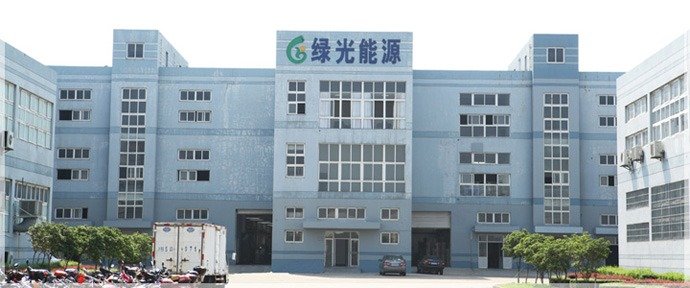
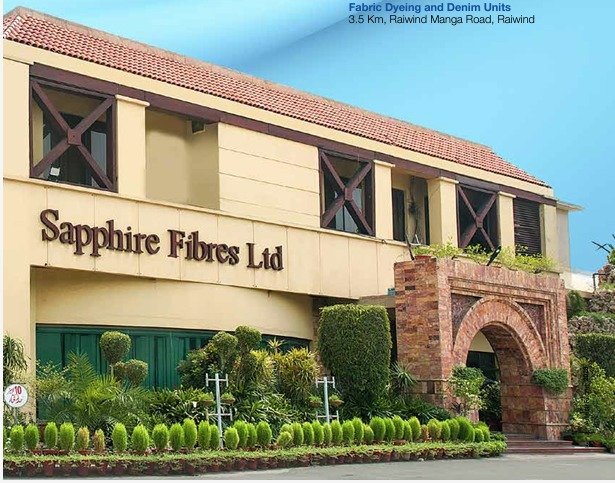

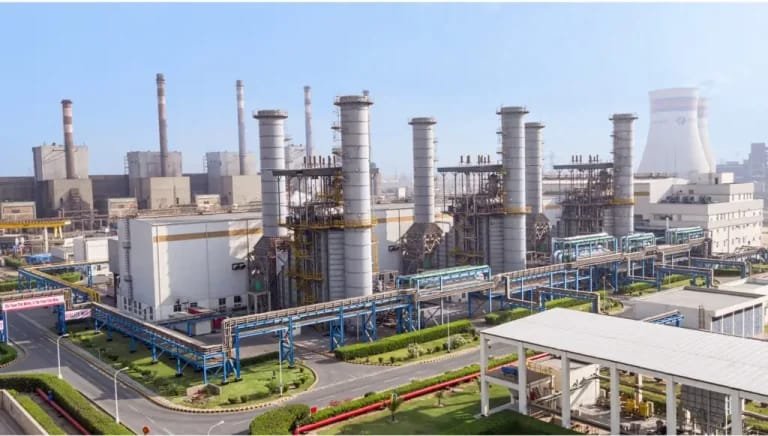
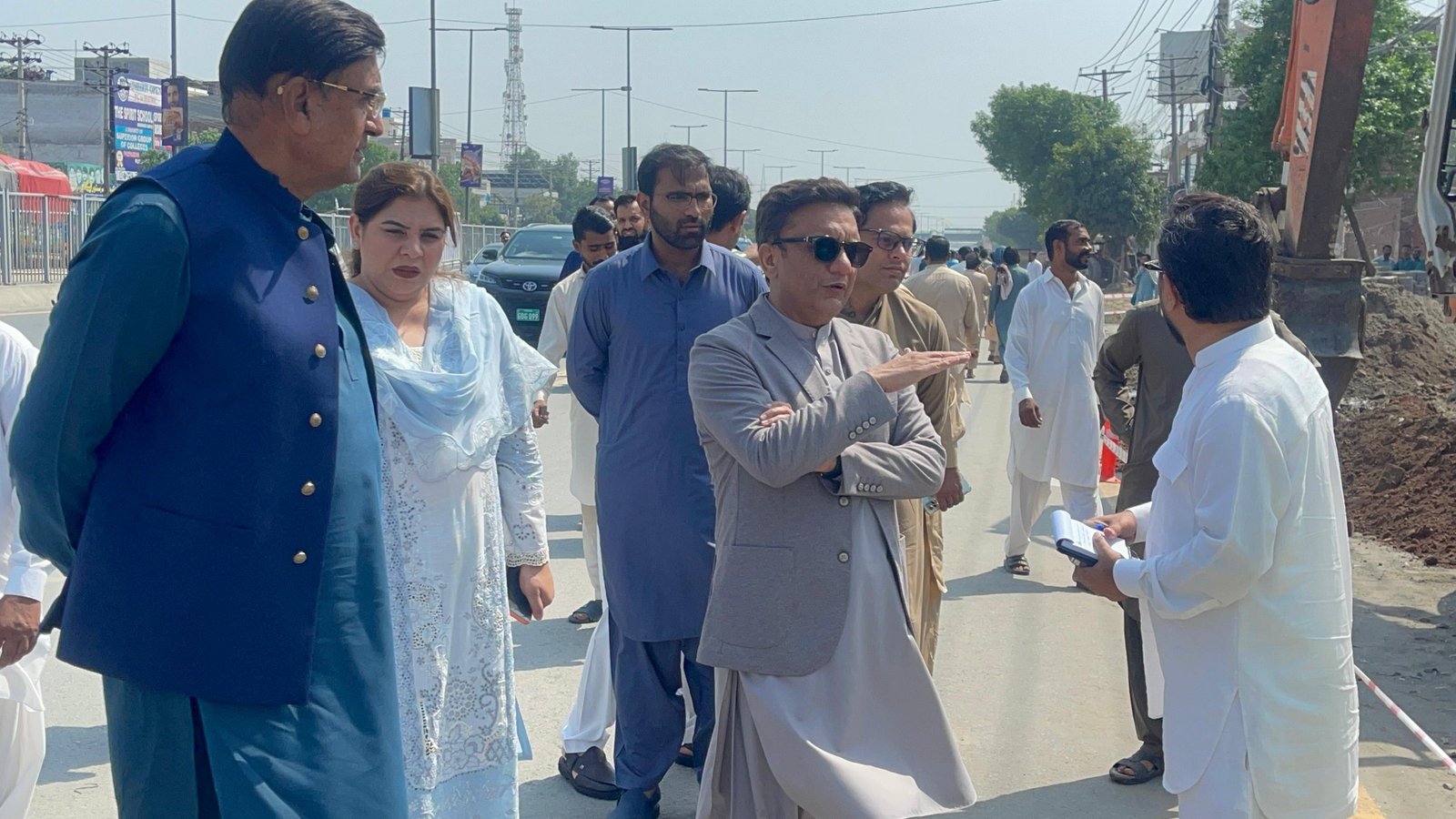
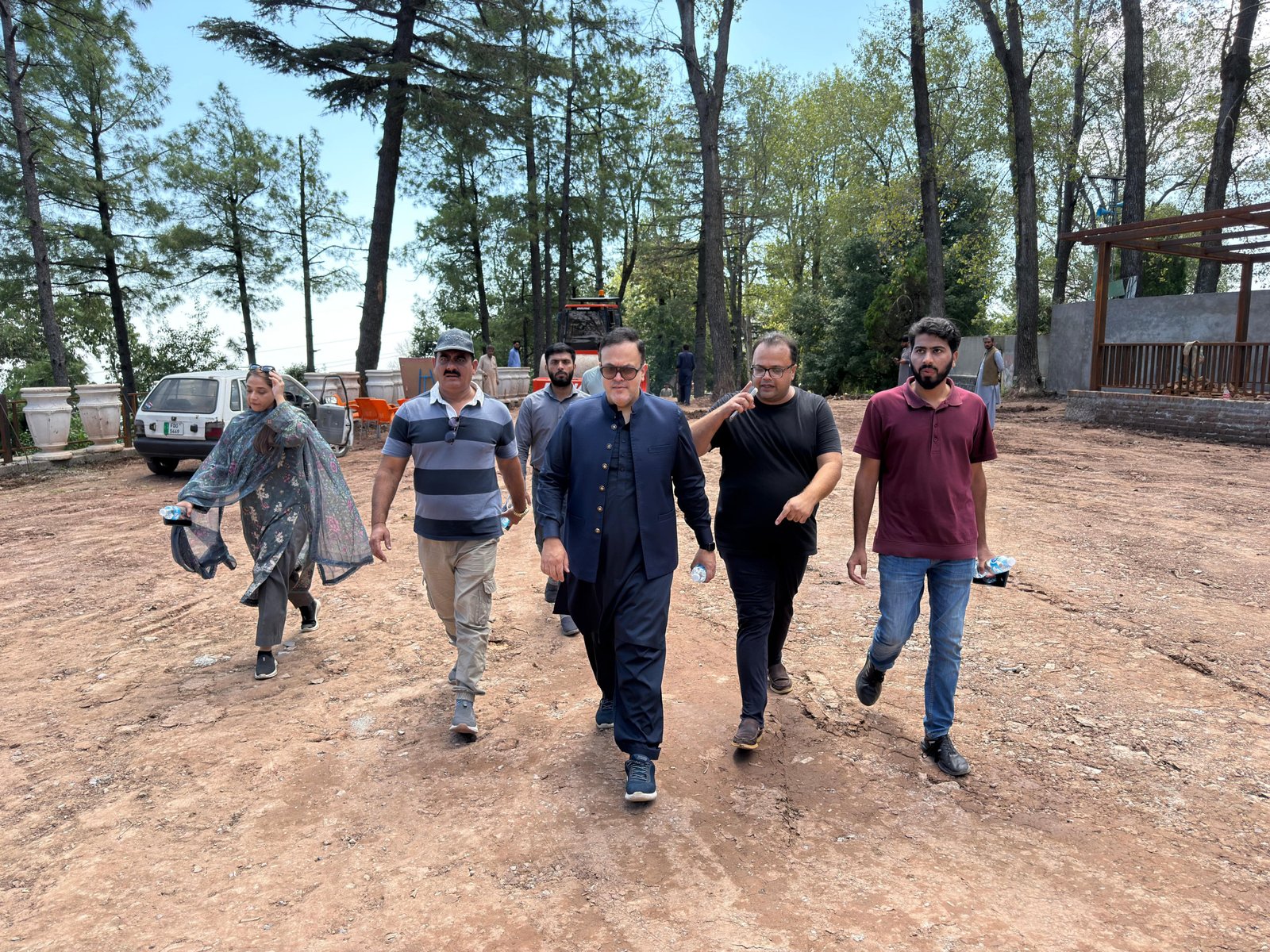
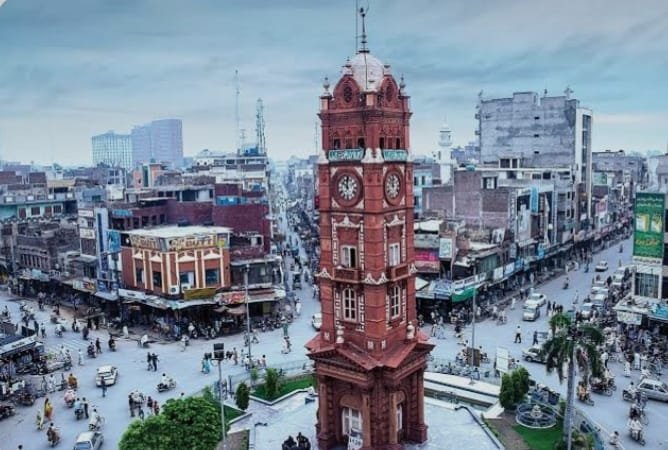
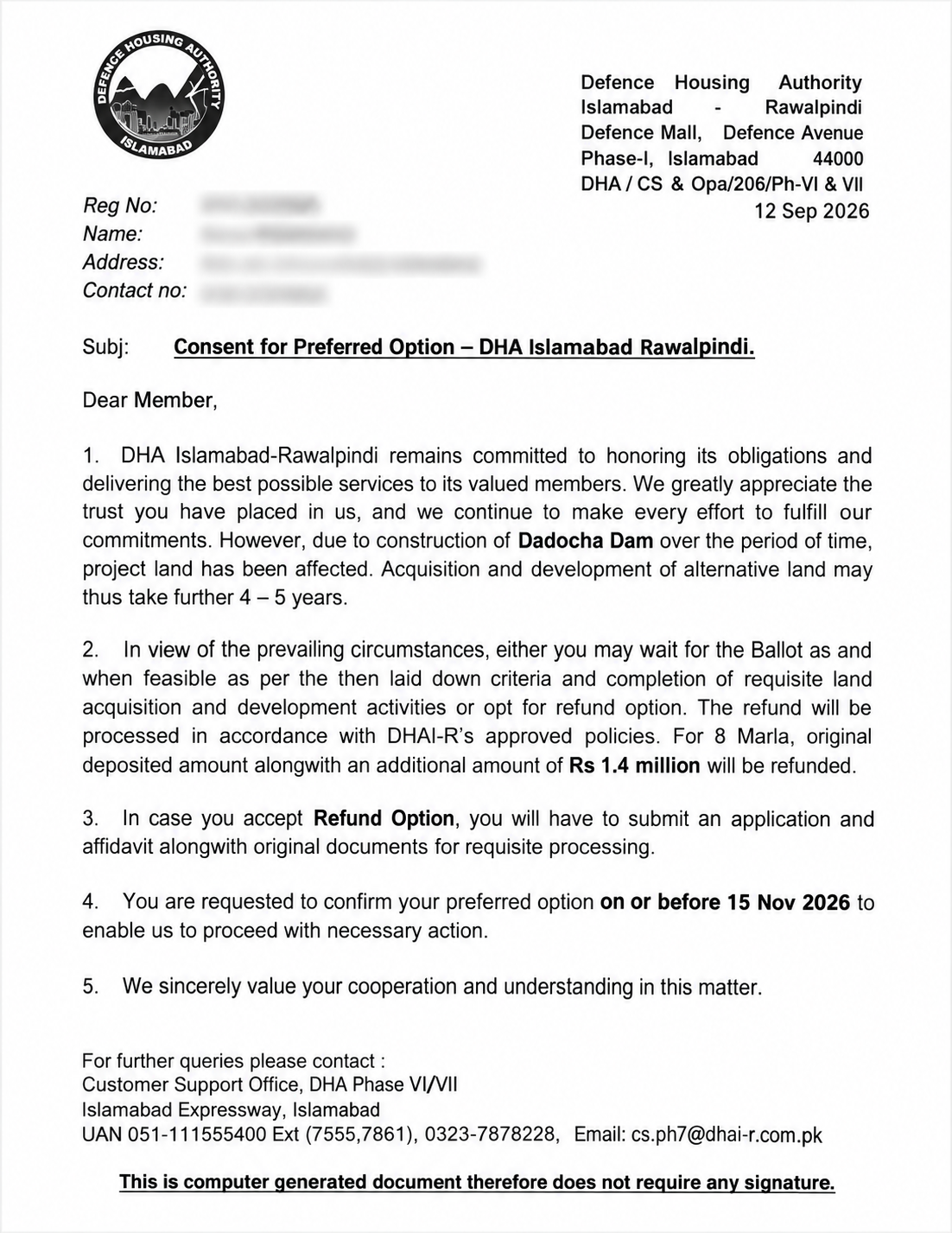
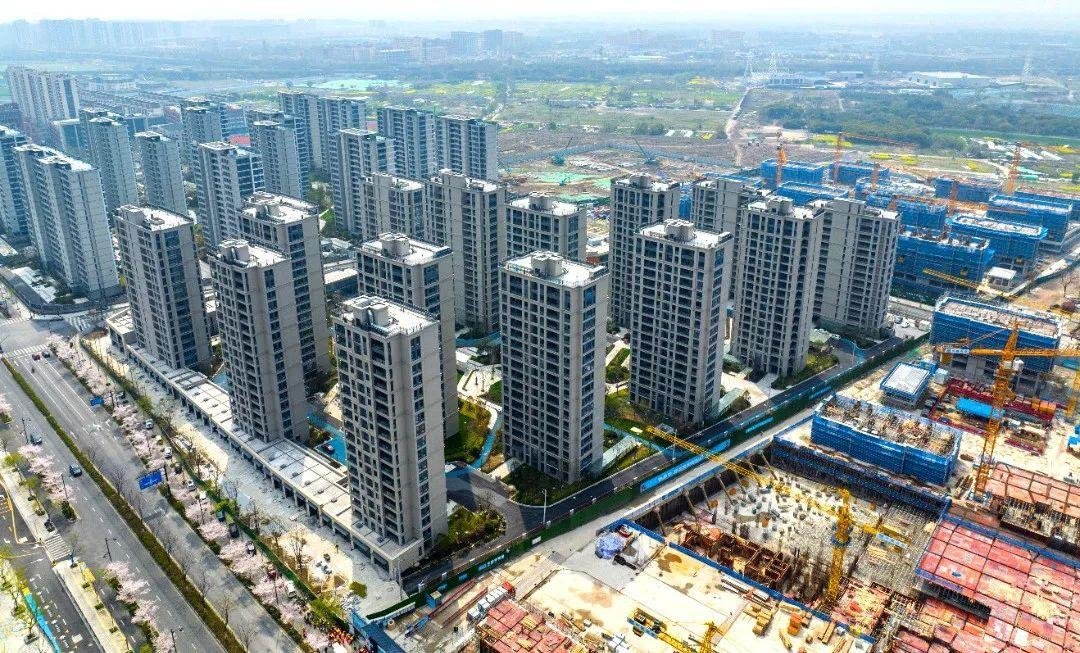

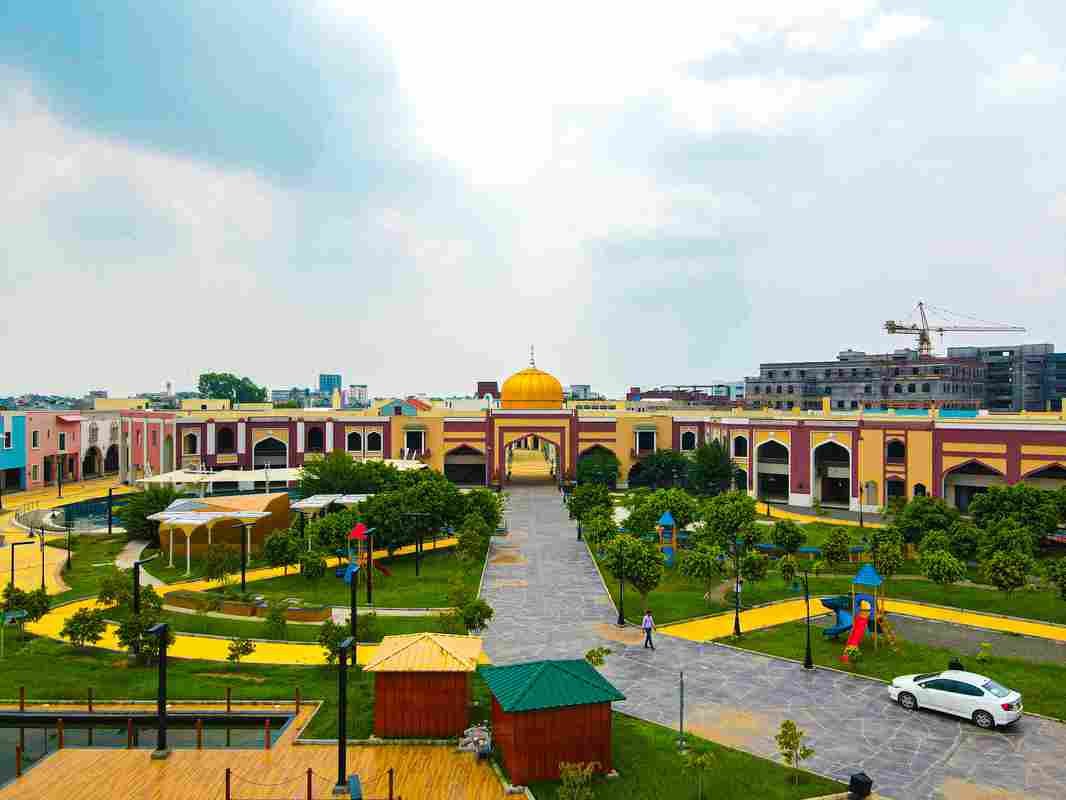
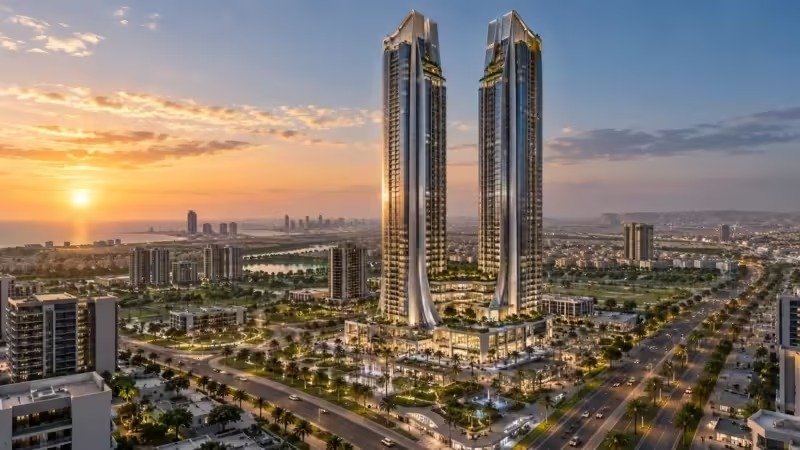
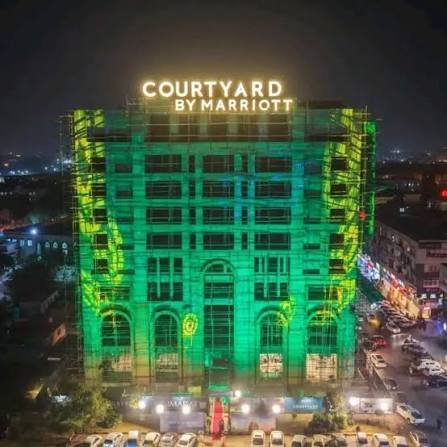
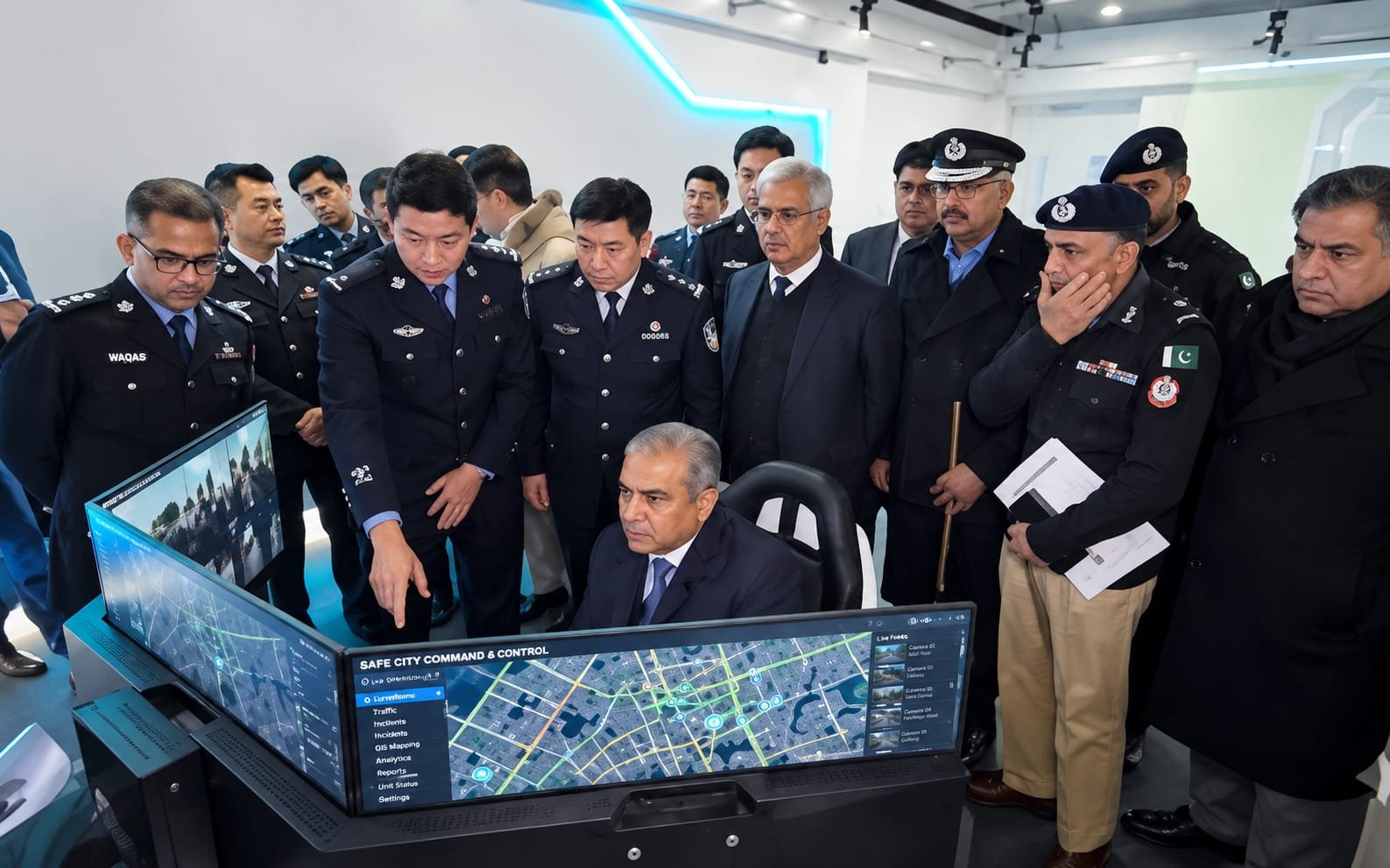
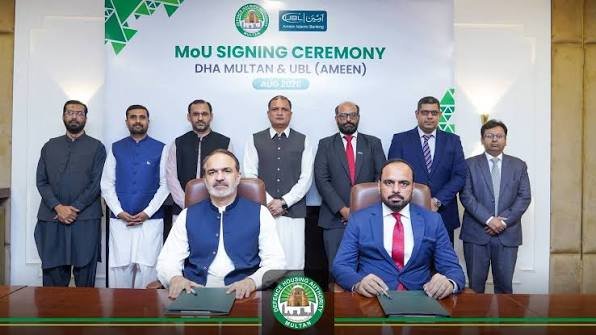
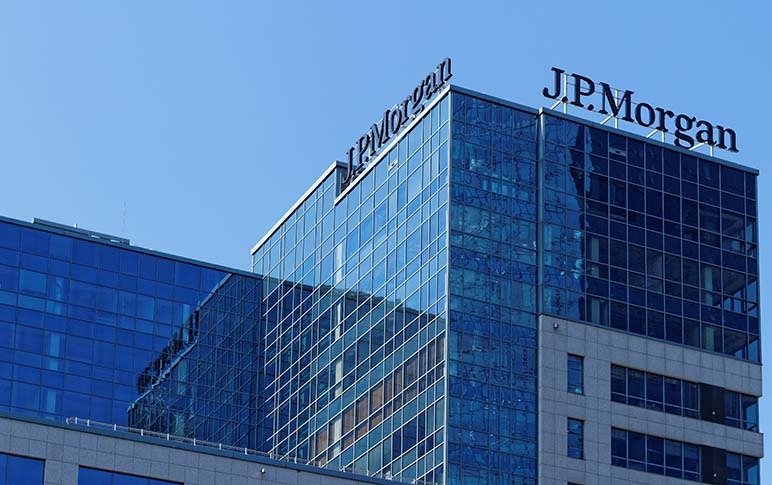
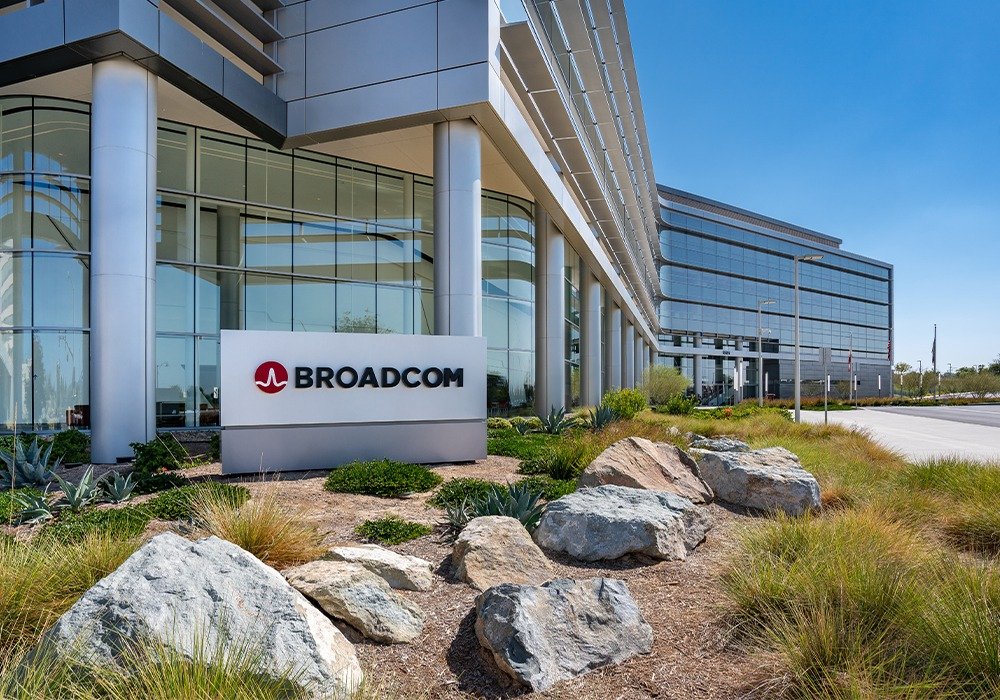
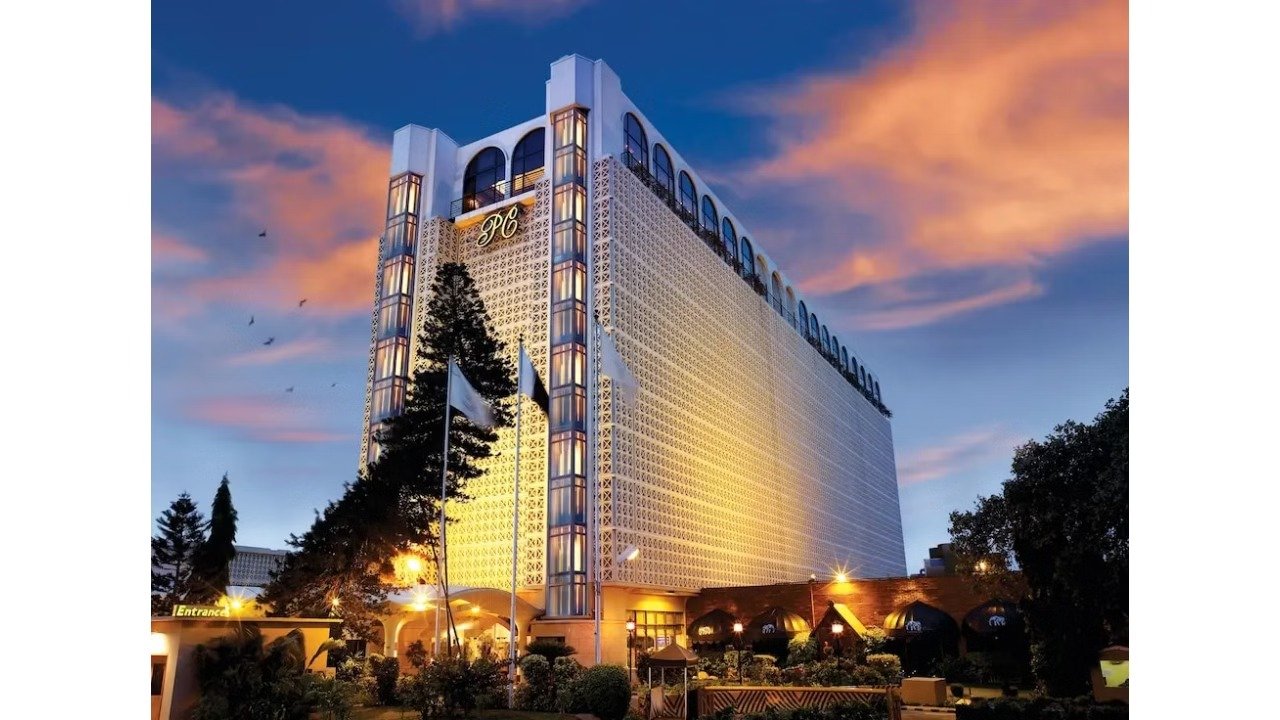
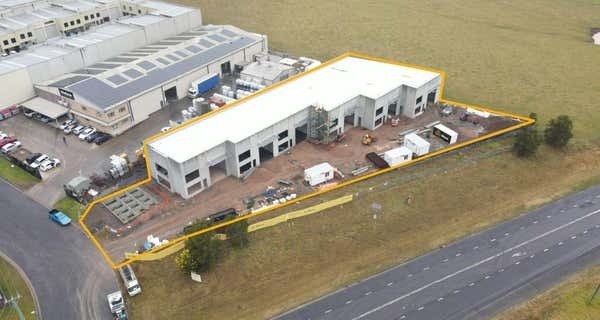
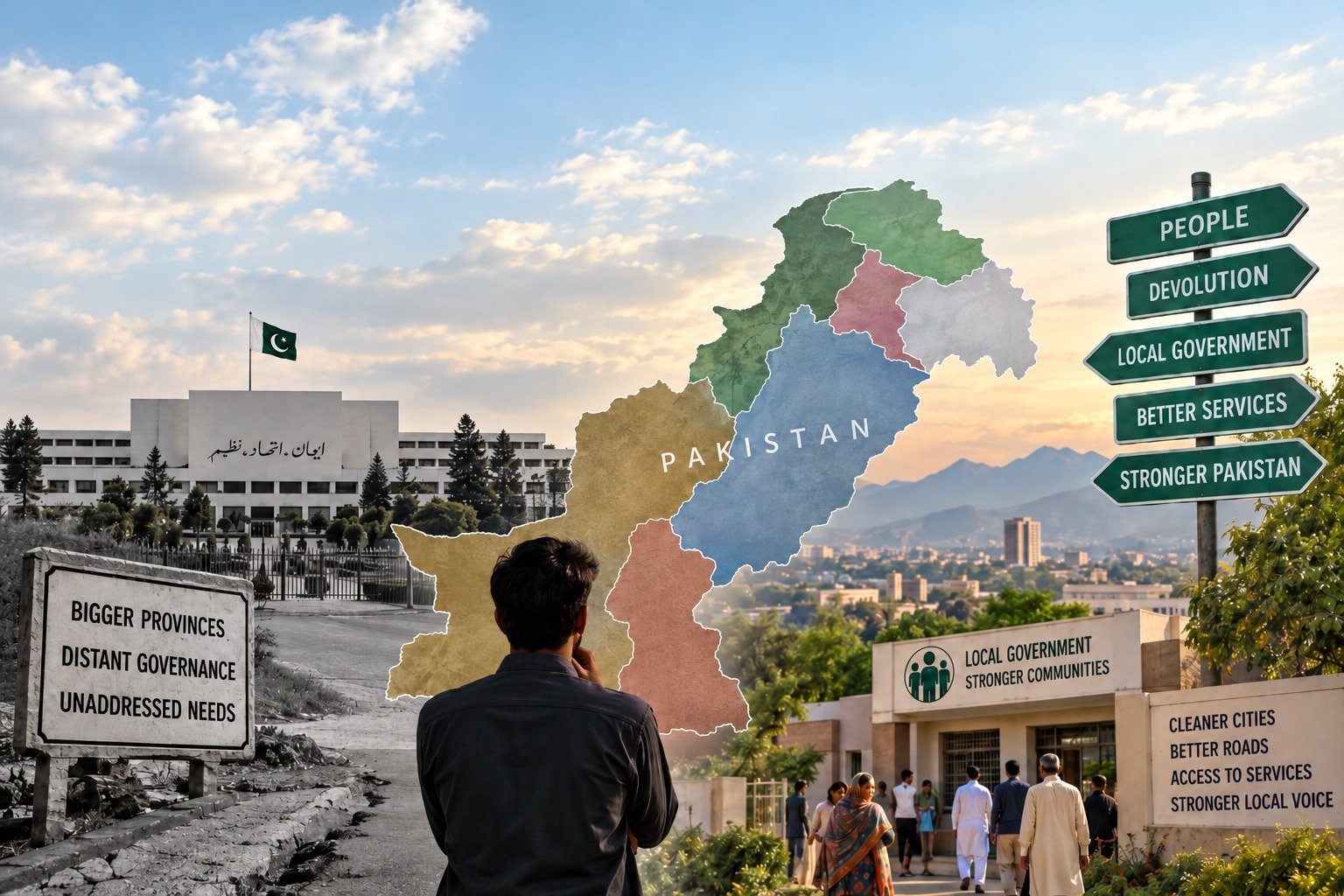
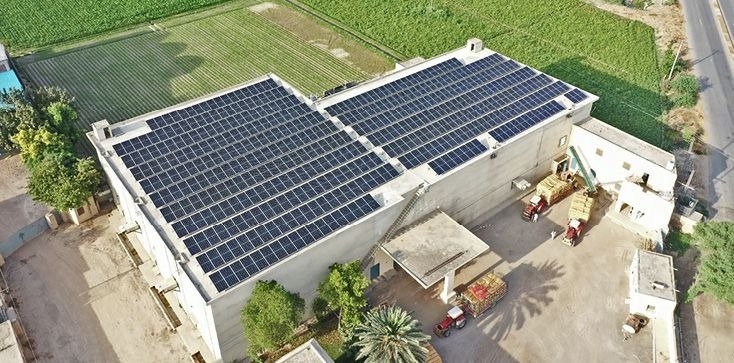




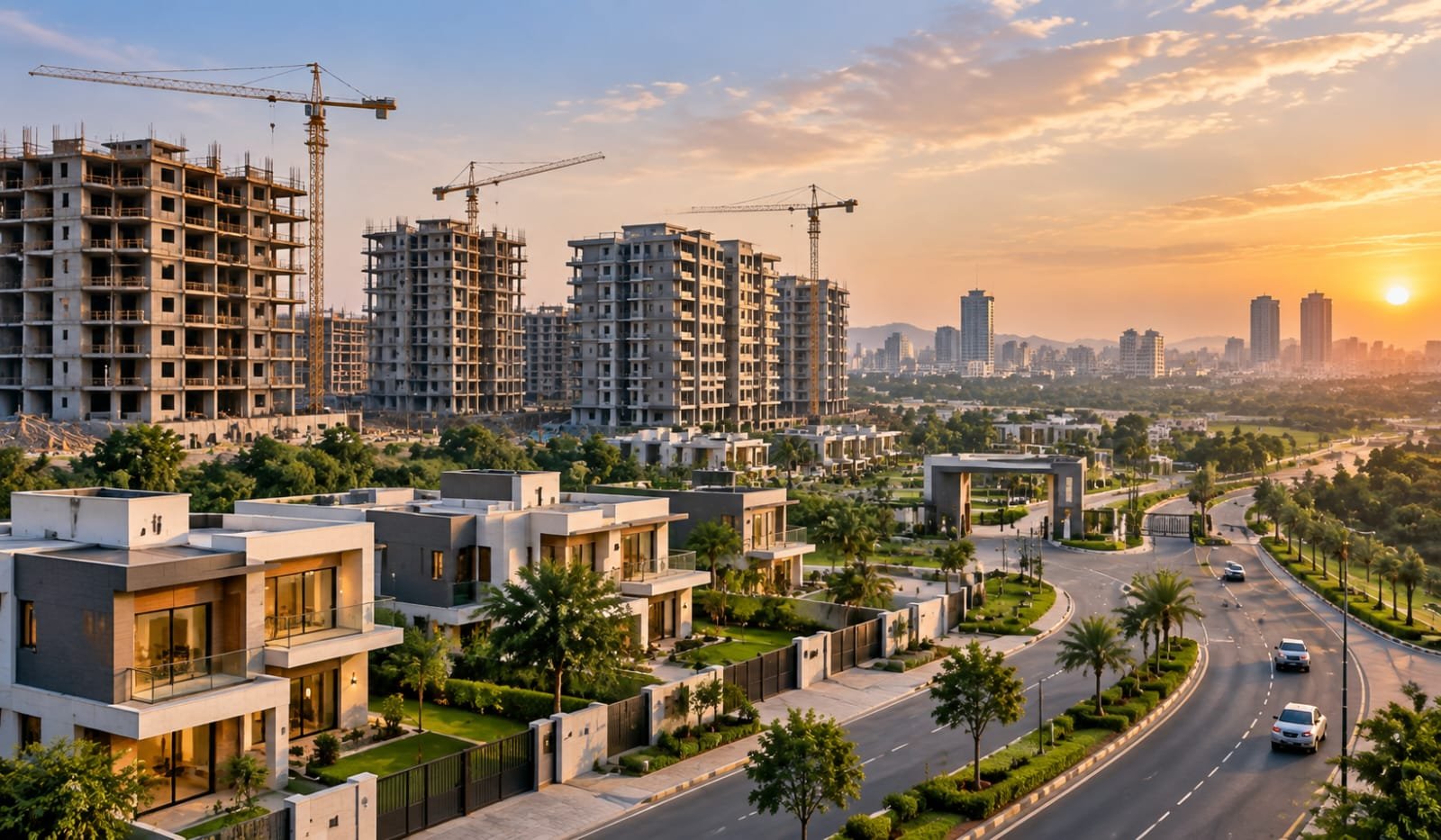









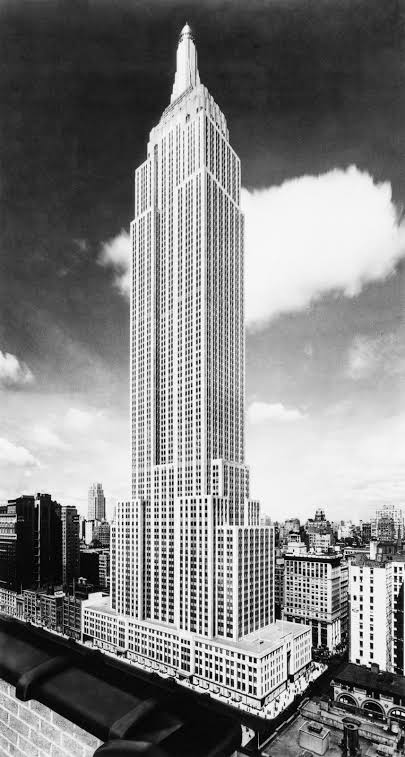




Social Media News سوشل میڈیا نیوز
Published: September 19, 2026 - 12:20 PM پبلشنگ کی تاریخ: 19 ستمبر 2026 - 12:20 شامModel Kylie Jenner Sells $15.3 Million Mansion as Her New Dream Home Takes Shape
امریکی ماڈل کائلی جینر نے نیا ڈریم ہوم بنانے کیلئے 13 ہزار مربع فٹ کی حویلی فروخت کر دی
Hidden Hills | ReNews International Desk News
Model and businesswoman Kylie Jenner has sold her more than 13,000 square foot...
ہڈن ہلز | ری نیوز انٹرنیشنل ڈیسک نیوز
امریکی ماڈل اور بزنس وومن کائلی جینر نے ریاست کیلی فورنیا کے...
Model and businesswoman Kylie Jenner has sold her more than 13,000 square foot luxury mansion in Hidden Hills for $15.3 million.
The property featured 8 bedrooms,8 bathrooms,a swimming pool,a spa,an outdoor kitchen,a six car garage and a separate guest house.
The expansive property and luxury amenities made the mansion one of Jenner’s notable real estate holdings.
However,the sale does not mark Jenner’s exit from the real estate market. She is continuing construction of a new dream home on approximately 5 acres in Hidden Hills.
Once completed,the new residence is expected to become another major addition to Jenner’s luxury real estate portfolio.
امریکی ماڈل اور بزنس وومن کائلی جینر نے ریاست کیلی فورنیا کے شہر ہڈن ہلز میں واقع اپنی 13 ہزار مربع فٹ سے زائد رقبے پر مشتمل پرتعیش حویلی 15.3 ملین ڈالر میں فروخت کر دی۔
رپورٹ کے مطابق اس شاندار پراپرٹی میں 8 بیڈروم، 8 باتھ روم، سوئمنگ پول،سپا،آؤٹ ڈور کچن، 6 گاڑیوں کا گیراج اور ایک الگ گیسٹ ہاؤس شامل تھا۔
حویلی کے وسیع رقبے اور لگژری سہولیات کے باعث یہ پراپرٹی کائلی جینر کی نمایاں رئیل اسٹیٹ ہولڈنگز میں شمار ہوتی رہی۔
دلچسپ بات یہ ہے کہ حویلی فروخت کرنے کے باوجود کائلی جینر رئیل اسٹیٹ سے دور نہیں ہوئیں۔ وہ ہڈن ہلز میں ہی تقریباً 5 ایکڑ رقبے پر اپنے نئے ’’ڈریم ہوم‘‘ کی تعمیر جاری رکھے ہوئے ہیں۔
نئے گھر کی تعمیر مکمل ہونے کے بعد یہ پراپرٹی ان کی رئیل اسٹیٹ پورٹ فولیو میں ایک اور بڑی اور پرتعیش رہائش گاہ کا اضافہ ہوگی۔
Published: September 18, 2026 - 3:02 PM پبلشنگ کی تاریخ: 18 ستمبر 2026 - 3:02 شامPakistan’s First Private Housing Scheme Introduces Modern Facility, Lake City Lahore Launches Free Community Train Service
پاکستان میں پہلی بار نجی ہاؤسنگ سکیم میں جدید سہولت؛ لیک سٹی لاہور میں مفت کمیونٹی ٹرین سروس کا آغاز
Lahore | ReNews Pakistan
Lake City Lahore has launched a free internal community train service for residents, students and employees,...
لاہور | ری نیوز پاکستان
لیک سٹی لاہور نے رہائشیوں، طلبہ اور ملازمین کی سہولت کیلئے مفت اندرونی کمیونٹی ٹرین...
Lake City Lahore has launched a free internal community train service for residents, students and employees, introducing a modern facility that is being described as a first of its kind in a private housing scheme in Pakistan.
Under the new service, two trackless trains are operating daily from 9 AM to 9 PM, connecting different important locations within the housing development.
The community train service provides transportation facilities between key points including the Raiwind Road Gate, Ring Road Gate, Lake City Mall, Grand Mosque and the central roundabout.
The initiative aims to improve internal mobility within the large residential development and reduce dependence on private vehicles for short distance travel.
According to Lake City Lahore, security arrangements and surveillance cameras have been installed in the trains to ensure a safe travel environment for passengers.
The community transport service has been introduced to improve connectivity between residential, commercial, educational and recreational areas within the development.
Lake City Lahore is a modern mixed use development featuring residential and commercial areas, a mall, educational facilities, parks and a golf course.
لیک سٹی لاہور نے رہائشیوں، طلبہ اور ملازمین کی سہولت کیلئے مفت اندرونی کمیونٹی ٹرین سروس کا آغاز کر دیا ہے۔ یہ پاکستان میں کسی بھی نجی ہاؤسنگ سکیم میں پہلی بار ملنے والی جدید سہولت ہے۔
نئی سروس کے تحت دو ٹریک لیس ٹرینیں روزانہ صبح 9 بجے سے رات 9 بجے تک چلائی جا رہی ہیں، جو ہاؤسنگ ڈویلپمنٹ کے مختلف اہم مقامات کو آپس میں منسلک کر رہی ہیں۔
کمیونٹی ٹرین سروس کے ذریعے رائیونڈ روڈ گیٹ، رنگ روڈ گیٹ، لیک سٹی مال، گرینڈ مسجد اور مرکزی راؤنڈ اباؤٹ سمیت اہم مقامات تک آمد و رفت کی سہولت فراہم کی جا رہی ہے۔
اس اقدام کا مقصد بڑے رہائشی منصوبے کے اندر سفری سہولت کو بہتر بنانا اور مختصر فاصلے کے سفر کیلئے ذاتی گاڑیوں کے استعمال میں کمی لانا ہے۔
لیک سٹی لاہور کے مطابق ٹرینوں میں مسافروں کی حفاظت کیلئے سکیورٹی انتظامات اور کیمرے نصب کیے گئے ہیں تاکہ روزانہ سفر کے دوران محفوظ ماحول فراہم کیا جا سکے۔
یہ کمیونٹی ٹرانسپورٹ سروس رہائشی، کمرشل، تعلیمی اور تفریحی مقامات کے درمیان بہتر رابطہ قائم کرنے کیلئے شروع کی گئی ہے۔
لیک سٹی لاہور ایک جدید مکسڈ یوز ڈویلپمنٹ ہے جس میں رہائشی اور کمرشل علاقے، مال، تعلیمی سہولیات، پارکس اور گالف کورس شامل ہیں۔
Published: September 18, 2026 - 11:57 AM پبلشنگ کی تاریخ: 18 ستمبر 2026 - 11:57 صبحPunjab Brings Home Tuition Centres And Academies Under Tax Net
پنجاب حکومت نے ہوم ٹیوشن سینٹرز، کوچنگ سینٹرز اور اکیڈمیز کو ٹیکس نیٹ میں شامل کر لیا
Lahore | ReNews Pakistan
The Punjab government has amended the Punjab Private Educational Institutions Act to bring home based tuition...
لاہور | ری نیوز پاکستان
پنجاب حکومت نے پنجاب پرائیویٹ تعلیمی اداروں کے قانون میں ترمیم کرتے ہوئے گھروں میں...
The Punjab government has amended the Punjab Private Educational Institutions Act to bring home based tuition centres, coaching centres and academies operating in residential areas under the definition of private educational institutions and the tax system.
Under the Punjab Private Educational Institutions Act 2026, tuition centres run from homes, including those operated by women and girls, along with small coaching centres and neighbourhood academies, will now be recognised as private educational institutions.
The amended law states that buildings and properties used by these institutions will fall under the property tax regime, while electricity and water connections will be treated as commercial.
Small private schools operating in residential areas will also come under the tax system, regardless of whether they are registered or unregistered.
The decision has received criticism from the All Pakistan Private Schools Colleges Association, which has called for the withdrawal of the amendment.
The association said the move could particularly affect women and girls who provide home based tuition to a limited number of students to support their household incomes.
It added that treating small scale tuition centres as commercial establishments could increase property and utility related expenses and create additional pressure on low income families.
The association has urged the Punjab government to reconsider commercial taxes and property related charges on home based tuition centres.
پنجاب حکومت نے پنجاب پرائیویٹ تعلیمی اداروں کے قانون میں ترمیم کرتے ہوئے گھروں میں قائم ہوم ٹیوشن سینٹرز، کوچنگ سینٹرز اور اکیڈمیز کو نجی تعلیمی اداروں کی تعریف میں شامل کر دیا ہے۔
پنجاب پرائیویٹ ایجوکیشنل انسٹی ٹیوشنز ایکٹ 2026 کے تحت گھروں سے چلنے والے ٹیوشن سینٹرز، جن میں خواتین اور بچیاں بھی شعبہ تدریس سے منسلک ہیں، جبکہ چھوٹے کوچنگ سینٹرز اور محلے کی سطح پر قائم اکیڈمیز بھی اب نجی تعلیمی اداروں کے طور پر شمار ہوں گی۔
ترمیم شدہ قانون کے مطابق ان اداروں کی عمارتیں اور جائیدادیں پراپرٹی ٹیکس کے دائرے میں آئیں گی جبکہ بجلی اور پانی کے کنکشن کمرشل تصور کیے جائیں گے۔
رہائشی علاقوں میں قائم چھوٹے نجی سکول بھی ٹیکس نظام کے تحت آئیں گے، چاہے وہ رجسٹرڈ ہوں یا غیر رجسٹرڈ۔
اس اقدام پر آل پاکستان پرائیویٹ سکولز کالجز ایسوسی ایشن نے تحفظات کا اظہار کرتے ہوئے ترمیم واپس لینے کا مطالبہ کیا ہے۔
ایسوسی ایشن کا کہنا ہے کہ اس فیصلے سے خاص طور پر وہ خواتین اور بچیاں متاثر ہوں گی جو گھروں میں محدود تعداد میں بچوں کو پڑھا کر اپنے گھریلو اخراجات میں مدد کرتی ہیں۔
ایسوسی ایشن کے مطابق چھوٹے پیمانے پر چلنے والے ٹیوشن سینٹرز کو کمرشل ادارے قرار دینے سے پراپرٹی اور یوٹیلٹی اخراجات میں اضافہ ہوگا، جس سے کم آمدنی والے خاندان بھی متاثر ہو سکتے ہیں۔
ایسوسی ایشن نے پنجاب حکومت سے مطالبہ کیا ہے کہ ہوم ٹیوشن سینٹرز پر کمرشل ٹیکس اور جائیداد سے متعلق اضافی چارجز کے فیصلے پر نظرثانی کی جائے۔
Published: September 17, 2026 - 2:22 PM پبلشنگ کی تاریخ: 17 ستمبر 2026 - 2:22 شامPM Shehbaz Orders Help Desks At Petrol Pumps For Fuel Subsidy Registration
وزیر اعظم شہباز شریف کا پٹرول پمپس پر فیول سبسڈی رجسٹریشن کیلئے ہیلپ ڈیسک قائم کرنے کا حکم
Lahore | ReNews Pakistan
The Punjab government has amended the Punjab Private Educational Institutions Act to bring home based tuition...
اسلام آباد | ری نیوز پاکستان
وزیر اعظم شہباز شریف نے عوام کو حکومتی فیول سبسڈی سکیم میں رجسٹریشن کی...
The Punjab government has amended the Punjab Private Educational Institutions Act to bring home based tuition centres, coaching centres and academies operating in residential areas under the definition of private educational institutions and the tax system.
Under the Punjab Private Educational Institutions Act 2026, tuition centres run from homes, including those operated by women and girls, along with small coaching centres and neighbourhood academies, will now be recognised as private educational institutions.
The amended law states that buildings and properties used by these institutions will fall under the property tax regime, while electricity and water connections will be treated as commercial.
Small private schools operating in residential areas will also come under the tax system, regardless of whether they are registered or unregistered.
The decision has received criticism from the All Pakistan Private Schools Colleges Association, which has called for the withdrawal of the amendment.
The association said the move could particularly affect women and girls who provide home based tuition to a limited number of students to support their household incomes.
It added that treating small scale tuition centres as commercial establishments could increase property and utility related expenses and create additional pressure on low income families.
The association has urged the Punjab government to reconsider commercial taxes and property related charges on home based tuition centres.
وزیر اعظم شہباز شریف نے عوام کو حکومتی فیول سبسڈی سکیم میں رجسٹریشن کی سہولت فراہم کرنے کیلئے ملک بھر کے پٹرول پمپس پر ہیلپ ڈیسک قائم کرنے کی ہدایت کر دی۔
یہ فیصلہ 16 ستمبر کو اسلام آباد میں ہونے والے اجلاس کے دوران کیا گیا جس میں وزیر اعظم خصوصی ریلیف سکیم پر پیش رفت کا جائزہ لیا گیا۔ اس سکیم کے تحت موٹر سائیکل، رکشہ اور 800 سی سی تک گاڑیوں کے مالکان کو فیول سبسڈی فراہم کی جا رہی ہے۔
ہیلپ ڈیسک پر سرکاری اہلکار، رضاکار اور پٹرول پمپ کا عملہ موجود ہوگا جو اہل شہریوں کو رجسٹریشن کے عمل اور ضروری مراحل مکمل کرنے میں رہنمائی فراہم کرے گا۔
حکام نے وزیر اعظم کو بتایا کہ یہ سکیم اب اسلام آباد میں پائلٹ منصوبے کے بعد پورے پاکستان، آزاد جموں و کشمیر اور گلگت بلتستان تک توسیع دی جا چکی ہے۔
رجسٹریشن کیلئے شہریوں کو صرف چار معلومات فراہم کرنا ہوں گی جن میں شناختی کارڈ نمبر، گاڑی کا نمبر پلیٹ، رجسٹریشن کا صوبہ اور گاڑی کی رجسٹریشن کی تاریخ شامل ہے۔
حکومت کے مطابق کامیاب رجسٹریشن کی تعداد میں مسلسل اضافہ ہو رہا ہے جبکہ صوبائی حکومتیں بھی سکیم کے ملک گیر اجرا میں تعاون کر رہی ہیں۔
وزیر اعظم شہباز شریف نے حکام کو ہدایت کی کہ سکیم سے متعلق عوامی آگاہی بڑھائی جائے اور اہل شہریوں کو رجسٹریشن کے دوران مکمل سہولت فراہم کی جائے۔
اجلاس میں نائب وزیر اعظم و وزیر خارجہ اسحاق ڈار، وفاقی وزرا اور اعلیٰ حکام نے شرکت کی۔
Published: September 17, 2026 - 9:45 AM پبلشنگ کی تاریخ: 17 ستمبر 2026 - 9:45 صبحThe $7,999 Tesla Tiny House Goes Viral With 120 Million Views : But It Doesn’t Exist
’ٹیسلا ٹائنی ہاؤس ‘ 12 کروڑ سے زائد بار دیکھا گیا،8 ہزار ڈالر کا گھر حقیقت میں موجود ہی نہیں
Boca Chica, Texas | ReNews International Desk News
A futuristic “Tesla Tiny House” supposedly selling for just $7,999 has become...
بوکا چیکا، ٹیکساس | ری نیوز انٹرنیشنل ڈیسک نیوز
صرف 8 ہزار ڈالر میں فروخت ہونے والے ایک جدید اور...
A futuristic “Tesla Tiny House” supposedly selling for just $7,999 has become one of social media’s biggest property stories, attracting more than 120 million reported views ,despite the house itself not actually existing as a Tesla product.
Videos circulating across YouTube, Facebook and other platforms show sleek compact homes carrying Tesla branding and claim that Elon Musk’s company is offering an ultra affordable house equipped with futuristic technology.
Some versions of the viral claim go even further, promising buyers free land and freedom from property taxes.
There is one major problem: Tesla does not sell the house.
The viral story appears to combine several unrelated pieces of real and fabricated material. One source of confusion is Tesla’s 2017 Tiny House demonstration project in Australia, a mobile display created to showcase the company’s solar panels and Powerwall energy storage system. The demonstration unit was never offered as a residential product for sale.
Other viral videos have incorporated imagery associated with Boxabl, a genuine American prefabricated housing company that has previously attracted attention because of its reported connection with Elon Musk.
Artificial intelligence generated images and video sequences have also been used to create futuristic Tesla branded houses that appear convincing enough to attract millions of viewers.
Reports tracking the misinformation say videos promoting the supposed $7,999 Tesla home accumulated more than 120 million views over several months, demonstrating how quickly an attractive property story can spread when a famous technology brand, an extraordinarily low price and futuristic architecture are combined.
The episode has also highlighted a growing challenge for the property industry: as artificial intelligence makes fabricated buildings increasingly realistic, social media audiences may find it harder to distinguish genuine property launches from fictional designs and misleading promotional content.
For now, the viral $7,999 Tesla Tiny House remains an internet sensation , but not a home anyone can actually order from Tesla.
صرف 8 ہزار ڈالر میں فروخت ہونے والے ایک جدید اور مستقبل کی خوبیوں کا حامل ’’ٹیسلا ٹائنی ہاؤس‘‘ کی ویڈیوز نے سوشل میڈیا پر تہلکہ مچا دیا ہے اور اطلاعات کے مطابق انہیں مجموعی طور پر 12 کروڑ سے زائد مرتبہ دیکھا جا چکا ہے، لیکن دلچسپ بات یہ ہے کہ ٹیسلا کا ایسا کوئی گھر حقیقت میں فروخت کیلئے موجود ہی نہیں۔
یوٹیوب، فیس بک اور دیگر سماجی رابطوں کے ذرائع پر گردش کرنے والی ویڈیوز میں ٹیسلا کے نشان والے چھوٹے مگر انتہائی جدید گھر دکھائے جا رہے ہیں اور یہ تاثر دیا جا رہا ہے کہ ایلون مسک کی کمپنی انتہائی کم قیمت میں مستقبل کی رہائش متعارف کرا رہی ہے۔
بعض وائرل دعووں میں تو گھر کے ساتھ مفت زمین اور جائیداد پر ٹیکس نہ دینے جیسی پیشکشوں کا بھی ذکر کیا گیا۔
تاہم حقیقت اس کے بالکل برعکس ہے۔ ٹیسلا نے 7 ہزار 999 ڈالر کا کوئی گھر نہ متعارف کرایا ہے اور نہ ہی اسے فروخت کیلئے پیش کیا ہے۔
اس وائرل کہانی میں کئی الگ الگ حقیقی اور مصنوعی چیزوں کو ملا دیا گیا ہے۔ اس غلط فہمی کی ایک بڑی وجہ ٹیسلا کا 2017 کا نمائشی چھوٹا گھر ہے، جسے آسٹریلیا میں کمپنی کے شمسی توانائی کے نظام اور پاور وال بیٹری کی نمائش کیلئے استعمال کیا گیا تھا۔ یہ گھر فروخت کیلئے تیار کی جانے والی رہائشی گھروں کا حصہ نہیں تھا۔
وائرل مواد میں امریکی تیار شدہ گھروں کی کمپنی باکس ایبل سے منسلک تصاویر اور مناظر بھی استعمال کیے گئے۔ اس کمپنی کا نام ماضی میں ایلون مسک کی رہائش سے متعلق خبروں کے باعث توجہ حاصل کرتا رہا ہے، جس سے جعلی دعوے کو مزید قابلِ یقین بنانے میں مدد ملی۔
اس کے علاوہ مصنوعی ذہانت سے تیار کردہ تصاویر اور ویڈیوز کے ذریعے ایسے مکانات تخلیق کیے گئے جن پر ٹیسلا کا نشان لگا کر انہیں حقیقی منصوبے کے طور پر پیش کیا گیا۔
ایسی غلط معلومات کا جائزہ لینے والی رپورٹس کے مطابق چند ماہ کے دوران ان ویڈیوز نے مجموعی طور پر 12 کروڑ سے زیادہ بار دیکھے جانے کا ہندسہ عبور کیا، جو ظاہر کرتا ہے کہ معروف کمپنی کا نام، انتہائی کم قیمت اور غیر معمولی طرزِ تعمیر کس طرح ایک فرضی جائیداد کو عالمی سوشل میڈیا کہانی میں تبدیل کر سکتے ہیں۔
یہ معاملہ جائیداد کی دنیا کیلئے ایک نئے مسئلے کی بھی نشاندہی کرتا ہے۔ مصنوعی ذہانت سے تیار عمارتوں کی تصاویر اور ویڈیوز جتنی حقیقت کے قریب ہوتی جا رہی ہیں، اتنا ہی عام صارف کیلئے حقیقی منصوبے اور فرضی پیشکش میں فرق کرنا مشکل ہوتا جا رہا ہے۔
فی الحال 8 ہزار ڈالر کا یہ ’’ٹیسلا ٹائنی ہاؤس‘‘ سوشل میڈیا پر تو موجود ہے، مگر ٹیسلا کی فروخت کیلئے موجود گھروں کی فہرست میں نہیں۔
Published: September 14, 2026 - 11:39 AM پبلشنگ کی تاریخ: 14 ستمبر 2026 - 11:39 صبحMilk Is Gone, But the Bottle Lives On: 6,000+ Bottles Become Part of a Shanghai Road
دودھ ختم ہوا، بوتل نہیں، شنگھائی میں 6 ہزار بوتلیں سڑک کا حصہ بن گئیں
Shanghai | ReNews Pakistan
What happens to a plastic milk bottle after the milk is gone? In Shanghai, thousands of...
شنگھائی | ری نیوز انٹرنیشنل ڈیسک نیوز
دودھ کی ہزاروں خالی بوتلوں کو عام کچرے میں جانے سے بچا کر...
What happens to a plastic milk bottle after the milk is gone? In Shanghai, thousands of them took an unexpected route — they became part of a road.
More than 6,000 used milk bottles, along with other discarded plastic, were incorporated into a road project at East China University of Science and Technology in 2021.
The unusual experiment was developed by Dow and dairy brand Shiny Meadow to demonstrate how plastic that is often difficult for traditional recyclers to process could instead be converted into a material for road construction.
The recovered plastic was processed and used in polymer-modified asphalt, turning a waste problem into a potential infrastructure resource.
The initiative aimed to explore ways of reducing plastic waste while also examining the potential to reduce bitumen consumption and emissions through the use of recycled materials.
The project offered a striking example of circular economy thinking: plastic waste that might otherwise be rejected by recyclers was transformed into part of a road.
دودھ کی ہزاروں خالی بوتلوں کو عام کچرے میں جانے سے بچا کر چین کے شہر شنگھائی میں سڑک کی تعمیر کیلئے استعمال کیا گیا۔
2021 کے اس منفرد تجربے میں 6 ہزار سے زائد استعمال شدہ دودھ کی بوتلیں اور دیگر ضائع شدہ پلاسٹک کو پراسیس کرکے پولیمر موڈیفائیڈ سفالٹ میں شامل کیا گیا۔ یہ سڑک ایسٹ چائنا یونیورسٹی آف سائنس اینڈ ٹیکنالوجی میں تعمیر کی گئی۔
منصوبہ ڈاؤ اور ڈیری برانڈ شائنی میڈو نے مل کر تیار کیا۔ اس اقدام کی ایک بڑی وجہ یہ تھی کہ دودھ کی بوتلیں ری سائیکل ہونے کے قابل ہونے کے باوجود ان میں موجود دودھ کی باقیات کے باعث روایتی ری سائیکلنگ نظام کیلئے مشکل ثابت ہوتی ہیں۔
اس تجربے کا مقصد پلاسٹک کچرے کیلئے نیا استعمال تلاش کرنے کے ساتھ سڑکوں میں روایتی بٹومن کے استعمال اور ماحولیاتی اثرات کو کم کرنے کے امکانات کا جائزہ لینا بھی تھا۔
یعنی جو بوتلیں کچرے میں جانے والی تھیں، وہی ایک سڑک کی تعمیر میں استعمال ہوگئیں۔
Published: September 12, 2026 - 11:51 AM پبلشنگ کی تاریخ: 12 ستمبر 2026 - 11:51 صبحLondon’s 40 Room Historic Mansion Sold for Rs 71.3 Billion
لندن کی 40 کمروں پر مشتمل مہنگی ترین تاریخی حویلی 71.3 ارب روپے میں فروخت
London | ReNews International Desk News
The Holme, a historic mansion located in London’s Regent’s Park, has become the focus...
لندن | ری نیوز انٹرنیشنل ڈیسک نیوز
لندن کے رجنٹس پارک میں واقع تاریخی حویلی دی ہولم تقریباً 71.3 ارب...
The Holme, a historic mansion located in London’s Regent’s Park, has become the focus of the global luxury real estate market after being sold for approximately Rs 71.3 billion.
According to a recent report, the property was previously owned by Chinese crypto investor Leon Li, who purchased the mansion in 2024 for approximately Rs 52.1 billion.
With around 40 rooms, The Holme is among London’s most expensive residential properties. Its latest sale has once again highlighted the strong presence of international investors in London’s ultra luxury residential property market.
The transaction is also notable because ownership of the property had remained concealed for a period through a private ownership structure, adding further intrigue to the deal among international property and financial circles.
لندن کے رجنٹس پارک میں واقع تاریخی حویلی دی ہولم تقریباً 71.3 ارب پاکستانی روپے میں فروخت ہونے کے بعد عالمی لگژری رئیل اسٹیٹ مارکیٹ کی توجہ کا مرکز بن گئی ہے۔
تازہ رپورٹ کے مطابق اس جائیداد کے سابق مالک چینی کرپٹو سرمایہ کار لیون لی تھے، جنہوں نے اسے 2024 میں تقریباً 52.1 ارب پاکستانی روپے میں خریدا تھا۔
تقریباً 40 کمروں پر مشتمل یہ حویلی لندن کی مہنگی ترین رہائشی جائیدادوں میں شامل ہے۔ جائیداد کی حالیہ فروخت نے لندن کی انتہائی مہنگی رہائشی مارکیٹ میں بین الاقوامی سرمایہ کاروں کی موجودگی کو ایک بار پھر نمایاں کر دیا ہے۔
یہ سودا اس لحاظ سے بھی غیر معمولی ہے کہ جائیداد کی ملکیت ایک عرصے تک نجی ڈھانچے کے ذریعے پوشیدہ رہی، جس نے اس لین دین کو عالمی پراپرٹی اور مالیاتی حلقوں میں مزید دلچسپ بنا دیا۔
Published: September 11, 2026 - 4:22 PM پبلشنگ کی تاریخ: 11 ستمبر 2026 - 4:22 شامPunjab Government’s Green Credit Programme: Cash Rewards Announced for Eco Friendly Actions
پنجاب حکومت کا گرین کریڈٹ پروگرام: ماحول دوست اقدامات پر شہریوں کو نقد انعامات دینے کا اعلان
Lahore | ReNews Pakistan
The Punjab government has linked various environmentally friendly activities with financial incentives under the Chief Minister...
لاہور | ری نیوز پاکستان
پنجاب حکومت نے شہریوں کو ماحول دوست طرزِ زندگی اپنانے کی ترغیب دینے کے لیے...
The Punjab government has linked various environmentally friendly activities with financial incentives under the Chief Minister Punjab Green Credit Programme, encouraging citizens to adopt greener and more sustainable lifestyles.
Under the programme, citizens can earn green credits by engaging in activities such as cycling, tree plantation, waste recycling, water conservation and the use of electric vehicles.
The programme encourages cycling by awarding green credits to citizens, while incentives are also available for the purchase of electric bikes and vehicles, as well as the conversion of petrol motorcycles into electric vehicles. According to available information, financial rewards for certain electric-vehicle initiatives can reach up to Rs. 100,000.
The Green Credit Programme is not limited to transportation. It also covers environmentally friendly activities at household and community levels. Citizens can earn green credits through kitchen-waste recycling, tree plantation, water conservation and rainwater harvesting. The Punjab government’s official portal also lists the installation of systems to reuse ablution water in mosques among the eligible activities.
The programme aims to make citizens active participants in environmental protection rather than leaving the responsibility solely to government institutions. By linking environmentally responsible behaviour with financial incentives, the government seeks to encourage reductions in pollution, more efficient use of resources and the adoption of sustainable lifestyles.
Environmental experts say such initiatives are increasingly important as Pakistan faces growing challenges related to urbanization, air pollution, water scarcity and the impacts of climate change. The federal Ministry of Climate Change has also been promoting initiatives related to green taxonomy, rainwater harvesting and low-carbon development as part of broader climate-resilience efforts.
Punjab’s Green Credit model is significant because it attempts to link environmental responsibility with direct financial benefits. The programme uses a digital system for the registration and verification of eligible environmental activities, enabling the government to record and monitor citizens’ green initiatives.
The government has urged citizens to make environmentally friendly practices part of their daily lives, saying such efforts can help reduce pollution and resource wastage while also enabling citizens to benefit from financial incentives under the Green Credit Programme.
پنجاب حکومت نے شہریوں کو ماحول دوست طرزِ زندگی اپنانے کی ترغیب دینے کے لیے وزیراعلیٰ پنجاب گرین کریڈٹ پروگرام کے تحت مختلف ماحولیاتی سرگرمیوں کو مالی مراعات سے منسلک کر دیا ہے۔ پروگرام کے تحت شہری سائیکلنگ، شجرکاری، ویسٹ ری سائیکلنگ، پانی کے تحفظ اور الیکٹرک گاڑیوں کے استعمال سمیت مختلف ماحول دوست اقدامات پر گرین کریڈٹس حاصل کر سکتے ہیں۔
پروگرام کے مطابق سائیکل کے استعمال کو فروغ دینے کے لیے شہریوں کو گرین کریڈٹس دیے جا رہے ہیں، جبکہ الیکٹرک بائیک اور الیکٹرک گاڑیوں کی خریداری یا پٹرول موٹر سائیکل کو الیکٹرک گاڑی میں تبدیل کرنے جیسے اقدامات بھی مراعاتی نظام میں شامل ہیں۔ معلومات کے مطابق بعض الیکٹرک وہیکل اقدامات پر مالی انعام ایک لاکھ روپے تک پہنچ سکتا ہے۔
گرین کریڈٹ پروگرام صرف ٹرانسپورٹ تک محدود نہیں بلکہ گھریلو اور شہری سطح پر ماحول دوست سرگرمیوں کو بھی اس کا حصہ بنایا گیا ہے۔ شہری کچن ویسٹ ری سائیکلنگ، درخت لگانے، پانی کے تحفظ اور رین واٹر ہارویسٹنگ جیسے اقدامات کے ذریعے بھی گرین کریڈٹس حاصل کر سکتے ہیں۔ پنجاب حکومت کے سرکاری پورٹل پر مساجد میں وضو کے پانی کو دوبارہ قابلِ استعمال بنانے کے نظام کی تنصیب بھی پروگرام میں شامل سرگرمیوں میں درج ہے۔
پروگرام کا بنیادی مقصد ماحولیاتی تحفظ کو صرف حکومتی اقدامات تک محدود رکھنے کے بجائے شہریوں کو براہِ راست اس عمل کا حصہ بنانا ہے۔ حکومت ماحول دوست رویوں کو مالی مراعات سے جوڑ کر شہریوں کو آلودگی میں کمی، وسائل کے بہتر استعمال اور پائیدار طرزِ زندگی کی جانب راغب کرنا چاہتی ہے۔
ماحولیاتی ماہرین کے مطابق پاکستان میں شہری آبادی، فضائی آلودگی، پانی کی قلت اور موسمیاتی تبدیلی کے اثرات میں اضافے کے باعث ایسے اقدامات کی اہمیت بڑھ گئی ہے۔ وفاقی وزارتِ موسمیاتی تبدیلی بھی گرین ٹیکسانومی، رین واٹر ہارویسٹنگ اور کم کاربن ترقی جیسے اقدامات کو موسمیاتی لچک کے وسیع تر فریم ورک کا حصہ قرار دے رہی ہے۔
پنجاب کا گرین کریڈٹ ماڈل اس لحاظ سے بھی اہم ہے کہ اس میں ماحولیاتی ذمہ داری کو مالی فائدے کے ساتھ جوڑنے کی کوشش کی گئی ہے۔ پروگرام میں ماحول دوست سرگرمیوں کی رجسٹریشن اور تصدیق کے لیے ڈیجیٹل نظام استعمال کیا جا رہا ہے، جس سے حکومت شہریوں کے ماحولیاتی اقدامات کو ریکارڈ اور مانیٹر کر سکتی ہے۔
حکومت کی جانب سے شہریوں کو پیغام دیا گیا ہے کہ ماحول دوست سرگرمیوں کو روزمرہ زندگی کا حصہ بنا کر نہ صرف آلودگی اور وسائل کے ضیاع میں کمی لائی جا سکتی ہے بلکہ گرین کریڈٹ پروگرام کے ذریعے مالی مراعات بھی حاصل کی جا سکتی ہیں۔
نوٹ: آپ کے فراہم کردہ متن میں سائیکل کے لیے 20 ہزار روپے اور مساجد میں وضو کے پانی کی ری سائیکلنگ کے لیے ایک لاکھ روپے کا مخصوص انعام بتایا گیا ہے۔ مجھے دستیاب سرکاری پورٹل پر ان دونوں رقموں کی براہِ راست تصدیق نہیں ملی، اس لیے خبر میں انہیں قطعی سرکاری رقم کے طور پر شامل نہیں کیا۔ الیکٹرک وہیکل سے متعلق ایک لاکھ روپے تک کی مالی ترغیب کی دیگر دستیاب رپورٹس سے تصدیق ہوتی ہے۔
Published: September 11, 2026 - 12:58 PM پبلشنگ کی تاریخ: 11 ستمبر 2026 - 12:58 شامBoxing Legend Floyd Mayweather’s Former Miami Mansion Sells for $18.5 Million
باکسنگ لیجنڈ فلوئیڈ مے ویدر کی میامی حویلی 18.5 ملین ڈالر میں فروخت
Miami | ReNews International Desk News
A former waterfront mansion owned by boxing legend Floyd Mayweather has been sold again...
میامی | ری نیوز انٹرنیشنل ڈیسک نیوز
باکسنگ لیجنڈ فلوئیڈ مے ویدر کی سابق واٹر فرنٹ حویلی دو سال سے...
A former waterfront mansion owned by boxing legend Floyd Mayweather has been sold again in Miami for $18.5 million, less than two years after its previous sale.
The latest transaction represents a $3.5 million decline from the property’s earlier sale price, highlighting the fluctuations that can occur even in the high end luxury real estate market.
Located in Miami, Florida, the waterfront residence was previously owned by Mayweather and is part of the city’s premium property segment, where high value homes can command multimillion dollar prices.
The resale has drawn attention because of the relatively short period between the two transactions and the significant drop in value. While luxury properties in sought after locations can attract substantial demand, individual transactions can still reflect changing market conditions, buyer preferences and property valuations.
The deal offers an interesting example of how prices in the luxury real estate market can move in either direction, even when a property is associated with a globally recognized celebrity.
باکسنگ لیجنڈ فلوئیڈ مے ویدر کی سابق واٹر فرنٹ حویلی دو سال سے بھی کم عرصے کے بعد دوبارہ فروخت ہوگئی، تاہم اس بار اس جائیداد کی قیمت 18.5 ملین ڈالر رہی، جو اس کی گزشتہ فروخت سے 3.5 ملین ڈالر کم ہے۔
امریکی ریاست فلوریڈا کے شہر میامی میں واقع یہ پرتعیش حویلی مے ویدر کی ملکیت رہ چکی ہے اور پانی کے کنارے واقع ہونے کی وجہ سے انتہائی قیمتی جائیدادوں میں شمار ہوتی ہے۔
حویلی کی دوبارہ فروخت نے میامی کی اعلیٰ مالیت والی جائیدادوں کی مارکیٹ میں قیمتوں کے اتار چڑھاؤ کو بھی نمایاں کیا ہے۔ ایک ہی جائیداد کا نسبتاً مختصر عرصے میں دوبارہ فروخت ہونا اور اس کی قیمت میں لاکھوں ڈالر کی کمی آنا اس بات کی دلچسپ مثال ہے کہ لگژری پراپرٹی مارکیٹ میں قیمتیں ہمیشہ ایک ہی سمت میں نہیں بڑھتیں۔
فلوئیڈ مے ویدر دنیا کے معروف باکسرز میں شمار ہوتے ہیں اور ان کی ملکیت رہنے والی مہنگی جائیدادیں بھی اکثر پراپرٹی مارکیٹ میں خاص توجہ حاصل کرتی ہیں۔
Published: September 10, 2026 - 5:01 PM پبلشنگ کی تاریخ: 10 ستمبر 2026 - 5:01 شامFootballer Russell Wilson and Ciara’s $45 Million Mansion Goes Viral Again
معروف امریکی فٹبالر رسل ولسن کی 4 کروڑ 50 لاکھ ڈالر کی حویلی پھر وائرل
San Diego | ReNews International Desk News
Russell Wilson and Ciara’s spectacular $45 million mansion has once again captured attention...
سان ڈیاگو | ری نیوز انٹرنیشنل ڈیسک نیوز
امریکی فٹبال کے سابق معروف کھلاڑی رسل ولسن اور گلوکارہ سیارا کی...
Russell Wilson and Ciara’s spectacular $45 million mansion has once again captured attention on social media following the couple’s announcement that they are expecting their fifth child. The Times of India has highlighted the extraordinary features of the couple’s luxury estate, which has become a talking point among fans.
Known as Amor Estate, the property is located in Rancho Santa Fe, California, and reportedly sits on nearly nine acres. The main residence spans around 30,000 square feet and includes nine bedrooms and 13 bathrooms, along with a separate guesthouse.
One of the estate’s most remarkable features is a private football field created by Wilson for his training. The field even carries his famous RW3 logo at midfield, effectively giving the former NFL quarterback a personal training facility at home.
The property also caters to Ciara’s music career, with a professional recording studio located on the estate. A large wellness and fitness facility includes a sauna, cold plunge and spa related recovery areas.
The outdoor grounds are equally extravagant, featuring a large swimming pool with a waterslide, sports court, outdoor entertainment areas, a pizza oven and a game pavilion.
The estate also includes a 10 car garage, extensive lawns and multiple luxury entertainment spaces, making the property resemble a private resort rather than a conventional celebrity residence.
With its combination of elite sports facilities, music amenities and resort style features, Wilson and Ciara’s mansion continues to stand out as one of the most eye catching celebrity properties to attract attention online.
امریکی فٹبال کے سابق معروف کھلاڑی رسل ولسن اور گلوکارہ سیارا کی تقریباً 4 کروڑ 50 لاکھ ڈالر مالیت کی شاندار حویلی ایک بار پھر سوشل میڈیا پر توجہ کا مرکز بن گئی ہے۔ ٹائمز آف انڈیا کے مطابق جوڑے کی جانب سے پانچویں بچے کی آمد کی خبر کے بعد اس پرتعیش جائیداد کی غیر معمولی سہولیات بھی دوبارہ زیرِ بحث آگئی ہیں۔
کیلیفورنیا کے علاقے رینچو سانتا فے میں واقع امور اسٹیٹ تقریباً 9 ایکڑ رقبے پر پھیلی ہوئی ہے، جبکہ مرکزی رہائش گاہ کا رقبہ تقریباً 30 ہزار مربع فٹ بتایا گیا ہے۔ حویلی میں 9 بیڈروم اور 13 معاش رومز ہیں، جبکہ ایک علیحدہ مہمان خانہ بھی موجود ہے۔
اس جائیداد کی سب سے منفرد خصوصیات میں نجی فٹبال میدان شامل ہے، جسے ولسن نے اپنی تربیت کے لیے تیار کروایا۔ میدان کے وسط میں ان کا مشہور آر ڈبلیو تھری نشان بھی موجود ہے۔
حویلی میں سیارا کے لیے پیشہ ورانہ ریکارڈنگ سٹوڈیو، جبکہ خاندان کے لیے وسیع تفریحی اور آرام دہ سہولیات بھی موجود ہیں۔ یہاں ایک مکمل جسمانی تربیتی مرکز، سونا، ٹھنڈے پانی میں ڈبکی کی سہولت، تفریحی کمرے اور سینما بھی شامل ہیں۔
بیرونی حصے میں بڑا سوئمنگ پول، پانی کی پھسلن، کھیلوں کا میدان، پیزا اوون اور تفریحی جگہیں موجود ہیں، جبکہ جائیداد میں 10 گاڑیوں کے لیے وسیع گیراج بھی بنایا گیا ہے۔
یوں یہ حویلی محض ایک پرتعیش گھر نہیں بلکہ فٹبال، موسیقی، تفریح اور خاندانی زندگی کو ایک ہی جگہ سمیٹنے والا نجی شاہانہ رہائشی منصوبہ دکھائی دیتی ہے۔
Published: September 9, 2026 - 12:11 PM پبلشنگ کی تاریخ: 9 ستمبر 2026 - 12:11 شامRenowned Actor Nicolas Cage’s $10.5 Million Malibu Mansion at Risk of Falling Into the Sea
معروف اداکار نکولس کیج کی 10.5 ملین ڈالر کا مینشن سمندر میں گرنے کے خطرے سے دوچار
Malibu | ReNews International Desk News
American actor Nicolas Cage’s approximately $10.
مالیبو | ری نیوز انٹرنیشنل ڈیسک نیوز
امریکی اداکار نکولس کیج کی مالیبو میں واقع تقریباً 10.5 ملین ڈالر مالیت...
American actor Nicolas Cage’s approximately $10.5 million beachfront mansion in Malibu is facing a serious threat due to powerful waves and severe coastal erosion.
According to reports, a large sinkhole has formed near the mansion, causing part of the road and driveway leading to the property to collapse and fall toward the sea. Continued coastal erosion has raised concerns about further damage to the property.
The coastal erosion has also affected basic infrastructure in the area, with water and gas lines reportedly damaged.
Several properties along the Malibu coastline are facing risks due to strong waves and ongoing erosion. Nicolas Cage’s multimillion dollar beachfront property is among the properties affected by the worsening coastal conditions.
Nicolas Cage is a renowned and Oscar winning Hollywood actor who has appeared in more than 100 films. He won the Academy Award for Best Actor for his performance in the 1995 film “Leaving Las Vegas.”
He has also starred in several popular films, including “Face/Off,” “Con Air,” “The Rock,” “Gone in 60 Seconds,” and “National Treasure.” His role as treasure hunter Benjamin Franklin Gates in National Treasure brought him further international popularity.
Nicolas Cage purchased the approximately 4,000 square foot Malibu beachfront property for $10.5 million in 2024.
امریکی اداکار نکولس کیج کی مالیبو میں واقع تقریباً 10.5 ملین ڈالر مالیت کی ساحلی حویلی شدید سمندری لہروں اور ساحلی کٹاؤ کے باعث شدید خطرے میں پڑ گئی ہے۔
رپورٹس کے مطابق حویلی کے قریب ایک بڑا سنک ہول بن گیا ہے، جس کے باعث گھر تک پہنچنے والی سڑک اور ڈرائیو وے کا ایک حصہ بھی سمندر میں گر چکا ہے۔ مسلسل سمندری کٹاؤ کے باعث پراپرٹی کو مزید نقصان پہنچنے کا خدشہ ظاہر کیا جا رہا ہے۔
علاقے میں سمندری کٹاؤ سے بنیادی سہولیات بھی متاثر ہوئی ہیں اور پانی و گیس کی لائنوں کو نقصان پہنچنے کی اطلاعات ہیں۔
مالیبو کے ساحلی علاقوں میں تیز لہروں اور زمین کے کٹاؤ کے باعث کئی املاک کو خطرات کا سامنا ہے۔ نکولس کیج کی یہ مہنگی ساحلی پراپرٹی بھی موجودہ صورتحال کے باعث شدید متاثر ہونے والی املاک میں شامل ہے۔نکولس کیج ہالی ووڈ کے معروف اور آسکر ایوارڈ یافتہ اداکار ہیں۔ وہ 100 سے زائد فلموں میں اداکاری کر چکے ہیں۔ انہیں 1995 کی فلم “Leaving Las Vegas” میں بہترین اداکاری پر آسکر ایوارڈ ملا۔
وہ “Face/Off”، “Con Air”، “The Rock”، “Gone in 60 Seconds” اور “National Treasure” جیسی مشہور فلموں میں مرکزی کردار ادا کرچکے ہیں۔ خاص طور پر National Treasure میں خزانے کے متلاشی کردار نے انہیں دنیا بھر میں مزید مقبولیت دی۔
نکولس کیج نے 2024 میں مالیبو کی یہ تقریباً 4,000 مربع فٹ کی ساحلی پراپرٹی 10.5 ملین ڈالر میں خریدی تھی۔
Published: September 9, 2026 - 12:00 PM پبلشنگ کی تاریخ: 9 ستمبر 2026 - 12:00 شامLDA Introduces Digital Enforcement System for Lahore Properties
ایل ڈی اے کا لاہور کی جائیدادوں کیلئے ڈیجیٹل انفورسمنٹ سسٹم متعارف
Lahore | ReNews Pakistan
The Lahore Development Authority (LDA) has introduced a new digital enforcement and inspection system for properties...
لاہور | ری نیوز پاکستان
لاہور ڈویلپمنٹ اتھارٹی (LDA) نے لاہور بھر میں جائیدادوں کیلئے نیا ڈیجیٹل انفورسمنٹ اور انسپیکشن...
The Lahore Development Authority (LDA) has introduced a new digital enforcement and inspection system for properties across Lahore, aimed at improving transparency, accountability and traceability in action against illegal construction, unauthorized commercial activity, land-use violations and non payment of property dues.
The revised Standard Operating Procedures (SOPs), effective from September 8, require enforcement proceedings to be managed through a digital file-management system. Notices issued to property owners will carry QR codes, while officials will be required to upload geo-tagged photographs and relevant supporting documents.
The new system is designed to create a digital audit trail for enforcement actions, including the issuance of notices, sealing of properties and demolition proceedings, reducing reliance on conventional paper based records and making individual cases easier to track and verify.
Under the revised framework, enforcement cases have been divided into three major categories: illegal construction, unauthorized change or use of buildings, and non-payment of property dues.
Before taking enforcement action, LDA officials will be required to conduct a detailed review of the relevant property record. This will include approved and unapproved building plans, commercialization status, existing court stays, previous exemptions or regularization, outstanding dues and fines, revenue records and available digital information relating to the property and site.
The revised procedures also establish specific response periods for property owners, providing them an opportunity to address violations before further action is taken.
Owners facing allegations of unauthorized commercial use will be given 15 days to rectify the violation, while cases involving illegal construction will have a shorter five day response period before enforcement proceedings can move forward.
The digital framework is expected to strengthen oversight of property enforcement by ensuring that actions taken by field teams are supported by documented evidence and can be reviewed through the authority's digital record.
The initiative comes as the LDA continues to intensify action against unauthorized construction and commercial activities across Lahore. By linking enforcement notices with QR codes and geo tagged evidence, the authority aims to improve monitoring of cases while providing a clearer record of the basis on which enforcement decisions are made.
The new system could also provide property owners with greater clarity regarding the status of enforcement proceedings and the violations identified against their properties, while helping the authority maintain a more organized and transparent enforcement process.
لاہور ڈویلپمنٹ اتھارٹی (LDA) نے لاہور بھر میں جائیدادوں کیلئے نیا ڈیجیٹل انفورسمنٹ اور انسپیکشن سسٹم متعارف کرا دیا ہے، جس کا مقصد غیر قانونی تعمیرات، غیر مجاز کمرشل استعمال، لینڈ یوز کی خلاف ورزیوں اور پراپرٹی واجبات کی عدم ادائیگی کے خلاف کارروائی میں شفافیت، جوابدہی اور ریکارڈ کی مکمل نگرانی یقینی بنانا ہے۔
نظرثانی شدہ سٹینڈرڈ آپریٹنگ پروسیجرز (SOPs) کے تحت 8 ستمبر سے تمام انفورسمنٹ کارروائیاں ڈیجیٹل فائل مینجمنٹ سسٹم کے ذریعے کی جائیں گی۔ پراپرٹی مالکان کو جاری کیے جانے والے نوٹسز پر کیو آر کوڈز درج ہوں گے جبکہ متعلقہ افسران کو جیو ٹیگ تصاویر اور معاون دستاویزات بھی ڈیجیٹل ریکارڈ میں اپ لوڈ کرنا ہوں گی۔
نئے نظام کے ذریعے نوٹس جاری کرنے، پراپرٹی سیل کرنے اور انہدام کی کارروائی سمیت تمام اقدامات کا ڈیجیٹل آڈٹ ٹریل تیار ہوگا، جس سے روایتی کاغذی ریکارڈ پر انحصار کم اور ہر کیس کی نگرانی اور تصدیق آسان ہوگی۔
نظرثانی شدہ طریقہ کار کے تحت انفورسمنٹ کیسز کو تین بنیادی کیٹیگریز میں تقسیم کیا گیا ہے، جن میں غیر قانونی تعمیرات، عمارت میں غیر مجاز تبدیلی یا استعمال اور پراپرٹی واجبات کی عدم ادائیگی شامل ہیں۔
کسی بھی کارروائی سے قبل ایل ڈی اے افسران متعلقہ پراپرٹی کے ریکارڈ کا تفصیلی جائزہ لیں گے۔ اس میں منظور شدہ اور غیر منظور شدہ بلڈنگ پلانز، کمرشلائزیشن کی حیثیت، عدالتی حکم امتناع، سابقہ استثنیٰ یا ریگولرائزیشن، واجب الادا رقوم اور جرمانے، ریونیو ریکارڈ اور پراپرٹی سے متعلق دستیاب ڈیجیٹل معلومات شامل ہوں گی۔
نئے ایس او پیز میں پراپرٹی مالکان کو خلاف ورزی دور کرنے کیلئے مخصوص مہلت بھی دی گئی ہے۔ غیر مجاز کمرشل استعمال کے خلاف کارروائی کی صورت میں مالک کو خلاف ورزی دور کرنے کیلئے 15 دن جبکہ غیر قانونی تعمیرات کے کیسز میں صرف 5 دن کی مہلت دی جائے گی، جس کے بعد انفورسمنٹ کارروائی آگے بڑھائی جا سکے گی۔
ڈیجیٹل نظام کے تحت فیلڈ ٹیموں کی جانب سے کی جانے والی کارروائی کو دستاویزی شواہد کے ساتھ ریکارڈ کیا جائے گا، جس سے ایل ڈی اے کے افسران کی نگرانی اور کیسز کے جائزے کا عمل مزید مؤثر بنانے میں مدد ملے گی۔
ایل ڈی اے کی جانب سے یہ اقدام لاہور میں غیر مجاز تعمیرات اور کمرشل سرگرمیوں کے خلاف جاری کارروائیوں میں شدت کے دوران سامنے آیا ہے۔ کیو آر کوڈ والے نوٹسز، جیو ٹیگ تصاویر اور ڈیجیٹل شواہد کے ذریعے اتھارٹی کا مقصد انفورسمنٹ کارروائیوں کی نگرانی بہتر بنانا اور ہر فیصلے کی بنیاد کا واضح ریکارڈ برقرار رکھنا ہے۔
نئے نظام سے پراپرٹی مالکان کو بھی اپنی جائیداد کے خلاف جاری انفورسمنٹ کارروائی، نشاندہی کی گئی خلاف ورزیوں اور کیس کی صورتحال سے متعلق زیادہ واضح معلومات دستیاب ہونے کی توقع ہے، جبکہ ایل ڈی اے کیلئے انفورسمنٹ کا عمل زیادہ منظم اور شفاف بنانا ممکن ہوگا۔
Published: September 5, 2026 - 5:12 PM پبلشنگ کی تاریخ: 5 ستمبر 2026 - 5:12 شامGlobal Campaign Seeks to Replace Mercator Map with More Accurate Representation of World’s Landmass
دنیا کے حقیقی رقبے کی درست عکاسی کیلئے کرہ ارض کے مرکیٹر نقشے کی تبدیلی کی عالمی مہم شروع
New York | ReNews International Desk News
A fresh global debate has emerged over the way the world map represents...
نیویارک | ری نیوز انٹرنیشنل ڈیسک نیوز
دنیا کے نقشے میں براعظموں کے حجم اور جغرافیائی تناسب کی عکاسی کے...
A fresh global debate has emerged over the way the world map represents the size and geographical proportions of continents. According to Arab media reports, there are growing calls to promote the Equal Earth map as an alternative to the Mercator projection, as it provides a more accurate representation of the actual land area of different continents.
A Mercator map distorts land sizes to keep compass directions straight for sailors, while an equal area map (such as the Equal Earth projection) shows
the true relative sizes of continents.
Critics argue that the Mercator projection, which has been widely used for centuries, makes Europe and some Western regions appear significantly larger than their actual size, while Africa and several other parts of the world appear comparatively smaller. They say this distorted representation has contributed to perceptions associated with the colonial era and reinforced the impression of Western dominance.
Supporters of the proposed alternative argue that the world’s geography should be presented in a way that allows people to better understand the actual size and relative proportions of different continents. They stress that the campaign is not intended to make Africa or any other region appear artificially larger, but rather to present its geographical size more accurately.
The proposed resolution is not legally binding and does not seek to eliminate the use of the Mercator projection for maritime and aviation navigation. Experts note that the Mercator projection remains useful for certain technical purposes, particularly navigation, because of its ability to preserve directions.
According to the report, the United States is the only country to have opposed the resolution. The US position is that the initiative promotes an ideological agenda and risks diverting attention from pressing issues such as global peace, prosperity and international relations.
Togo’s Foreign Minister Robert Dussey said that a fairer world begins with a fairer map. France, which co-sponsored the resolution, has also announced its support for moving away from the Mercator projection.
French Foreign Minister Jean-Noël Barrot said alternative maps would provide a more accurate representation of the actual land area of different regions of the world.
Campaign organisers say the next major challenge is to promote accurate maps worldwide. They aim to encourage their adoption in schools, textbooks, media organisations and businesses.
Togo has also announced efforts to persuade international organisations and technology companies to adopt the new maps, with the stated objective of ensuring a more accurate and balanced representation of the world’s geography.
دنیا کے نقشے میں براعظموں کے حجم اور جغرافیائی تناسب کی عکاسی کے حوالے سے ایک نئی عالمی بحث شروع ہوگئی ہے۔ عرب میڈیا رپورٹس کے مطابق مرکیٹر پروجیکشن کے متبادل کے طور پر ایکول ارتھ نقشے کے استعمال کی حمایت اور حوصلہ افزائی کی جا رہی ہے، کیونکہ یہ مختلف براعظموں کے حقیقی زمینی رقبے کو نسبتاً زیادہ درست انداز میں ظاہر کرتا ہے۔
مرکیٹر نقشہ جہاز رانوں، ملاحوں کے لیے سمتوں کو درست رکھنے کی غرض سے زمینی رقبوں کے حجم میں فرق پیدا کرتا ہے، جبکہ ایکول ایریا نقشہ، جیسے ایکول ارتھ پروجیکشن، براعظموں کے حقیقی باہمی رقبے کو زیادہ درست انداز میں ظاہر کرتا ہے۔
نقادوں کا کہنا ہے کہ صدیوں سے وسیع پیمانے پر استعمال ہونے والا مرکیٹر پروجیکشن یورپ اور بعض مغربی خطوں کو ان کے حقیقی رقبے کے مقابلے میں نمایاں طور پر بڑا دکھاتا ہے، جبکہ افریقہ اور دنیا کے دیگر خطے نسبتاً چھوٹے نظر آتے ہیں۔ ان کے مطابق نقشے میں یہ غیر متناسب نمائندگی نو آبادیاتی دور سے جڑے تصورات اور مغربی برتری کے تاثر کو تقویت دینے کا باعث بنتی رہی ہے۔
متبادل نقشے کے حامیوں کا مؤقف ہے کہ دنیا کے جغرافیے کو ایسے انداز میں پیش کیا جانا چاہیے جس سے مختلف براعظموں کے حقیقی حجم اور باہمی رقبے کو بہتر طور پر سمجھا جا سکے۔ ان کا کہنا ہے کہ مہم کا مقصد افریقہ یا کسی دوسرے خطے کو مصنوعی طور پر بڑا دکھانا نہیں بلکہ اس کے حقیقی جغرافیائی حجم کی درست عکاسی کرنا ہے۔
مجوزہ قرارداد قانونی طور پر پابند نہیں اور نہ ہی اس کا مقصد سمندری یا فضائی رہنمائی کے لیے مرکیٹر پروجیکشن کے استعمال کو ختم کرنا ہے۔ ماہرین کے مطابق سمتوں کو برقرار رکھنے کی خصوصیت کے باعث مرکیٹر نقشہ خصوصاً نیویگیشن سمیت بعض تکنیکی مقاصد کے لیے اب بھی کارآمد ہے۔
رپورٹ کے مطابق امریکہ واحد ملک ہے جس نے قرارداد کی مخالفت کی ہے۔ امریکی مؤقف ہے کہ یہ اقدام ایک نظریاتی ایجنڈے کو فروغ دیتا ہے اور عالمی امن، خوش حالی اور بین الاقوامی تعلقات جیسے اہم مسائل سے توجہ ہٹانے کا سبب بن سکتا ہے۔
ٹوگو کے وزیر خارجہ رابرٹ ڈوسی نے کہا کہ منصفانہ دنیا کا آغاز ایک منصفانہ نقشے سے ہوتا ہے۔ فرانس، جو قرارداد کا شریک سرپرست ہے، بھی مرکیٹر پروجیکشن سے آگے بڑھنے کی حمایت کا اعلان کر چکا ہے۔
فرانسیسی وزیر خارجہ ژاں نوئل بارو کے مطابق متبادل نقشے دنیا کے مختلف خطوں کے حقیقی زمینی رقبے کی زیادہ درست عکاسی کریں گے۔
مہم کے منتظمین کا کہنا ہے کہ اگلا اہم مرحلہ دنیا بھر میں زیادہ درست نقشوں کے استعمال کو فروغ دینا ہے۔ ان کی کوشش ہے کہ ایسے نقشوں کو اسکولوں، نصابی کُتب، میڈیا اداروں اور کاروباری شعبے میں متعارف کرایا جائے۔
ٹوگو نے عالمی تنظیموں اور ٹیکنالوجی کمپنیوں کو بھی نئے نقشوں کے استعمال پر آمادہ کرنے کی کوششیں شروع کرنے کا اعلان کیا ہے، جس کا مقصد دنیا کے جغرافیے کی زیادہ درست اور متوازن نمائندگی یقینی بنانا ہے۔
Published: September 5, 2026 - 3:12 PM پبلشنگ کی تاریخ: 5 ستمبر 2026 - 3:12 شامPakistan Lifestyle Furniture Expo Announces Four City September 2026 Schedule
پاکستان لائف سٹائل فرنیچر ایکسپو ماہ رواں چار شہروں میں منعقد ہوگی، شیڈول جاری
Islamabad | ReNews Pakistan
The Pakistan Lifestyle Furniture Expo has announced its September 2026 exhibition schedule, with events planned across...
اسلام آباد | ری نیوز پاکستان
پاکستان لائف سٹائل فرنیچر ایکسپو نے ستمبر 2026 کے لیے ملک کے چار بڑے...
The Pakistan Lifestyle Furniture Expo has announced its September 2026 exhibition schedule, with events planned across four major cities : Gujranwala, Quetta, Karachi and Rawalpindi. The exhibitions will feature a wide range of furniture, interior design, home décor and home furnishing products.
According to the schedule, the Gujranwala exhibition will be held from September 4 to 6 at the Executive Marquee, opposite DHA Rahwali Cantt. The Quetta expo is scheduled for September 11 to 13 at BA Mall, Quetta Cantt.
The exhibition will then move to Karachi, where it will be held from September 18 to 20 at the Expo Centre Karachi. The final event of the month is scheduled for Rawalpindi from September 25 to 27 at Avalon Marquee.
The multi-city exhibitions are aimed at homeowners, builders and property buyers looking for furniture, interior design products, home décor and furnishing solutions. The events also provide an opportunity for visitors to compare different vendors, products and current home design trends under one roof.
For property owners, the overall cost of a new home extends beyond the purchase or construction price. Expenses related to furniture, curtains, lighting, décor and other interior fit-out requirements can form a significant part of the overall budget. Furniture and lifestyle expos can therefore offer a convenient platform for homeowners to explore multiple options.
The Rawalpindi exhibition may be particularly relevant for property owners and buyers in developments such as Bahria Town, DHA, Gulberg and Capital Smart City, while the Karachi event is expected to cater to the city’s large residential and construction market.
Visitors are advised to confirm the latest dates, timings and venue details with the organizers before attending, as event schedules or locations may be subject to change.
پاکستان لائف سٹائل فرنیچر ایکسپو نے ستمبر 2026 کے لیے ملک کے چار بڑے شہروں میں نمائشوں کا شیڈول جاری کر دیا ہے۔ ایکسپو کے تحت گوجرانوالہ، کوئٹہ، کراچی اور راولپنڈی میں مختلف نمائشیں منعقد کی جائیں گی، جہاں فرنیچر، انٹیریئر ڈیزائن، ہوم ڈیکور اور ہوم فَرنشنگ سے متعلق مصنوعات پیش کی جائیں گی۔
شیڈول کے مطابق گوجرانوالہ میں نمائش 4 سے 6 ستمبر تک ایگزیکٹو مارکی، ڈی ایچ اے راہوالی کینٹ کے بالمقابل منعقد ہوگی۔ کوئٹہ میں 11 سے 13 ستمبر تک بی اے مال، کوئٹہ کینٹ میں ایکسپو کا انعقاد کیا جائے گا۔
اسی طرح کراچی میں 18 سے 20 ستمبر تک ایکسپو سینٹر کراچی جبکہ راولپنڈی میں 25 سے 27 ستمبر تک ایولون مارکی میں نمائش منعقد ہوگی۔
ایکسپو کا مقصد گھر مالکان، بلڈرز، پراپرٹی خریداروں اور نئے گھروں کی تعمیر یا تزئین و آرائش کرنے والے افراد کو ایک ہی جگہ پر مختلف فرنیچر، انٹیریئر اور ہوم ڈیکور مصنوعات اور برانڈز تک رسائی فراہم کرنا ہے۔
رئیل اسٹیٹ کے شعبے میں کسی گھر یا پراپرٹی کی لاگت صرف زمین یا تعمیر کی قیمت تک محدود نہیں ہوتی بلکہ فرنیچر، پردوں، لائٹنگ، کچن، ڈیکوریشن اور دیگر فِٹ آؤٹ اخراجات بھی مجموعی بجٹ کا اہم حصہ ہوتے ہیں۔ ایسے ایکسپوز صارفین کو مختلف مصنوعات اور وینڈرز کا موازنہ کرنے کا موقع فراہم کرتے ہیں۔
راولپنڈی کی نمائش بالخصوص بحریہ ٹاؤن، ڈی ایچ اے، گلبرگ اور کیپیٹل سمارٹ سٹی جیسے رہائشی منصوبوں میں پراپرٹی رکھنے والے افراد کے لیے مفید ثابت ہو سکتی ہے، جبکہ کراچی کا ایونٹ شہر کی وسیع رہائشی اور تعمیراتی مارکیٹ سے وابستہ صارفین کے لیے اہم ہوگا۔
منتظمین نے شرکا کو مشورہ دیا ہے کہ نمائش میں شرکت سے قبل تاریخ، مقام اور اوقات کار کی تازہ ترین معلومات منتظمین سے ضرور تصدیق کر لیں، کیونکہ شیڈول یا مقام میں تبدیلی ہوسکتی ہے۔
Published: September 4, 2026 - 3:42 PM پبلشنگ کی تاریخ: 4 ستمبر 2026 - 3:42 شامPrince Harry and Meghan Markle’s Montecito Mansion Could Hit the Market in Future
برطانوی شاہی جوڑے پرنس ہیری اور میگھن مارکل کا امریکی مینشن جلد فروخت ہونے کا امکان
Montecito | ReNews International Desk News
Prince Harry and Meghan Markle’s luxury mansion in Montecito, California, could potentially be placed...
مونٹیسیٹو | ری نیوز انٹرنیشنل ڈیسک نیوز
برطانوی شاہی خاندان کے رکن پرنس ہیری اور ان کی اہلیہ میگھن مارکل...
Prince Harry and Meghan Markle’s luxury mansion in Montecito, California, could potentially be placed on the property market in the future, with speculation surrounding the royal couple’s plans for the high-value estate.
According to a report by the New York Post, the couple’s Montecito residence is attracting attention not only because of its estimated value but also because of the substantial ongoing costs associated with maintaining such a large luxury property. There is, however, no confirmation that Harry and Meghan have made a final decision to sell.
The couple purchased the property in 2020 for approximately $14.65 million. The sprawling estate features multiple bedrooms and bathrooms, a swimming pool, tennis court, guesthouse and a range of other luxury amenities.
The mansion is now estimated to be worth around $29 million, although its actual market value could differ depending on market conditions and the eventual sale price.
The property’s monthly running costs have also attracted considerable attention. Maintaining a large luxury estate can involve significant expenses related to security, staff, property taxes, insurance, landscaping, maintenance and other services.
Harry and Meghan moved to California after stepping back from their senior royal duties and established Montecito as their family home. Their residence has repeatedly attracted international media attention because of its association with the couple and their private family life.
If the mansion is eventually listed for sale, it could become a notable celebrity real estate transaction, given its connection to one of the world’s most recognizable royal couples.
For now, however, any potential sale remains speculative, and the couple’s future plans for the property have not been officially confirmed.
برطانوی شاہی خاندان کے رکن پرنس ہیری اور ان کی اہلیہ میگھن مارکل کی کیلیفورنیا کے شہر مونٹیسیٹو میں واقع لگژری مینشن کو مستقبل میں پراپرٹی مارکیٹ میں لائے جانے کا امکان زیرِ بحث ہے۔
نیویارک پوسٹ کی رپورٹ کے مطابق شاہی جوڑے کی یہ رہائش گاہ اپنی انتہائی مہنگی نوعیت کے ساتھ ساتھ اس کے جاری اخراجات کے باعث بھی توجہ حاصل کر رہی ہے۔ تاہم فی الحال یہ واضح نہیں کہ ہیری اور میگھن نے اس پراپرٹی کو فروخت کرنے کا حتمی فیصلہ کیا ہے یا نہیں۔
مونٹیسیٹو میں واقع یہ شاندار رہائش گاہ شاہی جوڑے نے 2020 میں تقریباً 14.65 ملین ڈالر میں خریدی تھی۔ یہ پراپرٹی ایک وسیع رقبے پر قائم ہے اور اس میں متعدد بیڈرومز، باتھ رومز، سوئمنگ پول، ٹینس کورٹ، گیسٹ ہاؤس اور دیگر لگژری سہولیات شامل ہیں۔
اس مینشن کی موجودہ مالیت تقریباً 29 ملین ڈالر تک بتائی جاتی ہے، تاہم پراپرٹی کی اصل مارکیٹ ویلیو فروخت کے وقت مختلف ہو سکتی ہے۔
رپورٹ میں پراپرٹی کے ماہانہ اخراجات بھی خاص توجہ کا باعث بنے ہیں۔ اتنی بڑی اور پرتعیش جائیداد کی دیکھ بھال، سکیورٹی، عملے، ٹیکسز، انشورنس اور دیگر اخراجات مجموعی طور پر ایک خطیر رقم بنتے ہیں۔
ہیری اور میگھن نے شاہی ذمہ داریوں سے دستبرداری کے بعد امریکہ منتقل ہو کر مونٹیسیٹو کو اپنا مستقل گھر بنایا تھا۔ یہ گھر ان کی نجی زندگی اور بچوں کے ساتھ رہائش کے حوالے سے بھی کئی مرتبہ عالمی میڈیا کی توجہ حاصل کر چکا ہے۔
اگر یہ پراپرٹی مستقبل میں مارکیٹ میں آتی ہے تو یہ سیلبرٹی رئیل اسٹیٹ مارکیٹ میں ایک بڑی ڈیل بن سکتی ہے، خصوصاً اس لیے کہ جائیداد کا تعلق براہِ راست برطانوی شاہی خاندان کی ایک معروف جوڑی سے ہے۔
Published: September 4, 2026 - 11:27 AM پبلشنگ کی تاریخ: 4 ستمبر 2026 - 11:27 صبحPM Apna Ghar Scheme: Approved Housing Finance Surpasses Rs 313 Billion
وزیراعظم اپنا گھر سکیم: منظور شدہ ہاؤسنگ فنانس 313 ارب روپے سے تجاوز کر گیا
Islamabad | ReNews Pakistan
Housing finance under the Prime Minister’s Apna Ghar Scheme has accelerated significantly in Pakistan, with the...
اسلام آباد | ری نیوز پاکستان
وزیراعظم اپنا گھر سکیم کے تحت پاکستان میں ہاؤسنگ فنانس کی رفتار میں نمایاں...
Housing finance under the Prime Minister’s Apna Ghar Scheme has accelerated significantly in Pakistan, with the total value of approved housing loans now exceeding Rs 313 billion.
According to the Associated Press of Pakistan, more than 53,100 housing loans have been approved under the scheme, while actual disbursements to borrowers have crossed Rs45 billion.
The value of approved housing finance has increased by 117% over a two-month period, highlighting the growing momentum of the government’s initiative aimed at promoting home ownership in the country.
Historically, formal housing finance has represented only a limited share of Pakistan’s property market, with many buyers relying on personal savings, family capital or developer backed installment plans. The rise in mortgage lending could therefore strengthen genuine end-user demand, particularly in the affordable and middle income housing segments.
The expansion of formal housing credit could also increase the importance of properties with clear ownership records, legally verifiable titles and complete documentation, as financial institutions typically require greater certainty over the legal status of properties before approving financing.
However, it is important to distinguish between loan approvals and actual disbursements. The Rs 313 billion figure represents the total value of financing approved by participating institutions, while more than Rs 45 billion represents the amount that has actually been released to borrowers so far.
The pace at which the remaining approved financing is converted into disbursements will therefore be a key indicator of the scheme’s real impact on Pakistan’s housing market.
The PM Apna Ghar Scheme focuses on providing relatively affordable mortgage financing for low and middle income families, along with long term repayment options and competitive markup conditions aimed at supporting home ownership and broader economic activity.
Potential applicants are advised to carefully review the effective markup, subsidy conditions, maximum financing limits, required borrower contribution, monthly installments, eligible property types, property documentation requirements, insurance and processing charges, and early repayment terms before taking financing.
Borrowers should also confirm that the property they intend to purchase meets the financing institution’s eligibility and documentation requirements.
The acceleration in formal housing credit is an important development for Pakistan’s residential property market. If the current pace of approvals is followed by sustained disbursements, the scheme could significantly increase purchasing capacity among genuine buyers in the affordable housing segment.
For now, however, the Rs 313 billion figure should be viewed as approved financing potential rather than money already injected into the property market. Actual disbursements will remain the more important measure of the scheme’s financial impact and its ability to translate approved loans into real housing transactions.
وزیراعظم اپنا گھر سکیم کے تحت پاکستان میں ہاؤسنگ فنانس کی رفتار میں نمایاں تیزی دیکھی گئی ہے اور منظور شدہ قرضوں کی مجموعی مالیت 313 ارب روپے سے تجاوز کر گئی ہے۔
ذرائع کے مطابق سکیم کے تحت 53,100 سے زائد ہاؤسنگ لون منظور کیے جا چکے ہیں، جبکہ قرض لینے والوں کو عملی طور پر 45 ارب روپے سے زیادہ کی رقم جاری کی جا چکی ہے۔
منظور شدہ ہاؤسنگ فنانس میں صرف دو ماہ کے دوران 117 فیصد اضافہ حکومت کی جانب سے گھر کی ملکیت کو فروغ دینے کے لیے شروع کیے گئے اس اقدام کی بڑھتی ہوئی رفتار کو ظاہر کرتا ہے۔
پاکستان میں روایتی طور پر پراپرٹی کی خریداری کے لیے ہاؤسنگ فنانس کا حصہ محدود رہا ہے اور زیادہ تر خریدار ذاتی بچت، خاندانی سرمایہ یا ڈویلپرز کی جانب سے فراہم کردہ اقساط والے منصوبوں پر انحصار کرتے رہے ہیں۔ ایسے میں رسمی مارگیج فنانسنگ میں اضافہ خاص طور پر کم اور متوسط آمدنی والے طبقے میں حقیقی خریداروں کی طلب کو تقویت دے سکتا ہے۔
ہاؤسنگ فنانس میں اضافے کے ساتھ ایسی پراپرٹیز کی اہمیت بھی بڑھنے کا امکان ہے جن کے ملکیتی حقوق واضح، قانونی دستاویزات مکمل اور ٹائٹل قابل تصدیق ہوں، کیونکہ بینک اور مالیاتی ادارے قرض جاری کرتے وقت پراپرٹی کی قانونی حیثیت کو اہمیت دیتے ہیں۔
تاہم 313 ارب روپے کی منظور شدہ فنانسنگ اور 45 ارب روپے سے زائد کی اصل ادائیگی میں فرق کو سمجھنا ضروری ہے۔ 313 ارب روپے وہ مجموعی رقم ہے جس کے قرضوں کی منظوری دی گئی ہے، جبکہ 45 ارب روپے سے زیادہ رقم وہ ہے جو اب تک قرض لینے والوں کو حقیقتاً جاری کی جا چکی ہے۔
اس لیے سکیم کے اصل اثرات کا اندازہ اس بات سے ہوگا کہ منظور شدہ قرضوں میں سے کتنی رقم آنے والے عرصے میں تقسیم کی صورت میں پراپرٹی مارکیٹ میں داخل ہوتی ہے۔
وزیراعظم اپنا گھر سکیم میں کم اور متوسط آمدنی والے خاندانوں کے لیے نسبتاً سستی مارگیج فنانسنگ، طویل مدتی ادائیگی کے منصوبے اور مسابقتی مارک اپ شرائط کے ذریعے گھر کی ملکیت کو فروغ دینے پر توجہ دی گئی ہے۔
ممکنہ درخواست گزاروں کے لیے ضروری ہے کہ وہ قرض لینے سے قبل مؤثر مارک اپ، سبسڈی کی شرائط، زیادہ سے زیادہ فنانسنگ، اپنی ابتدائی شراکت، ماہانہ قسط، اہل پراپرٹی کی نوعیت، ملکیتی دستاویزات، انشورنس و پراسیسنگ اخراجات اور قبل از وقت قرض کی ادائیگی کی شرائط کا بغور جائزہ لیں۔
Published: September 3, 2026 - 3:20 PM پبلشنگ کی تاریخ: 3 ستمبر 2026 - 3:20 شامCrackdown on Environmental Polluters, Surveillance Tightened Through Safe City Cameras and Drones
ماحولیاتی آ لودگی پھیلانے والوں کیخلاف کریک ڈاؤن، سیف سٹی کیمروں اور ڈرونز سے نگرانی سخت کرنے کا فیصلہ
Lahore | ReNews Pakistan
The Punjab Safe Cities Authority has decided to expand monitoring and enforcement measures to curb environmental...
لاہور | ری نیوز پاکستان
سیف سٹیز اتھارٹی پنجاب نے ماحولیاتی آلودگی اور سموگ کے تدارک کے لیے نگرانی اور...
The Punjab Safe Cities Authority has decided to expand monitoring and enforcement measures to curb environmental pollution and smog. Surveillance of polluting activities will be intensified through Safe City cameras as well as modern drones to identify violators and ensure prompt action.
According to the Safe Cities Authority spokesperson, more than 300 violations related to environmental pollution were detected through Safe City cameras over the past two days. Action has been taken against smoke emitting vehicles, with e challans issued to several vehicles found violating environmental regulations.
The spokesperson said action was also being taken against vehicles transporting construction materials, sand, soil and other dust-generating materials without proper tarpaulin covers. Information regarding violations is being promptly shared with the relevant departments to facilitate immediate enforcement action.
According to the Safe Cities Authority, information collected through 43 Smart Safe City Centres across the city is being transmitted to the relevant departments in a timely manner. The initiative aims to ensure swift and effective action against environmental pollution.
The authority said the use of modern technology, surveillance cameras and drones would further strengthen monitoring of activities contributing to smog and air pollution, while legal action would continue against those found violating environmental regulations.
سیف سٹیز اتھارٹی پنجاب نے ماحولیاتی آلودگی اور سموگ کے تدارک کے لیے نگرانی اور کارروائیوں کا دائرہ مزید وسیع کرنے کا فیصلہ کیا ہے۔ آ لودگی پھیلانے والے عناصر کی نشاندہی کے لیے سیف سٹی کیمروں کے ساتھ جدید ڈرونز سے بھی مانیٹرنگ سخت کی جائے گی۔
سیف سٹیز اتھارٹی کے ترجمان کے مطابق گزشتہ دو روز کے دوران سیف سٹی کیمروں کی مدد سے ماحولیاتی آلودگی پھیلانے کی 300 سے زائد خلاف ورزیاں رپورٹ ہوئی ہیں۔ دھواں چھوڑنے والی گاڑیوں کے خلاف کارروائی کرتے ہوئے متعدد گاڑیوں کو ای چالان بھی جاری کیے گئے ہیں۔
ترجمان نے بتایا کہ تعمیراتی سامان، ریت، مٹی اور دیگر گردوغبار پھیلانے والے مواد کو بغیر ترپال ڈھانپے لے جانے والی گاڑیوں کے خلاف بھی کارروائی کی جا رہی ہے۔ متعلقہ اداروں کو خلاف ورزیوں کی بروقت نشاندہی کرکے فوری ایکشن کے لیے معلومات فراہم کی جا رہی ہیں۔
سیف سٹیز اتھارٹی کے مطابق شہر میں قائم 43 سمارٹ سیف سٹی سینٹرز سے حاصل ہونے والی معلومات متعلقہ محکموں تک بروقت پہنچائی جا رہی ہیں، جس کا مقصد ماحولیاتی آلودگی کے خلاف فوری اور مؤثر کارروائی کو یقینی بنانا ہے۔
اتھارٹی کا کہنا ہے کہ جدید ٹیکنالوجی، کیمروں اور ڈرونز کے استعمال سے سموگ اور آلودگی پھیلانے والے عناصر کی نگرانی مزید مؤثر بنائی جائے گی، جبکہ خلاف ورزیوں کی صورت میں قانون کے مطابق کارروائی جاری رہے گی۔
Published: September 3, 2026 - 12:37 PM پبلشنگ کی تاریخ: 3 ستمبر 2026 - 12:37 شامPark View City Islamabad announces payment relief campaign
پارک ویو سٹی اسلام آباد کی رہائشی و کمرشل پلاٹس کی ادائیگیوں کیلئے رعایتی مہم شروع
Islamabad | ReNews Pakistan
Park View City Islamabad has announced a payment relief campaign and revised development and possession charges...
اسلام آباد | ری نیوز پاکستان
پارک ویو سٹی اسلام آباد نے رہائشی اور تجارتی پلاٹس کے مالکان کے لیے...
Park View City Islamabad has announced a payment relief campaign and revised development and possession charges for residential and commercial plot members, with the offers valid until September 15, 2026.
The special offer includes a 5% discount on overdue installments for commercial plots and a 10% discount on advance installment payments for both residential and commercial properties.
Members with active files in Overseas residential blocks can receive a 70% waiver on Late Payment Surcharge upon clearing their outstanding dues. Commercial plot members will also be eligible for a 15% LPS waiver after clearing due installments.
A 50% LPS waiver is also available for cancelled files in the Overseas, Golf Estate and Hills Estate residential blocks, subject to specified payment thresholds and other conditions.
Payments can be made through cash or bank transfer. Park View City has also announced a 20% discount on development and possession charges for residential plots until September 15, 2026.
The campaign is aimed at providing financial relief to members and encouraging the settlement of outstanding payments.
پارک ویو سٹی اسلام آباد نے رہائشی اور تجارتی پلاٹس کے مالکان کے لیے ادائیگی میں سہولت کی نئی مہم اور ترقیاتی و قبضہ فیس میں نظرثانی کا اعلان کیا ہے۔ یہ تمام رعایتیں 15 ستمبر 2026 تک مؤثر رہیں گی۔
خصوصی رعایتی پیشکش کے تحت تجارتی پلاٹس کی واجب الادا اقساط کی ادائیگی پر 5 فیصد جبکہ رہائشی اور کمرشل پلاٹس کی پیشگی اقساط پر 10 فیصد رعایت دی جائے گی۔
اوورسیز رہائشی بلاکس کے فعال فائل مالکان کو واجبات کی ادائیگی پر تاخیر سے ادائیگی کے جرمانے میں 70 فیصد تک چھوٹ دی جائے گی، جبکہ کمرشل پلاٹس کے لیے واجب الادا اقساط کی ادائیگی پر 15 فیصد چھوٹ مقرر کی گئی ہے۔
اوورسیز، گالف اسٹیٹ اور ہلز اسٹیٹ کے منسوخ شدہ رہائشی پلاٹس کی فائلوں پر بھی مخصوص شرائط کے تحت تاخیر جرمانے میں 50 فیصد چھوٹ دی جا رہی ہے۔
رعایت سے فائدہ اٹھانے کے لیے ادائیگی نقد یا بینک کے ذریعے کی جا سکتی ہے۔ اس کے علاوہ رہائشی پلاٹس کی ترقیاتی اور قبضہ فیس میں بھی 15 ستمبر تک 20 فیصد رعایت کا اعلان کیا گیا ہے۔
پارک ویو سٹی کے مطابق اس مہم کا مقصد ارکان کو مالی سہولت فراہم کرنا اور زیر التوا ادائیگیوں کی تکمیل میں مدد دینا ہے۔
Published: September 1, 2026 - 4:29 PM پبلشنگ کی تاریخ: 1 ستمبر 2026 - 4:29 شامDubai’s Billionaire Count Rises to 43 as Ultra Luxury Real Estate Emerges as a Global Wealth Hub
دبئی میں ارب پتیوں کی تعداد 43 ہوگئی، الٹرا لگژری رئیل اسٹیٹ عالمی دولت کا نیا مرکز بننے لگا
Dubai | ReNews International Desk News
Dubai has further strengthened its position on the global wealth and investment map, with...
دبئی | ری نیوز انٹرنیشنل ڈیسک نیوز
دبئی نے عالمی دولت اور سرمایہ کاری کے نقشے پر اپنی پوزیشن مزید...
Dubai has further strengthened its position on the global wealth and investment map, with the rising number of billionaires reinforcing the city’s status as a major hub for ultra luxury real estate and high end investment.
According to the Billionaire Census 2026 by global wealth intelligence firm Altrata, the number of billionaires residing in Dubai increased from 41 to 43 during 2025. With this rise, Dubai ranked joint eighth among the world’s leading billionaire cities alongside Shenzhen, moving ahead of Washington, Paris and Mumbai.
New York topped the global ranking with 164 billionaires, followed by Hong Kong with 106, San Francisco with 99, London with 79, Singapore with 75, Los Angeles with 64 and Beijing with 61. Dubai and Shenzhen each recorded 43 resident billionaires.
The growing concentration of ultra high net worth individuals is also significant for Dubai’s premium real estate market. Large luxury villas, penthouses, branded residences, waterfront properties, exclusive residential communities and high-value plots remain particularly attractive to wealthy investors and global high-net-worth buyers. Recent market assessments have also highlighted the growing presence of wealthy individuals in Dubai as an important factor supporting demand for ultra-luxury properties.
The broader wealth profile of the United Arab Emirates further strengthens Dubai’s position as an international wealth and investment destination. According to Altrata, the UAE was home to 59 billionaires in 2025, with their combined wealth estimated at $201 billion. This figure represents the combined wealth of billionaires residing across the UAE and should not be attributed solely to Dubai.
Globally, the billionaire population reached a record 3,795 individuals in 2025, marking an annual increase of 8.2%. Their combined wealth rose by 12.8% to $15.1 trillion. Altrata identified the rapid expansion of artificial intelligence, rising valuations of technology companies and gains across global financial markets among the factors contributing to the growth in billionaire wealth.
For Dubai, the combination of rising wealth, international investment and its luxury lifestyle continues to support the city’s high-end property market. Dubai has increasingly emerged as a preferred destination for global investors and ultra high net worth individuals seeking both luxury residences and investment opportunities.
The growing presence of wealthy residents is expected to sustain interest in Dubai’s most exclusive property segments, particularly ultra-luxury villas, branded residences, premium penthouses and waterfront developments, further strengthening the city’s role as a leading global destination for high value real estate.
دبئی نے عالمی دولت اور سرمایہ کاری کے نقشے پر اپنی پوزیشن مزید مضبوط کرلی ہے، جہاں ارب پتی افراد کی تعداد میں اضافے کے ساتھ شہر کی حیثیت عالمی الٹرا لگژری رئیل اسٹیٹ مارکیٹ کے اہم مراکز میں بھی نمایاں ہوگئی ہے۔
عالمی دولت سے متعلق ادارے الٹراٹا (Altrata) کی Billionaire Census 2026 کے مطابق 2025 کے دوران دبئی میں مقیم ارب پتیوں کی تعداد 41 سے بڑھ کر 43 ہوگئی۔ اس اضافے کے بعد دبئی ارب پتیوں کی تعداد کے لحاظ سے دنیا کے شہروں میں شینزن کے ساتھ مشترکہ طور پر آٹھویں نمبر پر آگیا، جبکہ واشنگٹن، پیرس اور ممبئی اس سے پیچھے رہ گئے۔
رپورٹ کے مطابق نیویارک 164 ارب پتیوں کے ساتھ عالمی سطح پر پہلے نمبر پر ہے، جبکہ ہانگ کانگ 106، سان فرانسسکو 99، لندن 79، سنگاپور 75، لاس اینجلس 64 اور بیجنگ 61 ارب پتیوں کے ساتھ دبئی سے آگے ہیں۔ دبئی اور شینزن دونوں میں 43، 43 ارب پتی مقیم ہیں۔
دبئی میں ارب پتیوں کی بڑھتی تعداد کا ایک اہم پہلو شہر کا پریمیم رئیل اسٹیٹ سیکٹر ہے۔ انتہائی دولت مند افراد کے لیے دبئی میں بڑے ولاز، پینٹ ہاؤسز، برانڈڈ ریزیڈنسز، واٹر فرنٹ جائیدادیں، محفوظ رہائشی کمیونٹیز اور بڑے رقبے کے پلاٹس خاص کشش رکھتے ہیں۔ مارکیٹ سے متعلق حالیہ تجزیوں میں بھی دبئی میں انتہائی دولت مند طبقے کی موجودگی کو الٹرا لگژری پراپرٹی کی طلب کے لیے اہم عنصر قرار دیا گیا ہے۔
متحدہ عرب امارات کی مجموعی صورتحال بھی دبئی کی عالمی حیثیت کو تقویت دیتی ہے۔ الٹراٹا کی رپورٹ کے مطابق 2025 میں متحدہ عرب امارات میں 59 ارب پتی مقیم تھے جن کی مجموعی دولت تقریباً 201 ارب ڈالر تھی۔ یہ دولت صرف دبئی کی نہیں بلکہ پورے متحدہ عرب امارات میں مقیم ارب پتی افراد کی مجموعی دولت کو ظاہر کرتی ہے۔
رپورٹ کے مطابق عالمی سطح پر ارب پتی افراد کی تعداد 2025 میں 8.2 فیصد اضافے کے بعد ریکارڈ 3,795 تک پہنچ گئی جبکہ ان کی مجموعی دولت 12.8 فیصد بڑھ کر 15.1 ٹریلین ڈالر ہوگئی۔ الٹراٹا کے مطابق مصنوعی ذہانت، ٹیکنالوجی کمپنیوں کی بڑھتی قدر اور عالمی سرمایہ منڈیوں میں اضافے نے ارب پتی دولت میں اضافے کو نمایاں طور پر متاثر کیا۔
دبئی کی صورت میں بڑھتی ہوئی دولت، عالمی سرمایہ کاری اور لگژری طرز زندگی کا امتزاج رئیل اسٹیٹ مارکیٹ کے لیے بھی اہم ہے۔ شہر پہلے ہی عالمی سرمایہ کاروں اور انتہائی دولت مند افراد کے لیے رہائش اور سرمایہ کاری کا اہم مرکز بن چکا ہے، جس کے باعث انتہائی مہنگی رہائشی جائیدادوں، خصوصی ولاز اور واٹر فرنٹ پراپرٹی میں دلچسپی برقرار رہنے کی توقع ہے۔
Published: September 1, 2026 - 3:10 PM پبلشنگ کی تاریخ: 1 ستمبر 2026 - 3:10 شام165 Village Conservation Committees Established in KP, AJK Under Green Pakistan Programme
گرین پاکستان پروگرام کے تحت کے پی، آزاد کشمیر میں 165 ویلیج کنزرویشن کمیٹیاں قائم
Islamabad | ReNews Pakistan
As many as 165 Village Conservation Committees (VCCs) have been established in Khyber Pakhtunkhwa (KP) and...
اسلام آباد | ری نیوز پاکستان
اپ سکیلنگ گرین پاکستان پروگرام (UGPP) کے وائلڈ لائف کمپوننٹ کے تحت صوبہ خیبرپختونخوا...
As many as 165 Village Conservation Committees (VCCs) have been established in Khyber Pakhtunkhwa (KP) and Azad Jammu and Kashmir (AJK) under the wildlife component of the Upscaling Green Pakistan Programme (UGPP), reflecting growing efforts to involve local communities in wildlife protection and habitat conservation.
According to official data detailing progress on major wildlife activities under the UGPP from fiscal year 2019 through the third quarter of FY2025-26, AJK accounts for the largest share of the committees, with 115 VCCs established, while KP has established another 50.
The figures show that AJK represents nearly 70 percent of the 165 committees created under this specific initiative, while the remaining 30 percent are located in KP. No VCCs have been reported under this particular activity in Punjab, Sindh, Balochistan or Gilgit-Baltistan.
The establishment of VCCs is part of the government's broader strategy to strengthen community participation in conservation. The committees are intended to support local involvement in protecting wildlife habitats and promoting sustainable management of natural resources.
The wildlife component of the UGPP covers a wide range of interventions, including the establishment and management of protected areas, wildlife monitoring, community-based conservation projects, eco-tourism infrastructure, water provision for wildlife and measures aimed at preventing illegal wildlife trade.
Under the Protected Areas Initiative, the programme has established 131 new protected areas across the country. Punjab accounts for the highest number with 65, followed by KP with 29 and Gilgit-Baltistan with 16. Balochistan and AJK have two protected areas each recorded under the initiative.
In addition, 70 management plans have been developed for protected areas. Gilgit Baltistan accounts for 32 of these plans, followed by AJK with 20, KP with 14, Punjab with three and Balochistan with one.
The programme has also strengthened wildlife protection and monitoring infrastructure. A total of 52 wildlife check posts have been established to help control illegal wildlife trade, while 148 wildlife surveys have been conducted to improve information about wildlife populations, habitats and conservation requirements.
Community-based initiatives constitute another major part of the programme. The progress data record 247 community-based projects, including 197 in Balochistan and 50 in KP, highlighting efforts to involve communities directly in conservation related activities and sustainable use of local natural resources.
Water availability for wildlife has also received significant attention. The programme has reported the establishment of 1,145 water points in different regions. Balochistan accounts for 980 water points, while KP has 120 and Gilgit Baltistan has 45.
The conservation programme has simultaneously promoted eco tourism and environmental management. A total of 31 eco-tourism infrastructure initiatives have been undertaken in existing and newly established protected areas, while 24 breeding centres have also been established.
To address environmental challenges within protected areas, the programme has introduced 47 solid-waste management interventions. In addition, six dossiers have been prepared for the proposed declaration of areas as Man and the Biosphere (MAB) reserves under the United Nations Educational, Scientific and Cultural Organization (UNESCO).
The wildlife component has also contributed to employment generation, with the progress data showing that 4,939 green jobs have been created through activities linked to conservation, habitat management and related initiatives.
Launched in 2019, the Upscaling Green Pakistan Programme is a nationwide initiative covering Pakistan's forestry and wildlife resources. Its wildlife-related activities are aimed at strengthening conservation infrastructure, protecting biodiversity, supporting local communities and promoting environmentally sustainable development.
The latest progress figures indicate that the programme is increasingly combining government-led conservation measures with community participation, protected area management, ecological monitoring and eco-tourism to strengthen Pakistan's long-term wildlife and habitat protection efforts.
اپ سکیلنگ گرین پاکستان پروگرام (UGPP) کے وائلڈ لائف کمپوننٹ کے تحت صوبہ خیبرپختونخوا اور آزاد جموں و کشمیر میں مجموعی طور پر 165 ویلیج کنزرویشن کمیٹیاں (VCCs) قائم کردی گئی ہیں، جس کا مقصد جنگلی حیات اور قدرتی ماحول کے تحفظ میں مقامی آبادی کی شمولیت کو فروغ دینا ہے۔
مالی سال 2019 سے مالی سال 26-2025 کی تیسری سہ ماہی تک UGPP کے تحت جنگلی حیات سے متعلق مختلف سرگرمیوں کی پیش رفت کے اعداد و شمار کے مطابق آزاد کشمیر میں سب سے زیادہ 115 جبکہ خیبرپختونخوا میں 50 ویلیج کنزرویشن کمیٹیاں قائم کی گئیں۔
اعداد و شمار کے مطابق مجموعی طور پر قائم کی گئی 165 کمیٹیوں میں آزاد کشمیر کا حصہ تقریباً 70 فیصد ہے جبکہ باقی 30 فیصد کمیٹیاں خیبرپختونخوا میں قائم کی گئی ہیں۔ پنجاب، سندھ، بلوچستان یا گلگت بلتستان میں اس مخصوص سرگرمی کے تحت کسی ویلیج کنزرویشن کمیٹی کے قیام کی اطلاع نہیں دی گئی۔
ویلیج کنزرویشن کمیٹیوں کا قیام حکومت کی جانب سے تحفظِ ماحول اور جنگلی حیات کے شعبے میں مقامی آبادی کو زیادہ فعال بنانے کی وسیع تر حکمت عملی کا حصہ ہے۔ ان کمیٹیوں کے ذریعے مقامی سطح پر جنگلی حیات کے مساکن کے تحفظ اور قدرتی وسائل کے پائیدار انتظام میں عوامی شمولیت کو فروغ دیا جا رہا ہے۔
یو جی پی پی کے وائلڈ لائف کمپوننٹ میں محفوظ علاقوں کا قیام اور انتظام، جنگلی حیات کی نگرانی، کمیونٹی بیسڈ کنزرویشن منصوبے، ایکو ٹورازم انفراسٹرکچر، جنگلی حیات کے لیے پانی کی فراہمی اور غیر قانونی جنگلی حیات کی تجارت کی روک تھام سمیت متعدد اقدامات شامل ہیں۔
پروٹیکٹڈ ایریاز انیشی ایٹو کے تحت ملک بھر میں 131 نئے محفوظ علاقے قائم کیے گئے ہیں۔ پنجاب میں سب سے زیادہ 65 محفوظ علاقے قائم کیے گئے، جبکہ خیبرپختونخوا میں 29 اور گلگت بلتستان میں 16 محفوظ علاقے قائم ہوئے۔ بلوچستان اور آزاد کشمیر میں دو، دو محفوظ علاقے قائم کیے گئے۔
اس کے علاوہ محفوظ علاقوں کے لیے 70 مینجمنٹ پلانز بھی تیار کیے گئے ہیں۔ گلگت بلتستان میں 32، آزاد کشمیر میں 20، خیبرپختونخوا میں 14، پنجاب میں تین اور بلوچستان میں ایک مینجمنٹ پلان تیار کیا گیا۔
جنگلی حیات کے تحفظ اور نگرانی کے لیے بھی انفراسٹرکچر کو بہتر بنایا گیا ہے۔ غیر قانونی جنگلی حیات کی تجارت کی روک تھام کے لیے 52 وائلڈ لائف چیک پوسٹس قائم کی گئی ہیں جبکہ جنگلی حیات کی آبادی، مساکن اور تحفظ کی ضروریات سے متعلق معلومات حاصل کرنے کے لیے 148 سروے بھی کیے گئے۔
کمیونٹی بیسڈ اقدامات کے تحت مجموعی طور پر 247 منصوبے ریکارڈ کیے گئے ہیں، جن میں بلوچستان میں 197 اور خیبرپختونخوا میں 50 منصوبے شامل ہیں۔ ان منصوبوں کا مقصد مقامی آبادی کو تحفظِ جنگلی حیات اور قدرتی وسائل کے پائیدار استعمال سے متعلق سرگرمیوں میں براہِ راست شامل کرنا ہے۔
جنگلی حیات کے لیے پانی کی دستیابی کو بھی پروگرام کا اہم حصہ بنایا گیا ہے۔ ملک کے مختلف علاقوں میں مجموعی طور پر 1,145 واٹر پوائنٹس قائم کیے گئے ہیں، جن میں بلوچستان میں 980، خیبرپختونخوا میں 120 اور گلگت بلتستان میں 45 واٹر پوائنٹس شامل ہیں۔
پروگرام کے تحت محفوظ علاقوں میں ایکو ٹورازم اور ماحولیاتی انتظام کے فروغ کے لیے بھی اقدامات کیے گئے ہیں۔ موجودہ اور نئے محفوظ علاقوں میں 31 ایکو ٹورازم انفراسٹرکچر منصوبے شروع کیے گئے جبکہ 24 بریڈنگ سینٹرز بھی قائم کیے گئے ہیں۔
محفوظ علاقوں میں ماحولیاتی آلودگی اور کچرے کے مسائل سے نمٹنے کے لیے 47 سالڈ ویسٹ مینجمنٹ اقدامات بھی کیے گئے۔
اپ سکیلنگ گرین پاکستان پروگرام کا آغاز 2019 میں ملک بھر میں جنگلات اور جنگلی حیات کے وسائل کے تحفظ کے لیے کیا گیا تھا۔ پروگرام کے وائلڈ لائف سے متعلق اقدامات کا مقصد تحفظ کے انفراسٹرکچر کو مضبوط بنانا، حیاتیاتی تنوع کا تحفظ، مقامی آبادی کی معاونت اور ماحول دوست و پائیدار ترقی کو فروغ دینا ہے۔