

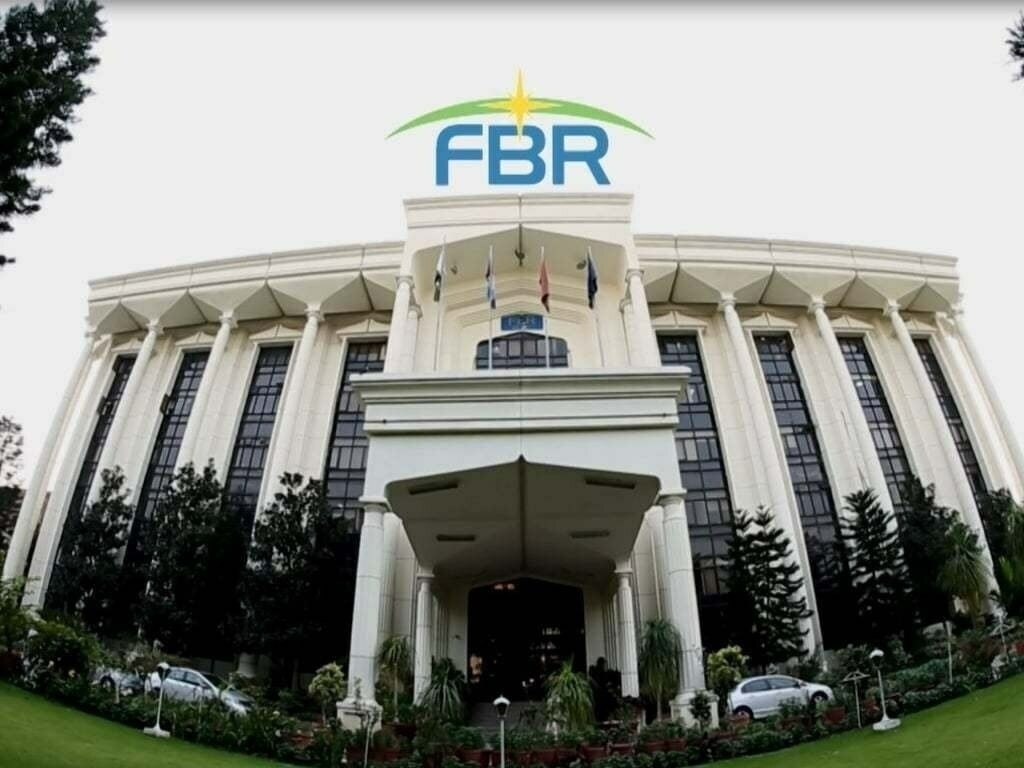
FBR Prepares Briefing for PM on Faceless Tax System and Institutional Reforms
▫️ Digital measures and AI assisted return analysis to feature in efforts to narrow an estimated Rs 1 trillion tax gap across 18 sectors
Islamabad | ReNews Pakistan
The Federal Board of Revenue (FBR) has prepared to brief Prime Minister Shehbaz Sharif on implementing a faceless system in Inland Revenue, restructuring the organisation and expanding digital measures to improve tax collection. According to Business Recorder, the briefing scheduled for Monday was also expected to cover efforts to narrow an estimated Rs 1 trillion tax gap across 18 sectors.
Sources said FBR headquarters remained open on Sunday to prepare the briefing. Officials compiled proposals covering the faceless system, the use of artificial intelligence to analyse tax returns, digitalisation and human resource reforms. Integrity concerns involving field offices were also on the prime minister’s radar, the sources added.
As part of efforts to reduce the difference between actual and potential tax receipts, digital monitoring of sales and production across major industrial sectors is targeted for completion by the end of December. The report said monitoring systems had been fully installed in sugar, cement, tobacco, tiles and fertiliser.
Installation is under way in textiles, packaged water, packaged juices and packaged milk. Equipment procurement for steel, poultry and tyres was completed by October 15, while procurement for tea, household electronics, leather, paper and board, and oil and ghee is scheduled for completion by October 30.
The Prime Minister’s Office has directed the FBR to submit comprehensive proposals for human resource reforms and organisational restructuring. The proposals are intended to strengthen tax administration, improve transparency and enhance institutional performance.
The briefing agenda also includes an integrated digital framework linking economic activity from raw material production and imports through manufacturing to consumer purchases. The proposed framework would bring information from these stages into a central data structure.
Data generated through the system would support economic planning and key government decisions. The measures outlined in the report concern tax administration and industrial monitoring, with the scheduled briefing intended to review progress on ongoing reforms and the next steps.


.png)


















.png)