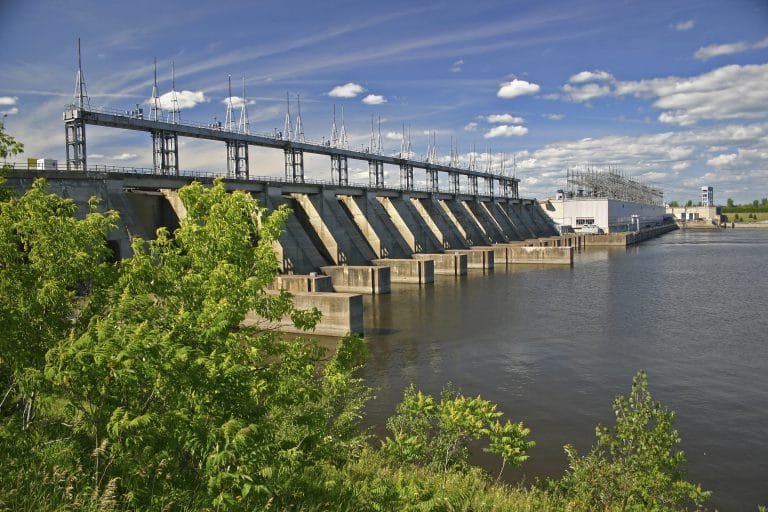
Explore Islamabad Capital Territory, the federal capital region of Pakistan known for its planned
sectors, modern infrastructure, and high-value residential and commercial real estate.
Major
AuthorityCapital Development
Authority (CDA)
GPS
Position33.6844°N,
73.0479°E
Property & Land Governance in Islamabad Capital
Territory
Capital Development
Authority (CDA)
Primary authority responsible
for land management, housing schemes, sector development, and building approvals in
Islamabad.
ICT Administration
Oversees federal land matters,
revenue administration, and coordination of development policies in the Capital
Territory.
Metropolitan Corporation
Islamabad (MCI)
Manages municipal services,
local development, and civic infrastructure within Islamabad city.
Federal Board of Revenue
(FBR) – ICT Zone
Handles property taxation,
capital gains tax, and regulatory compliance for real estate transactions in ICT.
Important Updates from Islamabad Capital Territory
Real Estate & Land News
Published: October 28, 2026 at 5:01 PM
Federal SEZ Board Grants Special Economic Zone Status to 6,409-Acre Karachi Industrial Park
وفاقی خصوصی اقتصادی بورڈ نے 6,409 ایکڑ پر محیط کراچی انڈسٹریل پارک کو خصوصی اقتصادی زون کا درجہ دیدیا
Finance Minister Muhammad Aurangzeb chairs approval meeting as government seeks domestic and foreign investment in export-oriented manufacturing, technology transfer and employment generation
▫️ وفاقی وزیر خزانہ محمد اورنگزیب کی زیر صدارت اجلاس میں منظوری، ملکی و غیر ملکی سرمایہ کاروں کے لیے برآمدی صنعتیں، جدید ٹیکنالوجی اور روزگار کے نئے مواقع پیدا کرنے کا منصوبہ
Islamabad | ReNews PakistanFederal Board Approves SEZ Status for 6,409-Acre Karachi Industrial ParkThe project will use Pakistan Steel Mills land...
Islamabad | ReNews Pakistan
Federal Board Approves SEZ Status for 6,409-Acre Karachi Industrial Park
The project will use Pakistan Steel Mills land near Port Qasim to attract manufacturing investment, but t
Islamabad | ReNews Pakistan
The federal government has approved Special Economic Zone (SEZ) status for the 6,409-acre Karachi Industrial Park (KIP), planned on Pakistan Steel Mills land near Port Qasim. The decision gives the project a formal investment framework, while its development will depend on the provision of infrastructure and the arrival of investors.
The Board of Approvals for Special Economic Zones approved the application at its 11th meeting on October 23, 2026. Finance Minister Senator Muhammad Aurangzeb chaired the meeting.
The government aims to attract local and foreign manufacturers to the site, with a focus on export-oriented production, value addition, technology transfer and employment. Its location near Port Qasim could support access to shipping routes and imported inputs.
The immediate challenge is turning the designation into an operational industrial estate. The approval announcement did not specify a construction schedule, utility delivery dates, financing arrangements for the full site or confirmed investors.
Earlier planning envisaged development in phases. The initial concept covered 1,500 acres, while a 500-acre block—estimated to cost Rs 7.40 billion—was approved by the Central Development Working Party in February 2025. The latest SEZ decision covers the wider 6,409-acre area; it does not, by itself, establish that the entire site is ready for development.
At the same meeting, the board approved general criteria for government-funded provision of essential infrastructure to eligible privately developed SEZs. Under the Special Economic Zones Act, 2012, support may include roads, electricity, gas and water up to a zone’s designated zero point, subject to case-by-case consideration.
The board also approved a land lease policy for public-sector SEZs and industrial estates in Punjab. The policy is intended to lower upfront land costs and encourage longer-term industrial investment.
The Special Investment Facilitation Council has supported the Karachi project as part of broader investment and industrial development efforts. The Finance Ministry’s announcement, however, did not identify direct IMF financing or a specific IMF investment approval for the park. The project’s progress will therefore hinge on implementation: infrastructure delivery, clear land and lease arrangements, investor commitments and a predictable policy framework.
اسلام آباد | ری نیوز پاکستان
وفاقی حکومت نے پورٹ قاسم کے قریب پاکستان سٹیل ملز کی زمین پر قائم کیے جانے والے 6,409 ایکڑ رقبے کے کراچی انڈسٹریل پارک (کے آئی پی) کو خصوصی اقتصادی زون (ایس ای زیڈ) کا درجہ دے دیا ہے۔ اس فیصلے سے منصوبے کو سرمایہ کاری کے لیے باضابطہ فریم ورک مل گیا ہے، تاہم اسے فعال صنعتی زون بنانے کے لیے بنیادی ڈھانچے کی فراہمی اور سرمایہ کاروں کی شمولیت ضروری ہوگی۔
خصوصی اقتصادی زونز کے بورڈ آف اپروولز نے اپنے 11ویں اجلاس میں درخواست کی منظوری دی۔ اجلاس کی صدارت وزیرِ خزانہ سینیٹر محمد اورنگزیب نے کی۔
حکومت کا مقصد مقامی اور غیر ملکی صنعت کاروں کو اس مقام پر سرمایہ کاری کی ترغیب دینا ہے۔ منصوبے میں برآمدات پر مبنی پیداوار، ویلیو ایڈیشن، ٹیکنالوجی کی منتقلی اور روزگار کے مواقع پیدا کرنے پر توجہ دی جائے گی۔ پورٹ قاسم کے قریب واقع ہونے کے باعث یہ مقام بحری راستوں اور درآمدی خام مال تک رسائی میں معاون ثابت ہو سکتا ہے۔
اب اہم مرحلہ اس زون کو عملی صنعتی اسٹیٹ میں تبدیل کرنا ہے۔ منظوری کے اعلان میں تعمیرات کا شیڈول، بجلی، گیس اور پانی کی فراہمی کی تاریخیں، پورے رقبے کے لیے مالی انتظامات یا سرمایہ کاروں کے حتمی وعدوں کی تفصیل نہیں دی گئی۔
اس سے قبل منصوبے کی مرحلہ وار ترقی کا تصور پیش کیا گیا تھا۔ ابتدائی منصوبہ 1,500 ایکڑ پر مشتمل تھا، جبکہ 500 ایکڑ کے ایک حصے کی منظوری فروری 2025 میں سینٹرل ڈیولپمنٹ ورکنگ پارٹی نے دی تھی۔ اس حصے کی لاگت کا تخمینہ 7.40 ارب روپے لگایا گیا تھا۔ تازہ فیصلے میں خصوصی اقتصادی زون کا درجہ وسیع تر 6,409 ایکڑ رقبے کے لیے منظور کیا گیا ہے، تاہم اس کا مطلب یہ نہیں کہ پورا علاقہ فوری طور پر ترقیاتی کاموں کے لیے تیار ہے۔
اسی اجلاس میں بورڈ نے نجی شعبے کے اہل خصوصی اقتصادی زونز کو حکومت کی جانب سے بنیادی ڈھانچے کی فراہمی کے عمومی معیار کی بھی منظوری دی۔ خصوصی اقتصادی زونز ایکٹ 2012 کے تحت، ہر کیس کا الگ جائزہ لینے کے بعد، زون کے مقررہ زیرو پوائنٹ تک سڑکیں، بجلی، گیس اور پانی فراہم کیا جا سکتا ہے۔
بورڈ نے پنجاب میں سرکاری شعبے کے خصوصی اقتصادی زونز اور صنعتی اسٹیٹس کے لیے زمین کی لیز پالیسی بھی منظور کی۔ اس پالیسی کا مقصد زمین کے لیے ابتدائی لاگت کم کرنا اور طویل مدتی صنعتی سرمایہ کاری کی حوصلہ افزائی کرنا ہے۔
خصوصی سرمایہ کاری سہولت کونسل نے وسیع تر سرمایہ کاری اور صنعتی ترقی کی کوششوں کے تحت کراچی انڈسٹریل پارک کی معاونت کی ہے۔ تاہم، وزارتِ خزانہ کے اعلان میں منصوبے کے لیے آئی ایم ایف کی براہِ راست مالی معاونت یا مخصوص سرمایہ کاری کی منظوری کا ذکر نہیں کیا گیا۔ منصوبے کی پیش رفت کا انحصار بنیادی ڈھانچے کی فراہمی، زمین اور لیز کے واضح انتظامات، سرمایہ کاروں کے وعدوں اور قابلِ پیش گوئی پالیسی ماحول پر ہوگا۔
Published: October 28, 2026 at 4:01 PM
Pakistan Needs Rs 5 Trillion for Water Infrastructure Development Over Next Decade, Planning Commission Says
پاکستان کو آبی ڈھانچے کی ترقی کیلئے آئندہ 10 سال میں 50 کھرب روپے درکار، پانی ذخیرہ کرنے کی صلاحیت بڑھانے کا منصوبہ
▫️ Estimated US$18 billion in federal financing required for dams, canal modernisation and flood protection as groundwater levels in Punjab decline by up to one metre annually
▫️ نئے ڈیموں، نہروں کی ماڈرنائزیشن اور سیلاب سے تحفظ کے لیے 18 ارب ڈالر کی وفاقی فنانسنگ کا تخمینہ، پنجاب میں زیر زمین پانی کی سطح سالانہ ایک میٹر تک گرنے کا انکشاف
Islamabad | ReNews PakistanPakistan will require approximately US$18 billion, equivalent to around Rs 5 trillion, in federal financing over the...
Islamabad | ReNews Pakistan
Pakistan will require approximately US$18 billion, equivalent to around Rs 5 trillion, in federal financing over the next decade to develop strategic water infrastructure, improve irrigation efficiency and strengthen protection against floods, according to a new Planning Commission report.
The National Water Security Framework, prepared under the URAAN Pakistan initiative, outlines major reforms in reservoir development, irrigation management, groundwater regulation and flood protection to address the country's growing water security challenges.
The report sets a target of increasing water-use efficiency from the existing 40% to 70% by 2029. It also aims to raise water availability at farm gates from 58.3 million acre-feet (MAF) to 79 MAF during the same period.
According to the Planning Commission, Pakistan's current usable water storage capacity stands at approximately 15.318 MAF, which the government aims to increase to 23.54 MAF by 2029.
The report warns that existing live storage capacity represents only about 11% of the annual flow of the Indus River system, leaving the country vulnerable to seasonal water shortages and extreme weather events.
Ongoing projects under the Public Sector Development Programme (PSDP) are expected to add approximately 9.821 MAF of water storage capacity.
Meanwhile, proposed strategic projects, including the Akhori Off-Channel Storage Dam, Shyok Dam and Skardu Dam, could collectively provide another 14.5 MAF of storage capacity.
The Planning Commission estimates that approximately US$18 billion in federal financing will be required over the next ten years for major reservoirs, flood management infrastructure, canal modernisation and other strategic water development projects.
To improve transparency and accountability in water distribution, the report proposes establishing a Water System Integrator function under the Indus River System Authority (IRSA).
The proposed system would strengthen monitoring and coordination of water allocation from rivers through irrigation networks to agricultural fields.
Agriculture accounts for approximately 95% of Pakistan's freshwater withdrawals, while overall irrigation water-use efficiency remains around 40%.
The framework recommends accelerating the adoption of drip and sprinkler irrigation systems through financial incentives, reforming irrigation water charges, commonly known as abiana, and adjusting cropping patterns to improve water productivity.
It also identifies approximately 20.58 million acres of potentially suitable agricultural land outside the formal irrigation network, highlighting opportunities to expand agricultural production if adequate water and infrastructure become available.
Groundwater depletion is another major concern identified in the report.
According to the Planning Commission, groundwater levels in Punjab are declining by approximately 0.5 to one metre annually, while the Indus Basin Aquifer has been identified as the world's second most overstressed groundwater system.
The report warns that the increasing use of solar-powered agricultural tube wells may accelerate groundwater extraction because the additional energy cost of pumping water is extremely low.
It recommends linking subsidies for solar-powered tube wells to groundwater registration and sustainable extraction limits to discourage excessive pumping.
Flood preparedness also features prominently in the proposed reforms.
The report highlights a sharp reduction in flood early-warning time at Marala Headworks, from approximately 40 hours in 2014 to just 5.5 hours in 2025.
To address increasing flood risks, the Planning Commission recommends implementing the National Flood Protection Plan-IV, introducing national legislation for glacier protection and monitoring, and updating flood protection designs using the latest hydrological data.
The framework also proposes recycling at least 25% of urban wastewater to reduce pressure on freshwater resources.
According to the report, approximately 53% of monitored urban water sources were found unsafe for human consumption, underscoring the need for improved water treatment and sanitation infrastructure.
The Planning Commission has recommended treating water security as part of Pakistan's national security agenda, emphasising that water scarcity, declining groundwater reserves and climate-related disasters require coordinated national action.
The report concludes that achieving the 2029 targets will depend on sustained investment, stronger institutional coordination, regulatory reforms and efficient management of available water resources.
However, the estimated Rs 5 trillion represents a projected federal financing requirement over the next decade rather than funding already approved or fully secured.
اسلام آباد | ری نیوز پاکستان
پاکستان میں پانی کی بڑھتی ہوئی قلت، زرعی ضروریات اور سیلاب کے خطرات سے نمٹنے کے لیے وفاقی حکومت کو آئندہ 10 سال کے دوران آبی ڈھانچے کی تعمیر و ترقی پر تقریباً 18 ارب ڈالر، یعنی 50 کھرب روپے کی مالی معاونت درکار ہوگی۔ پلاننگ کمیشن نے قومی آبی تحفظ کے نئے فریم ورک میں پانی ذخیرہ کرنے کی صلاحیت، آبپاشی کے نظام اور زیر زمین آبی وسائل کے انتظام میں بڑے پیمانے پر اصلاحات تجویز کی ہیں۔
پلاننگ کمیشن کی رپورٹ کے مطابق اڑان پاکستان پروگرام کے تحت تیار کردہ قومی آبی تحفظ فریم ورک کا مقصد 2029 تک پانی کے استعمال کی موجودہ کارکردگی 40 فیصد سے بڑھا کر 70 فیصد کرنا ہے۔ اس کے ساتھ کھیتوں کی سطح پر پانی کی دستیابی 58.3 ملین ایکڑ فٹ سے بڑھا کر 79 ملین ایکڑ فٹ کرنے کا ہدف بھی مقرر کیا گیا ہے۔
رپورٹ میں ملک میں پانی ذخیرہ کرنے کی موجودہ گنجائش 15.318 ملین ایکڑ فٹ سے بڑھا کر 2029 تک 23.54 ملین ایکڑ فٹ کرنے کی تجویز دی گئی ہے۔ پلاننگ کمیشن نے خبردار کیا ہے کہ پاکستان میں پانی ذخیرہ کرنے کی قابل استعمال گنجائش دریائے سندھ کے سالانہ بہاؤ کا صرف 11 فیصد ہے، جو بڑھتی ہوئی آبادی، زرعی ضروریات اور موسمیاتی تبدیلیوں کے تناظر میں تشویش ناک صورتحال ہے۔
سرکاری شعبے کے ترقیاتی پروگرام کے تحت جاری منصوبوں سے پانی ذخیرہ کرنے کی صلاحیت میں مزید 9.821 ملین ایکڑ فٹ اضافے کی توقع ہے۔ اس کے علاوہ مستقبل کے منصوبوں میں اخوری آف چینل اسٹوریج ڈیم، شیوک ڈیم اور اسکردو ڈیم شامل ہیں، جن سے مجموعی طور پر تقریباً 14.5 ملین ایکڑ فٹ اضافی پانی ذخیرہ کرنے کی صلاحیت پیدا ہو سکتی ہے۔
رپورٹ میں واضح کیا گیا ہے کہ آئندہ دہائی کے دوران بڑے آبی ذخائر، نہروں کی جدید کاری، سیلاب سے تحفظ اور دیگر اہم آبی منصوبوں کے لیے وفاقی سطح پر تقریباً 18 ارب ڈالر کی فنانسنگ درکار ہوگی۔
پلاننگ کمیشن نے دریاؤں سے کھیتوں تک پانی کی تقسیم میں شفافیت اور جوابدہی بڑھانے کے لیے انڈس ریور سسٹم اتھارٹی (ارسا) کے تحت واٹر سسٹم انٹیگریٹر کا نظام قائم کرنے کی بھی سفارش کی ہے۔
رپورٹ کے مطابق پاکستان میں میٹھے پانی کے مجموعی استعمال کا تقریباً 95 فیصد زرعی شعبے میں صرف ہوتا ہے، تاہم آبپاشی کے پورے نظام میں پانی کے استعمال کی کارکردگی صرف 40 فیصد ہے۔
مجوزہ اصلاحات میں ڈرپ اور سپرنکلر آبپاشی کو مالی مراعات کے ذریعے فروغ دینا، آبیانہ کی شرح کو نہری نظام کے انتظام اور دیکھ بھال کے حقیقی اخراجات کے مطابق بنانا اور پانی کی بہتر پیداوار کے لیے فصلوں کی کاشت کے طریقوں میں تبدیلیاں شامل ہیں۔
پلاننگ کمیشن نے ملک میں تقریباً 20.58 ملین ایکڑ ایسی موزوں زرعی اراضی کی بھی نشاندہی کی ہے جو اس وقت باقاعدہ نہری آبپاشی کے نظام سے باہر ہے۔ رپورٹ کے مطابق پانی کی مناسب دستیابی اور متعلقہ بنیادی سہولتوں کی فراہمی سے اس اراضی کو زرعی پیداوار میں اضافے کے لیے استعمال کیا جا سکتا ہے۔
زیر زمین پانی کے حوالے سے رپورٹ میں خبردار کیا گیا ہے کہ پنجاب میں پانی کی سطح سالانہ 0.5 سے ایک میٹر تک گر رہی ہے، جبکہ دریائے سندھ کے طاس میں موجود زیر زمین آبی ذخیرے کو دنیا کا دوسرا سب سے زیادہ دباؤ کا شکار آبی ذخیرہ قرار دیا گیا ہے۔
رپورٹ میں شمسی توانائی سے چلنے والے زرعی ٹیوب ویلز کے لیے سبسڈی کو زیر زمین پانی کی رجسٹریشن اور پانی نکالنے کی پائیدار حدود سے مشروط کرنے کی سفارش کی گئی ہے۔ اس کی وجہ یہ بتائی گئی ہے کہ شمسی توانائی کے ذریعے ٹیوب ویل چلانے کی اضافی لاگت بہت کم ہونے سے زیر زمین پانی کے ضرورت سے زیادہ استعمال کا خطرہ بڑھ گیا ہے۔
سیلاب سے متعلق رپورٹ میں انکشاف کیا گیا ہے کہ مرالہ ہیڈ ورکس پر سیلاب کی پیشگی اطلاع کا دستیاب وقت 2014 میں 40 گھنٹے تھا، جو 2025 میں کم ہو کر صرف ساڑھے پانچ گھنٹے رہ گیا۔
پلاننگ کمیشن نے قومی سیلابی تحفظ منصوبہ چہارم پر عمل درآمد، گلیشیئرز کی نگرانی کے لیے قومی قانون سازی اور تازہ ترین آبی اعداد و شمار کی بنیاد پر سیلابی خطرات سے متعلق ڈیزائن اور حفاظتی معیار پر نظرثانی کی سفارش کی ہے۔
رپورٹ میں شہری علاقوں کے کم از کم 25 فیصد استعمال شدہ گندے پانی کو صاف کرکے دوبارہ قابل استعمال بنانے کا ہدف بھی تجویز کیا گیا ہے۔ اس کے مطابق شہری علاقوں میں نگرانی کے تحت لیے گئے پانی کے تقریباً 53 فیصد ذرائع انسانی استعمال کے لیے غیر محفوظ پائے گئے۔
پلاننگ کمیشن نے آبی تحفظ کو قومی سلامتی کے ایجنڈے کا حصہ بنانے کی سفارش کرتے ہوئے خبردار کیا ہے کہ پانی کی کمی پر قابو پانے کے لیے ڈیموں اور نہروں کی تعمیر کے ساتھ مؤثر حکمرانی، ضابطہ جاتی اصلاحات اور پانی کے ذمہ دارانہ استعمال کو بھی ترجیح دینا ہوگی۔
Published: October 28, 2026 at 3:01 PM
Major Construction Reforms Under Review; Proposals Include Returns on Contractors’ Retention Money and New Dispute Resolution System
تعمیراتی شعبے میں بڑی اصلاحات زیرِ غور، ٹھیکیداروں کی ضمانتی رقم پر منافع اور تنازعات کے حل کے لیے نئے نظام کی تجویز
▫️ Special boards proposed to prevent disputes and ensure their timely resolution in public development projects
▫️ سرکاری ترقیاتی منصوبوں کے دوران اختلافات اور تنازعات سے بچاؤ اور ان کے بروقت فیصلے کے لیے خصوصی بورڈ کا نظام متعارف کرانے پر بھی غور
Islamabad | ReNews PakistanThe federal government has begun considering a series of reforms aimed at addressing challenges facing the construction...
Islamabad | ReNews Pakistan
The federal government has begun considering a series of reforms aimed at addressing challenges facing the construction industry, ensuring the timely completion of development projects and protecting contractors’ financial interests.
The proposals include establishing a new institution for the construction industry, paying contractors returns on retention money and introducing an effective mechanism for resolving disputes in development projects. The proposals were reviewed at a meeting chaired by Federal Minister for Economic Affairs and the Establishment Division Senator Ahad Cheema in Islamabad.
The meeting was attended by Minister of State for Finance Bilal Azhar Kayani, Housing Secretary Capt. (retd) Muhammad Mahmood, a member of the Planning Commission, the managing director of the Public Procurement Regulatory Authority (PPRA), representatives of the Constructors Association of Pakistan (CAP) and other senior officials.
Participants discussed the proposed Construction Industry Development Authority (CIDA) bill. Cheema called for a detailed assessment of whether a single institution would be more effective in regulating and developing the construction industry, or whether two separate bodies should be established, with one responsible for regulation and the other for industry development and promotion.
He directed the relevant officials, the minister of state for finance and industry representatives to hold further consultations on the proposed institutional structure. A key issue discussed at the meeting was retention money—funds withheld from contractors’ bills as security under construction contracts. These funds are retained for a specified period to ensure that any defects in construction work are rectified. Participants proposed placing the money in profit-bearing bank accounts so that contractors could receive both the principal amount and the accrued returns when the retention period ends.
Cheema directed officials to undertake further consultations to develop a workable mechanism for the proposal. The meeting also considered introducing special boards to prevent disputes and ensure their timely resolution during public development projects. CAP proposed applying the dispute avoidance and adjudication mechanism to projects worth Rs 20 billion or more. Cheema, however, said the financial threshold should be lower so that more development projects could benefit from the system. He called for further consultations to determine an appropriate threshold.
Participants also stressed the importance of using the standards of the International Federation of Consulting Engineers (FIDIC) as a key reference for construction contracts and project management. Cheema directed PPRA to begin work on setting a defects liability period of at least three years, or longer, for major development projects. During this period, the contractor concerned would be responsible for rectifying defects in accordance with the terms of the contract. A phased extension of the proposed framework to smaller projects will also be considered.
The reforms discussed at the meeting aim to improve financial transparency, strengthen contractors’ confidence, enhance construction quality and ensure the timely resolution of disputes. However, no announcement was made regarding final approval of the proposals or the immediate implementation of a new legal framework.
اسلام آباد | ری نیوز پاکستان
وفاقی حکومت نے تعمیراتی صنعت کو درپیش مسائل کے حل، ترقیاتی منصوبوں کی بروقت تکمیل اور ٹھیکیداروں کے مالی مفادات کے تحفظ کے لیے متعدد اصلاحات پر غور شروع کر دیا ہے۔ ان میں تعمیراتی صنعت کے لیے نئے ادارے کا قیام، ٹھیکیداروں کی روکی گئی ضمانتی رقوم پر منافع کی ادائیگی اور ترقیاتی منصوبوں میں تنازعات کے حل کا مؤثر نظام شامل ہیں۔
ان تجاویز کا جائزہ وفاقی وزیر اقتصادی امور و اسٹیبلشمنٹ ڈویژن سینیٹر احد چیمہ کی زیر صدارت اسلام آباد میں منعقدہ اجلاس میں لیا گیا۔
اجلاس میں وزیرِ مملکت برائے خزانہ بلال اظہر کیانی، سیکرٹری ہاؤسنگ کیپٹن (ر) محمد محمود، پلاننگ کمیشن کے رکن، پبلک پروکیورمنٹ ریگولیٹری اتھارٹی (پیپرا) کے منیجنگ ڈائریکٹر، کنسٹرکٹرز ایسوسی ایشن آف پاکستان کے نمائندوں اور دیگر اعلیٰ حکام نے شرکت کی۔
اجلاس میں مجوزہ کنسٹرکشن انڈسٹری ڈویلپمنٹ اتھارٹی (سی آئی ڈی اے) بل پر غور کیا گیا۔ وفاقی وزیر نے کہا کہ اس بات کا تفصیلی جائزہ لیا جائے کہ تعمیراتی صنعت کی نگرانی اور ترقی کے لیے ایک ہی ادارہ قائم کرنا زیادہ مؤثر ہوگا یا دو الگ ادارے بنائے جائیں، جن میں سے ایک صنعت کے ضابطہ جاتی امور اور دوسرا اس کی ترقی اور فروغ کا ذمہ دار ہو۔
انہوں نے متعلقہ حکام، وزیرِ مملکت برائے خزانہ اور تعمیراتی صنعت کے نمائندوں کو مجوزہ ادارہ جاتی ڈھانچے پر مزید مشاورت کی ہدایت کی۔
اجلاس کا ایک اہم موضوع ٹھیکیداروں کے بلوں سے ضمانت کے طور پر روکی جانے والی رقم تھا، جسے تعمیراتی معاہدوں میں ریٹینشن منی کہا جاتا ہے۔
یہ رقم تعمیراتی کام میں ممکنہ نقائص کی درستگی یقینی بنانے کے لیے مقررہ مدت تک روک لی جاتی ہے۔ اجلاس میں تجویز پیش کی گئی کہ یہ رقوم ایسے بینک اکاؤنٹس میں رکھی جائیں جن پر منافع حاصل ہو، تاکہ مقررہ مدت پوری ہونے پر ٹھیکیداروں کو اصل رقم کے ساتھ حاصل ہونے والا منافع بھی واپس کیا جا سکے۔
وفاقی وزیر نے اس تجویز پر قابلِ عمل طریقہ کار وضع کرنے کے لیے مزید مشاورت کی ہدایت کی۔
اجلاس میں سرکاری ترقیاتی منصوبوں کے دوران اختلافات اور تنازعات سے بچاؤ اور ان کے بروقت فیصلے کے لیے خصوصی بورڈ کا نظام متعارف کرانے پر بھی غور کیا گیا۔
کنسٹرکٹرز ایسوسی ایشن آف پاکستان نے تجویز دی کہ تنازعات سے بچاؤ اور ان کے فیصلے کا یہ نظام 20 ارب روپے یا اس سے زائد مالیت کے منصوبوں پر نافذ کیا جائے۔ تاہم احد چیمہ نے کہا کہ اس کے لیے مالی حد کم رکھی جانی چاہیے تاکہ زیادہ ترقیاتی منصوبے اس نظام سے فائدہ اٹھا سکیں۔ انہوں نے مناسب حد کے تعین کے لیے مزید مشاورت کی ہدایت کی۔
اجلاس میں تعمیراتی معاہدوں اور منصوبوں کے انتظام کے لیے بین الاقوامی فیڈریشن آف کنسلٹنگ انجینئرز (FIDIC) کے معیارات کو بنیادی حوالہ بنانے کی اہمیت پر بھی زور دیا گیا۔
وفاقی وزیر نے پیپرا کو ہدایت کی کہ بڑے ترقیاتی منصوبوں میں تعمیراتی نقائص کی ذمہ داری کی مدت کم از کم تین سال یا اس سے زیادہ مقرر کرنے کے لیے کام شروع کیا جائے۔ اس مدت کے دوران معاہدے کی شرائط کے مطابق سامنے آنے والے نقائص دور کرنے کی ذمہ داری متعلقہ ٹھیکیدار پر ہوگی۔
مجوزہ نظام کو بعد میں مرحلہ وار چھوٹے منصوبوں تک توسیع دینے پر بھی غور کیا جائے گا۔
اجلاس میں زیرِ بحث آنے والی اصلاحات کا مقصد تعمیراتی صنعت میں مالی شفافیت، ٹھیکیداروں کے اعتماد، منصوبوں کے معیار اور تنازعات کے بروقت حل کو بہتر بنانا ہے۔
تاہم اجلاس میں زیرِ غور تجاویز کی حتمی منظوری یا نئے قانونی نظام کے فوری نفاذ کا اعلان نہیں کیا گیا۔