Explore Islamabad Capital Territory, the federal capital region of Pakistan known for its planned
sectors, modern infrastructure, and high-value residential and commercial real estate.
Major
AuthorityCapital Development
Authority (CDA)
GPS
Position33.6844°N,
73.0479°E
Property & Land Governance in Islamabad Capital
Territory
Capital Development
Authority (CDA)
Primary authority responsible
for land management, housing schemes, sector development, and building approvals in
Islamabad.
ICT Administration
Oversees federal land matters,
revenue administration, and coordination of development policies in the Capital
Territory.
Metropolitan Corporation
Islamabad (MCI)
Manages municipal services,
local development, and civic infrastructure within Islamabad city.
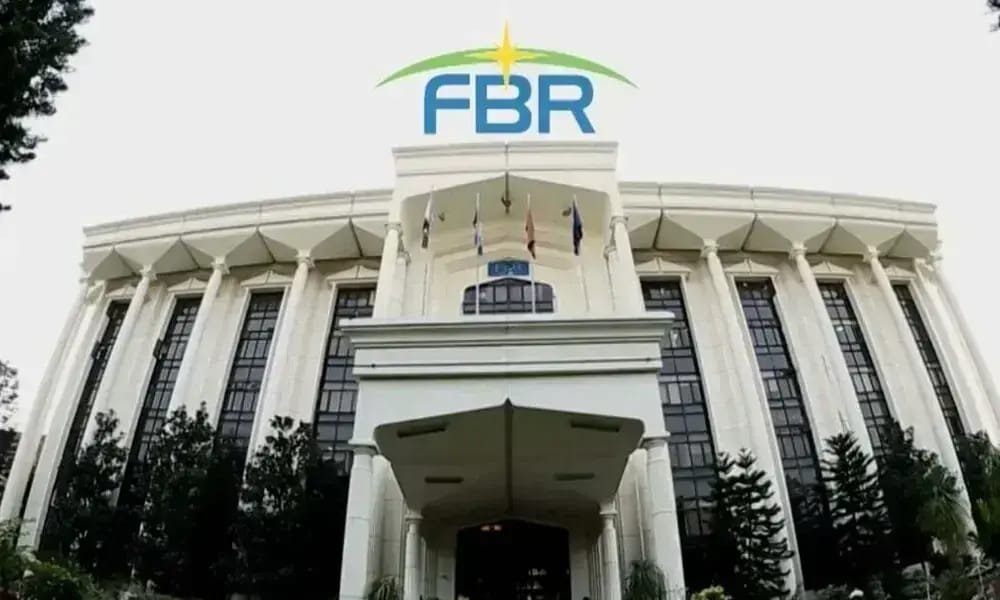
Federal Board of Revenue
(FBR) – ICT Zone
Handles property taxation,
capital gains tax, and regulatory compliance for real estate transactions in ICT.
Important Updates from Islamabad Capital Territory
Real Estate & Land News
Published: October 7, 2026 at 12:01 PM
Saudi Real Estate Exhibition to Showcase Kingdom’s Property Market in Islamabad
سعودی عرب کی رئیل اسٹیٹ نمائش 23 اکتوبر سے اسلام آباد میں ہوگی
▫️ Three day event from October 23 to 25 will connect Pakistani investors with Saudi developers and showcase real estate and investment opportunities across the Kingdom
▫️ تین روزہ نمائش میں سعودی رئیل اسٹیٹ منصوبے اور سرمایہ کاری کے مواقع پاکستانی سرمایہ کاروں کے سامنے پیش کیے جائیں گے، سعودی ڈویلپرز سے براہ راست رابطے کا موقع ملے گا
Islamabad | ReNews PakistanA three day Saudi real estate exhibition showcasing property projects and investment opportunities across the Kingdom is...
Islamabad | ReNews Pakistan A three day Saudi real estate exhibition showcasing property projects and investment opportunities across the Kingdom is set to take place in Islamabad from October 23 to 25, 2026, offering Pakistani investors direct exposure to Saudi Arabia’s expanding property market.
The exhibition is aimed at connecting Pakistani investors, businesspeople and real estate professionals with Saudi developers and other stakeholders while providing information about residential, commercial and other property investment opportunities in the Kingdom.
The event is being organised by the Federation of Saudi Chambers through the Saudi-Pakistani Business Council. The Eastern Province Chamber of Commerce has also circulated official invitations among its members for participation in the exhibition.
The deadline for companies and exhibitors seeking to participate in the event was September 27, indicating that the initial phase of exhibitor registration has already concluded.
The initiative is expected to contribute to strengthening economic, business and investment ties between Pakistan and Saudi Arabia while giving Pakistani investors greater access to information about opportunities emerging in the Saudi property market.
The exhibition comes as Saudi Arabia continues to undertake major residential, commercial, tourism and urban development projects, creating new opportunities for local and international investors across different segments of the real estate sector.
Unlike many overseas property exhibitions that primarily promote Pakistani real estate projects to foreign investors, the Islamabad event will bring Saudi property offerings directly to prospective investors in Pakistan.
Potential investors and buyers are advised to conduct appropriate due diligence before committing funds, including verifying the developer behind a project, the authorisation of representatives or agents, payment arrangements and the rules governing foreign property ownership in the relevant city or region of Saudi Arabia.
اسلام آباد | ری نیوز پاکستان سعودی عرب کے رئیل اسٹیٹ منصوبوں اور پراپرٹی سیکٹر میں سرمایہ کاری کے مواقع کو پاکستانی سرمایہ کاروں کے سامنے پیش کرنے کیلئے تین روزہ سعودی رئیل اسٹیٹ نمائش اسلام آباد میں منعقد ہوگی۔
نمائش 23 سے 25 اکتوبر 2026 تک اسلام آباد میں ہو گی، جس کا مقصد پاکستان کے سرمایہ کاروں، کاروباری شخصیات اور رئیل اسٹیٹ سے وابستہ افراد کو سعودی عرب کی پراپرٹی مارکیٹ اور وہاں دستیاب سرمایہ کاری کے مواقع سے براہ راست متعارف کرانا ہے۔
نمائش کا اہتمام فیڈریشن آف سعودی چیمبرز کی جانب سے سعودی پاکستان بزنس کونسل کے ذریعے کیا جا رہا ہے جبکہ سعودی عرب کے ایسٹرن پروونس چیمبر آف کامرس نے بھی اپنے اراکین کو نمائش میں شرکت کیلئے باضابطہ دعوت نامے جاری کیے ہیں۔
نمائش میں شرکت کرنے والے اداروں اور کمپنیوں کیلئے رجسٹریشن کی آخری تاریخ 27 ستمبر مقرر کی گئی تھی، جس کے بعد نمائش کنندگان کی رجسٹریشن کا ابتدائی مرحلہ مکمل ہو چکا ہے۔
منتظمین کے مطابق اس اقدام کا مقصد پاکستان اور سعودی عرب کے درمیان تجارتی اور سرمایہ کاری روابط کو مزید فروغ دینا اور پاکستانی سرمایہ کاروں کو سعودی رئیل اسٹیٹ مارکیٹ میں ابھرتے ہوئے مواقع سے آگاہ کرنا ہے۔
یہ نمائش ایسے وقت میں منعقد ہو رہی ہے جب سعودی عرب میں بڑے پیمانے پر رہائشی، کمرشل، سیاحتی اور شہری ترقی کے منصوبوں پر کام جاری ہے، جس کے نتیجے میں مملکت کا رئیل اسٹیٹ سیکٹر مقامی اور بین الاقوامی سرمایہ کاروں کیلئے نئی سرمایہ کاری کی منزل کے طور پر سامنے آ رہا ہے۔
پاکستان میں منعقد ہونے والی عمومی بین الاقوامی پراپرٹی نمائشوں کے برعکس، جن میں اکثر پاکستانی رئیل اسٹیٹ منصوبے بیرون ملک سرمایہ کاروں کے سامنے پیش کیے جاتے ہیں، اس نمائش میں سعودی عرب کے رئیل اسٹیٹ منصوبے پاکستانی سرمایہ کاروں کیلئے پیش کیے جائیں گے۔
ممکنہ سرمایہ کاروں اور خریداروں کو سرمایہ کاری سے قبل متعلقہ منصوبے کی ڈویلپر سے وابستگی، نمائندے یا ایجنٹ کی باقاعدہ اجازت، ادائیگی کے طریقہ کار اور سعودی عرب کے متعلقہ شہر یا علاقے میں غیر ملکی شہریوں کیلئے جائیداد کی ملکیت سے متعلق قواعد و ضوابط کی مکمل تصدیق کرنے کی ہدایت کی گئی ہے۔
Published: October 7, 2026 at 11:01 AM
Salaried Class Pays Rs 144 Billion in Q1 Taxes, Far Exceeding Retailers and Real Estate Combined
تنخواہ دار طبقے نے پہلی سہ ماہی میں ریٹیلرز اور رئیل اسٹیٹ کی مجموعی ادائیگی سے کہیں زیادہ 144 ارب روپے ٹیکس ادا کیا
▫️ Real estate income tax collections fall 38% to Rs 35.2 billion after government cuts advance tax rates on property sales and purchases
▫️ پراپرٹی کی خرید و فروخت پر ایڈوانس ٹیکس کی شرح میں کمی کے بعد رئیل اسٹیٹ سیکٹر سے انکم ٹیکس وصولی 38 فیصد کم ہو کر 35.2 ارب روپے رہ گئی
Islamabad | ReNews PakistanPakistan’s salaried class paid around Rs 144 billion in income tax during the first quarter of fiscal...
Islamabad | ReNews Pakistan Pakistan’s salaried class paid around Rs 144 billion in income tax during the first quarter of fiscal year 2026-27, significantly exceeding the combined tax contribution of retailers and the real estate sector, according to provisional data from the Federal Board of Revenue (FBR). During the July-September quarter, combined income tax payments from the retail and real estate sectors stood at approximately Rs 54 billion, around Rs 90 billion lower than the amount collected from salaried individuals. The figures highlight a widening gap in tax contributions among major segments of the economy, with salaried taxpayers continuing to provide a substantially larger share of income tax revenue despite measures announced by the government to broaden the tax base. FBR data showed that income tax collections from the real estate sector declined by 38% year-on-year to Rs 35.2 billion during the first three months of the current fiscal year. The decline followed the government’s decision to substantially reduce advance tax rates applicable to property sales and purchases. Tax collected on property sales fell by 42% to Rs 23 billion, compared with Rs 39.5 billion during the corresponding period of the previous year. Similarly, tax collection from property purchases declined by 31% to Rs 12.2 billion from Rs 17.7 billion a year earlier. Under the revised taxation regime, the advance tax rate on property purchases was reduced from 2.5% to 1.25%. For property sales, the previous tax structure involving three slabs was replaced with a single rate of 2.75%, compared with the earlier rate of up to 5.5%. The reductions were introduced as part of the government’s fiscal measures and were endorsed under Pakistan’s programme with the International Monetary Fund. The latest revenue figures indicate that the lower advance tax rates have had a significant impact on collections from property transactions. The real estate sector had contributed around Rs 200 billion in income tax during fiscal year 2023-24, while its contribution increased to Rs 236 billion in fiscal year 2025-26 before the latest reductions in property transaction taxes took effect. Tax receipts from wholesalers and retailers, meanwhile, showed limited growth during the first quarter. Withholding tax collections from the two segments totalled Rs 18.4 billion, increasing by only Rs 244 million, or approximately 1.3%, from the same period last year. Wholesalers contributed Rs 6.2 billion, representing a 10% year-on-year decline, while retailers paid around Rs 11.3 billion, an increase of 8.3%. The relatively modest increase came despite government efforts to bring more retailers into the tax net, including the introduction of a fixed taxation mechanism aimed at increasing revenue from the country’s large wholesale and retail economy. In contrast, income tax collected from salaried individuals increased by Rs 13.4 billion, or 10.2%, during the July-September quarter compared with the corresponding period last year. The annual tax contribution of salaried workers has also risen sharply in recent years. According to official figures, collections from salaried taxpayers increased from around Rs 391 billion before Pakistan entered its current IMF programme to Rs 629 billion by the end of June 2026. The government has maintained that the latest federal budget provided approximately Rs 52 billion in relief to salaried taxpayers through reductions in income tax rates of up to three percentage points, abolition of the 9% surcharge and an increase in the annual income threshold for application of the maximum 35% tax rate from Rs 4.1 million to Rs 7 million. Despite these measures, salaried households continue to face pressure from higher energy and living costs. The government is currently passing movements in international oil prices on to consumers while imposing a petroleum levy of Rs 80 per litre and a climate support levy of Rs 5 per litre. Higher fuel costs can also feed into transportation and production expenses, adding pressure to the prices of food and other essential goods. The latest tax figures come against the backdrop of repeated government commitments to expand Pakistan’s tax base and reduce disproportionate reliance on documented taxpayers. Prime Minister Shehbaz Sharif has previously pledged to ease the burden on salaried workers as more sectors are brought effectively into the tax system. However, the first-quarter figures indicate that tax revenue from salaried individuals continues to rise, while collections linked to property transactions have fallen substantially and revenue growth from the wholesale and retail sectors remains limited.
اسلام آباد | ری نیوز پاکستان پاکستان کے تنخواہ دار طبقے نے مالی سال 27-2026 کی پہلی سہ ماہی کے دوران تقریباً 144 ارب روپے انکم ٹیکس ادا کیا، جو ریٹیل اور رئیل اسٹیٹ سیکٹر سے ہونے والی مجموعی ٹیکس وصولی سے کہیں زیادہ ہے۔ یہ اعداد و شمار فیڈرل بورڈ آف ریونیو (ایف بی آر) کے عبوری ڈیٹا میں سامنے آئے ہیں۔ جولائی سے ستمبر کی سہ ماہی کے دوران ریٹیل اور رئیل اسٹیٹ سیکٹرز کی مجموعی انکم ٹیکس ادائیگی تقریباً 54 ارب روپے رہی، جو تنخواہ دار افراد سے وصول کیے گئے ٹیکس کے مقابلے میں تقریباً 90 ارب روپے کم ہے۔ اعداد و شمار سے معیشت کے مختلف شعبوں کے درمیان ٹیکس ادائیگی میں واضح فرق سامنے آتا ہے۔ حکومت کی جانب سے ٹیکس نیٹ وسیع کرنے کے اعلانات کے باوجود تنخواہ دار طبقہ بدستور انکم ٹیکس آمدن میں نمایاں حصہ ڈال رہا ہے۔ ایف بی آر کے مطابق رواں مالی سال کے پہلے تین ماہ میں رئیل اسٹیٹ سیکٹر سے انکم ٹیکس وصولی سالانہ بنیاد پر 38 فیصد کمی کے بعد 35.2 ارب روپے رہ گئی۔ یہ کمی ایسے وقت میں سامنے آئی ہے جب حکومت نے پراپرٹی کی خرید و فروخت پر عائد ایڈوانس ٹیکس کی شرح میں نمایاں کمی کی تھی۔ پراپرٹی کی فروخت سے حاصل ہونے والا ٹیکس 42 فیصد کم ہو کر 23 ارب روپے رہ گیا، جبکہ گزشتہ سال اسی عرصے میں یہ وصولی 39.5 ارب روپے تھی۔ اسی طرح پراپرٹی کی خریداری پر ٹیکس وصولی 31 فیصد کمی کے ساتھ 12.2 ارب روپے رہی، جو ایک سال قبل 17.7 ارب روپے تھی۔ نئے ٹیکس نظام کے تحت پراپرٹی خریدنے پر ایڈوانس ٹیکس کی شرح 2.5 فیصد سے کم کر کے 1.25 فیصد کر دی گئی۔ پراپرٹی فروخت کرنے والوں کے لیے پہلے موجود تین مختلف ٹیکس سلیب ختم کر کے 2.75 فیصد کی یکساں شرح مقرر کی گئی، جبکہ اس سے قبل بعض صورتوں میں یہ شرح 5.5 فیصد تک تھی۔ یہ کمی حکومت کی مالیاتی پالیسی کا حصہ تھی اور پاکستان کے بین الاقوامی مالیاتی فنڈ کے پروگرام کے تحت بھی اس کی توثیق کی گئی۔ تازہ ترین اعداد و شمار ظاہر کرتے ہیں کہ پراپرٹی ٹرانزیکشنز پر کم ایڈوانس ٹیکس شرحوں کا سرکاری محصولات پر واضح اثر پڑا ہے۔ رئیل اسٹیٹ سیکٹر نے مالی سال 24-2023 میں تقریباً 200 ارب روپے انکم ٹیکس ادا کیا تھا، جبکہ مالی سال 26-2025 میں یہ رقم بڑھ کر 236 ارب روپے تک پہنچ گئی تھی۔ یہ اضافہ پراپرٹی ٹرانزیکشنز پر موجودہ ٹیکس کٹوتیوں کے نفاذ سے پہلے ریکارڈ کیا گیا تھا۔ دوسری جانب ہول سیلرز اور ریٹیلرز سے حاصل ہونے والے ٹیکس میں پہلی سہ ماہی کے دوران محدود اضافہ دیکھا گیا۔ دونوں شعبوں سے ودہولڈنگ ٹیکس کی مجموعی وصولی 18.4 ارب روپے رہی، جو گزشتہ سال کے مقابلے میں صرف 24 کروڑ 40 لاکھ روپے یا تقریباً 1.3 فیصد زیادہ ہے۔ ہول سیلرز نے 6.2 ارب روپے ٹیکس ادا کیا، جو سالانہ بنیاد پر 10 فیصد کمی کو ظاہر کرتا ہے، جبکہ ریٹیلرز کی ادائیگی 8.3 فیصد اضافے کے ساتھ تقریباً 11.3 ارب روپے رہی۔ یہ معمولی اضافہ ایسے وقت میں ریکارڈ کیا گیا جب حکومت نے ریٹیل سیکٹر کو ٹیکس نیٹ میں لانے اور محصولات میں اضافے کے لیے فکسڈ ٹیکس اسکیم سمیت مختلف اقدامات متعارف کرائے ہیں۔ اس کے برعکس تنخواہ دار طبقے سے حاصل ہونے والا انکم ٹیکس جولائی سے ستمبر کے دوران گزشتہ سال کے مقابلے میں 13.4 ارب روپے یا 10.2 فیصد بڑھ گیا۔ حالیہ برسوں میں تنخواہ دار افراد کی سالانہ ٹیکس ادائیگی میں بھی نمایاں اضافہ ہوا ہے۔ سرکاری اعداد و شمار کے مطابق پاکستان کے موجودہ آئی ایم ایف پروگرام میں داخل ہونے سے قبل تنخواہ دار طبقے سے تقریباً 391 ارب روپے سالانہ ٹیکس وصول کیا جا رہا تھا، جو جون 2026 تک بڑھ کر 629 ارب روپے ہو گیا۔ حکومت کا مؤقف ہے کہ حالیہ وفاقی بجٹ میں تنخواہ دار ٹیکس دہندگان کو تقریباً 52 ارب روپے کا ریلیف فراہم کیا گیا۔ اس میں انکم ٹیکس کی شرحوں میں زیادہ سے زیادہ تین فیصد پوائنٹس تک کمی، 9 فیصد سرچارج کا خاتمہ اور 35 فیصد کی زیادہ سے زیادہ ٹیکس شرح کے اطلاق کے لیے سالانہ آمدن کی حد 41 لاکھ روپے سے بڑھا کر 70 لاکھ روپے کرنا شامل ہے۔ ان اقدامات کے باوجود تنخواہ دار گھرانے توانائی اور روزمرہ اخراجات میں اضافے کے باعث مسلسل دباؤ کا سامنا کر رہے ہیں۔ حکومت عالمی منڈی میں تیل کی قیمتوں میں تبدیلی کا اثر صارفین کو منتقل کر رہی ہے، جبکہ پیٹرولیم مصنوعات پر فی لیٹر 80 روپے پیٹرولیم لیوی اور 5 روپے فی لیٹر کلائمیٹ سپورٹ لیوی بھی وصول کی جا رہی ہے۔ ایندھن کے بڑھتے اخراجات ٹرانسپورٹ اور پیداواری لاگت میں اضافے کا باعث بن رہے ہیں، جس کے اثرات پھلوں، سبزیوں اور دیگر روزمرہ اشیائے ضروریہ کی قیمتوں پر بھی پڑ رہے ہیں۔ تازہ ترین ٹیکس اعداد و شمار ایسے وقت میں سامنے آئے ہیں جب حکومت بار بار ٹیکس نیٹ کو وسیع کرنے اور دستاویزی ٹیکس دہندگان پر غیر متناسب بوجھ کم کرنے کا وعدہ کرتی رہی ہے۔ وزیراعظم شہباز شریف بھی ٹیکس بیس میں توسیع کے بعد تنخواہ دار طبقے پر ٹیکس کا بوجھ کم کرنے کا عندیہ دے چکے ہیں۔ تاہم پہلی سہ ماہی کے اعداد و شمار ظاہر کرتے ہیں کہ تنخواہ دار طبقے سے ٹیکس وصولی میں اضافہ جاری ہے، جبکہ پراپرٹی ٹرانزیکشنز سے حاصل ہونے والی آمدن میں نمایاں کمی ہوئی ہے اور ہول سیل و ریٹیل شعبوں سے ٹیکس وصولی کی رفتار بھی محدود رہی ہے۔
Published: October 7, 2026 at 10:01 AM
Islamabad High Court Declares Blanket Ban on Property Transfers Unlawful
اسلام آباد ہائیکورٹ نے جائیداد کی منتقلی پر عمومی پابندی غیر قانونی قرار دے دی
▫️ Action should be taken against unlawful projects instead of imposing a blanket restriction on an entire area: Court
▫️ کسی پورے علاقے پر یکساں پابندی عائد کرنے کے بجائے خلاف قانون منصوبوں کے خلاف کارروائی ہونی چاہیئے : فاضل عدالت
Islamabad | ReNews PakistanThe Islamabad High Court has declared unlawful a blanket administrative restriction on the sale, purchase, registration and...
Islamabad | ReNews Pakistan The Islamabad High Court has declared unlawful a blanket administrative restriction on the sale, purchase, registration and mutation of property in parts of Islamabad’s Zone III, directing the relevant authorities to process lawful property transactions in accordance with applicable law and prescribed procedures.
The judgment covers Shah Allah Ditta, Sangjani, Sara e Kharbooza and other similarly situated localities in Zone III, where property transactions had been halted through administrative directions.
Justice Muhammad Asif issued the ruling while allowing a petition filed by resident Fazal Abbas. The court held that the blanket restriction, based on a Capital Development Authority letter and verbal directions from the deputy commissioner, had been imposed without a statutory notification or clear legal authority.
The restriction had originally been introduced as part of efforts to curb illegal housing schemes, unauthorized construction and prohibited changes in land use. However, the court found that the broad administrative ban had also affected ordinary landowners whose individual properties and transactions had no connection with illegal housing activity.
The court observed that authorities should proceed against actual violators rather than impose indiscriminate restrictions on every property owner in an affected locality. It ruled that lawful owners could not be denied registration or mutation simply because their property was situated in an area where unrelated illegal activity might also be taking place.
The IHC directed the authorities to regulate property transactions in accordance with the Capital Development Authority Ordinance 1960, the Islamabad Capital Territory Zoning Regulations 1992 and other applicable laws.
At the same time, the court made clear that the ruling does not legalize illegal housing schemes, unauthorized subdivisions, prohibited land-use changes or unlawful construction in Zone III. The CDA and district administration retain their powers to take action against such violations where a lawful basis exists.
The practical effect of the judgment is that legitimate private landowners can no longer be denied registration or mutation solely because their property falls within a wider locality subject to planning and enforcement concerns.
The ruling is particularly significant for Shah Allah Ditta and other areas around the Margalla foothills, where ancestral private land, agricultural holdings and residential properties coexist with strict planning, zoning and environmental restrictions.
Following the judgment, the office of the deputy commissioner and commissioner revenue Islamabad also moved to withdraw the restrictions and directed relevant revenue officials to make administrative arrangements for implementation of the court’s order.
Prospective buyers and investors, however, will still need to verify title, zoning status, permitted land use and other relevant approvals before entering into a transaction. Removal of the blanket transfer restriction does not provide automatic legal status to unauthorized housing schemes or constructions.
اسلام آباد | ری نیوز پاکستان اسلام آباد ہائیکورٹ نے وفاقی دارالحکومت کے زون III میں جائیداد کی خرید و فروخت، رجسٹریشن اور انتقال پر عائد عمومی انتظامی پابندی کو غیر قانونی قرار دیتے ہوئے متعلقہ حکام کو قانونی جائیداد معاملات مقررہ قوانین اور طریقہ کار کے مطابق نمٹانے کی ہدایت کر دی ہے۔
عدالت کا فیصلہ شاہ اللہ دتہ، سنگجانی، سرائے خربوزہ اور زون III کے دیگر اسی نوعیت کے علاقوں سے متعلق ہے، جہاں انتظامی ہدایات کے تحت جائیداد کی خرید و فروخت، رجسٹریشن اور انتقال کے معاملات روک دیے گئے تھے۔
جسٹس محمد آصف نے شہری فضل عباس کی درخواست منظور کرتے ہوئے قرار دیا کہ کیپیٹل ڈویلپمنٹ اتھارٹی کے خط اور ڈپٹی کمشنر کی زبانی ہدایات کی بنیاد پر عائد کی گئی عمومی پابندی کسی باقاعدہ قانونی نوٹیفکیشن یا واضح قانونی اختیار کے بغیر نافذ کی گئی تھی، اس لیے اس کی قانونی حیثیت نہیں بنتی۔
عدالت نے قرار دیا کہ پابندی کا مقصد غیر قانونی ہاؤسنگ سکیموں، غیر مجاز تعمیرات اور زمین کے استعمال میں غیر قانونی تبدیلیوں کو روکنا تھا، تاہم اس کے نتیجے میں ایسے عام اور قانونی جائیداد مالکان بھی متاثر ہوئے جن کی اراضی یا لین دین کا کسی غیر قانونی ہاؤسنگ سکیم سے کوئی تعلق نہیں تھا۔
فیصلے میں کہا گیا کہ کسی پورے علاقے کے تمام مالکان پر یکساں پابندی عائد کرنے کے بجائے کارروائی ان افراد یا منصوبوں کے خلاف ہونی چاہیے جو قانون کی خلاف ورزی میں ملوث ہوں۔ عدالت نے قرار دیا کہ محض کسی مخصوص علاقے میں غیر قانونی سرگرمیوں کی موجودگی قانونی ملکیت رکھنے والے شہریوں کو اپنی جائیداد فروخت، منتقل یا رجسٹر کرانے کے حق سے محروم کرنے کی بنیاد نہیں بن سکتی۔
اسلام آباد ہائیکورٹ نے متعلقہ حکام کو ہدایت کی کہ قانونی جائیداد معاملات کی رجسٹریشن اور انتقال کو کیپیٹل ڈیولپمنٹ اتھارٹی آرڈیننس 1960، اسلام آباد کی زوننگ ریگولیشنز 1992 اور دیگر قابل اطلاق قوانین کے مطابق نمٹایا جائے۔
عدالت نے یہ بھی واضح کیا کہ فیصلے کا مطلب زون III میں غیر قانونی ہاؤسنگ سکیموں، غیر مجاز پلاٹنگ، ممنوعہ لینڈ یوز یا غیر قانونی تعمیرات کو قانونی حیثیت دینا نہیں ہے۔ سی ڈی اے اور ضلعی انتظامیہ ایسے معاملات میں قانون کے تحت کارروائی کرنے کے اختیارات بدستور رکھتی ہیں۔
اس فیصلے کے بعد قانونی نجی اراضی رکھنے والے مالکان کو صرف اس بنیاد پر رجسٹریشن یا انتقال سے نہیں روکا جا سکے گا کہ ان کی جائیداد ایسے وسیع علاقے میں واقع ہے جہاں بعض دیگر غیر قانونی سرگرمیاں جاری ہوں۔
یہ فیصلہ شاہ اللہ دتہ اور مارگلہ کی پہاڑیوں سے ملحق دیگر علاقوں کیلئے خاص اہمیت رکھتا ہے، جہاں آبائی نجی اراضی، زرعی زمینیں اور رہائشی املاک ایک ایسے خطے میں موجود ہیں جہاں زمین کے استعمال، تعمیرات اور ماحولیات سے متعلق سخت ضوابط نافذ ہیں۔
عدالت کے فیصلے کے بعد ڈپٹی کمشنر اور کمشنر ریونیو اسلام آباد کے دفتر نے بھی پابندیاں فوری طور پر واپس لینے کی ہدایت جاری کی اور متعلقہ ریونیو حکام کو عدالتی فیصلے پر عملدرآمد کیلئے انتظامی اقدامات کرنے کا کہا۔
تاہم جائیداد کے خریداروں اور سرمایہ کاروں کیلئے ضروری ہوگا کہ وہ کسی بھی لین دین سے پہلے متعلقہ زمین کے قانونی عنوان، زوننگ حیثیت، منظور شدہ استعمال اور دیگر ضروری اجازتوں کی تصدیق کریں، کیونکہ عمومی پابندی کے خاتمے سے غیر قانونی منصوبوں یا غیر مجاز تعمیرات کو کسی قسم کی خودکار منظوری حاصل نہیں ہوتی۔