

Explore Islamabad Capital Territory, the federal capital region of Pakistan known for its planned
sectors, modern infrastructure, and high-value residential and commercial real estate.
Major
AuthorityCapital Development
Authority (CDA)
GPS
Position33.6844°N,
73.0479°E
Property & Land Governance in Islamabad Capital
Territory
Capital Development
Authority (CDA)
Primary authority responsible
for land management, housing schemes, sector development, and building approvals in
Islamabad.
ICT Administration
Oversees federal land matters,
revenue administration, and coordination of development policies in the Capital
Territory.
Metropolitan Corporation
Islamabad (MCI)
Manages municipal services,
local development, and civic infrastructure within Islamabad city.
Federal Board of Revenue
(FBR) – ICT Zone
Handles property taxation,
capital gains tax, and regulatory compliance for real estate transactions in ICT.
Important Updates from Islamabad Capital Territory
Real Estate & Land News
Published: September 28, 2026 at 3:34 PM
DISCO Privatisation: Investors Assess Profit Potential Alongside Regulatory Risks
ڈسکوز کی نجکاری، سرمایہ کار منافع کے ساتھ ریگولیٹری خطرات بھی پرکھنے لگے
▫️ Investor interest in FESCO, GEPCO and IESCO grows as long term tariffs and regulatory certainty emerge as key factors in the privatisation process
▫️ فیسکو، گیپکو اور آئیسکو کیلئے سرمایہ کاروں کی دلچسپی، طویل مدتی ٹیرف اور ریگولیٹری یقین دہانی نجکاری کی کامیابی میں اہم عوامل قرار
Islamabad | ReNews PakistanAs Pakistan’s privatisation programme for electricity distribution companies moves forward, prospective investors are assessing not only the...
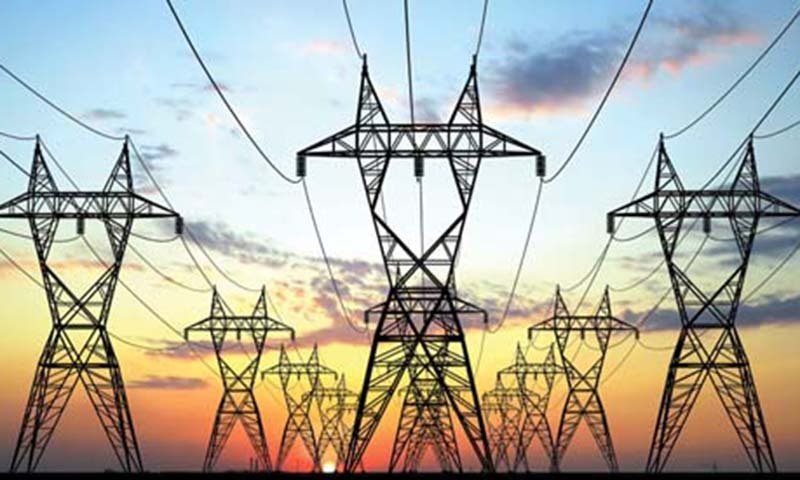
Islamabad | ReNews Pakistan As Pakistan’s privatisation programme for electricity distribution companies moves forward, prospective investors are assessing not only the value and profit potential of the DISCOs but also the regulatory, tariff and investment risks associated with acquiring and managing the utilities.
Under the first phase of the programme, the government is seeking private sector participation through the acquisition of 51% to 100% shareholding, together with management control, in Faisalabad Electric Supply Company (FESCO), Gujranwala Electric Power Company (GEPCO) and Islamabad Electric Supply Company (IESCO). Official records show that 12 Expressions of Interest were received for FESCO, 11 for GEPCO and 10 for IESCO, with evaluation and prequalification processes progressing at different stages.
The experience of K Electric is likely to remain an important reference point for prospective investors. As one of Pakistan’s major privately owned power companies, K Electric’s experience demonstrates the potential for private ownership to bring investment and operational changes, while also highlighting the importance of regulatory and tariff decisions to the business model of a distribution utility.
An investor can influence operating costs, electricity losses, collections and network investment, but cannot independently determine the tariff through which these investments and costs are recovered. Tariffs, investment recognition, performance benchmarks and other elements of the revenue model remain subject to the regulatory process.
K-Electric’s tariff experience also highlights the significance of regulatory timelines and reviews. According to NEPRA’s record, notifications issued on September 23, 2026 covered review decisions relating to K Electric’s multi year tariff for its distribution function for FY2023 24 to FY2029 30, underlining the importance of a predictable long term regulatory framework.
For prospective DISCO investors, the issue is therefore not only how long tariff decisions may take, but also how investments made today will be recognised under the regulatory framework and how returns on those investments will be determined. Electricity distribution companies require continuing investment in feeders, transformers, grid stations, meters, automation and other network infrastructure.
The Privatisation Commission’s market sounding and investor engagement process is also intended to assess potential investors’ expectations, concerns and views regarding the post privatisation regulatory regime. The commission has said its financial adviser has undertaken due diligence, market sounding, investor outreach and work on transaction structures for the DISCO privatisation programme.
For the government, a key aspect of the DISCO privatisation process is to establish a framework that balances private investment, operational efficiency and consumer interests with greater predictability in regulatory decisions and clarity over the protection and recovery of investment.
اسلام آباد | ری نیوز پاکستان پاکستان میں بجلی کی تقسیم کار کمپنیوں (ڈسکوز) کی نجکاری کا عمل آگے بڑھنے کے ساتھ ممکنہ سرمایہ کار صرف کمپنیوں کی مالیت اور منافع کے امکانات ہی نہیں بلکہ ریگولیٹری، ٹیرف اور سرمایہ کاری سے متعلق خطرات کا بھی جائزہ لے رہے ہیں۔
حکومت نے نجکاری کے پہلے مرحلے میں فیصل آباد الیکٹرک سپلائی کمپنی (فیسکو)، گوجرانوالہ الیکٹرک پاور کمپنی (گیپکو) اور اسلام آباد الیکٹرک سپلائی کمپنی (آئیسکو) میں 51 سے 100 فیصد حصص کے ساتھ انتظامی کنٹرول نجی شعبے کو دینے کیلئے اظہارِ دلچسپی طلب کیا ہے۔ سرکاری ریکارڈ کے مطابق فیسکو کیلئے 12، گیپکو کیلئے 11 اور آئیسکو کیلئے 10 اظہارِ دلچسپی موصول ہوئے، جبکہ درخواستوں کی جانچ اور پری کوالیفکیشن کا عمل مختلف مراحل میں جاری ہے۔
ممکنہ سرمایہ کاروں کیلئے کے الیکٹرک کا تجربہ ایک اہم حوالہ بن سکتا ہے۔ پاکستان کی بڑی نجی بجلی کمپنی کے طور پر کے الیکٹرک میں نجی ملکیت کے بعد آپریشنل بہتری، سرمایہ کاری اور نیٹ ورک کی کارکردگی سے متعلق اقدامات ہوئے، تاہم اس کا تجربہ یہ بھی ظاہر کرتا ہے کہ ڈسکوز کے کاروباری ماڈل میں ریگولیٹری اور ٹیرف فیصلے بنیادی اہمیت رکھتے ہیں۔
بجلی کی تقسیم کار کمپنی کا سرمایہ کار آپریٹنگ اخراجات، بجلی کے نقصانات، وصولیوں اور نیٹ ورک میں سرمایہ کاری پر اثرانداز ہو سکتا ہے، لیکن ٹیرف کا تعین اس کے یکطرفہ اختیار میں نہیں ہوتا۔ ٹیرف، سرمایہ کاری کی منظوری، کارکردگی کے اہداف اور آمدنی کے مختلف عناصر ریگولیٹری عمل سے منسلک رہتے ہیں۔
کے الیکٹرک کے معاملے میں بھی ٹیرف سے متعلق فیصلوں اور نظرثانی کے عمل میں وقت لگنے کا تجربہ موجود ہے۔ نیپرا کے ریکارڈ کے مطابق 23 ستمبر 2026 کو کے الیکٹرک کے مالی سال 2023-24 سے 2029-30 کے ملٹی ایئر ٹیرف سے متعلق نظرثانی فیصلوں کی مختلف اطلاعات جاری کی گئیں، جس سے طویل مدتی ریگولیٹری فریم ورک کی اہمیت نمایاں ہوتی ہے۔
ڈسکوز کے ممکنہ سرمایہ کاروں کیلئے مسئلہ صرف یہ نہیں کہ ٹیرف کب مقرر ہوتا ہے، بلکہ یہ بھی ہے کہ موجودہ اور مستقبل کی سرمایہ کاری کو ریگولیٹری فریم ورک کے تحت کس طرح تسلیم کیا جائے گا اور اس پر معاوضہ کس انداز میں ملے گا۔ بجلی کے نیٹ ورک میں فیڈرز، ٹرانسفارمرز، گرڈ اسٹیشنز، میٹرز، آٹومیشن اور دیگر انفراسٹرکچر پر مسلسل سرمایہ کاری درکار ہوتی ہے۔
نجکاری کمیشن کی مارکیٹ ساؤنڈنگ اور سرمایہ کاروں سے رابطے کے عمل کا مقصد بھی ممکنہ سرمایہ کاروں کی توقعات، خدشات اور نجکاری کے بعد کے ریگولیٹری نظام سے متعلق تجاویز کو سمجھنا ہے۔ کمیشن کے مطابق نجکاری کے مالیاتی مشیر نے ڈیو ڈیلیجنس، مارکیٹ ساؤنڈنگ، سرمایہ کاروں سے رابطے اور ٹرانزیکشن اسٹرکچر کی تیاری پر کام کیا ہے۔
حکومت کیلئے ڈسکوز کی نجکاری کا ایک اہم پہلو یہ ہے کہ ایسا فریم ورک تشکیل دیا جائے جس میں نجی سرمایہ کاری، آپریشنل کارکردگی اور صارفین کے مفادات کے ساتھ ساتھ ریگولیٹری فیصلوں میں پیش گوئی اور سرمایہ کاری کے تحفظ کو بھی واضح کیا جا سکے۔
Published: September 28, 2026 at 2:01 PM
$6.8 Billion ML-1 Railway Upgrade Set to Reshape Land and Real Estate Development Along Karachi/Peshawar Corridor
6.8 ارب ڈالر کا ایم ایل ون منصوبہ: کراچی، پشاور ریلوے کوریڈور کے اطراف زمین اور رئیل اسٹیٹ ترقی میں تیزی کا امکان
▫️ ADB may lead financing, while AIIB and World Bank consider co financing; EIB, IsDB and JICA also express interest
▫️ اے ڈی بی ممکنہ بڑا فنانسر، اے آئی آئی بی اور ورلڈ بینک شریک فنانسنگ پر غور کر رہے ہیں، ای آئی بی، اسلامی ترقیاتی بینک اور جائیکا کی بھی دلچسپی
Islamabad | ReNews PakistanThe Asian Development Bank (ADB) and World Bank have expressed interest in financing Pakistan’s $6.
Islamabad | ReNews Pakistan The Asian Development Bank (ADB) and World Bank have expressed interest in financing Pakistan’s $6.68–$6.80 billion Main Line-1 (ML-1) railway project, a major infrastructure initiative aimed at upgrading the country’s busiest rail corridor between Karachi and Peshawar. The Economic Affairs Division briefed the National Assembly’s Standing Committee on Economic Affairs on the project, outlining the proposed financing structure and the latest revisions to its design and cost. According to the briefing, the ADB is being considered as the lead financing institution, while the Asian Infrastructure Investment Bank (AIIB) and World Bank have indicated commitments for co-financing. The European Investment Bank (EIB), Islamic Development Bank (IsDB) and Japan International Cooperation Agency (JICA) have also expressed interest in supporting the project. ML-1 covers approximately 1,800 kilometres of railway line from Karachi to Peshawar and is intended to go beyond conventional rehabilitation and track-upgradation works. The project also incorporates institutional, operational and management reforms designed to improve the efficiency, financial sustainability and service delivery of Pakistan Railways. The project was recently reassessed to identify gaps in its design and incorporate improvements before implementation. Following the reassessment, the estimated cost was revised to between $6.68 billion and $6.80 billion, substantially lower than the earlier estimate of approximately $9 billion. Under the revised plan, ML-1 infrastructure is being designed to accommodate train speeds of up to 160 kilometres per hour, while the currently envisaged operational speed is up to 120 kilometres per hour. The construction period has been targeted at approximately three years, although the final implementation schedule would depend on project approvals, financing arrangements, procurement and construction requirements. Members of the National Assembly committee, however, raised questions over the proposed operational speed and called for the project to make full use of modern railway technologies and international standards. The committee stressed that infrastructure and operational specifications should be developed in a manner that allows trains to operate at speeds of up to 160 km/h wherever technically and economically feasible. The ML-1 project is regarded as a major component of efforts to modernise Pakistan’s railway network, improve passenger and freight services and strengthen the operational capacity of Pakistan Railways. Its implementation would also require coordination among the government, international financing institutions and railway authorities on technical standards, institutional reforms and long-term operational sustainability.
اسلام آباد | ری نیوز پاکستان ایشیائی ترقیاتی بینک (ADB) اور ورلڈ بینک نے پاکستان کے 6.68 سے 6.80 ارب ڈالر کے مین لائن ون (ML-1) ریلوے منصوبے کی فنانسنگ میں دلچسپی ظاہر کی ہے، جس کے تحت کراچی سے پشاور تک ملک کے اہم ترین ریلوے کوریڈور کو جدید خطوط پر استوار کیا جائے گا۔ منصوبے کی تکمیل سے ریلوے کے اطراف زمین کے استعمال، کمرشل سرگرمیوں اور رئیل اسٹیٹ ڈویلپمنٹ کے نئے امکانات پیدا ہونے کی توقع ہے۔ اقتصادی امور ڈویژن نے قومی اسمبلی کی قائمہ کمیٹی برائے اقتصادی امور کو منصوبے کی تازہ پیش رفت، متوقع فنانسنگ اور نظرثانی شدہ ڈیزائن و لاگت کے بارے میں بریفنگ دی۔ بریفنگ کے مطابق ایشیائی ترقیاتی بینک کو منصوبے کا مرکزی مالیاتی ادارہ بنانے پر غور کیا جا رہا ہے جبکہ ایشیائی انفراسٹرکچر انویسٹمنٹ بینک (AIIB) اور ورلڈ بینک نے شریک فنانسنگ میں دلچسپی ظاہر کی ہے۔ یورپی انویسٹمنٹ بینک (EIB)، اسلامی ترقیاتی بینک (IsDB) اور جاپان انٹرنیشنل کوآپریشن ایجنسی (JICA) نے بھی منصوبے کی معاونت میں دلچسپی ظاہر کی ہے۔ ایم ایل ون منصوبہ تقریباً 1,800 کلومیٹر طویل کراچی تا پشاور ریلوے لائن پر مشتمل ہے۔ یہ منصوبہ صرف ریلوے ٹریک اور بنیادی ڈھانچے کی بحالی و اپ گریڈیشن تک محدود نہیں بلکہ پاکستان ریلوے کی کارکردگی، آپریشنل صلاحیت، مالیاتی پائیداری اور سروس ڈیلیوری بہتر بنانے کے لیے ادارہ جاتی اور انتظامی اصلاحات بھی اس کا حصہ ہیں۔ منصوبے کے ڈیزائن کا حالیہ عرصے میں دوبارہ جائزہ لیا گیا تاکہ موجودہ خامیوں کی نشاندہی کرکے ضروری بہتری کی جا سکے۔ نظرثانی کے بعد منصوبے کی متوقع لاگت 6.68 سے 6.80 ارب ڈالر مقرر کی گئی ہے، جو پہلے لگائے گئے تقریباً 9 ارب ڈالر کے تخمینے سے نمایاں طور پر کم ہے۔ نظرثانی شدہ منصوبے کے تحت ریلوے انفراسٹرکچر کو 160 کلومیٹر فی گھنٹہ تک کی رفتار برداشت کرنے کے قابل بنایا جائے گا، جبکہ موجودہ منصوبہ بندی کے مطابق ٹرینوں کی آپریشنل رفتار 120 کلومیٹر فی گھنٹہ تک رکھنے کی تجویز ہے۔ منصوبے کی تعمیر کا ہدف تقریباً تین سال مقرر کیا گیا ہے، تاہم حتمی ٹائم لائن منصوبے کی منظوری، فنانسنگ، ٹینڈرنگ، خریداری اور تعمیراتی ضروریات سے مشروط ہوگی۔ قومی اسمبلی کی قائمہ کمیٹی کے ارکان نے مجوزہ آپریشنل رفتار پر تحفظات کا اظہار کرتے ہوئے منصوبے میں جدید ریلوے ٹیکنالوجی اور بین الاقوامی معیار کو مکمل طور پر بروئے کار لانے پر زور دیا۔ کمیٹی نے سفارش کی کہ انفراسٹرکچر اور آپریشنل پیرامیٹرز اس انداز میں وضع کیے جائیں کہ جہاں تکنیکی اور معاشی طور پر ممکن ہو وہاں ٹرینوں کو 160 کلومیٹر فی گھنٹہ تک رفتار سے چلانے کی گنجائش موجود ہو۔ ایم ایل ون منصوبہ پاکستان کے ریلوے نظام کو جدید بنانے، مسافر اور مال بردار ٹرینوں کی سہولیات بہتر کرنے اور پاکستان ریلوے کی آپریشنل صلاحیت بڑھانے کی ایک اہم کوشش ہے۔ کراچی سے پشاور تک طویل ریلوے کوریڈور کی اپ گریڈیشن سے اس کے اطراف زمین کے بہتر استعمال، تجارتی مراکز، لاجسٹکس، صنعتی سرگرمیوں اور رئیل اسٹیٹ ڈویلپمنٹ کے امکانات بھی بڑھ سکتے ہیں، تاہم ان اثرات کا انحصار منصوبے کے عملی نفاذ، متعلقہ لینڈ یوز پالیسیوں اور مقامی ترقیاتی منصوبہ بندی پر ہوگا۔
Published: September 28, 2026 at 1:01 PM
Ordinance Approved to Protect Government Properties Through Islamabad Safe City Cameras and Surveillance Infrastructure
اسلام آباد میں سیف سٹی کیمروں، سرویلنس انفراسٹرکچر کے سرکاری املاک کے تحفظ کیلئے آرڈیننس منظور
▫️ Ordinance Approved to Protect Government Properties Through Islamabad Safe City Cameras and Surveillance Infrastructure
▫️ سیف سٹی کیمرا یا سرویلنس انفراسٹرکچر کو نقصان پہنچانے پر فی کیمرا 20 لاکھ روپے تک جرمانہ عائد کیا جا سکے گا
Islamabad | ReNews PakistanPresident Asif Ali Zardari, on the advice of Prime Minister Shehbaz Sharif, has approved the Islamabad Capital...
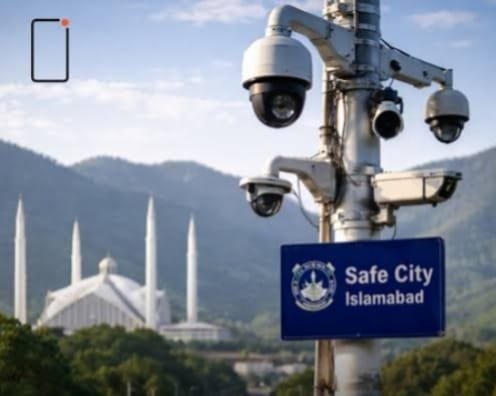
Islamabad | ReNews Pakistan President Asif Ali Zardari, on the advice of Prime Minister Shehbaz Sharif, has approved the Islamabad Capital Territory Safe City Camera and Surveillance Infrastructure Protection and Damage Compensation Ordinance.
Under the ordinance, financial penalties may be imposed for damaging Safe City cameras or surveillance infrastructure, as well as for inciting or encouraging such damage.
In case of damage to a Safe City camera or surveillance infrastructure, a fine of up to Rs2 million may be imposed per camera or infrastructure facility.
The ordinance also provides that organisers may be held responsible for damage caused to Safe City cameras or surveillance infrastructure during rallies, processions, sit-ins, protests, strikes or other gatherings.
The legal measure aims to protect Islamabad’s civic surveillance system and related infrastructure from damage and provide a mechanism for compensation in case of loss or damage.
اسلام آباد | ری نیوز پاکستان صدر مملکت آصف علی زرداری نے وزیراعظم کی ایڈوائس پر اسلام آباد کیپٹل ٹیریٹری سیف سٹی کیمرا اور سرویلنس انفراسٹرکچر کے تحفظ اور نقصان کی تلافی سے متعلق آرڈیننس کی منظوری دے دی۔
آرڈیننس کے تحت سیف سٹی کیمروں اور سرویلنس انفراسٹرکچر کو نقصان پہنچانے، نقصان پر اکسانے یا اس کی ترغیب دینے پر مالی جرمانہ عائد کیا جا سکے گا۔
سیف سٹی کیمروں یا سرویلنس انفراسٹرکچر کو نقصان پہنچانے کی صورت میں فی کیمرا یا انفراسٹرکچر 20 لاکھ روپے تک جرمانہ عائد کیا جا سکے گا۔ آرڈیننس کے تحت جلسے، جلوس، دھرنے، احتجاج، ہڑتال یا کسی اجتماع کے دوران سیف سٹی کیمروں یا سرویلنس انفراسٹرکچر کو پہنچنے والے نقصان کی صورت میں منتظمین کو بھی نقصان کا ذمہ دار قرار دیا جا سکے گا۔
مجوزہ قانونی اقدام کا مقصد اسلام آباد میں شہری نگرانی کے نظام اور اس سے متعلق بنیادی ڈھانچے کو نقصان سے تحفظ فراہم کرنا اور نقصان کی صورت میں اس کی تلافی کو یقینی بنانا ہے۔