

Explore Islamabad Capital Territory, the federal capital region of Pakistan known for its planned
sectors, modern infrastructure, and high-value residential and commercial real estate.
Major
AuthorityCapital Development
Authority (CDA)
GPS
Position33.6844°N,
73.0479°E
Property & Land Governance in Islamabad Capital
Territory
Capital Development
Authority (CDA)
Primary authority responsible
for land management, housing schemes, sector development, and building approvals in
Islamabad.
ICT Administration
Oversees federal land matters,
revenue administration, and coordination of development policies in the Capital
Territory.
Metropolitan Corporation
Islamabad (MCI)
Manages municipal services,
local development, and civic infrastructure within Islamabad city.
Federal Board of Revenue
(FBR) – ICT Zone
Handles property taxation,
capital gains tax, and regulatory compliance for real estate transactions in ICT.
Important Updates from Islamabad Capital Territory
Real Estate & Land News
Published: September 7, 2026 at 10:01 AM
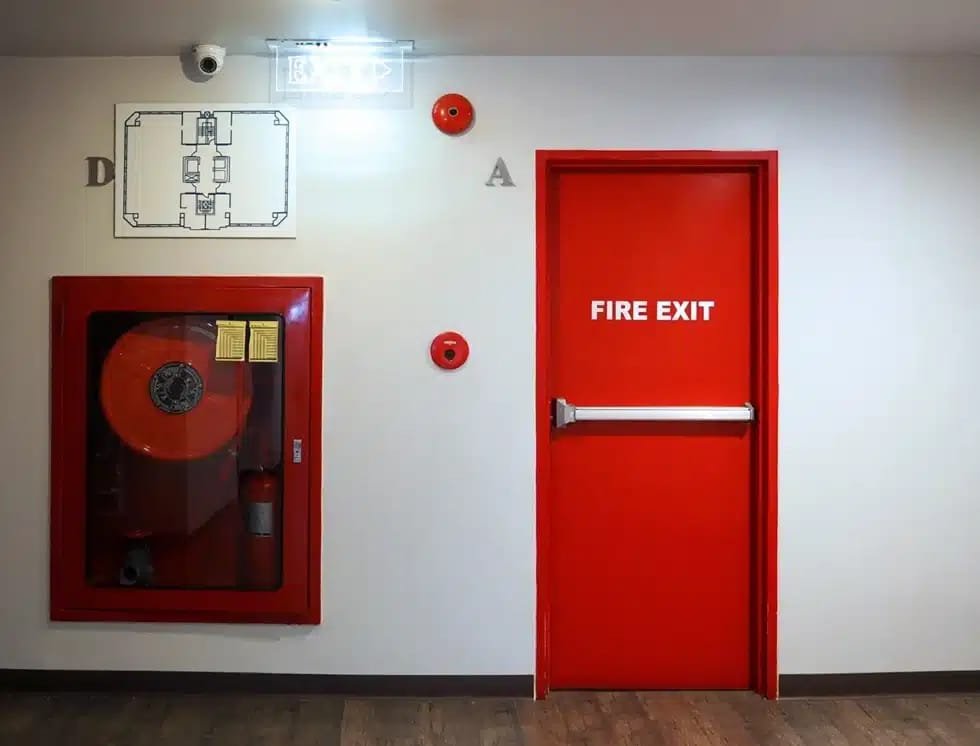
Fire Safety Training Made Mandatory for House Officers After PIMS Tragedy; Hospital Building Safety Systems Also to Be Reviewed
سانحہ پمز کے بعد ہاؤس آفیسرز کیلئے فائر سیفٹی ٹریننگ لازمی، ہسپتالوں کے بلڈنگ سیفٹی نظام کا بھی جائزہ ہوگا
▫️Focus on effective implementation of emergency exits, fire alarms, firefighting equipment and safety measures in institutional buildings
▫️پی ایم ڈی سی کا ملک بھر کے میڈیکل و ڈینٹل کالجز میں فائر سیفٹی پروٹوکولز کا جامع جائزہ لینے کا فیصلہ<br>ہنگامی اخراج کے راستوں، فائر الارم، آگ بجھانے کے آلات اور عمارتوں میں حفاظتی انتظامات کی مؤثر عمل داری پر زور
Islamabad | ReNews PakistanFollowing the PIMS tragedy, the Pakistan Medical and Dental Council (PMDC) has decided to make fire-safety training...
Islamabad | ReNews Pakistan Following the PIMS tragedy, the Pakistan Medical and Dental Council (PMDC) has decided to make fire-safety training mandatory for house officers across medical and dental colleges nationwide, aimed at strengthening emergency preparedness in hospitals and healthcare institutions and ensuring the safety of patients, doctors, medical staff and other occupants. According to the PMDC, all medical and dental colleges across the country will provide formal fire-safety training to house officers. The training will become a mandatory component of house jobs, enabling house officers to respond promptly and effectively in the event of a fire or other emergency. The council has also decided to conduct a comprehensive review of existing fire-safety protocols at medical and dental institutions. The review will focus not only on staff preparedness but also on the safety arrangements and infrastructure available within hospital and medical college buildings. From a building-safety perspective, emergency exits, designated fire escapes, fire alarm systems, firefighting equipment, emergency lighting and clearly defined evacuation plans are critical components of hospital safety. The issue is particularly important in hospitals, where many patients may be unable to evacuate buildings independently and therefore require assistance during an emergency. Experts say fire safety should not be limited to staff training but should form a permanent part of building design, construction standards and property management. Older hospital buildings, high-rise healthcare facilities and properties that have undergone extensions or structural changes require regular inspections of electrical systems, emergency routes, firefighting equipment and building-use arrangements. The PMDC's decision to review fire-safety protocols is also significant from the perspective of building regulations and regulatory compliance. Approval of a building at the time of construction does not necessarily guarantee that all safety arrangements will remain effective over the years, particularly as occupancy levels, internal layouts, building use and infrastructure may change. The council is also considering extending fire-safety training to medical students and postgraduate trainees in the future. The proposed expansion could help develop a stronger safety culture within healthcare institutions, ensuring that doctors and other medical personnel understand their responsibilities during fires, evacuations and other emergencies. The decision also highlights the importance of building rules, fire-safety standards and property compliance in hospitals and other large public and institutional buildings. Experts maintain that effective fire protection requires both trained personnel and safe physical infrastructure, as staff training alone cannot eliminate risks arising from defective construction, inadequate fire-protection systems or insufficient emergency exits. The PMDC's initiative signals that fire safety in healthcare institutions is increasingly being viewed not merely as an administrative responsibility but as a fundamental requirement linked to building safety, property management, regulatory compliance and the protection of human life.
اسلام آباد | ری نیوز پاکستان سانحہ پمز کے بعد پاکستان میڈیکل اینڈ ڈینٹل کونسل (پی ایم ڈی سی) نے ملک بھر کے میڈیکل اور ڈینٹل کالجز میں ہاؤس آفیسرز کیلئے فائر سیفٹی ٹریننگ لازمی کرنے کا فیصلہ کر لیا ہے، جس کا مقصد ہسپتالوں اور طبی اداروں میں ہنگامی حالات سے نمٹنے کی صلاحیت بہتر بنانا اور مریضوں، ڈاکٹروں، طبی عملے اور دیگر افراد کے تحفظ کو یقینی بنانا ہے۔ پی ایم ڈی سی کے مطابق ملک بھر کے تمام میڈیکل اور ڈینٹل کالجز میں ہاؤس آفیسرز کو فائر سیفٹی کے حوالے سے باقاعدہ تربیت فراہم کی جائے گی۔ فائر سیفٹی ٹریننگ کو ہاؤس جاب کا لازمی حصہ بنایا جائے گا تاکہ ہاؤس آفیسرز آگ لگنے یا کسی دوسری ہنگامی صورتحال میں فوری اور مؤثر کارروائی کرنے کے قابل ہوں۔ کونسل نے تمام میڈیکل اور ڈینٹل اداروں میں پہلے سے موجود فائر سیفٹی پروٹوکولز کا جامع جائزہ لینے کا بھی فیصلہ کیا ہے۔ اس عمل میں صرف عملے کی تربیت ہی نہیں بلکہ ہسپتالوں اور میڈیکل کالجز کی عمارتوں میں موجود حفاظتی انتظامات کو بھی اہمیت حاصل ہوگی۔ بلڈنگ سیفٹی کے تناظر میں ہسپتالوں میں ہنگامی اخراج کے راستے، فائر ایگزٹ، فائر الارم سسٹم، آگ بجھانے والے آلات، ایمرجنسی لائٹس اور انخلا کے واضح منصوبے بنیادی اہمیت رکھتے ہیں۔ خاص طور پر ہسپتالوں میں ایسے مریض بھی موجود ہوتے ہیں جو اپنی مدد آپ کے تحت عمارت سے باہر نہیں نکل سکتے، اس لیے عمارت کا ڈیزائن اور فائر سیفٹی نظام عام عمارتوں کے مقابلے میں زیادہ مؤثر ہونا ضروری ہے۔ ماہرین کے مطابق فائر سیفٹی کو صرف تربیتی پروگرام تک محدود رکھنے کے بجائے اسے عمارتوں کے تعمیراتی اور انتظامی معیار کا مستقل حصہ بنانا ضروری ہے۔ پرانی عمارتوں، بلند و بالا ہسپتالوں اور وقت کے ساتھ توسیع یا تبدیلی سے گزرنے والی جائیدادوں میں بجلی کے نظام، ایمرجنسی راستوں، فائر فائٹنگ آلات اور عمارت کے استعمال میں ہونے والی تبدیلیوں کا باقاعدگی سے جائزہ لیا جانا چاہیے۔ پی ایم ڈی سی کی جانب سے فائر سیفٹی پروٹوکولز کے جائزے کا فیصلہ اس حوالے سے بھی اہم ہے کہ میڈیکل اداروں میں عمارتوں کی منظوری کے بعد حفاظتی قوانین پر مسلسل عمل درآمد یقینی بنایا جائے۔ کسی عمارت کا منظور شدہ ہونا اس امر کی ضمانت نہیں کہ اس میں مستقبل میں بھی فائر سیفٹی کے تمام انتظامات مؤثر حالت میں موجود رہیں گے، کیونکہ عمارت کے استعمال، گنجائش اور اندرونی ساخت میں وقت کے ساتھ تبدیلیاں آ سکتی ہیں۔ کونسل مستقبل میں فائر سیفٹی ٹریننگ کو میڈیکل طلبہ اور پوسٹ گریجویٹ طلبہ تک بھی توسیع دینے کی تجویز پر غور کر رہی ہے۔ اس اقدام سے طبی اداروں میں ایک ایسے حفاظتی کلچر کو فروغ مل سکتا ہے جس میں ڈاکٹرز اور دیگر طبی عملہ آگ لگنے، انخلا اور ہنگامی صورتحال کے دوران اپنے کردار اور ذمہ داریوں سے پہلے ہی آگاہ ہوں۔ یہ فیصلہ ہسپتالوں سمیت تمام بڑے عوامی اور ادارہ جاتی استعمال کی عمارتوں میں بلڈنگ رولز، فائر سیفٹی اور پراپرٹی کمپلائنس کی اہمیت کو بھی اجاگر کرتا ہے۔ ماہرین کے مطابق مؤثر فائر سیفٹی کیلئے تربیت یافتہ عملہ اور محفوظ عمارت دونوں ضروری ہیں، کیونکہ صرف افراد کو تربیت دینے سے ایسے خطرات ختم نہیں ہوتے جن کی وجہ ناقص تعمیر، غیر مؤثر فائر سیفٹی نظام یا ہنگامی اخراج کے ناکافی انتظامات ہوں۔ پی ایم ڈی سی کا حالیہ اقدام اس بات کی جانب اشارہ کرتا ہے کہ طبی اداروں میں فائر سیفٹی کو محض انتظامی معاملہ نہیں بلکہ عمارت، پراپرٹی مینجمنٹ اور انسانی جانوں کے تحفظ سے جڑے بنیادی ضابطے کے طور پر دیکھا جائے گا
Published: September 7, 2026 at 9:01 AM
FBR Property Withholding Tax Collection Surges 56.9% to Rs66.7 Billion in FY2025-26
ایف بی آر کی پراپرٹی ودہولڈنگ ٹیکس وصولی میں 56.9 فیصد اضافہ، 66.7 ارب روپے زائد وصول
▫️Collection under Section 236C records sharpest growth among major withholding tax categories, reflecting increased tax receipts from immovable property transactions
▫️غیر منقولہ جائیداد کی فروخت پر سیکشن 236C کے تحت ٹیکس وصولی میں نمایاں اضافہ، پراپرٹی لین دین سے حکومتی محصولات بڑھ گئے
Islamabad | ReNews PakistanThe Federal Board of Revenue (FBR) recorded a significant increase in withholding tax collection from the sale...
Islamabad | ReNews Pakistan The Federal Board of Revenue (FBR) recorded a significant increase in withholding tax collection from the sale of immovable property during fiscal year 2025-26, with receipts rising by 56.9 percent, or Rs 66.7 billion, compared with the previous fiscal year. According to FBR data covering the entire July-June period of fiscal year 2025-26, the substantial increase in tax collection from property transactions was recorded under Section 236C of the Income Tax Ordinance, 2001. The sharp rise highlights the growing contribution of the real estate sector to government tax revenues amid continued efforts to strengthen documentation and tax compliance in property transactions. The FBR data showed that several major withholding tax categories contributed significantly to overall revenue collection during the fiscal year. These included contracts, imports, sale of immovable property, dividends and salaries. Withholding tax collection from contracts emerged as another major contributor, increasing by 22.3 percent, equivalent to Rs 162.3 billion, under Section 153 of the Income Tax Ordinance, 2001, during FY2025-26 compared with the previous fiscal year. Similarly, withholding tax collected on imports rose by 16.5 percent, or Rs 69.5 billion, under the relevant provisions of the Income Tax Ordinance. The increase indicates higher tax receipts from import related transactions during the year. The property sector, however, recorded one of the most notable growth rates among the major withholding tax categories. Collection under Section 236C increased by Rs 66.7 billion, representing a year-on-year rise of 56.9 percent. The FBR's figures also showed growth in withholding tax collection from dividends. Receipts under this category increased by 18.5 percent, or Rs 30 billion, during FY2025-26. Meanwhile, withholding tax collected from salaries posted a comparatively modest increase of 3.8 percent, translating into an additional Rs 23 billion during the fiscal year. The latest figures provide an indication of the government's expanding tax collection base, particularly from transactions and income streams that are subject to withholding at source. For the real estate sector, the sharp increase in Section 236C collections is particularly significant as property transactions remain an important area of tax documentation and enforcement. The increase in property-related withholding tax collection also comes against the backdrop of continuing changes in taxation, valuation and documentation requirements affecting Pakistan's real estate market. Higher collections could reflect increased enforcement, improved documentation of transactions, changes in property values and greater compliance with withholding tax requirements. The FBR's overall data suggests that withholding taxes continued to play an important role in revenue mobilisation during FY2025-26, with major categories recording increases over the previous fiscal year. The substantial rise in property sale withholding tax is likely to remain closely watched by real estate stakeholders, investors and taxpayers as the government continues to focus on broadening the documented tax base.
اسلام آباد | ری نیوز پاکستان فیڈرل بورڈ آف ریونیو (ایف بی آر) نے مالی سال 26-2025 کے دوران غیر منقولہ جائیداد کی فروخت پر ودہولڈنگ ٹیکس کی وصولی میں نمایاں اضافہ ریکارڈ کیا ہے، جس میں گزشتہ مالی سال کے مقابلے میں 56.9 فیصد، یعنی 66.7 ارب روپے کا اضافہ ہوا۔ جولائی سے جون تک مالی سال 26-2025 کے مکمل عرصے کے ایف بی آر کے اعداد و شمار کے مطابق پراپرٹی لین دین سے ٹیکس وصولی میں نمایاں اضافہ انکم ٹیکس آرڈیننس 2001 کے سیکشن 236C کے تحت ہوا۔ ٹیکس وصولی میں یہ غیر معمولی اضافہ دستاویزی معیشت کو فروغ دینے اور جائیداد کے لین دین میں ٹیکس قوانین پر عمل درآمد بہتر بنانے کی حکومتی کوششوں کے تناظر میں اہم قرار دیا جا رہا ہے۔ ایف بی آر کے اعداد و شمار کے مطابق مالی سال کے دوران ودہولڈنگ ٹیکس کی مجموعی وصولی میں کئی اہم شعبوں نے نمایاں کردار ادا کیا، جن میں کنٹریکٹس، درآمدات، غیر منقولہ جائیداد کی فروخت، منافع اور تنخواہیں شامل ہیں۔ کنٹریکٹس سے ودہولڈنگ ٹیکس وصولی بھی اہم ذرائع میں شامل رہی، جو انکم ٹیکس آرڈیننس 2001 کے سیکشن 153 کے تحت مالی سال 26-2025 میں گزشتہ مالی سال کے مقابلے میں 22.3 فیصد، یعنی 162.3 ارب روپے بڑھی۔ اسی طرح درآمدات پر عائد ودہولڈنگ ٹیکس کی وصولی میں 16.5 فیصد، یعنی 69.5 ارب روپے کا اضافہ ریکارڈ کیا گیا۔ یہ اضافہ سال کے دوران درآمدی لین دین سے حاصل ہونے والی ٹیکس وصولیوں میں بہتری کی نشاندہی کرتا ہے۔ تاہم پراپرٹی سیکٹر نے بڑے ودہولڈنگ ٹیکس کے ضمن میں شرح نمو کے اعتبار سے نمایاں کارکردگی کا مظاہرہ کیا۔ سیکشن 236C کے تحت غیر منقولہ جائیداد کی فروخت سے ٹیکس وصولی میں 66.7 ارب روپے کا اضافہ ہوا، جو سالانہ بنیاد پر 56.9 فیصد اضافے کے برابر ہے۔ ایف بی آر کے اعداد و شمار کے مطابق منافع پر ودہولڈنگ ٹیکس وصولی میں بھی اضافہ ہوا۔ اس مد میں گزشتہ مالی سال کے دوران گزشتہ مالی سال کے مقابلے میں 18.5 فیصد، یعنی 30 ارب روپے کا اضافہ ریکارڈ کیا گیا۔ دوسری جانب تنخواہوں سے حاصل ہونے والی ودہولڈنگ ٹیکس وصولی میں نسبتاً معمولی 3.8 فیصد اضافہ ہوا، جو 23 ارب روپے کے اضافی محصولات کے برابر ہے۔ تازہ اعداد و شمار سے ظاہر ہوتا ہے کہ حکومت کی ٹیکس وصولی کا دائرہ وسیع ہو رہا ہے، بالخصوص ان لین دین اور آمدنی کے ذرائع سے جہاں ٹیکس کی وصولی براہ راست ذریعہ آمدن پر کی جاتی ہے۔ رئیل اسٹیٹ سیکٹر کے لیے سیکشن 236C کے تحت ٹیکس وصولی میں تیز رفتار اضافہ خاص اہمیت رکھتا ہے، کیونکہ جائیداد کے لین دین ٹیکس دستاویزات اور حکومتی نگرانی کے اہم شعبوں میں شامل ہیں۔ پراپرٹی سے متعلق ودہولڈنگ ٹیکس وصولی میں یہ اضافہ ایسے وقت میں سامنے آیا ہے جب پاکستان کی رئیل اسٹیٹ مارکیٹ کو ٹیکس، جائیداد کی قیمتوں کے تعین اور دستاویزی تقاضوں میں مسلسل تبدیلیوں کا سامنا ہے۔ ٹیکس وصولی میں اضافے کی ممکنہ وجوہات میں ٹیکس قوانین پر بہتر عمل درآمد، لین دین کی دستاویز بندی میں بہتری، جائیداد کی قیمتوں میں تبدیلی اور ودہولڈنگ ٹیکس کی ادائیگی سے متعلق تعمیل میں اضافہ شامل ہو سکتے ہیں۔ ایف بی آر کے مجموعی اعداد و شمار سے ظاہر ہوتا ہے کہ گزشتہ مالی سال کے دوران ودہولڈنگ ٹیکس حکومتی محصولات جمع کرنے کا اہم ذریعہ رہا اور اس کی بیشتر بڑی اقسام میں گزشتہ مالی سال کے مقابلے میں اضافہ ریکارڈ کیا گیا۔ پراپرٹی کی فروخت پر ودہولڈنگ ٹیکس وصولی میں 56.9 فیصد کا نمایاں اضافہ رئیل اسٹیٹ شعبے سے وابستہ افراد، سرمایہ کاروں اور ٹیکس دہندگان کی خصوصی توجہ کا مرکز بننے کا امکان ہے، جبکہ حکومت کی جانب سے ٹیکس نیٹ کو وسیع کرنے اور جائیداد کے لین دین کو مزید دستاویزی بنانے کی کوششیں بھی جاری ہیں۔
Published: September 6, 2026 at 1:01 AM
National Housing Policy 2026: Federal Cabinet Approval Sets a Broader Framework for Housing, Planning, Finance and Regulation: Real Estate Experts
قومی ہاؤسنگ پالیسی 2026: وفاقی کابینہ کی منظوری رہائش، منصوبہ بندی، فنانس اور ضابطہ کاری کے لیے وسیع تر فریم ورک قائم کرتی ہے: رئیل اسٹیٹ ماہرین
▫️Buyers must independently verify title, approvals, contracts and financing as policy implementation depends on relevant authorities and applicable laws
▫️خریدار ٹائٹل، منظوریوں، معاہدوں اور فنانسنگ کی خود تصدیق کریں، پالیسی پر عملدرآمد متعلقہ اداروں اور قابلِ اطلاق قوانین سے مشروط ہے
Islamabad | ReNews PakistanPakistan’s Ministry of Housing and Works has listed the National Housing Policy 2026 following its approval by...
Islamabad | ReNews Pakistan Pakistan’s Ministry of Housing and Works has listed the National Housing Policy 2026 following its approval by the federal cabinet on August 11, 2026, marking a significant development in the country’s housing and real estate sector. Real estate experts are of the opinion that the policy provides a national framework for addressing housing related issues and is expected to influence future government priorities concerning affordable housing, land use, planning, construction, financing, sustainability and regulation. However, the policy does not itself serve as a title document, approval for a private housing scheme, guarantee of a home loan or an immediate change in the legal status of any plot, house or apartment. According to the Ministry’s official housing policy information, the federal cabinet approved the policy in August. The accompanying action plan has reportedly emphasised compliance with zoning laws and promoted vertical construction to ensure more efficient use of available land. The policy level directions, however, do not mean that buyers can automatically assume a private developer has obtained all required approvals or that a high rise or housing project will be completed within a particular timeframe. Project level implementation still requires approvals, regulations, funding and decisions by the relevant federal, provincial and local authorities. The new policy could nevertheless have broader implications for Pakistan’s property market. A national housing framework can influence the development of formal housing supply, affordability measures, land use planning, construction standards, sustainability and consumer protection. It may also encourage greater coordination among government institutions, development authorities, regulators and financial institutions. For property buyers, however, the distinction between government policy and individual property approval remains critical. Developers or agents may refer to national housing priorities, proposed regulations or government policies while marketing projects and creating a sense of urgency among potential buyers. Such claims should not be treated as proof of a property's legal or commercial status. Buyers should first identify the exact housing scheme, phase, block, plot or apartment and determine which authority has jurisdiction over it. They should obtain current approval records directly from the relevant authority and verify whether the proposed use of the property corresponds with the approved land use. Where applicable, buyers should also check building-plan approval, completion requirements, possession status and transfer permissions. Contractual obligations should also be examined carefully. Booking forms, allotment letters and sale agreements should clearly specify the total price, development and service charges, applicable taxes, possession or delivery conditions, cancellation provisions and consequences of delays. Where financing is involved, buyers should obtain written terms from the lender. State Bank housing-finance regulations and government support programmes may influence available financing products, but the lender’s final offer, credit assessment and property evaluation determine whether a particular buyer qualifies for financing. The policy therefore represents an important national direction for the housing sector, but it does not replace due diligence. Buyers must continue to independently verify title, approvals, planning status, contractual obligations and financing terms before committing their money to any property.
اسلام آباد | ری نیوز پاکستان پاکستان کی وزارتِ ہاؤسنگ اینڈ ورکس نے 11 اگست 2026 کو وفاقی کابینہ سے منظوری کے بعد قومی ہاؤسنگ پالیسی 2026 کو اپنی ویب سائٹ پر درج کر دیا ہے، جو ملک کے رہائشی اور رئیل اسٹیٹ شعبے میں ایک اہم پیش رفت ہے۔ رئیل اسٹیٹ ماہرین کے مطابق پالیسی رہائش سے متعلق مسائل کے حل کے لیے قومی سطح پر ایک فریم ورک فراہم کرتی ہے اور سستی رہائش، اراضی کے استعمال، منصوبہ بندی، تعمیرات، فنانسنگ، پائیداری اور ضابطہ کاری سے متعلق مستقبل کی حکومتی ترجیحات پر اثر انداز ہو سکتی ہے۔ تاہم، یہ پالیسی خود کسی جائیداد کی ملکیتی دستاویز، نجی ہاؤسنگ سکیم کی منظوری، ہوم لون کی ضمانت یا کسی پلاٹ، گھر یا اپارٹمنٹ کی قانونی حیثیت میں فوری تبدیلی کا متبادل نہیں ہے۔ وزارت کی سرکاری معلومات کے مطابق وفاقی کابینہ نے پالیسی کی منظوری اگست میں دی۔ پالیسی کے ساتھ منسلک ایکشن پلان میں زوننگ قوانین کی پابندی اور دستیاب اراضی کے زیادہ مؤثر استعمال کے لیے عمودی تعمیرات کو ترجیح دینے پر زور دیا گیا ہے۔ تاہم، ماہرین کے مطابق پالیسی کی سطح پر دی گئی یہ ہدایات اس بات کی ضمانت نہیں دیتیں کہ کسی نجی ڈویلپر نے تمام مطلوبہ منظوری حاصل کر لی ہے یا کوئی بلند عمارت یا ہاؤسنگ منصوبہ مقررہ مدت میں مکمل ہو جائے گا۔ منصوبوں پر عملدرآمد کے لیے متعلقہ وفاقی، صوبائی اور مقامی اداروں کی منظوریوں، ضوابط، مالی وسائل اور منصوبہ جاتی فیصلوں کی ضرورت برقرار رہتی ہے۔ نئی پالیسی کے پاکستان کی پراپرٹی مارکیٹ پر وسیع تر اثرات مرتب ہو سکتے ہیں۔ قومی ہاؤسنگ فریم ورک رسمی رہائشی فراہمی، سستی رہائش، اراضی کے استعمال کی منصوبہ بندی، تعمیراتی معیار، پائیداری اور صارفین کے تحفظ سے متعلق حکومتی اقدامات کو متاثر کر سکتا ہے۔ اس کے علاوہ سرکاری اداروں، ڈویلپمنٹ اتھارٹیز، ضابطہ کار اداروں اور مالیاتی اداروں کے درمیان رابطہ کاری بہتر بنانے میں بھی مدد مل سکتی ہے۔ تاہم، پراپرٹی خریداروں کے لیے حکومتی پالیسی اور انفرادی جائیداد کی منظوری میں فرق سمجھنا انتہائی ضروری ہے۔ ڈویلپرز یا ایجنٹس منصوبوں کی تشہیر کے دوران قومی ہاؤسنگ ترجیحات، مجوزہ ضوابط یا حکومتی پالیسیوں کا حوالہ دے کر ممکنہ خریداروں میں جلدی کا احساس پیدا کر سکتے ہیں۔ ایسی باتوں کو جائیداد کی قانونی یا تجارتی حیثیت کا ثبوت نہیں سمجھنا چاہیے۔ خریداروں کو سب سے پہلے متعلقہ ہاؤسنگ اسکیم، فیز، بلاک، پلاٹ یا اپارٹمنٹ کی درست شناخت کرنی چاہیے اور یہ معلوم کرنا چاہیے کہ اس پر کس ادارے کا اختیار ہے۔ متعلقہ ادارے سے موجودہ منظوریوں کا ریکارڈ حاصل کرنے کے ساتھ یہ بھی تصدیق کی جائے کہ مجوزہ استعمال منظور شدہ لینڈ یوز سے مطابقت رکھتا ہے یا نہیں۔ جہاں ضروری ہو، بلڈنگ پلان کی منظوری، تکمیل کی شرائط، قبضے کی حیثیت اور منتقلی کی اجازت بھی چیک کی جائے۔ معاہدے کی شرائط کا جائزہ لینا بھی ضروری ہے۔ بکنگ فارم، الاٹمنٹ لیٹر اور سیل ایگریمنٹ میں کل قیمت، ڈویلپمنٹ اور سروس چارجز، قابلِ اطلاق ٹیکسز، قبضے یا حوالگی کی شرائط، منسوخی کی صورت اور تاخیر کے نتائج واضح طور پر درج ہونے چاہئیں۔ اگر فنانسنگ شامل ہو تو خریدار کو بینک یا متعلقہ قرض دہندہ سے تحریری شرائط حاصل کرنی چاہئیں۔ اسٹیٹ بینک کے ہاؤسنگ فنانس ضوابط اور حکومتی معاونتی پروگرام دستیاب مالیاتی مصنوعات پر اثر انداز ہو سکتے ہیں، تاہم اصل سہولت کا تعین قرض دہندہ کی حتمی پیشکش، کریڈٹ اسیسمنٹ اور جائیداد کے جائزے سے ہوتا ہے۔ قومی ہاؤسنگ پالیسی 2026 رہائشی شعبے کے لیے ایک اہم قومی سمت ضرور متعین کرتی ہے، لیکن یہ خریداروں کے لیے قانونی اور مالیاتی احتیاط کا متبادل نہیں ہے۔ پراپرٹی خریدنے سے پہلے ٹائٹل، منظوریوں، منصوبہ بندی کی حیثیت، معاہدے کی شرائط اور فنانسنگ کی مکمل تصدیق کرنا ضروری ہے۔