Explore Islamabad Capital Territory, the federal capital region of Pakistan known for its planned
sectors, modern infrastructure, and high-value residential and commercial real estate.
Major
AuthorityCapital Development
Authority (CDA)
GPS
Position33.6844°N,
73.0479°E
Property & Land Governance in Islamabad Capital
Territory
Capital Development
Authority (CDA)
Primary authority responsible
for land management, housing schemes, sector development, and building approvals in
Islamabad.
ICT Administration
Oversees federal land matters,
revenue administration, and coordination of development policies in the Capital
Territory.
Metropolitan Corporation
Islamabad (MCI)
Manages municipal services,
local development, and civic infrastructure within Islamabad city.
Federal Board of Revenue
(FBR) – ICT Zone
Handles property taxation,
capital gains tax, and regulatory compliance for real estate transactions in ICT.
Important Updates from Islamabad Capital Territory
Real Estate & Land News
Published: October 10, 2026 at 1:01 PM
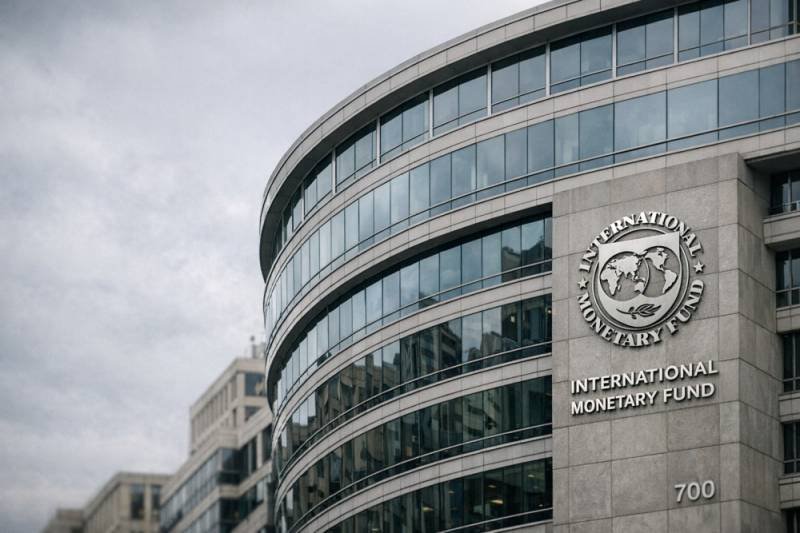
Pakistan Plans to End Existing Electricity, Gas Slab and Subsidy Systems Under IMF Reforms from 2027
آئی ایم ایف شرائط پر بجلی و گیس صارفین کیلئے سلیب اور سبسڈی ختم کرنے کی تیاری
▫️ New electricity subsidy framework scheduled for January 2027, gas reforms planned for July as government moves to restrict financial assistance to deserving and low-income households through World Bank
▫️ سبسڈی صرف مستحق اور کم آمدنی والے صارفین تک محدود کرنے کا فیصلہ، صارفین کے کوائف بے نظیر انکم سپورٹ پروگرام سے منسلک ہوں گے
Islamabad | ReNews PakistanThe federal government has accelerated energy sector reforms under its commitments to the International Monetary Fund (IMF),...
Islamabad | ReNews Pakistan
The federal government has accelerated energy sector reforms under its commitments to the International Monetary Fund (IMF), preparing to overhaul the existing electricity and gas tariff slab and cross-subsidy systems and introduce a targeted financial assistance mechanism for deserving and low-income consumers.
Under the proposed reform programme, a new electricity subsidy framework is scheduled to be introduced in January 2027, while a revised subsidy arrangement for natural gas consumers is expected to take effect from July 1, 2027.
According to official sources, the planned changes are intended to replace broad-based tariff concessions and cross subsidies with a more targeted mechanism that determines eligibility for financial assistance according to the socioeconomic circumstances of individual households.
The Power Division has initiated work, with support from the World Bank, to link electricity consumers with the National Socio Economic Registry (NSER), enabling authorities to identify households that qualify for government assistance.
Sources said the government aims to complete the verification and linking of consumer records by the end of November 2026, after which eligibility criteria for the new subsidy mechanism will be determined.
The proposed framework will utilise socioeconomic information and records associated with the Benazir Income Support Programme (BISP) to identify vulnerable households and ensure that financial assistance is directed towards consumers who face difficulties meeting their energy expenses.
The reforms form part of Pakistan's commitments under the IMF programme, which requires the government to replace the existing budgeted electricity tariff differential subsidy and cross subsidy arrangements with a targeted, budget-funded support mechanism for low income consumers.
Under the agreed reform schedule, the government is expected to establish a new subsidy disbursement mechanism through BISP by the end of January 2027.
The transition represents a significant change in Pakistan's approach to energy subsidies, which currently provides different levels of tariff relief according to consumer categories, electricity consumption and other regulatory classifications.
Under the existing cross subsidy framework, certain categories of consumers pay relatively higher tariffs to help finance concessions provided to other groups.
The proposed system seeks to shift the focus from consumption-based concessions towards financial assistance determined by household income and socioeconomic vulnerability.
According to sources, the government is pursuing these reforms partly to reduce the financial burden associated with energy subsidies and address persistent circular debt problems in the electricity and gas sectors.
Pakistan's energy sector has continued to face financial challenges arising from differences between supply costs and recoveries, outstanding payments, operational inefficiencies and the accumulation of circular debt.
The proposed changes are also intended to improve the allocation of public resources by ensuring that budgetary support reaches consumers who are genuinely in need of assistance.
However, the transition could have financial implications for households currently benefiting from subsidised tariff slabs but which may not qualify for assistance under the new eligibility criteria.
Consumers who are excluded from the targeted subsidy mechanism could face higher effective energy costs depending on the final tariff structure and the extent to which existing concessions are withdrawn.
Conversely, qualifying low income households are expected to receive financial assistance through a mechanism linked to verified socioeconomic data.
Sources said the government is also preparing to revise the natural gas subsidy framework, with the proposed changes expected to be introduced from July 1, 2027.
The existing gas pricing structure includes different consumer slabs and protected categories, while variations between regulated tariffs and the actual cost of supply have contributed to financial pressures on gas utilities.
The proposed reforms seek to address these imbalances while retaining targeted support for economically vulnerable households.
The broader energy reform programme is also being pursued alongside efforts to improve the financial performance of electricity distribution companies and advance preparations for their privatisation.
Sources said power distribution companies have submitted applications seeking adjustments to base electricity tariffs, while the government has briefed the IMF on developments concerning the restructuring and proposed privatisation of distribution companies.
The changes are expected to require coordination among the Power Division, regulatory institutions, electricity distribution companies, the BISP administration and other relevant government agencies.
The success of the proposed system will depend significantly on the accuracy of household data, transparent eligibility criteria and effective mechanisms for delivering financial assistance to deserving consumers.
A major challenge will be ensuring that economically vulnerable households are not excluded from the subsidy programme because of incomplete socioeconomic records, documentation difficulties or other administrative limitations.
The government will also need to establish a public communication strategy to inform electricity and gas consumers about the proposed changes, eligibility requirements and procedures for receiving assistance.
The final tariff structures, subsidy amounts and detailed eligibility rules for electricity and gas consumers have yet to be formally announced
اسلام آباد | ری نیوز پاکستان
وفاقی حکومت نے عالمی مالیاتی فنڈ (آئی ایم ایف) کی شرائط پر عملدرآمد اور توانائی کے شعبے میں مالیاتی اصلاحات کے تحت بجلی اور گیس کے صارفین کیلئے رائج سلیب اور کراس سبسڈی نظام میں بنیادی تبدیلیوں کی تیاریاں تیز کردی ہیں۔ مجوزہ اصلاحات کے تحت بجلی کیلئے جنوری 2027 جبکہ گیس کیلئے یکم جولائی 2027 سے نیا سبسڈی نظام متعارف کرانے کا منصوبہ تیار کیا جارہا ہے، جس میں حکومتی مالی معاونت صرف مستحق اور کم آمدنی والے گھرانوں تک محدود رکھی جائے گی۔
ذرائع کے مطابق حکومت موجودہ نظام کی جگہ ایسا طریقہ کار اختیار کرنا چاہتی ہے جس کے تحت بجلی اور گیس کے استعمال یا صارفین کی موجودہ کیٹیگریز کی بنیاد پر دی جانے والی عمومی رعایتوں کے بجائے گھرانوں کی حقیقی معاشی حیثیت کو سبسڈی کی اہلیت کا بنیادی معیار بنایا جائے گا۔
اس مقصد کیلئے پاور ڈویژن نے عالمی بینک کے تعاون سے بجلی صارفین کے کوائف کو قومی سماجی و اقتصادی رجسٹری کے ساتھ منسلک کرنے اور مستحق گھرانوں کی شناخت کا عمل تیز کردیا ہے۔
ذرائع کا کہنا ہے کہ متعلقہ اداروں کو نومبر 2026 کے اختتام تک صارفین کے کوائف کی جانچ پڑتال اور رجسٹری کے ساتھ منسلک کرنے کا عمل مکمل کرنے کا ہدف دیا گیا ہے، جس کے بعد سبسڈی کے حصول کیلئے اہلیت کے معیارات طے کیے جائیں گے۔
نئے نظام میں بے نظیر انکم سپورٹ پروگرام کے ڈیٹا اور مستحق گھرانوں کی سماجی و اقتصادی معلومات سے استفادہ کیا جائے گا تاکہ حکومتی امداد ان صارفین تک پہنچائی جاسکے جو بجلی اور گیس کے مکمل اخراجات برداشت کرنے کی استطاعت نہیں رکھتے۔
آئی ایم ایف کے ساتھ طے شدہ اصلاحاتی پروگرام کے مطابق بجلی کے موجودہ ٹیرف ڈیفرنشل سبسڈی اور کراس سبسڈی نظام کو مرحلہ وار ایک ایسے بجٹ سے فراہم کردہ امدادی نظام میں تبدیل کرنا ہے جس میں کم آمدنی والے گھرانوں کو براہ راست مالی معاونت فراہم کی جاسکے۔
اس مقصد کیلئے بے نظیر انکم سپورٹ پروگرام کے ذریعے سبسڈی کی ادائیگی کا نیا طریقہ کار جنوری 2027 کے اختتام تک متعارف کرانے کا ہدف مقرر کیا گیا ہے۔
ذرائع کے مطابق اصلاحات کا ایک اہم مقصد بجلی کے شعبے میں بڑھتے ہوئے گردشی قرضوں، سبسڈی کے مالی بوجھ اور پیداواری و ترسیلی اخراجات کے مسائل سے نمٹنا بھی ہے۔
موجودہ نظام میں مختلف اقسام کے صارفین کیلئے بجلی اور گیس کی قیمتوں کے الگ الگ سلیب مقرر ہیں جبکہ بعض صارفین کو کم نرخوں پر سہولت فراہم کرنے کیلئے دیگر صارفین سے نسبتاً زیادہ قیمتیں وصول کی جاتی ہیں، جسے کراس سبسڈی کہا جاتا ہے۔
حکومت اس نظام میں تبدیلی کے ذریعے سبسڈی کو عمومی رعایت کے بجائے مستحق گھرانوں کیلئے مخصوص مالی معاونت میں تبدیل کرنا چاہتی ہے۔
تاہم نئے طریقہ کار کے نفاذ سے ایسے صارفین کے بل متاثر ہوسکتے ہیں جو اس وقت رعایتی سلیب یا کراس سبسڈی سے فائدہ اٹھا رہے ہیں لیکن مستقبل میں کم آمدنی والے مستحق گھرانوں کی فہرست میں شامل نہیں ہوں گے۔
اسی طرح ایسے مستحق گھرانوں کو نئے نظام کے تحت مالی معاونت فراہم کرنے کی تجویز ہے جن کی معاشی حیثیت متعلقہ رجسٹری اور مقرر کردہ اہلیت کے معیار کے مطابق ہوگی۔
ذرائع کا کہنا ہے کہ گیس کے شعبے کیلئے بھی سبسڈی اور صارفین کی درجہ بندی کے موجودہ طریقہ کار پر نظرثانی کی جارہی ہے اور یکم جولائی 2027 سے ایک نیا نظام متعارف کرانے کی منصوبہ بندی کی گئی ہے۔
گیس کے شعبے میں اصلاحات کی ایک اہم وجہ مختلف صارفین کیلئے مقرر کردہ نرخوں اور گیس کی فراہمی پر آنے والے حقیقی اخراجات کے درمیان فرق بھی ہے، جس سے گیس کمپنیوں کے مالی معاملات اور شعبے کے گردشی قرضوں پر دباؤ بڑھ رہا ہے۔
توانائی کے شعبے میں ان اصلاحات کو بجلی کی تقسیم کار کمپنیوں کی تنظیم نو، نجکاری کی تیاریوں اور مالیاتی نظم و ضبط بہتر بنانے کی کوششوں کے ساتھ بھی منسلک کیا جارہا ہے۔
ذرائع کے مطابق بجلی کی تقسیم کار کمپنیوں کی جانب سے بنیادی ٹیرف میں ردوبدل کیلئے متعلقہ ریگولیٹری فورم سے رجوع کیا گیا ہے جبکہ حکومت توانائی کے شعبے میں جاری اصلاحات اور تقسیم کار کمپنیوں کی نجکاری سے متعلق پیش رفت سے آئی ایم ایف کو بھی آگاہ کررہی ہے۔
ماہرین کے مطابق مجوزہ نظام کی کامیابی کیلئے ضروری ہوگا کہ مستحق صارفین کی شناخت شفاف انداز میں کی جائے، سماجی و اقتصادی رجسٹری میں درست معلومات شامل ہوں اور مالی معاونت کی فراہمی کیلئے مؤثر طریقہ کار وضع کیا جائے
Published: October 10, 2026 at 12:17 PM
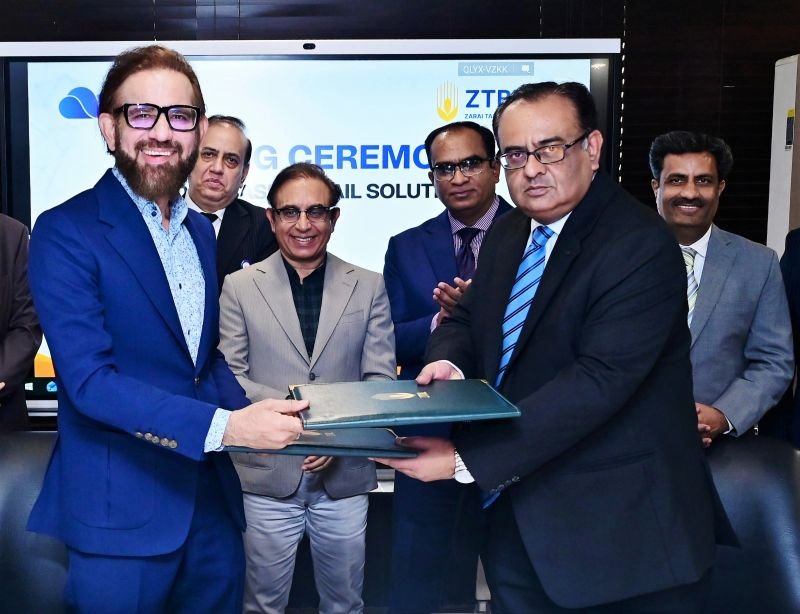
Nayatel Signs Five Year Agreement with ZTBL to Provide Cloud Based Business Email Services
زرعی ترقیاتی بینک کلاؤڈ بیسڈ ای میل سروسز لے گا، نیاٹیل سے پانچ سالہ معاہدہ
▫️ Nayatel will provide the bank with its advanced business email service, Nmail, powered by Zimbra technology.
▫️ اس شراکت داری سے زرعی ترقیاتی بینک کو اپنے ادارہ جاتی ای میل نظام کیلئے مقامی انفراسٹرکچر اور تکنیکی مہارت سے استفادہ کرنے کا موقع ملے گا
Islamabad | ReNews PakistanNayatel, a leading Pakistani telecommunications and information technology services provider, has signed a five year agreement with...
Islamabad | ReNews Pakistan Nayatel, a leading Pakistani telecommunications and information technology services provider, has signed a five year agreement with Zarai Taraqiati Bank Limited (ZTBL) to provide its cloud based business email solution, Nmail, marking another development in the adoption of locally hosted enterprise technology services by major financial institutions in Pakistan.
Under the agreement, ZTBL will migrate its business email services to Nayatel's cloud infrastructure located in Pakistan, enabling the bank to benefit from locally hosted enterprise communication capabilities, dedicated technical assistance and round the clock support.
The Nmail platform, powered by Zimbra and hosted on Nayatel Cloud, is designed to provide businesses and organisations with reliable email communication services while allowing their data to remain within Pakistan.
The partnership reflects growing demand among Pakistani financial institutions and corporate organisations for locally hosted digital solutions that combine operational reliability, technical expertise and greater control over institutional data.
According to details of the agreement, Nayatel will provide the technological infrastructure and technical support required to facilitate the bank's transition to its cloud based email platform.
The service will enable ZTBL to strengthen its institutional communication infrastructure while benefiting from local technical support and enterprise-level email management facilities.
Nmail is being positioned as a Pakistani alternative to international business email platforms, offering organisations access to professional communication services supported by domestic cloud infrastructure.
The platform provides business email hosting, communication management and technical assistance, while its local hosting model is intended to address the requirements of organisations seeking greater control over the location and management of their data.
The agreement is particularly significant for Pakistan's evolving enterprise technology market, where banks, financial institutions and large corporations are increasingly exploring domestic cloud service providers to support essential business operations.
Commenting on the agreement, Sheikh Wajid Mahmood, Executive Vice President of Sales and Marketing at Nayatel, said the partnership demonstrated ZTBL's confidence in the company's enterprise cloud capabilities.
He said Nayatel was pleased to support the bank's communication requirements through a locally hosted solution combining reliable infrastructure, dedicated technical support and data residency within Pakistan.
Mahmood emphasised that the agreement reflected the ability of domestic technology service providers to deliver enterprise communication solutions designed to meet the operational requirements of major organisations.
Inamullah Khattak, Senior Vice President of Public Relations and Media Services at ZTBL, highlighted the importance of reliable business communication in maintaining efficient banking operations.
He said dependable communication systems were essential to the bank's operations and expressed confidence that the partnership with Nayatel would help strengthen ZTBL's email services through local infrastructure and technical expertise.
The five year collaboration also provides Nayatel with an opportunity to expand its presence in Pakistan's financial services technology market and demonstrate the capabilities of its cloud-based enterprise communication solutions.
Nayatel is pursuing similar partnerships with other organisations as part of its efforts to expand the adoption of locally hosted business email and cloud services across different sectors.
The agreement represents a further step towards strengthening Pakistan's domestic digital services ecosystem, highlighting the growing role of locally hosted cloud infrastructure in supporting the communication and technological requirements of financial institutions and corporate organisations.
With increasing emphasis on data residency, operational reliability and responsive technical support, partnerships between financial institutions and domestic technology providers are expected to remain an important component of Pakistan's ongoing digital transformation.
اسلام آباد | ری نیوز پاکستان پاکستان کی ٹیلی کمیونیکیشن اور آئی ٹی سروسز فراہم کرنے والی کمپنی نیاٹیل اور زرعی ترقیاتی بینک لمیٹڈ کے درمیان پانچ سالہ معاہدہ طے پاگیا ہے، جس کے تحت نیاٹیل بینک کو اپنی جدید کاروباری ای میل سروس این میل فراہم کرے گی۔ یہ سروس زِمبرا ٹیکنالوجی پر مبنی ہے اور پاکستان میں قائم نیاٹیل کے کلاؤڈ انفراسٹرکچر پر ہوسٹ کی جائے گی۔
معاہدے کا مقصد زرعی ترقیاتی بینک کے ادارہ جاتی مواصلاتی نظام کو جدید خطوط پر استوار کرنا، ای میل سروسز کی کارکردگی اور قابل اعتماد دستیابی کو بہتر بنانا اور مقامی سطح پر ڈیٹا ہوسٹنگ اور تکنیکی معاونت کی سہولیات فراہم کرنا ہے۔
معاہدے کے تحت زرعی ترقیاتی بینک اپنی موجودہ کاروباری ای میل سروسز نیاٹیل کے کلاؤڈ انفراسٹرکچر پر منتقل کرے گا، جہاں بینک کو چوبیس گھنٹے تکنیکی معاونت اور متعلقہ خدمات فراہم کی جائیں گی۔
نیاٹیل کی این میل سروس کاروباری اداروں کیلئے ای میل اور ادارہ جاتی رابطوں کا ایک مربوط نظام فراہم کرتی ہے، جسے بین الاقوامی ای میل پلیٹ فارمز کے مقامی متبادل کے طور پر پیش کیا جارہا ہے۔
اس سروس کی نمایاں خصوصیات میں پاکستان کے اندر ڈیٹا ہوسٹنگ، مقامی تکنیکی معاونت اور کاروباری اداروں کی ضروریات کے مطابق ای میل مواصلات کی سہولیات شامل ہیں۔
کمپنی کے مطابق یہ معاہدہ پاکستان میں مقامی سطح پر ہوسٹ کی جانے والی انٹرپرائز ٹیکنالوجی اور کلاؤڈ سروسز کی بڑھتی ہوئی طلب کی عکاسی کرتا ہے، کیونکہ مالیاتی ادارے اور دیگر بڑی تنظیمیں اپنے ڈیجیٹل مواصلاتی نظام کیلئے قابل اعتماد انفراسٹرکچر، فوری تکنیکی معاونت اور ڈیٹا پر زیادہ کنٹرول کو ترجیح دے رہی ہیں۔
اس شراکت داری سے زرعی ترقیاتی بینک کو اپنے ادارہ جاتی ای میل نظام کیلئے مقامی انفراسٹرکچر اور تکنیکی مہارت سے استفادہ کرنے کا موقع ملے گا، جبکہ نیاٹیل کو مالیاتی شعبے میں اپنی انٹرپرائز کلاؤڈ سروسز کا دائرہ وسیع کرنے میں مدد مل سکتی ہے۔
معاہدے کے حوالے سے نیاٹیل کے ایگزیکٹو نائب صدر سیلز اینڈ مارکیٹنگ شیخ واجد محمود نے کہا کہ یہ معاہدہ نیاٹیل کی انٹرپرائز کلاؤڈ صلاحیتوں پر زرعی ترقیاتی بینک کے اعتماد کا اظہار ہے۔
انہوں نے کہا کہ کمپنی کو خوشی ہے کہ وہ پاکستان میں قائم قابل اعتماد کلاؤڈ انفراسٹرکچر، مخصوص تکنیکی معاونت اور ملک کے اندر ڈیٹا ہوسٹنگ کی سہولیات کے ذریعے بینک کی کاروباری مواصلاتی ضروریات پوری کرنے میں اپنا کردار ادا کرے گی۔
زرعی ترقیاتی بینک کے سینئر نائب صدر تعلقات عامہ و میڈیا سروسز انعام اللہ خٹک نے کہا کہ قابل اعتماد کاروباری مواصلات بینک کے انتظامی اور عملی امور کیلئے بنیادی اہمیت رکھتے ہیں۔
انہوں نے امید ظاہر کی کہ نیاٹیل کے مقامی انفراسٹرکچر اور تکنیکی مہارت سے استفادہ کرتے ہوئے بینک کی ای میل سروسز کو مزید مؤثر اور مضبوط بنایا جاسکے گا۔
نیاٹیل دیگر اداروں کے ساتھ بھی اسی نوعیت کی شراکت داریوں کے مواقع پر کام کررہی ہے تاکہ پاکستان میں مقامی کلاؤڈ ہوسٹنگ اور انٹرپرائز کمیونیکیشن سروسز کے استعمال کو فروغ دیا جاسکے۔
نیاٹیل اور زرعی ترقیاتی بینک کے درمیان پانچ سالہ معاہدہ ملک میں ڈیجیٹل انفراسٹرکچر کی ترقی اور مالیاتی اداروں کی مقامی ٹیکنالوجی سروسز کی جانب بڑھتی ہوئی توجہ کے تناظر میں ایک اہم کاروباری پیش رفت قرار دیا جاسکتا ہے
Published: October 10, 2026 at 12:01 PM
Govt Plans to Increase Mortgage Financing to 5% of GDP by 2035
حکومت کا 2035 تک ہاؤسنگ فنانسنگ کا حجم جی ڈی پی کے 5 فیصد تک بڑھانے کا منصوبہ
▫️ Land records, property transfers and building approvals to be digitised by FY2029 as Pakistan faces an annual housing shortfall of approximately 450,000 units
▫️ مالی سال 29-2028 تک اراضی ریکارڈ، جائیدادوں کی منتقلی اور تعمیراتی اجازت ناموں کو ڈیجیٹل بنانے کی تجویز، ملک میں سالانہ ساڑھے 4 لاکھ گھروں کی کمی کا انکشاف
Islamabad | ReNews PakistanThe federal government has proposed an ambitious plan to increase mortgage financing from less than 0.
Islamabad | ReNews Pakistan The federal government has proposed an ambitious plan to increase mortgage financing from less than 0.5% of Pakistan's gross domestic product (GDP) to 5% by 2035, alongside a comprehensive housing and real estate reform framework aimed at expanding homeownership, accelerating residential construction and strengthening the country's property sector. Under the proposed framework, the government intends to facilitate the construction of 300,000 to 400,000 housing units annually through the House Ownership Plan for Everyone, addressing the growing gap between housing demand and supply across Pakistan. The proposals were presented by Planning Commission Member Waqas Anwar during the eighth National Economic Mission meeting under the Uraan Pakistan framework, chaired by Federal Minister for Planning, Development and Special Initiatives Ahsan Iqbal in Islamabad on October 7. According to figures presented during the meeting, Pakistan requires approximately 700,000 new housing units annually, while existing supply stands at around 250,000 units, creating an estimated annual shortage of 450,000 homes. The proposed construction targets are intended to increase housing availability, although achieving even the upper target of 400,000 units would remain below the country's currently estimated annual housing demand. A major component of the reform framework involves expanding access to institutional housing finance, allowing more prospective homeowners to obtain mortgage loans for residential property purchases and construction. The proposed increase in mortgage financing to 5% of GDP by 2035 would represent a substantial expansion of Pakistan's currently underdeveloped housing finance market. The government also plans to modernise property administration by digitising land records, building permits, property valuations and ownership transfers by fiscal year 2028-29. Additional reforms include introducing one-window construction approvals, establishing secure escrow payment arrangements for property transactions and linking financial incentives to independently verified construction milestones. These measures are intended to improve transparency, simplify regulatory procedures and strengthen confidence among property buyers, developers and financial institutions. Addressing the meeting, Planning Minister Ahsan Iqbal emphasised that the housing, construction and real estate sectors could play a significant role in achieving Pakistan's broader economic development objectives. He highlighted the construction industry's connections with 72 allied industries and its contribution of approximately 9.5% to national employment, underscoring its importance for industrial activity and job creation. The meeting was informed that Pakistan's urban population had increased from approximately 76 million in 2017 to 94 million in 2023, placing additional pressure on residential infrastructure and urban planning. Figures presented during the meeting indicated that built-up areas expanded between 2005 and 2022 by 104% in Islamabad, 72% in Quetta, 59% in Lahore, 44% in Peshawar and 43% in Karachi. Ahsan Iqbal stressed the importance of promoting vertical residential development rather than allowing unchecked horizontal expansion, particularly where expanding urban settlements threaten agricultural land. He also called for the adoption of modern construction technologies, improved building methods and stronger cooperation between public and private sector stakeholders. The minister said Pakistan's construction industry should move beyond meeting domestic housing requirements and develop the capacity to compete internationally, attract investment and generate export earnings. The proposed mortgage financing expansion and housing reforms form part of the government's broader strategy to strengthen economic activity, promote investment in real estate and construction, and improve access to housing. However, the announced measures remain proposals under the reform framework, with their eventual implementation dependent on detailed policies, financing arrangements and coordination among government institutions, banks and private developers.
اسلام آباد | ری نیوز پاکستان وفاقی حکومت نے پاکستان میں ہاؤسنگ فنانسنگ کا حجم مجموعی قومی پیداوار (جی ڈی پی) کے موجودہ 0.5 فیصد سے بھی کم حصے سے بڑھا کر 2035 تک 5 فیصد تک پہنچانے کا منصوبہ پیش کردیا ہے۔ اس اقدام کا مقصد شہریوں کیلئے گھروں کی خریداری اور تعمیر کیلئے بینک قرضوں تک رسائی میں اضافہ، رہائشی تعمیرات کا فروغ اور رئیل اسٹیٹ سیکٹر کو جدید خطوط پر استوار کرنا ہے۔ مجوزہ ہاؤسنگ اور رئیل اسٹیٹ اصلاحاتی فریم ورک کے تحت ملک بھر میں سالانہ 3 سے 4 لاکھ رہائشی یونٹس کی تعمیر کا ہدف تجویز کیا گیا ہے تاکہ بڑھتی ہوئی آبادی کے پیش نظر رہائشی سہولیات کی طلب اور دستیابی کے درمیان فرق کو کم کیا جاسکے۔ یہ تجاویز وفاقی وزیر منصوبہ بندی، ترقی و خصوصی اقدامات احسن اقبال کی زیر صدارت اسلام آباد میں اڑان پاکستان پروگرام کے تحت آٹھویں نیشنل اکنامک مشن کے اجلاس میں پیش کی گئیں۔ اجلاس کے دوران پلاننگ کمیشن کے رکن وقاص انور نے ہاؤسنگ، تعمیرات اور رئیل اسٹیٹ سیکٹر میں مجوزہ اصلاحات سے متعلق تفصیلی بریفنگ دی۔ اجلاس میں پیش کیے گئے اعدادوشمار کے مطابق پاکستان میں سالانہ تقریباً 7 لاکھ نئے رہائشی یونٹس کی ضرورت ہے جبکہ موجودہ تعمیراتی سرگرمیوں کے ذریعے صرف ڈھائی لاکھ رہائشی یونٹس فراہم کیے جارہے ہیں، جس کے نتیجے میں ہر سال تقریباً ساڑھے 4 لاکھ گھروں کی کمی پیدا ہورہی ہے۔ مجوزہ منصوبے کے تحت سالانہ 4 لاکھ گھروں کی تعمیر کا ہدف حاصل ہونے کی صورت میں بھی موجودہ تخمینہ شدہ سالانہ طلب پوری نہیں ہوسکے گی، تاہم رہائشی یونٹس کی فراہمی میں نمایاں اضافے کی توقع کی جاسکتی ہے۔ اصلاحاتی فریم ورک میں ہاؤسنگ فنانسنگ کو بنیادی اہمیت دی گئی ہے تاکہ رہائشی جائیدادوں کی خریداری اور گھروں کی تعمیر کیلئے بینکاری قرضوں کی دستیابی میں اضافہ کیا جاسکے۔ اس سلسلے میں 2035 تک مارگیج فنانسنگ کو جی ڈی پی کے 5 فیصد تک پہنچانے کا ہدف تجویز کیا گیا ہے جو پاکستان میں ہاؤسنگ فنانس کی موجودہ محدود مارکیٹ میں نمایاں توسیع کی عکاسی کرتا ہے۔ حکومت نے رئیل اسٹیٹ سیکٹر میں شفافیت بڑھانے اور جائیدادوں کے معاملات کو آسان بنانے کیلئے مالی سال 29-2028 تک اراضی کے ریکارڈ، تعمیراتی اجازت ناموں، جائیدادوں کی قیمتوں کے تعین اور انتقال ملکیت کے نظام کو ڈیجیٹل بنانے کی تجویز بھی پیش کی ہے۔ اس کے علاوہ تعمیراتی منصوبوں کی منظوری کیلئے ون ونڈو آپریشن، جائیدادوں کی خرید و فروخت میں محفوظ ادائیگیوں کیلئے ایسکرو اکاؤنٹس اور تعمیراتی مراحل کی تصدیق سے مشروط مالی مراعات متعارف کرانے کی تجاویز بھی اصلاحاتی فریم ورک کا حصہ ہیں۔ ان اقدامات کا مقصد پراپرٹی خریداروں، تعمیراتی کمپنیوں، سرمایہ کاروں اور مالیاتی اداروں کے درمیان اعتماد کو فروغ دینے کے ساتھ ساتھ انتظامی پیچیدگیوں کو کم کرنا ہے۔ اجلاس سے خطاب کرتے ہوئے وفاقی وزیر احسن اقبال نے کہا کہ تعمیرات اور رئیل اسٹیٹ کے شعبے قومی معیشت کی ترقی میں اہم کردار ادا کرسکتے ہیں کیونکہ ان سے متعدد صنعتیں منسلک ہیں اور روزگار کے وسیع مواقع پیدا ہوتے ہیں۔
اجلاس کو بتایا گیا کہ 2005 سے 2022 کے دوران اسلام آباد کے تعمیر شدہ شہری علاقوں میں 104 فیصد، کوئٹہ میں 72 فیصد، لاہور میں 59 فیصد، پشاور میں 44 فیصد اور کراچی میں 43 فیصد اضافہ ریکارڈ کیا گیا۔ احسن اقبال نے زرعی زمین کو غیر منظم شہری پھیلاؤ سے محفوظ رکھنے کیلئے عمودی تعمیرات کے فروغ پر زور دیتے ہوئے کہا کہ محدود زمینی وسائل کے مؤثر استعمال کیلئے جدید شہری منصوبہ بندی ناگزیر ہے۔ انہوں نے تعمیراتی شعبے میں نئی ٹیکنالوجی، جدید تعمیراتی طریقوں اور سرکاری و نجی شعبے کے درمیان تعاون بڑھانے کی ضرورت بھی اجاگر کی۔ وفاقی وزیر نے کہا کہ پاکستان کی تعمیراتی صنعت کو صرف ملکی ضروریات پوری کرنے تک محدود نہیں رہنا چاہیے بلکہ بین الاقوامی منڈیوں میں بھی اپنی موجودگی مضبوط بنانی چاہیے تاکہ سرمایہ کاری، برآمدات اور زرمبادلہ کے حصول کے نئے مواقع پیدا ہوسکیں۔ حکومت کا مجوزہ ہاؤسنگ اصلاحاتی فریم ورک ملک میں رہائشی تعمیرات کی رفتار بڑھانے، رئیل اسٹیٹ سیکٹر میں سرمایہ کاری کے فروغ اور شہریوں کیلئے گھروں کی ملکیت کے مواقع وسیع کرنے کی حکمت عملی کا حصہ ہے۔ تاہم ان اہداف پر عملی پیش رفت کیلئے تفصیلی پالیسیوں، مالی وسائل کی فراہمی اور حکومتی اداروں، بینکوں اور نجی تعمیراتی شعبے کے درمیان مؤثر تعاون درکار ہوگا.