

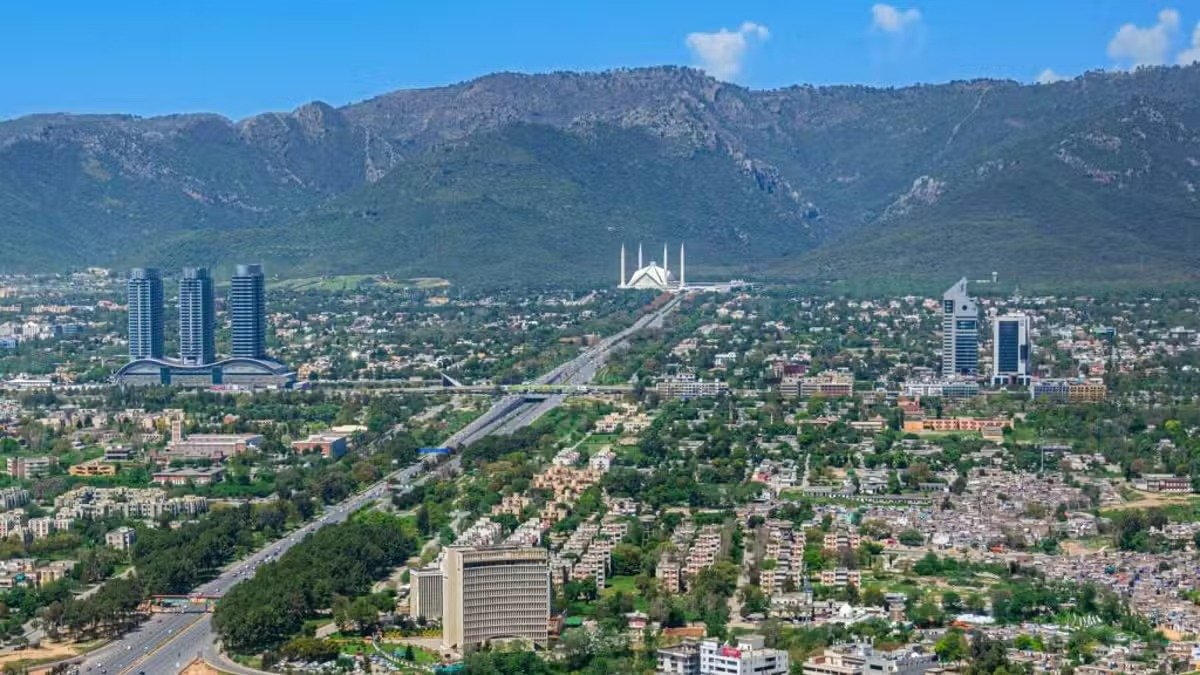
Explore Islamabad Capital Territory, the federal capital region of Pakistan known for its planned
sectors, modern infrastructure, and high-value residential and commercial real estate.
Major
AuthorityCapital Development
Authority (CDA)
GPS
Position33.6844°N,
73.0479°E
Property & Land Governance in Islamabad Capital
Territory
Capital Development
Authority (CDA)
Primary authority responsible
for land management, housing schemes, sector development, and building approvals in
Islamabad.
ICT Administration
Oversees federal land matters,
revenue administration, and coordination of development policies in the Capital
Territory.
Metropolitan Corporation
Islamabad (MCI)
Manages municipal services,
local development, and civic infrastructure within Islamabad city.
Federal Board of Revenue
(FBR) – ICT Zone
Handles property taxation,
capital gains tax, and regulatory compliance for real estate transactions in ICT.
Important Updates from Islamabad Capital Territory
Real Estate & Land News
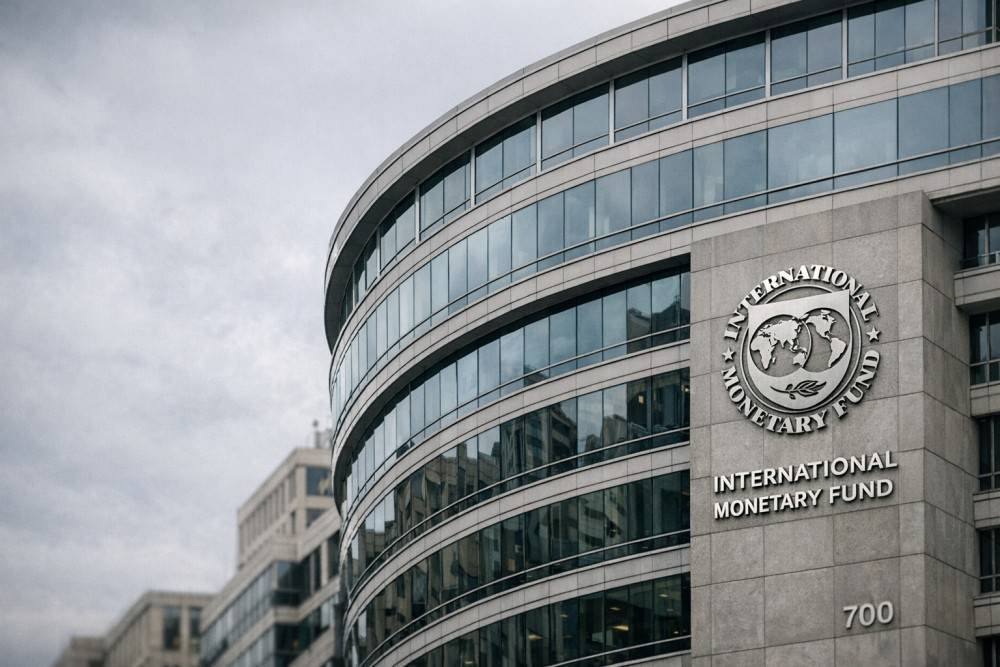
Published: October 5, 2026 at 11:01 AM
Govt Amends SOE Ownership Policy Under Another IMF Condition
آئی ایم ایف کی ایک اور شرط پر عملدرآمد، سرکاری اداروں کی اونرشپ اینڈ مینجمنٹ پالیسی میں ترمیم
▫️ Financial reporting standards notified by SECP to apply to all state owned enterprises under revised framework
▫️ تمام ریاستی ملکیتی اداروں پر ایس ای سی پی کے نوٹیفائی کردہ فنانشل رپورٹنگ سٹینڈرڈز لاگو ہوں گے
Islamabad | ReNews PakistanThe federal government has amended the State Owned Enterprises Ownership and Management Policy 2023 as part of...
Islamabad | ReNews Pakistan The federal government has amended the State Owned Enterprises Ownership and Management Policy 2023 as part of implementation of another condition linked to Pakistan’s programme with the International Monetary Fund (IMF), revising financial reporting and internal audit requirements for state owned entities.
The Finance Division issued a notification following approval of the amendments by the federal cabinet.
Under the revised policy, financial reporting standards notified from time to time by the Securities and Exchange Commission of Pakistan (SECP) under Section 225 of the Companies Act 2017 will apply to all state owned enterprises covered by the SOEs Act 2023.
The amendment clarifies that, for the purposes of the SOEs Act, references to International Financial Reporting Standards will mean the financial reporting standards notified by the SECP for state owned enterprises in accordance with the Companies Act.
However, entities regulated by the State Bank of Pakistan will continue to follow the statutory financial reporting framework prescribed by the central bank under the Banking Companies Ordinance 1962.
The framework includes circulars, directives and other instructions issued by the SBP, which will take precedence in the event of any inconsistency with other financial reporting requirements.
Under the newly inserted Clause 31-B, any modification, exemption or relaxation granted by the SECP to companies under Section 225 of the Companies Act 2017 in relation to implementation of IFRS will also apply to state owned enterprises registered with the commission.
The amendment, however, makes clear that the provision will not affect the statutory powers of the State Bank of Pakistan. In matters falling within the central bank’s legal mandate, requirements issued under the State Bank of Pakistan Act 1956 will prevail.
The revised policy has also introduced Clause 31-C, requiring the Finance Division, in consultation with the Auditor General of Pakistan, to issue a detailed financial management framework for statutory state owned enterprises.
The framework is expected to provide greater clarity regarding financial governance, accounting requirements and management controls applicable to statutory SOEs.
The notification further requires all state owned enterprises to establish internal audit procedures and mechanisms in accordance with Sections 19 and 20 of the SOEs Act.
The amendments are aimed at bringing financial reporting and governance requirements of state owned enterprises under a more clearly defined regulatory framework while preserving the statutory authority of regulators, particularly the State Bank of Pakistan, over entities operating within their respective jurisdictions.
اسلام آباد | ری نیوز پاکستان وفاقی حکومت نے آئی ایم ایف سے منسلک ایک اور شرط پر عملدرآمد کرتے ہوئے ریاستی ملکیتی اداروں سے متعلق اونرشپ اینڈ مینجمنٹ پالیسی 2023 میں ترمیم کر دی ہے، جس کے تحت سرکاری اداروں کیلئے مالیاتی رپورٹنگ اور اندرونی آڈٹ سے متعلق قواعد کو مزید واضح کر دیا گیا ہے۔
وفاقی کابینہ کی منظوری کے بعد وزارت خزانہ نے پالیسی میں ترامیم کا باقاعدہ نوٹیفکیشن جاری کر دیا۔
ترمیم شدہ پالیسی کے تحت ایس او ایز ایکٹ 2023 کے مقاصد کیلئے انٹرنیشنل فنانشل رپورٹنگ اسٹینڈرڈز سے مراد وہ فنانشل رپورٹنگ سٹینڈرڈز ہوں گے جو سکیورٹیز اینڈ ایکسچینج کمیشن آف پاکستان وقتاً فوقتاً کمپنیز ایکٹ 2017 کی دفعہ 225 کے تحت ریاستی ملکیتی اداروں کیلئے نوٹیفائی کرے گا۔
اس طرح ایس ای سی پی کی جانب سے مقرر کردہ فنانشل رپورٹنگ تقاضے تمام متعلقہ ریاستی ملکیتی اداروں پر لاگو ہوں گے۔
تاہم سٹیٹ بینک آف پاکستان کے زیرِ نگرانی اداروں کیلئے بینکنگ کمپنیز آرڈیننس 1962 کے تحت مرکزی بینک کی جانب سے مقرر کردہ قانونی فنانشل رپورٹنگ فریم ورک نافذ رہے گا۔
اس فریم ورک میں سٹیٹ بینک کے جاری کردہ سرکلرز، ڈائریکٹیوز اور دیگر ہدایات بھی شامل ہوں گی اور کسی بھی تضاد کی صورت میں مرکزی بینک کا مقرر کردہ فریم ورک فوقیت رکھے گا۔
ترمیم کے ذریعے شامل کی گئی شق 31 بی کے مطابق انٹرنیشنل فنانشل رپورٹنگ اسٹینڈرڈز پر عملدرآمد کے حوالے سے ایس ای سی پی کی جانب سے کمپنیز ایکٹ 2017 کی دفعہ 225 کے تحت عام کمپنیوں کو دی جانے والی کوئی بھی ترمیم، رعایت یا استثنیٰ ایس ای سی پی میں رجسٹرڈ ریاستی ملکیتی اداروں پر بھی لاگو ہوگا۔
تاہم اس شق سے سٹیٹ بینک آف پاکستان کے قانونی اختیارات متاثر نہیں ہوں گے اور مرکزی بینک کے دائرہ اختیار میں آنے والے معاملات میں اسٹیٹ بینک آف پاکستان ایکٹ 1956 کے تحت جاری کردہ تقاضوں کو فوقیت حاصل ہوگی۔
نوٹیفکیشن کے مطابق پالیسی میں شامل کی گئی شق 31سی کے تحت فنانس ڈویژن کو آڈیٹر جنرل آف پاکستان سے مشاورت کے بعد اسٹیچوٹری ریاستی ملکیتی اداروں کے مالیاتی انتظام کیلئے ایک تفصیلی فریم ورک جاری کرنے کا بھی پابند بنایا گیا ہے۔
اس فریم ورک کے ذریعے ایسے سرکاری اداروں کیلئے مالیاتی نظم و نسق، اکاؤنٹنگ تقاضوں اور مالی کنٹرول کے طریقہ کار کو مزید واضح کیا جائے گا۔
ترمیم شدہ پالیسی کے تحت تمام ریاستی ملکیتی ادارے ایس او ایز ایکٹ کی دفعات 19 اور 20 کے مطابق انٹرنل آڈٹ کے طریقہ کار اور ضروری میکانزم بھی قائم کریں گے۔
نئی ترامیم کا مقصد ریاستی ملکیتی اداروں کی مالیاتی رپورٹنگ، اندرونی نگرانی اور کارپوریٹ گورننس کیلئے زیادہ واضح ریگولیٹری فریم ورک قائم کرنا ہے، جبکہ سٹیٹ بینک سمیت متعلقہ ریگولیٹرز کے قانونی اختیارات کو برقرار رکھا گیا ہے۔
Published: October 5, 2026 at 10:15 AM
CDA Sets Six Month Deadline to Complete Islamabad’s Long Delayed E-12 Sector
اسلام آباد کے طویل عرصے سے التوا کے شکار سیکٹر ای-12 کی تکمیل کے لیے سی ڈی اے کی چھ ماہ کی ڈیڈ لائن
▫️ Roads, municipal infrastructure and civic facilities planned as CDA turns focus to stalled Sub Sector 4
▫️ سی ڈی اے کی توجہ تعطل کے شکار سب سیکٹر 4 پر مرکوز، سڑکوں، میونسپل انفراسٹرکچر اور دیگر شہری سہولیات کی تعمیر کا منصوبہ
Islamabad : ReNews PakistanThe Capital Development Authority (CDA) has set a six month target for completing development work in Islamabad’s...

Islamabad : ReNews Pakistan The Capital Development Authority (CDA) has set a six month target for completing development work in Islamabad’s Sector E-12 after recovering more than 1,000 kanals of land that had remained under occupation for decades, removing one of the major obstacles to the long-delayed project. CDA Chairman and Chief Commissioner Sohail Ashraf said the authority had accelerated development activities in the sector and was aiming to complete the remaining work within six months. If achieved, the target could bring an end to a development delay stretching back nearly four decades. Sector E-12 was launched by the CDA in 1989, but development remained incomplete due largely to possession issues involving acquired land and unresolved compensation claims. The authority has recently intensified efforts to take possession of land required for development and has recovered more than 1,000 kanals through an operation against longstanding occupations. The recovered land is estimated to be worth billions of rupees. The development is expected to allow the CDA to proceed with infrastructure work in areas where progress had previously been held up because the authority did not have possession of the required land. Alongside the land-recovery operation, the civic agency has taken steps to address outstanding claims involving local landowners. Around 15 allotment letters were recently handed over to affected landlords, while the CDA has assured stakeholders that genuine pending compensation cases will be resolved. Development work has already made significant progress in three sub-sectors of E-12, while the authority has now shifted its attention to Sub-Sector 4, where work had remained stalled. With possession of additional land secured, the CDA plans to undertake construction of roads and municipal infrastructure as well as other civic facilities required to make the sector suitable for residential development. Ashraf credited CDA officials involved in the operation and Interior Minister Syed Mohsin Raza Naqvi for supporting efforts to recover the land and facilitate progress on the sector. Sector E-12 has remained one of Islamabad’s most prolonged development cases. Although the sector was launched more than three decades ago, repeated disputes over possession, compensation and acquired land prevented the project from reaching completion, affecting allottees awaiting development of their properties. The latest land recovery and the six-month completion target indicate a renewed effort by the civic agency to resolve those longstanding issues and bring the sector into its final development phase. However, similar challenges continue to affect several other sectors of the federal capital. Development remains pending in Sectors C-13, C-15, C-16, D-13, E-13 and F-13, where compensation-related matters have yet to be fully resolved by the CDA.
اسلام آباد : ری نیوز پاکستان کیپیٹل ڈیولپمنٹ اتھارٹی (سی ڈی اے) نے اسلام آباد کے سیکٹر ای-12 میں کئی دہائیوں سے زیر قبضہ ایک ہزار کنال سے زائد اراضی واگزار کرانے کے بعد ترقیاتی کام چھ ماہ میں مکمل کرنے کا ہدف مقرر کر دیا ہے، جس سے طویل عرصے سے التوا کے شکار اس منصوبے کی راہ میں حائل ایک بڑی رکاوٹ دور ہوگئی ہے۔
چیئرمین سی ڈی اے اور چیف کمشنر اسلام آباد سہیل اشرف نے کہا ہے کہ اتھارٹی نے سیکٹر میں ترقیاتی سرگرمیاں تیز کر دی ہیں اور باقی ماندہ کام چھ ماہ کے اندر مکمل کرنے کا ہدف مقرر کیا گیا ہے۔
اگر یہ ہدف حاصل کر لیا جاتا ہے تو اس سیکٹر کی ترقی میں تقریباً چار دہائیوں سے جاری تاخیر کا خاتمہ ہوسکتا ہے۔ سی ڈی اے نے سیکٹر ای-12 کا آغاز 1989 میں کیا تھا، تاہم حاصل کی گئی اراضی کے قبضے اور معاوضے کے متعدد زیر التوا معاملات کے باعث ترقیاتی کام مکمل نہیں ہوسکا۔
اتھارٹی نے حالیہ عرصے میں ترقیاتی کاموں کے لیے درکار اراضی کا قبضہ حاصل کرنے کی کوششیں تیز کیں اور طویل عرصے سے جاری قبضے ختم کرانے کے لیے کارروائی کرتے ہوئے ایک ہزار کنال سے زائد اراضی واگزار کرالی۔ واگزار کرائی گئی اراضی کی مالیت اربوں روپے بتائی گئی ہے۔
اراضی واگزار ہونے کے بعد سی ڈی اے کے لیے ان علاقوں میں انفراسٹرکچر کی تعمیر آگے بڑھانے کی راہ ہموار ہوگئی ہے جہاں مطلوبہ زمین کا قبضہ دستیاب نہ ہونے کے باعث ترقیاتی کام تعطل کا شکار تھا۔
اراضی واگزار کرانے کی کارروائی کے ساتھ ساتھ سی ڈی اے نے مقامی زمین مالکان کے زیر التوا معاملات حل کرنے کے لیے بھی اقدامات کیے ہیں۔ حال ہی میں متاثرہ مقامی مالکان کو تقریباً 15 الاٹمنٹ لیٹر جاری کیے گئے، جبکہ اتھارٹی نے یقین دہانی کرائی ہے کہ معاوضے کے حقیقی اور جائز زیر التوا معاملات بھی حل کیے جائیں گے۔
سیکٹر ای-12 کے تین سب سیکٹرز میں ترقیاتی کام پہلے ہی نمایاں حد تک آگے بڑھ چکا ہے، جبکہ اب سی ڈی اے نے اپنی توجہ سب سیکٹر 4 پر مرکوز کر دی ہے جہاں ترقیاتی سرگرمیاں طویل عرصے سے تعطل کا شکار تھیں۔
مزید اراضی کا قبضہ حاصل ہونے کے بعد سی ڈی اے سیکٹر میں سڑکوں، میونسپل انفراسٹرکچر اور دیگر شہری سہولیات کی تعمیر کا ارادہ رکھتا ہے تاکہ علاقے کو رہائشی ضروریات کے مطابق مکمل طور پر ترقی دی جاسکے۔
سہیل اشرف نے اراضی واگزار کرانے اور سیکٹر میں ترقیاتی سرگرمیاں آگے بڑھانے کی کوششوں پر سی ڈی اے کی ٹیم اور وفاقی وزیر داخلہ سید محسن رضا نقوی کے تعاون کو سراہا۔
سیکٹر ای-12 اسلام آباد کے ان رہائشی سیکٹرز میں شامل ہے جہاں ترقیاتی عمل غیر معمولی طور پر طویل عرصے سے زیر التوا رہا ہے۔ تین دہائیوں سے زائد عرصہ قبل سیکٹر کے آغاز کے باوجود زمین کے قبضے، معاوضوں اور حاصل کی گئی اراضی سے متعلق مسلسل تنازعات کے باعث منصوبہ مکمل نہیں ہوسکا، جس سے اپنے پلاٹس کی ترقی کے منتظر الاٹیز بھی متاثر ہوئے۔
حالیہ اراضی واگزاری اور چھ ماہ میں ترقیاتی کام مکمل کرنے کا ہدف اس امر کی نشاندہی کرتا ہے کہ سی ڈی اے طویل عرصے سے زیر التوا مسائل حل کرکے سیکٹر کو ترقی کے آخری مرحلے تک پہنچانے کے لیے دوبارہ بھرپور کوششیں کر رہا ہے۔
تاہم وفاقی دارالحکومت کے متعدد دیگر سیکٹرز میں بھی اسی نوعیت کے مسائل برقرار ہیں۔ سیکٹرز سی-13، سی-15، سی-16، ڈی-13، ای-13 اور ایف-13 میں ترقیاتی کام تاحال زیر التوا ہیں، جہاں سی ڈی اے کو معاوضوں سے متعلق معاملات ابھی مکمل طور پر حل کرنا باقی ہیں۔
صرف انتقال کا اندراج جائیداد کی ملکیت ثابت نہیں کرتا: لاہور ہائیکورٹ
▫️ Justice Hassan Nawaz Makhdoom says mutation is primarily a fiscal entry and does not by itself create, transfer or extinguish title to property
▫️ انتقال بنیادی طور پر ریونیو ریکارڈ میں مالی نوعیت کا اندراج ہے، جو بذاتِ خود جائیداد کی ملکیت پیدا، منتقل یا ختم نہیں کرتا: جسٹس حسن نواز مخدوم
Islamabad | ReNews PakistanA court has ruled that a revenue mutation, by itself, cannot establish ownership or prove the transfer...
Islamabad | ReNews Pakistan A court has ruled that a revenue mutation, by itself, cannot establish ownership or prove the transfer of title to immovable property, rejecting a challenge based on claims that 346 kanals of land in Sargodha had been gifted decades earlier and therefore did not form part of a deceased landowner’s estate. The dispute centred on land measuring 346 kanals situated in Chak No. 29/N.B., Sargodha, which the defendants maintained had been gifted by Dost Muhammad to Ali Akbar during his lifetime. According to the defendants, the gift was reflected in Mutation No. 204 dated February 6, 1962. On this basis, they argued that the property had already passed to Ali Akbar and was no longer owned by Dost Muhammad at the time of his death. Consequently, they contended, the land could not be treated as part of the deceased’s estate for the purpose of inheritance. The defendants also disputed the inheritance claim of Sahib Khatoon, maintaining that she had been divorced by Dost Muhammad in 1921. They argued that, as a result of the alleged divorce, she was not legally entitled to inherit from him after his death. The controversy eventually reached the court after the defendants challenged findings recorded by the lower courts concerning the ownership and inheritance of the disputed property. Rejecting the challenge to the lower courts’ findings, Justice Hassan Nawaz Makhdoom held that the mere existence of a mutation entry in the revenue record was insufficient to establish that a valid gift of the property had taken place. The court observed that a mutation was essentially a fiscal entry maintained by revenue authorities primarily for revenue administration and collection purposes. Such an entry, the court said, did not by itself create, confer or extinguish title to immovable property. The judgment emphasised that where ownership was claimed on the basis of a gift, the party relying on that transaction was required to establish the underlying gift through legally admissible and credible evidence rather than relying solely on its entry in the revenue record. In the present case, the court noted that the defendants had failed to produce any witness connected with the original gift transaction. Nor had they presented independent evidence capable of establishing that Dost Muhammad had actually made the alleged gift in favour of Ali Akbar. The absence of evidence supporting the underlying transaction weakened the defendants’ reliance on Mutation No. 204, as the mutation itself could not substitute for proof of the transaction through which ownership was claimed to have been transferred. The ruling therefore upheld the principle that entries in revenue records are not, standing alone, conclusive proof of ownership and that a party asserting title on the basis of an alleged gift must independently prove the transaction on which that claim rests. The case also involved the defendants’ contention regarding Sahib Khatoon’s alleged divorce and her consequent entitlement to inheritance, making the dispute significant not only in relation to the evidentiary value of revenue records but also to the determination of succession rights in the deceased’s estate.
اسلام آباد | ری نیوز پاکستان لاہور ہائیکورٹ نے قرار دیا ہے کہ ریونیو ریکارڈ میں محض انتقال کا اندراج کسی غیر منقولہ جائیداد کی ملکیت یا اس کی منتقلی ثابت کرنے کے لیے کافی نہیں۔ عدالت نے سرگودھا میں 346 کنال اراضی سے متعلق اس دعوے کو مسترد کر دیا جس میں کہا گیا تھا کہ مذکورہ زمین کئی دہائیاں قبل ہبہ کردی گئی تھی اور اس لیے مالک کی وفات کے وقت یہ اس کے ترکے کا حصہ نہیں تھی۔
تنازع سرگودھا کے چک نمبر 29 این بی میں واقع 346 کنال اراضی سے متعلق تھا۔ مدعا علیہان کا مؤقف تھا کہ دوست محمد نے اپنی زندگی میں یہ زمین علی اکبر کو بطور ہبہ دے دی تھی۔
مدعا علیہان کے مطابق، اس ہبہ کا اندراج انتقال نمبر 204 کے ذریعے 6 فروری 1962 کو کیا گیا تھا۔ اسی بنیاد پر انہوں نے مؤقف اختیار کیا کہ زمین دوست محمد کی زندگی ہی میں علی اکبر کو منتقل ہوچکی تھی اور دوست محمد کی وفات کے وقت وہ اس کی ملکیت نہیں رہی تھی، لہٰذا اسے وراثت کی تقسیم کے لیے متوفی کے ترکے کا حصہ قرار نہیں دیا جاسکتا۔
مدعا علیہان نے صاحب خاتون کے حقِ وراثت کو بھی چیلنج کیا۔ ان کا مؤقف تھا کہ دوست محمد نے 1921 میں صاحب خاتون کو طلاق دے دی تھی، اس لیے دوست محمد کی وفات کے بعد وہ اس کی وارث بننے کی حق دار نہیں تھیں۔
جائیداد کی ملکیت اور وراثتی حقوق سے متعلق ماتحت عدالتوں کے فیصلوں کو مدعا علیہان کی جانب سے چیلنج کیے جانے کے بعد معاملہ لاہور ہائیکورٹ پہنچا۔
ماتحت عدالتوں کے فیصلوں کے خلاف اعتراضات مسترد کرتے ہوئے جسٹس حسن نواز مخدوم نے قرار دیا کہ ریونیو ریکارڈ میں محض انتقال موجود ہونے سے یہ ثابت نہیں ہوتا کہ جائیداد کا ہبہ قانونی طور پر واقع ہوچکا تھا۔
عدالت نے قرار دیا کہ انتقال بنیادی طور پر ریونیو حکام کی جانب سے مالی اور محصولات سے متعلق مقاصد کے لیے رکھا جانے والا اندراج ہے۔ ایسا اندراج بذاتِ خود کسی غیر منقولہ جائیداد میں ملکیتی حق پیدا نہیں کرتا، نہ ملکیت منتقل کرتا ہے اور نہ ہی کسی کے ملکیتی حقوق ختم کرتا ہے۔
فیصلے میں واضح کیا گیا کہ اگر کوئی فریق ہبہ کی بنیاد پر جائیداد کی ملکیت کا دعویٰ کرتا ہے تو اس پر لازم ہے کہ وہ اصل ہبہ کو قانونی طور پر قابلِ قبول اور قابلِ اعتماد شواہد کے ذریعے ثابت کرے۔ محض ریونیو ریکارڈ میں انتقال کا اندراج اس مقصد کے لیے کافی نہیں۔
عدالت نے قرار دیا کہ زیر سماعت مقدمے میں مدعا علیہان مبینہ ہبہ کے اصل لین دین سے متعلق کوئی گواہ پیش کرنے میں ناکام رہے۔ اسی طرح کوئی ایسا آزاد ثبوت بھی عدالت کے سامنے پیش نہیں کیا گیا جس سے یہ ثابت ہوسکے کہ دوست محمد نے حقیقتاً مذکورہ زمین علی اکبر کو ہبہ کی تھی۔
عدالت کے مطابق، اصل ہبہ کے حق میں شواہد کی عدم موجودگی نے انتقال نمبر 204 پر مدعا علیہان کے انحصار کو کمزور کردیا، کیونکہ انتقال کا اندراج اس بنیادی لین دین کے ثبوت کا متبادل نہیں ہوسکتا جس کے ذریعے جائیداد کی ملکیت منتقل ہونے کا دعویٰ کیا گیا ہو۔
فیصلے میں اس قانونی اصول کو برقرار رکھا گیا کہ ریونیو ریکارڈ میں موجود اندراجات بذاتِ خود ملکیت کا حتمی ثبوت نہیں ہوتے اور ہبہ کی بنیاد پر ملکیتی حق کا دعویٰ کرنے والے فریق کو اس اصل لین دین کو آزادانہ اور قابلِ اعتماد شواہد سے ثابت کرنا ضروری ہے۔
مقدمے میں صاحب خاتون کی مبینہ طلاق اور اس کے نتیجے میں ان کے حقِ وراثت کا معاملہ بھی زیر بحث آیا، جس کے باعث یہ تنازع نہ صرف ریونیو ریکارڈ اور انتقال کی قانونی حیثیت بلکہ متوفی کی جائیداد میں وراثتی حقوق کے تعین کے حوالے سے بھی اہمیت کا حامل ہے۔