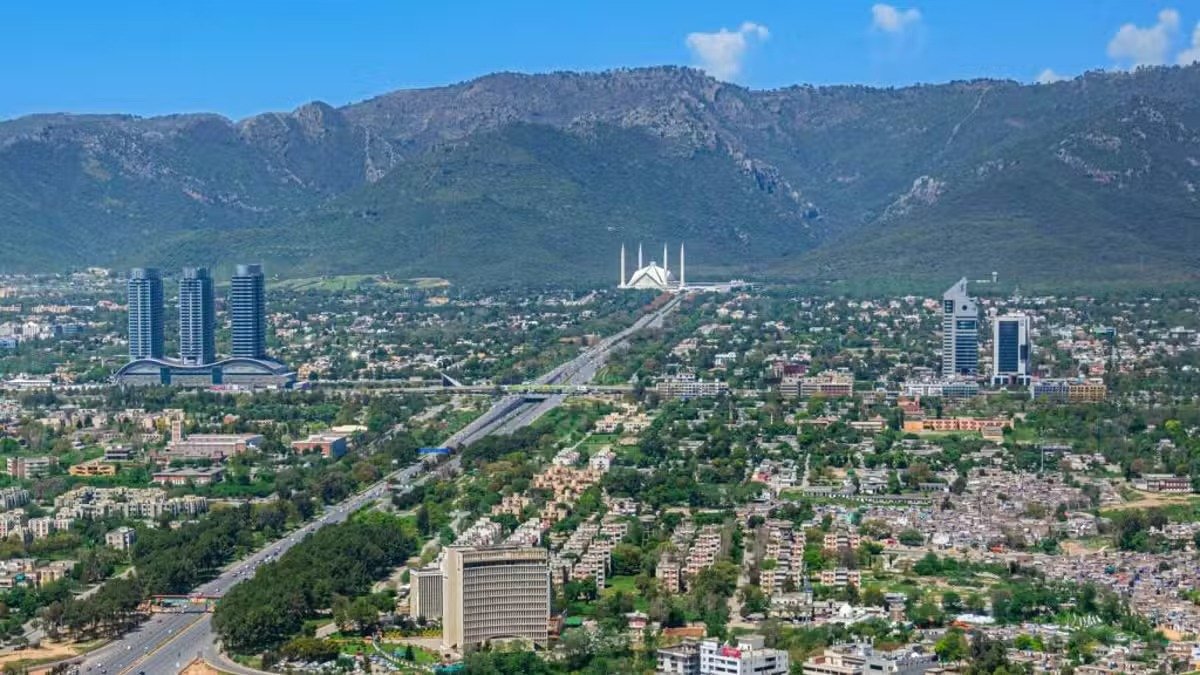
Explore Islamabad Capital Territory, the federal capital region of Pakistan known for its planned
sectors, modern infrastructure, and high-value residential and commercial real estate.
Major
AuthorityCapital Development
Authority (CDA)
GPS
Position33.6844°N,
73.0479°E
Property & Land Governance in Islamabad Capital
Territory
Capital Development
Authority (CDA)
Primary authority responsible
for land management, housing schemes, sector development, and building approvals in
Islamabad.
ICT Administration
Oversees federal land matters,
revenue administration, and coordination of development policies in the Capital
Territory.
Metropolitan Corporation
Islamabad (MCI)
Manages municipal services,
local development, and civic infrastructure within Islamabad city.
Federal Board of Revenue
(FBR) – ICT Zone
Handles property taxation,
capital gains tax, and regulatory compliance for real estate transactions in ICT.
Important Updates from Islamabad Capital Territory
Real Estate & Land News
Published: October 3, 2026 at 12:01 PM
FBR Cuts Sales Tax on Steel Units in Former FATA, PATA Areas
سابق فاٹا اور پاٹا میں سٹیل یونٹس کیلئے سیلز ٹیکس کی شرح کم کر دی گئی
▫️ Steel melters, composite units and re-rollers to pay sales tax at Rs 20 per electricity unit under revised tax regime
▫️ جی ٹی روڈ کے 16 کلومیٹر طویل حصے پر تقریباً 2 ہزار کنال اراضی کمرشل سرگرمیوں کیلئے مختص کیے جانے کا امکان
Islamabad | ReNews PakistanThe Federal Board of Revenue (FBR) has reduced sales tax rates for steel manufacturers operating in the...
Islamabad | ReNews Pakistan The Federal Board of Revenue (FBR) has reduced sales tax rates for steel manufacturers operating in the former Federally Administered Tribal Areas (FATA) and Provincially Administered Tribal Areas (PATA), providing tax relief to steel melters, composite units and re-rollers in the regions. Under the revised arrangement, steel melters and composite units using locally purchased remeltable steel scrap will be required to pay sales tax at the rate of Rs20 per unit of electricity consumed. Steel re-rolling units manufacturing steel bars from imported or locally procured raw materials will also be subject to sales tax at Rs 20 per electricity unit consumed. The FBR introduced the revised rates through S.R.O. 1664(I)/2026, amending the earlier S.R.O. 1245(I)/2026 and modifying the mechanism for determining sales tax liability of eligible steel units operating in the former FATA and PATA territories. The notification also provides a substantially lower sales tax rate for certain steel melters and composite units that rely predominantly on imported raw materials or remeltable steel scrap acquired directly from persons registered under the Export Facilitation Scheme (EFS). Under the revised mechanism, eligible steel melters and composite units will pay sales tax at Rs 5 per electricity unit if their consumption of imported raw material or remeltable steel scrap purchased directly from EFS-registered persons exceeds 70 percent of their aggregate raw-material consumption during the preceding 12 months. The preferential Rs 5 rate is therefore linked to the composition of raw materials used by the units, while businesses that do not meet the prescribed threshold will remain subject to the Rs 20-per-unit rate. Steel re-rollers, however, will continue to pay sales tax at Rs 20 per electricity unit consumed, irrespective of whether imported or locally sourced raw materials are used in the manufacture of steel bars. The FBR has also established a separate eligibility mechanism for newly established steel businesses and previously closed units that have resumed operations. Since such businesses may not have a 12-month operating history available for assessing their raw-material consumption, their eligibility for the concessional Rs5-per-unit sales tax rate will be determined on the basis of their quarterly imports or purchases. The arrangement is intended to provide a workable mechanism for calculating sales tax liabilities of steel manufacturers in the former tribal areas while continuing concessions available to businesses operating in these territories under the Sales Tax Act, 1990. The change could lower the tax component of production costs for qualifying steel manufacturers, particularly melters and composite units meeting the 70-percent raw-material threshold. The extent to which the relief translates into lower steel prices, however, will also depend on other production costs and market conditions. The revised tax regime forms part of the special sales tax treatment applicable to the former FATA and PATA regions, where the government has maintained concessions for eligible businesses following the administrative and constitutional changes affecting the former tribal territories.
اسلام آباد | ری نیوز پاکستان فیڈرل بورڈ آف ریونیو (ایف بی آر) نے سابق وفاق کے زیر انتظام قبائلی علاقوں (فاٹا) اور صوبائی زیر انتظام قبائلی علاقوں (پاٹا) میں کام کرنے والے سٹیل مینوفیکچررز کیلئے سیلز ٹیکس کی شرح میں کمی کر دی ہے، جس سے ان علاقوں میں قائم سٹیل میلٹرز، کمپوزٹ یونٹس اور ری رولرز کو ٹیکس ریلیف ملے گا۔
نظرثانی شدہ نظام کے تحت مقامی طور پر خریدے گئے دوبارہ پگھلائے جانے کے قابل سٹیل سکریپ استعمال کرنے والے سٹیل میلٹرز اور کمپوزٹ یونٹس سے بجلی کے استعمال پر 20 روپے فی یونٹ کے حساب سے سیلز ٹیکس وصول کیا جائے گا۔
اسی طرح درآمدی یا مقامی خام مال استعمال کرکے سٹیل بارز تیار کرنے والے سٹیل ری رولنگ یونٹس بھی استعمال شدہ بجلی پر 20 روپے فی یونٹ کے حساب سے سیلز ٹیکس ادا کریں گے۔
ایف بی آر نے ایس آر او 1664(I)/2026 کے ذریعے نظرثانی شدہ شرحیں متعارف کرائی ہیں۔ اس اقدام کے تحت سابقہ ایس آر او 1245(I)/2026 میں ترمیم کرتے ہوئے سابق فاٹا اور پاٹا میں اہل سٹیل یونٹس کی سیلز ٹیکس واجبات کے تعین کے طریقہ کار میں تبدیلی کی گئی ہے۔
نوٹیفکیشن میں بعض سٹیل میلٹرز اور کمپوزٹ یونٹس کیلئے سیلز ٹیکس کی مزید کم شرح بھی مقرر کی گئی ہے، بالخصوص ایسے یونٹس جو زیادہ تر درآمدی خام مال یا ایکسپورٹ فیسلی ٹیشن سکیم (ای ایف ایس) کے تحت رجسٹرڈ افراد سے براہ راست خریدا گیا دوبارہ پگھلائے جانے کے قابل سٹیل سکریپ استعمال کرتے ہیں۔
نظرثانی شدہ طریقہ کار کے مطابق اگر کسی اہل سٹیل میلٹر یا کمپوزٹ یونٹ کے درآمدی خام مال یا ای ایف ایس کے تحت رجسٹرڈ افراد سے براہ راست خریدے گئے ری میلٹیبل سٹیل سکریپ کا استعمال گزشتہ 12 ماہ کے دوران اس کے مجموعی خام مال کے 70 فیصد سے زیادہ ہو تو ایسے یونٹ سے بجلی کے استعمال پر صرف 5 روپے فی یونٹ کے حساب سے سیلز ٹیکس وصول کیا جائے گا۔
اس طرح 5 روپے فی یونٹ کی رعایتی شرح کا انحصار متعلقہ یونٹ کے زیر استعمال خام مال کی نوعیت اور تناسب پر ہوگا، جبکہ مقررہ 70 فیصد کی حد پوری نہ کرنے والے کاروباری اداروں پر 20 روپے فی یونٹ کی شرح برقرار رہے گی۔
تاہم سٹیل ری رولرز کیلئے بجلی کے استعمال پر سیلز ٹیکس کی شرح 20 روپے فی یونٹ ہی برقرار رہے گی، خواہ وہ سٹیل بارز کی تیاری کیلئے درآمدی خام مال استعمال کریں یا مقامی طور پر حاصل کردہ مواد۔
ایف بی آر نے نئے قائم ہونے والے سٹیل کاروباری اداروں اور پہلے بند رہنے کے بعد دوبارہ کام شروع کرنے والے یونٹس کیلئے بھی رعایتی شرح کے تعین کا الگ طریقہ کار وضع کیا ہے۔
چونکہ ایسے کاروباری اداروں کے پاس خام مال کے استعمال کا گزشتہ 12 ماہ کا ریکارڈ دستیاب نہیں ہوسکتا، اس لیے 5 روپے فی یونٹ کی رعایتی سیلز ٹیکس شرح کیلئے ان کی اہلیت کا تعین سہ ماہی بنیادوں پر کی جانے والی درآمدات یا خریداریوں کی بنیاد پر کیا جائے گا۔
نئے انتظام کا مقصد سابق قبائلی علاقوں میں سٹیل مینوفیکچررز کی سیلز ٹیکس واجبات کے تعین کیلئے قابل عمل طریقہ کار فراہم کرنا ہے، جبکہ سیلز ٹیکس ایکٹ 1990 کے تحت ان علاقوں میں کاروباری اداروں کو حاصل رعایتیں بھی جاری رکھی جائیں گی۔
ٹیکس شرح میں کمی سے اہل سٹیل مینوفیکچررز، خصوصاً 70 فیصد خام مال کی مقررہ حد پوری کرنے والے سٹیل میلٹرز اور کمپوزٹ یونٹس کی پیداواری لاگت میں شامل ٹیکس کے بوجھ میں کمی آسکتی ہے۔ تاہم اس ریلیف کے نتیجے میں سٹیل کی مارکیٹ قیمتوں میں کس حد تک کمی آئے گی، اس کا انحصار دیگر پیداواری اخراجات اور مارکیٹ کی صورتحال پر بھی ہوگا۔
نظرثانی شدہ ٹیکس نظام سابق فاٹا اور پاٹا کیلئے خصوصی سیلز ٹیکس نظام کا حصہ ہے، جس کے تحت سابق قبائلی علاقوں میں انتظامی اور آئینی تبدیلیوں کے بعد بھی اہل کاروباری اداروں کیلئے مخصوص ٹیکس مراعات برقرار رکھی گئی ہیں۔
Published: October 3, 2026 at 10:01 AM
CDA Eyes Rs 500 Billion Revenue From Major G.T. Road Commercial Project
جی ٹی روڈ پر بڑے کمرشل منصوبے سے سی ڈی اے کو 500 ارب روپے آمدن کی توقع
▫️ Around 2,000 kanals along a 16-kilometre stretch of G.T. Road could be opened for commercial development
▫️ جی ٹی روڈ کے 16 کلومیٹر طویل حصے پر تقریباً 2 ہزار کنال اراضی کمرشل سرگرمیوں کیلئے مختص کیے جانے کا امکان
Islamabad | ReNews PakistanThe Capital Development Authority (CDA) is preparing to launch a major commercial development project along G.
Islamabad | ReNews Pakistan The Capital Development Authority (CDA) is preparing to launch a major commercial development project along G.T. Road in Islamabad, with officials estimating that the initiative could generate more than Rs500 billion in revenue for the civic body. CDA Chairman Sohail Ashraf has directed the relevant departments to accelerate planning and other preparatory work for the project, which the authority expects to launch in the coming months. Rather than developing or selling the entire area simultaneously, the CDA plans to undertake the project in phases. Officials believe the phased approach will allow the authority to manage development more effectively while gradually bringing commercially viable land to the market. The project is planned on land acquired by the CDA nearly six decades ago. In 1967, the authority acquired approximately 3,550 kanals along a 16-kilometre stretch between EME College and Nicholson Monument. The acquired land comprises a 200-foot-wide strip running along both sides of G.T. Road, giving the authority a substantial corridor for planned commercial development. Following initial planning and assessment, CDA officials estimate that approximately 2,000 kanals of the total acquired land could eventually be made available for commercial use. If developed and sold as planned, officials expect the project to generate more than Rs500 billion for the authority, potentially making it one of the CDA's major revenue-generating commercial initiatives. The project, however, also requires the authority to address encroachments and other structures occupying portions of the acquired land. The CDA has intensified efforts to retrieve the remaining land and has already recovered a significant portion of the property from encroachments. Permanent structures standing on CDA land have also been identified and marked for removal. Officials said demolition and clearance operations involving permanent structures would proceed after the completion of the required legal procedures. More than 100 permanent buildings are estimated to be occupying CDA-owned land within the project area, making land recovery an important component of preparations for the proposed commercial development. Alongside the anti-encroachment drive, the authority has begun work on finalising the project's design and planning framework. Director General Spatial Planning Ijaz Ahmad Sheikh has constituted a four-member committee to complete the design of the proposed development. The committee is headed by Deputy Director General Architecture Ali Abdullah. The committee's work is expected to determine how the available land will be divided, planned and developed for commercial purposes before individual phases are brought to the market. The project could also unlock the commercial potential of a sizeable tract of CDA-owned land along one of the major road corridors connecting Islamabad and Rawalpindi with other parts of the country. With planning, land recovery and design work proceeding simultaneously, the CDA is seeking to move the project towards implementation and launch its initial phases in the coming months.
اسلام آباد | ری نیوز پاکستان کیپیٹل ڈویلپمنٹ اتھارٹی (سی ڈی اے) اسلام آباد میں جی ٹی روڈ کے ساتھ ایک بڑے کمرشل منصوبے کے آغاز کی تیاری کر رہی ہے، جس سے ادارے کو 500 ارب روپے سے زائد آمدن حاصل ہونے کی توقع ہے۔
چیئرمین سی ڈی اے سہیل اشرف نے متعلقہ شعبوں کو منصوبے کی منصوبہ بندی اور دیگر ابتدائی امور پر کام تیز کرنے کی ہدایت کی ہے۔ حکام کے مطابق منصوبہ آئندہ چند ماہ کے دوران متعارف کرائے جانے کا امکان ہے۔
سی ڈی اے پورے علاقے کو بیک وقت ترقی دینے یا فروخت کرنے کے بجائے منصوبے کو مرحلہ وار مکمل کرنے کا ارادہ رکھتا ہے۔ حکام کا کہنا ہے کہ اس حکمت عملی سے ترقیاتی کام کو زیادہ مؤثر انداز میں آگے بڑھانے کے ساتھ کمرشل اراضی کو مرحلہ وار مارکیٹ میں پیش کرنا ممکن ہوگا۔
مجوزہ منصوبہ اس اراضی پر تیار کیا جائے گا جو سی ڈی اے نے تقریباً چھ دہائیاں قبل حاصل کی تھی۔ اتھارٹی نے 1967 میں ای ایم ای کالج سے نکلسن مانیومنٹ تک جی ٹی روڈ کے تقریباً 16 کلومیٹر طویل حصے کے ساتھ 3 ہزار 550 کنال اراضی حاصل کی تھی۔
یہ اراضی جی ٹی روڈ کے دونوں اطراف 200 فٹ چوڑی پٹی پر مشتمل ہے، جس کے باعث سی ڈی اے کے پاس منصوبہ بند کمرشل سرگرمیوں کے لیے ایک وسیع راہداری دستیاب ہے۔
ابتدائی منصوبہ بندی اور جائزے کے بعد سی ڈی اے حکام کا اندازہ ہے کہ مجموعی اراضی میں سے تقریباً 2 ہزار کنال زمین کمرشل مقاصد کے لیے دستیاب ہوسکتی ہے۔
حکام کے مطابق منصوبے کو طے شدہ حکمت عملی کے تحت ترقی دے کر فروخت کیا گیا تو اس سے سی ڈی اے کو 500 ارب روپے سے زائد آمدن حاصل ہوسکتی ہے، جس کے باعث یہ منصوبہ اتھارٹی کے بڑے آمدن پیدا کرنے والے کمرشل منصوبوں میں شامل ہوسکتا ہے۔
تاہم منصوبے پر عملی پیش رفت کے لیے سی ڈی اے کو اراضی پر قائم تجاوزات اور دیگر تعمیرات کا مسئلہ بھی حل کرنا ہوگا۔
سی ڈی اے نے باقی ماندہ اراضی کو تجاوزات سے واگزار کرانے کے لیے کارروائیاں تیز کردی ہیں اور حکام کے مطابق زمین کا ایک بڑا حصہ پہلے ہی واگزار کرایا جاچکا ہے۔ سی ڈی اے کی اراضی پر قائم مستقل تعمیرات کی نشاندہی کرکے انہیں ہٹانے کے لیے مارکنگ بھی کردی گئی ہے۔
حکام کا کہنا ہے کہ مستقل تعمیرات کے خلاف انہدام اور کلیئرنس آپریشن ضروری قانونی کارروائی مکمل ہونے کے بعد شروع کیا جائے گا۔
تخمینے کے مطابق منصوبے کے علاقے میں سی ڈی اے کی ملکیتی اراضی پر 100 سے زائد مستقل عمارتیں قائم ہیں، جس کے باعث زمین واگزار کرانا منصوبے کی تیاری کے اہم مراحل میں شامل ہے۔
تجاوزات کے خلاف کارروائی کے ساتھ سی ڈی اے نے منصوبے کے ڈیزائن اور پلاننگ فریم ورک کو حتمی شکل دینے کا عمل بھی شروع کردیا ہے۔
ڈائریکٹر جنرل اسپیشل پلاننگ اعجاز احمد شیخ نے مجوزہ منصوبے کا ڈیزائن مکمل کرنے کے لیے چار رکنی کمیٹی تشکیل دی ہے، جس کی سربراہی ڈپٹی ڈائریکٹر جنرل آرکیٹیکچر علی عبداللہ کر رہے ہیں۔
کمیٹی دستیاب اراضی کی تقسیم، منصوبہ بندی اور کمرشل استعمال کے طریقہ کار کو حتمی شکل دے گی، جس کے بعد منصوبے کے مختلف مراحل کو مارکیٹ میں پیش کیا جاسکے گا۔
یہ منصوبہ سی ڈی اے کی ملکیتی وسیع اراضی کی کمرشل صلاحیت کو بروئے کار لانے میں بھی اہم کردار ادا کرسکتا ہے۔ یہ زمین ایک ایسے اہم شاہراہ پر واقع ہے جو اسلام آباد اور راولپنڈی کو ملک کے دیگر حصوں سے ملاتی ہے۔
سی ڈی اے منصوبہ بندی، اراضی واگزار کرانے اور ڈیزائن کی تیاری پر بیک وقت کام کر رہا ہے تاکہ منصوبے کو عملی مرحلے میں داخل کیا جاسکے اور آئندہ چند ماہ کے دوران اس کے ابتدائی مراحل کا آغاز کیا جاسکے۔
Published: October 3, 2026 at 9:01 AM
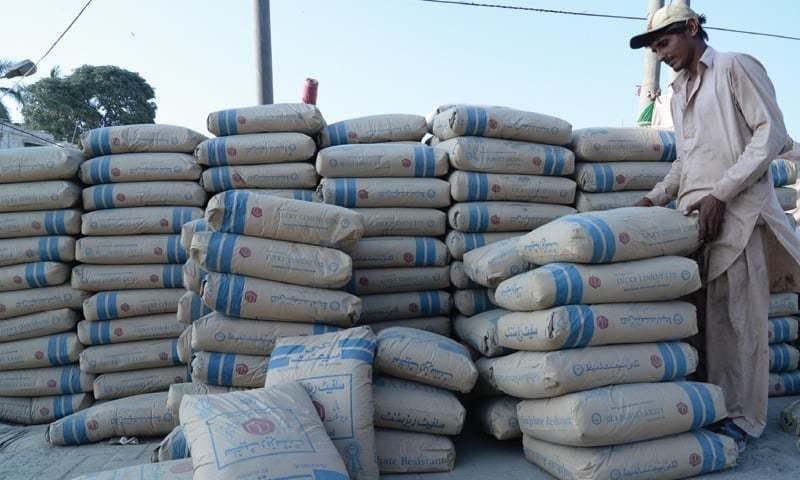
Pakistan’s Cement Sales Rise 7% in September as Domestic Demand Strengthens
ستمبر میں پاکستان کی سیمنٹ فروخت 7 فیصد بڑھ گئی، مقامی طلب میں بہتری
▫️ Local dispatches climb to 3.79 million tonnes, lifting overall cement shipments by nearly 6% year-on-year
▫️ مقامی ترسیل 37 لاکھ 88 ہزار ٹن تک پہنچ گئی، مجموعی سیمنٹ ترسیل میں سالانہ بنیادوں پر تقریباً 6 فیصد اضافہ
Islamabad | ReNews PakistanPakistan’s cement industry recorded stronger domestic sales in September 2026, with local dispatches rising more than 7%...
Islamabad | ReNews Pakistan Pakistan’s cement industry recorded stronger domestic sales in September 2026, with local dispatches rising more than 7% year-on-year as improving demand helped push overall shipments above 4.6 million tonnes. According to data released by the All Pakistan Cement Manufacturers Association (APCMA), domestic cement dispatches increased 7.35% to 3.788 million tonnes during September, compared with the corresponding month last year. Export dispatches, meanwhile, remained broadly unchanged at 832,173 tonnes. As a result, total cement dispatches reached 4.621 million tonnes during the month, up 5.95% from 4.361 million tonnes recorded in September 2025. The figures indicate that domestic consumption was the principal driver of the industry’s year-on-year growth during the month. The performance of cement manufacturers varied considerably between the country’s northern and southern regions. North-based mills recorded total dispatches of 3.164 million tonnes during September, with their domestic dispatches increasing 4.72% year-on-year to 3.164 million tonnes. However, northern manufacturers recorded no cement exports during the month, compared with exports of 221,252 tonnes in September last year. South-based mills delivered significantly stronger overall growth, with their total dispatches increasing 30.23% year-on-year to around 1.46 million tonnes. Domestic sales from southern mills rose 22.98% to 624,833 tonnes, while exports climbed 36.26% to 832,173 tonnes from 610,714 tonnes in the corresponding month of the previous year. The regional figures show that southern manufacturers accounted for all of Pakistan’s cement exports during September. The industry also recorded moderate growth during the first quarter of fiscal year 2026-27, although weaker exports weighed on overall performance. Total cement dispatches during July-September reached 13.141 million tonnes, representing an increase of 3.88% from 12.651 million tonnes during the same period last year. Domestic dispatches increased at a considerably faster pace, rising 7.79% to 10.845 million tonnes. Exports, however, declined 11.32% to 2.296 million tonnes during the quarter. North-based mills recorded domestic dispatches of 8.946 million tonnes during the three-month period, an increase of 6.80% year-on-year. However, northern manufacturers recorded no exports during the quarter, compared with 661,866 tonnes in the corresponding period last year. Their overall dispatches consequently declined 1.02% to 8.946 million tonnes. South-based mills posted stronger results across both domestic and international markets. Their domestic dispatches increased 12.71% to 1.899 million tonnes, while exports rose 19.15% to 2.296 million tonnes. Overall dispatches from southern mills consequently climbed 16.15% to 4.195 million tonnes during the first quarter. Despite the improvement in domestic cement consumption, the industry remains concerned about the decline in overall exports during the first quarter and continued volatility in energy prices. An APCMA spokesman expressed concern over weaker exports and instability in energy costs, saying an easing of geopolitical tensions would help support the recovery of the cement sector and allied industries. The latest figures indicate that stronger domestic demand is supporting Pakistan’s cement industry at the start of FY27, although export weakness, particularly among northern manufacturers, and volatile energy costs remain key challenges for the sector.
اسلام آباد | ری نیوز پاکستان پاکستان کی سیمنٹ صنعت نے ستمبر 2026 کے دوران مقامی فروخت میں نمایاں بہتری ریکارڈ کی، جہاں اندرون ملک سیمنٹ کی ترسیل سالانہ بنیادوں پر 7 فیصد سے زائد بڑھ گئی جبکہ مجموعی ترسیل 46 لاکھ ٹن سے تجاوز کر گئی۔ آل پاکستان سیمنٹ مینوفیکچررز ایسوسی ایشن (اے پی سی ایم اے) کے جاری کردہ اعداد و شمار کے مطابق ستمبر کے دوران مقامی مارکیٹ میں سیمنٹ کی ترسیل 7.35 فیصد اضافے کے ساتھ 37 لاکھ 88 ہزار ٹن تک پہنچ گئی، جو گزشتہ سال کے اسی مہینے کے مقابلے میں نمایاں اضافہ ہے۔ دوسری جانب سیمنٹ کی برآمدات تقریباً مستحکم رہیں اور ستمبر میں 8 لاکھ 32 ہزار 173 ٹن ریکارڈ کی گئیں۔ مقامی طلب میں بہتری کے نتیجے میں ستمبر کے دوران سیمنٹ کی مجموعی ترسیل 46 لاکھ 21 ہزار ٹن تک پہنچ گئی، جو ستمبر 2025 میں ریکارڈ کی گئی 43 لاکھ 61 ہزار ٹن ترسیل کے مقابلے میں 5.95 فیصد زیادہ ہے۔ اعداد و شمار سے ظاہر ہوتا ہے کہ ستمبر میں سیمنٹ صنعت کی مجموعی نمو کا بنیادی محرک مقامی طلب رہی۔ ملک کے شمالی اور جنوبی علاقوں میں قائم سیمنٹ فیکٹریوں کی کارکردگی میں نمایاں فرق دیکھا گیا۔ شمالی علاقوں میں قائم سیمنٹ ملوں کی مجموعی ترسیل ستمبر میں 31 لاکھ 64 ہزار ٹن رہی جبکہ ان کی مقامی ترسیل سالانہ بنیادوں پر 4.72 فیصد اضافے کے ساتھ 31 لاکھ 64 ہزار ٹن تک پہنچ گئی۔ تاہم شمالی علاقوں کی ملوں نے ستمبر کے دوران سیمنٹ برآمد نہیں کیا، جبکہ گزشتہ سال کے اسی مہینے میں ان ملوں کی برآمدات 2 لاکھ 21 ہزار 252 ٹن رہی تھیں۔ اس کے برعکس جنوبی علاقوں میں قائم سیمنٹ ملوں نے نمایاں طور پر بہتر کارکردگی کا مظاہرہ کیا اور ان کی مجموعی ترسیل سالانہ بنیادوں پر 30.23 فیصد اضافے کے ساتھ تقریباً 14 لاکھ 60 ہزار ٹن تک پہنچ گئی۔ جنوبی ملوں کی مقامی فروخت 22.98 فیصد اضافے کے ساتھ 6 لاکھ 24 ہزار 833 ٹن رہی، جبکہ برآمدات 36.26 فیصد بڑھ کر 8 لاکھ 32 ہزار 173 ٹن تک پہنچ گئیں۔ گزشتہ سال کے اسی مہینے میں جنوبی ملوں کی برآمدات 6 لاکھ 10 ہزار 714 ٹن تھیں۔ اعداد و شمار کے مطابق ستمبر کے دوران پاکستان سے ہونے والی سیمنٹ کی تمام برآمدات جنوبی علاقوں میں قائم ملوں نے کیں۔ رواں مالی سال کی پہلی سہ ماہی میں بھی سیمنٹ صنعت کی مجموعی ترسیل میں اضافہ ریکارڈ کیا گیا، تاہم برآمدات میں کمی نے مجموعی کارکردگی کو متاثر کیا۔ جولائی سے ستمبر کے دوران سیمنٹ کی مجموعی ترسیل 3.88 فیصد اضافے کے ساتھ ایک کروڑ 31 لاکھ 41 ہزار ٹن تک پہنچ گئی، جبکہ گزشتہ مالی سال کے اسی عرصے میں یہ حجم ایک کروڑ 26 لاکھ 51 ہزار ٹن تھا۔ پہلی سہ ماہی کے دوران مقامی مارکیٹ میں سیمنٹ کی ترسیل 7.79 فیصد بڑھ کر ایک کروڑ 8 لاکھ 45 ہزار ٹن تک پہنچ گئی۔ تاہم اسی عرصے میں برآمدات 11.32 فیصد کمی کے ساتھ 22 لاکھ 96 ہزار ٹن رہیں۔ شمالی علاقوں میں قائم ملوں نے تین ماہ کے دوران مقامی مارکیٹ میں 89 لاکھ 46 ہزار ٹن سیمنٹ فراہم کیا، جو سالانہ بنیادوں پر 6.80 فیصد اضافہ ظاہر کرتا ہے۔ تاہم شمالی ملوں نے پہلی سہ ماہی کے دوران کوئی سیمنٹ برآمد نہیں کیا، جبکہ گزشتہ سال کے اسی عرصے میں ان کی برآمدات 6 لاکھ 61 ہزار 866 ٹن رہی تھیں۔ اس کے نتیجے میں شمالی ملوں کی مجموعی ترسیل 1.02 فیصد کمی کے ساتھ 89 لاکھ 46 ہزار ٹن رہی۔ دوسری جانب جنوبی علاقوں کی سیمنٹ ملوں نے مقامی اور برآمدی دونوں منڈیوں میں بہتر کارکردگی دکھائی۔ ان کی مقامی ترسیل 12.71 فیصد اضافے کے ساتھ 18 لاکھ 99 ہزار ٹن تک پہنچ گئی، جبکہ برآمدات 19.15 فیصد بڑھ کر 22 لاکھ 96 ہزار ٹن ہوگئیں۔ اس طرح رواں مالی سال کی پہلی سہ ماہی کے دوران جنوبی ملوں کی مجموعی ترسیل 16.15 فیصد اضافے کے ساتھ 41 لاکھ 95 ہزار ٹن تک پہنچ گئی۔ مقامی سطح پر سیمنٹ کی کھپت میں بہتری کے باوجود صنعت نے پہلی سہ ماہی کے دوران مجموعی برآمدات میں کمی اور توانائی کی قیمتوں میں مسلسل اتار چڑھاؤ پر تشویش کا اظہار کیا ہے۔ اے پی سی ایم اے کے ترجمان نے برآمدات میں کمی اور توانائی کی غیر مستحکم قیمتوں کو صنعت کے لیے اہم چیلنج قرار دیتے ہوئے کہا کہ جغرافیائی سیاسی کشیدگی میں کمی سے سیمنٹ اور اس سے وابستہ صنعتوں کی بحالی میں مدد مل سکتی ہے۔ تازہ اعداد و شمار سے ظاہر ہوتا ہے کہ مالی سال 2026-27 کے آغاز پر مقامی طلب میں اضافہ پاکستان کی سیمنٹ صنعت کو سہارا دے رہا ہے، تاہم برآمدات میں کمزوری، بالخصوص شمالی علاقوں کی ملوں کی برآمدات کا رک جانا، اور توانائی کی قیمتوں میں اتار چڑھاؤ صنعت کے لیے بدستور اہم چیلنجز ہیں۔