Governs agency overseeing land revenue, territorial boundaries, and land-related matters.
Punjab Land Records Authority
Providing citizens with property records, updating, and administration of Punjab and its rural land.
Provincial Housing & Town Planning Department
Managing urban development, housing policies, & town planning initiatives.
Punjab Urban Unit
Conducting research, data analysis, & urban management solutions.
Important Updates from Punjab
Real Estate & Land News
Published: September 15, 2026 at 1:01 PM
China Signals Expanded CPEC 2.0 Cooperation With South Punjab
چین کا سی پیک 2.0 کے تحت جنوبی پنجاب سے تعاون بڑھانے کا اعلان
▫️Chinese Consul General Sun Yan says Beijing is ready to strengthen cooperation in agriculture, industry and public welfare projects as the upgraded CPEC enters its next phase
▫️چینی قونصل جنرل سن یان کا زراعت، صنعت اور عوامی فلاح کے منصوبوں میں تعاون بڑھانے پر زور، مقامی آبادی کیلئے مزید ’’چھوٹے مگر خوبصورت‘‘ منصوبے شروع کرنے کی تجویز
Multan | ReNews PakistanChina has expressed readiness to expand cooperation with South Punjab under the next phase of the China...
Multan | ReNews Pakistan China has expressed readiness to expand cooperation with South Punjab under the next phase of the China Pakistan Economic Corridor, with a focus on agriculture, industry and projects that deliver direct benefits to local communities. Chinese Consul General in Lahore Sun Yan said South Punjab possesses strong natural resources and significant market potential, creating opportunities for deeper practical cooperation between China and the region. During his visit to Multan, Sun Yan said China was prepared to strengthen coordination with the South Punjab Secretariat and advance the upgraded version of CPEC 2.0 through projects tailored to the economic and development needs of the region. He said future cooperation could focus particularly on agriculture and industrial development while also supporting initiatives aimed at improving local livelihoods. The Chinese diplomat also called for more “small but beautiful” projects under bilateral cooperation, saying such initiatives could complement major infrastructure and economic projects by delivering visible benefits directly to communities. Sun Yan said China wanted to translate the understanding reached between the leadership of Pakistan and China into practical development initiatives and strengthen institutional coordination with South Punjab. The renewed focus on South Punjab comes as Pakistan and China move towards the next stage of CPEC, with greater emphasis on industrial development, agricultural modernisation, technology and improvement in livelihoods. China has also indicated that CPEC 2.0 will seek to broaden the scope of bilateral economic cooperation beyond major infrastructure projects and create stronger links with regional economies across Pakistan.
ملتان | ری نیوز پاکستان چین نے سی پیک کے نئے مرحلے کے تحت جنوبی پنجاب کے ساتھ اقتصادی اور ترقیاتی تعاون مزید بڑھانے کا اعلان کرتے ہوئے زراعت، صنعت اور عوامی فلاح کے منصوبوں کو خصوصی اہمیت دینے کا عندیہ دیا ہے۔ لاہور میں چین کے قونصل جنرل سن یان نے کہا ہے کہ جنوبی پنجاب قدرتی وسائل اور وسیع مارکیٹ کی نمایاں صلاحیت رکھتا ہے، جس کے باعث خطے میں پاکستان اور چین کے درمیان عملی تعاون بڑھانے کے وسیع امکانات موجود ہیں۔ ملتان کے دورے کے دوران انہوں نے کہا کہ چین جنوبی پنجاب سیکریٹریٹ کے ساتھ روابط مزید مضبوط کرنے اور سی پیک کے ’’2.0 اپ گریڈڈ ورژن‘‘ کو خطے کی معاشی اور ترقیاتی ضروریات کے مطابق آگے بڑھانے کیلئے تیار ہے۔ سن یان کے مطابق آنے والے مرحلے میں زراعت اور صنعتی ترقی سمیت ایسے شعبوں میں تعاون بڑھایا جا سکتا ہے جو جنوبی پنجاب کی معیشت کو مضبوط بنانے اور مقامی سطح پر ترقی کے نئے مواقع پیدا کرنے میں معاون ثابت ہوں۔ چینی قونصل جنرل نے سی پیک اور دوطرفہ تعاون کے تحت مزید ’’چھوٹے مگر خوبصورت‘‘ عوامی فلاحی منصوبے شروع کرنے پر بھی زور دیا، جن کے فوائد براہ راست مقامی آبادی تک پہنچ سکیں۔ انہوں نے کہا کہ بڑے اقتصادی اور بنیادی ڈھانچے کے منصوبوں کے ساتھ ایسے اقدامات بھی ضروری ہیں جو عام لوگوں کی زندگی میں عملی بہتری لائیں اور پاک چین تعاون کے ثمرات نچلی سطح تک منتقل کریں۔ چین کی جانب سے جنوبی پنجاب پر بڑھتی توجہ ایسے وقت سامنے آئی ہے جب پاکستان اور چین سی پیک کے اگلے مرحلے کی جانب بڑھ رہے ہیں، جس میں صنعتی ترقی، زرعی جدیدکاری، ٹیکنالوجی اور عوامی خوشحالی کو زیادہ اہمیت دی جا رہی ہے۔ چینی حکام کے مطابق سی پیک 2.0 کا مقصد بڑے بنیادی ڈھانچے کے منصوبوں کے ساتھ پاکستان کے مختلف علاقوں کو اقتصادی ترقی اور عملی تعاون کے نئے مواقع سے جوڑنا بھی ہے۔
Published: September 15, 2026 at 12:01 PM
Punjab Tightens Fire Safety Rules for Multi Storey Buildings Across Province
پنجاب میں کثیر منزلہ عمارتوں کیلئے فائر سیفٹی سے تحفظ کے قوانین مزید سخت
▫️Amended regulations impose stricter requirements for emergency exits, refuge areas, fire water storage, hydrants, alarms and evacuation systems following province wide safety audit
▫️صوبہ بھر کے حفاظتی جائزے کے بعد ہنگامی راستوں، ہائڈرینٹس، فائر الارم کے آلات اور انخلا کے انتظامات کیلئے نئے قواعد نافذ کر دیے گئے
Lahore | ReNews PakistanThe Punjab government has notified stricter fire safety regulations for multi storey residential and commercial buildings across...
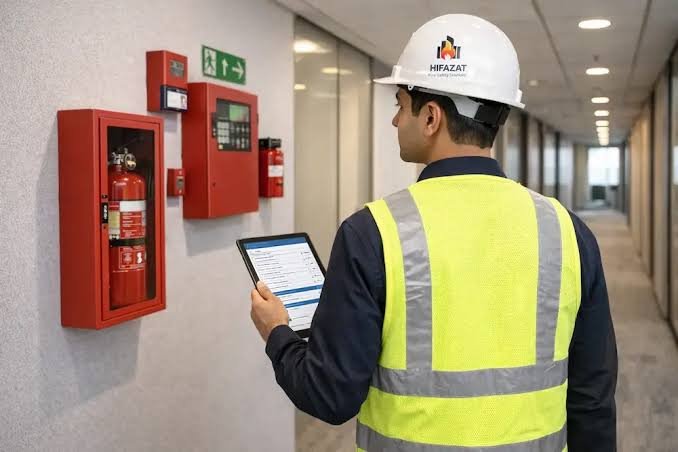
Lahore | ReNews Pakistan The Punjab government has notified stricter fire safety regulations for multi storey residential and commercial buildings across the province, introducing enhanced requirements for emergency exits, refuge areas, firefighting water reserves, hydrants, detection systems and evacuation arrangements. The amended Punjab Community Safety Buildings Regulations 2022, updated through 2026, follow a province wide fire-safety audit and are expected to significantly affect the design, approval and operation of apartment buildings, commercial plazas, hospitals, warehouses and mixed use developments. Under the revised regulations, every multi storey building must have at least one designated exit staircase. An additional staircase will be required for every 6,000 square feet of floor area or where occupancy exceeds 50 people on a single storey. The maximum distance from any room to an emergency staircase has been limited to 100 feet. Internal emergency staircases will be required to have fire rated walls, proper ventilation and outward opening fire resistant doors. Emergency lighting systems must remain operational for at least 90 minutes during a power failure, while illuminated exit signs will be mandatory along corridors and designated evacuation routes. Buildings exceeding 100 feet in height will also be required to provide dedicated refuge areas. These spaces must remain open to the air along the building perimeter or be constructed on approved cantilever projections to provide occupants with a temporary safe area during emergencies. Emergency staircases must remain free of obstructions and lead directly to locations accessible from adjoining roads to facilitate evacuation and rescue operations. The amended regulations also introduce stricter requirements for firefighting infrastructure. External pillar type fire hydrants will be mandatory near building entrances and exits, while standpipe systems will be required on every floor. These firefighting systems must operate independently of the building's normal water supply and maintain sufficient pressure through dedicated pumps with backup capacity. Water storage requirements have also been increased. Buildings up to 100 feet high will be required to maintain an independent 7,500 gallon overhead fire water tank. Buildings exceeding 100 feet will require a 15,000 gallon overhead tank along with a separate 30,000 gallon underground reservoir to ensure an adequate firefighting supply during disruptions to municipal water services. At least one multipurpose fire extinguisher will be required for every 2,000 square feet of floor area. Occupants must not have to travel more than 75 feet to reach an extinguisher, while the maximum permitted distance around hazardous areas will be reduced to 30 feet. The regulations further require video based fire and smoke detection and alarm systems in common areas and corridors, supported by uninterrupted electricity and round the clock monitoring. Manual fire alarm call points must be installed near exits, while residential areas will need battery operated smoke detectors or automatic fire-alarm systems supported by an uninterrupted power supply. The amended framework carries significant implications for property developers and building owners, as compliance with the enhanced requirements could become an important factor in future building approvals, safety inspections and occupancy permissions. Developers and operators of existing multi storey buildings may therefore need to review their current designs, water storage systems, evacuation arrangements and fire safety infrastructure to ensure compliance with the updated provincial standards.
لاہور | ری نیوز پاکستان پنجاب حکومت نے صوبہ بھر میں کثیر منزلہ رہائشی اور کمرشل عمارتوں کے تحفظ کیلئے مزید سخت قواعد باضابطہ طور پر نافذ کر دیے ہیں، جن کے تحت ہنگامی راستوں، محفوظ پناہ گاہوں، آگ بجھانے کے لیے پانی کے ذخائر، ہائیڈرینٹس، آگ اور دھویں کی نشاندہی کے آلات اور ہنگامی انخلا کے انتظامات کو مزید مؤثر بنانا لازم ہوگا۔ پنجاب کے عماراتی تحفظ کے ضوابط 2022 میں 2026 تک کی جانے والی ترامیم صوبہ بھر میں حالیہ آتش زدگی سے تحفظ کے جائزے کے بعد متعارف کرائی گئی ہیں۔ نئے قواعد رہائشی بلند عمارتوں، تجارتی مراکز، ہسپتالوں، گوداموں، مشترکہ استعمال کی عمارتوں اور دیگر کثیر منزلہ منصوبوں کے نقشوں، منظوری اور انتظام پر نمایاں اثر ڈال سکتے ہیں۔ نئے ضوابط کے تحت ہر کثیر منزلہ عمارت میں کم از کم ایک مخصوص ہنگامی سیڑھی لازمی ہوگی، جبکہ ہر 6 ہزار مربع فٹ رقبے یا کسی ایک منزل پر 50 سے زیادہ افراد کی موجودگی کی صورت میں ایک اضافی سیڑھی فراہم کرنا ہوگی۔ کسی بھی کمرے سے ہنگامی اخراج کی سیڑھی تک زیادہ سے زیادہ فاصلہ 100 فٹ مقرر کیا گیا ہے۔ عمارت کے اندر موجود ہنگامی سیڑھیوں کے اطراف آگ برداشت کرنے والی دیواریں، مناسب ہوا کی آمدورفت اور باہر کی طرف کھلنے والے آگ مزاحم دروازے نصب کرنا لازم ہوگا۔ بجلی بند ہونے کی صورت میں ہنگامی روشنی کا نظام کم از کم 90 منٹ تک مسلسل کام کرنے کے قابل ہونا چاہیے، جبکہ راہداریوں اور انخلا کے راستوں پر روشن رہنمائی کی نشانیاں بھی لازمی قرار دی گئی ہیں۔ 100 فٹ سے زیادہ بلند عمارتوں میں مخصوص محفوظ پناہ گاہیں قائم کرنا بھی لازم ہوگا۔ یہ جگہیں عمارت کے بیرونی حصے کے ساتھ کھلی فضا میں یا منظور شدہ باہر نکلی ہوئی تعمیراتی جگہوں پر بنائی جائیں گی تاکہ کسی ہنگامی صورتحال میں مکین عارضی طور پر محفوظ مقام پر منتقل ہو سکیں۔ ہنگامی سیڑھیوں کو ہر قسم کی رکاوٹ سے پاک رکھنا ہوگا اور ان کا اختتام ایسی جگہ پر ہونا ضروری ہوگا جہاں سے سڑک تک براہ راست رسائی دستیاب ہو تاکہ لوگوں کے انخلا اور امدادی کارروائیوں میں کوئی رکاوٹ پیدا نہ ہو۔ نئے قوانین کے تحت عمارتوں میں آگ بجھانے کے انتظامات کے تقاضے بھی سخت کر دیے گئے ہیں۔ داخلی اور خارجی راستوں کے قریب بیرونی ستون نما آتش کش نل نصب کرنا لازم ہوگا، جبکہ ہر منزل پر آگ بجھانے کے لیے پانی پہنچانے والے عمودی پائپوں کا الگ نظام فراہم کرنا ہوگا۔ یہ تمام نظام عمارت کے معمول کے پانی کے نظام سے الگ ہوں گے اور مطلوبہ دباؤ برقرار رکھنے کے لیے مخصوص پمپوں اور متبادل انتظام سے منسلک کرنا ہوگا۔ آگ بجھانے کے لیے پانی ذخیرہ کرنے کی کیپیسٹی میں بھی اضافہ کیا گیا ہے۔ 100 فٹ تک بلند عمارتوں میں آگ بجھانے کے لیے الگ 7,500 گیلن کی بالائی پانی کی ٹینکی لازم ہوگی، جبکہ 100 فٹ سے بلند عمارتوں میں 15,000 گیلن کی بالائی ٹینکی کے ساتھ 30,000 گیلن کا الگ زیر زمین پانی کا ذخیرہ فراہم کرنا ہوگا تاکہ شہری پانی کی فراہمی متاثر ہونے کی صورت میں بھی آگ بجھانے کا نظام فعال رہ سکے۔ ہر 2 ہزار مربع فٹ رقبے کے لیے کم از کم ایک کثیرالمقاصد آگ بجھانے والا آلہ فراہم کرنا ہوگا۔ کسی بھی مقام سے ایسے آلے تک پہنچنے کے لیے زیادہ سے زیادہ فاصلہ 75 فٹ ہوگا، جبکہ زیادہ خطرے والے مقامات پر یہ حد 30 فٹ مقرر کی گئی ہے۔ مشترکہ مقامات اور راہداریوں میں ویڈیو نگرانی کے ذریعے آگ اور دھویں کی نشاندہی اور خطرے سے خبردار کرنے کا نظام بھی لازم قرار دیا گیا ہے، جسے بلا تعطل بجلی کی فراہمی اور چوبیس گھنٹے نگرانی کی سہولت حاصل ہوگی۔ عمارتوں کے خارجی راستوں کے قریب ہاتھ سے چلائے جانے والے خطرے کے اطلاع دینے والے آلات نصب کیے جائیں گے، جبکہ رہائشی حصوں میں بیٹری سے چلنے والے دھواں محسوس کرنے والے آلات یا بلا تعطل بجلی کی فراہمی سے منسلک خودکار آتش زدگی کا اطلاعاتی نظام لگانا ضروری ہوگا۔ ان ترامیم کے بعد جائیداد کے منصوبہ سازوں، تعمیراتی اداروں اور عمارت مالکان کے لیے آتش زدگی سے تحفظ کے تقاضوں پر عمل درآمد مزید اہم ہوگیا ہے، کیونکہ نئے قواعد مستقبل میں عمارتوں کے نقشوں کی منظوری، حفاظتی معائنے اور عمارتوں کے استعمال کی اجازت پر براہ راست اثر انداز ہو سکتے ہیں۔ موجودہ کثیر منزلہ عمارتوں کے مالکان اور منتظمین کو بھی اپنے تعمیراتی نقشوں، پانی ذخیرہ کرنے کے نظام، ہنگامی انخلا کے انتظامات اور آگ سے تحفظ کے وسائل کا ازسرنو جائزہ لینا پڑ سکتا ہے تاکہ انہیں نئے صوبائی حفاظتی معیارات کے مطابق بنایا جا سکے۔
Published: September 15, 2026 at 11:01 AM
LHC Seeks Detailed Report on Commercial Use, Illegal Construction in Lahore’s Historic Walled City
لاہور ہائیکورٹ نے لاہور کے تاریخی اندرون شہر میں کمرشل استعمال اور غیر قانونی تعمیرات پر تفصیلی رپورٹ طلب کرلی
▫️Court questions alleged construction of multi storey buildings and commercial conversion of heritage properties despite restrictions in Lahore’s protected historic quarter
▫️عدالت کا پابندیوں کے باوجود کثیر المنزلہ عمارتوں کی مبینہ تعمیر اور تاریخی املاک کو کمرشل مقاصد کے لیے استعمال کرنے پر اظہارِ تشویش
Lahore | ReNews PakistanThe Lahore High Court has sought a detailed report from the Walled City of Lahore Authority over...
Lahore | ReNews Pakistan The Lahore High Court has sought a detailed report from the Walled City of Lahore Authority over the alleged commercial use of historic buildings and unauthorised construction within Lahore’s Walled City, raising fresh concerns about the protection of one of the country’s most important historic urban areas. The court took up a petition challenging commercial activity and construction practices involving heritage properties within the jurisdiction of the Walled City authority. During the proceedings, the petitioner’s counsel alleged that unauthorised construction was continuing in the protected area and claimed that officials responsible for enforcing conservation and building regulations were themselves acting contrary to the applicable rules. The counsel further alleged that permission was being granted for buildings reaching as high as eight storeys and maintained that construction activity had continued despite restraining orders issued by the court. The case has brought into focus the broader question of how residential and heritage properties within the historic city are being converted to commercial use and whether such conversions comply with conservation and planning requirements. According to separate reporting on the proceedings, the court has expressed concern over both the commercial use of heritage buildings and illegal construction in the Walled City. Authorities have been asked to provide a comprehensive assessment of residential and commercial properties and explain the status of buildings converted to commercial use. The court also sought information concerning heritage properties that had been converted to commercial purposes before approval of the area's master plan. Officials were directed to provide details enabling the court to assess the scale of residential to commercial conversion and construction activity within the protected area. The proceedings are significant for Lahore’s property and urban-development sector because the Walled City is subject to a distinct conservation regime intended to balance economic activity with the protection of historic buildings and the traditional urban fabric. Commercial pressure on properties in the old city has long created challenges for heritage conservation. Conversion of older residential buildings into shops, restaurants, warehouses and other commercial establishments can increase property values and economic activity, but uncontrolled alterations and new construction can also affect the architectural character and structural integrity of historic neighbourhoods. The petitioner’s case centres on the allegation that the existing regulatory framework is not being adequately enforced. During the proceedings, the court also questioned progress made by a committee constituted to examine illegal construction activities in the Walled City. It stressed the need for a comprehensive assessment rather than dealing with individual properties in isolation. The authorities have consequently been asked to present information that would allow the court to distinguish between residential and commercial buildings and determine the extent to which heritage properties have undergone changes in use or construction. The Walled City of Lahore contains centuries old residential neighbourhoods, bazaars, religious buildings and monuments representing different periods of the city’s history. Conservation authorities therefore face the difficult task of accommodating contemporary commercial and residential requirements without allowing development that permanently alters its historic character. The latest proceedings could have wider implications for property owners, developers and commercial operators within the Walled City if the review identifies construction or change-of-use activity that does not comply with applicable regulations. For now, the allegations regarding eight storey construction and continued unauthorised development remain claims raised before the court. The detailed report sought from the authorities is expected to provide the court with a clearer picture of the actual scale and legal status of construction and commercial activity within the historic district.
لاہور | ری نیوز پاکستان لاہور ہائیکورٹ نے اندرون لاہور میں تاریخی عمارتوں کے مبینہ کمرشل استعمال اور غیر قانونی تعمیرات کے معاملے پر والڈ سٹی آف لاہور اتھارٹی سے تفصیلی رپورٹ طلب کرلی ہے۔ عدالتی کارروائی کے نتیجے میں ملک کے اہم ترین تاریخی شہری علاقوں میں سے ایک کے تحفظ اور وہاں تعمیراتی قوانین کے نفاذ سے متعلق معاملات ایک بار پھر توجہ کا مرکز بن گئے ہیں۔ عدالت نے والڈ سٹی آف لاہور اتھارٹی کی حدود میں واقع تاریخی املاک میں کمرشل سرگرمیوں اور تعمیراتی معاملات کو چیلنج کرنے والی درخواست پر سماعت کی۔ دورانِ سماعت درخواست گزار کے وکیل نے مؤقف اختیار کیا کہ محفوظ تاریخی علاقے میں غیر مجاز تعمیرات کا سلسلہ جاری ہے، جبکہ ان کے بقول تعمیراتی ضوابط پر عمل درآمد کے ذمہ دار بعض حکام خود متعلقہ قوانین اور قواعد کے برخلاف اقدامات کر رہے ہیں۔ درخواست گزار کے وکیل نے مزید الزام عائد کیا کہ علاقے میں آٹھ منزلہ عمارتوں تک کی تعمیر کی اجازت دی جا رہی ہے اور عدالت کی جانب سے جاری کیے گئے حکمِ امتناع کے باوجود تعمیراتی سرگرمیاں جاری ہیں۔ مقدمے نے اس اہم سوال کو بھی اجاگر کیا ہے کہ اندرون شہر میں رہائشی اور تاریخی املاک کو کس حد تک کمرشل مقاصد کے لیے تبدیل کیا جا رہا ہے اور آیا ایسی تبدیلیاں تاریخی ورثے کے تحفظ اور شہری منصوبہ بندی سے متعلق قواعد و ضوابط کے مطابق ہیں یا نہیں۔ عدالتی کارروائی سے متعلق دیگر رپورٹس کے مطابق عدالت نے اندرون لاہور میں تاریخی عمارتوں کے کمرشل استعمال اور غیر قانونی تعمیرات دونوں پر تشویش کا اظہار کیا ہے۔ متعلقہ حکام سے رہائشی اور کمرشل املاک کا جامع جائزہ پیش کرنے کے ساتھ ان عمارتوں کی قانونی حیثیت واضح کرنے کو بھی کہا گیا ہے جنہیں رہائشی سے کمرشل استعمال میں تبدیل کیا گیا۔ عدالت نے ان تاریخی املاک کے بارے میں بھی معلومات طلب کیں جنہیں علاقے کے ماسٹر پلان کی منظوری سے قبل کمرشل مقاصد کے لیے استعمال کیا گیا تھا۔ حکام کو ایسی تفصیلات فراہم کرنے کی ہدایت کی گئی ہے جن کی بنیاد پر عدالت محفوظ تاریخی علاقے میں رہائشی املاک کے کمرشل استعمال اور تعمیراتی سرگرمیوں کے حجم اور نوعیت کا جائزہ لے سکے۔ یہ عدالتی کارروائی لاہور کے پراپرٹی اور اربن ڈویلپمنٹ کے شعبے کے لیے بھی اہمیت رکھتی ہے ۔ پرانے شہر میں املاک پر بڑھتا ہوا کمرشل دباؤ طویل عرصے سے تاریخی ورثے کے تحفظ کے لیے ایک چیلنج رہا ہے۔ پرانی رہائشی عمارتوں کو دکانوں، ریستورانوں، گوداموں اور دیگر کاروباری مقاصد کے لیے استعمال کرنے سے جہاں املاک کی مالیت اور معاشی سرگرمیوں میں اضافہ ہوسکتا ہے، وہیں غیر منظم تبدیلیاں اور نئی تعمیرات تاریخی محلوں کے تعمیراتی حسن، شناخت اور عمارتوں کی ساختی مضبوطی کو بھی متاثر کرسکتی ہیں۔ درخواست گزار کا بنیادی مؤقف یہ ہے کہ موجودہ ریگولیٹری نظام اور تعمیراتی ضوابط پر مؤثر انداز میں عمل درآمد نہیں کیا جا رہا۔ سماعت کے دوران عدالت نے اندرون شہر میں غیر قانونی تعمیرات کا جائزہ لینے کے لیے قائم کی گئی کمیٹی کی پیش رفت سے متعلق بھی سوالات اٹھائے۔ عدالت نے انفرادی عمارتوں کے معاملات الگ الگ دیکھنے کے بجائے پورے علاقے کا جامع جائزہ لینے کی ضرورت پر زور دیا۔ اس تناظر میں متعلقہ حکام کو ایسی معلومات فراہم کرنے کی ہدایت کی گئی ہے جن کی مدد سے رہائشی اور کمرشل عمارتوں میں واضح تفریق کی جاسکے اور یہ تعین کیا جاسکے کہ تاریخی املاک میں استعمال یا تعمیر کے حوالے سے کس حد تک تبدیلیاں کی گئی ہیں۔ اندرون لاہور میں صدیوں پرانے رہائشی محلے، بازار، مذہبی عمارتیں اور مختلف تاریخی ادوار کی نمائندگی کرنے والی یادگاریں موجود ہیں۔ یہی وجہ ہے کہ تحفظِ آثار کے ذمہ دار اداروں کو جدید دور کی رہائشی اور کاروباری ضروریات پوری کرنے کے ساتھ ایسی تعمیراتی سرگرمیوں کو روکنے کا چیلنج بھی درپیش ہے جو علاقے کے تاریخی تشخص کو مستقل طور پر تبدیل کرسکتی ہیں۔ اگر متعلقہ اداروں کی رپورٹ اور عدالتی جائزے کے دوران ایسی تعمیرات یا املاک کے استعمال میں تبدیلیاں سامنے آتی ہیں جو موجودہ قوانین اور ضوابط سے مطابقت نہیں رکھتیں تو اس مقدمے کے نتائج اندرون لاہور کے پراپرٹی مالکان، ڈویلپرز اور کاروباری اداروں کے لیے وسیع اثرات مرتب کرسکتے ہیں۔ فی الحال آٹھ منزلہ عمارتوں کی تعمیر اور غیر مجاز تعمیراتی سرگرمیاں جاری رہنے سے متعلق نکات درخواست گزار کی جانب سے عدالت کے سامنے پیش کیے گئے الزامات ہیں۔ متعلقہ حکام سے طلب کی گئی تفصیلی رپورٹ کے بعد اندرون لاہور میں تعمیراتی سرگرمیوں، کمرشل استعمال اور ان کی قانونی حیثیت کی اصل صورتحال مزید واضح ہونے کی توقع ہے۔