


Punjab Province
Real Estate & Land Insight
Explore the divisions of Punjab, a major province in Pakistan with key regions for agricultural land, urban development, and real estate trends.
Population
110 Million
Area
205,345 km²
Divisions
10
Districts
41
Largest City
Lahore
Largest City Population
13.5 Million
GPS Position
31.5204°N, 74.3587°E
Board of Revenue Punjab
Governs agency overseeing land revenue, territorial boundaries, and land-related matters.
Punjab Land Records Authority
Providing citizens with property records, updating, and administration of Punjab and its rural land.
Provincial Housing & Town Planning Department
Managing urban development, housing policies, & town planning initiatives.
Punjab Urban Unit
Conducting research, data analysis, & urban management solutions.
Important Updates from Punjab
Real Estate & Land News
Published: October 29, 2026 at 1:01 PM
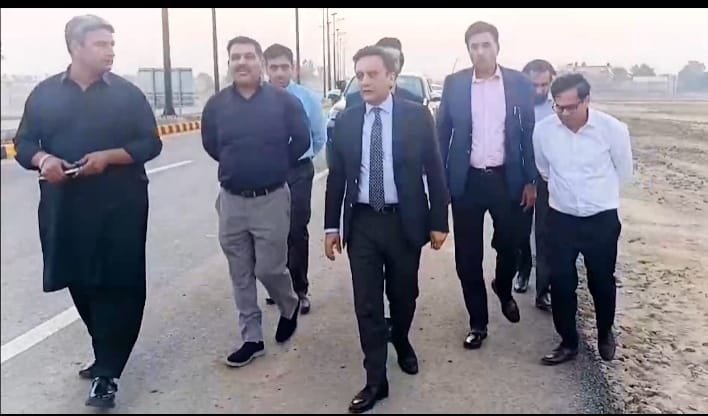
LDA DG Reviews Pine Sector Ahead of Its Launch
ڈی جی ایل ڈی اے کا ایل ڈی اے سٹی کے پائن سیکٹر کا دورہ، جلد لانچنگ کیلئے جاری اقدامات کا جائزہ لیا
▫️ Officials directed to offer plots through balloting on easy instalments and complete development work within the set timeline
Lahore | Riaz Hussain, Chief Reporter, ReNews PakistanLahore Development Authority (LDA) Director General Tahir Farooq visited the Pine Sector in...
Published: October 29, 2026 at 12:01 PM
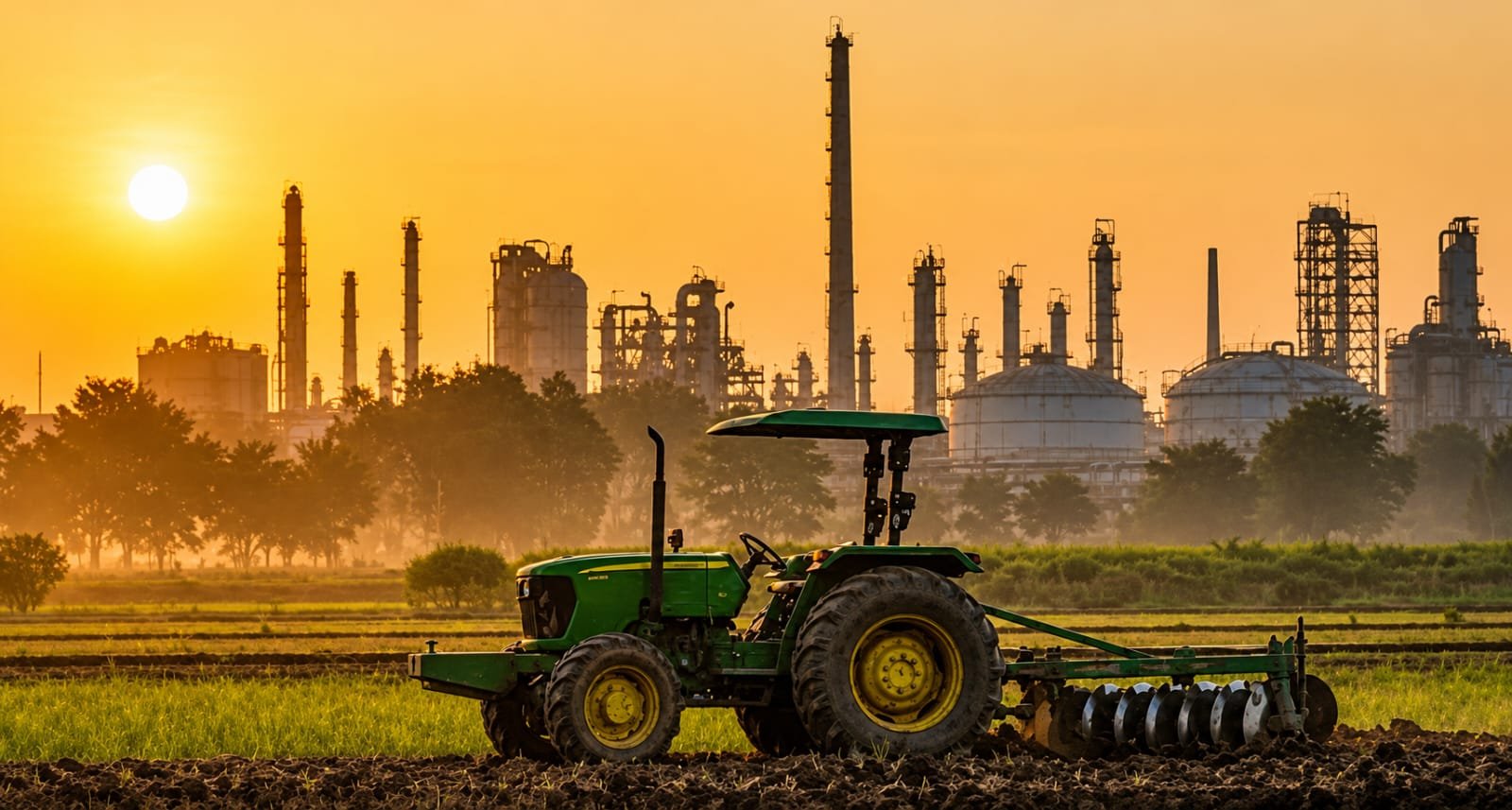
Punjab Approves Rs 1.995 Trillion Industrial Development Programme, Creating Potential Opportunities for Construction and Industrial Real Estate
پنجاب میں 1 ہزار 995 ارب روپے کے صنعتی ترقیاتی پروگرام کی منظوری، تعمیراتی صنعت اور صنعتی رئیل اسٹیٹ شعبے کیلئے نئے مواقع پیدا ہونے کا امکان
▫️ Agricultural processing parks planned in Sargodha, Khanewal, Okara and Bhakkar, with more than 162,000 jobs targeted
Lahore | ReNews National DeskThe Punjab government has approved the key outlines of a Rs 1.
Published: October 28, 2026 at 6:01 PM
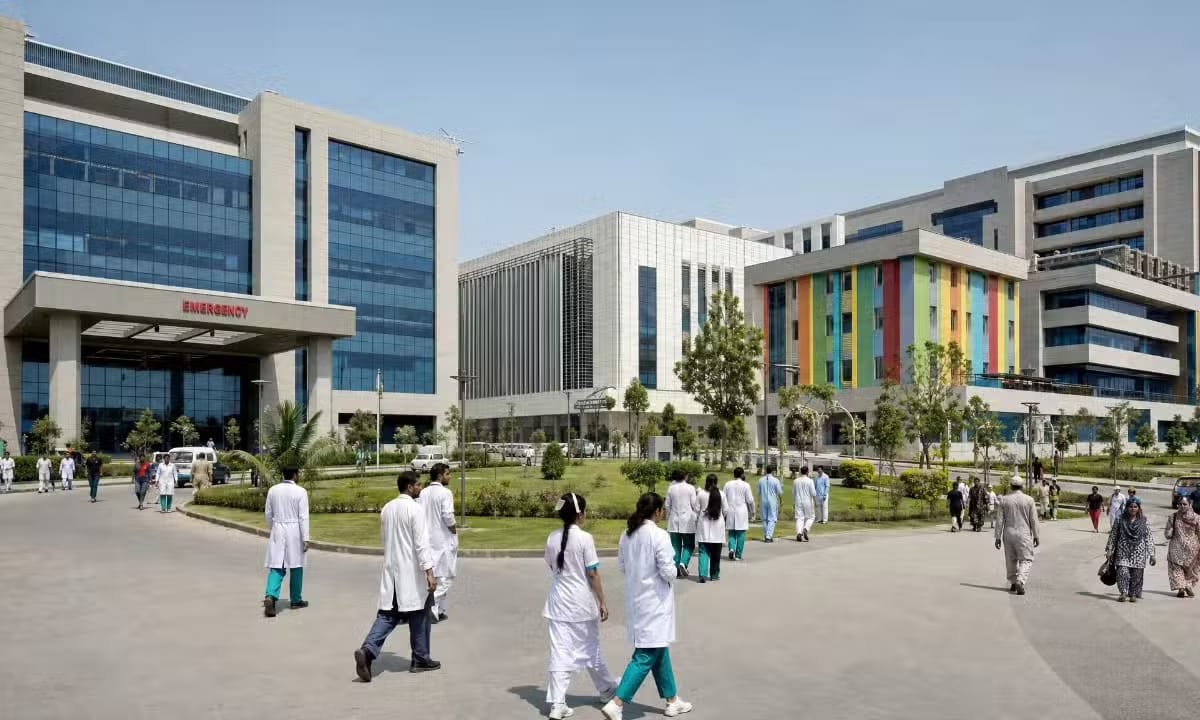
Punjab PDWP Approves Rs 18.786 Billion Lahore Medical District Scheme
لاہور میڈیکل ڈسٹرکٹ منصوبہ: طبی سہولتوں، اراضی کے کمرشل استعمالِ اور سڑکوں کے ذریعے رابطوں پر توجہ
▫️ Earlier plans place the wider district on more than 1,500 kanals near Pine Avenue and LDA City, with land earmarked for hospitals, commercial facilities and public spaces
Lahore | ReNews National DeskPunjab’s Provincial Development Working Party (PDWP) has approved a Rs 18.