Governs agency overseeing land revenue, territorial boundaries, and land-related matters.
Punjab Land Records Authority
Providing citizens with property records, updating, and administration of Punjab and its rural land.
Provincial Housing & Town Planning Department
Managing urban development, housing policies, & town planning initiatives.
Punjab Urban Unit
Conducting research, data analysis, & urban management solutions.
Important Updates from Punjab
Real Estate & Land News
Published: October 3, 2026 at 11:01 AM
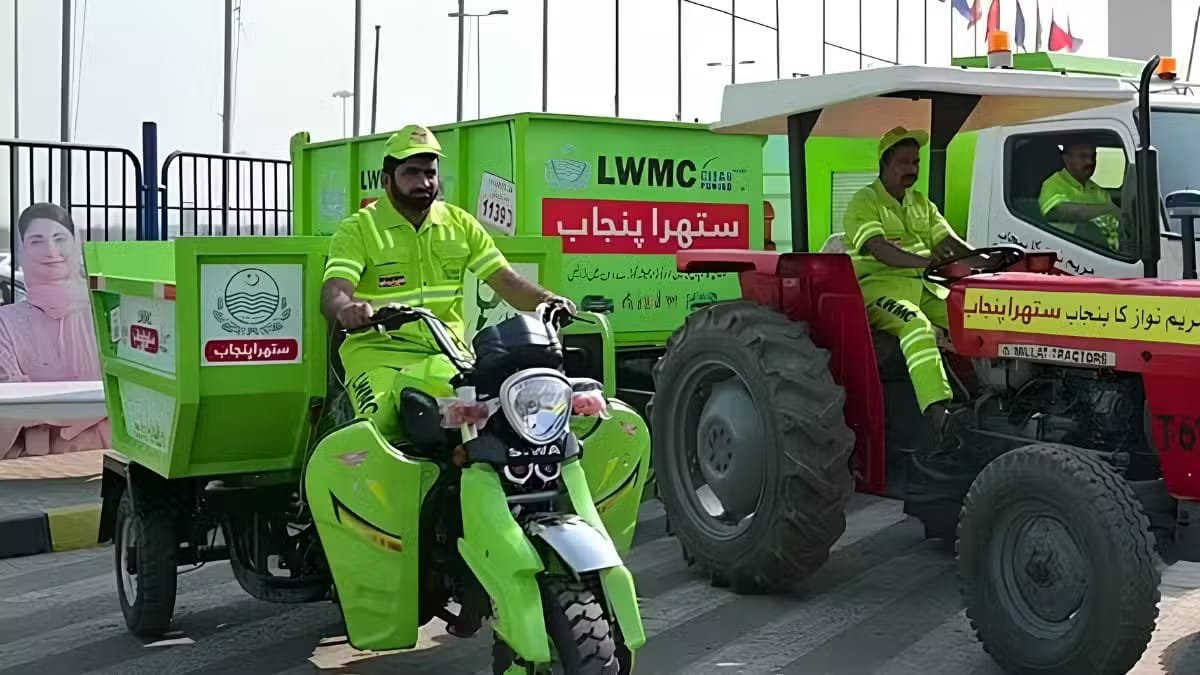
Punjab Begins Collecting Sanitation Fees From Residential and Commercial Properties Under Suthra Punjab Programme
پنجاب میں ستھرا پنجاب پروگرام کے تحت رہائشی اور کمرشل جائیدادوں سے صفائی فیس کی وصولی شروع
▫️ Property owners and other consumers given until October 31 to clear outstanding sanitation dues; Excise Department assigned responsibility for fee collection
▫️ پراپرٹی مالکان اور دیگر صارفین کو واجب الادا صفائی فیس کی ادائیگی کے لیے 31 اکتوبر تک مہلت دی جائے گی، فیس وصولی کی ذمہ داری محکمہ ایکسائز کے سپرد <br>پنجاب میں ستھرا پنجاب پروگرام کے تحت رہائشی اور کمرشل جائیدادوں سے صفائی فیس کی وصولی شروع<br><br> <br><br><br>پراپرٹی مالکان اور دیگر صارفین کو واجب الادا صفائی فیس کی ادائیگی کے لیے 31 اکتوبر تک مہلت دی جائے گی، فیس وصولی کی ذمہ داری محکمہ ایکسائز کے سپرد <br><br><br><br>لاہور | ری نیوز پاکستان<br>پنجاب حکومت نے ستھرا پنجاب پروگرام کے تحت صوب
Lahore | ReNews PakistanThe Punjab government has formally introduced sanitation charges for residential and commercial properties across the province under...
Lahore | ReNews Pakistan The Punjab government has formally introduced sanitation charges for residential and commercial properties across the province under the Suthra Punjab Programme, bringing property owners and businesses under a new fee collection system linked to waste management and sanitation services. According to a notification issued by the Local Government and Community Development Department, the Excise, Taxation and Narcotics Control Department has been assigned responsibility for collecting the sanitation charges. The new system took effect from July 1, 2026. Since charges for the first three months were not collected separately, the Excise Department will issue consolidated bills covering July, August and September during October. Property owners and other consumers will have until October 31 to clear their outstanding sanitation dues, while an online payment facility is expected to become available by October 15. The sanitation fee structure for residential properties in urban areas has been linked directly to property size, meaning larger homes will face progressively higher monthly charges. Residential properties measuring up to five marlas will be charged Rs 300 per month, equivalent to Rs 3,600 annually if the same rate remains applicable throughout the year. Homes measuring more than five marlas and up to 10 marlas will face a monthly sanitation fee of Rs 500, while properties measuring between 10 and 20 marlas will be charged Rs 1,000 per month. For larger residential properties, the charges increase substantially. Homes measuring between 20 and 40 marlas will be required to pay Rs 2,000 per month, while residential properties exceeding 40 marlas will face the highest listed charge of Rs 5,000 per month. At these rates, the annual sanitation cost would range from Rs 3,600 for properties in the lowest category to as much as Rs 60,000 for homes exceeding 40 marlas, provided the monthly rates remain unchanged. Commercial properties in urban areas have also been brought under the sanitation fee regime, although their charges will be determined according to the size or category of the business rather than residential plot size. Small businesses will be charged Rs 500 per month, while medium-sized commercial establishments will pay Rs 1,000. Large businesses will face a monthly sanitation fee of Rs 3,000. The commercial fee structure translates into annual charges of Rs 6,000 for small businesses, Rs12,000 for medium-sized businesses and Rs 36,000 for large commercial establishments if the notified rates remain in force for a full year. The introduction of property-based sanitation charges represents an important component of the provincial government's Suthra Punjab Programme, which seeks to establish a more organised waste collection, cleaning and sanitation system across Punjab. Assigning collection responsibility to the Excise Department also links the sanitation fee mechanism with an institution already responsible for collecting various property-related taxes and government levies across the province. For property owners, the new arrangement means sanitation services will now carry a recurring financial obligation based on the category and, in the case of residential properties, the size of the property. The immediate financial impact will be greater in October because consumers are expected to receive bills covering three months simultaneously. A homeowner normally liable for Rs 300 per month, for example, would face Rs 900 for July through September, while a property in the Rs 5,000 monthly category would accumulate Rs 15,000 for the same period. Similarly, the three-month sanitation liability would amount to Rs 1,500 for a small commercial business, Rs 3,000 for a medium-sized business and Rs 9,000 for a large commercial establishment. With the fee structure formally notified and collection responsibility assigned to the Excise Department, residential and commercial property owners across Punjab will now be required to incorporate sanitation charges into their recurring property-related expenses under the provincial government's new waste management framework.
لاہور | ری نیوز پاکستان پنجاب حکومت نے ستھرا پنجاب پروگرام کے تحت صوبے بھر میں رہائشی اور کمرشل جائیدادوں پر صفائی فیس کا باضابطہ نفاذ کردیا ہے، جس کے بعد پراپرٹی مالکان اور کاروباری اداروں کو ویسٹ مینجمنٹ اور صفائی کی خدمات کے عوض مقررہ فیس ادا کرنا ہوگی۔
محکمہ بلدیات و کمیونٹی ڈویلپمنٹ کی جانب سے جاری نوٹیفکیشن کے مطابق صفائی فیس کی وصولی کی ذمہ داری محکمہ ایکسائز، ٹیکسیشن اینڈ نارکوٹکس کنٹرول کو سونپی گئی ہے۔
نئے نظام کا اطلاق یکم جولائی 2026 سے کیا گیا ہے۔ ابتدائی تین ماہ کی فیس الگ الگ وصول نہ ہونے کے باعث محکمہ ایکسائز اکتوبر میں جولائی، اگست اور ستمبر کے یکجا بل جاری کرے گا۔
پراپرٹی مالکان اور دیگر صارفین کو واجب الادا صفائی فیس کی ادائیگی کے لیے 31 اکتوبر تک مہلت دی جائے گی، جبکہ آن لائن ادائیگی کی سہولت 15 اکتوبر تک دستیاب ہونے کی توقع ہے۔
شہری علاقوں میں رہائشی جائیدادوں کے لیے صفائی فیس کو پراپرٹی کے رقبے سے منسلک کیا گیا ہے، جس کے تحت بڑے گھروں کے مالکان کو زیادہ ماہانہ فیس ادا کرنا ہوگی۔
پانچ مرلہ تک کی رہائشی جائیدادوں پر ماہانہ 300 روپے صفائی فیس عائد ہوگی، جو موجودہ شرح برقرار رہنے کی صورت میں سالانہ 3 ہزار 600 روپے بنتی ہے۔
پانچ مرلہ سے زائد اور 10 مرلہ تک کے گھروں کے لیے ماہانہ فیس 500 روپے مقرر کی گئی ہے، جبکہ 10 سے 20 مرلہ تک کی رہائشی جائیدادوں کے مالکان کو ماہانہ ایک ہزار روپے ادا کرنا ہوں گے۔
بڑی رہائشی جائیدادوں کے لیے فیس کی شرح مزید زیادہ رکھی گئی ہے۔ 20 سے 40 مرلہ تک کے گھروں پر ماہانہ 2 ہزار روپے جبکہ 40 مرلہ سے بڑی رہائشی جائیدادوں پر ماہانہ 5 ہزار روپے صفائی فیس وصول کی جائے گی۔
موجودہ شرحیں پورا سال برقرار رہنے کی صورت میں رہائشی جائیدادوں کے لیے سالانہ صفائی فیس کم از کم 3 ہزار 600 روپے سے لے کر 60 ہزار روپے تک ہوسکتی ہے۔
شہری علاقوں میں کمرشل جائیدادوں اور کاروباری مراکز کو بھی نئے صفائی فیس نظام میں شامل کیا گیا ہے، تاہم ان سے وصولی رہائشی پلاٹ کے رقبے کے بجائے کاروبار کے حجم یا کیٹیگری کے مطابق کی جائے گی۔
چھوٹے کاروباری اداروں سے ماہانہ 500 روپے، درمیانے درجے کے کاروبار سے ایک ہزار روپے جبکہ بڑے کمرشل اداروں سے 3 ہزار روپے ماہانہ صفائی فیس وصول کی جائے گی۔
اس حساب سے موجودہ شرحیں ایک سال تک برقرار رہنے کی صورت میں چھوٹے کاروبار کے لیے سالانہ فیس 6 ہزار روپے، درمیانے درجے کے کاروبار کے لیے 12 ہزار روپے جبکہ بڑے کاروباری اداروں کے لیے 36 ہزار روپے ہوگی۔
جائیدادوں سے منسلک صفائی فیس کا نفاذ پنجاب حکومت کے ستھرا پنجاب پروگرام کا اہم حصہ ہے، جس کا مقصد صوبے بھر میں کوڑا کرکٹ جمع کرنے، اسے ٹھکانے لگانے اور صفائی کے نظام کو زیادہ منظم بنانا ہے۔
صفائی فیس کی وصولی محکمہ ایکسائز کے سپرد کیے جانے سے یہ نظام ایسے سرکاری ادارے سے منسلک ہوگیا ہے جو پہلے ہی صوبے میں پراپرٹی سے متعلق مختلف ٹیکسوں اور سرکاری محصولات کی وصولی کی ذمہ داری انجام دے رہا ہے۔
نئے نظام کے تحت پراپرٹی مالکان کے لیے صفائی کی خدمات اب ایک مستقل مالی ذمہ داری بن جائیں گی، جس کا تعین جائیداد کی نوعیت اور رہائشی پراپرٹی کی صورت میں اس کے رقبے کے مطابق کیا جائے گا۔
اکتوبر میں پراپرٹی مالکان پر فوری مالی بوجھ نسبتاً زیادہ ہوگا کیونکہ انہیں بیک وقت تین ماہ کی فیس ادا کرنا ہوگی۔ مثال کے طور پر ماہانہ 300 روپے کی کیٹیگری میں آنے والے گھر کا جولائی سے ستمبر تک بل 900 روپے ہوگا، جبکہ ماہانہ 5 ہزار روپے کی کیٹیگری میں شامل بڑی رہائشی جائیداد کے لیے تین ماہ کی مجموعی رقم 15 ہزار روپے بنے گی۔
اسی طرح چھوٹے کاروبار کو تین ماہ کے لیے ایک ہزار 500 روپے، درمیانے درجے کے کاروبار کو 3 ہزار روپے جبکہ بڑے کمرشل ادارے کو 9 ہزار روپے صفائی فیس ادا کرنا ہوگی۔
صفائی فیس کا نظام باضابطہ طور پر نافذ ہونے اور وصولی کی ذمہ داری محکمہ ایکسائز کو ملنے کے بعد پنجاب بھر میں رہائشی اور کمرشل جائیدادوں کے مالکان کو اب صفائی فیس کو بھی اپنی مستقل پراپرٹی سے متعلق ادائیگیوں میں شامل کرنا ہوگا۔
Published: October 3, 2026 at 12:01 AM
Punjab Government Approves Rs 15bn Financing for RUDA, Restores Rs 2.75bn Flood Protection Funds
پنجاب حکومت نے روڈا کیلئے 15 ارب روپے کی فنانسنگ منظور کرلی، سیلابی تحفظ کے منسوخ شدہ 2.75 ارب بھی بحال
▫️ Major financial support to bolster Ravi Riverfront development and critical river protection infrastructure
▫️ نئی فنانسنگ سے روڈا کی مجموعی مالی استعداد میں بہتری متوقع، تفصیلات ابھی پبلک نہیں کی گئیں
Lahore | ReNews PakistanThe Punjab government has approved financing of up to Rs 15 billion for the Ravi Urban Development...
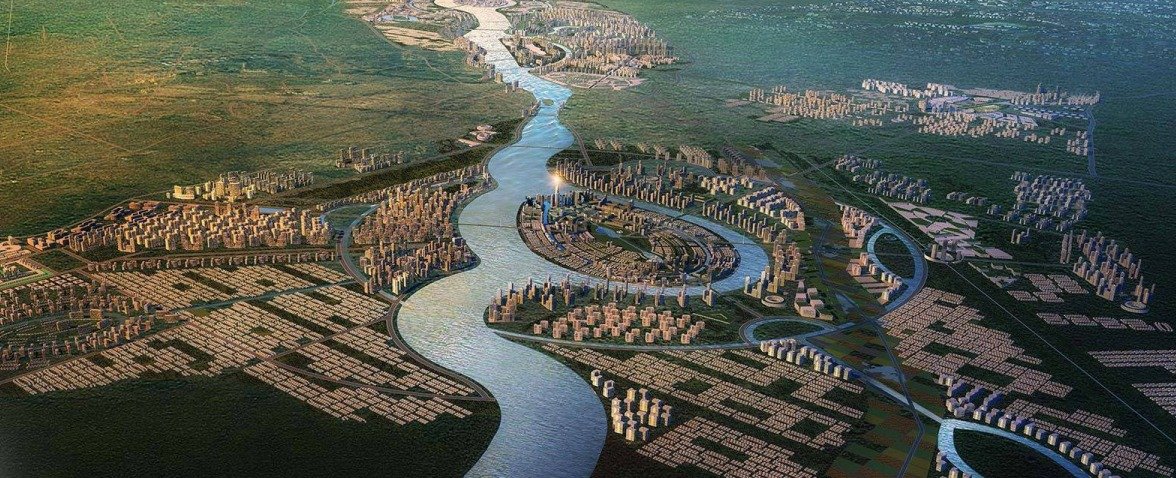
Lahore | ReNews Pakistan The Punjab government has approved financing of up to Rs 15 billion for the Ravi Urban Development Authority (RUDA), providing significant financial support for the authority’s large scale development programme along the Ravi River.
The provincial government has also restored more than Rs 2.75 billion in previously cancelled financing earmarked for flood protection works, allowing critical river management and protection projects to continue.
Under the approved arrangement, the Rs 15 billion financing will be provided by the Punjab Central Business District Development Authority through the provincial financial mechanism.
The funds are expected to be deposited into Provincial Account-I before being made available to RUDA through a supplementary grant during the 2026,27 financial year, subject to the agreed financing terms.
The arrangement constitutes a financing or loan facility rather than a direct budgetary allocation. Details regarding repayment terms, pricing, disbursement schedules and other financial conditions have not yet been publicly disclosed.
Separately, the government has restored more than Rs 2.751 billion in financing specifically linked to flood protection projects along the Ravi River.
The restoration of the funds is expected to ensure continuity of work on infrastructure considered essential for protecting development areas from flooding and managing the river system as the Ravi Riverfront programme progresses.
Flood protection infrastructure is particularly important for RUDA’s development plans because significant portions of the project area are associated with the Ravi River and its floodplain. River training structures, engineered embankments, drainage systems and other flood management measures are therefore central to the long-term development of the area.
RUDA’s procurement activity indicates that substantial river-related infrastructure works are already under way or being pursued, including river training works, barrages and embankment packages.
The authority is also procuring infrastructure associated with the Right Promenade and other major components of the Ravi Riverfront development programme.
However, details released regarding the latest Rs 15 billion financing do not provide project wise allocations, making it unclear how much funding will ultimately be directed towards individual development schemes or infrastructure packages.
The financing therefore cannot, at this stage, be directly attributed to individual RUDA projects such as Chahar Bagh without further official clarification.
Chahar Bagh Phase I is separately undergoing infrastructure development and procurement involving electrical works, smart services, the project’s entry area and bridge related works.
While the latest financing is expected to strengthen RUDA’s overall financial capacity, no announcement has been made linking the Rs 15 billion facility to a new payment plan, possession schedule or specific financial package for Chahar Bagh allottees.
Attention will now turn to the actual release and utilisation of the approved funds, particularly expenditure on river protection and associated infrastructure packages.
The pace of disbursement and physical execution of the projects will determine how quickly the latest financial approvals translate into construction activity across the Ravi Riverfront development area.
لاہور | ری نیوز پاکستان پنجاب حکومت نے راوی اربن ڈویلپمنٹ اتھارٹی (روڈا) کیلئے 15 ارب روپے تک کی فنانسنگ کی منظوری دے دی ہے، جس سے دریائے راوی کے اطراف بڑے پیمانے پر جاری ترقیاتی منصوبوں کیلئے اتھارٹی کو اہم مالی معاونت حاصل ہوگی۔
صوبائی حکومت نے سیلاب سے بچاؤ کے منصوبوں کیلئے مختص 2.75 ارب روپے سے زائد کی وہ فنانسنگ بھی بحال کردی ہے جو اس سے قبل منسوخ کردی گئی تھی، جس کے نتیجے میں دریائے راوی سے متعلق اہم فلڈ پروٹیکشن اور ریور مینجمنٹ منصوبوں پر کام جاری رکھنے کی راہ ہموار ہوگئی ہے۔
منظور شدہ انتظام کے تحت 15 ارب روپے کی فنانسنگ پنجاب سینٹرل بزنس ڈسٹرکٹ ڈویلپمنٹ اتھارٹی کے ذریعے صوبائی مالیاتی نظام کے تحت فراہم کی جائے گی۔
رقم پہلے صوبائی اکاؤنٹ-I میں جمع کرائی جائے گی، جس کے بعد رواں مالی سال کے دوران طے شدہ شرائط کے مطابق سپلیمنٹری گرانٹ کے ذریعے روڈا کو دستیاب کی جائے گی۔
یہ انتظام براہ راست بجٹ گرانٹ کے بجائے فنانسنگ یا قرض کی سہولت کی نوعیت رکھتا ہے۔ تاہم قرض کی واپسی، فنانسنگ کی لاگت، رقم کے اجرا کے شیڈول اور دیگر مالی شرائط کی تفصیلات تاحال عوامی سطح پر جاری نہیں کی گئی ہیں۔
اس کے ساتھ صوبائی حکومت نے دریائے راوی کے ساتھ سیلاب سے بچاؤ کے منصوبوں سے متعلق 2.751 ارب روپے سے زائد کی فنانسنگ بھی بحال کردی ہے۔
ان فنڈز کی بحالی سے ان اہم منصوبوں پر کام کا تسلسل برقرار رکھنے میں مدد ملے گی جو راوی ریور فرنٹ پروگرام کے تحت ترقیاتی علاقوں کو سیلاب سے محفوظ بنانے اور دریا کے مؤثر انتظام کیلئے ضروری سمجھے جاتے ہیں۔
روڈا کے ترقیاتی منصوبوں میں فلڈ پروٹیکشن انفراسٹرکچر کو بنیادی اہمیت حاصل ہے کیونکہ منصوبے کے کئی حصے دریائے راوی اور اس کے سیلابی میدان سے منسلک ہیں۔ اسی وجہ سے ریور ٹریننگ اسٹرکچرز، انجینئرڈ پشتے، نکاسی آب کے نظام اور سیلابی پانی کے انتظام سے متعلق دیگر اقدامات علاقے کی طویل مدتی ترقی کیلئے اہم ہیں۔
روڈا کے پروکیورمنٹ ریکارڈ سے بھی ظاہر ہوتا ہے کہ دریائے راوی سے متعلق بڑے انفراسٹرکچر منصوبوں پر کام جاری ہے یا ان کیلئے خریداری کا عمل آگے بڑھایا جا رہا ہے، جن میں ریور ٹریننگ ورکس، بیراج اور پشتوں سے متعلق مختلف پیکیجز شامل ہیں۔
اتھارٹی رائٹ پرومینیڈ سمیت راوی ریور فرنٹ پروگرام کے دیگر بڑے منصوبوں کیلئے بھی انفراسٹرکچر کی پروکیورمنٹ کر رہی ہے۔
تاہم تازہ منظور ہونے والی 15 ارب روپے کی فنانسنگ کی دستیاب تفصیلات میں منصوبہ وار تقسیم واضح نہیں کی گئی، اس لیے فی الحال یہ طے نہیں کیا جا سکتا کہ مختلف ترقیاتی منصوبوں یا انفراسٹرکچر پیکیجز کیلئے کتنی رقم مختص کی جائے گی۔
اسی وجہ سے مزید سرکاری وضاحت کے بغیر اس 15 ارب روپے کی فنانسنگ کو چہار باغ سمیت روڈا کے کسی ایک مخصوص منصوبے کیلئے براہ راست مختص رقم قرار نہیں دیا جا سکتا۔
چہار باغ فیز ون میں الگ سے مختلف ترقیاتی اور پروکیورمنٹ سرگرمیاں جاری ہیں، جن میں بجلی کے کام، اسمارٹ سروسز، منصوبے کے داخلی حصے اور پل سے متعلق کام شامل ہیں۔
نئی فنانسنگ سے روڈا کی مجموعی مالی استعداد میں بہتری متوقع ہے، تاہم اب تک ایسا کوئی اعلان سامنے نہیں آیا جس میں 15 ارب روپے کی اس سہولت کو چہار باغ کے الاٹیز کیلئے کسی نئے ادائیگی پلان، قبضے کے شیڈول یا مخصوص مالی پیکیج سے منسلک کیا گیا ہو۔
اب اہم مرحلہ منظور شدہ فنڈز کے عملی اجرا اور ان کے استعمال کا ہوگا، خصوصاً دریائے راوی کے سیلابی تحفظ اور اس سے منسلک انفراسٹرکچر منصوبوں پر ہونے والے اخراجات پر توجہ رہے گی۔
فنڈز کے اجرا کی رفتار اور منصوبوں پر عملی پیش رفت سے واضح ہوگا کہ صوبائی حکومت کی تازہ مالی منظوری کس حد تک راوی ریور فرنٹ کے مختلف علاقوں میں مسلسل تعمیراتی سرگرمی میں تبدیل ہوتی ہے۔
Published: October 2, 2026 at 3:19 PM
Small Homeowners in Rawalpindi Hit With Property Tax Bills of Up to Rs300,000
راولپنڈی میں چھوٹے گھروں کے مالکان کو تین لاکھ روپے تک پراپرٹی ٹیکس کے بل جاری
▫️ Owners of two to four marla houses challenge hefty demands, citing longstanding exemption for properties measuring up to five marlas
▫️ دو سے چار مرلے کے گھروں کے مالکان کا بھاری ٹیکس پر اعتراض، پانچ مرلے تک کے گھروں کو حاصل دیرینہ استثنیٰ کا حوالہ
Rawalpindi : Owners of small residential properties in Rawalpindi are facing property tax demands running into hundreds of thousands of...
Rawalpindi : Owners of small residential properties in Rawalpindi are facing property tax demands running into hundreds of thousands of rupees, triggering disputes with tax authorities over what residents say is a longstanding exemption for houses measuring up to five marlas. Residents owning houses measuring between two and four marlas have reported receiving property tax bills ranging from Rs150,000 to Rs300,000. Some homeowners say enforcement action has also been initiated against properties where the demanded tax remains unpaid. The controversy comes against the backdrop of difficulties faced by the Excise, Taxation and Narcotics Control Department in meeting property tax collection targets in Rawalpindi Division. According to the reported complaints, the division has experienced a substantial shortfall in property tax collections over the past two years, particularly involving larger commercial and residential properties, shopping malls, plazas and major housing societies. Residents allege that tax authorities have responded to the revenue shortfall by widening enforcement to include smaller residential properties, including houses that homeowners maintain had previously remained outside the property tax net. At the centre of the dispute is the treatment of privately owned residential properties measuring up to five marlas. Residents say the Punjab government granted an exemption from property tax to such houses around 25 years ago. They argue that owners of two-, three- and four-marla properties should therefore not suddenly face demands reaching hundreds of thousands of rupees. The issuance of the bills has raised questions among homeowners over whether the exemption remains applicable, whether the taxation framework has subsequently been amended and how the amounts appearing on individual bills have been calculated. Some residents have reported receiving demands of Rs150,000 to Rs200,000, while others claim bills have reached as high as Rs300,000. The unexpectedly large amounts have particularly alarmed households living in modest properties, with residents arguing that such tax liabilities place a disproportionate financial burden on lower- and middle-income families. The dispute has intensified following reports of enforcement measures against homeowners who have not paid the disputed amounts. Residents allege that some small houses have been sealed over non-payment and that tax recovery operations have led to confrontations between citizens and Excise Department personnel. There have also been allegations that authorities have pursued recovery through household assets in certain cases. These claims have contributed to growing resentment among affected residents and heightened tensions during enforcement operations. According to the report, property tax collection in Rawalpindi Division has remained substantially below target, with an estimated shortfall of around 50 per cent over the past two years. Residents contend that authorities should concentrate recovery efforts on major commercial properties, large houses, shopping centres, plazas and housing societies where significant tax liabilities may remain outstanding rather than placing additional pressure on owners of small homes. The controversy has prompted calls for the Punjab government and senior Excise Department officials to clarify the legal status of the exemption for smaller homes and explain the basis on which the latest property tax assessments have been issued. Affected residents have also called for the disputed bills to be reviewed and for clear guidance on the tax status of houses measuring up to five marlas. The Excise Department's detailed position on the residents' allegations and the specific legal basis for the reported tax demands was not included in the original report.
راولپنڈی : راولپنڈی میں چھوٹے رہائشی مکانات کے مالکان کو لاکھوں روپے کے پراپرٹی ٹیکس کے بل جاری کیے جانے پر شہریوں اور متعلقہ حکام کے درمیان تنازع پیدا ہوگیا ہے۔ متاثرہ شہریوں کا کہنا ہے کہ پانچ مرلے تک کے مکانات کو طویل عرصے سے پراپرٹی ٹیکس سے استثنیٰ حاصل رہا ہے، اس کے باوجود اب چھوٹے گھروں کو بھی بھاری ٹیکس بل بھیجے جا رہے ہیں۔ دو سے چار مرلے تک کے گھروں کے مالکان کے مطابق انہیں ایک لاکھ 50 ہزار سے تین لاکھ روپے تک کے پراپرٹی ٹیکس بل موصول ہوئے ہیں۔ بعض شہریوں کا کہنا ہے کہ واجبات ادا نہ کرنے پر ان کی جائیدادوں کے خلاف کارروائی بھی شروع کردی گئی ہے۔ یہ صورتحال ایسے وقت میں سامنے آئی ہے جب محکمہ ایکسائز، ٹیکسیشن اینڈ نارکوٹکس کنٹرول کو راولپنڈی ڈویژن میں پراپرٹی ٹیکس وصولی کے اہداف پورے کرنے میں مشکلات کا سامنا ہے۔ رپورٹس کے مطابق گزشتہ دو برس کے دوران راولپنڈی ڈویژن میں پراپرٹی ٹیکس کی وصولی میں نمایاں کمی ریکارڈ کی گئی ہے، بالخصوص بڑے تجارتی و رہائشی یونٹس، شاپنگ مالز، پلازوں اور بڑی ہاؤسنگ سوسائٹیوں سے مطلوبہ ٹیکس وصولی نہیں ہوسکی۔ متاثرہ شہریوں کا الزام ہے کہ محصولات میں کمی پوری کرنے کے لیے ٹیکس وصولی کا دائرہ چھوٹے رہائشی مکانات تک بڑھا دیا گیا ہے، حالانکہ ان کے بقول ایسے متعدد مکانات اس سے قبل پراپرٹی ٹیکس کے دائرے سے باہر تھے۔ تنازع کا بنیادی نکتہ پانچ مرلے تک کے نجی رہائشی مکانات کو پراپرٹی ٹیکس سے حاصل استثنیٰ ہے۔ شہریوں کا کہنا ہے کہ پنجاب حکومت نے تقریباً 25 سال قبل پانچ مرلے تک کے ذاتی رہائشی مکانات کو پراپرٹی ٹیکس سے مستثنیٰ قرار دیا تھا۔ ان کا مؤقف ہے کہ اگر یہ استثنیٰ اب بھی برقرار ہے تو دو، تین اور چار مرلے کے گھروں کے مالکان کو اچانک لاکھوں روپے کے ٹیکس بل جاری نہیں کیے جانے چاہئیں۔ بھاری بلوں کے اجرا کے بعد یہ سوال بھی اٹھایا جا رہا ہے کہ آیا چھوٹے مکانات کو حاصل سابقہ ٹیکس استثنیٰ اب بھی نافذ العمل ہے یا متعلقہ قوانین اور ٹیکس نظام میں کوئی تبدیلی کی گئی ہے۔ شہری ٹیکس کی رقم کے تعین کے طریقہ کار پر بھی وضاحت کا مطالبہ کر رہے ہیں۔ بعض رہائشیوں کے مطابق انہیں ڈیڑھ لاکھ سے دو لاکھ روپے تک کے بل موصول ہوئے ہیں، جبکہ بعض کیسز میں یہ رقم تین لاکھ روپے تک پہنچ گئی ہے۔ اتنی بڑی مالیت کے ٹیکس بلوں نے خصوصاً چھوٹے مکانات میں رہائش پذیر خاندانوں میں تشویش پیدا کردی ہے۔ متاثرہ شہریوں کا کہنا ہے کہ اس نوعیت کے ٹیکس واجبات کم اور متوسط آمدن والے گھرانوں پر غیرمعمولی مالی بوجھ ڈال سکتے ہیں۔ معاملہ اس وقت مزید سنگین ہوگیا جب واجبات ادا نہ کرنے والے بعض شہریوں کے خلاف مبینہ طور پر کارروائیاں شروع کی گئیں۔ متاثرہ رہائشیوں کا الزام ہے کہ عدم ادائیگی پر بعض چھوٹے مکانات کو سیل کیا گیا، جبکہ ٹیکس وصولی کی کارروائیوں کے دوران شہریوں اور محکمہ ایکسائز کے عملے کے درمیان تلخ کلامی اور تنازعات بھی سامنے آئے ہیں۔ بعض کیسز میں شہریوں نے یہ الزام بھی عائد کیا ہے کہ ٹیکس کی وصولی کے لیے گھریلو سامان کے ذریعے ریکوری کی کوشش کی گئی۔ ان شکایات کے باعث متاثرہ علاقوں میں شہریوں میں بے چینی اور غم و غصہ بڑھ رہا ہے۔ رپورٹ کے مطابق گزشتہ دو برس کے دوران راولپنڈی ڈویژن میں پراپرٹی ٹیکس کی وصولی مقررہ ہدف سے خاصی کم رہی اور شارٹ فال تقریباً 50 فیصد تک بتایا گیا ہے۔ شہریوں کا مؤقف ہے کہ متعلقہ حکام کو چھوٹے گھروں کے مالکان پر اضافی مالی دباؤ ڈالنے کے بجائے بڑے کمرشل یونٹس، وسیع رہائشی جائیدادوں، شاپنگ سینٹرز، پلازوں اور بڑی ہاؤسنگ سوسائٹیوں سے واجب الادا ٹیکس کی وصولی پر توجہ دینی چاہیے۔ اس صورتحال کے بعد پنجاب حکومت اور محکمہ ایکسائز کے اعلیٰ حکام سے مطالبہ کیا جا رہا ہے کہ وہ چھوٹے رہائشی مکانات کو پراپرٹی ٹیکس سے حاصل استثنیٰ کی موجودہ قانونی حیثیت واضح کریں اور حالیہ ٹیکس بلوں کے اجرا اور ان میں درج رقوم کے تعین کی بنیاد سے شہریوں کو آگاہ کریں۔ متاثرہ شہریوں نے متنازع ٹیکس بلوں پر نظرثانی کا مطالبہ کرتے ہوئے کہا ہے کہ پانچ مرلے تک کے رہائشی مکانات پر پراپرٹی ٹیکس کے حوالے سے واضح اور جامع پالیسی سامنے لائی جائے تاکہ شہریوں میں پائی جانے والی بے یقینی کا خاتمہ ہوسکے۔ اصل رپورٹ میں شہریوں کی جانب سے عائد کیے گئے الزامات پر محکمہ ایکسائز کا تفصیلی مؤقف اور چھوٹے مکانات کو جاری کیے گئے ٹیکس بلوں کی مخصوص قانونی بنیاد شامل نہیں تھی۔