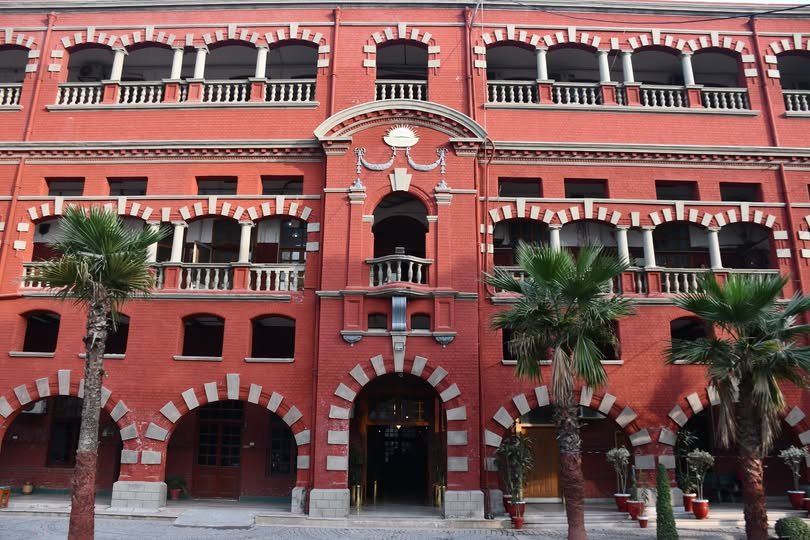
Governs agency overseeing land revenue, territorial boundaries, and land-related matters.
Punjab Land Records Authority
Providing citizens with property records, updating, and administration of Punjab and its rural land.
Provincial Housing & Town Planning Department
Managing urban development, housing policies, & town planning initiatives.
Punjab Urban Unit
Conducting research, data analysis, & urban management solutions.
Important Updates from Punjab
Real Estate & Land News
Published: October 9, 2026 at 4:01 PM
Punjab Information Commission Orders Disclosure of Billions in Flood Expenditure Records
محکمہ آبپاشی کو اربوں کے سیلابی اخراجات کا ریکارڈ پبلک کرنے کا حکم
▫️ Commission rejects Irrigation Department's legal exemptions and administrative burden objections, directs release of Form PW 27 records
▫️ انفارمیشن کمیشن نے فارم پی ڈبلیو 27 کا ریکارڈ روکنے کے لیے قانونی استثنیٰ اور انتظامی مشکلات کے تمام اعتراضات مسترد کردیے
Lahore | ReNews PakistanThe Punjab Information Commission has directed the provincial Irrigation Department to disclose official financial records detailing billions...
Lahore | ReNews Pakistan
The Punjab Information Commission has directed the provincial Irrigation Department to disclose official financial records detailing billions of rupees spent on flood related works and activities during 2025 26, rejecting the department's objections to providing the information under the Punjab Transparency and Right to Information Act, 2013.
The commission issued its order on September 30, 2026, following a complaint filed by a citizen against the Secretary of the Irrigation Department over the department's failure to provide copies of Form PW 27 relating to government expenditure in flood affected areas.
The case centred on the public's right to access official records concerning the utilisation of government funds for flood related activities and the responsibility of public departments to disclose information maintained in their custody.
According to the proceedings, the applicant had requested copies of Form PW 27 containing details of expenditure associated with flood affected areas during the 2025 26 period.
Instead of providing the requested documents, the Irrigation Department initially referred the matter to its eight zonal offices, where the relevant records were reportedly maintained.
The department subsequently raised several objections to the disclosure of the information, including claims of exemption under the provincial right to information law, alleged lack of clarity in the information request and the administrative burden involved in collecting records from multiple offices.
During the commission's proceedings, the department was represented by Public Information Officer Adnan Hassan, who informed the commission that the request had already been forwarded to the relevant zonal offices through a letter dated July 24, 2026.
He explained that the requested information was available with the department's eight zones, while the provision of Form PW 27 copies relating to flood-affected areas during the 2025 26 flood season remained pending.
After examining the department's position, the Punjab Information Commission rejected its objections and ordered the release of the requested records to the applicant.
The commission did not accept the department's reliance on legal exemptions, alleged ambiguity in the request or administrative difficulties as sufficient grounds for withholding the information.
The ruling requires the Irrigation Department to provide the requested Form PW 27 documents relating to expenditure on flood related works and activities during the specified period.
Form PW 27 is an official expenditure record relevant to the accounting and examination of government spending on public works and associated activities.
The requested documents are particularly significant because they concern expenditure running into billions of rupees on flood related operations and works in affected areas.
Access to such records can help establish how public resources were utilised, identify the nature of expenditure recorded by the department and facilitate scrutiny of financial transactions associated with flood management activities.
The Punjab Transparency and Right to Information Act, 2013, establishes a legal framework enabling citizens to seek information held by public bodies, subject to exemptions provided under the law.
The legislation is intended to promote transparency, accountability and public access to government information, including records relating to the use of public funds.
The case also highlights the administrative challenges that may arise when official records are maintained across multiple regional or zonal offices.
However, the commission's decision makes clear that the objections raised by the Irrigation Department in this case did not justify withholding the requested documents.
Public access to expenditure records is particularly important in the context of flood-related activities, where substantial government resources may be used for emergency works, protective infrastructure, rehabilitation and other necessary measures.
Disclosure of the relevant records would allow the applicant to examine the expenditure reported in Form PW 27 and assess the financial information associated with flood related works during 2025 26.
The commission's order addresses the applicant's right to obtain the requested records and does not, by itself, establish financial irregularities or misuse of public funds.
لاہور | ری نیوز پاکستان
پنجاب انفارمیشن کمیشن نے محکمہ آبپاشی کی جانب سے سیلاب سے متاثرہ علاقوں میں اربوں روپے کے سرکاری اخراجات کی تفصیلات پر مشتمل ریکارڈ فراہم نہ کرنے کے لیے پیش کیے گئے اعتراضات مسترد کرتے ہوئے مالی سال 2025-26 کے دوران سیلابی علاقوں سے متعلق فارم پی ڈبلیو 27 کی تمام مطلوبہ نقول درخواست گزار شہری کو فراہم کرنے کا حکم دے دیا ہے۔
کمیشن نے یہ فیصلہ سیکریٹری محکمہ آبپاشی کے خلاف ایک شہری کی جانب سے دائر شکایت پر 30 ستمبر 2026 کو جاری کیا، جس میں صوبائی محکمہ آبپاشی کی طرف سے سرکاری اخراجات سے متعلق معلومات تک رسائی میں رکاوٹ ڈالنے کے معاملے کا جائزہ لیا گیا۔
شکایت میں مؤقف اختیار کیا گیا تھا کہ سیلاب سے متاثرہ علاقوں میں مختلف سرگرمیوں اور کاموں پر ہونے والے سرکاری اخراجات کی تفصیلات حاصل کرنے کے لیے محکمہ آبپاشی سے فارم پی ڈبلیو 27 کا ریکارڈ طلب کیا گیا تھا، تاہم متعلقہ حکام کی جانب سے مطلوبہ دستاویزات فراہم نہیں کی گئیں۔
محکمہ آبپاشی نے ابتدائی طور پر معلومات فراہم کرنے کے بجائے درخواست کو اپنے 8 زونل دفاتر کو بھجوا دیا، جہاں متعلقہ ریکارڈ موجود ہونے کا بتایا گیا۔
بعد ازاں محکمے نے ریکارڈ کی فراہمی سے متعلق مختلف اعتراضات اٹھائے، جن میں پنجاب شفافیت اور معلومات تک رسائی کے قانون 2013 کے تحت قانونی استثنیٰ کا دعویٰ، درخواست میں مطلوبہ معلومات کی مبینہ عدم وضاحت اور مختلف دفاتر سے ریکارڈ اکٹھا کرنے کے نتیجے میں انتظامی مشکلات پیدا ہونے کا مؤقف شامل تھا۔
کمیشن کے روبرو محکمہ آبپاشی کے پبلک انفارمیشن آفیسر عدنان حسن پیش ہوئے اور بتایا کہ 24 جولائی 2026 کو جاری کیے گئے خط کے ذریعے درخواست کو متعلقہ زونل دفاتر کو بھجوایا جا چکا تھا۔
انہوں نے کمیشن کو آگاہ کیا کہ مطلوبہ ریکارڈ محکمہ آبپاشی کے 8 زونز میں موجود ہے، تاہم 2025-26 کے سیلابی سیزن کے دوران متاثرہ علاقوں سے متعلق فارم پی ڈبلیو 27 کی نقول فراہم کرنے کا معاملہ تاحال زیر التوا تھا۔
پنجاب انفارمیشن کمیشن نے معاملے کا جائزہ لینے کے بعد محکمہ آبپاشی کے اعتراضات مسترد کردیے اور واضح کیا کہ مطلوبہ ریکارڈ کی مختلف زونل دفاتر میں موجودگی یا اسے اکٹھا کرنے سے پیدا ہونے والی انتظامی مشکلات شہری کو معلومات تک رسائی دینے سے انکار کی کافی بنیاد نہیں بن سکتیں۔
کمیشن نے محکمہ آبپاشی کو ہدایت کی کہ سیلاب سے متاثرہ علاقوں میں ہونے والے اخراجات کی تفصیلات سے متعلق فارم پی ڈبلیو 27 کا تمام مطلوبہ ریکارڈ درخواست گزار کو فراہم کیا جائے۔
فارم پی ڈبلیو 27 سرکاری اخراجات کی تفصیلات سے متعلق ایک اہم دستاویز ہے، جس کے ذریعے سیلابی علاقوں میں مختلف کاموں اور سرگرمیوں پر ہونے والے اخراجات کا جائزہ لیا جاسکتا ہے۔
مطلوبہ ریکارڈ میں اربوں روپے کے اخراجات سے متعلق معلومات شامل ہونے کے باعث اس معاملے کو مالی شفافیت اور عوامی وسائل کے استعمال کے حوالے سے اہم قرار دیا جا رہا ہے۔
پنجاب شفافیت اور معلومات تک رسائی کا قانون 2013 شہریوں کو سرکاری اداروں کے پاس موجود عوامی اہمیت کی معلومات حاصل کرنے کا حق فراہم کرتا ہے، جبکہ معلومات کی فراہمی سے انکار صرف متعلقہ قانون میں موجود قابل اطلاق استثنیٰ کی بنیاد پر ہی کیا جاسکتا ہے۔
سرکاری اخراجات سے متعلق ریکارڈ کی دستیابی عوامی فنڈز کے استعمال، منصوبوں پر ہونے والے اخراجات اور متعلقہ اداروں کی مالی جوابدہی کا جائزہ لینے کے لیے اہم سمجھی جاتی ہے۔
خصوصاً سیلاب جیسے ہنگامی حالات میں سرکاری وسائل کے استعمال سے متعلق معلومات کی فراہمی اس لیے اہم ہوتی ہے کہ متاثرہ علاقوں میں کیے گئے اقدامات، اخراجات اور متعلقہ کاموں کی نوعیت کا ریکارڈ عوام اور متعلقہ نگرانی کے اداروں کے سامنے آسکے
Published: October 9, 2026 at 2:01 PM
Punjab Makes Registration Mandatory for Deed Writers, Sets October 12 Deadline
پنجاب میں اسٹامپ فروشوں کی رجسٹریشن لازمی قرار، 12 اکتوبر کی ڈیڈ لائن مقرر
▫️ Unregistered deed writers will be barred from preparing property registration documents and other legal deeds after the deadline, while new applicants must have biometric verification machines
▫️ مقررہ تاریخ کے بعد غیر رجسٹرڈ وثیقہ نویس جائیدادوں کی رجسٹری تیار نہیں کرسکیں گے، نئے وثیقہ نویسوں کے لیے بائیومیٹرک بھی لازم
Rawalpindi | ReNews PakistanThe Punjab government has made registration mandatory for deed writers across the province, setting October 12, 2026,...
Rawalpindi | ReNews Pakistan
The Punjab government has made registration mandatory for deed writers across the province, setting October 12, 2026, as the deadline for compliance as part of efforts to improve transparency, accountability and regulation in property documentation and land registration services.
Under the new requirement, unregistered deed writers will no longer be permitted to prepare property registration documents and other legal deeds after the specified deadline.
According to an announcement issued by the Punjab Land Records Authority (PLRA), only registered deed writers will be authorised to prepare legal deeds across Punjab from October 12.
The authority has directed individuals associated with the profession to complete their registration before the deadline to avoid disruptions to their professional activities.
The new arrangements also require newly registering deed writers to have modern biometric machines, a measure intended to integrate document preparation services with the province's expanding digital land records management system.
The initiative is aimed at strengthening oversight of professionals involved in preparing property-related documents, improving the reliability of documentation and promoting greater transparency in property transactions.
Deed writers play an important role in preparing sale deeds, property transfer documents, agreements and other legal instruments used in property transactions.
The introduction of mandatory registration is expected to help authorities maintain a formal record of individuals providing these services and improve accountability within the property documentation sector.
The move may also help discourage unauthorised individuals from preparing legal documents and facilitate better monitoring of documentation practices.
Punjab has already introduced several digital initiatives in the property and land administration sector, including electronic stamp papers, online property registration services and computerised land records.
These reforms are intended to simplify documentation procedures, improve access to land-related services and reduce the risks associated with fraudulent or unverifiable property documents.
The Punjab Land Records Authority operates an electronic property registration system through which various stages of the documentation and registration process can be completed digitally.
The mandatory registration of deed writers represents another step towards integrating property documentation services into the province's broader digital governance framework.
The new requirement will affect deed writers operating in Rawalpindi, Lahore, Faisalabad, Multan, Gujranwala and other districts across Punjab.
Individuals currently providing deed-writing services will need to ensure that their registration is completed before October 12 to continue preparing documents under the revised arrangements.
For property buyers, sellers and other individuals involved in real estate transactions, the development is significant because the registration status of deed writers will become an important consideration when seeking professional documentation services.
The authority has urged all concerned professionals to complete the registration process within the specified timeframe to ensure a smooth transition to the new system.
From October 12, 2026, only registered deed writers will be authorised to prepare deeds under the new provincial arrangements, marking a further step towards regulating property documentation practices and strengthening transparency in Punjab's land administration system.
راولپنڈی | ری نیوز پاکستان
پنجاب حکومت نے صوبے بھر میں اسٹامپ فروشوں کے نظام کو منظم اور شفاف بنانے کے لیے تمام وثیقہ نویسوں کی رجسٹریشن لازمی قرار دیتے ہوئے 12 اکتوبر 2026 کی ڈیڈ لائن مقرر کردی ہے، جس کے بعد کوئی بھی غیر رجسٹرڈ وثیقہ نویس جائیدادوں کی رجسٹری سمیت دیگر قانونی دستاویزات تیار کرنے کا مجاز نہیں ہوگا۔
پنجاب لینڈ ریکارڈز اتھارٹی کی جانب سے جاری اعلان کے مطابق 12 اکتوبر سے صوبے بھر میں صرف باقاعدہ رجسٹرڈ وثیقہ نویس ہی وثیقہ جات تیار کرسکیں گے، جبکہ اس شعبے سے وابستہ افراد کو مقررہ تاریخ سے قبل اپنی رجسٹریشن مکمل کرنے کی ہدایت کی گئی ہے۔
اتھارٹی نے واضح کیا ہے کہ نئے وثیقہ نویسوں کے لیے جدید بائیومیٹرک مشین کی دستیابی بھی لازمی ہوگی تاکہ دستاویزات کی تیاری کے نظام کو جدید ٹیکنالوجی سے ہم آہنگ کیا جاسکے۔
اس اقدام کا بنیادی مقصد جائیدادوں کی خرید و فروخت، انتقال ملکیت اور دیگر قانونی معاملات سے متعلق دستاویزات کی تیاری کے عمل کو زیادہ منظم، قابل اعتماد اور شفاف بنانا ہے۔
وثیقہ نویس جائیدادوں کی خرید و فروخت، معاہدوں اور دیگر قانونی دستاویزات کی تیاری میں اہم کردار ادا کرتے ہیں۔ نئے نظام کے نفاذ سے اس شعبے سے وابستہ افراد کی شناخت اور رجسٹریشن کا باقاعدہ ریکارڈ مرتب کرنے میں مدد مل سکتی ہے۔
رجسٹریشن کی لازمی شرط کے باعث غیر رجسٹرڈ افراد کے ذریعے دستاویزات کی تیاری کو روکنے اور متعلقہ خدمات کی نگرانی بہتر بنانے میں بھی مدد ملنے کی توقع ہے۔
پنجاب میں جائیدادوں کی رجسٹریشن اور لینڈ ریکارڈ کی خدمات کو پہلے ہی مرحلہ وار ڈیجیٹل نظام سے منسلک کیا جا رہا ہے۔ صوبے میں ای اسٹامپنگ اور الیکٹرانک رجسٹریشن جیسے اقدامات کا مقصد دستاویزی کارروائی کو آسان بنانا، ریکارڈ کی تصدیق میں سہولت فراہم کرنا اور جعل سازی کے امکانات کم کرنا ہے۔
اس سلسلے میں پنجاب لینڈ ریکارڈز اتھارٹی کا آن لائن رجسٹریشن نظام بھی دستیاب ہے، جس کے ذریعے جائیدادوں کی رجسٹری سے متعلق مختلف مراحل کو ڈیجیٹل انداز میں مکمل کیا جاتا ہے۔
وثیقہ نویسوں کی رجسٹریشن کا نیا فیصلہ اسی وسیع تر ڈیجیٹل نظام کا حصہ ہے، جس کے تحت پراپرٹی سے متعلق دستاویزات تیار کرنے والے افراد کو باقاعدہ نظام سے منسلک کیا جا رہا ہے۔
نئی پابندی کا اطلاق 12 اکتوبر 2026 سے ہوگا، اس لیے وثیقہ نویسی کے شعبے سے وابستہ افراد کو مقررہ تاریخ سے پہلے اپنی رجسٹریشن مکمل کرنا ہوگی تاکہ وہ نئے نظام کے تحت اپنی پیشہ ورانہ سرگرمیاں جاری رکھ سکیں۔
اس فیصلے سے راولپنڈی، لاہور، فیصل آباد، ملتان، گوجرانوالہ اور پنجاب کے دیگر اضلاع میں جائیدادوں کی خرید و فروخت سے متعلق دستاویزات تیار کرنے والے افراد متاثر ہوں گے۔
شہریوں کے لیے بھی یہ تبدیلی اہم ہوگی کیونکہ نئے نظام کے تحت وثیقہ نویس کی رجسٹریشن کی حیثیت جائیدادوں سے متعلق دستاویزی خدمات حاصل کرنے کے دوران ایک اہم پہلو بن جائے گی۔
پنجاب لینڈ ریکارڈز اتھارٹی نے متعلقہ افراد پر زور دیا ہے کہ وہ مقررہ ڈیڈ لائن سے قبل رجسٹریشن کا عمل مکمل کریں تاکہ 12 اکتوبر کے بعد وثیقہ جات کی تیاری میں کسی قسم کی دشواری کا سامنا نہ کرنا پڑے.
Published: October 8, 2026 at 4:01 PM
FBR Imposes Up to Rs 35 Per Unit Sales Tax on Steel Industry Electricity Consumption
سٹیل انڈسٹری کے بجلی بلوں پر 35 روپے تک فی یونٹ سیلز ٹیکس عائد
▫️ New tax framework covers steel melters, re rollers and captive power users, with Rs 5 per unit concessional rate available to manufacturers meeting imported scrap requirements
▫️ مقامی سکریپ استعمال کرنے والی سٹیل ملوں پر 30 روپے، شرائط پوری کرنے والے درآمدی سکریپ پر 5 روپے فی یونٹ ٹیکس لاگو، نوٹیفکیشن جاری
Lahore | ReNews PakistanThe Federal Board of Revenue (FBR) has introduced a revised sales tax collection mechanism for Pakistan's steel...
Lahore | ReNews Pakistan The Federal Board of Revenue (FBR) has introduced a revised sales tax collection mechanism for Pakistan's steel industry, imposing rates of up to Rs 35 per unit of electricity consumed by certain manufacturers, including steel melting units, re-rolling mills and businesses operating captive power generation facilities.
The measure, introduced through SRO and subsequently amended through SRO , establishes different tax rates based on the nature of industrial operations, sources of raw materials and electricity consumption arrangements.
According to the FBR notification, the original framework became effective on July 1, 2026, with subsequent amendments introducing further provisions for specific categories of steel manufacturers and industrial units operating in designated regions.
Under the new arrangements, steel melters, re rolling mills and composite steel melting and re rolling units are required to pay sales tax calculated on the basis of electricity consumed during production.
Manufacturers using locally sourced remeltable iron and steel scrap are subject to a general sales tax rate of Rs 30 per electricity unit consumed.
Steel re rollers manufacturing steel bars using either imported or locally sourced raw materials are also subject to a rate of Rs 30 per unit under the amended framework.
However, manufacturers meeting specified imported scrap requirements can qualify for a substantially lower sales tax rate of Rs 5 per electricity unit.
The concession applies to eligible manufacturers whose imported scrap consumption exceeds 70 percent of their relevant raw material consumption during the preceding 12 months, subject to the prescribed documentation and monitoring requirements.
Eligible purchases of specified scrap directly from businesses registered under the Export Facilitation Scheme (EFS) may also qualify for the reduced rate.
The FBR has linked concessional treatment to compliance with its computerized monitoring and documentation systems, making verification of raw material purchases and production records an important part of determining eligibility.
Under the original notification, steel manufacturers operating through captive power arrangements or using self generated electricity were assigned a sales tax rate of Rs 35 per unit consumed.
The framework is therefore not restricted to factories purchasing electricity from distribution companies but also covers relevant steel manufacturers generating electricity independently.
This includes certain industrial operations using captive generation facilities or alternative energy sources for production.
The FBR has also established electricity consumption thresholds for classifying steel manufacturers.
Under the original rules, manufacturers consuming 500,000 or more electricity units per month through a single meter are generally categorized as steel melters or composite units, depending on the nature of their manufacturing activities.
Manufacturers consuming fewer than 500,000 units per month fall under the steel re-rolling category under the prescribed classification mechanism.
The September 2026 amendments also introduced specific provisions for steel manufacturers operating in the former Federally Administered Tribal Areas (FATA) and Provincially Administered Tribal Areas (PATA).
لاہور | ری نیوز پاکستان فیڈرل بورڈ آف ریونیو (ایف بی آر) نے ملک بھر میں سٹیل انڈسٹری کے مختلف شعبوں کے لیے بجلی کی کھپت کی بنیاد پر سیلز ٹیکس کی وصولی کا نیا نظام نافذ کردیا ہے، جس کے تحت سٹیل میلٹنگ، ری رولنگ اور کیپٹو پاور استعمال کرنے والے بعض صنعتی یونٹس پر 35 روپے فی یونٹ تک سیلز ٹیکس عائد کیا گیا ہے۔
ایف بی آر کے جاری کردہ نوٹیفکیشن کے مطابق ٹیکس کی نئی شرحوں کا اطلاق یکم جولائی 2026 سے کیا گیا ہے۔
نوٹیفکیشن کے تحت سٹیل میلٹرز، ری رولنگ ملز اور سٹیل میلٹنگ و ری رولنگ کے مشترکہ صنعتی یونٹس کو بجلی کی فی یونٹ کھپت کے حساب سے سیلز ٹیکس ادا کرنا ہوگا۔ اس نظام میں صنعتی یونٹ کی نوعیت، خام مال کے ذرائع اور بجلی کی پیداوار یا حصول کے طریقہ کار کو ٹیکس کی شرح کے تعین کی بنیاد بنایا گیا ہے۔
ایف بی آر کے مطابق مقامی آئرن اور سٹیل سکریپ استعمال کرنے والے سٹیل میلٹرز اور مشترکہ صنعتی یونٹس کے لیے عمومی شرح 30 روپے فی یونٹ مقرر کی گئی ہے، جبکہ درآمد شدہ یا مقامی خام مال سے سٹیل بارز تیار کرنے والے ری رولرز پر بھی 30 روپے فی یونٹ سیلز ٹیکس عائد ہوگا۔
اس کے برعکس ایسے سٹیل مینوفیکچررز جو گزشتہ 12 ماہ کے دوران مجموعی خام مال میں 70 فیصد سے زیادہ درآمد شدہ سکریپ استعمال کرتے ہیں، مخصوص شرائط پوری کرنے پر 5 روپے فی یونٹ کی رعایتی شرح سے فائدہ اٹھا سکیں گے۔
یہ رعایت ایکسپورٹ فیسلیٹیشن سکیم کے تحت رجسٹرڈ اداروں سے براہِ راست حاصل کردہ مخصوص سکریپ استعمال کرنے والے اہل صنعتی یونٹس کے لیے بھی دستیاب ہوگی، بشرطیکہ وہ ایف بی آر کی دستاویزی اور نگرانی سے متعلق شرائط پوری کرتے ہوں۔
ابتدائی نوٹیفکیشن کے مطابق کیپٹو پاور یا خود پیدا کردہ بجلی پر چلنے والے متعلقہ سٹیل مینوفیکچررز کے لیے 35 روپے فی یونٹ سیلز ٹیکس مقرر کیا گیا تھا۔ اس نظام کا اطلاق صرف بجلی کی تقسیم کار کمپنیوں سے بجلی حاصل کرنے والے یونٹس تک محدود نہیں بلکہ اپنی توانائی پیدا کرنے والے متعلقہ صنعتی اداروں پر بھی ہوتا ہے۔
ایف بی آر نے سٹیل کے صنعتی یونٹس کی درجہ بندی کے لیے بجلی کی ماہانہ کھپت کو بھی ایک اہم معیار مقرر کیا ہے۔ ابتدائی قواعد کے مطابق ایک ہی بجلی میٹر پر ماہانہ 5 لاکھ یا اس سے زیادہ یونٹس استعمال کرنے والے متعلقہ مینوفیکچررز کو سٹیل میلٹرز یا مشترکہ یونٹس کے زمرے میں رکھا جائے گا، جبکہ اس سے کم کھپت والے یونٹس کو ری رولرز کے زمرے میں شمار کیا جائے گا۔
ستمبر 2026 میں جاری کردہ ترمیمی ایس آر او کے ذریعے سابق فاٹا اور پاٹا کے مخصوص صنعتی یونٹس کے لیے ٹیکس کی رعایتی شرحیں بھی متعین کی گئی ہیں۔
ترمیمی قواعد کے مطابق ان علاقوں میں مقامی سکریپ استعمال کرنے والے اہل سٹیل میلٹرز اور مشترکہ یونٹس کے لیے 20 روپے فی یونٹ سیلز ٹیکس مقرر کیا گیا ہے، جبکہ بعض شرائط کے تحت درآمدی خام مال استعمال کرنے والے یونٹس 5 روپے فی یونٹ کی رعایت حاصل کرسکیں گے۔
ایف بی آر نے نئے قائم ہونے والے یا بندش کے بعد دوبارہ پیداوار شروع کرنے والے صنعتی یونٹس کے لیے بھی رعایتی ٹیکس کی اہلیت جانچنے کا طریقہ کار متعین کیا ہے، جس کے تحت بعض معاملات میں خام مال کی سہ ماہی درآمدات یا خریداری کو بنیاد بنایا جائے گا۔
نوٹیفکیشن کے مطابق بجلی کی کھپت کی بنیاد پر وصول کیا جانے والا سیلز ٹیکس متعلقہ صنعتی یونٹس کے آؤٹ پٹ سیلز ٹیکس کے مقابل ایڈجسٹ کیا جاسکے گا، جس کا مقصد ٹیکس وصولیوں کو پیداواری سرگرمیوں اور دستاویزی ریکارڈ سے منسلک کرنا ہے۔
ٹیکس کی بروقت ادائیگی نہ کرنے والے صنعتی صارفین کو بجلی کی فراہمی منقطع کرنے سمیت متعلقہ قانونی کارروائی کا سامنا کرنا پڑسکتا ہے۔ بجلی کی تقسیم کار کمپنیوں کو ہدایت کی گئی ہے کہ وہ متعلقہ صنعتی یونٹس سے مقررہ شرحوں کے مطابق ٹیکس وصولی یقینی بنائیں۔
سٹیل انڈسٹری کے لیے بجلی کی کھپت کی بنیاد پر ٹیکس کی وصولی کا نظام ایسے وقت نافذ کیا گیا ہے جب ملک میں صنعتی پیداوار کی لاگت، توانائی کے نرخ اور خام مال کی قیمتیں کاروباری سرگرمیوں کے لیے اہم عوامل بن چکے ہیں۔