

Published: June 8, 2026 - 10:35 AM
Limited Access to Housing Finance and Mortgage Facilities: A Key Challenge for Real Estate
ہاؤسنگ فنانس اور مارگیج سہولیات تک محدود رسائی؛ رئیل اسٹیٹ کا ایک اہم مسئلہ
Pakistan’s real estate sector is counted among the important pillars of the economy.
However, several fundamental obstacles continue to limit its true potential. One of the most significant issues is limited access to housing finance and mortgage facilities.
In most developed and emerging economies, middle and low income groups are provided long term and affordable loan facilities to purchase homes. In Pakistan, however, this segment has yet to develop to the required level.
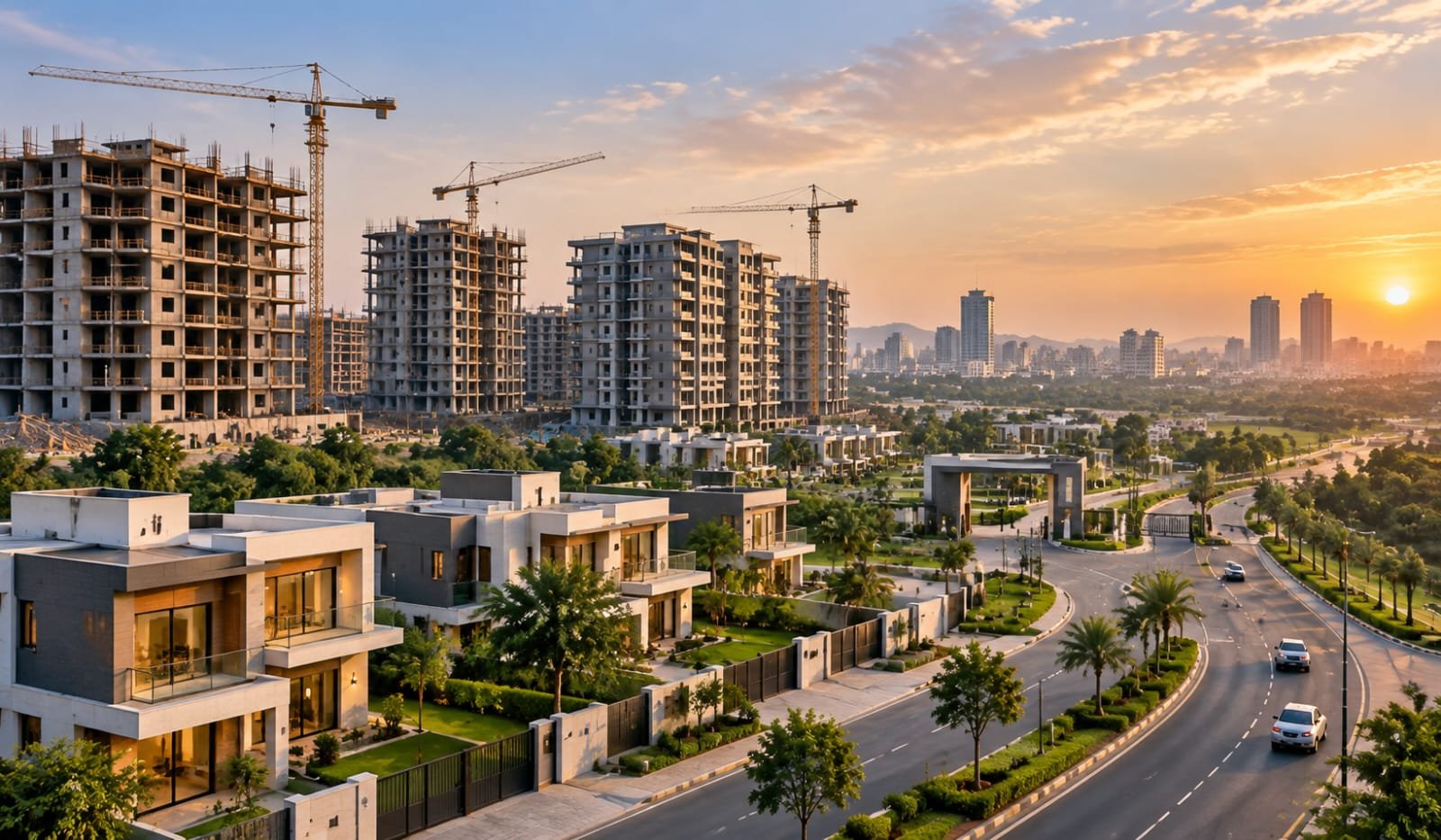
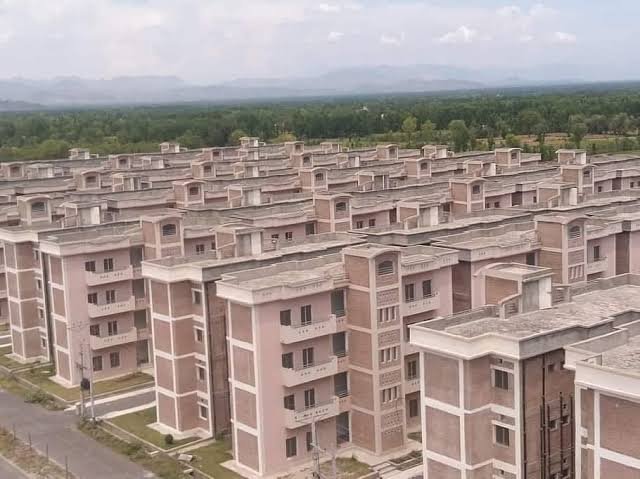
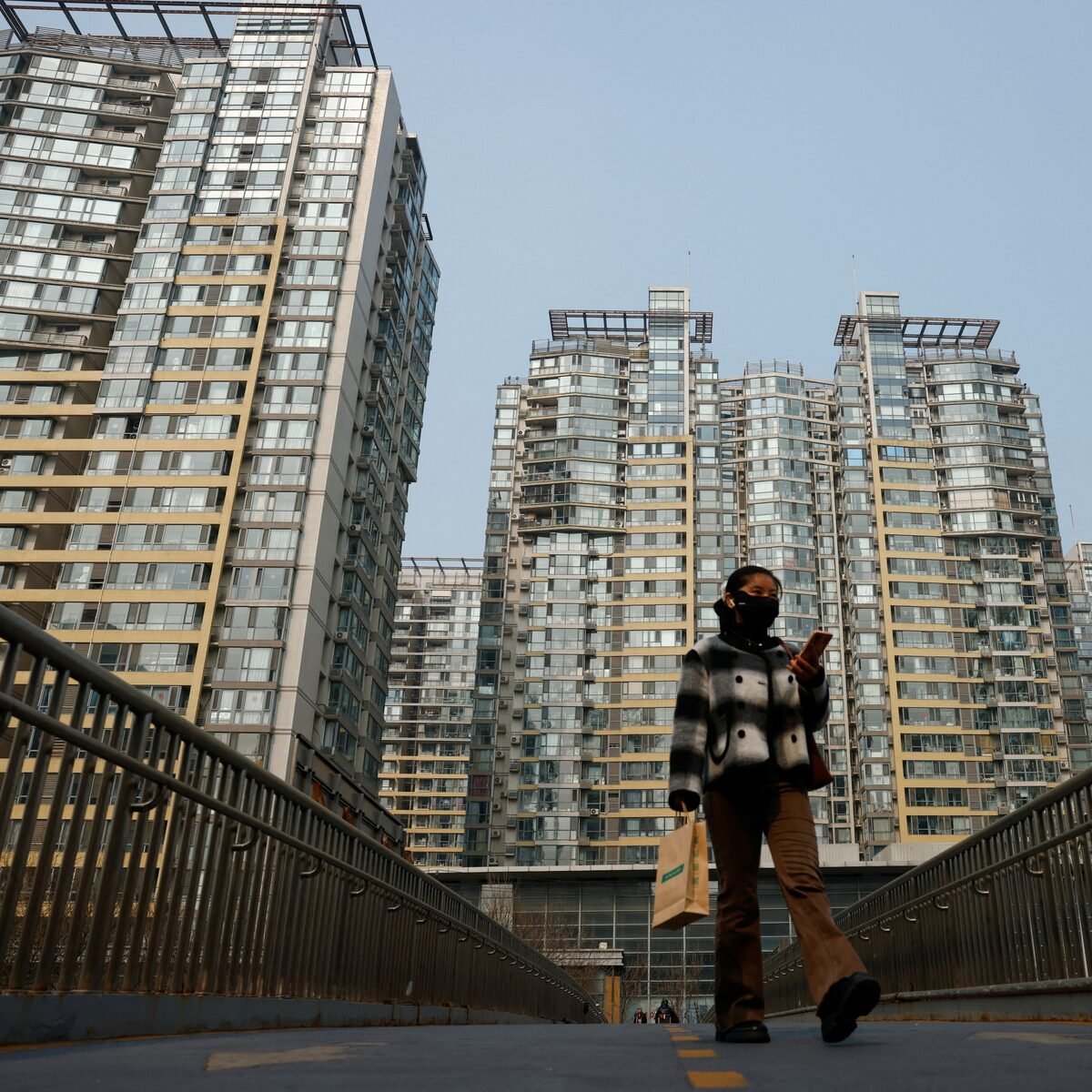
The gap between house prices and public income in Pakistan is continuously widening. In major cities, the price of an ordinary residential unit has reached not just hundreds of thousands but millions of rupees, making it impossible for most people to pay such a large amount in one go.
In such circumstances, housing finance becomes the key channel that allows individuals to acquire a home through gradual payments. Yet the volume of mortgage financing in the country remains extremely low compared with the gross domestic product.
Strict conditions imposed by banks for housing loans, high interest rates, complicated documentation requirements and the need for formal proof of income are major hurdles. A large segment of Pakistan’s population is linked to the informal economy, due to which many people are unable to prove their actual income and are consequently deprived of access to loans. In addition, frequent fluctuations in interest rates also affect the confidence of borrowers.
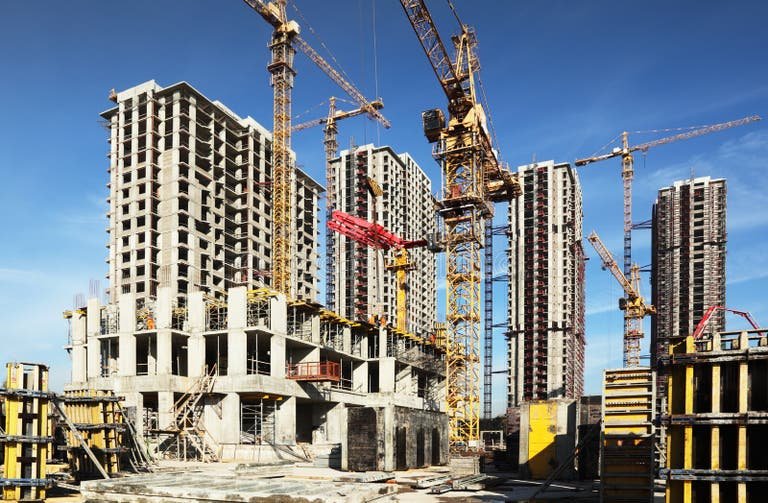
Limited availability of housing finance not only affects homebuyers but also slows the growth of the construction industry, cement, steel, tiles, wood, electrical products and dozens of other related sectors. This is why experts describe housing finance not merely as a financial facility but as an effective tool for stimulating economic activity.
The government, State Bank, financial institutions and the private sector will have to expand the scope of housing finance through a joint strategy. This issue can be addressed through long term loans at low interest rates, digital credit assessment, simplified documentation procedures and special schemes for low income groups.
Until home ownership becomes financially accessible for ordinary citizens, Pakistan’s housing crisis and the sluggishness of the real estate sector cannot be fully resolved.
پاکستان میں رئیل اسٹیٹ کا شعبہ معیشت کے اہم ستونوں میں شمار ہوتا ہے، تاہم اس کی ترقی کی راہ میں حائل چند بنیادی رکاوٹیں اس شعبے کی حقیقی صلاحیت کو محدود کر رہی ہیں۔ ان میں سب سے اہم مسئلہ ہاؤسنگ فنانس اور مارگیج سہولیات تک محدود رسائی ہے۔
دنیا کے بیشتر ترقی یافتہ اور ابھرتی ہوئی معیشتوں میں متوسط اور کم آمدنی والے طبقے کو گھر کی خریداری کے لیے طویل المدتی اور آسان قرضوں کی سہولت فراہم کی جاتی ہے، لیکن پاکستان میں یہ شعبہ ابھی تک مطلوبہ سطح تک ترقی نہیں کر سکا۔
پاکستان میں گھروں کی قیمتوں اور عوام کی آمدنی کے درمیان فرق مسلسل بڑھ رہا ہے۔ بڑے شہروں میں ایک عام رہائشی یونٹ کی قیمت لاکھوں نہیں بلکہ کروڑوں روپے تک پہنچ چکی ہے، جبکہ اکثریت کے لیے اتنی بڑی رقم یکمشت ادا کرنا ممکن نہیں۔ ایسے حالات میں ہاؤسنگ فنانس ہی وہ ذریعہ ہوتا ہے جو افراد کو بتدریج ادائیگی کے ذریعے اپنا گھر حاصل کرنے کا موقع فراہم کرتا ہے، مگر ملک میں مارگیج فنانسنگ کا حجم مجموعی قومی پیداوار کے مقابلے میں انتہائی کم ہے۔
بینکوں کی جانب سے ہاؤسنگ قرضوں کے لیے سخت شرائط، بلند شرح سود، پیچیدہ دستاویزی تقاضے اور آمدنی کے باضابطہ ثبوت کی ضرورت بڑی رکاوٹیں ہیں۔ پاکستان کی بڑی آبادی غیر رسمی معیشت سے وابستہ ہے، جس کے باعث بہت سے افراد اپنی حقیقی آمدنی ثابت نہیں کر پاتے اور قرض کے حصول سے محروم رہ جاتے ہیں۔ اس کے علاوہ شرح سود میں بار بار اتار چڑھاؤ بھی قرض لینے والوں کے اعتماد کو متاثر کرتا ہے۔
ہاؤسنگ فنانس کی محدود دستیابی نہ صرف گھر خریدنے والوں کو متاثر کرتی ہے بلکہ تعمیراتی صنعت، سیمنٹ، سٹیل، ٹائلز، لکڑی، الیکٹریکل مصنوعات اور دیگر درجنوں متعلقہ شعبوں کی ترقی کو بھی سست کر دیتی ہے۔ یہی وجہ ہے کہ ماہرین ہاؤسنگ فنانس کو صرف ایک مالیاتی سہولت نہیں بلکہ معاشی سرگرمیوں کو متحرک کرنے کا مؤثر ذریعہ قرار دیتے ہیں۔
حکومت، سٹیٹ بینک، مالیاتی اداروں اور نجی شعبے کو مشترکہ حکمت عملی کے تحت ہاؤسنگ فنانس کے دائرہ کار کو وسعت دینا ہوگی۔ کم شرح سود پر طویل المدتی قرضوں، ڈیجیٹل کریڈٹ اسیسمنٹ، آسان دستاویزی طریقہ کار اور کم آمدنی والے طبقے کے لیے خصوصی اسکیموں کے ذریعے اس مسئلے پر قابو پایا جا سکتا ہے۔
جب تک عام شہری کے لیے گھر کی خریداری مالی طور پر قابل رسائی نہیں بنتی، پاکستان میں ہاؤسنگ بحران اور رئیل اسٹیٹ سیکٹر کی سست روی کا مسئلہ مکمل طور پر حل نہیں ہو سکے گا۔