

Published: June 29, 2026 - 11:41 AM
قیاس آرائی پر مبنی خرید و فروخت اور مصنوعی قیمتوں میں اضافہ: رئیل اسٹیٹ مارکیٹ کیلئے ایک بڑا چیلنج
قیاس آرائی پر مبنی خرید و فروخت اور مصنوعی قیمتوں میں اضافہ: رئیل اسٹیٹ مارکیٹ کیلئے ایک بڑا چیلنج
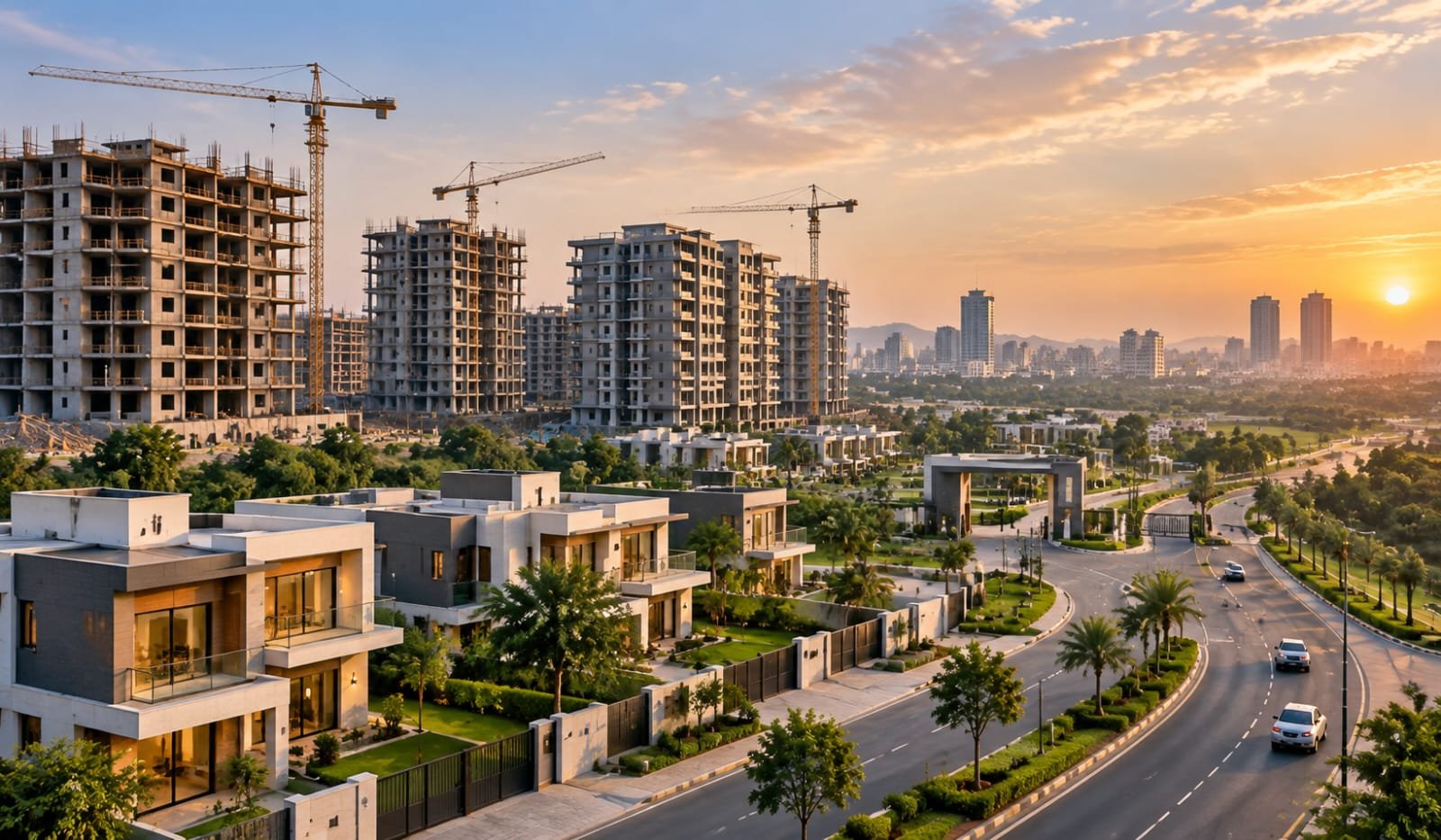
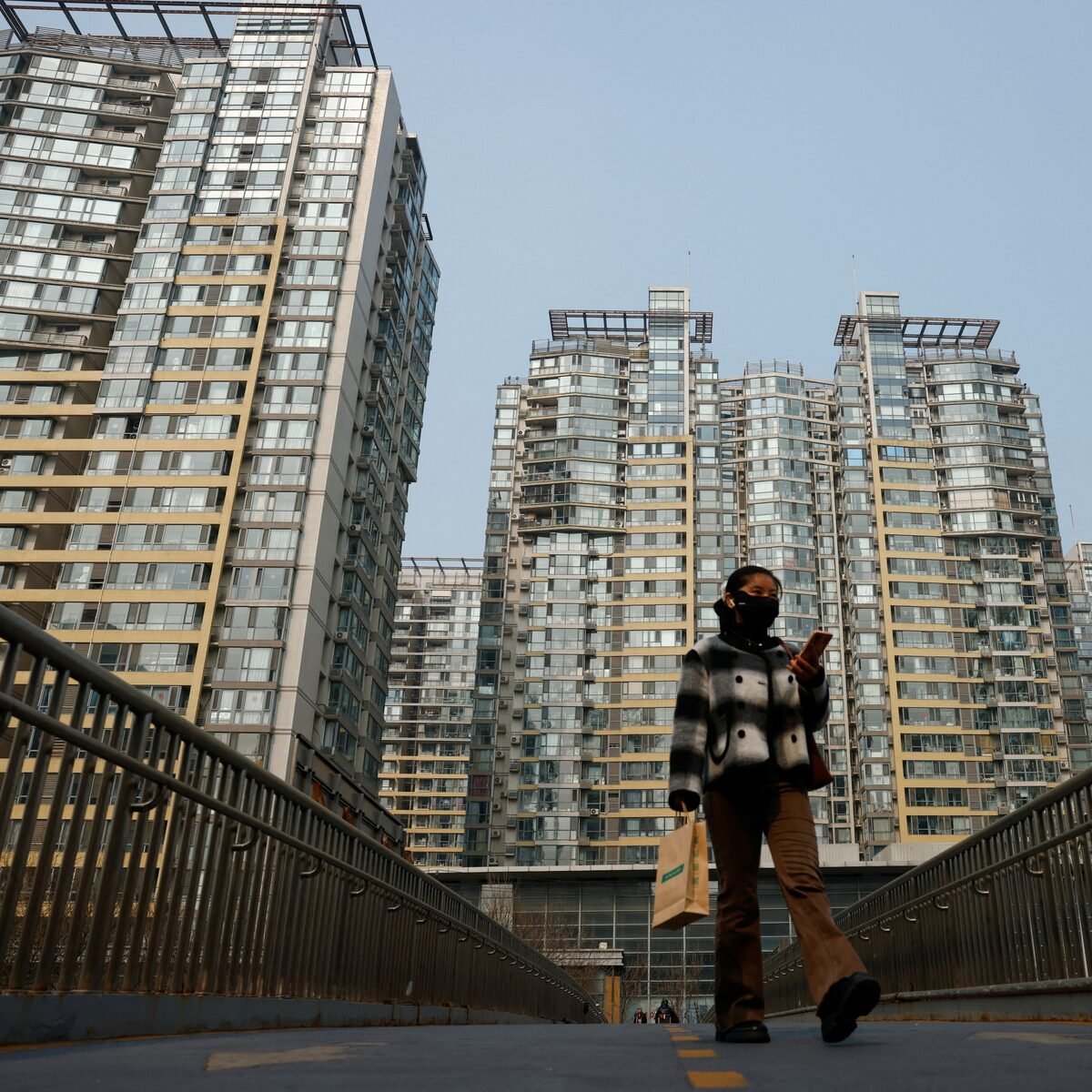
Pakistan’s real estate sector plays an important role in the national economy, construction activity and job creation. However, one of the most serious challenges facing this sector is speculative buying and artificial price inflation. This trend has not only distorted the real market value of property but has also made homeownership increasingly difficult for middle and low income households.
Speculative buying refers to investment in property not for actual use or development, but mainly with the expectation that prices will rise in the future and the asset can be sold at a higher profit. Over the past two decades, this trend has been visible in many Pakistani cities, where large scale investment in plots and housing schemes was driven more by profit expectations and wealth parking than genuine housing need.
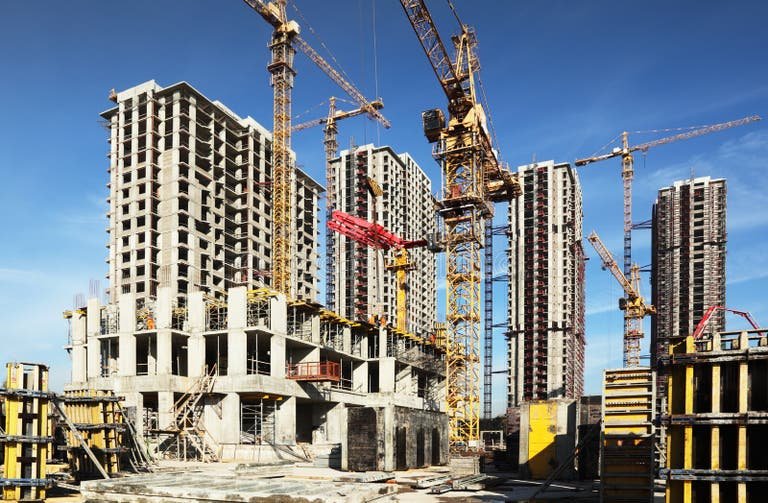
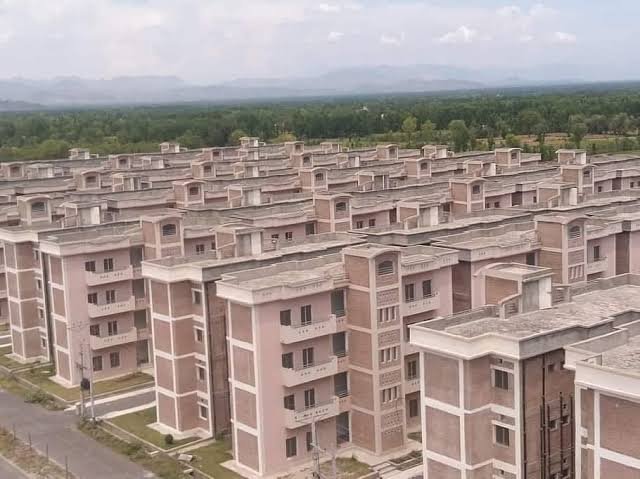
As a result, property prices continued to rise artificially instead of being determined by real demand and supply. In some areas, land and plots were sold multiple times, yet no construction took place and no residents moved in. This situation encouraged the “file culture” and undeveloped housing schemes, where prices were pushed upward through paper based transactions.
The greatest burden of artificial price inflation falls on ordinary citizens. When property prices rise far beyond income levels, it becomes almost impossible for the middle class to buy a home. Housing finance programs also become less effective because borrowers’ repayment capacity remains limited. As a result, genuine housing demand is suppressed while the market becomes dominated by investors.
This trend is also harmful for the wider economy. Capital that could be used in productive sectors, industry, exports and business activity remains locked in inactive land and plots. This slows economic activity, delays construction and reduces the government’s potential tax revenue.
The current government has taken several steps to address this issue. In the Federal Budget 2026 27, tax reforms were introduced for the real estate sector, including reductions in withholding tax rates for buyers and sellers, while Section 7E, related to deemed rental income, was abolished to encourage genuine investment and documented transactions. In addition, the government, FBR and provincial revenue authorities are working on digital property valuation, better documentation of transactions, action against benami assets and expansion of the tax net to discourage non transparent investment and artificial price increases.
According to experts, tax reforms alone will not be enough. The government must strengthen transparency in land supply, encourage developed housing projects, introduce an effective policy for vacant plots, improve modern land record systems, provide reliable market data and enhance regulatory oversight. Long term housing finance, urban planning and responsible private sector participation are also essential.
If Pakistan’s real estate market is built on genuine housing needs, transparent investment and sustainable development principles, speculative buying can be reduced significantly. This would help property prices become more stable and aligned with real economic fundamentals, make homeownership more accessible for millions of citizens and support balanced long term growth in the national economy.
پاکستان کا رئیل اسٹیٹ سیکٹر ملکی معیشت، تعمیراتی صنعت اور روزگار کے مواقع پیدا کرنے میں اہم کردار ادا کرتا ہے، لیکن اس شعبے کو درپیش سب سے سنگین مسائل میں سے ایک قیاس آرائی (Speculative Buying) اور مصنوعی قیمتوں میں اضافہ (Artificial Price Inflation) ہے۔ اس رجحان نے نہ صرف جائیداد کی حقیقی مارکیٹ ویلیو کو متاثر کیا ہے بلکہ متوسط اور کم آمدنی والے طبقے کے لیے گھر کی ملکیت کا خواب بھی مزید مشکل بنا دیا ہے۔
قیاس آرائی پر مبنی خرید و فروخت سے مراد ایسی سرمایہ کاری ہے جس میں خریدار جائیداد کو استعمال یا ترقی دینے کے بجائے صرف اس امید پر خریدتا ہے کہ مستقبل میں اس کی قیمت بڑھے گی اور وہ اسے زیادہ منافع پر فروخت کر دے گا۔ پاکستان میں گزشتہ دو دہائیوں کے دوران کئی شہروں میں یہی رجحان نمایاں رہا، جہاں پلاٹس اور رہائشی سکیموں میں حقیقی ضرورت کے بجائے سرمایہ محفوظ رکھنے اور فوری منافع حاصل کرنے کی غرض سے بڑے پیمانے پر سرمایہ کاری کی گئی۔
اس رجحان کے نتیجے میں جائیداد کی قیمتیں حقیقی طلب اور رسد کے بجائے مصنوعی طور پر بڑھتی چلی گئیں۔ بعض علاقوں میں زمین اور پلاٹس کئی مرتبہ خرید و فروخت ہوئے، لیکن وہاں نہ تعمیرات ہوئیں اور نہ ہی لوگ رہائش کے لیے منتقل ہوئے۔ اس صورتحال نے "فائل کلچر" اور غیر ترقی یافتہ ہاؤسنگ سکیموں کو فروغ دیا، جہاں صرف کاغذی لین دین کے ذریعے قیمتوں میں مسلسل اضافہ کیا جاتا رہا۔
مصنوعی قیمتوں میں اضافے کا سب سے زیادہ نقصان عام شہریوں کو پہنچتا ہے۔ جب پراپرٹی کی قیمتیں آمدنی کے مقابلے میں بہت زیادہ بڑھ جائیں تو متوسط طبقے کے لیے گھر خریدنا تقریباً ناممکن ہو جاتا ہے۔ اس کے ساتھ ساتھ بینکوں کے ہاؤسنگ فنانس پروگرام بھی کم مؤثر ثابت ہوتے ہیں کیونکہ قرض لینے والوں کی ادائیگی کی صلاحیت محدود رہ جاتی ہے۔ اس کا نتیجہ یہ نکلتا ہے کہ حقیقی رہائشی طلب دب جاتی ہے جبکہ مارکیٹ سرمایہ کاروں کے رحم و کرم پر آ جاتی ہے۔
یہ رجحان ملکی معیشت کے لیے بھی نقصان دہ ہے کیونکہ سرمایہ پیداواری شعبوں، صنعت، برآمدات اور کاروباری سرگرمیوں میں جانے کے بجائے غیر فعال زمین اور پلاٹس میں بند ہو جاتا ہے۔ اس سے معاشی سرگرمیوں کی رفتار متاثر ہوتی ہے، نئی تعمیرات میں تاخیر ہوتی ہے اور حکومت کو بھی متوقع ٹیکس محصولات حاصل نہیں ہو پاتیں۔
موجودہ حکومت نے اس مسئلے پر قابو پانے کے لیے متعدد اقدامات کیے ہیں۔ وفاقی بجٹ 27-2026 میں رئیل اسٹیٹ سیکٹر میں ٹیکس اصلاحات متعارف کرائی گئیں، جن کے تحت خریدار اور فروخت کنندہ پر عائد ودہولڈنگ ٹیکس کی شرحوں میں کمی کی گئی، جبکہ سیکشن 7E (فرضی کرایہ جاتی آمدن پر ٹیکس) کو ختم کیا گیا تاکہ حقیقی سرمایہ کاری اور دستاویزی لین دین کو فروغ دیا جا سکے۔ اس کے علاوہ حکومت، ایف بی آر اور صوبائی ریونیو ادارے جائیداد کی ڈیجیٹل ویلیوایشن، لین دین کی بہتر دستاویز سازی، بے نامی اثاثوں کے خلاف کارروائی اور ٹیکس نیٹ میں توسیع جیسے اقدامات پر بھی کام کر رہے ہیں تاکہ غیر شفاف سرمایہ کاری اور مصنوعی قیمتوں میں اضافے کی حوصلہ شکنی کی جا سکے۔
ماہرین کے مطابق صرف ٹیکس اصلاحات کافی نہیں ہوں گی۔ ضروری ہے کہ حکومت زمین کی فراہمی میں شفافیت، ترقی یافتہ ہاؤسنگ منصوبوں کی حوصلہ افزائی، خالی پلاٹس پر مؤثر پالیسی، جدید لینڈ ریکارڈ سسٹم، درست مارکیٹ ڈیٹا اور ریگولیٹری نگرانی کو مزید مضبوط بنائے۔ اس کے ساتھ ساتھ طویل مدتی ہاؤسنگ فنانس، شہری منصوبہ بندی اور نجی شعبے کی ذمہ دارانہ شمولیت بھی ناگزیر ہے۔
اگر پاکستان میں رئیل اسٹیٹ مارکیٹ کو حقیقی رہائشی ضروریات، شفاف سرمایہ کاری اور پائیدار ترقی کے اصولوں پر استوار کیا جائے تو قیاس آرائی پر مبنی خرید و فروخت میں نمایاں کمی لائی جا سکتی ہے۔ اس سے نہ صرف جائیداد کی قیمتیں حقیقی معاشی بنیادوں پر استحکام حاصل کریں گی بلکہ لاکھوں شہریوں کے لیے گھر کی ملکیت بھی زیادہ قابل رسائی ہو سکے گی، جبکہ ملکی معیشت کو بھی دیرپا اور متوازن ترقی حاصل ہوگی۔