
Published: July 1, 2026 - 2:29 PM
Lahore’s Tragic Incident and a Bitter Question: Are Our Construction Laws Limited to Paper Only?
لاہور کا افسوسناک سانحہ اور ایک تلخ سوال: کیا ہمارے تعمیراتی قوانین صرف کاغذوں تک محدود ہیں؟
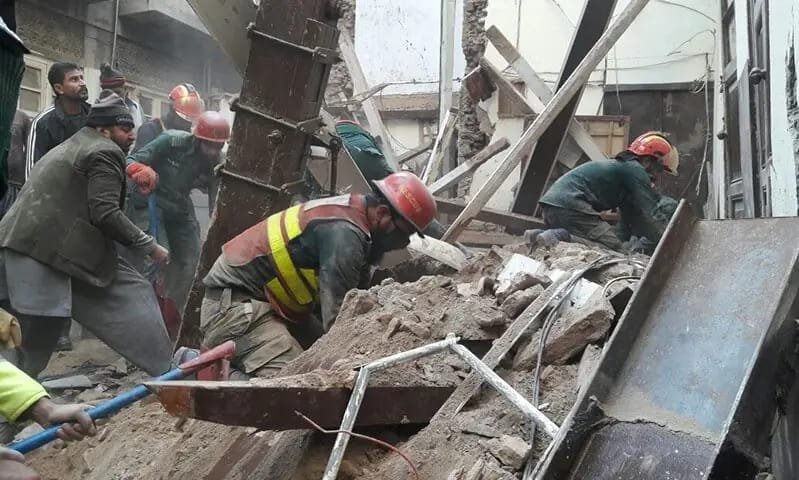
The loss of 15 innocent children after the roof of an under construction section collapsed in a building being used as a tuition center in Lahore is not only a heartbreaking tragedy but also a serious question mark over our construction system, building supervision and safety regulations. The incident is a stark reminder that a building is not merely a structure of bricks, cement and steel; it is also a trust involving human lives. Protecting those lives is the collective responsibility of the state, relevant institutions and property owners.
In a major city like Lahore, the Lahore Development Authority has clear building regulations for construction. Under these rules, every new construction or major alteration to an existing building requires an approved building plan, certified structural design, compliance with engineering standards and permission from the relevant authority. Alongside this, the Pakistan Building Code, earthquake resistant design, fire safety measures, emergency exits, load bearing capacity and basic construction quality standards also apply to every building.
Unfortunately, the situation on the ground often appears quite different. In many buildings, additional floors are constructed without approval, substandard material is used, work is carried out without the supervision of qualified engineers, and in some cases educational or commercial activities continue inside buildings where construction is still underway. Such negligence can trigger a major human tragedy at any moment.
What is particularly alarming is that safety standards should be even stricter in places where children are receiving education. If construction work is underway in a building, the presence of students, teachers or the general public should be restricted as much as possible. In addition, regular inspection of structural strength, safety certification, emergency evacuation planning and periodic checks by the relevant authorities are essential.
Effective coordination among the LDA, district administration, rescue agencies and municipal authorities is also crucial so that buildings violating construction laws, or posing risks to human life, can be identified in time. Merely drafting laws is not enough. Strict enforcement, continuous monitoring and immediate legal action against violators are the only ways to prevent such tragedies.
The Lahore tragedy is not just an accident; it is a collective warning. If construction regulations, building codes and safety standards are not implemented seriously, such incidents may, God forbid, happen again. The protection of human life is more important than any development project, and a safe building is ultimately the true mark of a civilized and responsible society.
لاہور میں ایک ٹیوشن سینٹر کے طور پر استعمال ہونے والی عمارت میں زیر تعمیر حصے کی چھت گرنے سے 15 معصوم بچوں کی جانوں کا ضیاع نہ صرف ایک دل دہلا دینے والا سانحہ ہے بلکہ یہ ہمارے تعمیراتی نظام، عمارتوں کی نگرانی اور حفاظتی قوانین پر بھی ایک بڑا سوالیہ نشان ہے۔ یہ واقعہ اس حقیقت کی یاد دہانی کراتا ہے کہ عمارت صرف اینٹ، سیمنٹ اور سریے کا نام نہیں بلکہ انسانی جانوں کی امانت بھی ہوتی ہے، جس کی حفاظت ریاست، متعلقہ اداروں اور مالکان سب کی مشترکہ ذمہ داری ہے۔
لاہور جیسے بڑے شہر میں تعمیرات کے لیے لاہور ڈویلپمنٹ اتھارٹی (ایل ڈی اے) کے واضح بلڈنگ ریگولیشنز موجود ہیں۔ ان قوانین کے مطابق ہر نئی تعمیر یا کسی موجودہ عمارت میں بڑی تبدیلی کے لیے منظور شدہ نقشہ، مستند سٹرکچرل ڈیزائن، انجینئرنگ معیارات کی پابندی اور متعلقہ ادارے کی اجازت لازمی ہے۔ اس کے ساتھ ساتھ پاکستان بلڈنگ کوڈز، زلزلہ مزاحم ڈیزائن، آگ سے تحفظ، ہنگامی اخراج کے راستے، بوجھ برداشت کرنے کی صلاحیت اور تعمیراتی معیار سے متعلق بنیادی اصول بھی ہر عمارت پر لاگو ہوتے ہیں۔
بدقسمتی سے عملی صورت حال اکثر مختلف نظر آتی ہے۔ کئی عمارتوں میں بغیر اجازت اضافی منزلیں تعمیر کر دی جاتی ہیں، کم معیار کا تعمیراتی سامان استعمال ہوتا ہے، تجربہ کار انجینئرز کی نگرانی کے بغیر کام کیا جاتا ہے اور بعض اوقات زیر تعمیر عمارتوں میں تعلیمی یا تجارتی سرگرمیاں بھی جاری رہتی ہیں۔ ایسی غفلت کسی بھی وقت بڑے انسانی المیے کو جنم دے سکتی ہے۔
خصوصی تشویش کی بات یہ ہے کہ جہاں بچوں کی تعلیم جاری ہو، وہاں حفاظتی معیار مزید سخت ہونے چاہییں۔ اگر کسی عمارت میں تعمیراتی کام جاری ہو تو اس دوران طلبہ، اساتذہ یا عام شہریوں کی موجودگی کو ہر ممکن حد تک محدود کیا جانا چاہیے۔ اس کے علاوہ عمارت کی ساختی مضبوطی کا باقاعدہ معائنہ، حفاظتی سرٹیفکیٹ، ہنگامی انخلا کا منصوبہ اور متعلقہ اداروں کی وقتاً فوقتاً انسپیکشن بھی ناگزیر ہونی چاہیے۔
ایل ڈی اے، ضلعی انتظامیہ، ریسکیو اداروں اور بلدیاتی حکام کے درمیان مؤثر رابطہ بھی انتہائی ضروری ہے تاکہ ایسی عمارتوں کی نشاندہی کی جا سکے جو تعمیراتی قوانین کی خلاف ورزی کر رہی ہوں یا جن میں انسانی جانوں کو خطرہ لاحق ہو۔ صرف قوانین بنانا کافی نہیں، ان پر سختی سے عمل درآمد، مسلسل نگرانی اور خلاف ورزی کرنے والوں کے خلاف فوری قانونی کارروائی ہی ایسے سانحات کی روک تھام کر سکتی ہے۔
لاہور کا یہ سانحہ محض ایک حادثہ نہیں بلکہ ایک اجتماعی انتباہ ہے۔ اگر ہم نے تعمیراتی ضوابط، بلڈنگ کوڈز اور حفاظتی معیارات کو سنجیدگی سے نافذ نہ کیا تو ایسے واقعات خدا نخواستہ دوبارہ بھی پیش آ سکتے ہیں۔ انسانی جان کی حفاظت ہر ترقیاتی منصوبے سے زیادہ اہم ہے، اور ایک محفوظ عمارت ہی دراصل ایک مہذب اور ذمہ دار معاشرے کی پہچان ہوتی ہے۔