
Published: August 8, 2026 - 10:47 AM
Faisalabad’s Industries Are Becoming an Environmental Threat to Urban Communities: Does the Government Now Need to Make a Bold Decision?
فیصل آباد کی صنعتیں شہری آبادی کیلئے ماحولیاتی خطرہ بن گئیں: کیا حکومت کو اب جرآتمندانہ فیصلہ کرنا پڑے گا؟
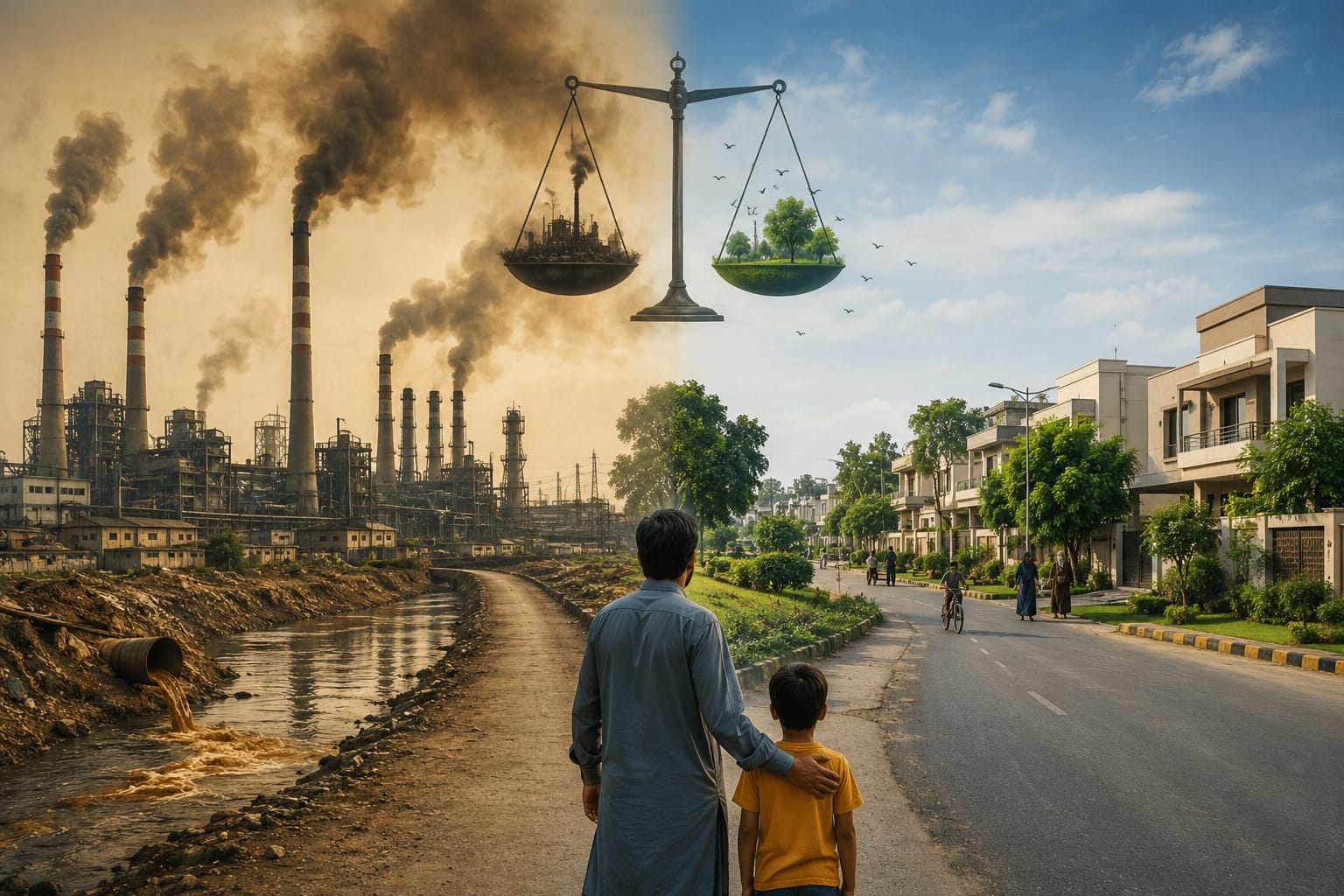
Faisalabad remains one of the most important pillars of Pakistan’s industrial economy, but the growing overlap between its expanding residential areas and industrial units is emerging as a challenge that can no longer be viewed solely through the lens of environmental pollution. The issue now directly intersects with urban planning, land use, real estate, public health and the future direction of industrial development.
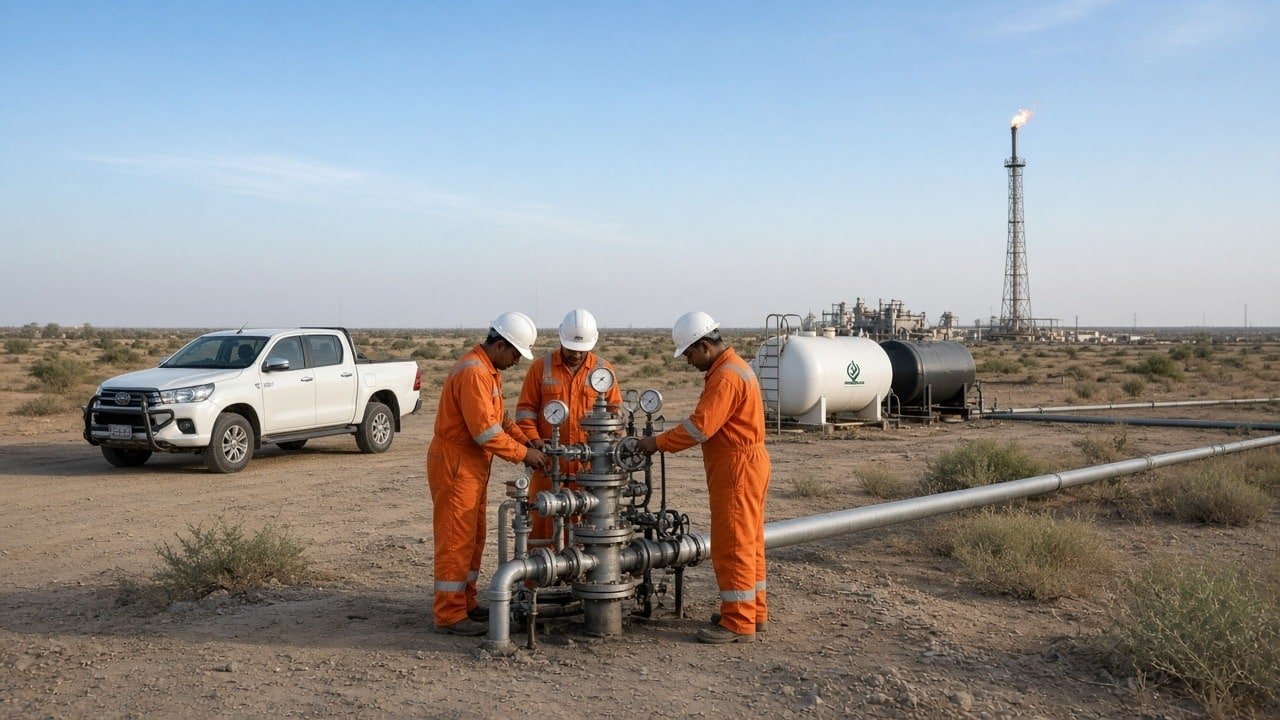
Recent figures from a survey conducted by the Environmental Protection Agency (EPA) underline the seriousness of the situation. A total of 782 industrial units are operating across 105 union councils of Faisalabad, providing employment to approximately 43,612 people. However, the more troubling finding is that 568 industrial units are located within just 0.5 kilometres of residential areas, while 441 units are operating either inside populated neighbourhoods or immediately adjacent to them.
This suggests that, in many parts of Faisalabad, the clear physical separation between industrial and residential land uses — a fundamental requirement of orderly and sustainable urban development — has effectively disappeared.
The problem extends beyond factory locations. According to the survey, major risks include emissions from industrial boilers, untreated wastewater, the use of hazardous chemicals and the close proximity of industrial activity to residential communities. Even more concerning is the finding that 734 industrial units are operating without the required No Objection Certificates from the EPA.
The situation raises a fundamental question: has Faisalabad’s urban expansion taken place under a coherent planning framework, or has the city simply allowed industries and residential neighbourhoods to grow around one another in an increasingly unregulated manner?
The district administration’s decision to jointly inspect 441 industrial units and take action against those found violating regulations is an important step. But shutting factories alone cannot provide a sustainable solution, particularly when thousands of families depend on these industries for their livelihoods.
What Faisalabad now needs is a comprehensive industrial relocation policy under which hazardous and non compliant industries are gradually shifted to properly planned industrial zones equipped with adequate infrastructure, wastewater treatment facilities, chemical safety systems, fire protection measures and transport connectivity.
The implications of such a transition could also be significant for Faisalabad’s real estate market.
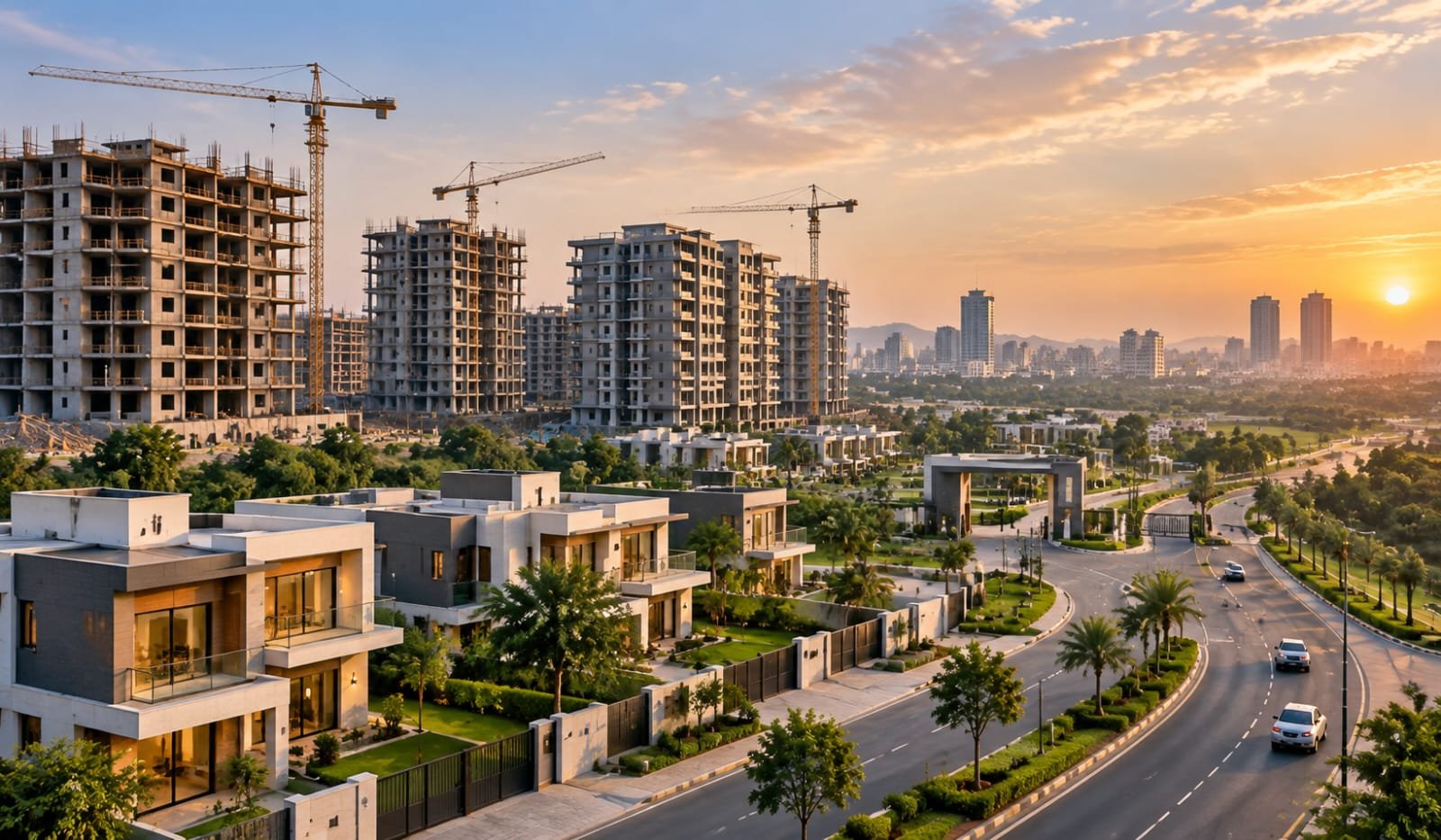
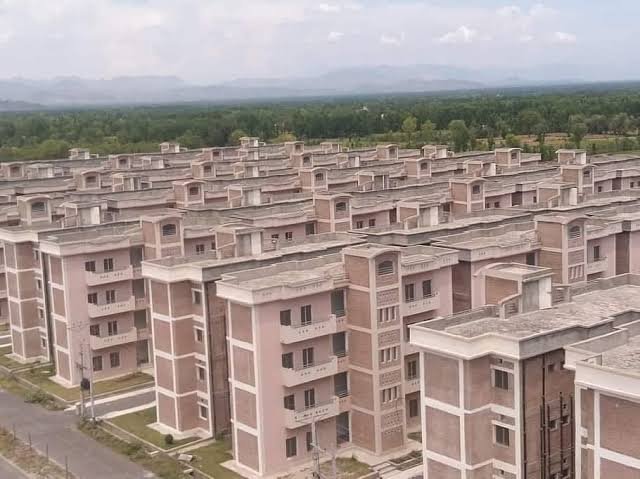
If industrial units operating within or near residential neighbourhoods are relocated in a planned manner, substantial parcels of urban land could become available for redevelopment under appropriate planning and land-use regulations. These sites could potentially support new residential, commercial or mixed-use projects. Reduced industrial pollution and heavy traffic could also improve the liveability of surrounding neighbourhoods and may, over time, enhance property values.
However, there is also a risk. If land vacated by relocated industries is opened to unplanned commercialisation or high density construction without a comprehensive master plan, the city could end up replacing one urban problem with another.
The real choice before Faisalabad is not between industry and housing. It is about placing both in the right locations.
The city needs its industrial sector because it remains central to its economic strength and provides livelihoods to tens of thousands of people. At the same time, residents have an equally legitimate right to cleaner air, safer neighbourhoods and better urban infrastructure.
If the findings of the current survey are used not merely to issue notices and conduct inspections, but as the foundation for a broader review of Faisalabad’s land use policy and master planning framework, the present environmental challenge could also become an opportunity to reshape the city into a more organised, safer and more valuable urban real estate market.
فیصل آباد پاکستان کی صنعتی معیشت کا ایک اہم ستون ہے، لیکن شہر کی تیزی سے پھیلتی ہوئی آبادی اور رہائشی علاقوں کے درمیان موجود صنعتی یونٹس اب ایک ایسے مسئلے میں تبدیل ہوتے دکھائی دے رہے ہیں جسے صرف ماحولیاتی آلودگی تک محدود نہیں رکھا جا سکتا۔ یہ معاملہ شہری منصوبہ بندی، لینڈ یوز، رئیل اسٹیٹ، عوامی صحت اور مستقبل کی صنعتی ترقی سے بھی براہِ راست جڑا ہوا ہے۔
انوائرنمنٹل پروٹیکشن ایجنسی (ای ہی اے) کے حالیہ سروے کے اعدادوشمار صورتحال کی سنگینی واضح کرتے ہیں۔ فیصل آباد کی 105 یونین کونسلز میں 782 صنعتی یونٹس کام کر رہے ہیں، جن سے تقریباً 43 ہزار 612 افراد کا روزگار وابستہ ہے۔ لیکن تشویشناک حقیقت یہ ہے کہ 568 صنعتی یونٹس رہائشی علاقوں سے صرف 0.5 کلومیٹر کے اندر واقع ہیں، جبکہ 441 یونٹس آبادی کے اندر یا اس سے بالکل متصل کام کر رہے ہیں۔
اس کا مطلب یہ ہے کہ فیصل آباد میں صنعت اور رہائش کے درمیان وہ واضح جغرافیائی حد کئی مقامات پر موجود نہیں جو ایک منظم اور پائیدار شہر کے لیے ضروری سمجھی جاتی ہے۔
مسئلہ صرف فیکٹریوں کی لوکیشن کا نہیں۔ سروے کے مطابق بوائلرز سے خارج ہونے والی آلودہ گیسیں، بغیر ٹریٹمنٹ صنعتی گندا پانی، خطرناک کیمیکلز کا استعمال اور صنعتی سرگرمیوں کا رہائشی آبادیوں کے قریب ہونا بڑے خطرات میں شامل ہیں۔ مزید تشویشناک بات یہ ہے کہ 734 صنعتی یونٹس ای پی اے کے مطلوبہ این او سی کے بغیر کام کر رہے ہیں۔
یہ صورتحال ایک بنیادی سوال پیدا کرتی ہے: کیا فیصل آباد کی شہری توسیع باقاعدہ منصوبہ بندی کے تحت ہوئی، یا شہر نے صنعتوں اور رہائشی آبادیوں کو ایک دوسرے کے گرد بے ہنگم انداز میں پھیلنے دیا؟
ضلعی انتظامیہ کی جانب سے 441 صنعتی یونٹس کے مشترکہ معائنے اور خلاف ورزی کرنے والے اداروں کے خلاف کارروائی کا فیصلہ اسی مسئلے کو درست کرنے کی کوشش ہے۔ لیکن محض فیکٹریاں بند کرنا مستقل حل نہیں ہوگا، کیونکہ ہزاروں خاندانوں کا روزگار بھی اسی صنعتی سرگرمی سے وابستہ ہے۔ اصل ضرورت ایک ایسی جامع انڈسٹریل ری لوکیشن پالیسی کی ہے جس کے تحت خطرناک صنعتوں کو مرحلہ وار جدید صنعتی زونز میں منتقل کیا جائے، جہاں انفراسٹرکچر، ویسٹ واٹر ٹریٹمنٹ، کیمیکل سیفٹی، فائر پروٹیکشن اور ٹرانسپورٹ کی مناسب سہولیات دستیاب ہوں۔
اس تبدیلی کا ایک دوسرا اہم پہلو فیصل آباد کی رئیل اسٹیٹ مارکیٹ ہے۔
اگر رہائشی علاقوں کے اندر یا ان سے متصل صنعتی یونٹس منظم طریقے سے منتقل ہوتے ہیں تو شہر میں بہت سی ایسی زمین سامنے آ سکتی ہے جسے متعلقہ قوانین اور باقاعدہ منصوبہ بندی کے تحت نئے رہائشی، کمرشل یا مکسڈ یوز منصوبوں کے لیے استعمال کیا جا سکتا ہے۔ صنعتی آلودگی اور بھاری ٹریفک میں کمی بعض علاقوں کی رہائشی کشش اور ممکنہ طور پر پراپرٹی ویلیوز پر بھی مثبت اثر ڈال سکتی ہے۔
لیکن یہاں ایک خطرہ بھی موجود ہے۔ اگر صنعتوں کی منتقلی کے بعد خالی ہونے والی قیمتی شہری زمین بغیر جامع ماسٹر پلان کے بے ہنگم کمرشلائزیشن یا ہائی ڈینسٹی تعمیرات کے حوالے کردی گئی تو ایک مسئلہ حل کرکے دوسرا پیدا ہو سکتا ہے۔
فیصل آباد کے سامنے اصل انتخاب صنعت یا رہائش میں سے کسی ایک کو چننا نہیں، بلکہ دونوں کو صحیح جگہ دینا ہے۔
شہر کو صنعت بھی چاہیے، کیونکہ یہی اس کی معاشی طاقت اور ہزاروں افراد کے روزگار کا ذریعہ ہے؛ لیکن شہریوں کو صاف ہوا، محفوظ رہائشی ماحول اور بہتر شہری انفراسٹرکچر بھی درکار ہے۔ اگر موجودہ سروے کو محض انسپیکشن اور نوٹسز تک محدود رکھنے کے بجائے فیصل آباد کے لینڈ یوز اور ماسٹر پلان کی ازسرنو تنظیم کی بنیاد بنایا جائے تو موجودہ ماحولیاتی بحران شہر کی زیادہ منظم، محفوظ اور قیمتی رئیل اسٹیٹ تشکیل دینے کا ایک اہم موقع بھی بن سکتا ہے۔