
Published: August 22, 2026 - 2:36 PM
How Important Is the Construction Industry to Pakistan’s Economy?
کنسٹرکشن انڈسٹری پاکستان کی معیشت کیلئے کتنی اہم ہے؟
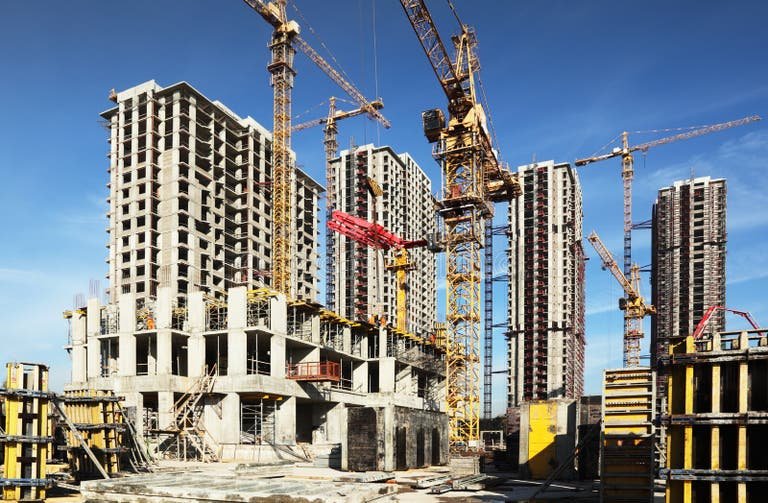
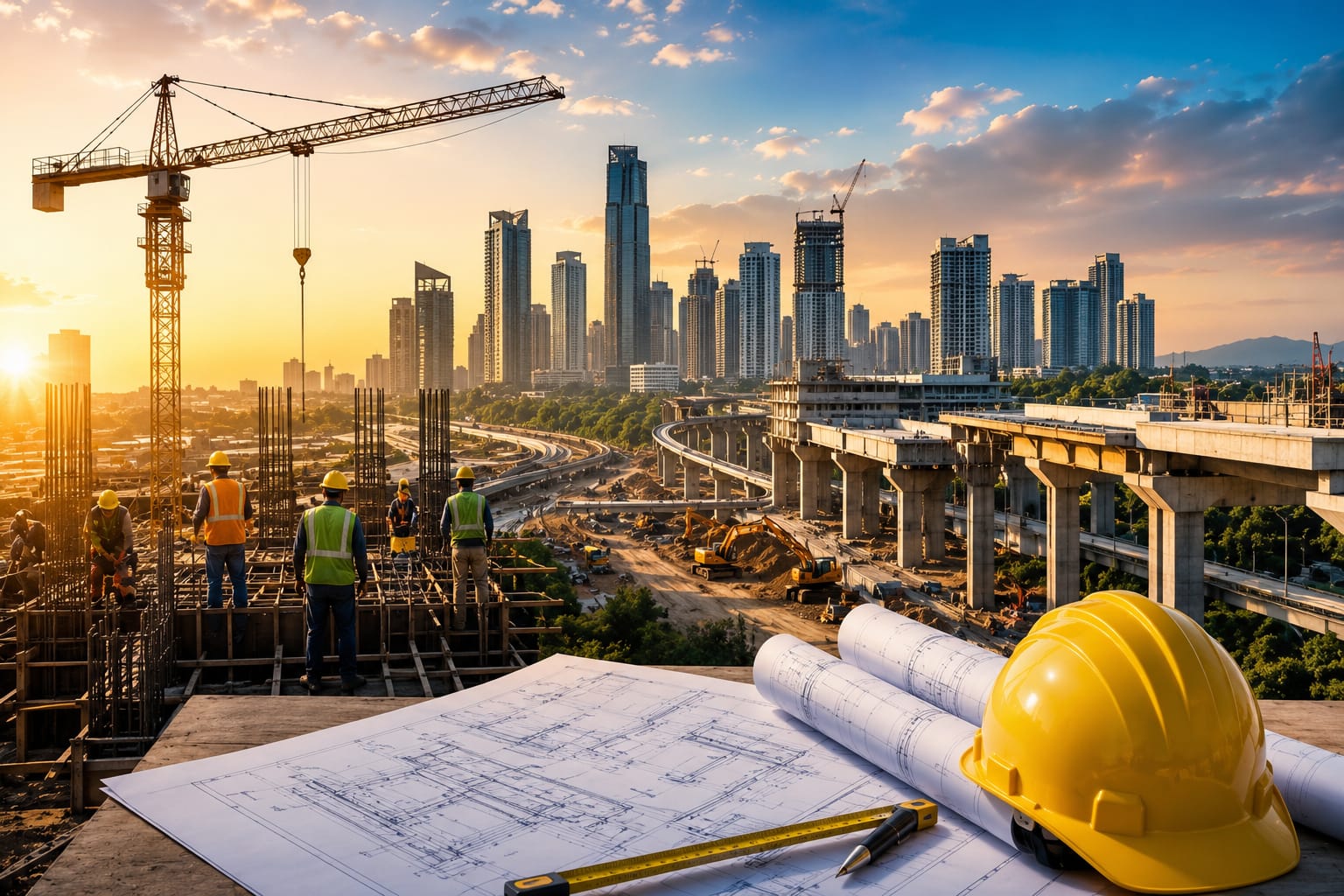
Pakistan’s construction industry is regarded as one of the most important sectors of the national economy. Its significance extends far beyond the construction of houses, commercial plazas, roads and buildings, as dozens of allied industries are directly linked to its performance. Cement, steel, bricks, glass, tiles, timber, paint, electrical equipment, sanitary products, transport and labour are among the many sectors that depend heavily on construction activity. As a result, growth in the construction sector creates employment opportunities and stimulates wider business activity across the economy.
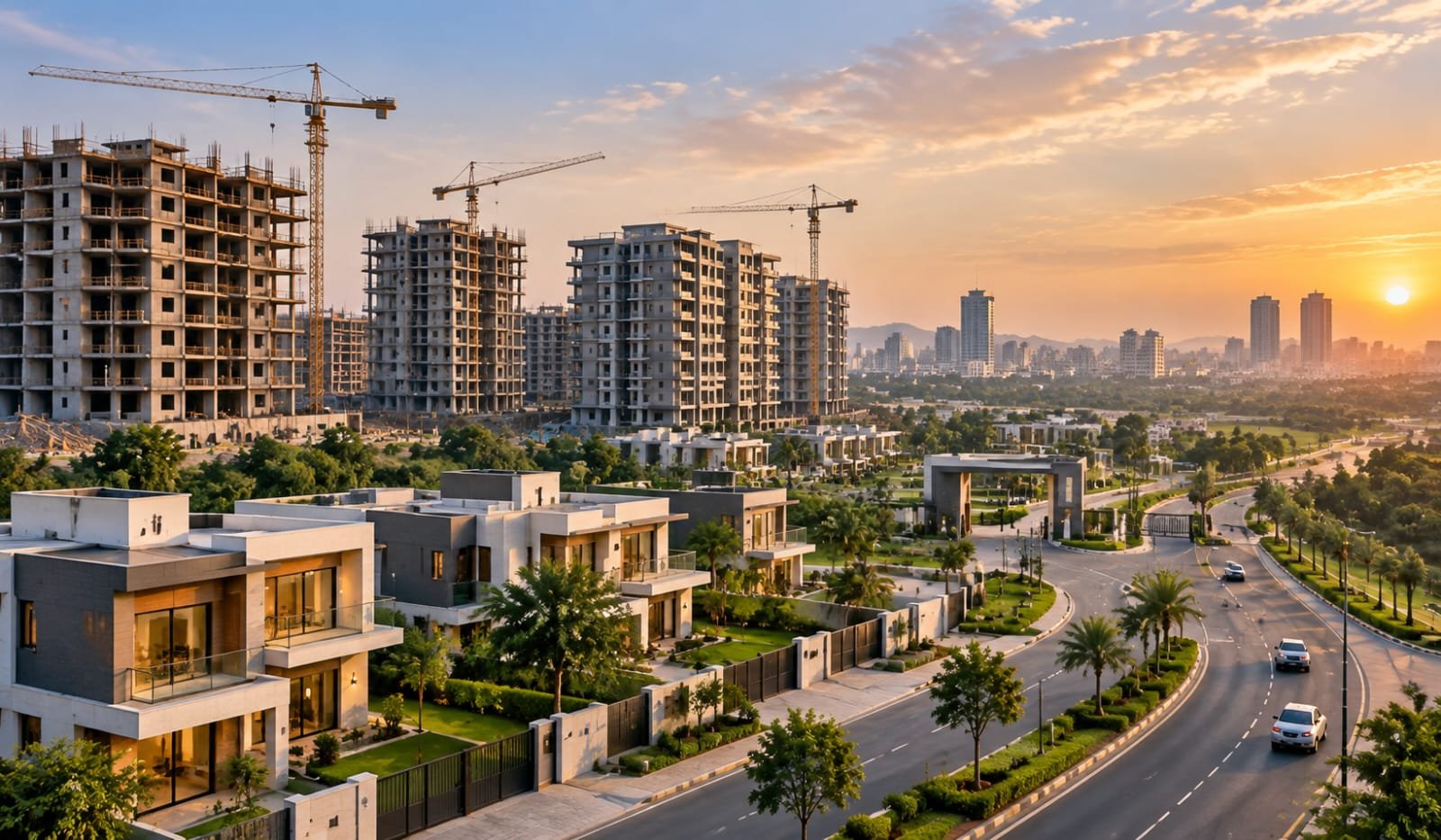
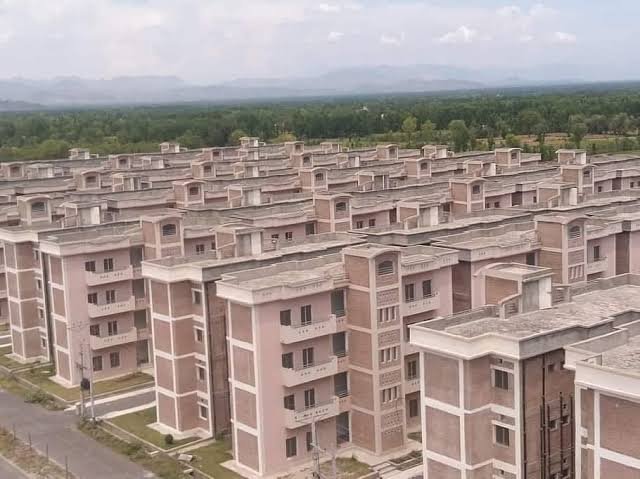
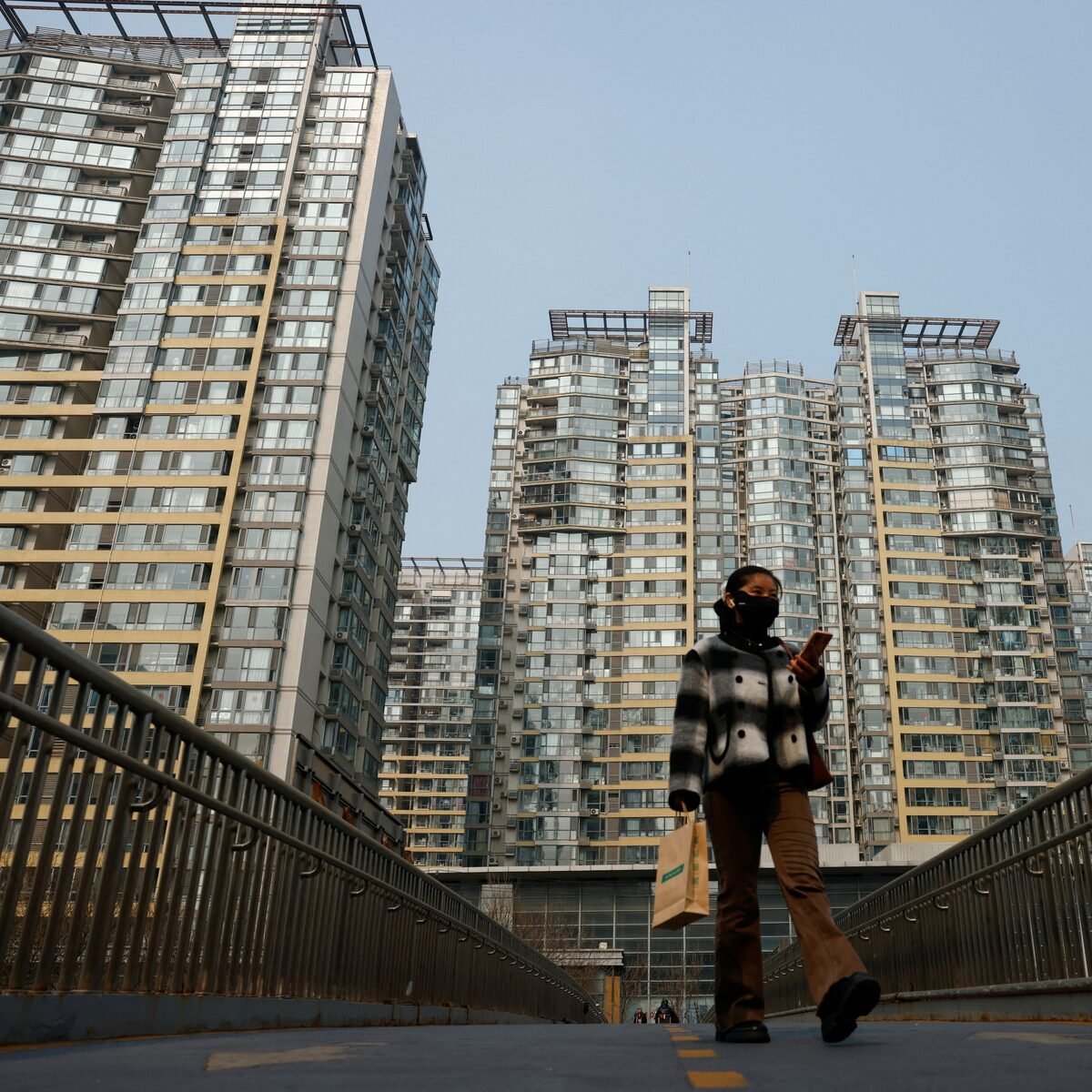
Pakistan’s rapidly growing population and expanding urban centres have significantly increased demand for housing, commercial buildings and infrastructure. New housing schemes, apartment projects, commercial centres, highways, underpasses and other development projects in major cities indicate that the importance of the construction sector is unlikely to diminish in the foreseeable future. In particular, rising demand for affordable housing among middle and lower income households presents a major opportunity for the industry.
However, Pakistan’s construction sector continues to face a number of serious challenges. Frequent fluctuations in the prices of construction materials remain one of the biggest concerns. Increases in the cost of cement, steel, electricity and fuel push construction expenses higher, ultimately raising the prices of residential and commercial properties. At the same time, high interest rates and expensive financing make it increasingly difficult for ordinary citizens to build or purchase homes.
Another major obstacle is the country’s complicated and often unclear regulatory framework. In many cities, lengthy procedures for building plan approvals, no-objection certificates, land use conversions and other permissions create difficulties for developers and investors. Some projects remain delayed for months or even years because of slow government approvals. A more effective one-window system, wider use of digital approvals and clearer building regulations could significantly improve the pace of development.
Pakistan’s construction industry also needs to adopt modern building technologies more aggressively. Prefabricated construction, energy-efficient buildings, solar systems, advanced insulation, smart-home technology and environmentally sustainable construction methods are becoming increasingly common across the world. Their wider adoption in Pakistan could help reduce costs while improving construction quality and project completion times.
Reviving and strengthening the construction sector will require a comprehensive policy approach. The government needs to focus on stabilising the prices of construction materials, improving access to housing finance, accelerating approval processes, restoring investor confidence and ensuring a transparent regulatory environment. The private sector, meanwhile, must place greater emphasis on construction quality, safety standards and modern technology.
With the right policies, effective oversight and a favourable investment environment, Pakistan’s construction industry has the potential to generate millions of jobs while making a major contribution to economic growth, improved urban infrastructure and efforts to address the country’s housing shortage.
پاکستان کی کنسٹرکشن انڈسٹری ملکی معیشت کے اہم ترین شعبوں میں شمار ہوتی ہے۔ یہ صرف گھروں، پلازوں، سڑکوں اور عمارتوں کی تعمیر تک محدود نہیں بلکہ اس کے ساتھ درجنوں دوسری صنعتیں بھی براہ راست جڑی ہوئی ہیں۔ سیمنٹ، سریا، اینٹ، شیشہ، ٹائلز، لکڑی، پینٹ، بجلی کا سامان، سینیٹری مصنوعات، ٹرانسپورٹ اور مزدوری سمیت کئی شعبوں کی سرگرمی کنسٹرکشن انڈسٹری کی رفتار پر منحصر ہوتی ہے۔ اسی وجہ سے جب تعمیراتی سرگرمیاں بڑھتی ہیں تو روزگار کے مواقع پیدا ہوتے ہیں اور کاروباری سرگرمی میں بھی تیزی آتی ہے۔
پاکستان میں تیزی سے بڑھتی آبادی اور شہروں کی توسیع نے رہائش، کمرشل عمارتوں اور بنیادی ڈھانچے کی ضرورت میں نمایاں اضافہ کیا ہے۔ بڑے شہروں میں نئی ہاؤسنگ سکیمیں، اپارٹمنٹ منصوبے، کمرشل مراکز، شاہراہیں، انڈر پاسز اور دیگر ترقیاتی منصوبے اس بات کی نشاندہی کرتے ہیں کہ مستقبل میں بھی تعمیراتی شعبے کی اہمیت کم ہونے والی نہیں۔ خاص طور پر متوسط اور کم آمدنی والے طبقے کیلئے سستی رہائش کی بڑھتی طلب اس شعبے کیلئے ایک بڑا موقع بن سکتی ہے۔
تاہم پاکستان کی کنسٹرکشن انڈسٹری کو کئی سنگین مسائل کا سامنا بھی ہے۔ تعمیراتی سامان کی قیمتوں میں مسلسل اتار چڑھاؤ سب سے بڑی مشکلات میں سے ایک ہے۔ سیمنٹ، سریا، بجلی اور ایندھن کی قیمت بڑھنے سے تعمیراتی لاگت میں نمایاں اضافہ ہو جاتا ہے، جس کے نتیجے میں گھروں اور کمرشل پراپرٹیز کی قیمتیں بھی بڑھتی ہیں۔ اسی طرح بلند شرح سود اور مہنگے قرضوں کی وجہ سے عام شہری کیلئے گھر بنانا یا خریدنا مزید مشکل ہو جاتا ہے۔
دوسری بڑی رکاوٹ غیر واضح اور پیچیدہ ریگولیٹری نظام ہے۔ مختلف شہروں میں نقشہ منظوری، این او سی، زمین کے استعمال میں تبدیلی اور دیگر اجازت ناموں کیلئے طویل طریقہ کار سرمایہ کاروں اور تعمیراتی کمپنیوں کیلئے مشکلات پیدا کرتا ہے۔ بعض منصوبے صرف سرکاری منظوریوں میں تاخیر کی وجہ سے مہینوں بلکہ سالوں تک رکے رہتے ہیں۔ اگر حکومت ون ونڈو نظام، ڈیجیٹل منظوریوں اور واضح بلڈنگ قوانین کو فروغ دے تو یہ شعبہ زیادہ تیزی سے ترقی کر سکتا ہے۔
پاکستان میں جدید تعمیراتی ٹیکنالوجی کے استعمال کی بھی شدید ضرورت ہے۔ پری فیبریکیٹڈ کنسٹرکشن، توانائی کی بچت کرنے والی عمارتیں، سولر سسٹمز، جدید موصلیت، سمارٹ ہوم ٹیکنالوجی اور ماحول دوست تعمیرات عالمی سطح پر تیزی سے عام ہو رہی ہیں۔ اگر پاکستانی تعمیراتی صنعت بھی ان رجحانات کو اپنائے تو نہ صرف لاگت کم ہو سکتی ہے بلکہ تعمیر کا معیار اور رفتار بھی بہتر بنائی جا سکتی ہے۔
کنسٹرکشن انڈسٹری کی بحالی کیلئے ایک جامع پالیسی ناگزیر ہے۔ حکومت کو تعمیراتی مواد کی قیمتوں میں استحکام، آسان ہاؤسنگ فنانس، تیز تر منظوریوں، سرمایہ کاروں کے اعتماد اور شفاف ریگولیٹری نظام پر توجہ دینا ہوگی۔ نجی شعبے کو بھی معیار، محفوظ تعمیرات اور جدید ٹیکنالوجی کو ترجیح دینا ہوگی۔
اگر درست پالیسی، مؤثر نگرانی اور سرمایہ کاری کیلئے سازگار ماحول فراہم کیا جائے تو پاکستان کی کنسٹرکشن انڈسٹری نہ صرف لاکھوں افراد کیلئے روزگار پیدا کر سکتی ہے بلکہ ملکی معیشت کی ترقی، شہری سہولتوں کی بہتری اور ہاؤسنگ بحران کے حل میں بھی فیصلہ کن کردار ادا کر سکتی ہے۔