

Published: August 27, 2026 - 4:56 PM
Pakistan Needs a Structured and Comprehensive Policy for the Rental Housing Sector
کرایہ داری کے شعبے کیلئے منظم اور جامع پالیسی کی ضرورت ہے
The Shortage of Rental Housing: An Overlooked Challenge in Pakistan’s Housing Policy
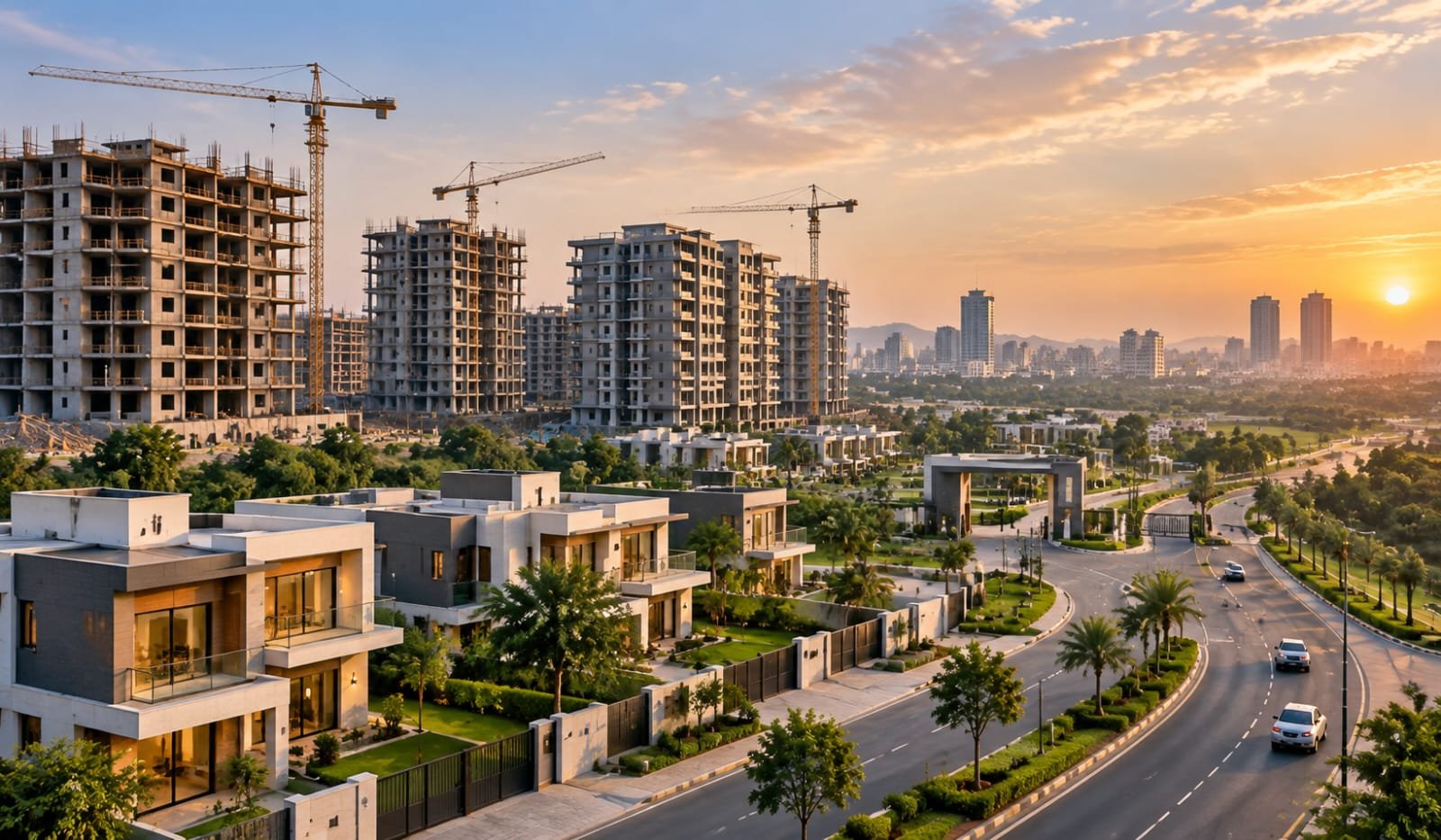
Pakistan’s housing challenge is generally viewed through the lens of building or purchasing a home. However, amid the country’s growing population and rapidly expanding cities, an important reality continues to be overlooked: not every citizen can afford to buy a home immediately. In such circumstances, a strong system of quality, safe and affordable rental housing has become an essential component of urban life.
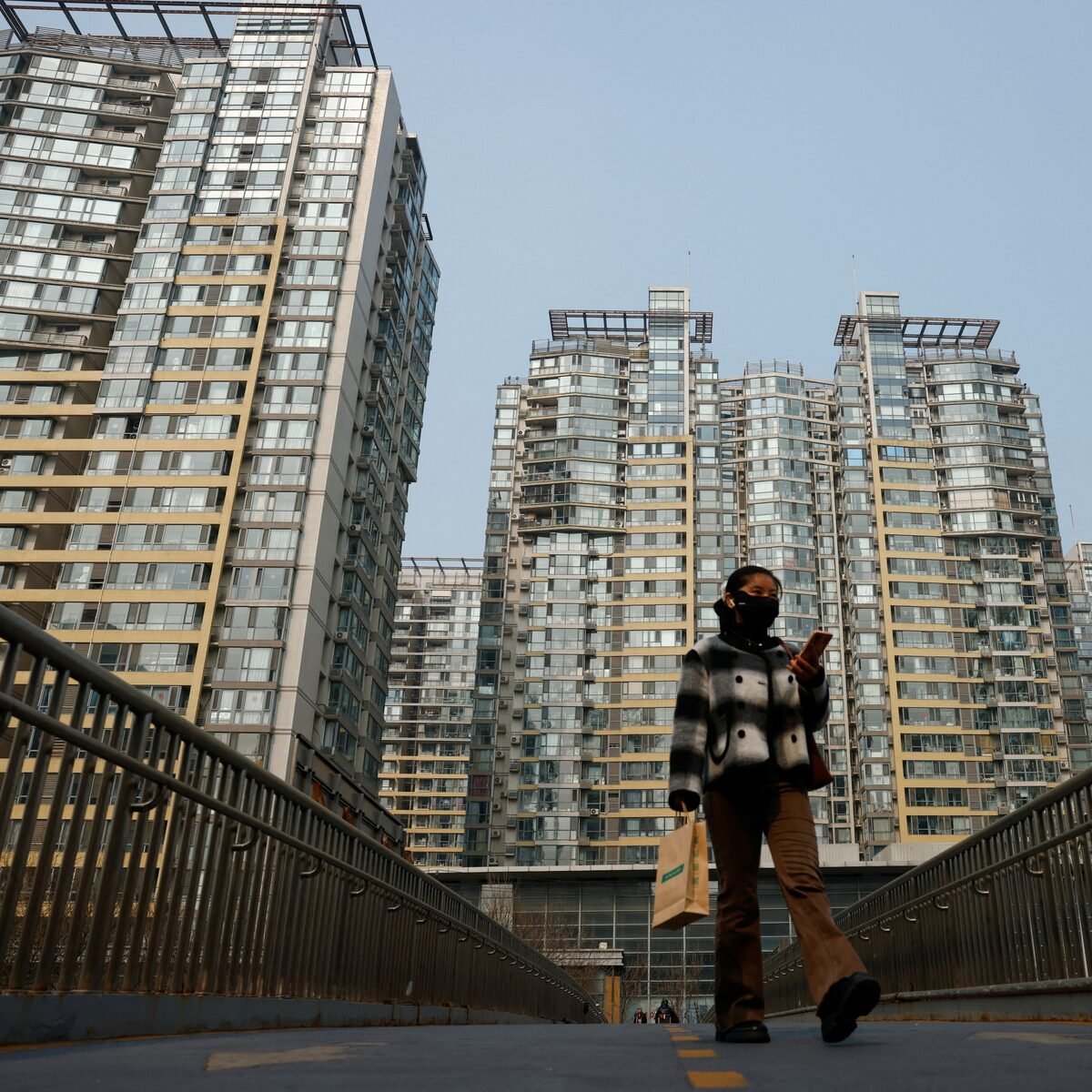
In major cities such as Lahore, Karachi, Islamabad, Rawalpindi and Faisalabad, rising land and property prices have made homeownership increasingly difficult for low- and middle-income households. At the same time, high construction costs, elevated interest rates, taxes and other expenses have made housing finance less accessible. As a result, a large number of families depend on rental housing, yet the rental sector still appears to lack a well-structured and comprehensive policy framework.
The issue is not limited to rising rents. In many cities, tenants face difficulties related to long-term security, clear tenancy agreements, fair rental terms and the timely resolution of disputes. Property owners, on the other hand, have concerns about delayed rent payments, misuse of property and legal complications involving tenants. This lack of trust on both sides remains a major obstacle to the development of a strong and transparent rental housing market.
A significant part of Pakistan’s housing policy has traditionally focused on providing homeownership, which is important in its own right. However, making every citizen a homeowner in the immediate future is neither practical nor financially feasible. In many countries, affordable rental housing is recognised as an integral part of urban housing policy, with dedicated rental units for low- and middle-income families, clearly defined regulations and mechanisms to protect tenants’ rights.
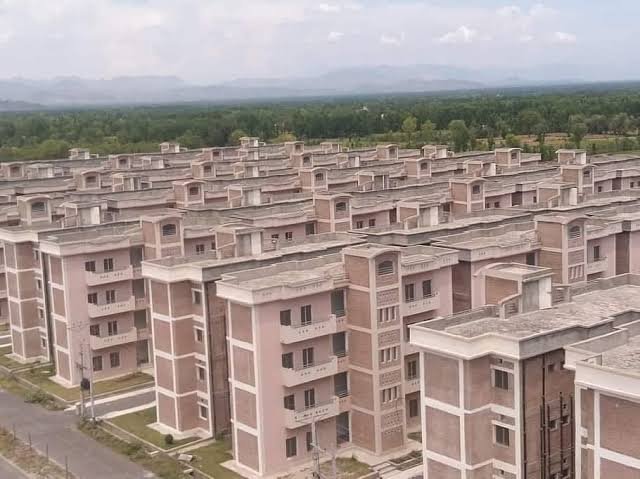
Pakistan can also introduce affordable rental housing projects through collaboration among the government, private sector and real-estate developers. The development of rental housing on government land, incentives for private investment, standardised tenancy agreements and fast-track mechanisms for resolving rental disputes could help bring greater structure and transparency to the sector.
There is therefore a need to move beyond viewing housing merely as a question of “owning a home” and adopt a broader policy approach centred on “access to safe and affordable housing.” If Pakistan succeeds in developing an active and transparent rental housing market, it could not only reduce the immediate financial burden of homeownership on citizens but also help address the growing housing crisis in urban areas.
For Pakistan, the real challenge is not simply to build more houses, but to provide homes where citizens can enjoy dignified, secure and sustainable accommodation within the limits of their income.
پاکستان میں رہائش کا مسئلہ عموماً اپنا گھر بنانے یا خریدنے کے تناظر میں دیکھا جاتا ہے، لیکن ملک کی بڑھتی ہوئی آبادی اور تیزی سے پھیلتے شہروں کے درمیان ایک اہم حقیقت مسلسل نظرانداز ہو رہی ہے. ہر شہری کے لیے فوری طور پر اپنا گھر خریدنا ممکن نہیں۔ ایسے میں معیاری، محفوظ اور قابلِ استطاعت کرایہ کے گھروں کا ایک مضبوط نظام شہری زندگی کی بنیادی ضرورت بن چکا ہے۔
پاکستان کے بڑے شہروں لاہور، کراچی، اسلام آباد، راولپنڈی اور فیصل آباد میں زمین اور مکانات کی قیمتوں میں اضافے نے متوسط اور کم آمدنی والے طبقے کے لیے گھر خریدنا مشکل بنا دیا ہے۔ دوسری جانب تعمیراتی لاگت، بلند شرح سود، ٹیکسوں اور دیگر اخراجات نے ہاؤسنگ فنانس کے ذریعے گھر حاصل کرنے کی راہ بھی آسان نہیں چھوڑی۔ نتیجتاً بڑی تعداد میں خاندان کرائے کے گھروں پر انحصار کرتے ہیں، مگر کرایہ داری کا شعبہ اب بھی منظم اور جامع پالیسی سے محروم دکھائی دیتا ہے۔
مسئلہ صرف کرائے کی بلند شرح تک محدود نہیں۔ کئی شہروں میں کرایہ داروں کو طویل مدتی تحفظ، واضح معاہدوں، مناسب کرایہ داری شرائط اور تنازعات کے فوری حل کے حوالے سے مشکلات کا سامنا رہتا ہے۔ دوسری طرف مالکان بھی کرایہ داروں کی جانب سے ادائیگی میں تاخیر، جائیداد کے غلط استعمال اور قانونی پیچیدگیوں جیسے خدشات رکھتے ہیں۔ یہی عدم اعتماد کرایہ داری کے ایک مضبوط اور شفاف مارکیٹ کے قیام میں رکاوٹ بنتا ہے۔
پاکستان میں ہاؤسنگ پالیسی کا ایک بڑا حصہ ملکیتی گھروں کی فراہمی پر مرکوز رہا ہے، جو اپنی جگہ اہم ہے، لیکن ہر شہری کو فوری طور پر گھر کا مالک بنانا عملی طور پر ممکن نہیں۔ دنیا کے کئی ممالک میں affordable rental housing کو شہری ہاؤسنگ پالیسی کا مستقل حصہ سمجھا جاتا ہے، جہاں کم اور متوسط آمدنی والے خاندانوں کے لیے مخصوص کرایہ کے مکانات، واضح قواعد اور کرایہ داروں کے حقوق کا تحفظ موجود ہوتا ہے۔
پاکستان میں بھی حکومت، نجی شعبے اور ریئل اسٹیٹ ڈویلپرز کے اشتراک سے کم لاگت کے کرایہ دار مکانات کے منصوبے متعارف کرائے جا سکتے ہیں۔ سرکاری زمین پر rental housing projects، نجی سرمایہ کاری کے لیے مراعات، معیاری tenancy agreements اور تیز رفتار dispute resolution mechanism اس شعبے کو زیادہ منظم بنا سکتے ہیں۔
ضرورت اس امر کی ہے کہ ہاؤسنگ کو صرف ’’اپنا گھر‘‘ حاصل کرنے کے مسئلے کے طور پر نہ دیکھا جائے بلکہ ’’محفوظ اور قابلِ استطاعت رہائش‘‘ کے وسیع تصور کے تحت پالیسی تشکیل دی جائے۔ اگر پاکستان ایک فعال اور شفاف rental housing market قائم کرنے میں کامیاب ہو جاتا ہے تو اس سے نہ صرف شہریوں پر گھر خریدنے کا فوری مالی دباؤ کم ہوگا بلکہ شہروں میں رہائش کے بڑھتے ہوئے بحران سے نمٹنے میں بھی مدد مل سکتی ہے۔
پاکستان کے لیے اصل چیلنج صرف زیادہ گھر بنانا نہیں، بلکہ ایسے گھر فراہم کرنا ہے جن میں شہری اپنی آمدنی کے مطابق باعزت، محفوظ اور پائیدار رہائش اختیار کر سکیں۔