

Published: September 2, 2026 - 5:15 PM
Monsoon and Flood Risks: Safe Construction and Climate Planning Now a Necessity
برسات اور سیلابی خطرات: محفوظ تعمیرات اور موسمیاتی منصوبہ بندی وقت کی ضرورت
Climate change in Pakistan is no longer merely an environmental issue or a matter of natural disasters.
Climate change in Pakistan is no longer merely an environmental issue or a matter of natural disasters. Its impact has extended to construction, property, real estate and urban planning. Rapid glacier melt, the risk of glacial lake outburst floods, intense rainfall, rising river flows and sudden flooding are emerging as factors that could directly affect land values, residential developments, commercial properties and construction activity in the years ahead.
The glaciers located in Pakistan’s northern regions are critically important to the Indus River and its tributary system. Rising temperatures are accelerating glacier melt and increasing the risk of sudden flooding in vulnerable areas. If a glacial lake bursts or a major surge of water moves downstream following intense rainfall in mountainous areas, roads, bridges, residential buildings, hotels, commercial centres and other infrastructure could face severe damage.
This situation raises an important question for the real estate sector: will the value of property in the future be determined solely by location, road access, available facilities and development projects, or will resilience against natural disasters also become a key factor in determining land prices? Buyers may increasingly prefer properties located in areas with lower flood risks, effective drainage systems and buildings constructed according to modern climate-resilient standards.
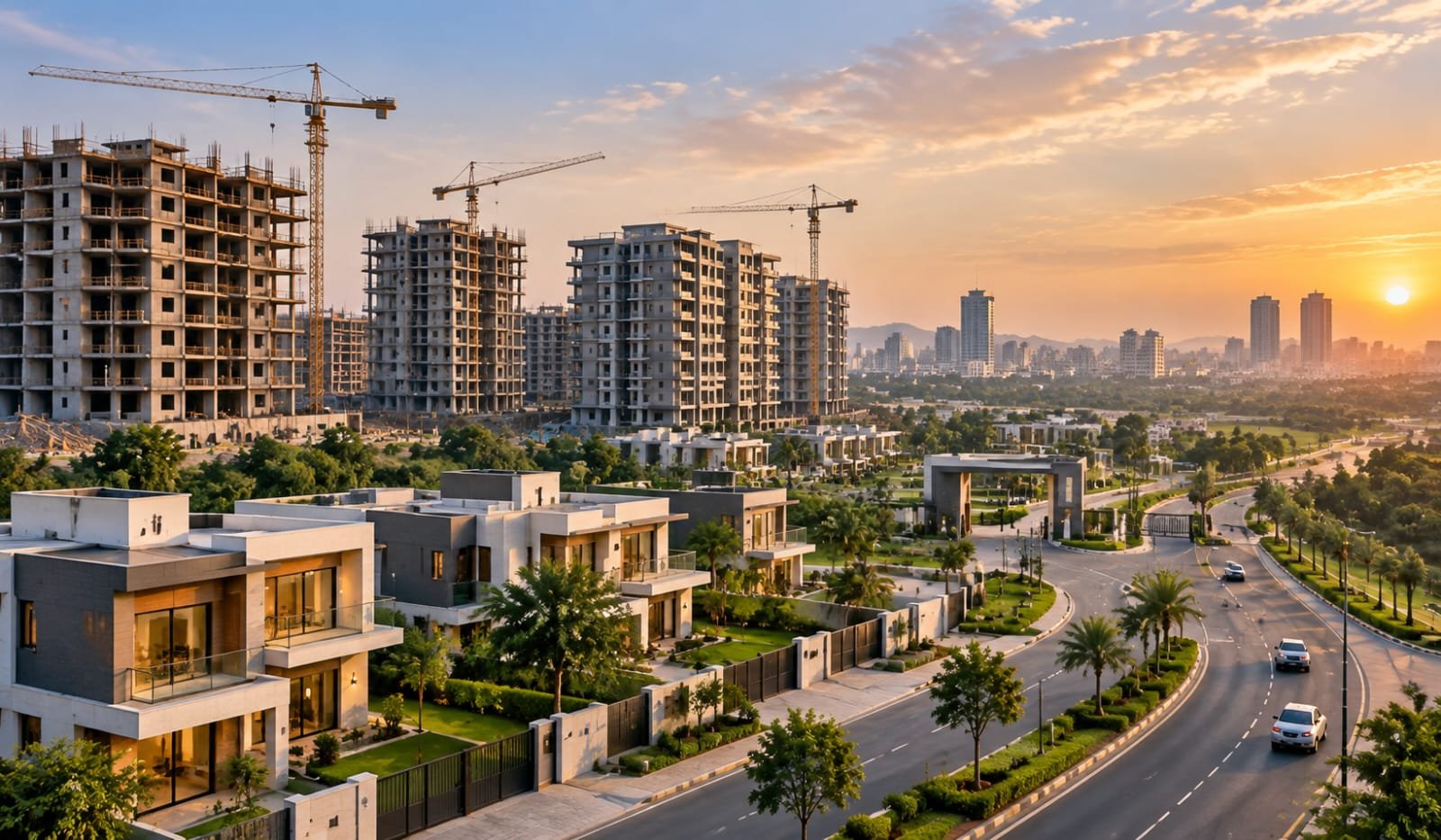
The situation is even more complex in urban areas. Unplanned construction near streams, stormwater channels and the natural routes of rivers can obstruct the flow of water. As a result, heavy rainfall can trigger urban flooding even in areas that were previously considered relatively safe. If housing schemes under development, commercial plazas and major infrastructure projects ignore environmental and flood risks, the cost in the future may extend far beyond construction, resulting in substantial expenditure on repairs, rehabilitation and reconstruction.
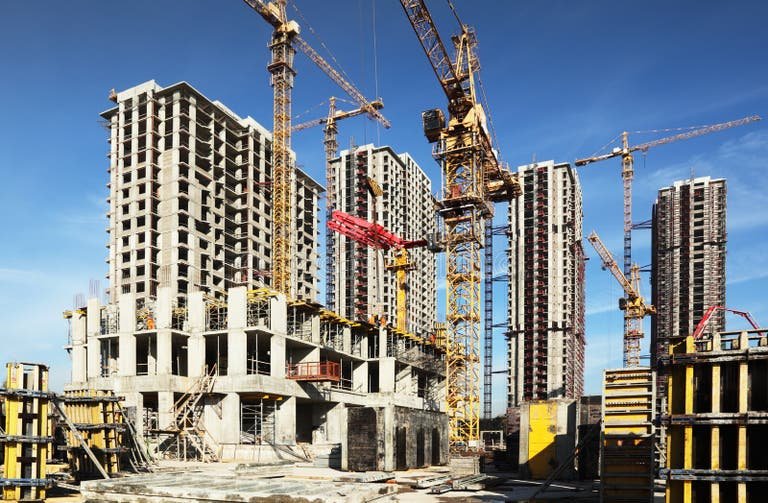
The construction industry therefore needs to move beyond conventional practices and adopt climate-resilient construction methods. Local flood risks must be incorporated into the design of buildings, foundations, drainage systems, underground parking facilities, electrical infrastructure, roads and bridges. Similarly, before approving housing schemes, authorities should conduct scientific assessments of land elevation, proximity to rivers and drains, natural watercourses and stormwater drainage capacity.
For real estate developers, the priority can no longer be limited to selling more plots. The focus must increasingly shift towards building safe, sustainable and resilient communities. The successful housing scheme of the future will be one that combines attractive roads, modern buildings and essential amenities with effective protection against floods, extreme rainfall and other natural hazards.
Climate change is certainly a new challenge for Pakistan’s property market, but it can also provide an opportunity to make the construction sector more modern, resilient and responsible. In the years ahead, the true value of a property may depend not only on its address but also on how safely and sustainably it can withstand the growing threat of natural disasters.
پاکستان میں موسمیاتی تبدیلی اب صرف ماحولیات یا قدرتی آفات کا مسئلہ نہیں رہی بلکہ اس کے اثرات تعمیرات، پراپرٹی، رئیل اسٹیٹ اور شہری منصوبہ بندی تک پہنچ چکے ہیں۔ گلیشیئرز کا تیزی سے پگھلنا، گلیشیائی جھیلوں کے پھٹنے کا خطرہ، شدید بارشیں، دریاؤں میں پانی کے بہاؤ میں اضافہ اور اچانک سیلاب ایسے عوامل ہیں جو آنے والے برسوں میں زمین کی قیمت، رہائشی منصوبوں، کمرشل پراپرٹی اور تعمیراتی سرگرمیوں پر براہِ راست اثر انداز ہو سکتے ہیں۔
پاکستان کے شمالی علاقوں میں موجود گلیشیئرز دریائے سندھ اور اس کے معاون دریاؤں کے نظام کے لیے انتہائی اہم ہیں۔ درجہ حرارت میں اضافے کے باعث گلیشیئرز کے پگھلنے کی رفتار بڑھنے سے بعض علاقوں میں اچانک سیلاب کا خطرہ پیدا ہوتا ہے۔ اگر گلیشیائی جھیل پھٹ جائے یا شدید بارش کے ساتھ پہاڑی علاقوں سے پانی کا بڑا ریلا نیچے کی طرف آئے تو سڑکیں، پل، رہائشی عمارتیں، ہوٹل، تجارتی مراکز اور دیگر تعمیرات شدید متاثر ہو سکتی ہیں۔
اس صورتحال نے رئیل اسٹیٹ کے شعبے کے سامنے ایک اہم سوال کھڑا کر دیا ہے کہ مستقبل میں پراپرٹی کی ویلیو کا تعین صرف محل وقوع، سڑک کی چوڑائی، سہولیات اور ترقیاتی منصوبوں سے ہوگا یا قدرتی آفات سے محفوظ ہونے کی صلاحیت بھی زمین کی قیمت کا بنیادی عنصر بنے گی؟ ممکن ہے کہ مستقبل میں خریدار ایسی پراپرٹی کو زیادہ ترجیح دیں جہاں سیلابی خطرہ کم ہو، نکاسی آب کا مؤثر نظام موجود ہو اور عمارتیں جدید موسمیاتی معیار کے مطابق تعمیر کی گئی ہوں۔
شہری علاقوں میں صورتحال مزید پیچیدہ ہے۔ ندی نالوں، برساتی گزرگاہوں اور دریاؤں کے قدرتی راستوں کے قریب غیر منصوبہ بند تعمیرات پانی کے قدرتی بہاؤ میں رکاوٹ پیدا کرتی ہیں۔ نتیجتاً شدید بارش کے دوران وہ علاقے بھی شہری سیلاب کا شکار ہو جاتے ہیں جہاں ماضی میں اس نوعیت کا خطرہ کم سمجھا جاتا تھا۔ زیرِ تعمیر ہاؤسنگ سکیمیں، کمرشل پلازے اور بڑے انفراسٹرکچر منصوبے اگر ماحولیاتی اور سیلابی خطرات کو نظرانداز کریں تو مستقبل میں ان کی لاگت صرف تعمیر تک محدود نہیں رہتی بلکہ مرمت، بحالی اور انفراسٹرکچر کی دوبارہ تعمیر پر بھی بھاری اخراجات آ سکتے ہیں۔
اس لیے تعمیراتی صنعت کو روایتی طریقہ کار سے آگے بڑھ کر کلائمیٹ ریزیلینٹ کنسٹرکشن کی طرف جانا ہوگا۔ عمارتوں کے ڈیزائن، بنیادوں، نکاسی آب، زیرِ زمین پارکنگ، بجلی کے نظام، سڑکوں اور پلوں کی تعمیر میں مقامی سیلابی خطرات کو لازمی طور پر شامل کرنا ہوگا۔ اسی طرح ہاؤسنگ سکیموں کی منظوری سے پہلے زمین کی سطح، دریاؤں اور نالوں سے فاصلے، پانی کے قدرتی راستوں اور بارش کے پانی کی نکاسی کا سائنسی جائزہ ضروری ہونا چاہیے۔
ریئل اسٹیٹ ڈویلپرز کے لیے بھی یہ وقت صرف زیادہ پلاٹ فروخت کرنے کے بجائے محفوظ اور پائیدار کمیونٹیز تعمیر کرنے کا ہے۔ مستقبل کی کامیاب ہاؤسنگ سکیم وہی ہوگی جو خوبصورت سڑکوں اور بلند عمارتوں کے ساتھ ساتھ سیلاب، شدید بارش اور دیگر قدرتی خطرات کے مقابلے میں بھی مضبوط ہو۔
پاکستان میں پراپرٹی مارکیٹ کے لیے موسمیاتی تبدیلی ایک نیا چیلنج ضرور ہے، لیکن یہی چیلنج تعمیراتی شعبے کو جدید، محفوظ اور ذمہ دار بنانے کا موقع بھی فراہم کر سکتا ہے۔ آنے والے وقت میں پراپرٹی کی اصل قدر صرف اس کے پتے میں نہیں بلکہ اس بات میں بھی ہوگی کہ وہ قدرتی آفات کے مقابلے میں کتنی محفوظ اور پائیدار ہے۔