

تاریخ اشاعت: October 8, 2026 - 5:03 PM
Why Is Consumer Protection Weak in Pakistan’s Real Estate Sector, and Where Can Property Investors Seek Justice?
پاکستان میں رئیل اسٹیٹ صارفین کے حقوق کا تحفظ کیوں کمزور ہے، سرمایہ لگانے والے انصاف کے لیے کہاں جائیں؟
▫️ ریاض حسین
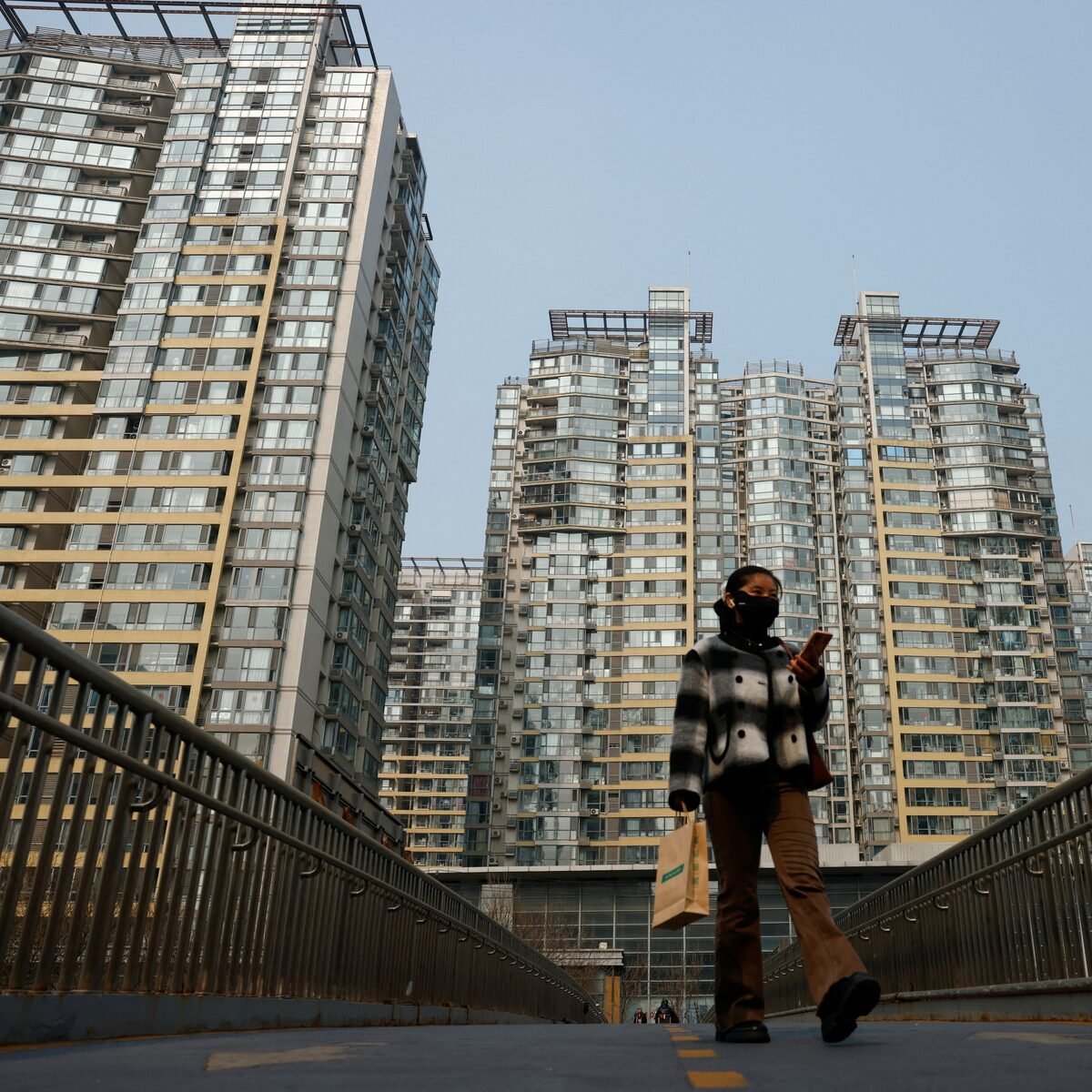
پاکستان میں اپنا گھر خریدنا لاکھوں شہریوں کا خواب ہے، مگر اس خواب کی تعبیر بعض اوقات زندگی بھر کی جمع پونجی خطرے میں ڈال دیتی ہے۔
For millions of Pakistanis, owning a home is a lifelong dream. However, turning that dream into reality can sometimes put their entire life savings at risk. Many buyers investing in residential and commercial projects face problems such as delayed possession, additional charges, unfulfilled promises and difficulties in obtaining refunds. Under these circumstances, a critical question arises: Who is responsible for effectively protecting the rights of real estate consumers?
Pakistan has various regulatory authorities responsible for overseeing construction activities and property transactions. However, the system for the prompt and effective resolution of buyers’ complaints continues to suffer from significant shortcomings. Different laws across various regions and complexities involving the jurisdiction of regulatory authorities make access to justice even more difficult for consumers.
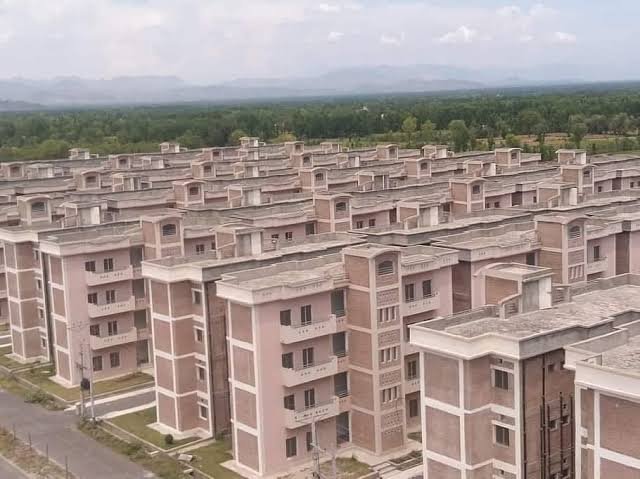
Some housing societies and construction companies advertise modern facilities, prime locations and guaranteed possession within specified timelines. Buyers invest substantial amounts based on these assurances, only to face delays in project completion, slow development work or unexpected demands for additional payments.
The situation becomes particularly serious when buyers fail to receive possession of their plots or apartments despite making full or partial payments. In some cases, recovering their money involves lengthy waiting periods, legal notices and court proceedings. During this time, their investments remain tied up, while rising inflation further increases their financial difficulties.
Another major weakness lies in property purchase agreements. Some contracts clearly outline buyers’ payment obligations but contain vague or one-sided provisions regarding project completion, possession delays, refund policies and developers’ responsibilities.
In August 2026, misleading advertisements, hidden charges and false claims regarding project approvals emerged as major concerns during a hearing related to the real estate sector conducted by the Competition Commission of Pakistan (CCP). These concerns highlight the need for greater transparency in property advertisements, contractual agreements and financial transactions to ensure consumer protection.
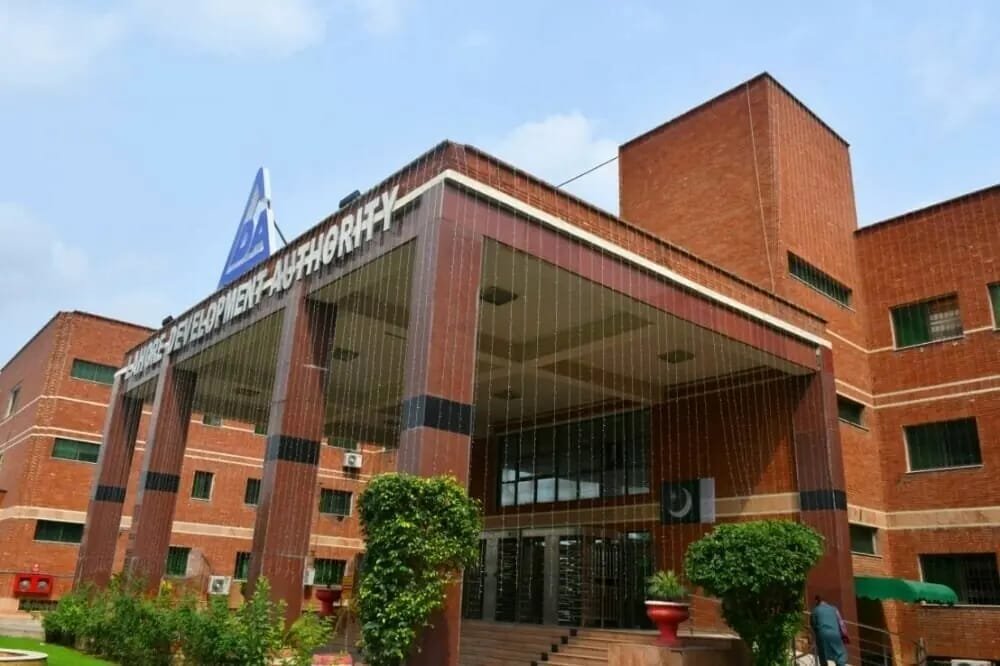
To address these challenges, every relevant development authority should make updated information about approved and unapproved projects easily accessible to the public. Developers should also be required to clearly disclose the legal status of their projects, land ownership details, expected completion dates and refund conditions.
Additionally, a dedicated, accessible and affordable complaint-resolution mechanism should be established for property buyers. Such a system should ensure that disputes involving delayed possession, unlawful charges and breaches of contractual obligations are resolved within a specified timeframe. Where permitted by law, affected buyers should also have effective options for obtaining appropriate compensation and refunds.
Consumers themselves also have an important responsibility. Before investing in any real estate project, buyers should verify the No Objection Certificate (NOC), approved building or development plans and legal ownership of the land with the relevant authority. They should also carefully review contractual terms and ensure that all commitments are documented in writing rather than relying on verbal assurances.
Sustainable confidence in Pakistan’s real estate market can only be established when buyers’ investments, legal rights and timely possession are genuinely protected. The government and relevant regulatory authorities must recognise that the growth of the construction sector depends not only on launching new projects but also on restoring the confidence of citizens who have already invested their hard-earned savings.
Protecting property buyers is therefore not merely a regulatory responsibility; it is essential for building a transparent, accountable and trustworthy real estate sector in Pakistan.
پاکستان میں اپنا گھر خریدنا لاکھوں شہریوں کا خواب ہے، مگر اس خواب کی تعبیر بعض اوقات زندگی بھر کی جمع پونجی خطرے میں ڈال دیتی ہے۔ رہائشی اور تجارتی منصوبوں میں سرمایہ کاری کرنے والے متعدد خریداروں کو قبضے میں تاخیر، اضافی وصولیوں، وعدوں کی خلاف ورزی اور رقم کی واپسی جیسے مسائل کا سامنا کرنا پڑتا ہے۔ ایسے حالات میں سب سے اہم سوال یہ ہے کہ رئیل اسٹیٹ کے صارفین کے حقوق کا مؤثر تحفظ کون کرے گا؟
ملک میں تعمیراتی سرگرمیوں اور پراپرٹی کی خریدوفروخت کی نگرانی کے لیے مختلف ادارے موجود ہیں، لیکن خریداروں کی شکایات کے فوری اور مؤثر ازالے کا نظام اب بھی کئی خامیوں کا شکار ہے۔ مختلف علاقوں میں الگ قوانین اور متعلقہ اداروں کے دائرہ اختیار کی پیچیدگیاں صارفین کے لیے انصاف کا حصول مزید مشکل بنا دیتی ہیں۔
بعض ہاؤسنگ سوسائٹیاں اور تعمیراتی کمپنیاں اشتہارات میں جدید سہولتوں، بہترین محل وقوع اور مقررہ مدت میں قبضے کے وعدے کرتی ہیں۔ خریدار ان یقین دہانیوں پر بھاری رقوم جمع کراتے ہیں، لیکن بعد میں منصوبوں کی تکمیل میں تاخیر، ترقیاتی کاموں کی سست رفتاری یا اضافی اخراجات کے مطالبات سامنے آتے ہیں۔
مسئلہ اس وقت سنگین ہوجاتا ہے جب مکمل یا جزوی ادائیگی کے باوجود خریدار کو پلاٹ یا اپارٹمنٹ نہیں ملتا۔ بعض معاملات میں رقم واپس لینے کے لیے طویل انتظار، قانونی نوٹس اور عدالتی کارروائی کا سامنا کرنا پڑتا ہے۔ اس دوران متاثرہ شہری کی سرمایہ کاری پھنسی رہتی ہے اور بڑھتی ہوئی مہنگائی اس کی مالی مشکلات میں مزید اضافہ کرتی ہے۔
ایک بنیادی کمزوری خریداری کے معاہدوں میں بھی پائی جاتی ہے۔ بعض معاہدوں میں خریدار پر ادائیگی کی پابندیاں تو واضح ہوتی ہیں، مگر منصوبے کی تکمیل، قبضے میں تاخیر، رقم کی واپسی اور ڈویلپر کی ذمہ داریوں سے متعلق شرائط غیر واضح یا یک طرفہ ہوتی ہیں۔
اگست 2026 میں مسابقتی کمیشن آف پاکستان کی رئیل اسٹیٹ شعبے سے متعلق سماعت میں گمراہ کن اشتہارات، پوشیدہ چارجز اور منصوبوں کی منظوری سے متعلق غلط دعوے اہم مسائل کے طور پر سامنے آئے۔ یہ صورتحال ظاہر کرتی ہے کہ صارفین کے تحفظ کے لیے اشتہارات کی نگرانی کے ساتھ معاہدوں اور مالی معاملات میں شفافیت بھی ضروری ہے۔
اس مسئلے کے حل کے لیے ضروری ہے کہ ہر متعلقہ ترقیاتی ادارہ منظورشدہ اور غیر منظورشدہ منصوبوں کی تازہ معلومات عوام کو آسانی سے فراہم کرے۔ ڈویلپرز کے لیے منصوبے کی قانونی حیثیت، زمین کی ملکیت، تکمیل کی متوقع تاریخ اور رقم کی واپسی کی شرائط واضح کرنا لازمی ہونا چاہیے۔
اس کے ساتھ خریداروں کی شکایات کے لیے خصوصی، آسان اور کم خرچ نظام قائم کیا جانا چاہیے، جہاں قبضے میں تاخیر، غیرقانونی وصولیوں اور معاہدوں کی خلاف ورزی سے متعلق معاملات کا مقررہ مدت میں فیصلہ ہوسکے۔ جہاں قانون اجازت دے، وہاں متاثرین کو مناسب معاوضہ اور رقم کی واپسی کا مؤثر راستہ بھی ملنا چاہیے۔
صارفین کی اپنی ذمہ داری بھی اہم ہے۔ کسی منصوبے میں سرمایہ لگانے سے پہلے متعلقہ اتھارٹی سے این او سی اور منظورشدہ نقشے کی تصدیق، زمین کی قانونی حیثیت کی جانچ اور معاہدے کی شرائط کا بغور جائزہ لینا ضروری ہے۔ زبانی وعدوں کے بجائے تمام یقین دہانیاں تحریری شکل میں حاصل کی جائیں۔
پاکستان کی رئیل اسٹیٹ مارکیٹ میں پائیدار اعتماد اسی وقت پیدا ہوگا جب خریدار کی رقم، قانونی حقوق اور بروقت قبضے کو حقیقی تحفظ حاصل ہوگا۔ حکومت اور متعلقہ اداروں کو یہ سمجھنا ہوگا کہ تعمیراتی کی ترقی صرف نئے منصوبوں کے آغاز سے نہیں بلکہ پہلے سے سرمایہ کاری کرنے والے شہریوں کے اعتماد کی بحالی سے بھی مشروط ہے۔