
تاریخ اشاعت: July 16, 2026 - 1:50 PM
Pakistan’s Real Estate Sector and the Crisis of Urban Planning
پاکستان کا رئیل اسٹیٹ سیکٹر اور شہری منصوبہ بندی کا بحران
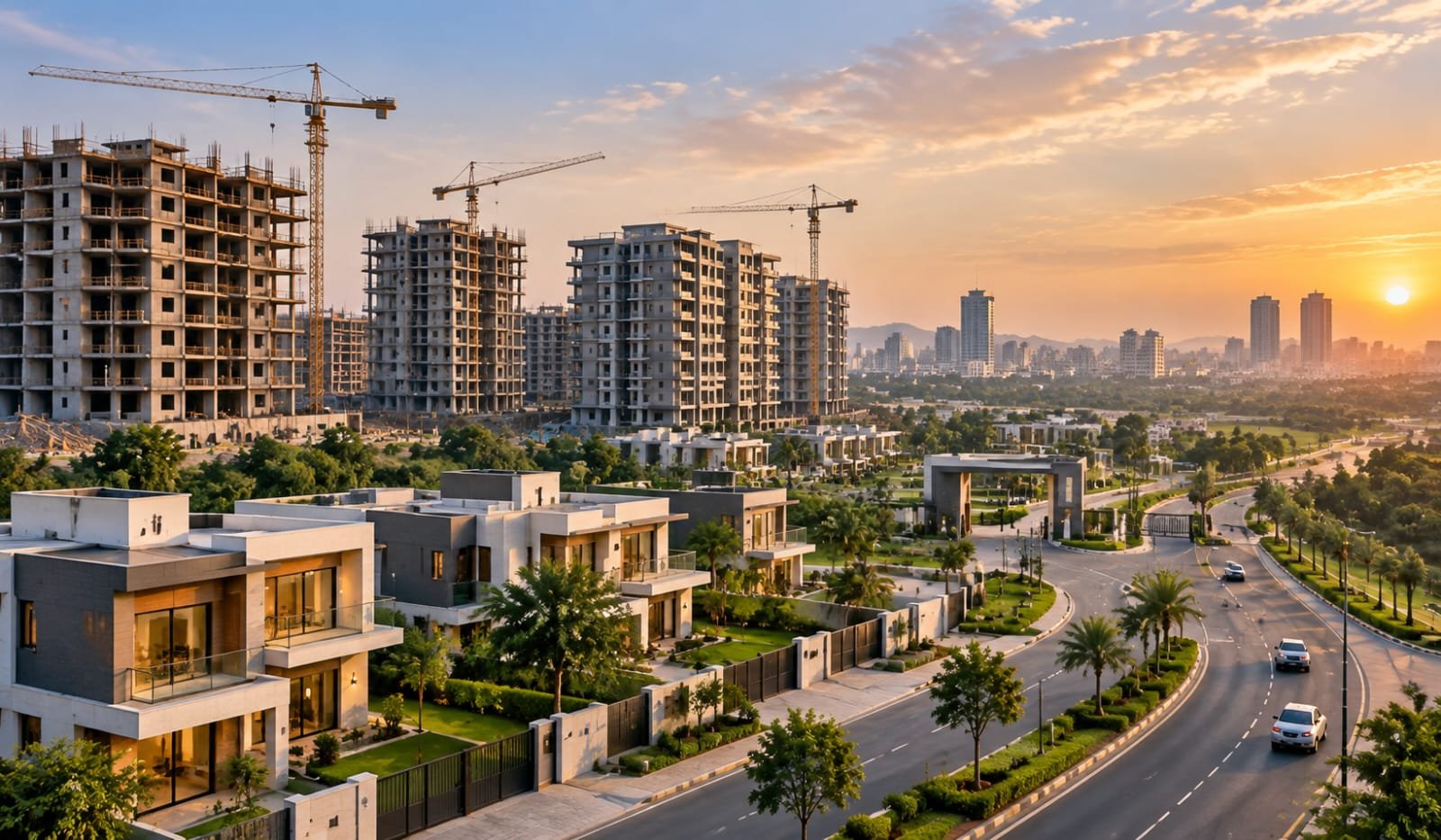
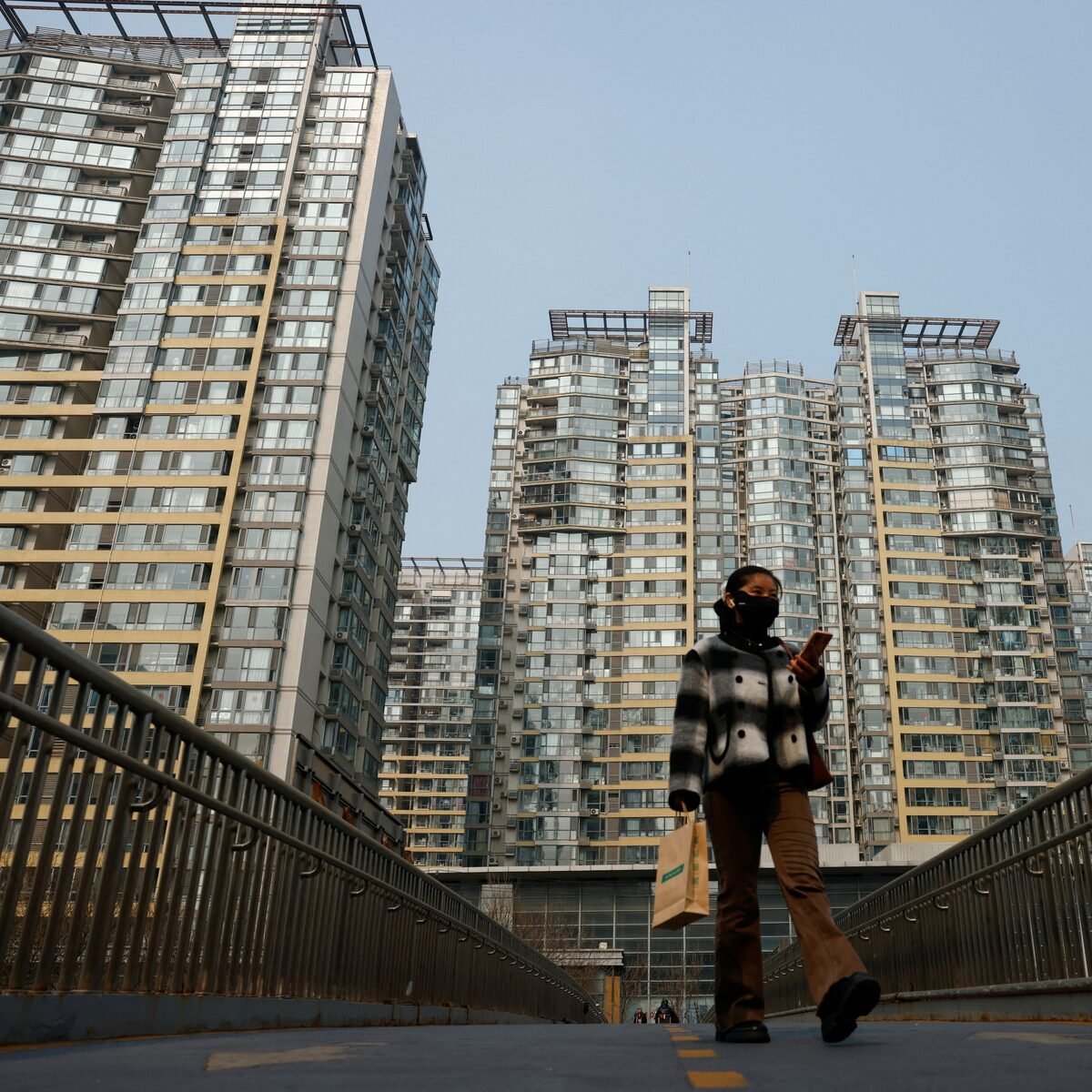
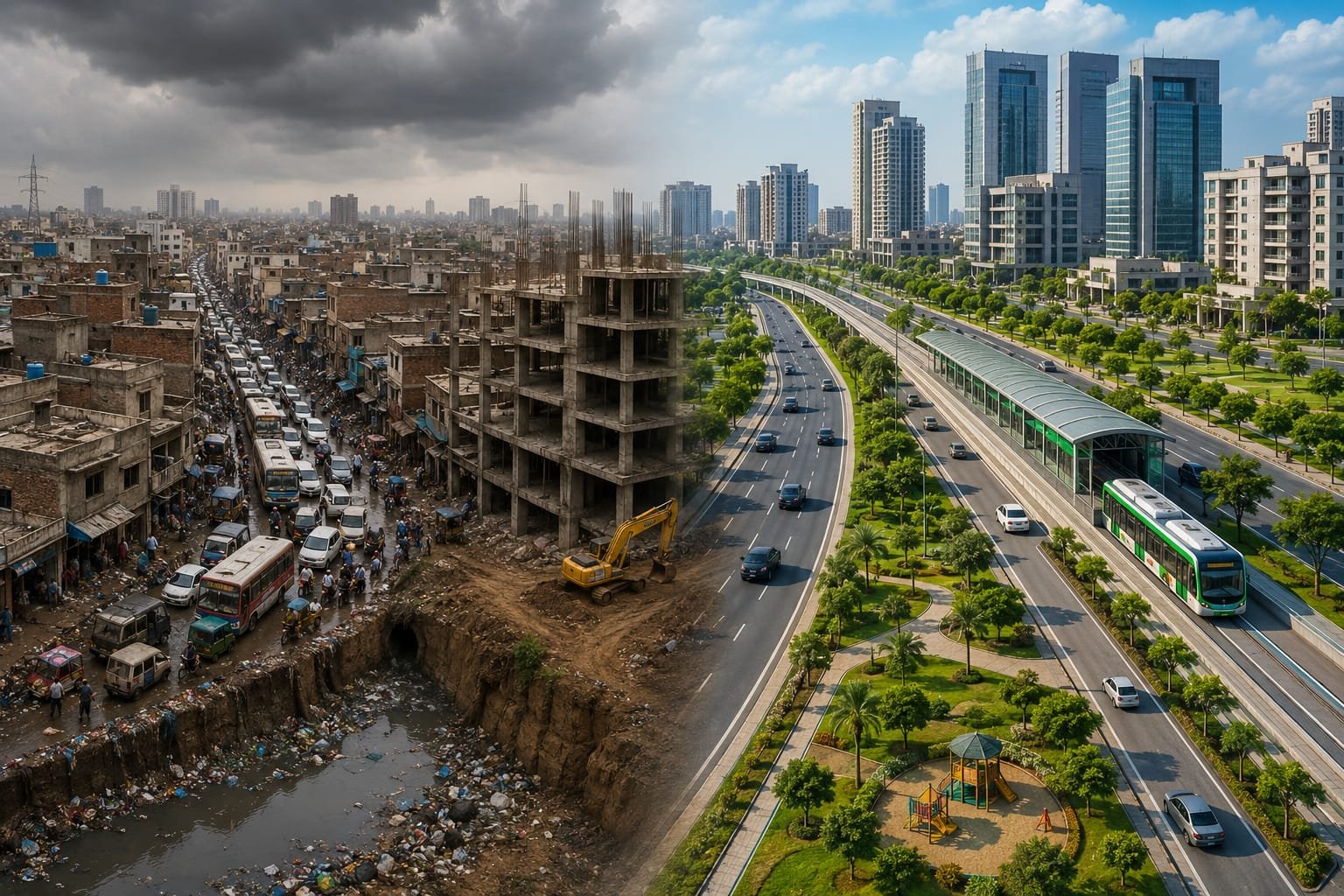
Pakistan’s real estate sector has expanded rapidly over the past two decades, but this growth has also brought serious challenges related to urban planning and basic infrastructure. Uncontrolled urban expansion, traffic congestion, water shortages, poor sewerage systems, weak waste management and the decline of green spaces are now affecting the quality of life in major cities. These problems are also limiting the sustainable growth of the real estate market.
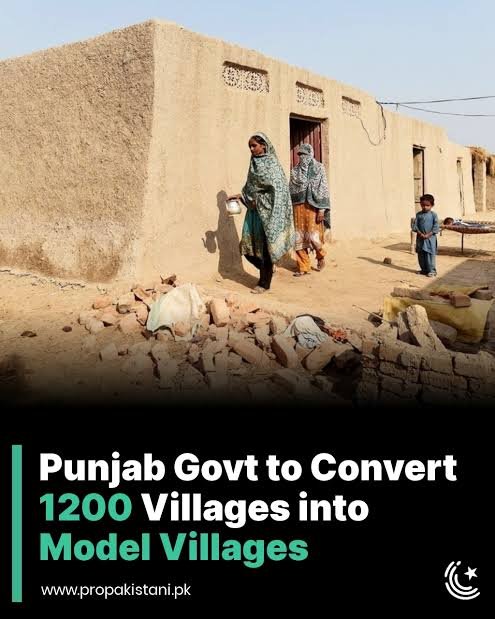
According to the Pakistan Bureau of Statistics and various official estimates, nearly 40 percent of the country’s population now lives in urban areas. Every year, hundreds of thousands of people move from rural areas to cities in search of employment, education and better public services. However, the expansion of urban infrastructure has not kept pace with this population growth.
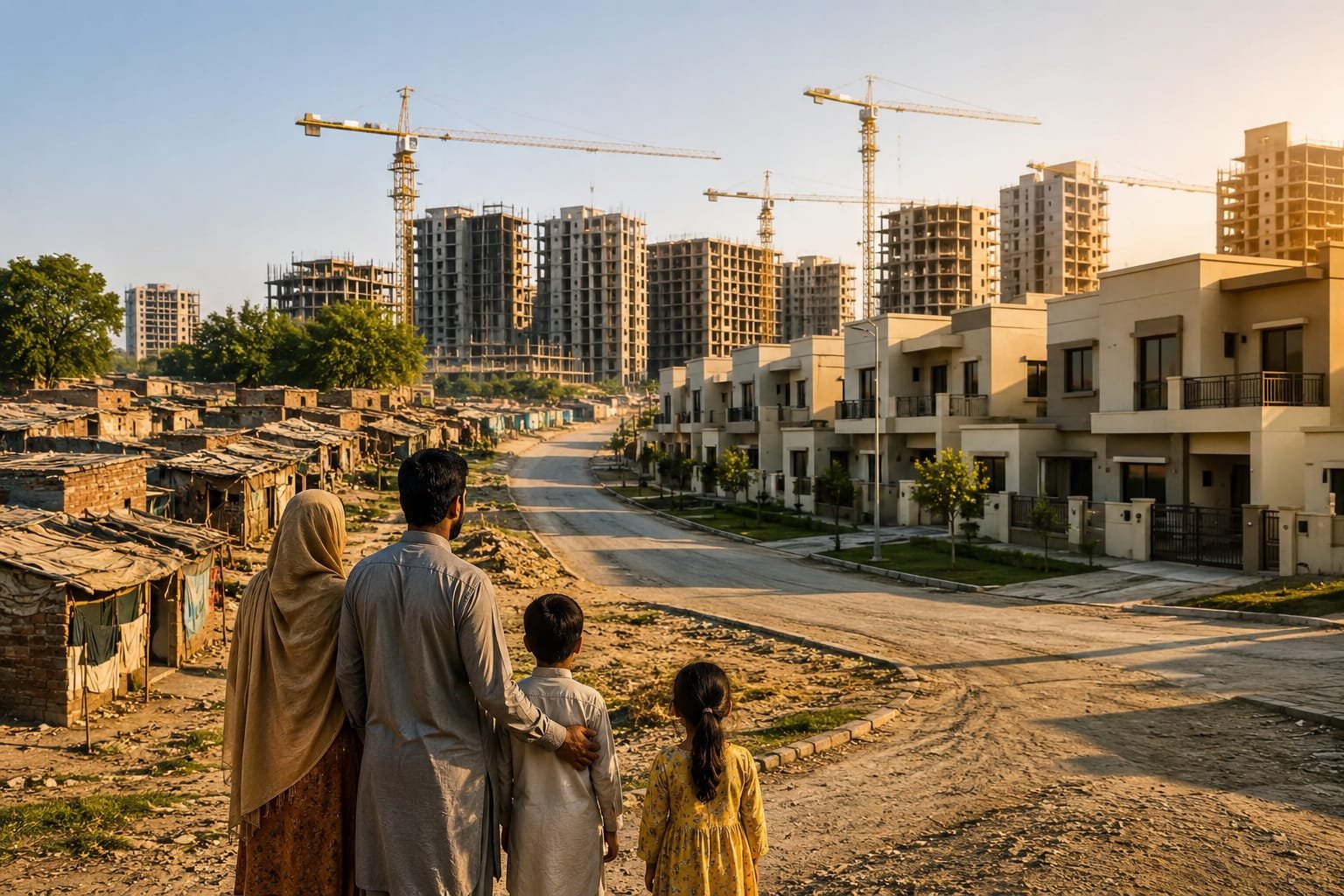
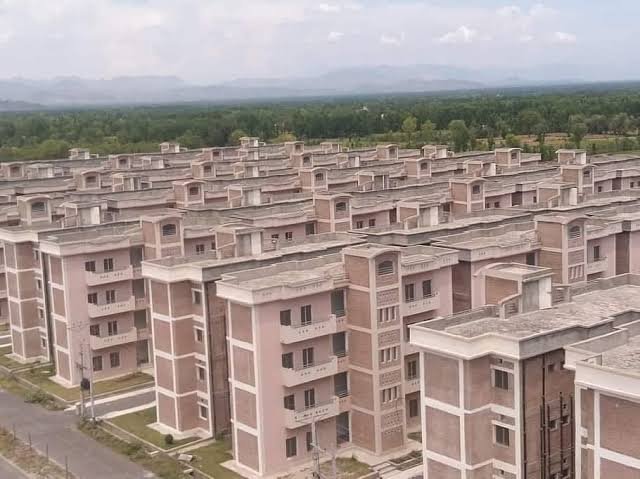
As a result, many housing developments have emerged without adequate roads, drainage systems, public transport, parks, schools and healthcare facilities. Residential projects may be completed, but essential services often remain unavailable or insufficient for years.
Unplanned expansion has become a major issue in Lahore, Karachi, Islamabad, Faisalabad, Peshawar and other large cities. In many areas, housing schemes are developed without proper arrangements for rainwater drainage, clean drinking water, electricity and gas. This creates long term difficulties for residents and can also reduce the future value of property.
Reports by the World Bank and the Asian Development Bank have repeatedly indicated that Pakistan requires billions of dollars in additional investment in urban infrastructure to meet the needs of its growing population. Climate change has made the situation even more serious. Heavy rainfall and repeated incidents of urban flooding in recent years have shown that drainage systems in many cities are no longer capable of handling present day requirements.
Balanced land use is another important part of urban planning. In developed countries, clear zoning laws separate residential, commercial, industrial, recreational and green areas. In Pakistan, these regulations are often poorly enforced. Commercial activity frequently spreads into residential neighbourhoods, increasing traffic, pollution, noise and pressure on local infrastructure.
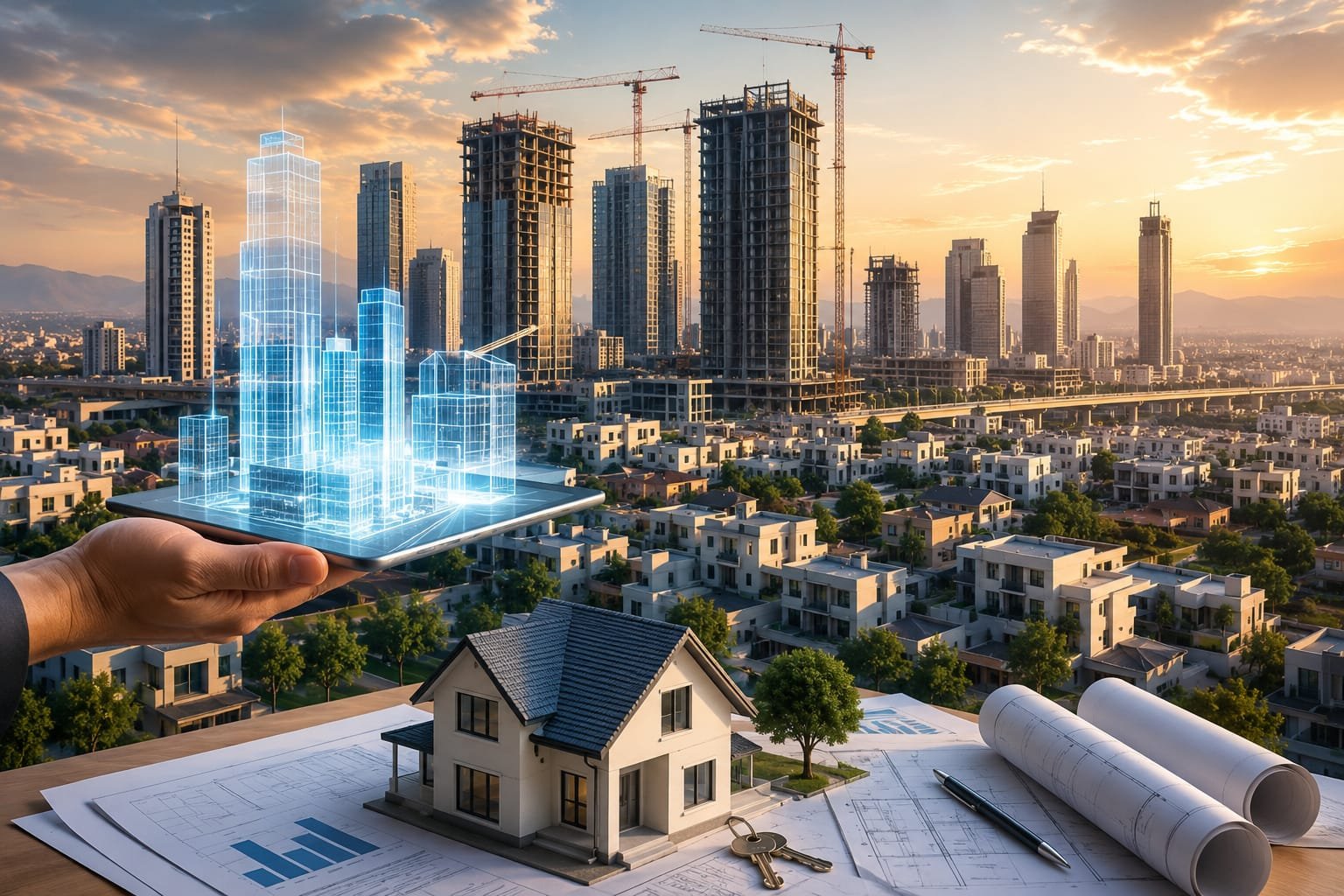
Experts believe that Pakistan must promote smart city planning to meet future challenges. This should include efficient public transport, digital land management, better rainwater management, environmentally responsible construction, energy conservation and the protection of urban green spaces.
Approval of new housing schemes should also be linked to the availability of essential infrastructure. Developers should be required to provide roads, water supply, sewerage, drainage and public facilities before large scale sales or possession of plots begins.
If Pakistan makes urban planning a central part of its real estate policy, it can improve investor confidence and provide citizens with safer, healthier and better organised cities. A strong real estate market cannot be built on weak infrastructure. Sustainable urban development is therefore one of the most urgent priorities for Pakistan in the coming years.
پاکستان کا رئیل اسٹیٹ سیکٹر گزشتہ دو دہائیوں میں تیزی سے پھیلا ہے، مگر اس ترقی کے ساتھ شہری منصوبہ بندی اور بنیادی انفراسٹرکچر کے مسائل بھی سنگین ہوتے گئے ہیں۔ آج ملک کے بڑے شہروں میں بے ہنگم شہری پھیلاؤ، ٹریفک کا دباؤ، پانی کی قلت، ناقص سیوریج، کچرے کے انتظام اور سبزہ زاروں کی کمی ایسے چیلنجز ہیں جو نہ صرف شہریوں کے معیارِ زندگی کو متاثر کر رہے ہیں بلکہ رئیل اسٹیٹ مارکیٹ کی پائیدار ترقی میں بھی رکاوٹ بن رہے ہیں۔
پاکستان بیورو آف سٹیٹسٹکس اور مختلف سرکاری تخمینوں کے مطابق ملک کی تقریباً 40 فیصد آبادی اب شہری علاقوں میں رہتی ہے، جبکہ ہر سال لاکھوں افراد روزگار، تعلیم اور بہتر سہولیات کی تلاش میں دیہی علاقوں سے شہروں کا رخ کرتے ہیں۔ اس تیز رفتار شہری آبادی میں اضافے کے مقابلے میں انفراسٹرکچر کی توسیع مطلوبہ رفتار سے نہیں ہو سکی، جس کے نتیجے میں رہائشی کالونیاں تو بن گئیں لیکن ان کے ساتھ سڑکیں، نکاسی آب، پبلک ٹرانسپورٹ، پارکس، سکول اور صحت کی سہولیات مناسب انداز میں فراہم نہیں کی جا سکیں۔
لاہور، کراچی، اسلام آباد، فیصل آباد، پشاور اور دیگر بڑے شہروں میں غیر منصوبہ بند توسیع ایک نمایاں مسئلہ بن چکی ہے۔ کئی علاقوں میں ہاؤسنگ سکیمیں تو قائم ہو جاتی ہیں لیکن برساتی پانی کی نکاسی، صاف پانی کی فراہمی، بجلی اور گیس کی دستیابی جیسے بنیادی مسائل برسوں تک برقرار رہتے ہیں۔ اس صورتحال سے نہ صرف شہری مشکلات میں اضافہ ہوتا ہے بلکہ جائیداد کی طویل مدتی قدر بھی متاثر ہوتی ہے۔
ورلڈ بینک اور ایشیائی ترقیاتی بینک کی مختلف رپورٹس اس امر کی نشاندہی کرتی ہیں کہ پاکستان کو شہری انفراسٹرکچر میں اربوں ڈالر کی اضافی سرمایہ کاری کی ضرورت ہے تاکہ بڑھتی ہوئی آبادی کی ضروریات پوری کی جا سکیں۔ دوسری جانب موسمیاتی تبدیلی نے اس مسئلے کو مزید سنگین بنا دیا ہے۔ حالیہ برسوں میں شدید بارشوں اور شہری سیلاب نے واضح کیا کہ کئی شہروں کا ڈرینیج نظام موجودہ ضروریات کے مطابق نہیں رہا۔
شہری منصوبہ بندی کا ایک اور اہم پہلو زمین کا متوازن استعمال ہے۔ دنیا کے ترقی یافتہ ممالک میں رہائش، تجارت، صنعت، تفریح اور گرین ایریاز کے لیے واضح زوننگ قوانین موجود ہوتے ہیں، جبکہ پاکستان میں متعدد مقامات پر ان اصولوں پر مکمل عمل درآمد نہیں ہو پاتا۔ نتیجتاً رہائشی علاقوں میں تجارتی سرگرمیاں، ٹریفک کا دباؤ، آلودگی اور بے ہنگم تعمیرات معمول بنتی جا رہی ہیں۔
ماہرین کے مطابق پاکستان کو مستقبل کے تقاضوں کے مطابق "سمارٹ سٹی پلاننگ" کو فروغ دینا ہوگا، جس میں جدید پبلک ٹرانسپورٹ، ڈیجیٹل لینڈ مینجمنٹ، بارش کے پانی کے مؤثر انتظام، ماحول دوست تعمیرات، توانائی کی بچت اور شہری گرین اسپیسز کو ترجیح دی جائے۔ اسی طرح نئی ہاؤسنگ سکیموں کی منظوری کو بنیادی انفراسٹرکچر کی دستیابی سے مشروط کرنا بھی ضروری ہے۔
اگر پاکستان شہری منصوبہ بندی کو رئیل اسٹیٹ پالیسی کا بنیادی ستون بنا لے تو نہ صرف سرمایہ کاروں کا اعتماد بڑھے گا بلکہ شہریوں کو بہتر معیارِ زندگی، محفوظ ماحول اور پائیدار ترقی کے مواقع بھی میسر آئیں گے۔ مضبوط انفراسٹرکچر ہی ایک مضبوط رئیل اسٹیٹ مارکیٹ کی بنیاد ہوتا ہے، اور یہی وہ شعبہ ہے جس پر آنے والے برسوں میں سب سے زیادہ توجہ دینے کی ضرورت ہے۔