

Published: July 23, 2026 - 6:30 PM
Growing Use of Solar Energy Leaves Pakistan’s Power System Facing a New Challenge
سولر انرجی کا بڑھتا استعمال، پاکستان کا بجلی نظام نئے مسئلے میں پھنس گیا
▫️Muhammad Faisal Sulehria
Pakistan’s electricity challenge is no longer limited to how much power the country can produce. The more pressing questions are when that electricity is available, which source produces it and how quickly generation can respond when dem...
Pakistan’s electricity challenge is no longer limited to how much power the country can produce. The more pressing questions are when that electricity is available, which source produces it and how quickly generation can respond when demand rises.
Nearly 125 billion units of electricity were generated for the national grid during the financial year 2025-26, an increase of only 1.5 percent over the previous year. The overall number appears relatively stable, but the generation mix reveals a major change taking place inside the electricity system.
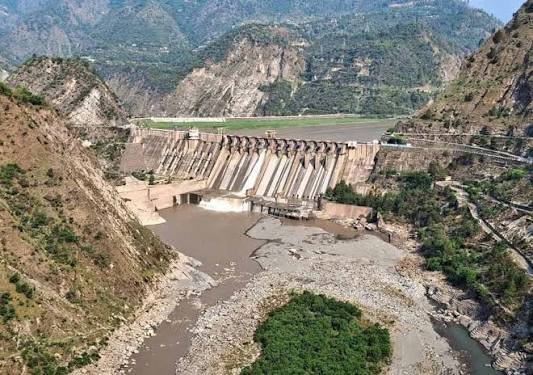
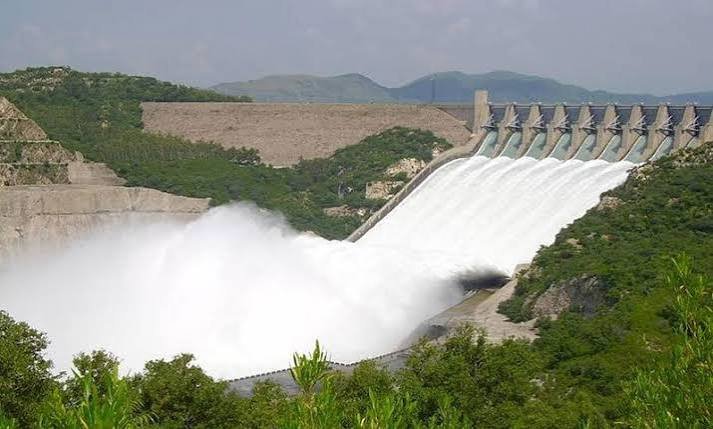
Hydropower generation reached a record level of nearly 40 billion units and contributed about 31 percent of total grid electricity. This large supply of low-cost power helped contain average generation costs, but it could not fully resolve the new challenge emerging during evening hours.
The challenge is timing, not only supply
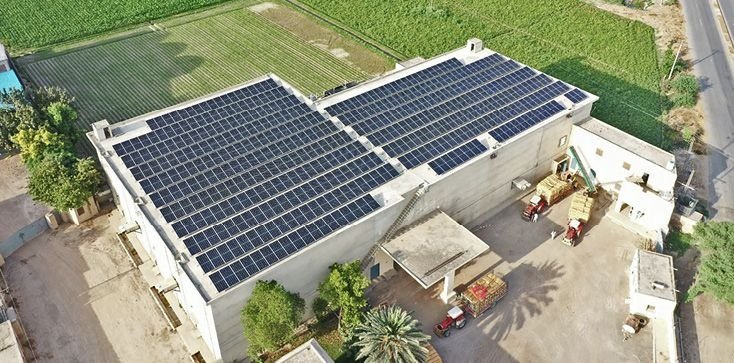
Solar systems are spreading rapidly across homes, shops, offices, farms and industrial facilities. During daylight hours, many consumers produce a significant portion of the electricity they need through their own solar panels.
This does not necessarily mean that electricity consumption has disappeared. It means that part of the consumption has moved away from the national grid and behind the consumer’s electricity meter.
Government estimates indicate that rooftop solar installations across Pakistan have exceeded 20,000 megawatts. Behind-the-meter solar capacity has been estimated at around 12,000 to 14,000MW and could be even higher. This rapidly growing capacity has significantly reduced the electricity consumers draw from the grid during sunny hours.
The position changes after sunset. Homes continue using lights, fans and air conditioners, while shops and commercial activities remain operational. Solar generation, however, falls rapidly and eventually stops.
A large volume of demand then returns to the national grid within a relatively short period. This pattern of weak daytime grid demand followed by a steep evening increase is commonly described as the “duck curve”.
Why was more coal needed despite record hydropower?
An important question arises from the annual generation figures. If hydropower production was at a record level, why did Pakistan have to generate substantially more electricity from imported coal?
One major reason was the shortfall in electricity generated from imported liquefied natural gas, or RLNG.
RLNG-based generation ended the year around 19 percent below the planned reference level, leaving a shortfall of almost four billion units.
Modern RLNG plants can play an important role in meeting changes in grid demand because their output can generally be adjusted more easily than that of traditional baseload plants. However, limited fuel availability prevented the system from obtaining the planned level of RLNG generation.
Imported-coal generation was increased to fill the gap. It finished approximately 43 percent above the planned reference level, producing almost four billion additional units.
Coal plants are not simply switched on when the sun sets. Instead, they may have to remain operational for longer periods so that dependable thermal generation is available when evening and nighttime demand rises.
What the economic merit order shows
The Independent System and Market Operator, or ISMO, arranges available power plants according to their incremental generation cost. This ranking is known as the economic merit order.
In simple terms, the system first attempts to obtain electricity from plants with lower variable costs. As electricity demand rises, plants placed further down the list, with higher generation costs, may also have to be dispatched.
ISMO’s website lists economic merit orders for July 2026, including separate publications for July 5 and July 12. Its market data section also provides 2026 datasets comparing marginal prices with electricity demand, along with separate marginal-price information.
The marginal price can be understood as the cost associated with the final generating plant needed to meet demand during a particular period. When evening demand requires a higher-cost plant to enter the system, the marginal cost of electricity for that period may rise.
A costly plant is not always an off-merit plant
It would be misleading to assume that every expensive power plant is operated unnecessarily or in violation of the merit order.
The system operator may have to dispatch a particular plant to maintain voltage, manage a transmission limitation, replace an unavailable generator or protect the stability of the grid in a specific region.
ISMO therefore publishes system reports alongside the economic merit order, including information on plants operated for system security and under security-constrained dispatch. These reports are essential for distinguishing between a plant dispatched because of its cost ranking and one operated because of a technical or grid-security requirement.
Solar is lowering costs, but the grid needs flexibility
It would be wrong to describe solar power itself as the problem.
Solar is providing consumers with lower-cost daytime electricity, reducing their reliance on imported fuels and easing pressure on the grid during sunny hours.
The real difficulty is that Pakistan’s electricity system was largely designed for a period when consumer demand was more predictable and most electricity was supplied directly through the national grid.
Today, grid sales decline during the day, but sufficient generation capacity must still be kept available to serve consumers after sunset. The system must therefore maintain coal, gas, RLNG, hydropower and other plants even though consumers may purchase fewer grid units during daylight hours.
The question that matters to consumers
The increased use of imported coal despite record hydropower shows that producing cheap electricity is not enough. The electricity must also be available at the time consumers need it.
If abundant solar and hydropower are available during the day but cannot be stored for evening use, the system must return to conventional thermal plants after sunset.
Possible responses include battery storage, pumped hydropower, better forecasting of distributed solar production, cheaper daytime electricity for industry, incentives for consumers to shift demand and sufficient flexible generation to respond to the evening increase.
Why greater data transparency matters
Publishing total demand and marginal prices is an important start, but a complete public record should also show hourly gross demand, demand remaining after distributed solar, the fuel mix, the plant setting the marginal price and the reason for operating any plant outside the normal merit order.
This would allow consumers and researchers to identify the hour in which demand rose most sharply, the higher-cost plant that entered the system and whether its operation was caused by fuel shortages, transmission restrictions, technical requirements or weak planning.
The central lesson from the financial year 2025-26 is clear. Pakistan is moving from a simple electricity-supply problem towards a challenge involving timing, flexibility and storage.
Even record hydropower generation cannot eliminate imported-fuel dependence unless low-cost daytime electricity can be shifted to the evening.
Slowing the solar transition is not the answer. Pakistan needs a grid capable of storing cheap daytime power, delivering it after sunset and using expensive imported fuels only when no lower-cost alternative is available.
پاکستان میں بجلی کی پیداوار کا مسئلہ اب صرف یہ نہیں رہا کہ ملک میں کتنی بجلی موجود ہے۔ اصل سوال یہ بنتا جا رہا ہے کہ بجلی کس وقت دستیاب ہے، کس ذریعے سے پیدا ہو رہی ہے اور طلب بڑھنے کے وقت اسے کتنی تیزی سے نیشنل گرڈ میں شامل کیا جا سکتا ہے۔
پچھلے مالی سال 26-2025 میں نیشنل گرڈ سے تقریباً 125 ارب یونٹس بجلی پیدا کی گئی۔ یہ پیداوار ایک سال پہلے کے مقابلے میں صرف 1.5 فیصد زیادہ تھی۔ بظاہر یہ معمولی اضافہ ہے، لیکن بجلی پیدا کرنے والے ذرائع کی تفصیل دیکھی جائے تو گرڈ کے اندر ایک بڑی تبدیلی نظر آتی ہے۔
اس سال پن بجلی نے تقریباً 40 ارب یونٹس کی ریکارڈ پیداوار دی اور نیشنل گرڈ کی مجموعی بجلی میں اس کا حصہ تقریباً 31 فیصد رہا۔ اس کم لاگت بجلی نے اوسط پیداواری اخراجات کو قابو میں رکھنے میں اہم کردار ادا کیا، لیکن پن بجلی کی ریکارڈ پیداوار بھی شام کے وقت پیدا ہونے والے نئے مسئلے کو مکمل طور پر حل نہیں کر سکی۔
مسئلہ بجلی کی مقدار نہیں، وقت کا ہے
گھروں، دکانوں، دفاتر، زرعی ٹیوب ویلوں اور صنعتوں میں سولر سسٹم تیزی سے پھیل رہے ہیں۔ دن کے وقت بڑی تعداد میں صارفین اپنی ضرورت کی بجلی چھتوں پر نصب سولر پینلز سے حاصل کرتے ہیں۔
اس کا مطلب یہ نہیں کہ ملک میں بجلی کا استعمال ختم ہو گیا ہے۔ دراصل بجلی کی کھپت نیشنل گرڈ سے ہٹ کر صارف کے اپنے سولر نظام پر منتقل ہو جاتی ہے۔ یہ بجلی عام طور پر گرڈ کے پیداواری اعداد میں مکمل طور پر دکھائی نہیں دیتی۔
حکومتی اندازوں کے مطابق پاکستان میں مجموعی روف ٹاپ سولر تنصیبات 20 ہزار میگاواٹ سے زیادہ ہو چکی ہیں، جبکہ میٹر کے پیچھے استعمال ہونے والی سولر صلاحیت کا اندازہ تقریباً 12 ہزار سے 14 ہزار میگاواٹ اور بعض صورتوں میں اس سے بھی زیادہ لگایا جاتا ہے۔ اس بڑے پیمانے کی سولر پیداوار نے دن کے وقت گرڈ سے بجلی لینے کی ضرورت نمایاں طور پر کم کر دی ہے۔
لیکن سورج غروب ہوتے ہی یہی صورتحال بدل جاتی ہے۔ گھروں میں روشنیاں، پنکھے اور ایئرکنڈیشنر چل رہے ہوتے ہیں، تجارتی سرگرمیاں بھی جاری رہتی ہیں، مگر سولر پینلز بجلی پیدا کرنا بند کر دیتے ہیں۔ ہزاروں میگاواٹ کی طلب مختصر وقت میں دوبارہ نیشنل گرڈ پر آ جاتی ہے۔
دن میں کم اور شام میں تیزی سے بڑھنے والی اس طلب کو بجلی کے شعبے میں “ڈک کرو” کہا جاتا ہے۔ پاکستان میں بھی گرڈ کی طلب کا نقشہ اب اسی شکل کی طرف بڑھ رہا ہے۔
پن بجلی زیادہ تھی تو کوئلہ کیوں جلانا پڑا؟
یہاں ایک اہم سوال پیدا ہوتا ہے۔ اگر پن بجلی ریکارڈ سطح پر تھی تو درآمدی کوئلے سے منصوبے سے کہیں زیادہ بجلی کیوں بنائی گئی؟
اس کا ایک بڑا سبب آر ایل این جی سے پیداوار میں کمی تھا۔ مالی سال کے دوران آر ایل این جی سے بجلی کی پیداوار مقررہ منصوبے سے تقریباً 19 فیصد کم رہی۔ اس کا مطلب ہے کہ منصوبہ بندی کے مقابلے میں تقریباً 4 ارب یونٹس کم بجلی آر ایل این جی پلانٹس سے حاصل ہوئی۔
آر ایل این جی سے چلنے والے بعض جدید پلانٹس کو گرڈ میں نسبتاً تیزی سے بجلی بڑھانے یا کم کرنے کے لیے استعمال کیا جا سکتا ہے۔ یہی خوبی انہیں شام کی اچانک بڑھنے والی طلب کے لیے اہم بناتی ہے۔ لیکن گیس کی محدود دستیابی کے باعث ان پلانٹس سے مطلوبہ مقدار میں بجلی حاصل نہ ہو سکی۔
اس کمی کو پورا کرنے کے لیے درآمدی کوئلے سے بجلی کی پیداوار منصوبے کے مقابلے میں تقریباً 43 فیصد بڑھانا پڑی۔ یوں درآمدی کوئلے سے لگ بھگ 4 ارب اضافی یونٹس پیدا کیے گئے۔ کوئلے کے پلانٹس کو صرف سورج غروب ہونے کے بعد اچانک شروع نہیں کیا جاتا، بلکہ انہیں زیادہ وقت تک چلتا رکھ کر شام اور رات کی طلب پوری کرنے کے لیے گرڈ میں دستیاب رکھا جاتا ہے۔
اکنامک میرٹ آرڈر کیا بتاتا ہے؟
آزاد سسٹم اور مارکیٹ آپریٹر یعنی آئی ایس ایم او ہر پاور پلانٹ کو اس کی اضافی پیداواری لاگت کے مطابق ایک فہرست میں رکھتا ہے۔ اسے اکنامک میرٹ آرڈر کہا جاتا ہے۔
سادہ الفاظ میں پہلے ان پلانٹس سے بجلی حاصل کرنے کی کوشش کی جاتی ہے جن کی فی یونٹ پیداواری لاگت کم ہو۔ جیسے جیسے طلب بڑھتی ہے، فہرست میں نیچے موجود نسبتاً مہنگے پلانٹس کو بھی گرڈ میں شامل کرنا پڑ سکتا ہے۔
آئی ایس ایم او کی ویب سائٹ پر جولائی 2026 کے لیے اکنامک میرٹ آرڈر کی رپورٹس موجود ہیں۔ ویب سائٹ پر 5 جولائی اور 12 جولائی کے میرٹ آرڈر الگ الگ شائع کیے گئے، جبکہ مارکیٹ ڈیٹا سیکشن میں 2026 کی طلب کے مقابلے میں مارجنل پرائس اور مارجنل پرائس کا ڈیٹا بھی فراہم کیا گیا ہے۔
مارجنل پرائس کو عام زبان میں اس آخری پلانٹ کی بجلی کی لاگت سمجھا جا سکتا ہے جسے کسی خاص وقت پر طلب پوری کرنے کے لیے چلانا ضروری ہو جاتا ہے۔ اگر شام کی طلب پوری کرنے کے لیے مہنگا پلانٹ شامل کرنا پڑے تو اس وقت بجلی کی مارجنل قیمت بھی بڑھ سکتی ہے۔
ہر مہنگا پلانٹ میرٹ آرڈر کی خلاف ورزی نہیں
صرف قیمت دیکھ کر یہ نتیجہ نکالنا بھی درست نہیں کہ کوئی مہنگا پلانٹ غیر ضروری طور پر چلایا گیا۔ گرڈ کو محفوظ رکھنے کے لیے بعض اوقات مخصوص مقام پر کسی پلانٹ کو چلانا ضروری ہو جاتا ہے۔
مثال کے طور پر کسی علاقے میں ٹرانسمیشن لائن کی گنجائش محدود ہو، وولٹیج برقرار رکھنے کی ضرورت ہو یا کوئی دوسرا پلانٹ فنی خرابی کے باعث دستیاب نہ ہو تو آئی ایس ایم او کو نسبتاً مہنگا پلانٹ بھی چلانا پڑ سکتا ہے۔
اسی لیے آئی ایس ایم او اکنامک میرٹ آرڈر کے ساتھ ایسے پاور پلانٹس کی الگ رپورٹس بھی جاری کرتا ہے جو سسٹم کی حفاظت یا تکنیکی ضروریات کے باعث چلائے گئے۔ یہ فرق اس لیے اہم ہے کہ عوام کو معلوم ہو سکے کہ کون سا پلانٹ کم لاگت کی بنیاد پر چلا اور کون سا گرڈ کو محفوظ رکھنے کے لیے استعمال کیا گیا۔
سولر سستی بجلی دے رہا ہے، لیکن گرڈ تیار نہیں
اس پوری صورتحال میں سولر کو مسئلے کی وجہ قرار دینا درست نہیں ہوگا۔ سولر صارفین کو دن کے وقت سستی بجلی فراہم کر رہا ہے، درآمدی ایندھن کی ضرورت کم کر رہا ہے اور گرڈ پر دوپہر کا دباؤ بھی گھٹا رہا ہے۔
اصل مسئلہ یہ ہے کہ بجلی کا موجودہ نظام بڑے پیمانے پر ایسے دور کے لیے بنایا گیا تھا جب طلب نسبتاً ہموار رہتی تھی اور صارفین اپنی تقریباً تمام بجلی گرڈ سے لیتے تھے۔
اب دن کے وقت سولر کی وجہ سے گرڈ کی فروخت کم ہو جاتی ہے، لیکن شام کی طلب پوری کرنے کے لیے کوئلے، گیس، آر ایل این جی، پن بجلی اور دیگر پلانٹس کی صلاحیت پھر بھی تیار رکھنا پڑتی ہے۔ یوں صارف دن میں گرڈ سے کم یونٹس خریدتا ہے، لیکن نظام کو شام کے لیے بڑی پیداواری صلاحیت برقرار رکھنی پڑتی ہے۔
صارفین کے سامنے اصل سوال
ریکارڈ پن بجلی کے باوجود درآمدی کوئلے کا استعمال بڑھنا اس بات کی علامت ہے کہ صرف سستی بجلی پیدا کرنا کافی نہیں۔ سستی بجلی کو ضرورت کے وقت دستیاب کرنا بھی ضروری ہے۔
اگر دوپہر کو پن بجلی اور سولر وافر ہوں لیکن شام کو انہیں محفوظ کرکے استعمال کرنے کا انتظام نہ ہو تو گرڈ کو دوبارہ حرارتی بجلی گھروں کی طرف جانا پڑے گا۔
اس مسئلے کے حل کے لیے بیٹری سٹوریج، پمپڈ ہائیڈرو، بہتر سولر پیش گوئی، صنعتوں کے لیے سستی دن کی بجلی، صارفین کو طلب کا وقت تبدیل کرنے کی ترغیب اور تیزی سے پیداوار بڑھانے والے پلانٹس کی ضرورت ہوگی۔
ڈیٹا میں مزید شفافیت کیوں ضروری ہے؟
آئی ایس ایم او کے ڈیٹا کو مزید مؤثر بنانے کے لیے صرف مجموعی طلب اور قیمت دکھانا کافی نہیں ہوگا۔ ہر گھنٹے کی مجموعی طلب، سولر کے بعد باقی رہ جانے والی گرڈ ڈیمانڈ، استعمال ہونے والا ایندھن، قیمت مقرر کرنے والا آخری پلانٹ اور میرٹ آرڈر سے ہٹ کر چلنے والے پلانٹ کی وجہ بھی عوام کے سامنے ہونی چاہیے۔
اس سے یہ معلوم کیا جا سکے گا کہ شام کے کس وقت طلب سب سے تیزی سے بڑھی، کون سا مہنگا پلانٹ گرڈ میں شامل ہوا اور اسے چلانے کی وجہ ایندھن کی کمی، ٹرانسمیشن کی رکاوٹ، فنی ضرورت یا ناقص منصوبہ بندی تھی۔
پچھلے مالی سال کا سبق واضح ہے۔ پاکستان میں بجلی کی کمی سے زیادہ بجلی کے وقت، لچک اور ذخیرے کا مسئلہ پیدا ہو رہا ہے۔ دن کی سولر بجلی کو شام تک منتقل کیے بغیر ریکارڈ پن بجلی بھی درآمدی ایندھن پر انحصار مکمل طور پر ختم نہیں کر سکتی۔
سولر انقلاب کو روکنا حل نہیں۔ اصل حل ایک ایسے گرڈ کی تعمیر ہے جو دن کی سستی بجلی کو محفوظ کرے، شام میں استعمال کرے اور مہنگے درآمدی ایندھن کو صرف آخری ضرورت کے طور پر چلائے۔