
Published: September 12, 2026 - 4:50 PM
World Bank Downgrades Pakistan’s Barrage Project Over Weak Institutional Performance
عالمی بینک نے پاکستان کے بیراج منصوبے کی درجہ بندی انتظامی کمزوریوں کے باعث کم کر دی
▫️ Muhammad Faisal Sulehria
The $314.93 million Sindh Barrages Improvement Project has made substantial progress on physical rehabilitation and modernisation works at Guddu and Sukkur barrages. Yet the World Bank has downgraded the project’s development objective a...
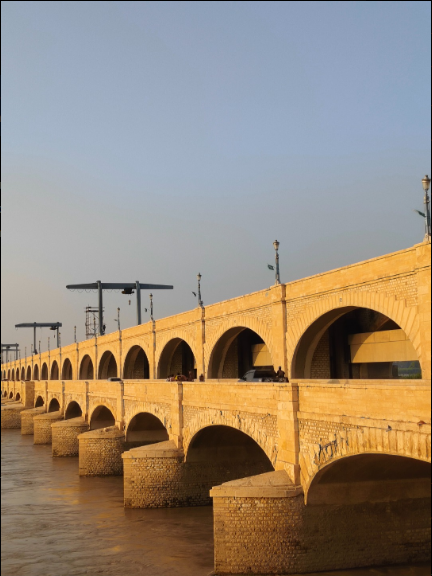
The $314.93 million Sindh Barrages Improvement Project has made substantial progress on physical rehabilitation and modernisation works at Guddu and Sukkur barrages. Yet the World Bank has downgraded the project’s development objective and implementation progress ratings from “Satisfactory” to “Moderately Satisfactory”, while retaining the overall risk rating at “Substantial”.
At first glance, the downgrade appears difficult to reconcile with the project’s physical achievements. By July 2026, around 84% of rehabilitation and modernisation works at the two barrages had been completed, while the disbursement rate had reached 82.25%. The replacement of the main gates at Sukkur Barrage has been completed, and significant rehabilitation work has also been carried out at Guddu.
The World Bank’s concern, however, is not primarily about the concrete, gates or structures. It is about whether the institutions responsible for operating and maintaining this critical infrastructure are developing quickly enough to protect the investment over the long term.
This distinction reflects a recurring weakness in major development projects in Pakistan. Construction progress is relatively easy to measure. The number of gates replaced, contracts awarded, funds disbursed and physical works completed can all be recorded and reported. Building institutions capable of managing the same infrastructure effectively for decades is considerably more difficult. It requires trained staff, clear responsibilities, accountability, reliable maintenance systems and sustained administrative and political attention.
The Sindh Barrages project illustrates this gap clearly. The operations and maintenance performance score improved only marginally, from 40 in December 2025 to 44 in July 2026, against a target of 90 by June 2028. The figures suggest that institutional and operational improvements are moving far more slowly than the physical rehabilitation works.
Progress on the calibration of canal head regulators has also been slow. The Barrage Management Unit has yet to award a performance based maintenance contract, while the World Bank has pointed to limited progress in establishing a standard methodology for sediment monitoring.
These may appear to be secondary technical matters compared with the replacement of major barrage gates, but they are central to the long term value of the investment. A modernised barrage cannot deliver its intended benefits if its equipment is not properly maintained, water control systems are not accurately calibrated, or sediment and flood risks are not incorporated into routine management decisions.
This is why the World Bank has warned that slow institutional reforms could pose a risk to the sustainability of the investment. The issue is particularly important because Guddu and Sukkur are not isolated infrastructure projects. They are central components of Sindh’s irrigation system and directly influence water management, agriculture and the economic activity of millions of people.
Their importance is expected to increase as Pakistan faces growing climate-related risks, including more severe floods and changing water patterns. One of the project’s major objectives is to increase the flood passage capacity of Guddu and Sukkur barrages from 900,000 cusecs to 1.2 million cusecs. Climate resilient infrastructure under the project is expected to benefit around five million people.
A failure to maintain these systems effectively would therefore have consequences far beyond the project’s balance sheet. Weak operations, delayed maintenance or inadequate emergency preparedness could eventually undermine the benefits of the substantial investment being made today.
There has nevertheless been meaningful progress. The replacement of Sukkur Barrage’s main gates has been completed, major rehabilitation works have advanced at Guddu, and technical studies for long term flood and sediment management at Sukkur have been completed. Emergency preparedness plans for three barrages have also been prepared and reviewed.
The challenge now is to translate these studies and plans into functioning institutional systems. Flood and sediment management recommendations need to be implemented, emergency plans must be effectively communicated among barrage authorities and local administrations, maintenance arrangements need to be finalised, and operations and maintenance performance must move toward the target of 90.
The World Bank’s downgrade should therefore be viewed less as a final verdict and more as an early warning. With the revised completion date extending to June 2028, there is still time to correct the institutional weaknesses. But the remaining period cannot be focused exclusively on completing physical works.
The Sindh government and relevant agencies will need to demonstrate measurable progress in operations, maintenance, regulator calibration, performance based maintenance arrangements and emergency preparedness alongside construction achievements.
Ultimately, the success of the Sindh Barrages Improvement Project will not be determined simply by how many gates are replaced or how much money is spent. The real test will begin after contractors leave the site. The infrastructure will only remain a successful long term investment if the institutions responsible for operating and maintaining it are strong enough to preserve its value for decades to come.
سندھ کے دو اہم بیراجوں گڈو اور سکھر کی بحالی اور جدید کاری کے لیے جاری 314.93 ملین ڈالر کے سندھ بیراجز امپروومنٹ پروجیکٹ میں تعمیراتی سرگرمیوں کی نمایاں پیش رفت کے باوجود عالمی بینک نے منصوبے کے ترقیاتی مقصد اور عملدرآمد کی مجموعی پیش رفت کی درجہ بندی ’’اطمینان بخش‘‘ سے کم کرکے ’’اعتدالاً اطمینان بخش‘‘ کردی ہے۔ منصوبے کے مجموعی خطرے کی درجہ بندی بدستور ’’نمایاں‘‘ برقرار رکھی گئی ہے۔
بظاہر یہ صورتحال متضاد دکھائی دیتی ہے۔ منصوبے کے لیے جاری ہونے والے فنڈز کی شرح 82.25 فیصد تک پہنچ چکی ہے، جبکہ جولائی 2026 تک گڈو اور سکھر بیراجوں پر بحالی اور جدید کاری کے تقریباً 84 فیصد کام مکمل کیے جاچکے تھے۔ سکھر بیراج کے مرکزی گیٹس کی تبدیلی مکمل ہوچکی ہے، جبکہ گڈو بیراج پر بھی اہم تعمیراتی کام آگے بڑھ چکے ہیں۔ اس کے باوجود عالمی بینک کی تشویش اس بات سے متعلق ہے کہ تعمیر شدہ انفرااسٹرکچر کو طویل مدت تک مؤثر انداز میں چلانے اور برقرار رکھنے کے لیے درکار ادارہ جاتی صلاحیت اسی رفتار سے ترقی نہیں کر رہی۔
یہ فرق پاکستان کے بڑے ترقیاتی منصوبوں کے ایک پرانے مسئلے کی نشاندہی کرتا ہے۔ کسی بڑے انفرااسٹرکچر منصوبے میں تعمیراتی کام کی رفتار کو ناپنا نسبتاً آسان ہوتا ہے۔ کتنے گیٹ تبدیل ہوئے، کتنے ڈھانچے تعمیر ہوئے، کتنی رقم خرچ ہوئی اور کام کا کتنا حصہ مکمل ہوا، یہ سب واضح طور پر ریکارڈ کیا جاسکتا ہے۔ لیکن اس انفرااسٹرکچر کو اگلی کئی دہائیوں تک محفوظ، فعال اور مؤثر رکھنے کے لیے مضبوط انتظامی نظام، تربیت یافتہ عملہ، باقاعدہ دیکھ بھال، واضح ذمہ داریاں اور جوابدہی درکار ہوتی ہے۔ یہی وہ مرحلہ ہے جہاں اکثر منصوبوں کی کارکردگی کمزور پڑ جاتی ہے۔
سندھ بیراجز منصوبہ بھی اسی چیلنج سے دوچار دکھائی دیتا ہے۔ دسمبر 2025 میں آپریشن اور دیکھ بھال کی کارکردگی کا اسکور 40 تھا، جو جولائی 2026 میں بڑھ کر صرف 44 ہوا ہے، جبکہ جون 2028 تک اسے 90 تک پہنچانے کا ہدف مقرر کیا گیا ہے۔ اس سے اندازہ ہوتا ہے کہ تعمیراتی پیش رفت کے مقابلے میں بیراجوں کے آپریشن اور دیکھ بھال کے نظام کی بہتری خاصی سست ہے۔
اسی طرح نہری ہیڈ ریگولیٹرز کی کیلیبریشن پر بھی پیش رفت محدود رہی ہے۔ بیراج مینجمنٹ یونٹ کی جانب سے کارکردگی کی بنیاد پر دیکھ بھال کا معاہدہ ابھی تک نہیں کیا جاسکا، جبکہ عالمی بینک نے تلچھٹ کی جانچ کے لیے معیاری طریقہ کار کی تیاری اور عملدرآمد میں بھی محدود پیش رفت کی نشاندہی کی ہے۔
یہ مسائل بظاہر تکنیکی یا انتظامی نوعیت کے محسوس ہوسکتے ہیں، لیکن ان کی اہمیت بنیادی ہے۔ اگر کسی بیراج کے گیٹ جدید بنادیے جائیں مگر ان کی باقاعدہ دیکھ بھال کا نظام مؤثر نہ ہو، اگر پانی کے بہاؤ کی پیمائش اور ریگولیٹرز کی کیلیبریشن درست نہ ہو، یا سیلاب اور تلچھٹ سے متعلق دستیاب مطالعات کو عملی فیصلوں میں تبدیل نہ کیا جائے تو چند سال بعد یہی انفرااسٹرکچر دوبارہ بڑے مسائل کا شکار ہوسکتا ہے۔ اس صورت میں آج کی گئی بھاری سرمایہ کاری کا مطلوبہ طویل مدتی فائدہ حاصل نہیں ہوگا۔
عالمی بینک نے اسی پہلو کو منصوبے کی پائیداری کے لیے اہم خطرہ قرار دیا ہے۔ گڈو اور سکھر بیراج محض تعمیراتی ڈھانچے نہیں بلکہ سندھ کے آبپاشی نظام کے بنیادی اجزا ہیں۔ ان کے ذریعے پانی کی تقسیم، زرعی پیداوار اور لاکھوں افراد کی معاشی سرگرمیاں جڑی ہوئی ہیں۔ موسمیاتی تبدیلی، شدید بارشوں اور سیلاب کے بڑھتے ہوئے خطرات کے تناظر میں ان بیراجوں کی مضبوطی اور مؤثر انتظام مزید اہم ہوگیا ہے۔
منصوبے کا ایک بڑا مقصد گڈو اور سکھر بیراجوں کی سیلابی پانی گزارنے کی صلاحیت کو 900,000 کیوسک سے بڑھا کر 1.2 ملین کیوسک کرنا ہے۔ زیادہ موسمیاتی مزاحمت رکھنے والے انفرااسٹرکچر کے ذریعے تقریباً 50 لاکھ افراد کو فائدہ پہنچنے کی توقع ہے۔ اس لیے منصوبے میں کسی بھی مستقل کمزوری کے اثرات صرف ایک ترقیاتی منصوبے تک محدود نہیں رہیں گے بلکہ وسیع تر زرعی، معاشی اور انسانی تحفظ سے بھی وابستہ ہوں گے۔
تاہم منصوبے کی مثبت پیش رفت کو نظرانداز نہیں کیا جاسکتا۔ سکھر بیراج کے مرکزی گیٹس کی تبدیلی مکمل ہوچکی ہے، گڈو میں اہم بحالی کا کام ہوا ہے، جبکہ سکھر میں طویل مدتی سیلاب اور تلچھٹ کے انتظام سے متعلق تکنیکی مطالعات بھی مکمل کیے جاچکے ہیں۔ تینوں بیراجوں کے لیے ہنگامی تیاری کے منصوبے تیار اور نظرثانی بھی کیے گئے ہیں۔
اب اصل ضرورت یہ ہے کہ ان مطالعات اور منصوبوں کو عملی نظام کا حصہ بنایا جائے۔ سیلاب اور تلچھٹ سے متعلق سفارشات کو عملی اقدامات میں تبدیل کرنا، ہنگامی منصوبوں کو بیراج انتظامیہ اور مقامی حکام تک مؤثر انداز میں پہنچانا، دیکھ بھال کے معاہدے مکمل کرنا اور آپریشن و دیکھ بھال کی کارکردگی کو مقررہ ہدف تک پہنچانا منصوبے کی کامیابی کے لیے بنیادی شرائط ہیں۔
عالمی بینک کی درجہ بندی میں کمی کو اس مرحلے پر ناکامی کے حتمی فیصلے کے بجائے ایک بروقت انتباہ کے طور پر دیکھا جانا چاہیے۔ جون 2028 کی نظرثانی شدہ تکمیل کی تاریخ تک ابھی وقت موجود ہے، لیکن اس وقت تک صرف تعمیراتی کام مکمل کرنا کافی نہیں ہوگا۔ سندھ حکومت اور متعلقہ اداروں کو تعمیراتی پیش رفت کے ساتھ ساتھ ادارہ جاتی اصلاحات کے اہداف پر بھی باقاعدگی سے پیش رفت ظاہر کرنا ہوگی۔
آخرکار بیراج منصوبے کی کامیابی کا فیصلہ صرف اس بات سے نہیں ہوگا کہ کتنے گیٹ تبدیل ہوئے یا کتنی رقم خرچ ہوئی۔ اصل امتحان اس وقت ہوگا جب تعمیراتی ٹیمیں اور ٹھیکیدار اپنا کام مکمل کرکے وہاں سے چلے جائیں گے اور یہی ادارے ان بیراجوں کو آنے والی کئی دہائیوں تک چلائیں گے۔ مضبوط انفرااسٹرکچر تب ہی دیرپا سرمایہ کاری بن سکتا ہے جب اسے چلانے اور سنبھالنے والے ادارے بھی اتنے ہی مضبوط ہوں