

تاریخ اشاعت: October 22, 2026 - 4:03 PM
Punjab's Plan to Develop 120 Model Villages: A New Approach to Rural Infrastructure
پنجاب کے 120 دیہات کو ماڈل ویلجز بنانے کا منصوبہ: دیہی انفراسٹرکچر، بنیادی سہولتوں اور مقامی ترقی کا نیا حکومتی ماڈل
▫️ محمد فیصل سلہریا
پنجاب حکومت نے صوبے کے دیہی علاقوں میں بنیادی سہولتوں کی فراہمی، انفراسٹرکچر کی بہتری اور مقامی سطح پر ترقیاتی منصوبوں کی نگرانی کیلئے 120 دیہات کو ماڈل ویلجز میں تبدیل کرنے کے پائلٹ پروگرام کی منظوری دے دی ہے۔
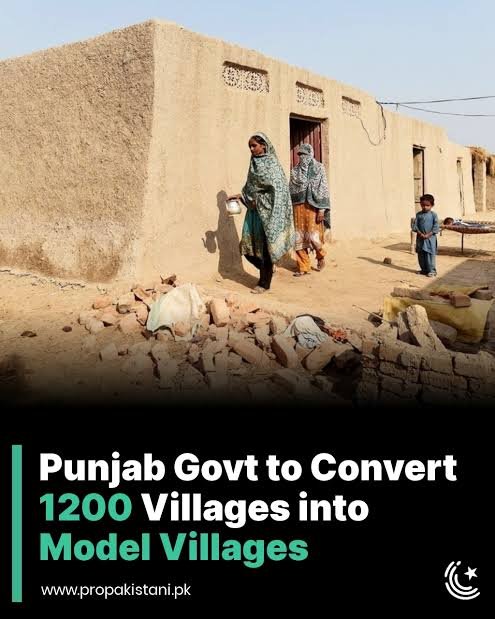
The Punjab government's decision to approve a pilot programme for developing 120 model villages represents a significant policy initiative aimed at improving rural infrastructure, sanitation and basic public facilities. Rather than creating new residential developments, the programme focuses on upgrading existing villages by improving sewerage systems, drainage networks, paved streets and the overall living environment. Its long-term significance will depend on whether these improvements can be delivered efficiently, maintained sustainably and expanded to other rural communities.
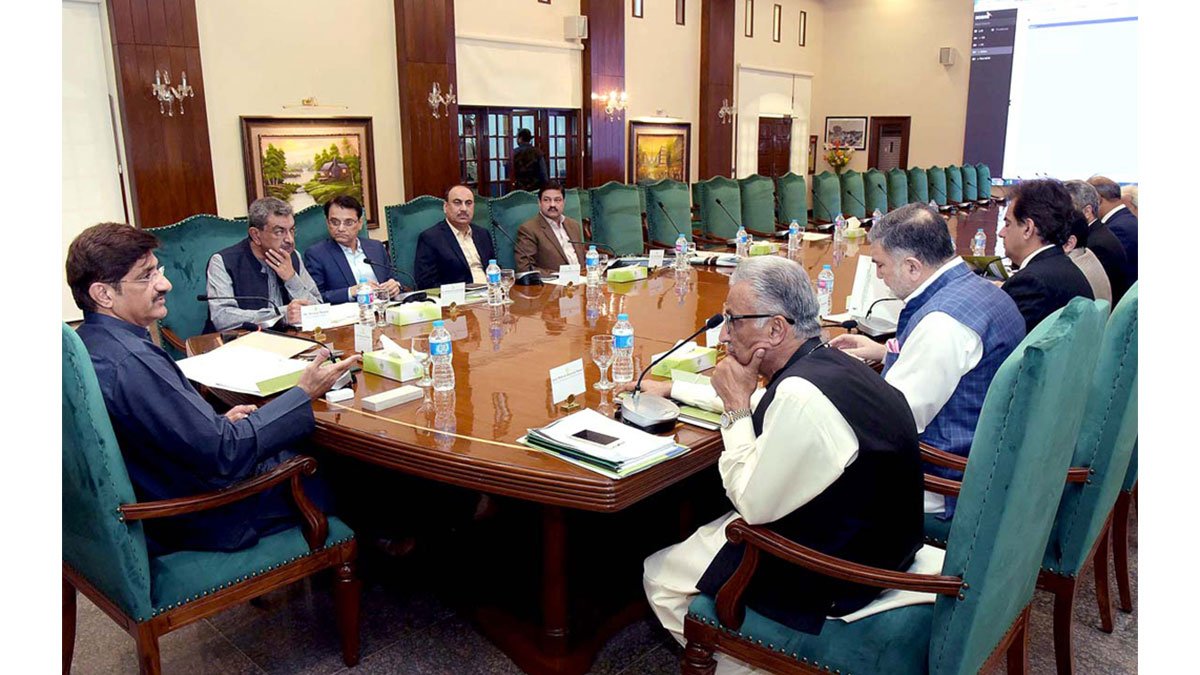
Chief Minister Maryam Nawaz Sharif approved the initiative during a meeting held in Lahore on October 20, 2026. The government also decided to introduce the proposed Khushhal Dehat Act 2026, intended to establish a clearer administrative and legal framework for village-level development. The proposed legislation aims to strengthen local planning, organise public infrastructure projects and improve accountability in the management of development activities.
One of the programme's central features is the establishment of village committees to oversee implementation. Each committee will comprise eight members, including four public representatives and four government representatives. The relevant Assistant Commissioner will head the committee, while the Deputy Commissioner will supervise the village committees and development projects across the district.
The committees are expected to include representatives such as local school headteachers, Union Council Secretaries and doctors serving at Basic Health Units or Maryam Nawaz Health Clinics. Their participation is intended to help identify local requirements and provide a mechanism for coordinating infrastructure development with existing educational, healthcare and administrative institutions.
This administrative structure could strengthen community involvement in rural development. Infrastructure schemes are often less effective when projects are designed without sufficient consideration of residents' daily needs. A drainage system, for example, may not function adequately unless planners understand local water flow patterns, existing streets, settlement density and maintenance requirements. Village committees could help address such issues if community representation is meaningful and decisions remain transparent.
Drainage and sanitation improvements are particularly important in densely populated rural settlements. Inadequate wastewater disposal can leave streets waterlogged, disrupt daily movement and create unhygienic conditions. These difficulties often become more severe during periods of heavy rainfall, when poorly maintained drains and unpaved roads become major obstacles for residents.
By upgrading drainage infrastructure, the model-village programme could reduce standing wastewater and improve local living conditions. However, effective sanitation requires more than initial construction. Drainage channels must be appropriately designed, connected to suitable disposal systems and supported by regular cleaning and maintenance.
The construction of paved streets is another important component of the initiative. Improved internal roads can make a practical difference for schoolchildren, farmers, small business owners and workers travelling between villages and nearby towns. Better access routes may also support local commercial activities by facilitating the movement of agricultural products, goods and essential services.
For rural households, improved streets can reduce travel difficulties and make healthcare and educational facilities more accessible. The potential benefits are particularly relevant for settlements where inadequate road conditions disrupt everyday activities and limit economic opportunities.
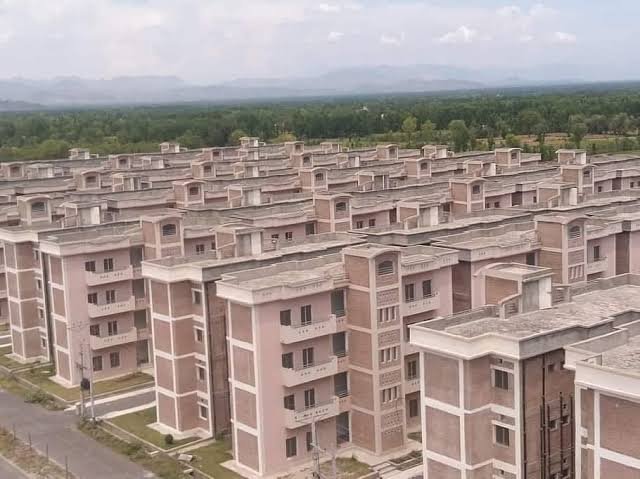
From a real estate perspective, the programme differs substantially from conventional private housing development. It seeks to improve infrastructure within existing communities instead of establishing new housing societies or converting agricultural land into planned residential colonies.
Better public facilities may improve the residential environment and functionality of village properties. Nevertheless, infrastructure upgrades do not automatically translate into higher property prices. Land values remain influenced by location, ownership documentation, demand, accessibility, income levels and wider market conditions.
The initiative also offers an opportunity to reconsider how rural public infrastructure is planned and maintained. Construction quality, transparent procurement, realistic budgets and effective technical supervision will be crucial to achieving durable results. Poorly executed infrastructure works could create recurring maintenance costs without delivering lasting improvements.
The role of local administrations will therefore be especially important. Assistant Commissioners and Deputy Commissioners will need to coordinate participating departments, monitor construction progress and address implementation difficulties. Public reporting on expenditure, project milestones and completed works could further strengthen accountability.
Community participation should also extend beyond project selection. Women, older residents, children and people with disabilities may experience infrastructure problems differently. Ensuring their concerns are reflected in local planning could improve the programme's social impact and make public spaces more accessible.
Long-term maintenance represents another significant challenge. Roads, drains and sanitation facilities deteriorate when responsibilities for cleaning, repairs and financing are unclear. The government will need to establish practical arrangements for maintaining completed infrastructure so that the initial investment continues to benefit residents.
Although the pilot programme has been approved, important implementation details remain outstanding. The government has not yet publicly provided a comprehensive district-wise list of the 120 selected villages, the total development budget, individual funding allocations or confirmed completion deadlines.
Similarly, the decision to introduce the Khushhal Dehat Act 2026 should be distinguished from the formal enactment of legislation, which requires the relevant legal process.
Ultimately, the programme should be judged by measurable improvements rather than announcements alone. The quality of completed streets, effectiveness of drainage systems, accessibility of public facilities and satisfaction of local residents will determine whether the initiative achieves its objectives.
If the pilot delivers sustainable results and establishes an accountable model of village-level administration, it could provide a useful foundation for extending rural infrastructure improvements to additional communities across Punjab. Its real value will lie in creating villages where residents experience practical, lasting improvements in their everyday lives.
پنجاب حکومت نے صوبے کے دیہی علاقوں میں بنیادی سہولتوں کی فراہمی، انفراسٹرکچر کی بہتری اور مقامی سطح پر ترقیاتی منصوبوں کی نگرانی کیلئے 120 دیہات کو ماڈل ویلجز میں تبدیل کرنے کے پائلٹ پروگرام کی منظوری دے دی ہے۔ اس منصوبے کا بنیادی مقصد پہلے سے آباد دیہات میں سیوریج، نکاسی آب، پختہ گلیوں اور صفائی کی سہولتوں کو بہتر بنا کر دیہی آبادی کا معیار زندگی بلند کرنا ہے۔ منصوبے کی اہمیت اس لیے بھی زیادہ ہے کہ پنجاب کی ایک بڑی آبادی دیہات میں رہتی ہے، جہاں بنیادی انفراسٹرکچر کی کمی روزمرہ زندگی، صحت، تعلیم اور معاشی سرگرمیوں کو متاثر کرتی ہے۔
وزیراعلیٰ پنجاب مریم نواز شریف نے 20 اکتوبر 2026 کو لاہور میں منعقدہ خصوصی اجلاس کے دوران اس منصوبے کی منظوری دی۔ اجلاس میں دیہی ترقی کیلئے ایک نئے انتظامی اور قانونی نظام کی تشکیل پر بھی غور کیا گیا اور پنجاب خوشحال دیہات ایکٹ 2026 متعارف کرانے کا فیصلہ کیا گیا۔ اس مجوزہ قانون کا مقصد دیہات میں ترقیاتی سرگرمیوں کو منظم کرنا، مقامی ضروریات کے مطابق منصوبہ بندی کو فروغ دینا اور سرکاری وسائل کے استعمال کی نگرانی کیلئے واضح طریقہ کار فراہم کرنا ہے۔
حکومتی منصوبے کی نمایاں خصوصیت مقامی سطح پر ویلج کمیٹیوں کی تشکیل ہے۔ ہر منتخب گاؤں میں آٹھ رکنی کمیٹی قائم کی جائے گی، جس میں چار عوامی اور چار سرکاری نمائندے شامل ہوں گے۔ متعلقہ اسسٹنٹ کمشنر کمیٹی کی سربراہی کرے گا، جبکہ ڈپٹی کمشنر ضلع بھر کی کمیٹیوں اور ترقیاتی منصوبوں کی نگرانی کا ذمہ دار ہوگا۔ کمیٹی میں مقامی سکول کے ہیڈ ٹیچر، یونین کونسل سیکرٹری اور بنیادی مرکز صحت یا مریم نواز ہیلتھ کلینک کے ڈاکٹر سمیت متعلقہ نمائندوں کی شمولیت بھی تجویز کی گئی ہے۔
اس انتظامی ماڈل کے ذریعے دیہی ترقی میں مقامی آبادی کی شرکت بڑھانے کی کوشش کی جائے گی۔ ماضی میں ترقیاتی منصوبوں کی ایک عام کمزوری یہ رہی ہے کہ بعض اوقات منصوبہ بندی مقامی ضروریات کا مکمل جائزہ لیے بغیر کی جاتی ہے۔ نتیجتاً ایسی سہولتیں تعمیر ہوجاتی ہیں جو آبادی کی اصل ترجیحات سے مطابقت نہیں رکھتیں۔ ویلج کمیٹیوں کی مؤثر کارکردگی اس مسئلے کو کم کرنے میں مددگار ثابت ہوسکتی ہے، بشرطیکہ مقامی نمائندگی حقیقی ہو اور فیصلوں میں شفافیت برقرار رکھی جائے۔
دیہی علاقوں میں نکاسی آب اور سیوریج کے ناقص انتظامات ایک اہم مسئلہ ہیں۔ کئی آبادیوں میں گندے پانی کی مناسب نکاسی نہ ہونے کے باعث گلیوں میں پانی جمع رہتا ہے، جس سے آمدورفت متاثر ہونے کے ساتھ صفائی اور صحت کے مسائل بھی پیدا ہوتے ہیں۔ بارشوں کے دوران یہ مشکلات مزید بڑھ سکتی ہیں۔ ماڈل ویلجز پروگرام کے تحت نکاسی آب کے مؤثر نظام کی تعمیر سے ان مسائل میں کمی لانے کی توقع ہے۔
پختہ گلیوں کی تعمیر بھی منصوبے کا اہم حصہ ہے۔ بہتر گلیاں صرف رہائشی سہولت نہیں بلکہ دیہی معیشت کیلئے بھی اہمیت رکھتی ہیں۔ کسانوں، چھوٹے کاروباری افراد، طلبہ اور روزانہ سفر کرنے والے شہریوں کو بہتر راستوں سے فائدہ پہنچ سکتا ہے۔ خصوصاً ایسے دیہات میں جہاں آمدورفت کے بنیادی راستے خراب ہیں، انفراسٹرکچر کی بہتری سے مقامی بازاروں، سکولوں اور صحت کے مراکز تک رسائی آسان ہوسکتی ہے۔
رئیل اسٹیٹ کے نقطہ نظر سے اس منصوبے کی نوعیت روایتی ہاؤسنگ سوسائٹیوں سے مختلف ہے۔ حکومت نئی رہائشی کالونیاں بنانے کے بجائے موجودہ دیہات میں بنیادی سہولتوں کو ترقی دینے پر توجہ دے رہی ہے۔ اس سے موجودہ مکانات، رہائشی گلیوں اور آبادیوں کے ماحول میں بہتری آسکتی ہے۔ تاہم بہتر انفراسٹرکچر کا مطلب یہ نہیں کہ ہر گاؤں میں زمین یا جائیداد کی قیمتوں میں لازمی اضافہ ہوگا۔ پراپرٹی کی مالیت پر مقام، مقامی طلب، ملکیتی ریکارڈ، آمدورفت اور مجموعی معاشی حالات بھی اثرانداز ہوتے ہیں۔
اس منصوبے کی کامیابی میں مالی اور انتظامی نظم و ضبط بنیادی اہمیت رکھے گا۔ ترقیاتی کاموں کیلئے موزوں تکنیکی ڈیزائن، معیاری تعمیراتی سامان، شفاف ٹھیکے اور مستقل نگرانی ضروری ہوں گے۔ خاص طور پر سیوریج اور نکاسی آب کے نظام میں تعمیر کے بعد مرمت، صفائی اور دیکھ بھال کا مستقل انتظام ناگزیر ہوگا، کیونکہ محض نئی نالیاں یا پائپ لائنیں تعمیر کردینا طویل مدتی حل نہیں ہے۔
اسی طرح دیہی ترقی میں خواتین، بچوں، بزرگوں اور معذور افراد کی ضروریات کو بھی اہمیت دینا ہوگی۔ محفوظ گلیاں، بہتر نکاسی آب اور صاف ماحول ان طبقات کیلئے روزمرہ زندگی آسان بنا سکتے ہیں۔ ویلج کمیٹیوں میں مقامی آبادی کے مختلف طبقات کی مؤثر آواز یقینی بنانا منصوبے کے سماجی فوائد میں اضافہ کرسکتا ہے۔
فی الحال پنجاب حکومت نے 120 دیہات کیلئے پائلٹ پروگرام کی منظوری دی ہے، تاہم منتخب دیہات کی ضلع وار فہرست، مجموعی لاگت، فنڈز کی تقسیم اور تعمیراتی کاموں کی تکمیل کا حتمی شیڈول سامنے نہیں آیا۔ اسی طرح خوشحال دیہات ایکٹ 2026 متعارف کرانے کا فیصلہ اس کے باقاعدہ قانون بن جانے کے مترادف نہیں۔
مجموعی طور پر ماڈل ویلجز منصوبہ پنجاب کی دیہی ترقی کیلئے ایک اہم پالیسی اقدام بن سکتا ہے۔ تاہم اس کی حقیقی کامیابی کا اندازہ اعلانات کے بجائے اس بات سے ہوگا کہ منتخب دیہات میں کتنی سہولتیں واقعی تعمیر ہوئیں، ان کا معیار کیا رہا، مقامی آبادی کو کتنا فائدہ پہنچا اور ان سہولتوں کو مستقبل میں کس حد تک برقرار رکھا جاسکا۔ اگر یہ پائلٹ پروگرام مؤثر ثابت ہوتا ہے تو اسے صوبے کے دیگر دیہات تک توسیع دینے کیلئے ایک قابل عمل ماڈل کے طور پر استعمال کیا جاسکتا ہے۔