

تاریخ اشاعت: October 7, 2026 - 4:57 PM
World Habitat Day: Three Billion People Worldwide Deprived of Adequate Housing. Why?
عالمی یومِ رہائش : دنیا میں تین ارب افراد بنیادی رہائشی سہولت سے محروم کیوں؟
▫️ محمد فیصل سلہریا
عالمی یومِ رہائش 5 اکتوبر 2026 ایسے وقت میں منایا گیا ہے جب دنیا کے ایک بڑے حصے کیلئے محفوظ، مناسب اور قابل استطاعت گھر اب بھی بنیادی ضرورت کے بجائے ایک مشکل خواب بنا ہوا ہے۔
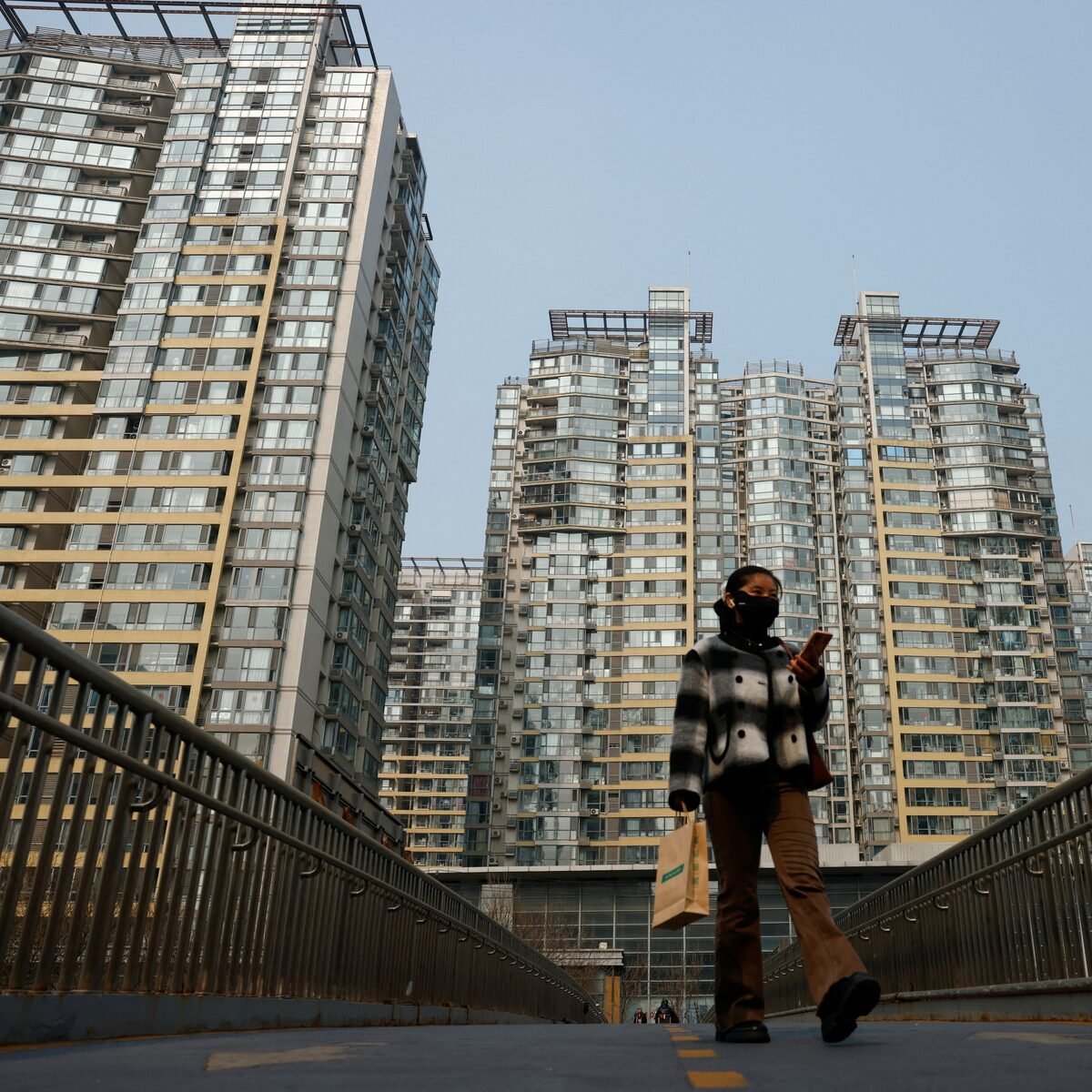
World Habitat Day 2026 has been observed against the backdrop of a deepening global housing crisis in which safe, adequate and affordable shelter remains beyond the reach of billions of people. This year’s theme, “Adequate Housing for All,” has renewed attention on the principle that housing is not merely a roof and four walls but a fundamental requirement for human dignity, security, health, education, employment and social stability. Across the world, rapidly growing cities, rising land and construction costs, conflict, climate change and displacement are making adequate housing increasingly difficult to secure, particularly for low-income households.
In his message marking World Habitat Day, United Nations Secretary-General António Guterres said adequate housing is the foundation of dignity, security and opportunity, yet more than three billion people are denied this universal human right. More than one billion people are living in slums and informal settlements, while many others are facing homelessness or displacement caused by wars, disasters and climate-related emergencies.
Guterres stressed that investment in adequate housing and the upgrading of informal settlements can play an important role in reducing poverty, addressing inequality, strengthening climate resilience and building more peaceful and inclusive societies. He also called for coordinated policies at national and local levels, stronger partnerships, better data and affordable financing for developing countries so that housing can be treated as a public good rather than a privilege available only to those with sufficient financial means.
Against this wider global backdrop, World Habitat Day 2026 also brought significant recognition for Pakistan, particularly Punjab. The United Nations Human Settlements Programme, UN-Habitat, awarded the 2026 UN-Habitat Scroll of Honour to the Punjab Housing and Town Planning Agency for its contribution to expanding access to adequate, safe and affordable housing for low-income households.
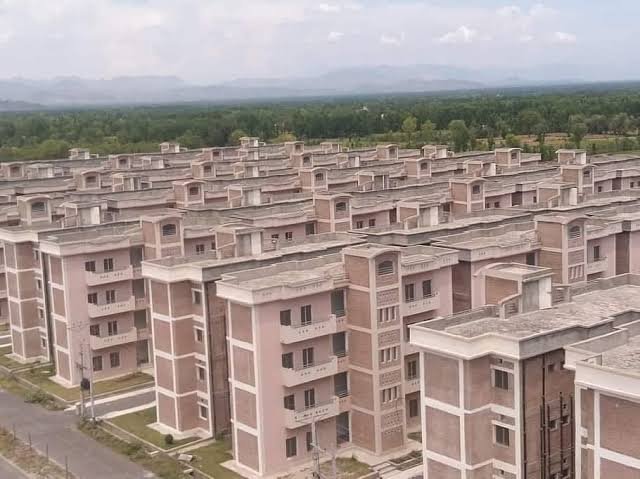
The recognition is closely associated with the Punjab government’s flagship Apni Chhat, Apna Ghar programme, which has been designed to support lower-income families seeking to build their own homes. The award places Punjab’s housing initiative among internationally recognised efforts aimed at making affordable shelter more accessible to groups that are often excluded from conventional housing finance and formal property markets.
Punjab Chief Minister Maryam Nawaz Sharif travelled to Muscat, Oman, to receive the Scroll of Honour during the World Habitat Day ceremony. She dedicated the award to the families who have built or are building homes under the Apni Chhat, Apna Ghar programme. The recognition is particularly significant because Pakistan has received the UN-Habitat Scroll of Honour again after a gap of 19 years.
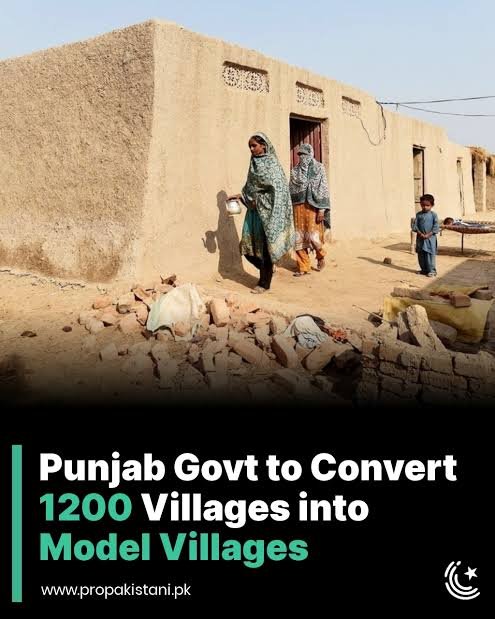
For Punjab, the award comes at a time when Pakistan is confronting serious housing pressures caused by rapid population growth, urban migration, rising land prices, increasing construction costs and the limited purchasing power of low-income households. These challenges demonstrate that affordable housing cannot be addressed simply by increasing the number of houses constructed. Adequate housing also requires secure land tenure, access to water and sanitation, roads, electricity, schools, healthcare, public transport and employment opportunities.
The broader message of World Habitat Day is therefore that housing policy must be connected with urban planning, infrastructure, social protection and access to finance. A house becomes truly adequate only when the people living in it can also access essential services, feel secure in their tenure and remain protected from environmental, economic and social risks.
At the same time, the situation in Gaza presents one of the starkest contrasts to the global call for adequate housing. According to Palestinian sources, approximately 82 percent of buildings in Gaza have been damaged or destroyed as a result of Israeli bombardment. Large numbers of people have been forced from their homes and are living in temporary shelters, tents, damaged buildings or areas with severely limited access to basic services.
The destruction has extended far beyond residential structures. Water systems, sewage networks, healthcare facilities and other essential urban infrastructure have also suffered extensive damage, creating a humanitarian crisis in which people are struggling not only to find shelter but also to secure the basic conditions required for safe and dignified living.
In this context, World Habitat Day carries a much broader meaning. It is not only about building new homes but also about protecting civilians, preventing displacement, rebuilding communities destroyed by conflict and restoring the basic infrastructure needed for human life.
World Habitat Day 2026 therefore presents two sharply different realities. Punjab’s international recognition demonstrates how targeted public policy, financial support and housing programmes can improve access to homes for lower-income families. Gaza, on the other hand, shows how quickly the basic right to shelter can be destroyed by conflict and displacement.
The central message of the day remains clear: adequate housing should not be treated as a privilege for those who can afford it, but as a fundamental human right. Governments need policies that go beyond simply increasing housing supply and instead ensure access to safe, affordable, sustainable and dignified homes. With more than three billion people still deprived of adequate housing worldwide, the global housing crisis has become not only an urban development challenge but also a major social, economic and humanitarian issue.
عالمی یومِ رہائش 5 اکتوبر 2026 ایسے وقت میں منایا گیا ہے جب دنیا کے ایک بڑے حصے کیلئے محفوظ، مناسب اور قابل استطاعت گھر اب بھی بنیادی ضرورت کے بجائے ایک مشکل خواب بنا ہوا ہے۔ اقوام متحدہ نے اس سال عالمی یومِ رہائش کا موضوع " مناسب رہائش سب کیلئے” رکھا، جس کا مقصد حکومتوں، شہروں، مالیاتی اداروں اور معاشروں کو یہ یاد دلانا ہے کہ رہائش محض چار دیواری اور چھت کا نام نہیں بلکہ انسانی وقار، سلامتی، صحت، تعلیم، روزگار اور سماجی استحکام سے براہ راست جڑا ہوا بنیادی حق ہے۔ اقوام متحدہ کے مطابق عالمی سطح پر رہائش کا بحران انتہائی سنگین ہو چکا ہے اور اربوں افراد کسی نہ کسی شکل میں غیر مناسب رہائشی حالات کا سامنا کر رہے ہیں۔
اقوام متحدہ کے سیکرٹری جنرل انتونیو گوتیرش نے عالمی یومِ رہائش پر اپنے پیغام میں واضح کیا کہ مناسب رہائش انسانی وقار، تحفظ اور مواقع کی بنیاد ہے، لیکن دنیا میں تین ارب سے زائد افراد اس بنیادی انسانی حق سے محروم ہیں۔ ان کے مطابق ایک ارب سے زیادہ افراد کچی آبادیوں اور غیر رسمی بستیوں میں زندگی گزار رہے ہیں، جبکہ بڑی تعداد بے گھری، جنگوں، قدرتی آفات اور موسمیاتی تبدیلی کے باعث نقل مکانی کا سامنا کر رہی ہے۔ گوتیرش کا کہنا تھا کہ مناسب رہائش میں سرمایہ کاری اور کچی آبادیوں کی بہتری غربت میں کمی، عدم مساوات کے خاتمے، موسمیاتی تبدیلی کے مقابلے کی صلاحیت بڑھانے اور زیادہ پرامن اور جامع معاشروں کی تشکیل میں اہم کردار ادا کر سکتی ہے۔ انہوں نے قومی اور مقامی حکومتوں پر مربوط پالیسی سازی، شراکت داری، درست اعداد و شمار اور ترقی پذیر ممالک کیلئے قابل استطاعت مالی وسائل کی فراہمی پر زور دیتے ہوئے رہائش کو ایک عوامی مفاد کے طور پر دیکھنے کی ضرورت اجاگر کی۔
اسی عالمی منظرنامے میں پاکستان اور بالخصوص پنجاب کیلئے عالمی یومِ رہائش 2026 ایک نمایاں پیش رفت بھی لے کر آیا۔ اقوام متحدہ کے ادارہ برائے انسانی آبادکاری، UN-Habitat، نے پنجاب ہاؤسنگ اینڈ ٹاؤن پلاننگ ایجنسی کو کم آمدنی والے خاندانوں کیلئے مناسب، محفوظ اور قابل استطاعت رہائش تک رسائی بڑھانے کی خدمات پر UN-Habitat Scroll of Honour Award 2026 سے نوازا۔ یہ اعزاز پنجاب حکومت کے فلیگ شپ ہاؤسنگ پروگرام “اپنی چھت، اپنا گھر” سے منسلک کوششوں کا اعتراف ہے۔ یہ پروگرام ایسے کم آمدنی والے خاندانوں کو گھر بنانے میں سہولت فراہم کرنے کیلئے شروع کیا گیا جن کیلئے روایتی ہاؤسنگ فنانس یا مارکیٹ ریٹس پر گھر کی تعمیر مشکل ہے۔
وزیراعلیٰ پنجاب مریم نواز شریف یہ اعزاز وصول کرنے کیلئے مسقط، عمان پہنچیں اور عالمی یومِ رہائش کی تقریب میں Scroll of Honour وصول کیا۔ انہوں نے یہ اعزاز ان خاندانوں کے نام کیا جو “اپنی چھت، اپنا گھر” پروگرام کے تحت اپنے گھر تعمیر کر رہے ہیں۔ اس عالمی اعزاز کی اہمیت اس لیے بھی زیادہ ہے کہ پاکستان کو 19 سال بعد دوبارہ UN-Habitat Scroll of Honour کی سطح پر عالمی پذیرائی ملی ہے۔ پنجاب حکومت کیلئے یہ اعزاز اس بات کی علامت کے طور پر پیش کیا جا رہا ہے کہ کم لاگت ہاؤسنگ کو محض تعمیراتی منصوبے کے طور پر نہیں بلکہ سماجی تحفظ، مالی معاونت اور کم آمدنی والے شہریوں کے معیارِ زندگی سے جوڑ کر دیکھا جا رہا ہے۔
پنجاب کیلئے یہ اعزاز ایک ایسے وقت میں اہمیت رکھتا ہے جب پاکستان میں تیزی سے بڑھتی آبادی، شہروں کی جانب نقل مکانی، زمین اور تعمیراتی لاگت میں اضافہ اور کم آمدنی والے طبقات کی محدود مالی استطاعت ہاؤسنگ کے مسئلے کو مسلسل پیچیدہ بنا رہی ہے۔ عالمی یومِ رہائش کا بنیادی پیغام بھی یہی ہے کہ سستی رہائش کو صرف تعمیراتی منصوبے کے طور پر نہیں دیکھا جا سکتا۔ اس کیلئے محفوظ زمین، بنیادی سہولتیں، مناسب شہری منصوبہ بندی، مالیاتی رسائی، روزگار سے رابطہ اور طویل مدتی پائیداری ضروری ہے۔ ایک گھر اس وقت مکمل رہائش بنتا ہے جب اس کے ساتھ پانی، بجلی، سیوریج، سڑک، تعلیم، صحت اور روزگار تک مناسب رسائی بھی موجود ہو۔
دوسری جانب عالمی یومِ رہائش کے موقع پر غزہ کی صورتحال اس عالمی نعرے کے بالکل متضاد اور انتہائی تکلیف دہ تصویر پیش کرتی ہے۔ فلسطینی ذرائع کے مطابق غزہ میں اسرائیلی بمباری کے نتیجے میں تقریباً 82 فیصد عمارتیں متاثر یا تباہ ہو چکی ہیں، جبکہ لاکھوں افراد اپنے گھروں سے محروم ہو کر عارضی خیموں، تباہ شدہ عمارتوں یا انتہائی محدود سہولیات والے علاقوں میں رہنے پر مجبور ہیں۔ رہائشی عمارتوں کے ساتھ پانی، سیوریج، صحت اور شہری انفراسٹرکچر کی تباہی نے انسانی بحران کو مزید سنگین بنا دیا ہے۔ ایسی صورتحال میں عالمی یومِ رہائش کا پیغام محض مناسب گھر کی فراہمی تک محدود نہیں رہتا بلکہ جنگ زدہ علاقوں میں شہری آبادی کے تحفظ، بے گھر افراد کی بحالی اور بنیادی شہری سہولیات کی دوبارہ فراہمی کا مطالبہ بھی بن جاتا ہے۔
یوں عالمی یومِ رہائش 2026 ایک ہی وقت میں امید اور بحران دونوں کی تصویر سامنے لاتا ہے۔ پنجاب میں کم آمدنی والے شہریوں کیلئے رہائش کے ایک منصوبے کو عالمی سطح پر پذیرائی ملنا اس بات کی مثال ہے کہ حکومتی پالیسی، مالی معاونت اور ہدفی پروگراموں کے ذریعے ہاؤسنگ تک رسائی بہتر بنائی جا سکتی ہے، مگر غزہ سمیت دنیا کے کئی علاقوں میں جنگ، غربت، نقل مکانی اور موسمیاتی خطرات کروڑوں انسانوں سے محفوظ چھت چھین رہے ہیں۔
عالمی یومِ رہائش کا اصل پیغام یہی ہے کہ مناسب رہائش کو مراعات یافتہ طبقے کی سہولت نہیں بلکہ ہر انسان کے بنیادی حق کے طور پر تسلیم کیا جائے۔ حکومتوں کو ایسی پالیسیاں اختیار کرنا ہوں گی جو محض مکانات کی تعداد بڑھانے کے بجائے لوگوں کو محفوظ، قابل استطاعت، باوقار اور پائیدار رہائش فراہم کریں۔ دنیا میں تین ارب سے زائد افراد کا مناسب رہائش سے محروم ہونا اس بات کی نشاندہی کرتا ہے کہ ہاؤسنگ کا بحران صرف تعمیرات کا مسئلہ نہیں بلکہ عالمی سماجی، معاشی اور انسانی مسئلہ بن چکا ہے۔