
Published: January 8, 2026 - 11:19 AM
Homeowners Blindsided by 450% Ground-Rent Shock After New York Court Backs Billionaire Landlord
نیو یارک میں عدالتی فیصلے کے بعد کارنیگی ہاؤس کے مکین 450 فیصد گراؤنڈ رینٹ اضافے سے دوچار
▫️Court Ruling Triggers Financial Crisis at Carnegie House ▫️Affordable Co-op on Billionaires’ Row Faces Uncertain Future
New York | Re News Pakistan A long-standing pocket of relative affordability on Manhattan’s ultra-exclusive Billionaires’ Row is rapidly disappearing after a New York court upheld a staggering 450 percent increase in ground rent, leavin...
New York | Re News Pakistan
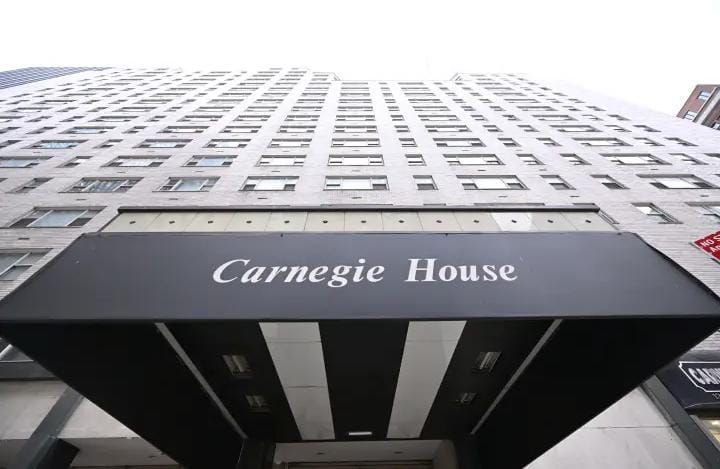
A long-standing pocket of relative affordability on Manhattan’s ultra-exclusive Billionaires’ Row is rapidly disappearing after a New York court upheld a staggering 450 percent increase in ground rent, leaving hundreds of homeowners at Carnegie House, located at 100 West 57th Street, confronting an unprecedented financial shock. The decision, delivered by the New York County Supreme Court in early January 2026, has transformed what many residents once viewed as stable, middle-class homeownership into a looming economic nightmare. Carnegie House is a 324-unit cooperative building completed in the early 1960s. Unlike most co-ops in New York City, the residents do not own the land beneath their building. Instead, the property sits on a ground lease, meaning the co-op owns the structure but pays rent to a separate landowner. For decades, this arrangement allowed residents to live in a prime Manhattan location at comparatively reasonable monthly costs, even as surrounding luxury towers reshaped the skyline and pushed prices into the stratosphere. That balance collapsed when the land under Carnegie House changed hands in the mid-2010s, eventually coming under the control of investors linked to billionaire-level wealth. As the lease approached a scheduled reset, the landowners sought a rent figure aligned with the soaring value of West 57th Street real estate. Negotiations between the co-op board and the landowners failed, leading to arbitration as required under the lease terms. The arbitration panel ultimately sided with the landowners, setting a new annual ground rent estimated at more than $24 million, up from roughly $4 million previously. Residents challenged the arbitration outcome in court, arguing that the increase was excessive and would effectively destroy the co-op. However, the court declined to overturn the ruling, clearing the way for the massive rent hike to take effect. With that decision, the financial reality for hundreds of homeowners changed overnight. The immediate impact will be felt through sharply higher monthly maintenance charges. Many residents who previously paid between $3,500 and $5,000 per month now expect their bills to soar into the $9,000 to $13,000 range, depending on apartment size. For retirees, fixed-income households, and long-time residents who bought decades ago, these numbers are simply unmanageable. Several homeowners have described the situation as a forced eviction in slow motion, driven not by missed mortgage payments but by an uncontrollable surge in land rent. Beyond monthly costs, the ruling has sent shockwaves through property values within the building. Apartments that would ordinarily command seven-figure prices in this neighborhood are now appearing on the market at startlingly low asking prices. Studios and one-bedroom units are being listed for a fraction of their former value, reflecting buyers’ reluctance to take on unpredictable and potentially rising maintenance obligations. As a result, some owners fear they may be trapped — unable to afford staying, yet unable to sell without absorbing heavy financial losses. An even more alarming concern is the long-term viability of the co-op itself. If Carnegie House fails to meet its ground-rent obligations, the consequences could be severe. In a worst-case scenario, default could jeopardize the cooperative structure entirely, threatening residents’ equity while leaving mortgage holders still responsible for their loans. Housing advocates warn that such outcomes expose the hidden risks embedded in ground-lease arrangements, particularly in areas where land values have accelerated far beyond historical norms. Residents have not remained silent. Over the past year, homeowners organized protests, appealed to elected officials, and sought public attention as negotiations deteriorated. Many argue that they are not wealthy speculators but ordinary New Yorkers who believed they had secured stable housing in a city increasingly hostile to middle-income residents. While landowners have indicated a willingness to discuss hardship accommodations on a case-by-case basis, skepticism remains high among residents who see little assurance of meaningful relief. The dispute has also reignited a broader debate about housing policy in New York City. Critics contend that ground leases, while legal and long-established, can become instruments of displacement when market forces are left unchecked. Supporters of reform argue that clearer protections or regulatory oversight may be necessary to prevent similar crises elsewhere, especially as urban land values continue to climb. As Carnegie House residents weigh appeals and potential negotiations, the building has become a symbol of the fragile line between ownership and vulnerability in modern urban real estate. Once marketed as an affordable foothold on one of the world’s most valuable streets, the co-op now stands as a cautionary tale — illustrating how land economics, legal contracts, and court rulings can swiftly upend lives, even in homes people believed were secure.
A long-standing pocket of relative affordability on Manhattan’s ultra-exclusive Billionaires’ Row is rapidly disappearing after a New York court upheld a staggering 450 percent increase in ground rent, leaving hundreds of homeowners at Carnegie House, located at 100 West 57th Street, confronting an unprecedented financial shock. The decision, delivered by the New York County Supreme Court in early January 2026, has transformed what many residents once viewed as stable, middle-class homeownership into a looming economic nightmare. Carnegie House is a 324-unit cooperative building completed in the early 1960s. Unlike most co-ops in New York City, the residents do not own the land beneath their building. Instead, the property sits on a ground lease, meaning the co-op owns the structure but pays rent to a separate landowner. For decades, this arrangement allowed residents to live in a prime Manhattan location at comparatively reasonable monthly costs, even as surrounding luxury towers reshaped the skyline and pushed prices into the stratosphere. That balance collapsed when the land under Carnegie House changed hands in the mid-2010s, eventually coming under the control of investors linked to billionaire-level wealth. As the lease approached a scheduled reset, the landowners sought a rent figure aligned with the soaring value of West 57th Street real estate. Negotiations between the co-op board and the landowners failed, leading to arbitration as required under the lease terms. The arbitration panel ultimately sided with the landowners, setting a new annual ground rent estimated at more than $24 million, up from roughly $4 million previously. Residents challenged the arbitration outcome in court, arguing that the increase was excessive and would effectively destroy the co-op. However, the court declined to overturn the ruling, clearing the way for the massive rent hike to take effect. With that decision, the financial reality for hundreds of homeowners changed overnight. The immediate impact will be felt through sharply higher monthly maintenance charges. Many residents who previously paid between $3,500 and $5,000 per month now expect their bills to soar into the $9,000 to $13,000 range, depending on apartment size. For retirees, fixed-income households, and long-time residents who bought decades ago, these numbers are simply unmanageable. Several homeowners have described the situation as a forced eviction in slow motion, driven not by missed mortgage payments but by an uncontrollable surge in land rent. Beyond monthly costs, the ruling has sent shockwaves through property values within the building. Apartments that would ordinarily command seven-figure prices in this neighborhood are now appearing on the market at startlingly low asking prices. Studios and one-bedroom units are being listed for a fraction of their former value, reflecting buyers’ reluctance to take on unpredictable and potentially rising maintenance obligations. As a result, some owners fear they may be trapped — unable to afford staying, yet unable to sell without absorbing heavy financial losses. An even more alarming concern is the long-term viability of the co-op itself. If Carnegie House fails to meet its ground-rent obligations, the consequences could be severe. In a worst-case scenario, default could jeopardize the cooperative structure entirely, threatening residents’ equity while leaving mortgage holders still responsible for their loans. Housing advocates warn that such outcomes expose the hidden risks embedded in ground-lease arrangements, particularly in areas where land values have accelerated far beyond historical norms. Residents have not remained silent. Over the past year, homeowners organized protests, appealed to elected officials, and sought public attention as negotiations deteriorated. Many argue that they are not wealthy speculators but ordinary New Yorkers who believed they had secured stable housing in a city increasingly hostile to middle-income residents. While landowners have indicated a willingness to discuss hardship accommodations on a case-by-case basis, skepticism remains high among residents who see little assurance of meaningful relief. The dispute has also reignited a broader debate about housing policy in New York City. Critics contend that ground leases, while legal and long-established, can become instruments of displacement when market forces are left unchecked. Supporters of reform argue that clearer protections or regulatory oversight may be necessary to prevent similar crises elsewhere, especially as urban land values continue to climb. As Carnegie House residents weigh appeals and potential negotiations, the building has become a symbol of the fragile line between ownership and vulnerability in modern urban real estate. Once marketed as an affordable foothold on one of the world’s most valuable streets, the co-op now stands as a cautionary tale — illustrating how land economics, legal contracts, and court rulings can swiftly upend lives, even in homes people believed were secure.
نیو یارک | ری نیوز پاکستان
نیو یارک کے علاقے ویسٹ 57 اسٹریٹ پر واقع کارنیگی ہاؤس کے مکین ایک بڑے مالی دباؤ کا سامنا کر رہے ہیں، جب نیو یارک کاؤنٹی کی عدالت نے گراؤنڈ رینٹ میں 450 فیصد اضافے کے فیصلے کو برقرار رکھا۔ یہ عمارت، جو طویل عرصے تک مین ہیٹن کے مہنگے ترین علاقے میں نسبتاً قابلِ برداشت رہائش کے طور پر جانی جاتی تھی، اب بڑھتے ہوئے اخراجات اور غیر یقینی مستقبل کی مثال بن چکی ہے۔
کارنیگی ہاؤس 324 اپارٹمنٹس پر مشتمل ایک کوآپریٹو رہائشی عمارت ہے، جسے 1960 کی دہائی میں تعمیر کیا گیا تھا۔ اس عمارت کی ملکیت کا نظام نیو یارک کے عام کوآپ ماڈل سے مختلف ہے۔ یہاں رہائشی اپارٹمنٹس اور عمارت کے مالک ہیں، مگر زمین کی ملکیت الگ ہے، جو ایک طویل مدتی گراؤنڈ لیز کے تحت زمین کے مالک کے پاس رہتی ہے۔ اس معاہدے کے مطابق مقررہ وقفوں کے بعد زمین کے کرایے کا ازسرِنو تعین کیا جاتا ہے۔
کئی دہائیوں تک یہ نظام بغیر کسی بڑی رکاوٹ کے چلتا رہا۔ سالانہ گراؤنڈ رینٹ تقریباً چار ملین ڈالر کے قریب تھی، جس کے باعث رہائشی اخراجات قابو میں رہے۔ تاہم ویسٹ 57 اسٹریٹ اور اس کے اطراف میں جائیداد کی قیمتوں میں مسلسل اضافے کے باعث زمین کی مجموعی مالیت میں نمایاں اضافہ ہوا، جس کا براہِ راست اثر گراؤنڈ رینٹ کے تعین پر پڑا۔
جب گراؤنڈ لیز کی شرائط کے تحت کرایے پر نظرِثانی کا وقت آیا تو کوآپ بورڈ اور زمین کے مالکان کے درمیان مذاکرات شروع ہوئے۔ دونوں فریق کسی متفقہ رقم پر اتفاق نہ کر سکے، جس کے بعد معاملہ معاہدے کے مطابق ثالثی کے عمل میں داخل ہوا۔ ثالثی پینل نے زمین کی موجودہ مارکیٹ ویلیو کو مدنظر رکھتے ہوئے سالانہ گراؤنڈ رینٹ کو چوبیس ملین ڈالر سے زائد مقرر کیا، جو سابقہ رقم سے تقریباً ساڑھے چار گنا زیادہ ہے۔
کوآپریٹو انتظامیہ نے اس فیصلے کو عدالت میں چیلنج کیا اور مؤقف اختیار کیا کہ اتنا بڑا اضافہ عمارت کے مالی نظم کو متاثر کرے گا۔ تاہم عدالت نے ثالثی کے عمل کو معاہدے کے مطابق درست قرار دیتے ہوئے فیصلے میں مداخلت سے انکار کر دیا۔ اس عدالتی حکم کے بعد گراؤنڈ رینٹ میں اضافے کا نفاذ یقینی ہو گیا۔
اس فیصلے کا فوری اثر رہائشیوں کی ماہانہ ادائیگیوں پر پڑ رہا ہے۔ اندازوں کے مطابق، کئی اپارٹمنٹس کے لیے ماہانہ مینٹیننس چارجز میں نمایاں اضافہ ہو گا، جو بعض صورتوں میں نو ہزار سے تیرہ ہزار ڈالر ماہانہ تک پہنچ سکتے ہیں۔ اس میں عمارت کی دیکھ بھال، عملے کے اخراجات اور بڑھا ہوا گراؤنڈ رینٹ شامل ہے۔
مالی دباؤ کے باعث عمارت میں جائیداد کی خرید و فروخت بھی متاثر ہوئی ہے۔ بعض اپارٹمنٹس مارکیٹ میں کم قیمت پر پیش کیے جا رہے ہیں، کیونکہ ممکنہ خریدار بڑھتی ہوئی ماہانہ لاگت کو مدنظر رکھتے ہوئے محتاط رویہ اختیار کر رہے ہیں۔ نتیجتاً، موجودہ مالکان کو اپنی جائیداد کی قدر میں کمی کا سامنا ہے۔
اس کے ساتھ ساتھ، کوآپریٹو نظام کی مجموعی مالی ذمہ داریوں پر بھی توجہ دی جا رہی ہے۔ گراؤنڈ رینٹ ایک مستقل اور لازمی ادائیگی ہے، جس کی عدم ادائیگی کی صورت میں قانونی اور مالی پیچیدگیاں پیدا ہو سکتی ہیں۔ اسی وجہ سے عمارت کی انتظامیہ آئندہ مالی منصوبہ بندی پر غور کر رہی ہے تاکہ تمام واجبات بروقت ادا کی جا سکیں۔
گزشتہ برس کے دوران مکینوں نے مختلف سطحوں پر اپنے خدشات سے متعلق گفتگو کی اور قانونی راستہ اختیار کیا، تاہم عدالتی فیصلے کے بعد اب توجہ اس بات پر مرکوز ہے کہ نئے مالی حالات میں کس طرح انتظامات کیے جائیں۔ بعض رہائشی متبادل رہائش کے امکانات دیکھ رہے ہیں، جبکہ دیگر اپنی موجودہ رہائش برقرار رکھنے کے لیے اخراجات میں ایڈجسٹمنٹ پر غور کر رہے ہیں۔
کارنیگی ہاؤس کا معاملہ نیو یارک میں گراؤنڈ لیز کے تحت قائم رہائشی عمارتوں کی عملی صورتحال کو واضح کرتا ہے۔ یہ کیس اس حقیقت کو اجاگر کرتا ہے کہ زمین کی بڑھتی ہوئی مالیت اور معاہداتی شرائط کے تحت ہونے والے فیصلے کس طرح رہائشی اخراجات اور جائیداد کی قدر کو متاثر کر سکتے ہیں۔ فی الحال، کارنیگی ہاؤس کے مکین ایک ایسے مرحلے میں داخل ہو چکے ہیں جہاں مالی فیصلے ان کے رہائشی مستقبل کا تعین کریں گے۔