

Published: June 3, 2026 - 2:05 PM
Asia Pacific Luxury Housing Gains Momentum as Wealth Flows Reshape Prime Real Estate Market
ایشیا پیسیفک میں لگژری ہاؤسنگ مارکیٹ تیز، دولت کے بہاؤ نے پرائم رئیل اسٹیٹ کا نقشہ بدل دیا
▫️Tokyo, Manila, Seoul, Bengaluru, Singapore, Hong Kong and Mumbai emerge as key markets amid supply shortages and cross border capital movement
Jakarta | ReNews International Desk News Asia Pacific’s luxury residential market remained one of the strongest segments of global real estate in 2025, as wealthy buyers continued to invest in prime homes despite wider economic uncert...
Jakarta | ReNews International Desk News
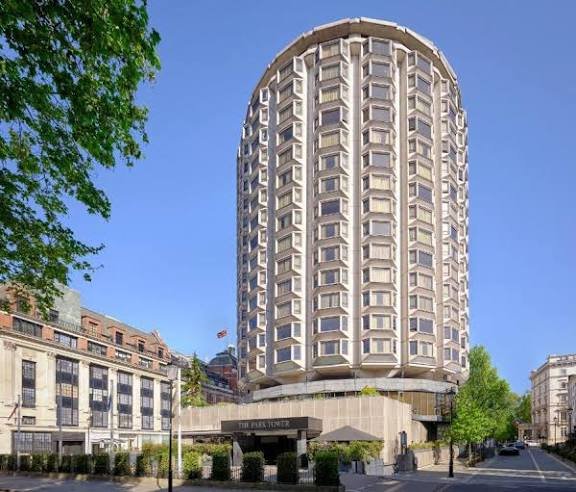
Asia Pacific’s luxury residential market remained one of the strongest segments of global real estate in 2025, as wealthy buyers continued to invest in prime homes despite wider economic uncertainty, according to Knight Frank’s latest Wealth Report.
The 20th edition of the report showed that global luxury residential prices rose 3.2 percent in 2025, outpacing the 2.9 percent growth recorded in the broader housing market. In Asia Pacific, prime residential prices increased by around 3.6 to 3.7 percent, keeping the region among the leading global performers after the Middle East and Latin America.
Knight Frank said the trend reflects a growing separation between mainstream housing and the luxury property market. While ordinary homebuyers remain under pressure from affordability concerns, higher costs and weaker economic conditions in some countries, high-net-worth individuals continue to benefit from strong wealth creation and greater financial flexibility.
The report noted that global wealth expanded by 5.3 percent during the year, well above global GDP growth of 3.3 percent. This has helped support luxury housing demand, particularly in Asia Pacific cities where land is limited, quality supply is tight and prime properties are increasingly viewed as long-term stores of value.
According to Knight Frank, Asia Pacific’s momentum is being driven by a major shift in capital mobility. As wealthy families face rising tax burdens, regulatory scrutiny and market volatility, many are diversifying assets across different jurisdictions. In this environment, prime residential property is no longer seen only as a lifestyle purchase. It is increasingly being treated as a safe-haven asset for cross border wealth.
The region’s performance, however, remained uneven. Tokyo recorded the strongest annual price growth globally, with prime values rising 58.5 percent. The increase was supported by limited new-build supply, low interest rates and strong demand from buyers across Asia Pacific. Manila followed with a 17.5 percent rise, while Seoul gained 14.75 percent and Bengaluru recorded growth of 9.4 percent.
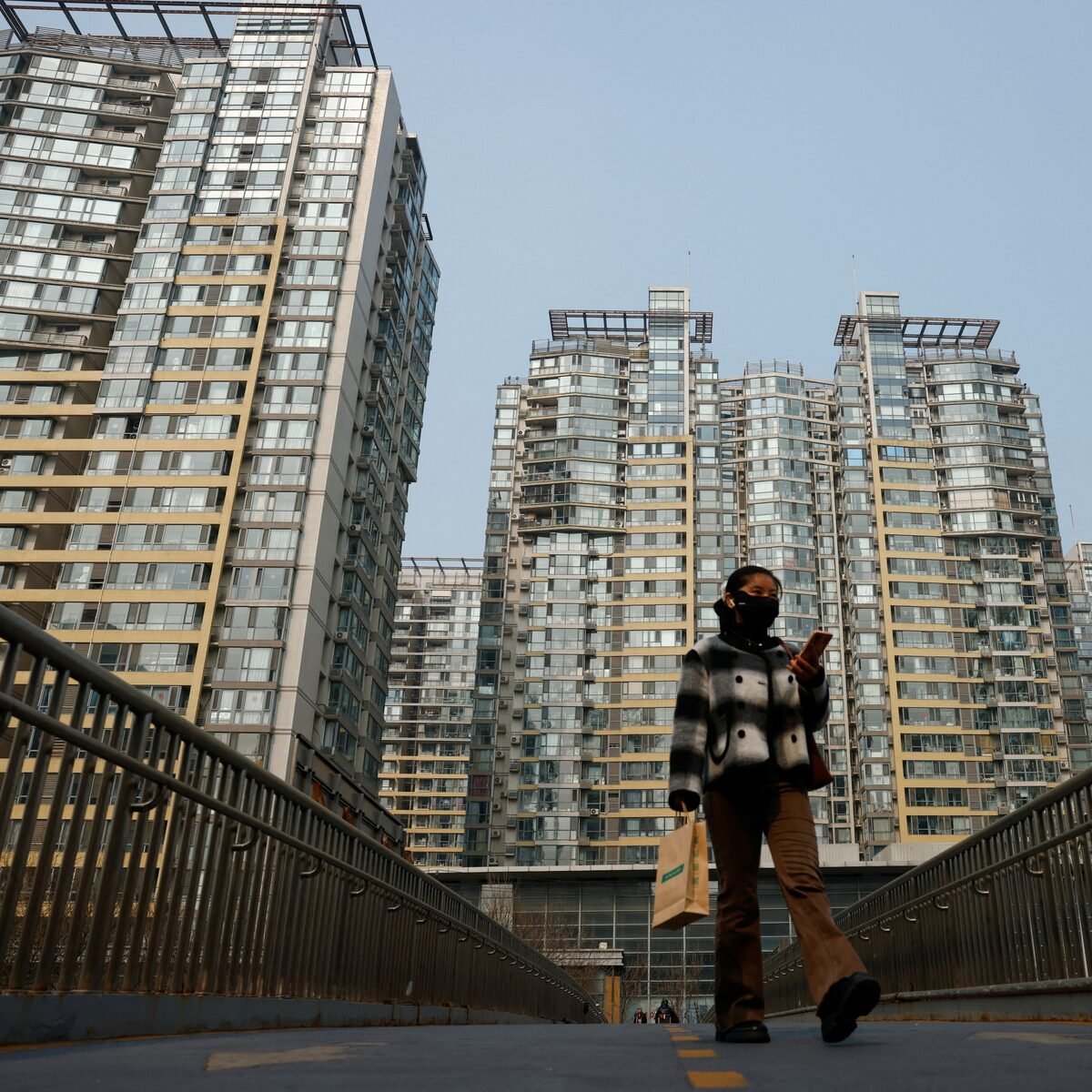
In contrast, parts of China’s prime housing market remained under pressure. Guangzhou posted a 12.2 percent decline, while Shenzhen fell 7.2 percent, reflecting continued weakness in major Chinese property markets.
Knight Frank said a shortage of move in ready homes, rising construction costs and longer development timelines were adding pressure to prices across major wealth hubs. Affluent buyers are increasingly avoiding renovation risks and are willing to pay a premium for completed, high-quality properties with modern amenities, privacy and strong services.
Singapore and Hong Kong are also emerging as complementary centres in Asia’s wealth network. Singapore continues to set price records, with some prime residential transactions exceeding US$6,000 per square foot. However, sales volumes remain restricted by the government’s 60 percent additional buyer’s stamp duty on most foreign purchasers, making local buyers more important in record-setting deals.
Hong Kong, meanwhile, is attracting renewed capital through talent visa schemes, faster investment office set-ups and wealth inflows from mainland China. Although overall property prices in the city declined 2.1 percent in 2025, its super-prime segment strengthened, with 81 homes priced above US$10 million sold in the fourth quarter.
India also remained a major Asia-Pacific growth story. Knight Frank said the country’s commercial real estate market is becoming more institutional, while Mumbai’s ultra-luxury residential market continues to benefit from domestic wealth creation, land scarcity and demand for lifestyle upgrades. Mumbai recorded an 8.7 percent increase in prime and super-prime home prices in 2025.
جکارتہ | ری نیوز انٹرنیشنل ڈیسک نیوز
ایشیا پیسیفک کی لگژری رہائشی مارکیٹ 2025 میں عالمی رئیل اسٹیٹ کے مضبوط ترین شعبوں میں شامل رہی، جہاں وسیع معاشی غیر یقینی کے باوجود دولت مند خریداروں نے پرائم گھروں میں سرمایہ کاری جاری رکھی۔ یہ بات نائٹ فرینک کی تازہ ویلتھ رپورٹ میں سامنے آئی ہے۔
رپورٹ کے 20ویں ایڈیشن کے مطابق 2025 میں عالمی سطح پر لگژری رہائشی املاک کی قیمتوں میں 3.2 فیصد اضافہ ہوا، جو وسیع رہائشی مارکیٹ میں 2.9 فیصد اضافے سے زیادہ ہے۔ ایشیا پیسیفک میں پرائم رہائشی قیمتیں تقریباً 3.6 سے 3.7 فیصد تک بڑھیں، جس کے بعد یہ خطہ مشرق وسطیٰ اور لاطینی امریکا کے بعد نمایاں عالمی کارکردگی دکھانے والے علاقوں میں شامل رہا۔
نائٹ فرینک کے مطابق یہ رجحان عام رہائشی مارکیٹ اور لگژری پراپرٹی مارکیٹ کے درمیان بڑھتی ہوئی تقسیم کو ظاہر کرتا ہے۔ جہاں عام خریدار قوت خرید میں کمی، بڑھتے اخراجات اور بعض ممالک میں کمزور معاشی صورتحال کے دباؤ کا سامنا کر رہے ہیں، وہیں ہائی نیٹ ورتھ افراد مضبوط دولت سازی اور مالی لچک کے باعث پرائم پراپرٹی میں دلچسپی برقرار رکھے ہوئے ہیں۔
رپورٹ میں بتایا گیا کہ عالمی دولت میں سال کے دوران 5.3 فیصد اضافہ ہوا، جو عالمی جی ڈی پی کی 3.3 فیصد شرح نمو سے خاصا زیادہ ہے۔ اس اضافے نے لگژری ہاؤسنگ کی طلب کو سہارا دیا، خاص طور پر ایشیا پیسیفک کے ان شہروں میں جہاں زمین محدود، معیاری سپلائی کم اور پرائم پراپرٹیز کو طویل مدتی محفوظ اثاثہ سمجھا جا رہا ہے۔
نائٹ فرینک کے مطابق ایشیا پیسیفک کی رفتار سرمائے کی نقل و حرکت میں بڑی تبدیلی سے جڑی ہے۔ بڑھتے ٹیکس بوجھ، ریگولیٹری نگرانی اور مارکیٹ اتار چڑھاؤ کے باعث امیر خاندان مختلف ممالک میں اپنے اثاثے پھیلا رہے ہیں۔ ایسے ماحول میں پرائم رہائشی پراپرٹی اب صرف طرز زندگی کی خریداری نہیں رہی، بلکہ سرحد پار دولت کے لیے محفوظ سرمایہ کاری بن چکی ہے۔
تاہم خطے کی کارکردگی یکساں نہیں رہی۔ ٹوکیو نے عالمی سطح پر سب سے زیادہ سالانہ اضافہ ریکارڈ کیا، جہاں پرائم قیمتیں 58.5 فیصد بڑھیں۔ اس اضافے کی وجوہات میں نئے منصوبوں کی محدود سپلائی، کم شرح سود اور ایشیا پیسیفک کے خریداروں کی مضبوط طلب شامل ہیں۔ منیلا میں 17.5 فیصد، سیول میں 14.75 فیصد اور بنگلورو میں 9.4 فیصد اضافہ ریکارڈ کیا گیا۔
اس کے برعکس چین کی بعض بڑی پرائم ہاؤسنگ مارکیٹس دباؤ کا شکار رہیں۔ گوانگ ژو میں قیمتیں 12.2 فیصد جبکہ شین ژین میں 7.2 فیصد کم ہوئیں، جو چینی پراپرٹی مارکیٹ کی مسلسل کمزوری کو ظاہر کرتی ہیں۔
نائٹ فرینک کا کہنا ہے کہ بڑے ویلتھ ہبز میں فوری رہائش کے قابل گھروں کی کمی، تعمیراتی لاگت میں اضافہ اور ترقیاتی منصوبوں کی طویل مدت قیمتوں پر دباؤ بڑھا رہی ہے۔ دولت مند خریدار تزئین و آرائش کے خطرات سے بچتے ہوئے مکمل، معیاری، جدید سہولیات، پرائیویسی اور بہتر سروسز والی پراپرٹیز کے لیے اضافی قیمت ادا کرنے پر آمادہ ہیں۔
سنگاپور اور ہانگ کانگ بھی ایشیا کے ویلتھ نیٹ ورک میں ایک دوسرے کے حریف کے بجائے تکمیلی مراکز کے طور پر سامنے آ رہے ہیں۔ سنگاپور پرائم رہائشی مارکیٹ میں مسلسل قیمتوں کے نئے ریکارڈ قائم کر رہا ہے، جہاں بعض سودے 6 ہزار امریکی ڈالر فی مربع فٹ سے تجاوز کر چکے ہیں۔ تاہم غیر ملکی خریداروں پر 60 فیصد اضافی خریدار سٹیمپ ڈیوٹی کے باعث فروخت کا حجم محدود ہے، جس سے ریکارڈ سودوں میں مقامی خریدار زیادہ اہم ہو گئے ہیں۔
دوسری جانب ہانگ کانگ ٹیلنٹ ویزا سکیموں، سرمایہ کاری دفاتر کے تیز قیام اور مین لینڈ چین سے دولت کے بہاؤ کے ذریعے نئے سرمائے کو اپنی طرف متوجہ کر رہا ہے۔ اگرچہ 2025 میں شہر کی مجموعی پراپرٹی قیمتوں میں 2.1 فیصد کمی ہوئی، لیکن اس کا سپر پرائم طبقہ مضبوط ہوا، جہاں چوتھی سہ ماہی میں ایک کروڑ امریکی ڈالر سے زائد مالیت کے 81 گھر فروخت ہوئے۔
بھارت بھی ایشیا پیسیفک کی اہم ترقیاتی کہانی کے طور پر سامنے آیا۔ نائٹ فرینک کے مطابق بھارت کی کمرشل ریئل اسٹیٹ مارکیٹ زیادہ ادارہ جاتی شکل اختیار کر رہی ہے، جبکہ ممبئی کی الٹرا لگژری رہائشی مارکیٹ مقامی دولت سازی، زمین کی کمی اور بہتر طرز زندگی کی طلب سے فائدہ اٹھا رہی ہے۔ ممبئی میں 2025 کے دوران پرائم اور سپر پرائم گھروں کی قیمتوں میں 8.7 فیصد اضافہ ریکارڈ کیا گیا۔