
Published: July 8, 2026 - 12:22 PM
Global Investors Turn Focus Toward Residential Sectors and Infrastructure
عالمی ادارہ جاتی سرمایہ کاروں کی رہائشی شعبوں اور انفراسٹرکچر پر توجہ بڑھنے لگی
▫️Higher financing costs and geopolitical uncertainty are pushing institutional investors toward resilient sectors with stable income, long-term demand and secure cashflows
London | ReNews International Desk NewsA new global investment trend is emerging in real assets, including real estate and infrastructure, as higher financing costs and geopolitical uncertainty push institutional investors to deploy capi...
London | ReNews International Desk News
A new global investment trend is emerging in real assets, including real estate and infrastructure, as higher financing costs and geopolitical uncertainty push institutional investors to deploy capital more carefully, selectively and with a stronger long term focus.
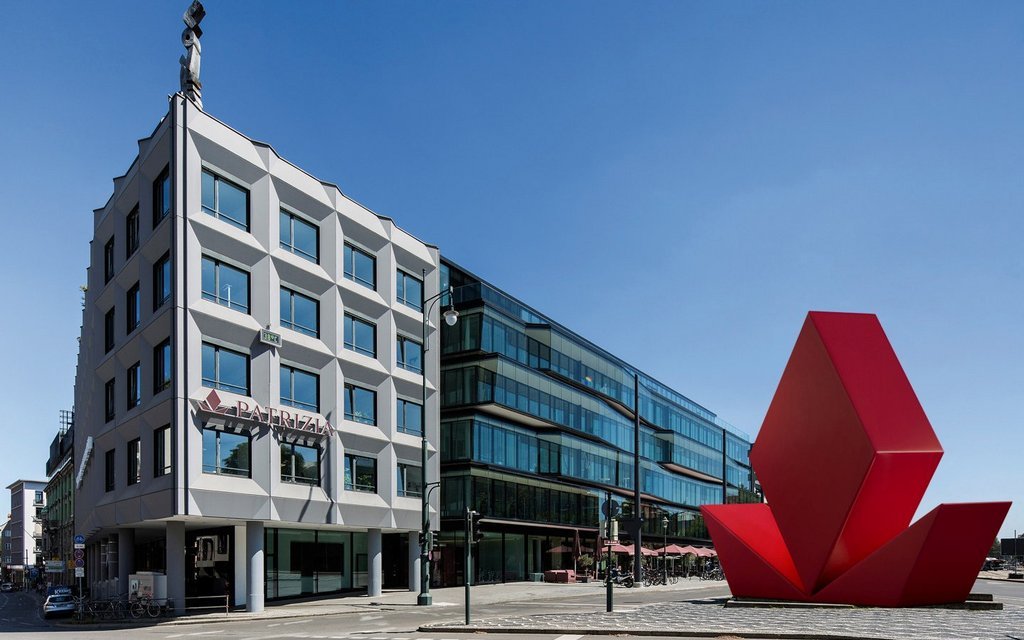
According to PATRIZIA’s sixth annual global investor survey, which represents market views linked to nearly EUR 1 trillion in capital, investor confidence is returning in sectors supported by resilient demand, stable income and long-term structural trends.
The survey shows that within real estate, residential and modern living sectors remain the top priority for investors, while infrastructure is also attracting growing interest, particularly in areas linked to energy resilience, digital infrastructure and sustainable assets.
According to the report, 77 percent of respondents identified residential and modern living sectors, including affordable housing, student housing, senior housing, nursing homes and co living, as the strongest areas where they plan to expand investment over the next five years.
Traditional residential apartments were ranked as the most attractive living segment overall, supported by 40 percent of investors, followed by affordable housing at 34 percent.
The survey also highlights that investors are not only focusing on new acquisitions but are also giving importance to improving existing portfolios. Refurbishment, brown-to green initiatives and building performance upgrades remain key priorities as asset owners seek to modernise assets and prepare them for changing environmental regulations and occupier requirements.
The report further states that demand for defensive investment strategies remains strong. Around two thirds of respondents plan to increase allocations to Core and Core Plus strategies, reflecting investors’ continued focus on income resilience, asset quality and risk management in a more selective market environment.
Financing conditions are also shaping investment decisions. According to the survey, seven in ten investors expect financing costs to rise over the next two years, reinforcing a more disciplined, cautious and selective approach to capital deployment across real estate markets.
Mahdi Mokrane, Head of Fund Management Real Estate at PATRIZIA, said there is a clear willingness among investors to move from strategy back into execution, although capital deployment remains selective and carefully aligned with risk.
He said that across many parts of European real estate, market fundamentals have remained stronger than sentiment in recent years.
Mokrane added that investors are looking for sectors where long-term demand remains strong and cashflows are resilient. This is why residential and modern living sectors continue to stand out, as structural housing undersupply, changing demographics and the need for modern housing are creating compelling opportunities for long-term capital.
لندن | ری نیوز انٹرنیشنل ڈیسک نیوز
رئیل اسٹیٹ اور انفراسٹرکچر سمیت رئیل اثاثہ جات میں سرمایہ کاری کا ایک نیا عالمی رجحان سامنے آ رہا ہے، جہاں بلند فنانسنگ لاگت اور جغرافیائی سیاسی غیر یقینی کے باعث ادارہ جاتی سرمایہ کار زیادہ محتاط، منتخب اور طویل مدتی بنیادوں پر سرمایہ کاری کر رہے ہیں۔
پیٹریزیا کے چھٹے سالانہ عالمی سرمایہ کار سروے کے مطابق، جس میں تقریباً ایک ٹریلین یورو کے سرمائے کی نمائندگی کرنے والی مارکیٹ آراء شامل ہیں، سرمایہ کاروں کا اعتماد ان شعبوں میں واپس آ رہا ہے جہاں طلب مضبوط، آمدن نسبتاً مستحکم اور طویل مدتی ساختی رجحانات واضح ہیں۔
سروے کے مطابق رئیل اسٹیٹ کے اندر رہائشی اور جدید طرزِ رہائش کے شعبے بدستور سرمایہ کاروں کی اولین ترجیح ہیں، جبکہ انفراسٹرکچر میں بھی دلچسپی بڑھ رہی ہے، خاص طور پر توانائی کے تحفظ، ڈیجیٹل انفراسٹرکچر اور پائیدار اثاثوں سے منسلک شعبوں میں۔
رپورٹ میں بتایا گیا ہے کہ 77 فیصد جواب دہندگان نے رہائشی اور ماڈرن لیونگ سیکٹرز، جن میں افورڈ ایبل ہاؤسنگ، سٹوڈنٹ ہاؤسنگ، سینئر ہاؤسنگ، نرسنگ ہومز اور کو لیونگ شامل ہیں، کو آئندہ پانچ سال کے دوران سرمایہ کاری بڑھانے کے لیے سب سے مضبوط شعبے قرار دیا۔ روایتی رہائشی اپارٹمنٹس کو مجموعی طور پر سب سے پرکشش رہائشی شعبہ قرار دیا گیا، جس کی حمایت 40 فیصد سرمایہ کاروں نے کی، جبکہ 34 فیصد نے افورڈ ایبل ہاؤسنگ کو ترجیح دی۔
سروے میں یہ بھی واضح کیا گیا ہے کہ سرمایہ کار صرف نئے اثاثوں کی خریداری تک محدود نہیں بلکہ موجودہ پورٹ فولیوز کی بہتری، عمارتوں کی کارکردگی بڑھانے، ری فربشمنٹ اور براؤن ٹو گرین منصوبوں پر بھی توجہ دے رہے ہیں۔ اس کا مقصد اثاثوں کو جدید تقاضوں، ماحولیاتی ضوابط اور کرایہ داروں کی بدلتی ضروریات کے مطابق بہتر بنانا ہے۔
رپورٹ کے مطابق دفاعی نوعیت کی سرمایہ کاری کی حکمت عملیوں کی طلب بھی برقرار ہے۔ تقریباً دو تہائی سرمایہ کار کور اور کور پلس سرمایہ کاری کے طریقوں میں اضافہ کرنے کا ارادہ رکھتے ہیں، جو اس بات کی نشاندہی کرتا ہے کہ موجودہ محتاط مارکیٹ ماحول میں آمدن کا تسلسل، اثاثوں کا معیار اور رسک مینجمنٹ سرمایہ کاروں کی بنیادی ترجیحات ہیں۔
فنانسنگ کے حالات بھی سرمایہ کاری کے فیصلوں پر اثر انداز ہو رہے ہیں۔ سروے کے مطابق 10 میں سے 7 سرمایہ کاروں کو توقع ہے کہ آئندہ دو سال کے دوران فنانسنگ لاگت مزید بڑھے گی، جس کے باعث رئیل اسٹیٹ مارکیٹ میں سرمایہ کاری زیادہ نظم و ضبط، احتیاط اور منتخب حکمت عملی کے تحت کی جائے گی۔
پیٹریزیا کے ہیڈ آف فنڈ مینجمنٹ رئیل اسٹیٹ مہدی موکرانے کا کہنا ہے کہ سرمایہ کاروں میں دوبارہ حکمت عملی سے عمل درآمد کی طرف بڑھنے کی واضح خواہش موجود ہے، تاہم سرمایہ کاری اب بھی محتاط اور رسک کے مطابق کی جا رہی ہے۔ ان کے مطابق یورپ کے کئی رئیل اسٹیٹ شعبوں میں بنیادی معاشی عوامل گزشتہ برسوں کے مارکیٹ تاثر سے زیادہ مضبوط رہے ہیں۔
مہدی موکرانے نے کہا کہ سرمایہ کار ایسے شعبوں کی تلاش میں ہیں جہاں طویل مدتی طلب مضبوط اور کیش فلو پائیدار ہو۔ یہی وجہ ہے کہ رہائشی اور جدید رہائشی شعبے نمایاں حیثیت رکھتے ہیں، کیونکہ گھروں کی ساختی قلت، بدلتی آبادیاتی ضروریات اور جدید ہاؤسنگ کی بڑھتی طلب طویل مدتی سرمایہ کاری کے لیے مضبوط مواقع پیدا کر رہی ہے۔