
Published: August 1, 2026 - 12:03 PM
Rapid Data Centre Expansion Puts London Housing Projects Under Pressure, Fuelling Debate Over Land and Power Allocation
لندن میں ڈیٹا سینٹرز کی تیز تعمیر سے ہاؤسنگ منصوبے دباؤ میں، بجلی اور زمین کی تقسیم پر نئی بحث
Residents raise concerns over traffic, noise, water consumption and environmental effects as urban experts demand stronger planning rules and mandatory renewable energy use
London | ReNews International Desk NewsThe rapid construction of data centres in London and its surrounding areas has triggered a growing debate over how limited supplies of land, water and electricity should be divided between digital i...
London | ReNews International Desk News
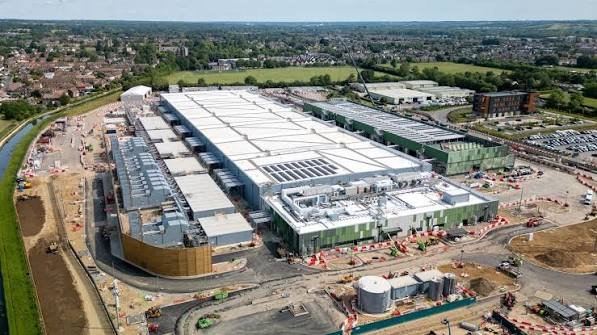
The rapid construction of data centres in London and its surrounding areas has triggered a growing debate over how limited supplies of land, water and electricity should be divided between digital infrastructure and urgently needed housing.
Demand for artificial intelligence, cloud computing and online services is driving investment in large data centres. However, the enormous power and land requirements of these facilities are placing additional pressure on parts of London where electricity networks are already operating close to their limits.
Data centres are large facilities containing computer servers that store, process and transfer digital information. They operate continuously and require substantial amounts of electricity. Powerful cooling systems are also needed to prevent servers from overheating, with some cooling methods consuming significant quantities of water.
A London Assembly report found that rising electricity demand, including demand created by the expansion of data centres, had contributed to delays in connecting new housing developments to the power network. Parts of the electricity grid in the west London boroughs of Hillingdon, Hounslow and Ealing reached full capacity in 2022, temporarily preventing some new developments from proceeding.
Short term measures introduced by the Greater London Authority, National Grid, Ofgem and other stakeholders later helped secure electricity connections for more than 12,000 homes by early 2025. However, the report warned that long term demand from data centres and other major electricity users could create further constraints unless the city adopts a coordinated energy strategy.
The dispute extends beyond electricity. Data centre developers and housing companies are often competing for sites that already have access to strong power connections, transport routes and other essential infrastructure. This has raised questions about whether scarce urban land should be used for homes or allocated to facilities supporting the rapidly expanding digital economy.
Communities living near proposed data centre sites have also raised concerns about construction traffic, operational noise, water consumption and the possible loss of open or environmentally sensitive land. Local government representatives say data centres cannot be planned separately from housing, energy networks, water infrastructure, land use and climate targets.
Pressure on Britain’s electricity connection system has increased as developers seek to build new artificial intelligence and cloud computing infrastructure. Ofgem has proposed stricter connection requirements, including financial commitment fees and compulsory project milestones, for data centre developers seeking to reserve large amounts of grid capacity.
The proposed system is intended to discourage speculative projects that reserve electricity capacity without making sufficient progress towards construction. Such projects can remain in connection queues and prevent homes, businesses and essential public infrastructure from receiving timely access to the grid.
Urban planning experts are calling for data centres to be governed by a separate and stronger set of planning rules. They argue that developers should be required to provide detailed assessments of electricity demand, water use, traffic, noise, carbon emissions and the cumulative effect of their projects on housing delivery.
There are also demands for new data centres to use renewable energy, publish clear information about their environmental footprint and meet stricter efficiency standards. Proposals include capturing the excess heat produced by servers and supplying it to nearby homes and commercial buildings through local heating networks.
London now faces the challenge of supporting digital investment without allowing data centres to undermine housing targets, overload local electricity networks or create unacceptable environmental costs for nearby communities.
Urban experts warn that without clearer national regulation and long term coordination between housing authorities, electricity providers, water companies and data centre developers, competition for London’s land and power capacity is likely to become more intense.
لندن | ری نیوز انٹرنیشنل ڈیسک نیوز
لندن اور اس کے مضافاتی علاقوں میں ڈیٹا سینٹرز کی تیزی سے بڑھتی تعمیر نے گھروں اور ڈیجیٹل انفراسٹرکچر کے درمیان زمین، پانی اور بجلی کی تقسیم پر نئی بحث چھیڑ دی ہے۔ مصنوعی ذہانت، کلاؤڈ کمپیوٹنگ اور آن لائن خدمات کی بڑھتی ضرورت کے باعث بڑے ڈیٹا سینٹرز تعمیر کیے جا رہے ہیں، لیکن ان منصوبوں کی توانائی اور زمین کی ضرورت نے بعض رہائشی منصوبوں پر دباؤ بڑھا دیا ہے۔
ڈیٹا سینٹرز ایسی بڑی عمارتیں ہوتی ہیں جہاں کمپیوٹر سرورز کے ذریعے آن لائن معلومات محفوظ اور منتقل کی جاتی ہیں۔ یہ مراکز مسلسل کام کرتے ہیں، جس کی وجہ سے انہیں بڑی مقدار میں بجلی درکار ہوتی ہے۔ سرورز کو گرم ہونے سے بچانے کے لیے طاقتور کولنگ نظام بھی استعمال کیے جاتے ہیں، جن میں بعض صورتوں میں پانی کی خاصی مقدار خرچ ہوتی ہے۔
لندن اسمبلی کی ایک رپورٹ کے مطابق بجلی کی بڑھتی طلب، جس میں ڈیٹا سینٹرز کا پھیلاؤ بھی شامل ہے، نئے گھروں کی تعمیر اور انہیں بجلی کے نظام سے منسلک کرنے میں تاخیر کا سبب بن رہی ہے۔ مغربی لندن کے ہلنگڈن، ہاؤنسلو اور ایلنگ جیسے علاقوں میں 2022 کے دوران بجلی کے مقامی نظام کی گنجائش اپنی حد تک پہنچ گئی تھی، جس کے بعد بعض ہاؤسنگ منصوبے عارضی طور پر روکنا پڑے۔ بعد میں کیے گئے عارضی انتظامات کے نتیجے میں 2025 کے آغاز تک 12 ہزار سے زیادہ گھروں کو بجلی فراہم کرنے کی راہ ہموار کی گئی۔
شہری منصوبہ سازوں کا کہنا ہے کہ مسئلہ صرف بجلی تک محدود نہیں۔ لندن اور اس کے گردونواح میں ڈیٹا سینٹرز اور ہاؤسنگ منصوبے ایسی زمین کے حصول کے لیے بھی ایک دوسرے سے مقابلہ کر رہے ہیں جہاں بجلی کے مضبوط کنکشن، سڑکیں اور دیگر بنیادی سہولتیں پہلے سے موجود ہوں۔ اس صورتحال نے یہ سوال پیدا کر دیا ہے کہ محدود شہری زمین کو نئے گھروں کے لیے استعمال کیا جائے یا تیزی سے بڑھتی ڈیجیٹل معیشت کے لیے مخصوص کیا جائے۔
مجوزہ اور زیر تعمیر ڈیٹا سینٹرز کے قریب رہنے والے بعض شہریوں نے بھاری گاڑیوں کی آمدورفت، تعمیراتی سرگرمیوں، مشینوں کے شور، پانی کے زیادہ استعمال اور قدرتی ماحول پر ممکنہ اثرات کے حوالے سے تحفظات ظاہر کیے ہیں۔ مقامی اداروں کا کہنا ہے کہ ڈیٹا سینٹرز کی منصوبہ بندی کو توانائی، پانی، زمین، ہاؤسنگ اور ماحول سے الگ کرکے نہیں دیکھا جا سکتا۔
برطانیہ میں مصنوعی ذہانت سے متعلق منصوبوں کے پھیلاؤ کے باعث بجلی کے نظام سے کنکشن حاصل کرنے کی درخواستوں میں بھی تیزی آئی ہے۔ توانائی کے نگران ادارے آف جیم نے ایسے ڈیٹا سینٹر منصوبوں کے لیے مالی ضمانت اور واضح تعمیراتی مراحل مقرر کرنے کی تجویز دی ہے جو بجلی کے نظام سے بڑے کنکشن حاصل کرنا چاہتے ہیں۔ اس اقدام کا مقصد ایسے غیر سنجیدہ منصوبوں کو محدود کرنا ہے جو بجلی کی گنجائش تو محفوظ کر لیتے ہیں لیکن عملی طور پر تعمیر شروع نہیں کرتے۔
شہریوں نے مطالبہ کیا ہے کہ ڈیٹا سینٹرز کے لیے الگ اور زیادہ سخت منصوبہ بندی کے قواعد متعارف کرائے جائیں۔ ہر منصوبے کی منظوری سے قبل اس کی بجلی، پانی، ٹریفک، شور، کاربن اخراج اور مقامی ہاؤسنگ پر ممکنہ اثرات کا تفصیلی جائزہ لیا جائے۔
ماہرین یہ بھی چاہتے ہیں کہ نئے ڈیٹا سینٹرز کے لیے قابل تجدید توانائی کا استعمال، پانی کی کھپت کی مکمل تفصیلات اور توانائی کی بچت کے اہداف لازمی بنائے جائیں۔ ڈیٹا سینٹرز سے نکلنے والی اضافی حرارت کو قریبی گھروں اور تجارتی عمارتوں کو گرم رکھنے کے لیے استعمال کرنے کی تجویز بھی زیر بحث ہے۔
لندن انتظامیہ کے سامنے اب بنیادی چیلنج یہ ہے کہ وہ شہر کی ڈیجیٹل معیشت کو ترقی دینے کے ساتھ نئے گھروں کی تعمیر، بجلی کی قابل اعتماد فراہمی اور مقامی آبادی کے ماحولیاتی حقوق کا تحفظ بھی یقینی بنائے۔ ماہرین کے مطابق واضح قومی پالیسی اور طویل مدتی توانائی منصوبہ بندی نہ کی گئی تو ڈیٹا سینٹرز اور ہاؤسنگ کے درمیان زمین اور بجلی کی یہ کشمکش مزید شدت اختیار کر سکتی ہے۔