
Published: October 27, 2026 - 6:01 PM
Housing Loan Demand Falls Sharply Across Eurozone as Higher Interest Rates Weigh on Buyers
یورپ میں گھروں کی خریداری کے لیے بینک قرضوں کی طلب میں نمایاں کمی
▫️ European Central Bank survey shows net mortgage demand falling to minus 27% in the third quarter of 2026, compared with minus 15% in the previous quarter
Frankfurt | ReNews PakistanDemand for housing loans across the eurozone has declined sharply as rising interest rates, higher borrowing costs and economic uncertainty continue to affect residential property markets.
Frankfurt | ReNews Pakistan
Demand for housing loans across the eurozone has declined sharply as rising interest rates, higher borrowing costs and economic uncertainty continue to affect residential property markets.
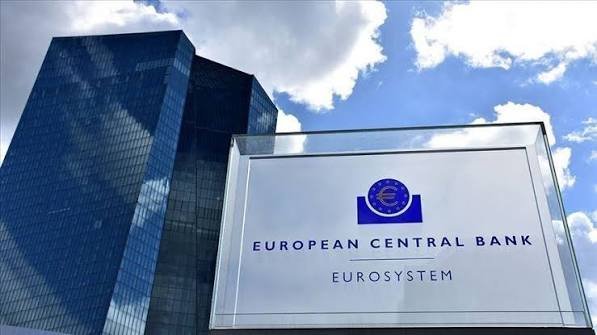
According to the European Central Bank's (ECB) latest Bank Lending Survey, released on October 27, mortgage loan demand recorded a net decline of 27% during the third quarter of 2026, compared with a negative 15% in the preceding quarter.
The survey indicates that the deterioration in housing loan demand was significantly greater than banks had previously anticipated. Financial institutions had expected a net decline of 12% for the third quarter, but actual demand proved considerably weaker.
The ECB identified higher interest rates as the primary factor behind the decline in mortgage demand. Weaker consumer confidence and concerns about the future outlook of the residential property market also contributed to reduced borrowing activity.
Higher interest rates increase the cost of long-term mortgage financing, potentially raising monthly repayments and reducing affordability for prospective homebuyers.
As a result, households may postpone property purchases, reconsider their housing budgets or avoid taking on additional financial commitments.
According to the survey, banks generally kept their credit standards for housing loans unchanged during the third quarter. However, lending conditions for businesses and consumer credit became more restrictive.
Looking ahead, banks expect credit standards to tighten across housing, business and consumer lending during the final quarter of 2026.
European financial institutions have also highlighted increasing credit risks and greater caution in lending decisions as important factors influencing their policies.
Economic uncertainty, fluctuating energy prices and geopolitical developments continue to create additional challenges for the region's financial sector.
In France, uncertainty surrounding public finances has added pressure to lending conditions, while banks across the eurozone are adopting a more cautious approach to assessing borrowers' financial positions.
The slowdown in mortgage demand represents an important signal for Europe's residential real estate and construction industries.
Persistently high financing costs could delay home purchases, weaken residential investment and potentially affect the pace of new housing developments.
The ECB's latest findings underline the importance of interest rate developments, consumer confidence and lending conditions in determining the future direction of the eurozone housing market.
However, the figures refer specifically to countries using the euro rather than Europe as a whole.
The reported negative 27% represents the net percentage of surveyed banks reporting falling rather than rising mortgage demand. It does not mean that the total number or value of mortgage loans declined by 27%.
The latest survey highlights the continuing challenges facing housing finance markets as European households and financial institutions adjust to changing economic and borrowing conditions.
فرینکفرٹ | ری نیوز پاکستان
یورپی ممالک میں گھروں کی خریداری کے لیے بینک قرضوں کی طلب میں نمایاں کمی ریکارڈ کی گئی ہے۔ شرح سود میں اضافے، قرضوں کی بڑھتی ہوئی لاگت اور معاشی غیر یقینی صورتحال کے باعث رہائشی جائیدادوں کی خریداری کے لیے قرض حاصل کرنے کے رجحان میں مزید کمزوری سامنے آئی ہے۔
یورپی مرکزی بینک کی جانب سے 27 اکتوبر کو جاری کردہ بینک لینڈنگ سروے کے مطابق 2026 کی تیسری سہ ماہی کے دوران یورو زون میں ہاؤسنگ قرضوں کی طلب کا خالص اشاریہ منفی 27 فیصد رہا، جبکہ دوسری سہ ماہی میں یہ منفی 15 فیصد تھا۔
سروے سے ظاہر ہوتا ہے کہ ہاؤسنگ فنانسنگ کی طلب میں کمی بینکوں کی سابقہ توقعات سے بھی زیادہ رہی۔ بینکوں نے تیسری سہ ماہی کے لیے منفی 12 فیصد کی توقع ظاہر کی تھی، تاہم حقیقی صورتحال اس سے زیادہ کمزور نکلی۔
یورپی مرکزی بینک کے مطابق گھروں کے لیے قرضوں کی طلب میں کمی کی بنیادی وجہ شرح سود میں اضافہ ہے۔ اس کے علاوہ صارفین کے اعتماد میں کمی اور رہائشی پراپرٹی مارکیٹ کے مستقبل سے متعلق خدشات نے بھی قرض لینے کے فیصلوں کو متاثر کیا۔
شرح سود میں اضافے سے گھروں کی خریداری کے لیے حاصل کیے جانے والے طویل المدتی قرضوں کی لاگت بڑھ جاتی ہے، جس سے ماہانہ اقساط زیادہ ہونے اور خریداروں کی مالی استطاعت متاثر ہونے کا خدشہ پیدا ہوتا ہے۔
سروے کے مطابق تیسری سہ ماہی میں بینکوں نے ہاؤسنگ قرضوں کی منظوری کے معیار کو مجموعی طور پر مزید سخت نہیں کیا، تاہم کاروباری اداروں اور صارفین کے دیگر قرضوں کے لیے شرائط میں سختی کی گئی۔
بینکوں نے رواں سال کی آخری سہ ماہی کے دوران ہاؤسنگ، کاروباری اور صارفین کے قرضوں کی منظوری کے معیار میں مزید سختی کی توقع بھی ظاہر کی ہے۔
یورپی مالیاتی اداروں نے قرضوں سے متعلق خطرات میں اضافے اور مالی معاملات میں زیادہ احتیاط کو اپنی پالیسیوں پر اثرانداز ہونے والے اہم عوامل قرار دیا ہے۔ توانائی کی قیمتوں اور عالمی جغرافیائی و سیاسی صورتحال سے پیدا ہونے والی غیر یقینی کیفیت بھی مالیاتی شعبے کے لیے تشویش کا باعث بنی ہوئی ہے۔
فرانس میں سرکاری مالیات سے متعلق غیر یقینی صورتحال کے باعث قرضوں کی شرائط پر اضافی دباؤ سامنے آیا ہے، جبکہ یورپی بینک مجموعی معاشی حالات اور قرض لینے والوں کی مالی استعداد کا زیادہ محتاط انداز میں جائزہ لے رہے ہیں۔
ماہرین کے مطابق ہاؤسنگ فنانسنگ کی طلب میں مسلسل کمی رہائشی پراپرٹی مارکیٹ اور تعمیراتی شعبے کے لیے ایک اہم اشارہ ہے۔ قرضوں کی بلند لاگت گھروں کی خریداری کے فیصلوں کو مؤخر کر سکتی ہے، جس کے نتیجے میں نئی رہائشی سرمایہ کاری اور تعمیراتی سرگرمیوں کی رفتار بھی متاثر ہونے کا امکان ہے۔
یورپی مرکزی بینک کے تازہ اعداد و شمار ظاہر کرتے ہیں کہ ہاؤسنگ مارکیٹ کی بحالی میں شرح سود، صارفین کا اعتماد اور بینکوں کی قرض دینے کی شرائط اہم کردار ادا کریں گی۔
واضح رہے کہ یہ سروے یورو کرنسی استعمال کرنے والے ممالک سے متعلق ہے، پورے براعظم یورپ سے نہیں۔ اس میں منفی 27 فیصد سے مراد قرضوں کی مجموعی رقم میں 27 فیصد کمی نہیں بلکہ طلب میں کمی اور اضافے کی اطلاع دینے والے بینکوں کے تناسب کا خالص فرق ہے۔