
Published: January 3, 2026 - 9:24 AM
Dubai Property Market Kicks Off 2026 with AED 771 Million in Sales on First Working Day.
دبئی میں 2026 کا آغاز، پہلے ہی دن 771 ملین درہم کی فروخت ریکارڈ
▫️ Over 200 transactions recorded on January 1, spanning residential units, buildings, and land plots. ▫️ Premium deals in Palm Jumeirah and Burj Khalifa underscore sustained demand for luxury properties.
Dubai’s real estate market has started 2026 on a robust note, registering property transactions totaling AED 771.12 million on January 1, the first working day of the new year. According to data released by the Dubai Land Department (DLD...
[ReNews Pakistan]
Dubai:
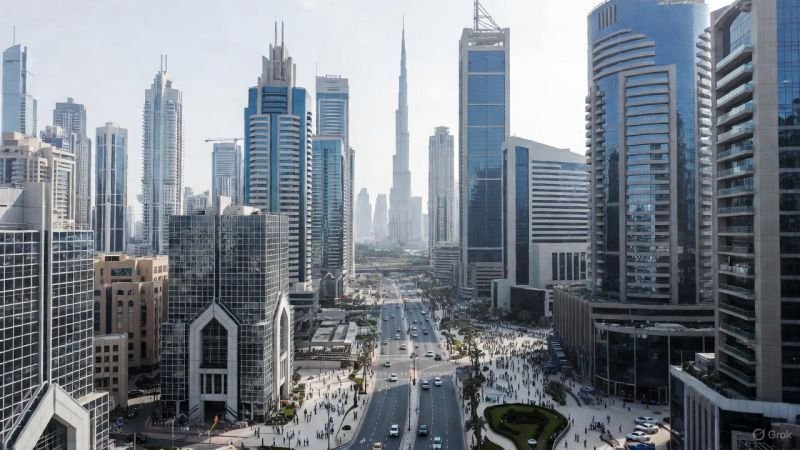
Dubai’s real estate market has started 2026 on a robust note, registering property transactions totaling AED 771.12 million on January 1, the first working day of the new year. According to data released by the Dubai Land Department (DLD), a total of 204 deals were concluded in a single day, demonstrating strong investor confidence and continued momentum across diverse market segments. The transactions comprised 140 sales of residential units, including apartments and villas, alongside 40 buildings and 24 land plots. This balanced distribution highlights broad-based demand that extends beyond traditional residential properties to commercial buildings and undeveloped land, signaling healthy activity in both end-user and investment categories. High-value transactions dominated the day’s highlights. The most expensive deal involved a luxury apartment on Palm Jumeirah, sold for AED 33.5 million. In the downtown precinct, a hotel apartment in Address Fountain Views, overlooking Burj Khalifa, changed hands for AED 14.4 million. Another notable sale was an apartment inside Burj Khalifa itself, transacted at AED 10.3 million. These premium deals reaffirm the enduring appeal of iconic addresses and luxury developments among high-net-worth individuals and institutional buyers. This strong opening builds directly on Dubai’s exceptional performance throughout 2025, widely regarded as a record-breaking year for the emirate’s real estate sector. Total sales value reached approximately AED 682 billion, marking a substantial 30.6 percent year-on-year growth compared to 2024. The year saw more than 214,000 transactions, reflecting unprecedented participation from local, regional, and international buyers. Several factors underpinned this sustained growth. Dubai’s population officially surpassed the 4 million milestone in 2025, driven by influxes of professionals, families, and expatriates attracted by employment opportunities and quality of life. Foreign direct investment remained a key driver, supported by economic diversification, political stability, and investor-friendly policies. Established communities such as Dubai Hills Estate, Arabian Ranches, and Downtown Dubai continued to attract long-term residents, while emerging areas like Dubai South and Jumeirah Village Circle gained traction among mid-market buyers. Market analysis from 2025 revealed that a significant portion of demand originated from end-users rather than short-term speculators. Buyers aged 31 to 45 formed the largest demographic segment, prioritizing family-oriented properties with amenities such as schools, parks, and retail facilities. This shift toward genuine housing needs contributed to market stability and reduced volatility compared to previous cycles. Looking ahead to 2026, industry experts anticipate continued positive momentum, though at a potentially moderated pace. A substantial supply pipeline is expected to enter the market, with estimates ranging between 96,000 and 120,000 new residential units scheduled for delivery throughout the year. This increased inventory could help ease price pressure in certain segments, particularly off-plan and mid-tier properties, while maintaining equilibrium between supply and demand. Developers are responding by focusing on quality, sustainability, and integrated communities. Many new projects now incorporate smart home technologies, green building standards, and enhanced lifestyle amenities to differentiate offerings in an increasingly competitive landscape. Regulatory enhancements by the Dubai Land Department, including greater transparency in transactions and streamlined processes, continue to bolster buyer confidence. The early-year activity also reflects Dubai’s evolving urban fabric. Ongoing infrastructure projects, such as expansions to the metro network, road improvements, and new mixed-use developments, are reshaping land use patterns and enhancing connectivity across the city. Areas once considered peripheral are rapidly transforming into self-sufficient neighborhoods, supported by rising population density and commercial growth. While it is still early in the year, the volume and value of transactions on January 1 provide a clear indicator of market resilience. Dubai’s real estate sector remains a cornerstone of the emirate’s economy, contributing significantly to GDP and employment. Its ability to attract diverse capital inflows while accommodating growing residential needs positions it as a leading global property hub. As 2026 unfolds, stakeholders will closely monitor how incoming supply interacts with demand dynamics, interest rate movements, and geopolitical factors. However, the strong start suggests that Dubai’s property market is well-equipped to navigate the year ahead, continuing to play a pivotal role in the city’s urban development and economic diversification strategy.
دبئی | ری نیوز رپورٹر | انٹرنیشنل نیوز ڈیسک
دبئی کی رئیل اسٹیٹ مارکیٹ نے سال 2026 کا آغاز مضبوط سرگرمی کے ساتھ کیا ہے۔ دبئی لینڈ ڈیپارٹمنٹ (DLD) کے جاری کردہ سرکاری اعداد و شمار کے مطابق، یکم جنوری 2026 کو، جو سال کا پہلا ورکنگ ڈے تھا، مجموعی طور پر 771.12 ملین اماراتی درہم کی ٹرانزیکشنز ریکارڈ کی گئیں۔ ایک ہی دن میں 204 سودے مکمل ہونا مارکیٹ میں مسلسل اعتماد اور مختلف شعبوں میں سرگرمی کی عکاسی کرتا ہے۔
ان ٹرانزیکشنز میں 140 رہائشی یونٹس شامل تھے، جن میں اپارٹمنٹس اور ولاز دونوں شامل ہیں، جبکہ 40 عمارتیں اور 24 زمینی پلاٹس بھی فروخت ہوئے۔ یہ تقسیم ظاہر کرتی ہے کہ سرگرمی صرف رہائشی یونٹس تک محدود نہیں بلکہ عمارتوں اور زمین کے شعبے میں بھی طلب برقرار ہے، جو استعمال کنندگان اور سرمایہ کاری دونوں اقسام کی دلچسپی کو ظاہر کرتی ہے۔
دن کے نمایاں سودوں میں سب سے مہنگا سودا پام جمیرا میں واقع ایک پرتعیش اپارٹمنٹ کا تھا، جو 33.5 ملین درہم میں فروخت ہوا۔ ڈاؤن ٹاؤن دبئی میں، برج خلیفہ کے قریب ایڈریس فاؤنٹین ویوز میں ایک ہوٹل اپارٹمنٹ 14.4 ملین درہم میں فروخت ہوا، جبکہ خود برج خلیفہ میں واقع ایک اپارٹمنٹ 10.3 ملین درہم میں ٹرانزیکٹ ہوا۔ یہ سودے معروف اور مرکزی مقامات پر اعلیٰ درجے کی جائیداد میں مسلسل دلچسپی کو ظاہر کرتے ہیں۔
سال کے آغاز کی یہ سرگرمی 2025 کی غیر معمولی کارکردگی کا تسلسل ہے، جسے دبئی کی رئیل اسٹیٹ مارکیٹ کے لیے ریکارڈ ساز سال قرار دیا جاتا ہے۔ 2025 کے دوران مجموعی فروخت کا حجم تقریباً 682 ارب درہم تک پہنچ گیا، جو 2024 کے مقابلے میں 30.6 فیصد زیادہ تھا۔ اس عرصے میں 214 ہزار سے زائد ٹرانزیکشنز ریکارڈ کی گئیں، جن میں مقامی، علاقائی اور بین الاقوامی خریداروں کی نمایاں شرکت دیکھی گئی۔
متعدد عوامل نے اس مسلسل سرگرمی کو سہارا دیا۔ 2025 میں دبئی کی آبادی 40 لاکھ سے تجاوز کر گئی، جس کی بڑی وجہ پیشہ ور افراد، خاندانوں اور غیر ملکی کارکنوں کی آمد تھی۔ بیرونی سرمایہ کاری، معاشی تنوع، اور پالیسی استحکام نے بھی مارکیٹ کو مضبوط رکھا۔ دبئی ہلز اسٹیٹ، عربین رینچز اور ڈاؤن ٹاؤن دبئی جیسے قائم شدہ علاقوں میں طویل مدتی رہائش کا رجحان برقرار رہا، جبکہ دبئی ساؤتھ اور جمیرا ولیج سرکل جیسے علاقوں میں درمیانی سطح کے خریداروں کی دلچسپی بڑھی۔
2025 کے تجزیے سے یہ بات سامنے آئی کہ مارکیٹ میں نمایاں طلب ایسے خریداروں کی طرف سے آئی جو خود رہائش کے لیے جائیداد خرید رہے تھے، نہ کہ قلیل مدتی منافع کے لیے۔ 31 سے 45 سال کی عمر کے خریدار سب سے بڑا گروپ رہے، جو اسکولوں، پارکس اور دیگر سہولیات سے آراستہ رہائشی ماحول کو ترجیح دے رہے تھے۔ اس رجحان نے مارکیٹ میں استحکام پیدا کیا۔
2026 کے حوالے سے ماہرین کا کہنا ہے کہ سرگرمی مثبت رہنے کا امکان ہے، تاہم رفتار نسبتاً متوازن ہو سکتی ہے۔ اندازوں کے مطابق سال کے دوران 96 ہزار سے 1 لاکھ 20 ہزار کے درمیان نئے رہائشی یونٹس مارکیٹ میں آئیں گے، جس سے بعض حصوں میں قیمتوں پر دباؤ کم ہو سکتا ہے اور طلب و رسد میں توازن پیدا ہو گا۔
ابتدائی دن کی کارکردگی دبئی کی شہری ساخت میں جاری تبدیلیوں کو بھی ظاہر کرتی ہے۔ ٹرانسپورٹ، سڑکوں اور مخلوط استعمال کے منصوبوں پر جاری کام مختلف علاقوں کو بہتر طور پر جوڑ رہا ہے۔ اگرچہ سال کا آغاز ہی ہوا ہے، تاہم پہلے ہی دن کے اعداد و شمار اس بات کی نشاندہی کرتے ہیں کہ دبئی کی جائیداد کی مارکیٹ 2026 میں بھی اپنی معاشی اور شہری اہمیت برقرار رکھے گی۔