
Published: May 4, 2026 - 10:10 AM
Dubai Property Market Slumps Amid Geopolitical Tensions, Authorities Move to Revive Investor Confidence
دبئی کی پراپرٹی مارکیٹ میں شدید سست روی، جغرافیائی کشیدگی کے باعث سرمایہ کاروں کا اعتماد متزلزل
▫️Transactions plunge nearly 90% as US Iran conflict shakes sentiment and prices begin to soften, visa rule relaxations and streamlined processes aim to attract mid tier investors and stabilise demand
Dubai | ReNews International Desk News Dubai’s once red hot real estate market has entered a sharp downturn, as escalating geopolitical tensions in the Middle East particularly involving the United States and Iran have significantly d...
Dubai | ReNews International Desk News
Dubai’s once red hot real estate market has entered a sharp downturn, as escalating geopolitical tensions in the Middle East particularly involving the United States and Iran have significantly dented investor confidence and slowed activity across the emirate.
According to market data, Dubai recorded just 26,960 property transactions between February 28 and April 29, marking a steep 89% decline compared to 246,951 transactions during the same period last year. The dramatic slowdown reflects growing uncertainty among investors following heightened regional instability.
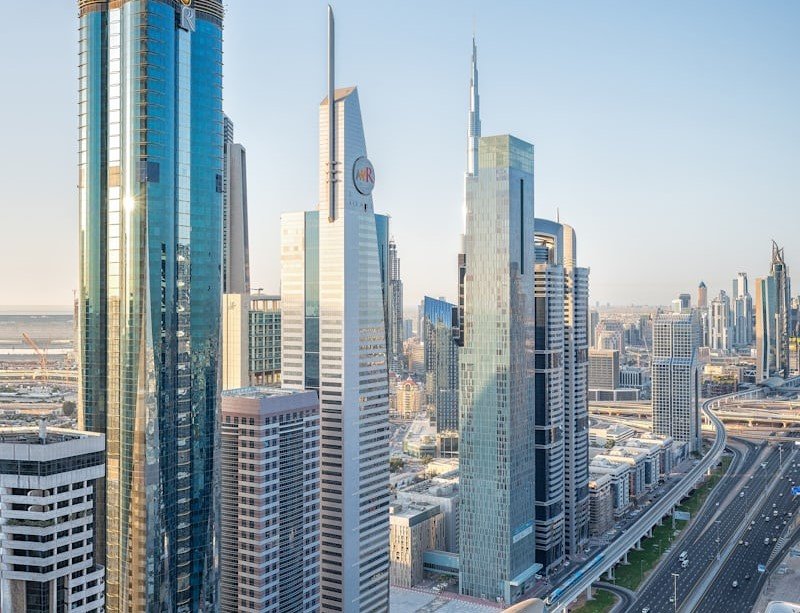
The emirate, long seen as a global hub for high yield property investment, is now facing one of its most challenging phases in recent years. While Dubai’s infrastructure and skyline remain intact, market activity has weakened considerably, with analysts describing the situation as a temporary but serious disruption.
Adding to concerns, a home price index compiled by ValuStrat registered a 5.9% decline in March compared to the previous month, its first drop since 2020. Despite this fall, property values are still roughly at levels seen six months ago, suggesting a correction rather than a full scale collapse.
Industry experts believe the slowdown may persist in the short term. “We expect demand to be impacted, especially if population growth slows alongside a rise in property supply,” said Louis Harding, CEO of Betterhomes, who anticipates a challenging summer for the sector.
In response, Dubai authorities have introduced a series of policy measures aimed at reviving market momentum and attracting a broader investor base. Most notably, the government has scrapped the previous minimum property value requirement of AED 750,000 for obtaining a two year residency visa.
The move is designed to open the market to mid income investors and first-time buyers. However, for jointly owned properties, a new minimum investment threshold of AED 400,000 per individual has been introduced to prevent misuse of the system through shared ownership solely for visa eligibility.
Real estate experts view the policy shift as a strategic attempt to diversify demand. “The removal of the minimum threshold for solo buyers is a direct invitation to global mid-market investors,” said Ritu Kumar Ojha, CEO of Proact Luxury Real Estate.
Dubai has also taken steps to simplify the investment process by integrating real estate and residency services into a unified digital platform. This system allows investors to manage property purchases, residency applications, and visa services through a single channel, reducing bureaucratic hurdles and processing times.
Despite current challenges, Dubai’s property market fundamentals remain relatively strong. In 2025, the emirate recorded a record $250 billion in real estate transactions, with international buyers particularly from India and the UK, playing a significant role. Rental yields of 6–9% and currency hedge benefits continue to make Dubai attractive in the long term.
Market participants suggest that while the short term outlook remains uncertain, the downturn may present opportunities for investors. Developers are expected to introduce flexible payment plans and discounts, while some investors may adopt a wait-and-see approach until stability returns.
Analysts caution that the recovery will depend largely on geopolitical developments and overall economic conditions. For now, Dubai’s property sector appears to be navigating a period of adjustment, balancing immediate pressures with long term resilience strategies.
دبئی | ری نیوز انٹرنیشنل ڈیسک نیوز
دبئی کی تیزی سے ترقی کرتی رئیل اسٹیٹ مارکیٹ کو حالیہ مہینوں میں شدید دھچکا لگا ہے، جہاں مشرقِ وسطیٰ میں بڑھتی ہوئی جغرافیائی کشیدگی خصوصاً امریکا اور ایران کے درمیان تناؤ نے سرمایہ کاروں کے اعتماد کو متاثر کرتے ہوئے مارکیٹ کی سرگرمیوں کو نمایاں طور پر سست کر دیا ہے۔
مارکیٹ ڈیٹا کے مطابق 28 فروری سے 29 اپریل کے درمیان دبئی میں صرف 26,960 پراپرٹی ٹرانزیکشنز ریکارڈ ہوئیں، جو گزشتہ سال اسی مدت میں ہونے والی 246,951 ڈیلز کے مقابلے میں تقریباً 89 فیصد کم ہیں۔ یہ غیر معمولی کمی خطے میں غیر یقینی صورتحال کے باعث سرمایہ کاروں کی محتاط حکمت عملی کو ظاہر کرتی ہے۔
دبئی، جو طویل عرصے سے عالمی سرمایہ کاری کے لیے ایک پرکشش مرکز رہا ہے، اس وقت ایک مشکل مرحلے سے گزر رہا ہے۔ اگرچہ شہر کا انفراسٹرکچر اور بلند و بالا عمارتیں محفوظ ہیں، تاہم مارکیٹ کی رفتار واضح طور پر سست پڑ چکی ہے۔
ادھر پراپرٹی ویلیوایشن کمپنی ValuStrat کے مطابق مارچ میں ہاؤسنگ پرائس انڈیکس میں ماہانہ بنیاد پر 5.9 فیصد کمی ریکارڈ کی گئی، جو 2020 کے بعد پہلی کمی ہے۔ تاہم مجموعی طور پر قیمتیں اب بھی تقریباً چھ ماہ پہلے کی سطح کے قریب ہیں، جسے ماہرین مکمل بحران کے بجائے ایک اصلاحی مرحلہ قرار دے رہے ہیں۔
ماہرین کے مطابق قلیل مدت میں مارکیٹ پر دباؤ برقرار رہ سکتا ہے۔ بیٹر ہومز کے سی ای او لوئس ہارڈنگ کے مطابق اگر آبادی میں اضافہ سست ہوا اور نئی سپلائی میں اضافہ جاری رہا تو طلب مزید متاثر ہو سکتی ہے، جبکہ آئندہ چند ماہ مارکیٹ کے لیے چیلنجنگ ثابت ہو سکتے ہیں۔
اس صورتحال سے نمٹنے کے لیے دبئی حکومت نے متعدد پالیسی اقدامات متعارف کروائے ہیں۔ اہم اقدام کے طور پر دو سالہ رہائشی ویزا کے لیے 7 لاکھ 50 ہزار درہم کی کم از کم پراپرٹی ویلیو کی شرط ختم کر دی گئی ہے۔
اس فیصلے کا مقصد درمیانے درجے کے سرمایہ کاروں اور نئے خریداروں کو مارکیٹ میں داخل ہونے کا موقع فراہم کرنا ہے۔ تاہم مشترکہ ملکیت کی صورت میں فی سرمایہ کار کم از کم 4 لاکھ درہم کی سرمایہ کاری لازمی قرار دی گئی ہے تاکہ ویزا کے حصول کے لیے غیر ضروری شراکت داری کو روکا جا سکے۔
ماہرین کے مطابق یہ پالیسی تبدیلی طلب کے دائرہ کار کو وسیع کرنے کی حکمت عملی ہے۔ پروایکٹ لگژری رئیل اسٹیٹ کی سی ای او ریتو کمار اوجھا کے مطابق انفرادی خریداروں کے لیے شرط ختم کرنا عالمی سطح پر درمیانے درجے کے سرمایہ کاروں کو براہ راست دعوت دینے کے مترادف ہے۔
مزید برآں دبئی نے سرمایہ کاری کے عمل کو آسان بنانے کے لیے رئیل اسٹیٹ اور رہائشی خدمات کو ایک ڈیجیٹل پلیٹ فارم میں ضم کر دیا ہے، جس کے ذریعے سرمایہ کار ایک ہی نظام کے تحت پراپرٹی خریداری، ویزا درخواست اور دیگر متعلقہ امور مکمل کر سکتے ہیں۔
اگرچہ موجودہ حالات چیلنجنگ ہیں، تاہم دبئی کی پراپرٹی مارکیٹ کی بنیادی صورتحال اب بھی مستحکم سمجھی جا رہی ہے۔ سال 2025 میں شہر میں 250 ارب ڈالر کی ریکارڈ پراپرٹی ٹرانزیکشنز ہوئیں، جن میں بھارتی اور برطانوی سرمایہ کاروں کا نمایاں حصہ تھا، جبکہ 6 سے 9 فیصد تک کرایہ منافع بھی اس مارکیٹ کو پرکشش بنائے ہوئے ہے۔
ماہرین کا کہنا ہے کہ موجودہ سست روی سرمایہ کاروں کے لیے مواقع بھی پیدا کر سکتی ہے، جہاں ڈویلپرز رعایتی آفرز اور آسان ادائیگی منصوبے متعارف کروا سکتے ہیں۔ تاہم مارکیٹ کی بحالی کا انحصار خطے کی سیاسی صورتحال اور معاشی استحکام پر ہوگا۔
فی الحال دبئی کی رئیل اسٹیٹ مارکیٹ ایک عبوری دور سے گزر رہی ہے، جہاں قلیل مدتی دباؤ کے ساتھ ساتھ طویل مدتی استحکام کی حکمت عملیوں پر بھی کام جاری ہے۔