Published: November 14, 2026 - 10:01 AM
Pakistan’s First Sponge Park Opens in Karachi to Conserve Rainwater and Reduce Urban Flooding
کراچی میں پاکستان کے پہلے سفنج پارک کا افتتاح، بارش کا پانی محفوظ کرنے اور شہری سیلاب کے خطرات کم کرنے کا منصوبہ
▫️ WWF-Pakistan, Gulberg Town Municipal Corporation and GSK introduce climate-resilient urban green space to improve groundwater recharge, biodiversity and sustainable water management
Pakistan’s first water-sensitive sponge park has been inaugurated at Jamali Park in Federal B Area, Block 8, Karachi, introducing an innovative urban development model designed to conserve rainwater, reduce surface runoff and mitigate th...
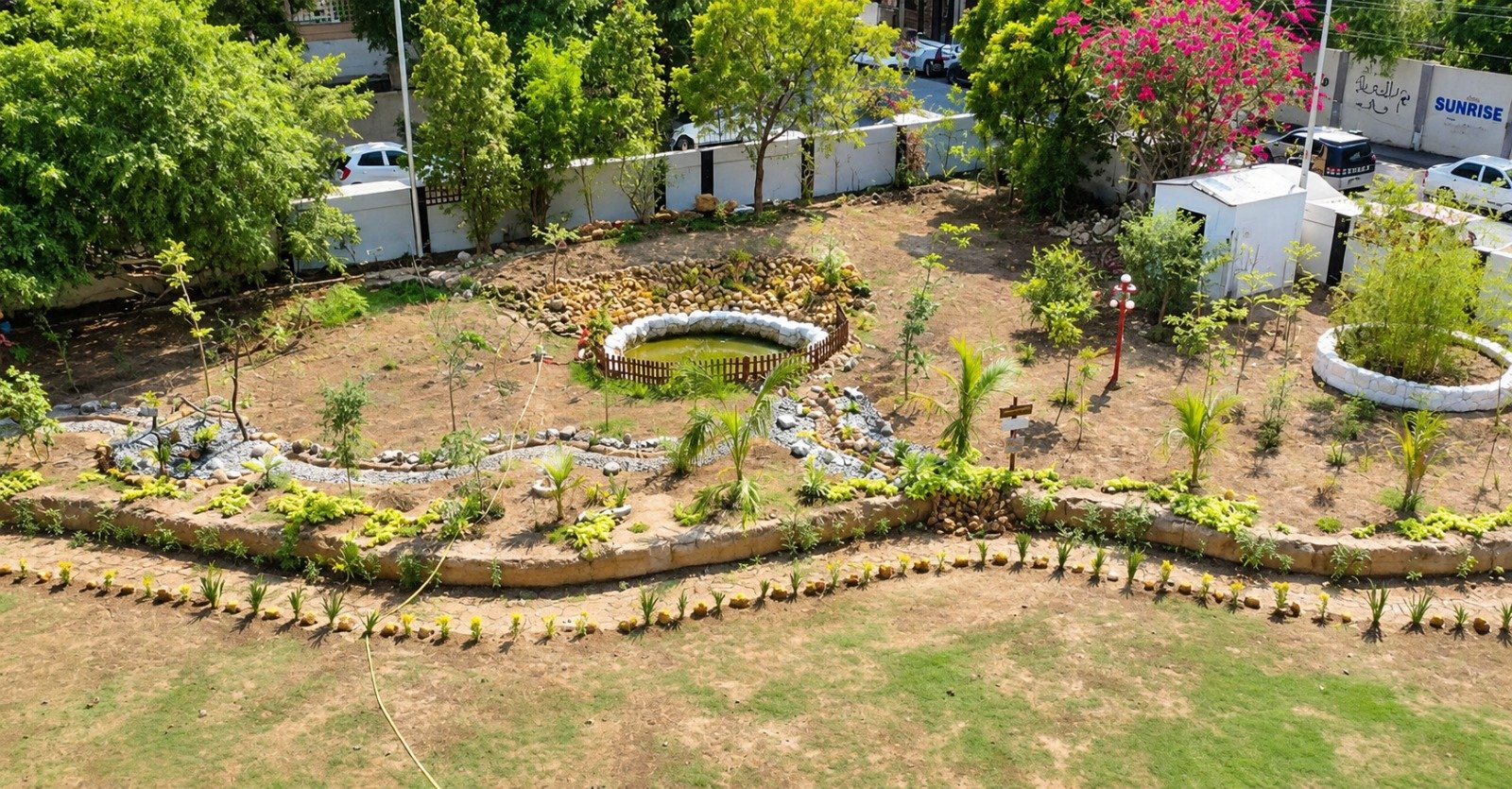
Pakistan’s first water-sensitive sponge park has been inaugurated at Jamali Park in Federal B Area, Block 8, Karachi, introducing an innovative urban development model designed to conserve rainwater, reduce surface runoff and mitigate the risk of urban flooding.
Developed through a collaboration between World Wide Fund for Nature-Pakistan (WWF-P), Gulberg Town Municipal Corporation and GSK (GlaxoSmithKline), the project has the capacity to temporarily retain up to100,000 gallons of rainwater during monsoon rainfall events. Spread over approximately one acre, the redesigned public park incorporates nature-based water management infrastructure intended to improve rainwater infiltration and groundwater recharge.
Experts believe the initiative offers a practical solution to Karachi's growing urban drainage challenges, where extensive concrete surfaces and paved roads prevent rainwater from naturally entering the ground, causing significant quantities of water to flow into drainage systems and eventually into the sea.
The park features specially designed rain gardens, bioswales and permeable pathways that enable it to absorb and temporarily store rainwater before allowing it to gradually infiltrate the soil. Rain gardens collect runoff in shallow, planted depressions, while bioswales help slow and filter stormwater through vegetated channels. Permeable walkways allow water to pass through their surfaces rather than accumulating on paved areas, helping reduce pressure on conventional drainage infrastructure during heavy rainfall. Beyond stormwater management, the park includes native tree plantations, a dedicated biodiversity zone, a pollinator habitat and a community learning area designed to promote environmental awareness and provide visitors with opportunities to understand sustainable water conservation practices. These improvements are also expected to support urban wildlife, increase green cover, reduce the urban heat island effect and improve the surrounding area's microclimate.
Speaking at the inauguration, Anum Farhan, Senior Programme Adviser for Asia, Conservation, Advocacy and Policy at WWF-UK, described the transformation of Jamali Park as an example of how local governments can translate climate commitments into practical improvements in public spaces. Naeem Ashraf Raja, Director of the Biodiversity Programme at the Ministry of Climate Change and Environmental Coordination, welcomed the initiative for its contribution to urban biodiversity and its alignment with the objectives of the Global Biodiversity Framework. Sohail Ali Naqvi, Director of the Freshwater Programme at WWF-Pakistan, emphasized that the project demonstrates how nature-based infrastructure can support groundwater recharge, conserve urban vegetation and strengthen sustainable water management. He noted that similar interventions could be replicated and expanded across Karachi and other Pakistani cities to address the increasing environmental pressures associated with rapid urbanization.
Gulberg Town Chairman Nusratullah announced plans to introduce similar environmentally sustainable designs in other public parks across the town, indicating the potential for wider adoption of sponge park infrastructure in Karachi. The inauguration ceremony was attended by representatives of government institutions, academia, civil society, corporate organizations and local communities. Environmental experts believe the Jamali Park project provides a replicable model for municipalities seeking to integrate stormwater management into urban planning, public park development and rehabilitation programmes. By combining recreational facilities with rainwater conservation, groundwater recharge and biodiversity protection, the initiative demonstrates how existing urban spaces can be redesigned to improve climate resilience, reduce localized flooding risks and support more sustainable development in Pakistan's rapidly expanding cities.
کراچی کے علاقے فیڈرل بی ایریا بلاک 8 میں پاکستان کے پہلے اسفنج پارک کا افتتاح کر دیا گیا ہے، جسے بارش کے پانی کو محفوظ کرنے، سڑکوں اور دیگر پختہ سطحوں پر پانی کے بہاؤ میں کمی لانے اور شہری سیلاب کے خطرات محدود کرنے کے لیے جدید ماحولیاتی اصولوں کے تحت تیار کیا گیا ہے۔ گلبرگ ٹاؤن میں واقع جمالی پارک کو ورلڈ وائڈ فنڈ فار نیچر پاکستان (ڈبلیو ڈبلیو ایف پاکستان)، گلبرگ ٹاؤن میونسپل کارپوریشن اور جی ایس کے (گلیکسو اسمتھ کلائن) کے اشتراک سے ازسرنو تعمیر اور ڈیزائن کیا گیا ہے۔ تقریباً ایک ایکڑ رقبے پر پھیلے اس پارک میں مون سون کے دوران بارش کا ایک لاکھ گیلن تک پانی عارضی طور پر محفوظ کرنے کی گنجائش پیدا کی گئی ہے۔
منصوبے کا بنیادی مقصد بارش کے پانی کو زمین میں جذب ہونے کا موقع فراہم کرنا، زیرزمین آبی ذخائر کی قدرتی بحالی میں مدد دینا اور شہری نکاسی آب کے نظام پر دباؤ کم کرنا ہے۔ ماہرین کے مطابق کراچی میں سڑکوں، عمارتوں اور کنکریٹ سے ڈھکی دیگر سطحوں کے باعث بارش کا بڑا حصہ زمین میں جذب ہونے کے بجائے نالوں کے ذریعے سمندر میں چلا جاتا ہے، جبکہ اس منصوبے میں پانی کے قدرتی بہاؤ اور جذب ہونے کے عمل کو بہتر بنانے پر توجہ دی گئی ہے۔
جمالی پارک میں بارش کا پانی جمع کرنے والے خصوصی باغیچے، قدرتی نکاسی آب کی سبز گزرگاہیں اور ایسے راستے تعمیر کیے گئے ہیں جن سے پانی زمین میں جذب ہو سکتا ہے۔ ان انتظامات کے تحت پارک بارش کے دوران اسفنج کی طرح پانی جذب کرنے اور اسے عارضی طور پر روکنے کی صلاحیت رکھتا ہے، جس کے بعد پانی بتدریج زمین میں منتقل ہو جاتا ہے۔ خصوصی باغیچوں میں بارش کا پانی نشیبی سبز حصوں میں جمع ہوتا ہے، جبکہ پودوں سے آراستہ قدرتی گزرگاہیں پانی کے بہاؤ کی رفتار کم کرنے اور اس میں موجود آلودگی کو چھاننے میں مدد دیتی ہیں۔ پارک میں مقامی اقسام کے درخت، حیاتیاتی تنوع کے تحفظ کے لیے مخصوص علاقہ، پولینیشن میں مدد دینے والے کیڑوں اور دیگر جانداروں کے لیے قدرتی مسکن اور شہریوں کی ماحولیاتی آگاہی کے لیے تعلیمی جگہ بھی قائم کی گئی ہے۔ ان اقدامات سے نہ صرف مقامی جنگلی حیات اور نباتات کے تحفظ میں مدد ملنے کی توقع ہے بلکہ شہری علاقوں میں سبزے کی کمی، بڑھتے ہوئے درجہ حرارت اور ماحولیاتی تبدیلیوں کے اثرات محدود کرنے میں بھی معاونت حاصل ہو سکتی ہے۔
افتتاحی تقریب سے خطاب کرتے ہوئے ڈبلیو ڈبلیو ایف برطانیہ کی ایشیا کے لیے سینئر پروگرام ایڈوائزر برائے تحفظ، وکالت اور پالیسی انعم فرحان نے کہا کہ جمالی پارک کی اسفنج پارک میں تبدیلی اس بات کی عملی مثال ہے کہ مقامی حکومتیں ماحولیاتی تبدیلیوں سے نمٹنے کے اپنے وعدوں کو عوامی مقامات پر قابل عمل منصوبوں میں کس طرح تبدیل کر سکتی ہیں۔ وزارت موسمیاتی تبدیلی و ماحولیاتی رابطہ کے بائیو ڈائیورسٹی پروگرام کے ڈائریکٹر نعیم اشرف راجہ نے منصوبے کو شہری حیاتیاتی تنوع کے تحفظ اور عالمی حیاتیاتی تنوع فریم ورک کے اہداف کے حصول کی جانب اہم پیش رفت قرار دیا۔ ڈبلیو ڈبلیو ایف پاکستان کے فریش واٹر پروگرام کے ڈائریکٹر سہیل علی نقوی نے کہا کہ یہ منصوبہ قدرتی وسائل پر مبنی انفراسٹرکچر کے ذریعے زیرزمین پانی کے ذخائر کی بحالی، مقامی نباتات کے تحفظ اور شہری آبی وسائل کے پائیدار انتظام کی عملی مثال پیش کرتا ہے۔ ان کے مطابق اس نوعیت کے منصوبوں کو کراچی سمیت ملک کے دیگر شہروں میں بھی متعارف اور وسیع کیا جا سکتا ہے تاکہ تیزی سے بڑھتی ہوئی شہری آبادی اور ماحولیاتی دباؤ کے نتیجے میں پیدا ہونے والے مسائل کا مقابلہ کیا جا سکے۔
گلبرگ ٹاؤن کے چیئرمین نصرت اللہ نے اعلان کیا کہ ٹاؤن کے دیگر پارکوں میں بھی اسی نوعیت کے ماحول دوست منصوبے متعارف کرانے کی منصوبہ بندی کی جا رہی ہے، جس سے کراچی میں اسفنج پارک کے تصور کو مزید فروغ ملنے کی توقع ہے۔ افتتاحی تقریب میں سرکاری اداروں، تعلیمی شعبے، سول سوسائٹی، کاروباری اداروں اور مقامی آبادی کے نمائندوں نے شرکت کی۔ ماحولیاتی ماہرین کے مطابق جمالی پارک کا منصوبہ بلدیاتی اداروں کے لیے ایک ایسا قابل تقلید ماڈل ہے جس کے ذریعے موجودہ پارکوں کی تعمیرنو اور نئے شہری ترقیاتی منصوبوں میں بارش کے پانی کے انتظام، زیرزمین آبی ذخائر کی بحالی اور حیاتیاتی تنوع کے تحفظ کو شامل کیا جا سکتا ہے۔ ماہرین کا کہنا ہے کہ تفریحی مقامات کو بارش کا پانی محفوظ کرنے والے قدرتی نظام سے منسلک کرکے شہری سیلاب کے مقامی خطرات کم کرنے، نکاسی آب کے نظام کو بہتر بنانے اور پاکستان کے تیزی سے پھیلتے شہروں میں ماحول دوست اور پائیدار شہری ترقی کو فروغ دینے میں مدد مل سکتی ہے۔