تاریخ اشاعت: November 14, 2026 - 12:01 PM
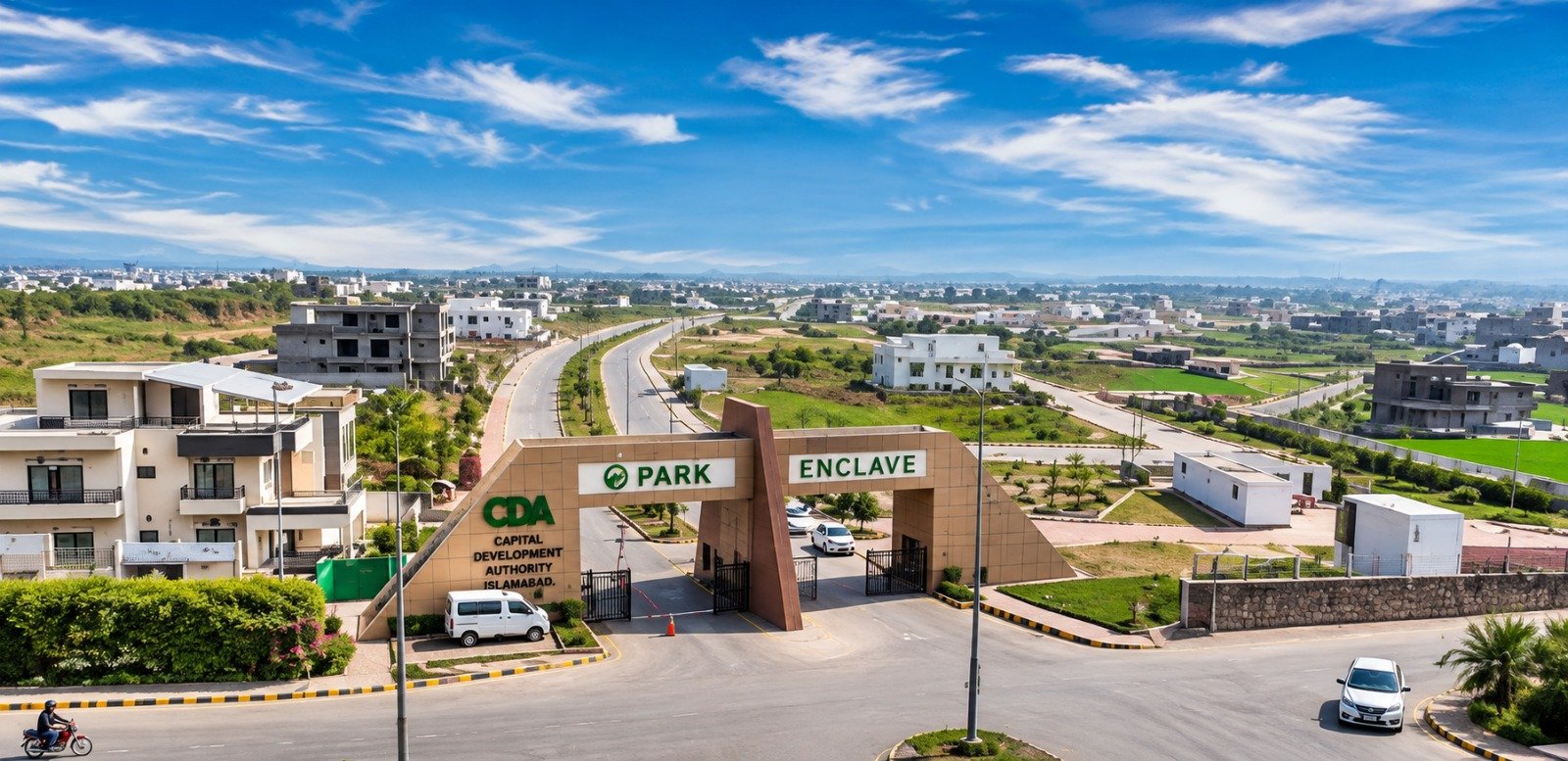
Rapid Expansion of Housing Schemes Threatens Fertile Agricultural Land in Charsadda
چارسدہ میں ہاؤسنگ سکیموں کے تیزی سے پھیلاؤ سے ہزاروں ایکڑ زرخیز زرعی اراضی کو خطرہ
▫️ ہزاروں ایکڑ زرعی زمین رہائشی کالونیوں اور تجارتی منصوبوں میں تبدیل ہونے کا انکشاف، زرعی پیداوار میں کمی اور غذائی تحفظ کے حوالے سے خدشات بڑھ گئے
خیبر پختونخوا کے ضلع چارسدہ میں ہاؤسنگ سکیموں، رہائشی کالونیوں اور کمرشل منصوبوں کے تیزی سے پھیلاؤ کے باعث زرخیز زرعی اراضی مسلسل سکڑ رہی ہے، جس سے زرعی پیداوار میں کمی، ماحولیاتی مسائل اور مستقبل میں غذائی تحفظ کے حوالے سے سنگین خدشات پ...
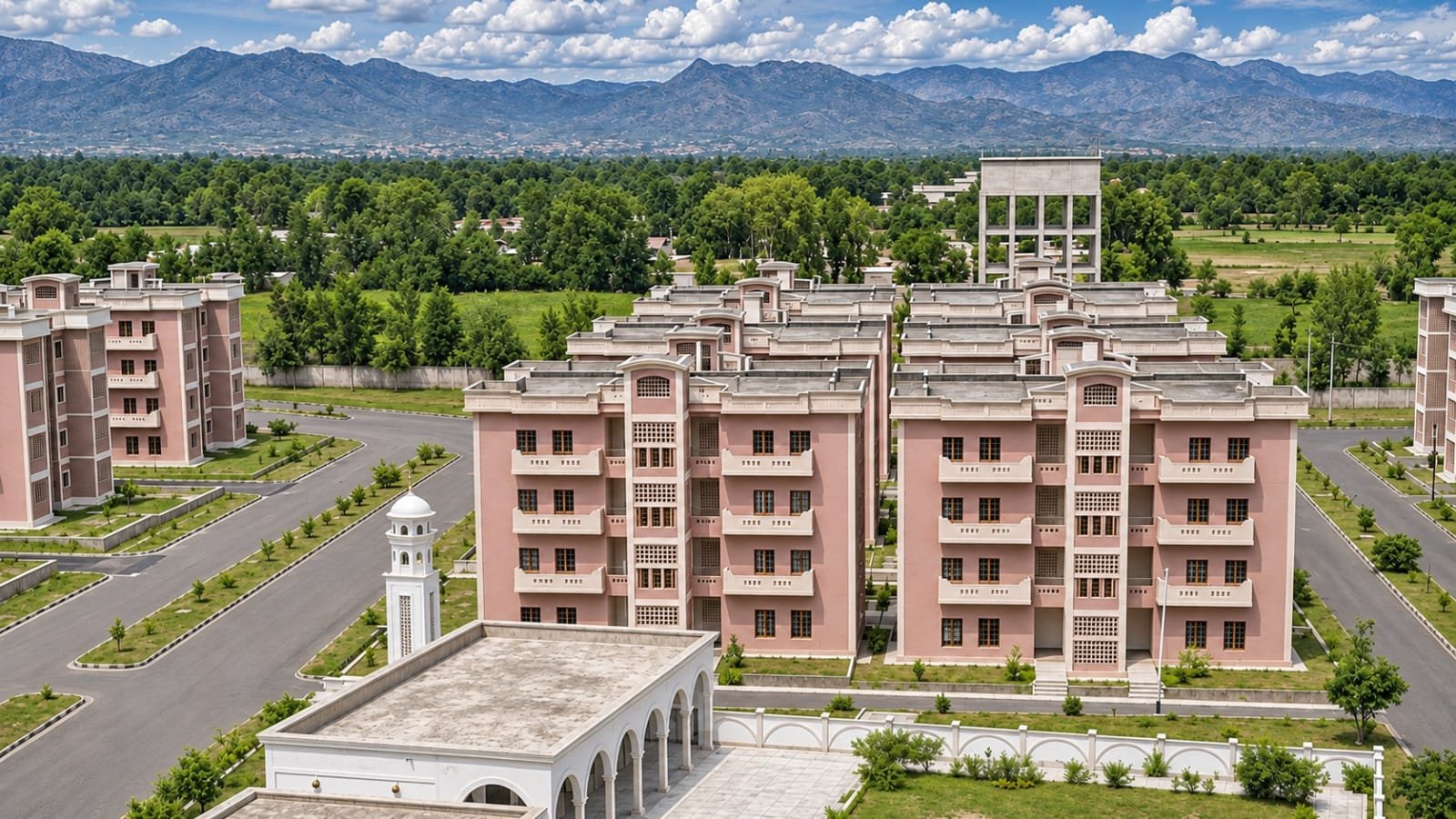
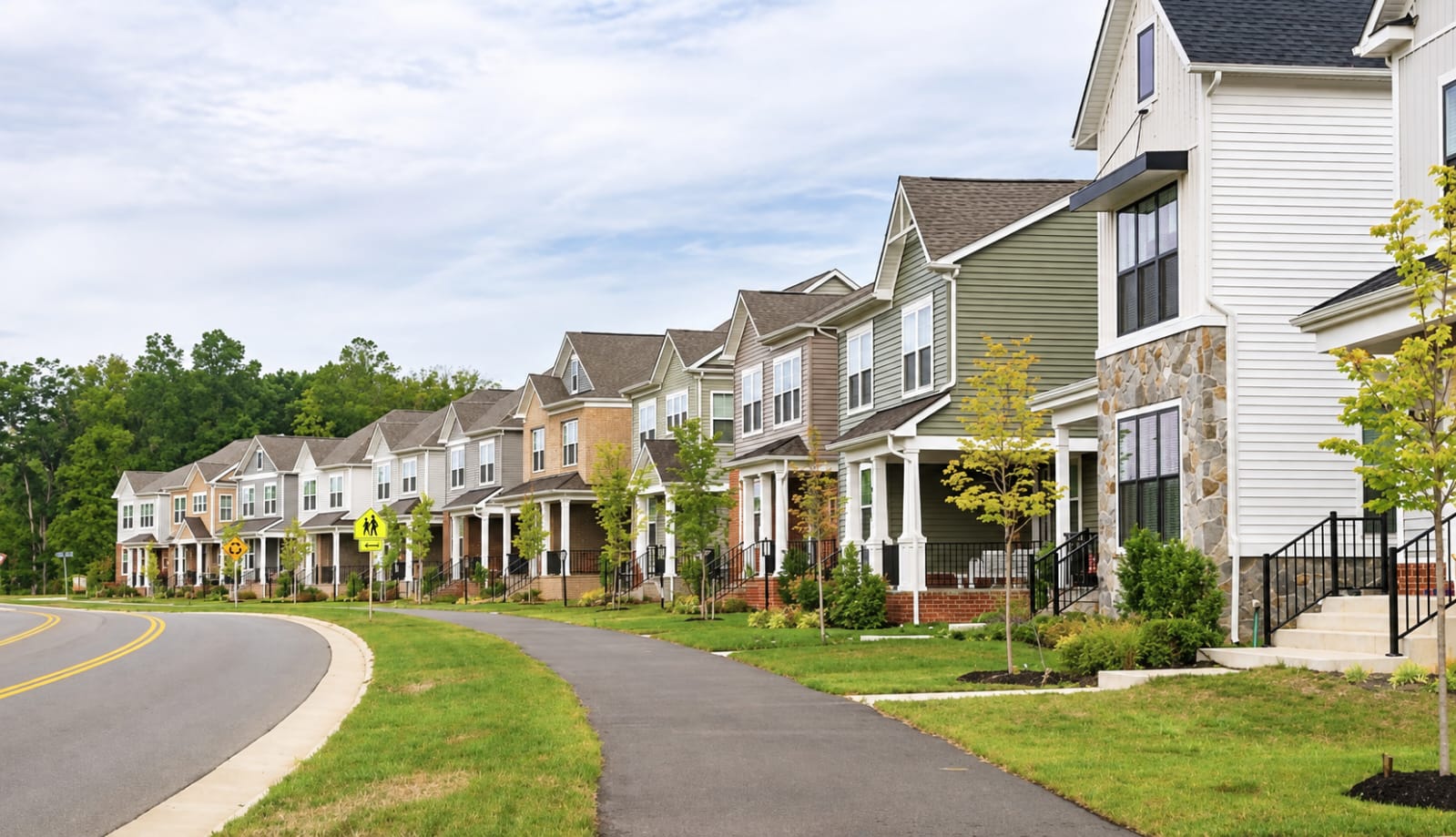
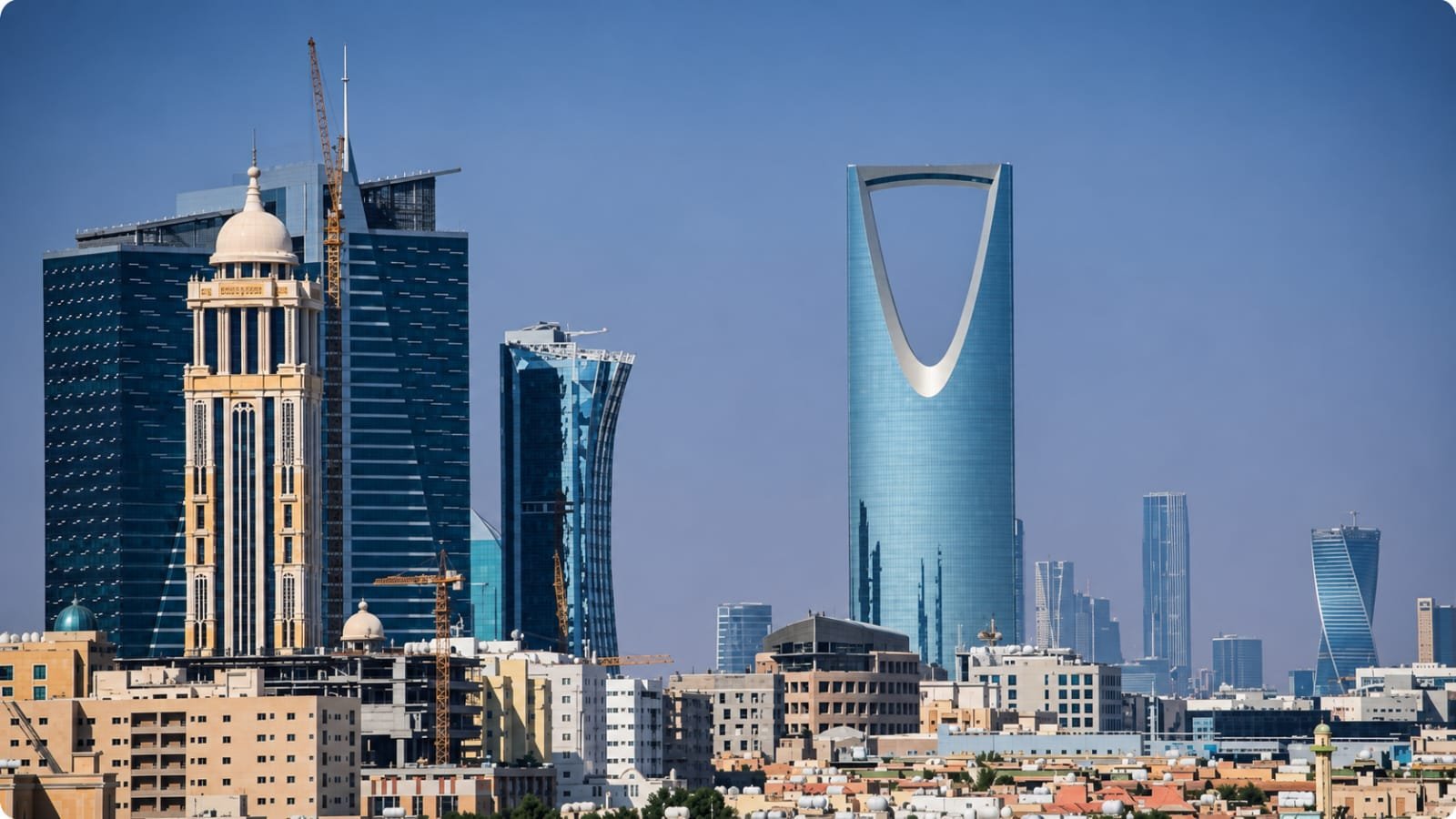
The rapid expansion of housing schemes, residential townships and commercial developments in Charsadda district of Khyber Pakhtunkhwa is threatening fertile agricultural land, raising serious concerns about declining crop production, environmental degradation and long-term food security.
Once recognized for its productive wheat and sugarcane fields, vegetable farms and extensive fruit orchards, Charsadda is witnessing increasing conversion of cultivated land into residential plots, housing colonies and concrete structures. According to official figures cited in reports, the district has approximately 500,000 jeribs of land, including around 141,000 jeribs classified as agricultural land. However, growing population pressure, unplanned urban expansion and the proliferation of housing projects have significantly affected farming activities. The conversion of fertile land into residential developments reportedly accelerated after 2018, with estimates suggesting that approximately 25% to 30% of productive agricultural land may have been converted into townships and housing projects, although a comprehensive official land-use survey is required to determine the actual extent of the transformation.
The expansion of residential and commercial construction has particularly affected agricultural areas across Charsadda, Tangi and Shabqadar tehsils. Earlier estimates placed the cultivated area at approximately 220,000 jeribs in Charsadda tehsil, 173,000 jeribs in Tangi and 95,000 jeribs in Shabqadar, highlighting the district's historically strong agricultural base. However, continuous land conversion has reportedly reduced wheat cultivation to around 50,000 acres, while sugarcane and maize production have also experienced declines. Tobacco, an important cash crop traditionally cultivated in Tangi and northern Hashtnagar, is now reportedly grown on approximately 7,163 acres.
The district's traditional fruit-growing industry has also suffered substantial losses, with plum orchards in Sherpao and surrounding areas, once known for supplying fruit to Punjab and other regions, having largely disappeared. Mango and persimmon orchards have similarly declined across several localities, with Abazai remaining among the areas where fruit cultivation continues. Farmers warn that the continued loss of agricultural land could further weaken the district's capacity to produce essential food crops and reduce its contribution to regional agricultural markets.
Beyond declining agricultural output, the uncontrolled spread of housing colonies and commercial infrastructure is creating additional environmental and economic challenges. Farmers and local residents have expressed concern that extensive construction, the replacement of cultivated fields with paved surfaces and increasing groundwater consumption could place further pressure on underground water reserves and the surrounding ecosystem.
The disappearance of agricultural land and orchards is also affecting farmworkers, agricultural labourers and families whose livelihoods depend on crop cultivation, fruit production and related rural economic activities. Growers believe that continued conversion of productive farmland into residential plots could increase Charsadda's dependence on wheat, vegetables and other essential food supplies from neighbouring districts and provinces. They also warn that the gradual decline of farming opportunities may contribute to rural unemployment and undermine the district's traditional agricultural economy.
Local residents and farming communities have urged the Khyber Pakhtunkhwa government and relevant development and regulatory authorities to introduce stronger measures to protect fertile agricultural land from uncontrolled residential and commercial development. They have demanded strict action against unauthorized housing schemes, effective monitoring of land-use changes and legislation restricting the conversion of productive farmland into construction sites. Farmers have also called for comprehensive land-use planning to ensure that future housing developments are directed towards suitable non-agricultural locations rather than fertile cultivated areas. They emphasized that sustainable urban expansion must balance growing housing demand with the protection of agricultural resources, groundwater reserves and rural livelihoods. Without timely regulatory intervention, residents fear that Charsadda could face further agricultural decline, increased environmental pressure and growing food security challenges in the coming years.
خیبر پختونخوا کے ضلع چارسدہ میں ہاؤسنگ سکیموں، رہائشی کالونیوں اور کمرشل منصوبوں کے تیزی سے پھیلاؤ کے باعث زرخیز زرعی اراضی مسلسل سکڑ رہی ہے، جس سے زرعی پیداوار میں کمی، ماحولیاتی مسائل اور مستقبل میں غذائی تحفظ کے حوالے سے سنگین خدشات پیدا ہو گئے ہیں۔
گندم، گنے، سبزیوں اور پھلوں کی بھرپور پیداوار کے لیے مشہور چارسدہ میں کاشت کے قابل زمین کو تیزی سے رہائشی پلاٹوں، ہاؤسنگ کالونیوں اور پختہ تعمیرات میں تبدیل کیا جا رہا ہے۔ دستیاب سرکاری اعداد و شمار کے مطابق ضلع چارسدہ کا مجموعی رقبہ تقریباً 5 لاکھ جریب ہے، جس میں تقریباً ایک لاکھ 41 ہزار جریب اراضی زرعی زمین کے طور پر شمار کی جاتی ہے۔ تاہم آبادی میں اضافے، غیر منصوبہ بند شہری پھیلاؤ اور رہائشی منصوبوں کی بڑھتی ہوئی تعداد کے باعث زرعی سرگرمیاں نمایاں طور پر متاثر ہو رہی ہیں۔ اطلاعات کے مطابق 2018 کے بعد زرخیز زمین کو رہائشی منصوبوں میں تبدیل کرنے کے رجحان میں تیزی آئی اور اندازوں کے مطابق تقریباً 25 سے 30 فیصد زرخیز زرعی اراضی رہائشی ٹاؤن شپس اور ہاؤسنگ منصوبوں میں تبدیل ہو چکی ہے، تاہم زمین کی تبدیلی کی حقیقی شرح معلوم کرنے کے لیے جامع سرکاری لینڈ یوز سروے کی ضرورت ہے۔
رہائشی اور کمرشل تعمیرات کے پھیلاؤ سے چارسدہ، تنگی اور شبقدر کی تحصیلوں کے زرعی علاقے خاص طور پر متاثر ہوئے ہیں۔ سابقہ اندازوں کے مطابق تحصیل چارسدہ میں تقریباً 2 لاکھ 20 ہزار جریب، تنگی میں ایک لاکھ 73 ہزار جریب اور شبقدر میں 95 ہزار جریب اراضی زیر کاشت رہی ہے، جو ضلع کی مضبوط زرعی حیثیت کو ظاہر کرتی ہے۔ تاہم زرعی زمین کی مسلسل تبدیلی کے باعث گندم کی کاشت مبینہ طور پر کم ہو کر تقریباً 50 ہزار ایکڑ تک محدود ہو گئی ہے، جبکہ گنے اور مکئی کی پیداوار بھی متاثر ہوئی ہے۔ تنگی اور شمالی ہشت نگر کے دیہی علاقوں میں کاشت کی جانے والی اہم نقد آور فصل تمباکو کا زیر کاشت رقبہ اب تقریباً 7 ہزار 163 ایکڑ بتایا جاتا ہے۔ ضلع میں پھلوں کے روایتی باغات کو بھی شدید نقصان پہنچا ہے۔ شیرپاؤ اور ملحقہ علاقوں میں آلو بخارے کے وہ باغات، جہاں سے کبھی پنجاب سمیت ملک کے مختلف علاقوں کو پھل فراہم کیے جاتے تھے، تقریباً ختم ہو چکے ہیں۔ اسی طرح آبازئی کے علاوہ متعدد علاقوں میں آم اور املوک کے باغات بھی بڑی حد تک معدوم ہو گئے ہیں۔
کسانوں نے خبردار کیا ہے کہ زرخیز زمین کا مسلسل خاتمہ نہ صرف ضروری غذائی فصلوں کی پیداوار مزید کم کر سکتا ہے بلکہ علاقائی زرعی منڈیوں میں چارسدہ کے کردار کو بھی متاثر کر سکتا ہے۔
زرعی پیداوار میں کمی کے ساتھ ہاؤسنگ کالونیوں اور کمرشل تعمیرات کا بے قابو پھیلاؤ ضلع میں ماحولیاتی اور معاشی مسائل بھی پیدا کر رہا ہے۔ کسانوں اور مقامی رہائشیوں کے مطابق زرعی زمینوں پر بڑے پیمانے پر تعمیرات، کھیتوں کی جگہ کنکریٹ اور پختہ سڑکوں کی تعمیر اور زیرزمین پانی کے بڑھتے ہوئے استعمال سے آبی ذخائر اور مقامی ماحول پر مزید دباؤ پڑنے کا خدشہ ہے۔ کھیتوں اور پھلوں کے باغات کے خاتمے سے زرعی مزدور، کسان اور وہ خاندان بھی متاثر ہو رہے ہیں جن کا روزگار فصلوں کی کاشت، پھلوں کی پیداوار اور دیگر زرعی سرگرمیوں سے وابستہ ہے۔ کاشت کاروں کا کہنا ہے کہ اگر زرخیز زمین کو رہائشی پلاٹوں میں تبدیل کرنے کا سلسلہ جاری رہا تو چارسدہ کو گندم، سبزیوں اور دیگر ضروری غذائی اشیا کے لیے پڑوسی اضلاع اور صوبوں پر زیادہ انحصار کرنا پڑ سکتا ہے۔
ان کے مطابق زرعی مواقع میں مسلسل کمی سے دیہی بے روزگاری میں اضافے اور ضلع کی روایتی زرعی معیشت کمزور ہونے کا بھی خدشہ ہے۔
مقامی رہائشیوں اور کاشت کاروں نے خیبر پختونخوا حکومت، متعلقہ ترقیاتی اداروں اور ریگولیٹری حکام سے مطالبہ کیا ہے کہ زرخیز زرعی زمین کو بے ہنگم رہائشی اور تجارتی تعمیرات سے محفوظ رکھنے کے لیے فوری اور مؤثر اقدامات کیے جائیں۔ انہوں نے غیر قانونی ہاؤسنگ اسکیموں کے خلاف سخت کارروائی، اراضی کے استعمال میں تبدیلی کی مؤثر نگرانی اور قابل کاشت زمین کو تعمیراتی مقاصد کے لیے استعمال کرنے پر پابندی سے متعلق جامع قانون سازی کا مطالبہ کیا ہے۔ کسانوں نے اس بات پر بھی زور دیا کہ مستقبل کے رہائشی منصوبوں کے لیے زرخیز کھیتوں کے بجائے ایسی غیر زرعی زمینوں کا انتخاب کیا جائے جو تعمیرات کے لیے موزوں ہوں۔ ان کے مطابق شہری آبادی کی بڑھتی ہوئی رہائشی ضروریات پوری کرنے کے ساتھ زرعی وسائل، زیرزمین پانی اور دیہی روزگار کا تحفظ بھی ناگزیر ہے۔
مقامی افراد نے خبردار کیا ہے کہ اگر بروقت حکومتی اور قانونی اقدامات نہ کیے گئے تو چارسدہ میں زرعی اراضی کی مزید کمی، ماحولیاتی دباؤ اور غذائی تحفظ کے مسائل آنے والے برسوں میں مزید سنگین صورت اختیار کر سکتے ہیں۔