
Published: May 30, 2026 - 11:15 AM
Pakistan’s Mega Dam Projects Raise Fresh Concerns Over Governance, Delays and Cost Overruns
پاکستان کے میگا ڈیم پراجیکٹس پر گورننس، تاخیر اور لاگت میں اضافے کے نئے سوالات اٹھنے لگے
▫️Experts say water and hydropower projects remain vital for Pakistan, but strategic importance cannot justify weak project management
Islamabad | ReNews Pakistan Pakistan’s major water and hydropower projects are once again facing scrutiny as concerns over delays, cost escalation, compensation disputes and weak oversight revive long standing questions about governan...
Islamabad | ReNews Pakistan
Pakistan’s major water and hydropower projects are once again facing scrutiny as concerns over delays, cost escalation, compensation disputes and weak oversight revive long standing questions about governance in public infrastructure development.
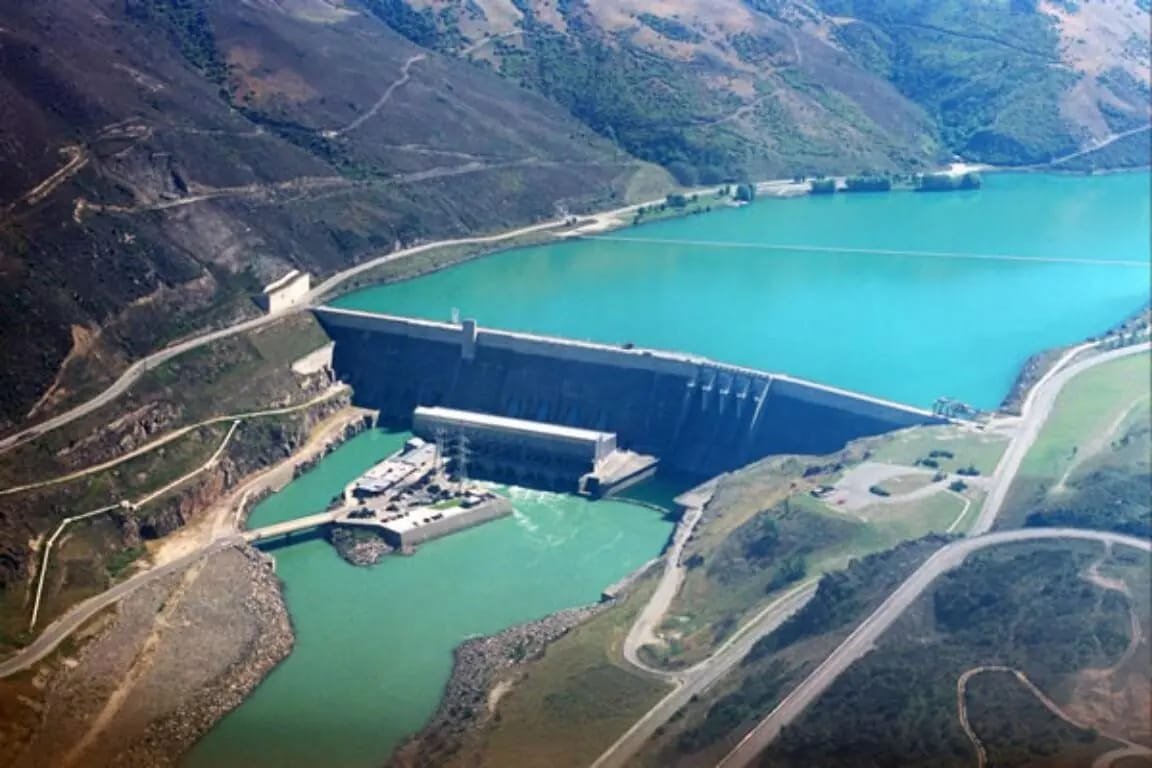
The latest concerns surrounding Diamer Basha Dam and the Tarbela 5th Extension project have highlighted problems that have repeatedly affected major national schemes. These include delayed approvals, rising costs, questionable management decisions, weak technical supervision and limited accountability after projects fall behind schedule.
Planning Minister Ahsan Iqbal has expressed frustration over escalating costs and delayed revisions of project documents, particularly in the case of Diamer Basha Dam. The approved cost of the project has increased significantly since 2018, while revised documents reportedly remained pending for years.
The Tarbela 5th Extension project has also witnessed major cost escalation, with questions being raised about project management standards, consultant selection and transparency in decision making.
Observers say these are not minor administrative lapses. Projects involving hundreds of billions of rupees require strict financial discipline, transparent monitoring and strong technical oversight. When delays and cost revisions become routine, public confidence in national development planning is seriously affected.
The Neelum Jhelum project continues to serve as a warning example. Poor planning, technical flaws, delayed maintenance and weak supervision turned a major national asset into a long term financial burden.
The Mangla compensation issue reflects another side of the same governance challenge. Thousands of people displaced by a national infrastructure project are reportedly still awaiting compensation years after commitments were made. Experts say unresolved claims, delayed payments and bureaucratic inertia undermine both public trust and social stability.
Pakistan genuinely needs water storage and hydropower projects. Energy shortages, water stress and climate vulnerability make reservoir expansion and clean power generation essential for long term national stability. However, the strategic importance of these projects cannot become an excuse for weak governance.
There is also a wider fiscal concern. Every major cost overrun adds pressure to public finances, future development spending and electricity costs. Such inefficiency is ultimately transferred to taxpayers, consumers and future budgets.
Policy experts argue that large strategic projects should be subject to mandatory half yearly public progress reports. These reports should include timelines, cost revisions, technical milestones, procurement decisions and reasons for delays.
They say Pakistan’s infrastructure ambitions will remain trapped in a cycle of delay and regret unless accountability becomes real, transparency becomes routine and project governance is treated with the seriousness these investments demand.
اسلام آباد | ری نیوز پاکستان
پاکستان کے بڑے آبی اور پن بجلی منصوبے ایک بار پھر تنقید اور جانچ پڑتال کی زد میں ہیں، کیونکہ تاخیر، لاگت میں اضافے، معاوضوں کے تنازعات اور کمزور نگرانی سے متعلق خدشات نے عوامی انفراسٹرکچر منصوبوں میں گورننس کے دیرینہ سوالات دوبارہ زندہ کر دیے ہیں۔
دیامر بھاشا ڈیم اور تربیلا پانچویں توسیعی منصوبے سے متعلق تازہ خدشات نے ان مسائل کو نمایاں کیا ہے جو بار بار بڑے قومی منصوبوں کو متاثر کرتے رہے ہیں۔ ان میں منظوریوں میں تاخیر، لاگت میں اضافہ، انتظامی فیصلوں پر سوالات، کمزور تکنیکی نگرانی اور منصوبوں کے تاخیر کا شکار ہونے کے بعد محدود احتساب شامل ہیں۔
وفاقی وزیر منصوبہ بندی احسن اقبال نے لاگت میں اضافے اور پراجیکٹ دستاویزات کی نظرثانی میں تاخیر پر تشویش کا اظہار کیا ہے، خاص طور پر دیامر بھاشا ڈیم کے معاملے میں۔ منصوبے کی منظور شدہ لاگت 2018 کے بعد نمایاں طور پر بڑھ چکی ہے، جبکہ نظرثانی شدہ دستاویزات مبینہ طور پر کئی سال تک زیر التوا رہیں۔
تربیلا پانچویں توسیعی منصوبے کی لاگت میں بھی بڑا اضافہ دیکھا گیا ہے، جس کے بعد پراجیکٹ مینجمنٹ کے معیار، کنسلٹنٹ کے انتخاب اور فیصلہ سازی میں شفافیت پر سوالات اٹھائے جا رہے ہیں۔
مبصرین کا کہنا ہے کہ یہ معمولی انتظامی کوتاہیاں نہیں ہیں۔ سیکڑوں ارب روپے مالیت کے منصوبوں کے لیے سخت مالیاتی نظم و ضبط، شفاف مانیٹرنگ اور مضبوط تکنیکی نگرانی ناگزیر ہوتی ہے۔ جب تاخیر اور لاگت میں نظرثانی معمول بن جائے تو قومی ترقیاتی منصوبہ بندی پر عوامی اعتماد بری طرح متاثر ہوتا ہے۔
نیلم جہلم منصوبہ اس حوالے سے اب بھی ایک تنبیہی مثال کے طور پر موجود ہے۔ ناقص منصوبہ بندی، تکنیکی خامیوں، مرمت میں تاخیر اور کمزور نگرانی نے ایک بڑے قومی اثاثے کو طویل مدتی مالی بوجھ میں تبدیل کر دیا۔
منگلا معاوضہ معاملہ بھی اسی گورننس بحران کا ایک اور پہلو ظاہر کرتا ہے۔ قومی انفراسٹرکچر منصوبے کے باعث بے گھر ہونے والے ہزاروں افراد مبینہ طور پر وعدوں کے کئی سال بعد بھی معاوضوں کے منتظر ہیں۔
ماہرین کے مطابق غیر حل شدہ دعوے، ادائیگیوں میں تاخیر اور بیوروکریٹک جمود عوامی اعتماد اور سماجی استحکام، دونوں کو نقصان پہنچاتے ہیں۔
پاکستان کو واقعی پانی ذخیرہ کرنے اور پن بجلی کے منصوبوں کی اشد ضرورت ہے۔ توانائی کی قلت، آبی دباؤ اور موسمیاتی خطرات طویل مدتی قومی استحکام کے لیے آبی ذخائر میں اضافے اور صاف توانائی کی پیداوار کو ضروری بناتے ہیں۔ تاہم ان منصوبوں کی اسٹریٹجک اہمیت کمزور گورننس کا جواز نہیں بن سکتی۔
اس معاملے کا ایک وسیع مالیاتی پہلو بھی ہے۔ لاگت میں ہر بڑا اضافہ سرکاری مالیات، مستقبل کے ترقیاتی اخراجات اور بجلی کی قیمتوں پر مزید دباؤ ڈالتا ہے۔ اس نوعیت کی نااہلی کا بوجھ بالآخر ٹیکس دہندگان، صارفین اور آئندہ بجٹ پر منتقل ہوتا ہے۔
پالیسی ماہرین کا کہنا ہے کہ بڑے اسٹریٹجک منصوبوں کے لیے ششماہی عوامی پیش رفت رپورٹس لازمی قرار دی جانی چاہئیں۔ ان رپورٹس میں ٹائم لائنز، لاگت میں نظرثانی، تکنیکی اہداف، خریداری کے فیصلے اور تاخیر کی وجوہات شامل ہونی چاہئیں۔
ماہرین کے مطابق پاکستان کی انفراسٹرکچر سے متعلق خواہشات اس وقت تک تاخیر اور پچھتاوے کے دائرے میں پھنسی رہیں گی جب تک احتساب حقیقی، شفافیت معمول اور پراجیکٹ گورننس کو ان سرمایہ کاریوں کی اہمیت کے مطابق سنجیدگی سے نہیں لیا جاتا۔