

Published: June 4, 2026 - 10:15 AM
NHA Approves 172 Kilometre Motorway to Link Mansehra with Karakoram Highway
این ایچ اے نے مانسہرہ کو قراقرم ہائی وے سے ملانے کیلئے 172 کلومیٹر طویل موٹروے منصوبے کی منظوری دیدی
▫️Mansehra/Naran/Jhal Khand/Chilas Motorway to provide alternative route to KKH, reduce travel distance by up to 120 kilometres
Islamabad | ReNews Pakistan The National Highway Authority has approved a major 172 kilometre motorway project to connect Mansehra in Hazara with Chilas in Gilgit-Baltistan through Kaghan, Naran and Jhal Khand, in a move aimed at impr...
Islamabad | ReNews Pakistan
The National Highway Authority has approved a major 172 kilometre motorway project to connect Mansehra in Hazara with Chilas in Gilgit-Baltistan through Kaghan, Naran and Jhal Khand, in a move aimed at improving regional connectivity, promoting tourism and providing an alternative route to the existing Karakoram Highway.
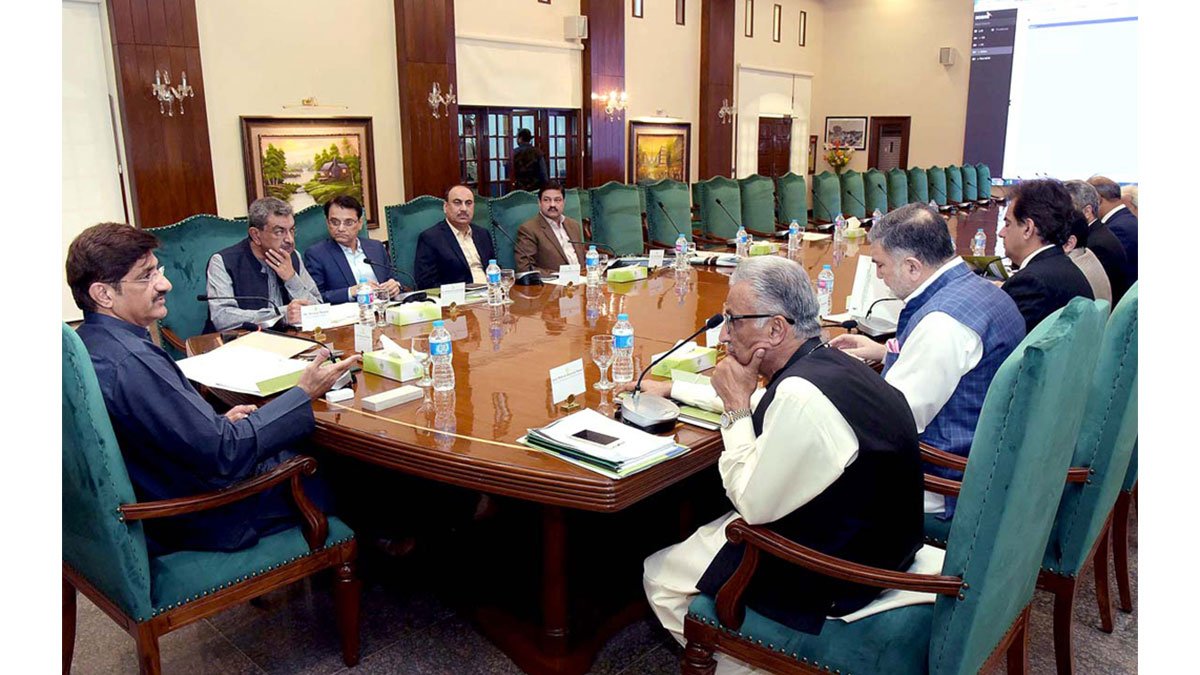
The approval was granted during a meeting chaired by Federal Minister for Communications Abdul Aleem Khan. The proposed project has been named the Mansehra/Naran/Jhal Khand/Chilas Motorway, commonly referred to as the MNJC Motorway.
According to officials, the motorway will serve as an important northbound corridor between Khyber Pakhtunkhwa and Gilgit/Baltistan. Once completed, the project is expected to reduce the existing travel distance by up to 120 kilometres, significantly improving access to northern areas and easing pressure on the current Karakoram Highway route.
The project will be developed in two phases. In the first phase, the motorway will be constructed from Mansehra through Kaghan and Naran up to Babusar Top. The second phase will extend the route from Babusar Top to Chilas, linking the corridor with Gilgit-Baltistan and the broader Karakoram Highway network.
A key component of the project is the proposed 13.5-kilometre Babusar Tunnel, which officials said is expected to become the longest tunnel in Pakistan after completion.
The tunnel is being planned to improve year-round access and reduce travel difficulties on the mountainous route, particularly in areas affected by harsh weather and seasonal closures.
The motorway has been designed as a four-lane corridor, with provisions for future expansion to six lanes. Officials said the design would support passenger traffic, tourism movement, freight transport and long-distance commercial connectivity.
To facilitate motorists and freight operators, modern rest areas will be established at intervals of 25 to 30 kilometres along the route. Dedicated trucking terminals are also planned on both sides of the motorway to support logistics operations and organized freight movement.
During the meeting, Federal Minister Abdul Aleem Khan said the project would serve as a strategic transport corridor by linking Pakistan’s northern regions and Western China with the country’s southern ports, including Karachi and Gwadar. He said the route could provide an alternative trade pathway, reduce transportation time and lower logistics costs for cargo movement between the Arabian Sea and western regions of China.
The minister directed the relevant authorities to complete all technical planning, feasibility requirements and formal procedures within the stipulated timeframe. He said timely execution of the project would be important for strengthening national connectivity, improving regional trade access and supporting tourism in the northern areas.
Senior officials of the Ministry of Communications and the National Highway Authority attended the meeting.
اسلام آباد | ری نیوز پاکستان
نیشنل ہائی وے اتھارٹی نے مانسہرہ ہزارہ کو کاغان، ناران اور جھل کھنڈ کے راستے چلاس گلگت بلتستان سے ملانے کے لیے 172 کلومیٹر طویل موٹروے منصوبے کی منظوری دے دی ہے۔ منصوبے کا مقصد علاقائی رابطوں کو بہتر بنانا، سیاحت کو فروغ دینا اور موجودہ قراقرم ہائی وے کے متبادل کے طور پر ایک اہم سفری اور تجارتی راستہ فراہم کرنا ہے۔
یہ منظوری وفاقی وزیر مواصلات عبدالعلیم خان کی زیر صدارت ہونے والے اجلاس میں دی گئی۔ مجوزہ منصوبے کو مانسہرہ، ناران، جھل کھنڈ، چلاس موٹروے کا نام دیا گیا ہے، جسے ایم این جے سی موٹروے بھی کہا جا رہا ہے۔
حکام کے مطابق یہ موٹروے خیبر پختونخوا اور گلگت بلتستان کے درمیان شمالی سمت میں ایک اہم راہداری کا کردار ادا کرے گی۔ منصوبے کی تکمیل کے بعد موجودہ روٹ کے مقابلے میں سفری فاصلہ 120 کلومیٹر تک کم ہونے کی توقع ہے، جس سے شمالی علاقہ جات تک رسائی بہتر ہو گی اور قراقرم ہائی وے پر ٹریفک کا دباؤ بھی کم ہو گا۔
منصوبہ دو مراحل میں مکمل کیا جائے گا۔ پہلے مرحلے میں موٹروے مانسہرہ سے کاغان اور ناران کے راستے بابوسر ٹاپ تک تعمیر کی جائے گی، جبکہ دوسرے مرحلے میں بابوسر ٹاپ سے چلاس تک راستہ مکمل کیا جائے گا، جس کے بعد یہ راہداری گلگت بلتستان اور قراقرم ہائی وے کے وسیع نیٹ ورک سے منسلک ہو جائے گی۔
منصوبے کا ایک اہم حصہ 13.5 کلومیٹر طویل بابوسر ٹنل کی تعمیر ہے، جو حکام کے مطابق تکمیل کے بعد پاکستان کی سب سے طویل ٹنل بننے کی توقع ہے۔ اس ٹنل کا مقصد پہاڑی راستے پر سفر کو آسان بنانا، موسمی مشکلات کو کم کرنا اور ایسے علاقوں میں رسائی بہتر بنانا ہے جہاں شدید موسم اور برفباری کے باعث راستے اکثر بند ہو جاتے ہیں۔
موٹروے کو ابتدائی طور پر چار رویہ شاہراہ کے طور پر ڈیزائن کیا گیا ہے، جبکہ مستقبل میں اسے چھ رویہ تک توسیع دینے کی گنجائش بھی رکھی گئی ہے۔ حکام کا کہنا ہے کہ منصوبہ مسافر ٹریفک، سیاحتی نقل و حرکت، مال برداری اور طویل فاصلے کی تجارتی سرگرمیوں کے لیے اہم سہولت فراہم کرے گا۔
مسافروں اور مال بردار گاڑیوں کی سہولت کے لیے موٹروے کے ساتھ ہر 25 سے 30 کلومیٹر کے فاصلے پر جدید ریسٹ ایریاز قائم کیے جائیں گے۔ اس کے علاوہ منظم فریٹ موومنٹ اور لاجسٹکس آپریشنز کے لیے موٹروے کے دونوں اطراف خصوصی ٹرکنگ ٹرمینلز بھی تعمیر کیے جائیں گے۔
اجلاس کے دوران وفاقی وزیر عبدالعلیم خان نے کہا کہ یہ منصوبہ پاکستان کے شمالی علاقوں اور مغربی چین کو ملک کی جنوبی بندرگاہوں، کراچی اور گوادر، سے ملانے والی ایک اسٹریٹجک ٹرانسپورٹ راہداری ثابت ہو گا۔ ان کا کہنا تھا کہ یہ روٹ تجارتی نقل و حمل کے لیے ایک متبادل راستہ فراہم کرے گا، جس سے بحیرہ عرب اور چین کے مغربی علاقوں کے درمیان کارگو کی ترسیل میں وقت اور لاگت کم کرنے میں مدد ملے گی۔
وفاقی وزیر نے متعلقہ حکام کو ہدایت کی کہ منصوبے کی تکنیکی منصوبہ بندی، فزیبلٹی تقاضے اور تمام رسمی کارروائیاں مقررہ مدت کے اندر مکمل کی جائیں۔ انہوں نے کہا کہ منصوبے کی بروقت تکمیل قومی رابطہ کاری کو مضبوط بنانے، علاقائی تجارت تک رسائی بہتر کرنے اور شمالی علاقہ جات میں سیاحت کے فروغ کے لیے نہایت اہم ہے۔
اجلاس میں وزارت مواصلات اور نیشنل ہائی وے اتھارٹی کے سینئر حکام نے شرکت کی۔