
Published: July 3, 2026 - 10:45 AM
Pakistan Removes ML 1 Railway Project From CPEC, Seeks New International Financing
حکومت نے ایم ایل ون ریلوے منصوبہ سی پیک سے الگ کر دیا، نئی عالمی فنانسنگ حاصل کرنے کا فیصلہ
▫️Government tells lawmakers the $7.7 billion railway modernization project will now pursue funding from the Asian Development Bank and other multilateral lenders after being separated from the CPEC framework
Islamabad | ReNews Pakistan The federal government has officially informed Parliament that the Main Line 1 (ML 1) railway modernization project is no longer part of the China Pakistan Economic Corridor (CPEC) and will instead be financed...
Islamabad | ReNews Pakistan
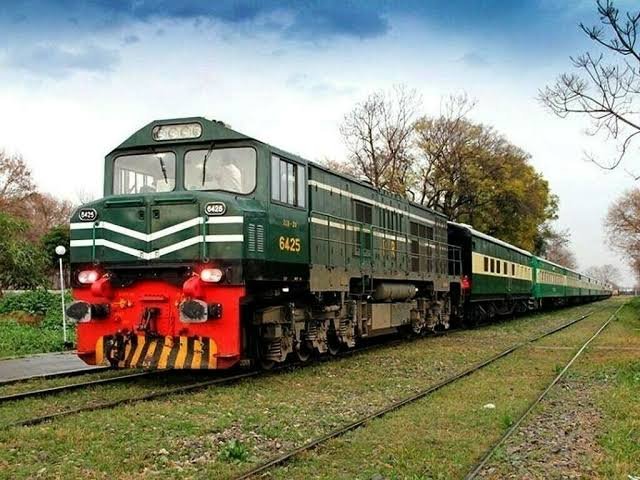
The federal government has officially informed Parliament that the Main Line 1 (ML 1) railway modernization project is no longer part of the China Pakistan Economic Corridor (CPEC) and will instead be financed through international financial institutions, including the Asian Development Bank (ADB), marking a significant shift in Pakistan’s infrastructure financing strategy.
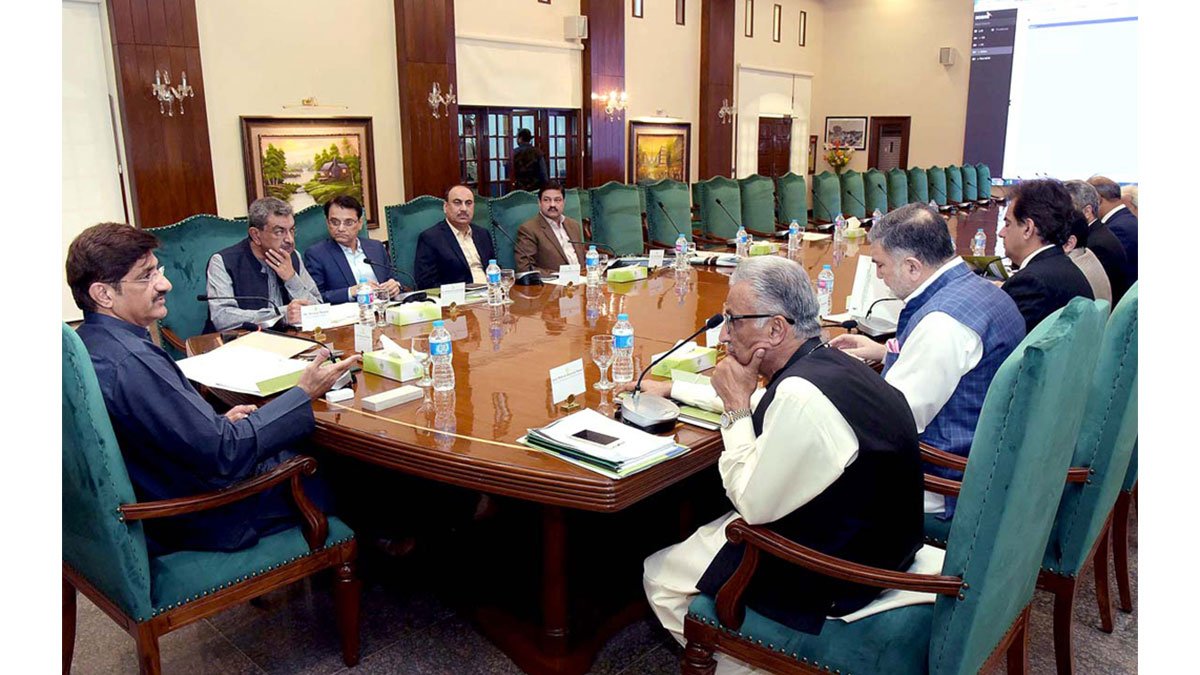
The announcement was made during a meeting of the Senate Standing Committee on Economic Affairs, where Economic Affairs Secretary Hameer Karim briefed lawmakers on the government's revised approach to the country's largest railway infrastructure project.
According to the briefing, the ML 1 project, originally estimated to cost approximately $7.7 billion under the CPEC framework, has been separated from the flagship bilateral initiative. The government is now actively pursuing financial support from multilateral development partners, with the Asian Development Bank expected to play a leading role alongside other international lenders.
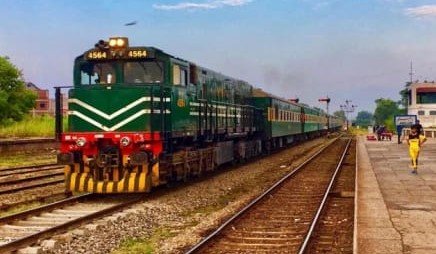
The ML 1 project is regarded as the backbone of Pakistan’s railway modernization programme. It aims to upgrade the country's main railway corridor stretching from Karachi to Peshawar through the replacement of aging railway tracks, modernization of signalling and communication systems, enhancement of passenger safety, expansion of freight capacity, and an increase in train operating speeds.
Once completed, the project is expected to significantly improve the efficiency of Pakistan Railways, reduce travel times, strengthen logistics, and facilitate trade by providing a faster and more reliable transport network across the country.
Despite its strategic importance, the project has experienced repeated delays over the past several years due to financing challenges, changing cost estimates, and prolonged negotiations regarding its implementation framework. The latest decision to seek funding from multilateral financial institutions represents a major policy shift in how the government intends to move the long delayed project forward.
During the Senate committee meeting, lawmakers also sought detailed information on the revised financing structure and questioned the Economic Affairs Division regarding the management of legal matters associated with foreign funded development projects. Committee members emphasized the need for greater transparency and timely execution of major national infrastructure initiatives.
Separately, the National Assembly Standing Committee on Railways reviewed the overall performance of Pakistan Railways and directed the ministry to submit comprehensive reports on railway land encroachments, institutional restructuring, and progress under the railway revival programme.
The committee also requested updated information on the implementation status of both the ML 1 project and the Pipri Marshalling Yard project, stressing that Parliament should be regularly informed about developments in these strategic initiatives.
Lawmakers further reviewed recent railway accidents, including the collision involving the Shalimar Express near Lakha Road Station and the derailment of the Tezgam train on the Lodhran Bahawalpur section. Pakistan Railways officials briefed the committee on the causes of the incidents, ongoing departmental inquiries, and disciplinary actions taken against officials found responsible.
At the conclusion of the meeting, the committee directed the Ministry of Railways to present a comprehensive progress report during its next session, outlining achievements under the railway restructuring plan, updates on the ML 1 project, and measures being taken to improve operational safety and modernize Pakistan's rail transport system.
اسلام آباد | ری نیوز پاکستان
وفاقی حکومت نے پارلیمان کو باضابطہ طور پر آگاہ کیا ہے کہ مین لائن ون (ایم ایل ون) ریلوے جدید کاری منصوبہ اب چین پاکستان اقتصادی راہداری (سی پیک) کا حصہ نہیں رہا اور اس کی فنانسنگ ایشیائی ترقیاتی بینک سمیت دیگر عالمی مالیاتی اداروں سے حاصل کی جائے گی۔ یہ فیصلہ پاکستان کے بنیادی ڈھانچے کے منصوبوں کی فنانسنگ حکمت عملی میں ایک اہم تبدیلی قرار دیا جا رہا ہے۔
یہ انکشاف سینیٹ کی قائمہ کمیٹی برائے اقتصادی امور کے اجلاس میں کیا گیا، جہاں سیکرٹری اقتصادی امور حمیر کریم نے ارکان کو ملک کے سب سے بڑے ریلوے انفراسٹرکچر منصوبے سے متعلق حکومت کی نئی حکمت عملی پر بریفنگ دی۔
بریفنگ کے مطابق ایم ایل ون منصوبہ، جس کی لاگت سی پیک فریم ورک کے تحت تقریباً 7.7 ارب ڈالر لگائی گئی تھی، اب اس فریم ورک سے الگ کر دیا گیا ہے۔ حکومت اس منصوبے کے لیے کثیرالجہتی ترقیاتی شراکت داروں سے مالی معاونت حاصل کرنے کی کوشش کر رہی ہے، جس میں ایشیائی ترقیاتی بینک کا اہم کردار متوقع ہے۔
ایم ایل ون منصوبے کو پاکستان ریلوے کے جدید کاری پروگرام کی ریڑھ کی ہڈی سمجھا جاتا ہے۔ اس منصوبے کا مقصد کراچی سے پشاور تک ملک کی مرکزی ریلوے لائن کو اپ گریڈ کرنا ہے، جس میں پرانی پٹریوں کی تبدیلی، سگنلنگ اور کمیونیکیشن سسٹم کی جدید کاری، مسافروں کے تحفظ میں بہتری، مال برداری کی گنجائش میں اضافہ اور ٹرینوں کی رفتار بڑھانا شامل ہے۔
منصوبے کی تکمیل کے بعد پاکستان ریلوے کی کارکردگی میں نمایاں بہتری، سفر کے دورانیے میں کمی، لاجسٹکس کے نظام کی مضبوطی اور تجارت کے لیے ایک تیز، محفوظ اور قابل اعتماد ریلوے نیٹ ورک کی فراہمی متوقع ہے۔
اپنی تزویراتی اہمیت کے باوجود یہ منصوبہ گزشتہ کئی سال سے فنانسنگ مسائل، لاگت کے تخمینوں میں تبدیلی اور عملدرآمدی ڈھانچے سے متعلق طویل مذاکرات کے باعث تاخیر کا شکار رہا ہے۔ اب کثیرالجہتی مالیاتی اداروں سے فنڈنگ حاصل کرنے کا فیصلہ اس منصوبے کو آگے بڑھانے کے لیے حکومتی پالیسی میں بڑی تبدیلی کی نشاندہی کرتا ہے۔
سینیٹ کمیٹی کے اجلاس میں ارکان نے منصوبے کے نظرثانی شدہ فنانسنگ ڈھانچے کی تفصیلات بھی طلب کیں اور غیر ملکی فنڈنگ سے چلنے والے ترقیاتی منصوبوں سے متعلق قانونی معاملات کے انتظام پر اقتصادی امور ڈویژن سے سوالات کیے۔ ارکان نے بڑے قومی انفراسٹرکچر منصوبوں میں شفافیت اور بروقت عملدرآمد کی ضرورت پر زور دیا۔
دوسری جانب قومی اسمبلی کی قائمہ کمیٹی برائے ریلوے نے پاکستان ریلوے کی مجموعی کارکردگی کا جائزہ لیتے ہوئے وزارت ریلوے کو ہدایت کی کہ ریلوے اراضی پر قبضوں، ادارہ جاتی تنظیم نو اور ریلوے بحالی پروگرام پر پیش رفت سے متعلق جامع رپورٹس جمع کرائی جائیں۔
کمیٹی نے ایم ایل ون منصوبے اور پپری مارشلنگ یارڈ منصوبے کی عملدرآمدی صورتحال پر بھی تازہ معلومات طلب کیں اور زور دیا کہ ان اہم منصوبوں سے متعلق پارلیمان کو باقاعدگی سے آگاہ رکھا جائے۔
ارکان نے حالیہ ریلوے حادثات کا بھی جائزہ لیا، جن میں لاکھا روڈ سٹیشن کے قریب شالیمار ایکسپریس کا تصادم اور لودھراں بہاولپور سیکشن پر تیزگام ٹرین کا پٹری سے اترنا شامل ہیں۔ پاکستان ریلوے حکام نے کمیٹی کو ان حادثات کی وجوہات، جاری محکمانہ انکوائریوں اور ذمہ دار افسران کے خلاف کی گئی تادیبی کارروائیوں سے متعلق بریفنگ دی۔
اجلاس کے اختتام پر کمیٹی نے وزارت ریلوے کو ہدایت کی کہ آئندہ اجلاس میں ریلوے تنظیم نو منصوبے کے تحت ہونے والی پیش رفت، ایم ایل ون منصوبے کی تازہ صورتحال اور پاکستان کے ریلوے نظام کو محفوظ اور جدید بنانے کے لیے کیے جانے والے اقدامات پر جامع رپورٹ پیش کی جائے۔