
Published: August 13, 2026 - 10:34 AM
Power Consumers Face Rs 33.78 Billion Quarterly Tariff Adjustment as Electricity Demand Declines
بجلی کی طلب میں کمی، صارفین پر 33.78 ارب روپے کی سہ ماہی ٹیرف ایڈجسٹمنٹ کا امکان
▫️Industrial representatives oppose proposed increases as NEPRA hearing examines falling grid demand, growing solar adoption, load shedding and rising capacity-related costs
Islamabad | ReNews PakistanElectricity consumers across Pakistan could face an additional financial burden of nearly Rs 34 billion after the government sought recovery of Rs 33.78 billion from customers of power distribution companies an...
Islamabad | ReNews Pakistan
Electricity consumers across Pakistan could face an additional financial burden of nearly Rs 34 billion after the government sought recovery of Rs 33.78 billion from customers of power distribution companies and K-Electric through a quarterly tariff adjustment for April-June 2026.
The proposed adjustment, which works out to approximately Rs 1.34 per unit, comes amid declining electricity consumption and the resulting increase in capacity-related costs being allocated across fewer units sold through the national grid.
Details presented before the National Electric Power Regulatory Authority (NEPRA) showed that the quarterly adjustment was initially estimated at Rs 23.03 billion. The amount was subsequently revised upward to Rs 33.78 billion.
Capacity charges represent the largest component of the proposed adjustment, accounting for Rs 46.28 billion. Another Rs 4.94 billion has been included under variable operation and maintenance costs.
These increases are partially offset by negative adjustments, including Rs 13.52 billion related to Use of System Charges and Market Operator Fee and another Rs 21.18 billion under the incremental consumption package.
The proposed tariff adjustment also contains Rs 3.04 billion associated with transmission and distribution losses and Rs 14.21 billion in unrecovered costs relating to Small Power Producers and Captive Power Producers.
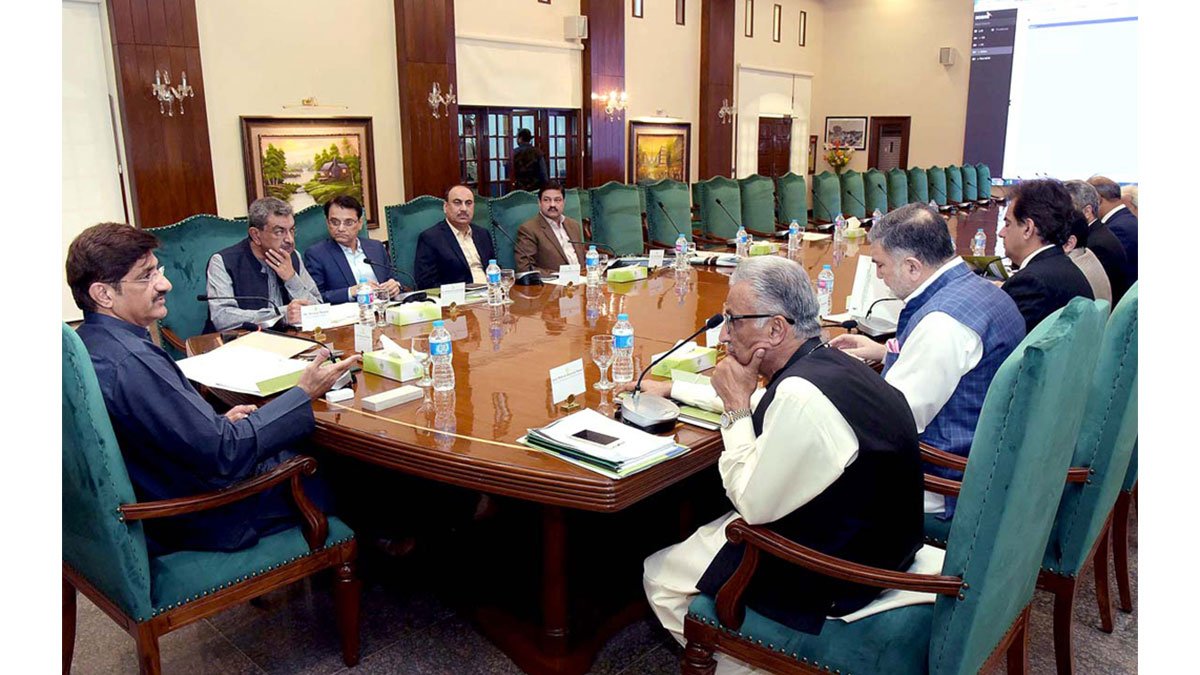
The proposal drew strong opposition from industrial representatives during the NEPRA hearing, with businesses warning that another increase in electricity tariffs would raise production costs and further weaken the competitiveness of Pakistani industries.
The hearing also focused heavily on the continuing decline in electricity consumption from the national grid and the factors contributing to lower demand.
Officials of Peshawar Electric Supply Company (Pesco) informed the regulator that electricity consumption had declined by around five percent, primarily because of weaker demand from domestic and commercial consumers.
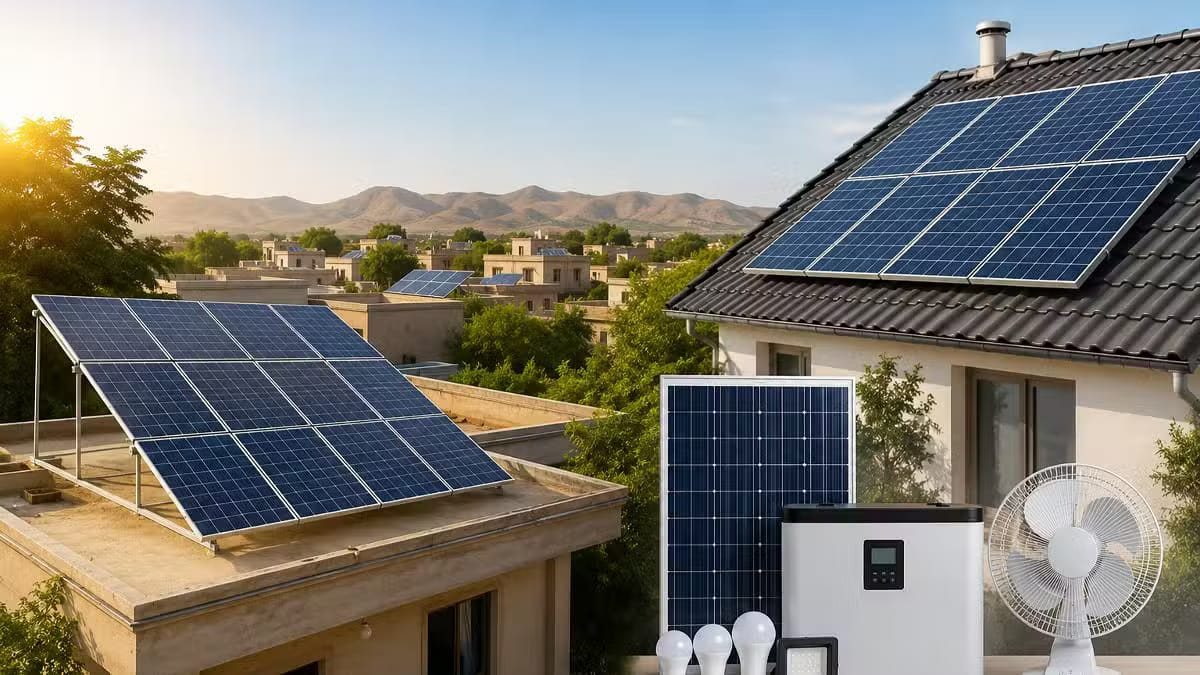
Pesco officials said increasing adoption of solar power by households was among the factors contributing to lower grid electricity consumption.
However, NEPRA Member Maqsood Anwar Khan questioned whether load shedding was also responsible for the decline in electricity sales.
Pesco representatives acknowledged that load shedding was continuing in their service areas, including in some locations where consumers regularly paid their electricity bills.
The discussion highlighted the increasingly complex relationship between Pakistan’s rapid shift toward rooftop solar generation and the financial structure of the conventional electricity system.
Khan observed that solar power had helped reduce pressure on the electricity network, particularly during daytime hours, and argued that the growing adoption of solar energy should not simply be blamed for falling electricity sales.
As more households and businesses generate their own electricity during daylight hours, their dependence on grid-supplied power declines. However, many fixed costs of the conventional electricity system, including capacity payments, remain payable even when electricity consumption falls.
This creates a growing challenge for policymakers and regulators: recovering fixed power-sector costs from a shrinking volume of grid electricity sales without placing an excessive burden on consumers who remain dependent on the system.
Representing the Karachi Chamber of Commerce and Industry (KCCI), Tanveer Barry raised concerns over the sharp increase in capacity charges and questioned why consumers should bear higher capacity payments while electricity companies continued to impose load shedding.
Industrial representatives urged NEPRA to conduct detailed scrutiny of the proposed quarterly tariff adjustment and defer the increase, warning that higher electricity prices would add further pressure on businesses already struggling with elevated energy and operating costs.
The regulator’s deliberations are particularly significant as Pakistan’s electricity market undergoes a structural shift driven by rooftop solar adoption, changing consumption patterns and persistent capacity payment obligations.
A final decision by NEPRA on the proposed Rs 33.78 billion adjustment will determine the extent to which these additional power-sector costs are passed on to electricity consumers.
اسلام آباد | ری نیوز پاکستان
پاکستان بھر کے بجلی صارفین پر تقریباً 34 ارب روپے کا اضافی مالی بوجھ پڑنے کا امکان ہے، کیونکہ حکومت نے اپریل سے جون 2026 کی سہ ماہی کے لیے بجلی کی تقسیم کار کمپنیوں اور کے الیکٹرک کے صارفین سے 33.78 ارب روپے کی وصولی کی درخواست کی ہے۔
مجوزہ سہ ماہی ٹیرف ایڈجسٹمنٹ تقریباً 1.34 روپے فی یونٹ بنتی ہے۔ یہ اضافہ ایسے وقت میں سامنے آیا ہے جب ملک میں گرڈ سے بجلی کی کھپت میں کمی کے باعث کپیسٹی سے متعلق اخراجات نسبتاً کم فروخت ہونے والے یونٹس پر تقسیم ہو رہے ہیں۔
نیشنل الیکٹرک پاور ریگولیٹری اتھارٹی (نیپرا) کے سامنے پیش کی گئی تفصیلات کے مطابق سہ ماہی ایڈجسٹمنٹ کا ابتدائی تخمینہ 23.03 ارب روپے تھا، جسے بعد ازاں بڑھا کر 33.78 ارب روپے کر دیا گیا۔
مجوزہ ایڈجسٹمنٹ میں سب سے بڑا حصہ کپیسٹی چارجز کا ہے، جو 46.28 ارب روپے بنتے ہیں، جبکہ ویری ایبل آپریشن اینڈ مینٹیننس اخراجات کی مد میں مزید 4.94 ارب روپے شامل کیے گئے ہیں۔
ان اضافی اخراجات کو بعض منفی ایڈجسٹمنٹس سے جزوی طور پر کم کیا گیا ہے، جن میں یوز آف سسٹم چارجز اور مارکیٹ آپریٹر فیس کی مد میں 13.52 ارب روپے اور اضافی بجلی کھپت کے پیکج کے تحت 21.18 ارب روپے کی منفی ایڈجسٹمنٹ شامل ہے۔
مجوزہ ٹیرف ایڈجسٹمنٹ میں ٹرانسمیشن اور ڈسٹری بیوشن نقصانات سے متعلق 3.04 ارب روپے جبکہ اسمال پاور پروڈیوسرز اور کیپٹو پاور پروڈیوسرز کے غیر وصول شدہ اخراجات کی مد میں 14.21 ارب روپے بھی شامل ہیں۔
نیپرا کی سماعت کے دوران صنعتی نمائندوں نے مجوزہ اضافے کی سخت مخالفت کرتے ہوئے کہا کہ کاروباری اور صنعتی شعبہ بجلی کی قیمتوں میں مزید اضافہ برداشت کرنے کی پوزیشن میں نہیں اور اس سے پیداواری لاگت میں اضافے کے ساتھ پاکستانی صنعت کی مسابقت مزید متاثر ہوگی۔
سماعت میں قومی گرڈ سے بجلی کی مسلسل کم ہوتی کھپت اور اس کے اسباب بھی زیر بحث آئے۔
پشاور الیکٹرک سپلائی کمپنی (پیسکو) کے حکام نے نیپرا کو بتایا کہ بجلی کی کھپت میں تقریباً پانچ فیصد کمی ریکارڈ کی گئی ہے، جس کی بڑی وجہ گھریلو اور تجارتی صارفین کی جانب سے طلب میں کمی ہے۔
پیسکو حکام کے مطابق گھریلو صارفین میں سولر پاور کے بڑھتے استعمال نے بھی گرڈ سے بجلی کی طلب کم کرنے میں کردار ادا کیا ہے۔
تاہم نیپرا کے رکن مقصود انور خان نے سوال اٹھایا کہ آیا بجلی کی فروخت میں کمی کی ایک وجہ لوڈشیڈنگ بھی ہے۔
پیسکو حکام نے تسلیم کیا کہ ان کے زیر انتظام علاقوں میں لوڈشیڈنگ جاری ہے، حتیٰ کہ بعض ایسے علاقوں میں بھی جہاں صارفین باقاعدگی سے بجلی کے بل ادا کر رہے ہیں۔
سماعت کے دوران پاکستان میں تیزی سے بڑھتے ہوئے روف ٹاپ سولر نظام اور روایتی بجلی کے مالیاتی ڈھانچے کے درمیان پیدا ہونے والے پیچیدہ تعلق پر بھی توجہ دی گئی۔
مقصود انور خان نے کہا کہ سولر پاور نے بالخصوص دن کے اوقات میں بجلی کے نظام پر دباؤ کم کرنے میں مدد دی ہے، اس لیے گرڈ سے بجلی کی فروخت میں کمی کا ذمہ دار صرف سولر کو قرار دینا درست نہیں۔
گھروں اور کاروباری اداروں کی جانب سے دن کے وقت اپنی بجلی خود پیدا کرنے کے باعث قومی گرڈ پر انحصار کم ہو رہا ہے، تاہم بجلی کے نظام کے کئی مستقل اخراجات، جن میں کپیسٹی پیمنٹس بھی شامل ہیں، بجلی کی کھپت کم ہونے کے باوجود برقرار رہتے ہیں۔
یہ صورتحال پالیسی سازوں اور ریگولیٹرز کے لیے ایک اہم چیلنج بن رہی ہے کہ گرڈ سے فروخت ہونے والی بجلی کے کم ہوتے حجم کے باوجود بجلی کے شعبے کے مستقل اخراجات کس طرح وصول کیے جائیں، تاکہ گرڈ پر انحصار کرنے والے صارفین پر غیر معمولی مالی بوجھ نہ پڑے۔
کراچی چیمبر آف کامرس اینڈ انڈسٹری کی نمائندگی کرتے ہوئے تنویر بیری نے کپیسٹی چارجز میں نمایاں اضافے پر تحفظات کا اظہار کیا اور سوال اٹھایا کہ جب بجلی کی کمپنیاں بدستور لوڈشیڈنگ کر رہی ہیں تو صارفین سے بڑھتی ہوئی کپیسٹی ادائیگیاں کیوں وصول کی جا رہی ہیں۔
صنعتی نمائندوں نے نیپرا سے مطالبہ کیا کہ مجوزہ سہ ماہی ٹیرف ایڈجسٹمنٹ کا تفصیلی جائزہ لیا جائے اور اضافے کو مؤخر کیا جائے، کیونکہ بجلی کی مزید مہنگی قیمتیں پہلے ہی بلند توانائی اور کاروباری اخراجات کا سامنا کرنے والی صنعتوں پر اضافی دباؤ ڈالیں گی۔
نیپرا میں ہونے والی یہ کارروائی اس تناظر میں بھی اہم ہے کہ پاکستان کی بجلی کی مارکیٹ روف ٹاپ سولر کے تیزی سے بڑھتے استعمال، بدلتے ہوئے کھپت کے رجحانات اور مسلسل کپیسٹی ادائیگیوں کے باعث ایک بڑی ساختی تبدیلی سے گزر رہی ہے۔
نیپرا کی جانب سے 33.78 ارب روپے کی مجوزہ سہ ماہی ایڈجسٹمنٹ پر حتمی فیصلہ اس بات کا تعین کرے گا کہ بجلی کے شعبے کے یہ اضافی اخراجات کس حد تک صارفین کو منتقل کیے جاتے ہیں۔