

Published: August 13, 2026 - 10:45 AM
Balochistan Flood Housing Project Faces Inquiry Over Fund Diversion, Delays and Transparency Concerns
بلوچستان سیلاب متاثرین ہاؤسنگ منصوبہ کے فنڈز کی منتقلی، تاخیر اور شفافیت کے سوالات پر تحقیقات شروع
▫️Planning Commission proposes satellite imagery for verification as questions emerge over land titles, financial access, project leadership and alleged misreporting
Islamabad | ReNews PakistanA major World Bank backed flood rehabilitation and housing programme in Balochistan has come under renewed scrutiny over alleged diversion of funds, slow housing completion, transparency concerns and disagreeme...
Islamabad | ReNews Pakistan
A major World Bank backed flood rehabilitation and housing programme in Balochistan has come under renewed scrutiny over alleged diversion of funds, slow housing completion, transparency concerns and disagreements among federal institutions over the direction and leadership of the project.
The controversy centres on the Integrated Flood Resilience and Adaptation Project, or IFRAP, where concerns have been raised over shifting funds from housing and other social sectors towards larger infrastructure works considered more contractor oriented.
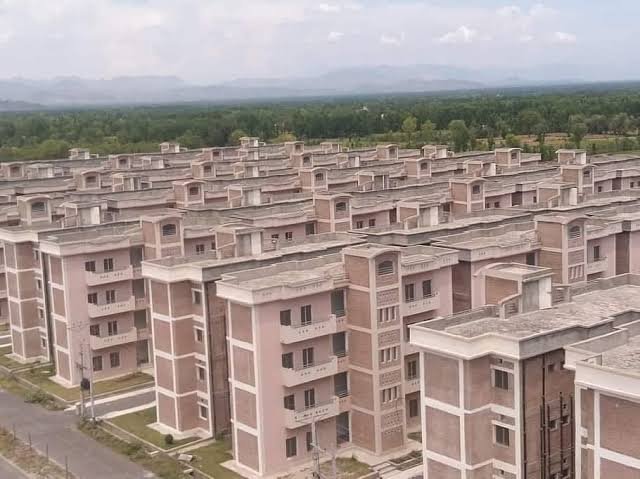
At the same time, questions have been raised over the slow pace of house construction nearly four years after the floods, with land ownership documents, access to beneficiaries’ financial accounts and weak transparency mechanisms cited among key obstacles.
The Planning Commission has now proposed the use of satellite imagery to independently verify housing construction and project progress.
Federal Planning Minister and the Balochistan chief minister have ordered an independent high-level inquiry to examine the allegations and ensure transparency and accountability.
Officials have also taken note of serious corruption allegations against certain project officials. However, a fact-finding committee reportedly faced difficulties because it was not provided access to relevant records in Balochistan.
Differences have also emerged between the Ministry of Planning and the Economic Affairs Division. The EAD has placed on record that the World Bank expressed concerns over changes in project leadership arrangements.
Sources said Planning Minister and World Bank Country Director Bolormaa Amgaabazar have held at least two meetings in an effort to resolve the issues, but disagreements have continued.
The Planning Commission said the inclusive development component of IFRAP had been damaged through what it described as a coordinated effort to redirect financing from education, health, public health engineering, irrigation, bridges, roads, livelihoods and youth skills towards housing in order to show faster utilisation of funds.
The commission rejected claims that the housing programme had been stopped. It said around 75,000 fully damaged houses were under construction, of which about 26,000 had been completed.
It added that the 68,922 houses originally approved by the Executive Committee of the National Economic Council would remain protected.
According to the commission, proposals had been made to divert financing from early warning systems, irrigation and other approved components towards housing in violation of the original ECNEC approved scope.
Of the total $400 million IFRAP financing envelope, agreements worth about $245 million have already been signed.
The commission also confirmed that allegations relating to the misreporting of 15,000 completed houses to the prime minister were investigated after being raised by a local parliamentarian, and that the inquiry established misrepresentation.
Officials rejected comparisons with the Sindh People’s Housing for Flood Affectees programme, which involves around $3 billion and more than two million housing reconstructions.
They said the two programmes operate under different financial structures, with IFRAP being a federal budget project financed through a single World Bank loan, while the Sindh programme involves multiple lenders and is implemented through a Section 42 non profit entity.
اسلام آباد | ری نیوز پاکستان
بلوچستان میں عالمی بینک کی معاونت سے جاری سیلاب بحالی اور گھروں کی تعمیر کے ایک بڑے منصوبے کو فنڈز کی مبینہ منتقلی، گھروں کی تعمیر میں سست روی، شفافیت سے متعلق خدشات اور وفاقی اداروں کے درمیان اختلافات کے باعث نئی تحقیقات کا سامنا ہے۔
تنازع کا مرکز انٹیگریٹڈ فلڈ ریزیلینس اینڈ اڈاپٹیشن پراجیکٹ (آئی ایف آر اے پی) ہے۔ اس منصوبے کے حوالے سے خدشات سامنے آئے ہیں کہ بلوچستان میں ہاؤسنگ اور دیگر سماجی شعبوں کیلئے مختص رقوم کو نسبتاً بڑے انفراسٹرکچر منصوبوں کی طرف منتقل کرنے کی کوشش کی گئی۔
دوسری جانب سیلاب کے تقریباً چار سال بعد بھی گھروں کی تعمیر کی رفتار پر سوالات اٹھ رہے ہیں۔ زمین کی ملکیت کے کاغذات نہ ہونے، مستحق افراد کے اکاؤنٹس تک رسائی کے مسائل اور شفاف نگرانی کے کمزور نظام کو اہم رکاوٹیں قرار دیا گیا ہے۔
پلاننگ کمیشن نے اب گھروں کی تعمیر اور منصوبے کی پیش رفت کی آزادانہ تصدیق کیلئے سیٹلائٹ تصاویر استعمال کرنے کی تجویز دی ہے۔
وفاقی وزیر منصوبہ بندی اور وزیراعلیٰ بلوچستان نے الزامات کی تحقیقات اور شفافیت و جواب دہی یقینی بنانے کیلئے ایک آزاد اعلیٰ سطح کی انکوائری کا حکم دے دیا ہے۔
حکام نے بعض منصوبہ جاتی افسران کے خلاف سنگین بدعنوانی کے الزامات کا بھی نوٹس لیا ہے۔ تاہم ایک حقائق جانچنے والی کمیٹی کو بلوچستان میں متعلقہ ریکارڈ تک مکمل رسائی نہ ملنے کے باعث مشکلات کا سامنا کرنا پڑا۔
وزارت منصوبہ بندی اور اقتصادی امور ڈویژن کے درمیان بھی اختلافات سامنے آئے ہیں۔ اقتصادی امور ڈویژن نے ریکارڈ پر کہا ہے کہ عالمی بینک نے منصوبے کی قیادت میں تبدیلیوں پر تحفظات ظاہر کیے تھے۔
ذرائع کے مطابق وزیر منصوبہ بندی اور عالمی بینک کی کنٹری ڈائریکٹر بولورما امگابازار کے درمیان صورتحال واضح کرنے کیلئے کم از کم دو ملاقاتیں ہو چکی ہیں، تاہم اختلافات اب بھی برقرار ہیں۔
پلاننگ کمیشن کا کہنا ہے کہ آئی ایف آر اے پی کے جامع ترقیاتی حصے کو متاثر کیا گیا اور تعلیم، صحت، پبلک ہیلتھ انجینئرنگ، آبپاشی، پلوں، سڑکوں، روزگار اور نوجوانوں کی فنی تربیت کیلئے مختص رقوم کو ہاؤسنگ کی طرف منتقل کرنے کی کوشش کی گئی تاکہ فنڈز کے تیز استعمال کو ظاہر کیا جا سکے۔
کمیشن نے یہ تاثر مسترد کیا کہ ہاؤسنگ منصوبہ روک دیا گیا ہے۔ اس کے مطابق تقریباً 75 ہزار مکمل طور پر تباہ شدہ گھروں پر کام جاری ہے، جن میں سے قریب 26 ہزار گھر مکمل ہو چکے ہیں۔
کمیشن نے کہا کہ قومی اقتصادی کونسل کی انتظامی کمیٹی سے اصل میں منظور شدہ 68 ہزار 922 گھروں کو تحفظ حاصل رہے گا۔
پلاننگ کمیشن کے مطابق قبل از وقت بلڈ وارننگ سسٹم، آبپاشی اور دیگر منظور شدہ شعبوں سے رقوم ہاؤسنگ کی طرف منتقل کرنے کی تجاویز بھی سامنے آئیں، جو اصل منظور شدہ دائرہ کار کے خلاف تھیں۔
آئی ایف آر اے پی کیلئے مجموعی طور پر 400 ملین ڈالر مختص کیے گئے ہیں، جن میں سے تقریباً 245 ملین ڈالر کے معاہدوں پر پہلے ہی دستخط ہو چکے ہیں۔
کمیشن نے یہ بھی تصدیق کی کہ وزیراعظم کو 15 ہزار مکمل گھروں کے بارے میں غلط اعداد و شمار دینے کا معاملہ ایک مقامی رکن پارلیمنٹ کی نشاندہی پر تحقیقات میں شامل کیا گیا اور انکوائری میں غلط بیانی ثابت ہوئی۔
حکام نے "سندھ پیپلز ہاؤسنگ فار فلڈ افیکٹیز" منصوبے کے ساتھ اس کا موازنہ مسترد کیا۔ سندھ کے منصوبے میں تقریباً 3 ارب ڈالر کی فنڈنگ اور 20 لاکھ سے زیادہ گھروں کی تعمیر نو شامل ہے۔
حکام کے مطابق دونوں منصوبوں کا مالی ڈھانچہ مختلف ہے۔ بلوچستان کا آئی ایف آر اے پی وفاقی بجٹ کے تحت ایک عالمی بینک قرض سے چلنے والا منصوبہ ہے، جبکہ سندھ کا منصوبہ کئی مالیاتی اداروں کی معاونت سے چل رہا ہے اور اسے کمپنیز ایکٹ کی دفعہ 42 کے تحت قائم ایک غیر منافع بخش ادارے کے ذریعے نافذ کیا جا رہا ہے۔