
Published: August 21, 2026 - 5:07 PM
Pakistan’s Construction Sector Recovery Advances as Industry Calls for Structural Reforms
پاکستان کی تعمیراتی صنعت کی بحالی میں پیش رفت، شعبے میں بنیادی اصلاحات کا مطالبہ
▫️Construction sector posts 5.7 percent growth in FY2025-26 as industry stakeholders support proposed CIDB and Construction Development Bank
Karachi | ReNews PakistanPakistan’s construction sector is moving toward recovery, but sustaining the momentum will require timely structural reforms, improved financing facilities and greater private sector participation, business leade...
Karachi | ReNews Pakistan
Pakistan’s construction sector is moving toward recovery, but sustaining the momentum will require timely structural reforms, improved financing facilities and greater private sector participation, business leaders have said.
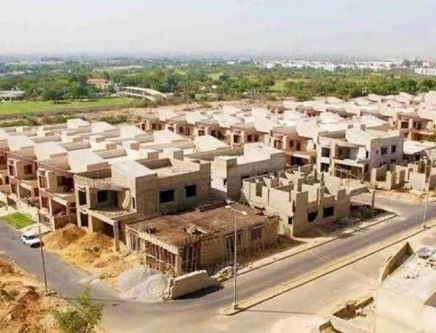
They said effective reforms could turn the construction industry into a major driver of economic growth, employment generation and industrial activity, particularly because the sector has direct linkages with more than 40 allied industries.
Industry stakeholders welcomed the government’s proposal to establish a Construction Industry Development Board, or CIDB, as well as the possible creation of a specialised Construction Development Bank, or CDB. They said improvements in trade policies and the tax system could also play an important role in creating a more supportive environment for the construction industry.
The proposed reform framework also includes extending the defect liability period for public sector projects, a measure aimed at improving construction quality and strengthening accountability after project completion.
Recent economic indicators also point to an improvement in construction activity. According to the Pakistan Economic Survey 2025-26, the construction sector grew by 5.7 percent during FY2025-26. The recovery is significant for an industry that has faced high costs and financial pressures in recent years.
Cement industry data also reflects stronger domestic construction activity. Total cement dispatches increased by 7.2 percent during FY2025-26 to 50.5 million tonnes, while domestic sales recorded even stronger growth.
The positive trend continued into the new fiscal year. Total cement dispatches reached 4.476 million tonnes in July 2026, while domestic cement sales posted a notable increase of 17.3 percent.
However, the export performance remained less encouraging. Cement exports declined by 30 percent to 705,341 tonnes, raising concerns over Pakistan’s competitiveness in international markets.
People associated with the cement industry said the sharp fall in exports reflected the high cost of doing business and highlighted the need for measures to improve the global competitiveness of Pakistani cement manufacturers.
They stressed that the current recovery in the construction sector should not remain dependent on temporary incentives and should instead be supported through long term structural reforms. These should include improvements in financing, taxation, trade policy, regulation and construction standards.
With the federal Public Sector Development Programme for FY2026-27 set at around Rs1 trillion, they said public investment alone would not be enough to unlock the full potential of the construction sector.
According to industry stakeholders, greater private sector participation in housing, commercial development and infrastructure will be essential to sustain construction activity, create new employment opportunities and strengthen the wider network of industries linked to the sector.
کراچی | ری نیوز پاکستان
پاکستان کا تعمیراتی شعبہ بحالی کی جانب بڑھ رہا ہے، تاہم اس رفتار کو برقرار رکھنے کیلئے بروقت بنیادی اصلاحات، بہتر مالی سہولتوں اور نجی شعبے کی زیادہ شمولیت کی ضرورت ہے۔ ان خیالات کا اظہار کراچی میں منعقدہ ایک سیمینار میں کاروباری رہنماؤں نے کیا ہے۔
انہوں نے کہا کہ مؤثر اصلاحات کے ذریعے تعمیراتی صنعت کو اقتصادی ترقی، روزگار کے مواقع اور صنعتی سرگرمیوں کا ایک بڑا محرک بنایا جا سکتا ہے، خصوصاً اس لیے کہ اس شعبے کا 40 سے زائد متعلقہ صنعتوں کے ساتھ براہ راست تعلق ہے۔
انہوں نے حکومت کی جانب سے کنسٹرکشن انڈسٹری ڈویلپمنٹ بورڈ، سی آئی ڈی بی کے قیام اور ایک خصوصی کنسٹرکشن ڈویلپمنٹ بینک، سی ڈی بی قائم کرنے کی ممکنہ تجویز کا خیر مقدم کیا۔ انہوں نے کہا کہ تجارتی پالیسیوں اور ٹیکس نظام میں بہتری بھی تعمیراتی صنعت کیلئے زیادہ سازگار ماحول پیدا کرنے کی سمت اہم اقدامات ثابت ہو سکتے ہیں۔
مجوزہ اصلاحاتی فریم ورک میں سرکاری شعبے کے منصوبوں کیلئے ڈیفیکٹ لائبیلٹی پیریڈ بڑھانے کی تجویز بھی شامل ہے، جس کا مقصد تعمیراتی معیار بہتر بنانا اور منصوبوں کی تکمیل کے بعد جوابدہی کو مضبوط کرنا ہے۔
تازہ معاشی اعداد و شمار بھی تعمیراتی سرگرمیوں میں بہتری کی نشاندہی کرتے ہیں۔ پاکستان اکنامک سروے 2025-26 کے مطابق مالی سال 2025-26 کے دوران تعمیراتی شعبے میں 5.7 فیصد اضافہ ریکارڈ کیا گیا۔ یہ پیش رفت ایسے وقت میں سامنے آئی ہے جب یہ صنعت گزشتہ برسوں میں بلند لاگت اور مالی دباؤ جیسے مسائل کا سامنا کرتی رہی ہے۔
سیمنٹ کی صنعت کے اعداد و شمار بھی مقامی تعمیراتی سرگرمیوں میں تیزی کی عکاسی کرتے ہیں۔ مالی سال 2025-26 کے دوران مجموعی سیمنٹ ترسیلات 7.2 فیصد اضافے کے ساتھ 5 کروڑ 5 لاکھ ٹن تک پہنچ گئیں، جبکہ مقامی فروخت میں اس سے بھی زیادہ تیزی دیکھی گئی۔
نئے مالی سال کے آغاز میں بھی مثبت رجحان برقرار رہا۔ جولائی 2026 میں مجموعی سیمنٹ ترسیلات 44 لاکھ 76 ہزار ٹن ریکارڈ کی گئیں، جبکہ مقامی سیمنٹ فروخت میں نمایاں 17.3 فیصد اضافہ ہوا۔
تاہم برآمدی شعبے کی صورتحال کم حوصلہ افزا رہی۔ سیمنٹ برآمدات 30 فیصد کمی کے بعد 7 لاکھ 5 ہزار 341 ٹن رہ گئیں، جس سے پاکستان کی عالمی منڈی میں مسابقتی صلاحیت کے بارے میں خدشات پیدا ہوئے ہیں۔
سیمنٹ صنعت سے وابستہ افراد نے کہا ہے کہ برآمدات میں نمایاں کمی ملک میں کاروباری لاگت کے بلند ہونے کی عکاسی کرتی ہے اور اس بات کی ضرورت کو اجاگر کرتی ہے کہ پاکستانی سیمنٹ صنعت کو عالمی منڈی میں بہتر مقابلے کے قابل بنانے کیلئے مؤثر اقدامات کیے جائیں۔
انہوں نے زور دیا کہ تعمیراتی شعبے میں موجودہ بحالی کو صرف عارضی مراعات تک محدود نہیں رہنا چاہیے بلکہ اسے طویل مدتی بنیادی اصلاحات میں تبدیل کیا جانا چاہیے۔ ان اصلاحات میں مالی سہولتوں، ٹیکس نظام، تجارتی پالیسی، ضابطہ کاری اور تعمیراتی معیار کو بہتر بنانا شامل ہونا چاہیے۔
مالی سال 2026-27 کیلئے وفاقی پبلک سیکٹر ڈویلپمنٹ پروگرام تقریباً ایک کھرب روپے مقرر کیے جانے کے تناظر میں انہوں نے کہا کہ صرف سرکاری سرمایہ کاری تعمیراتی شعبے کی مکمل صلاحیت سے فائدہ اٹھانے کیلئے کافی نہیں ہوگی۔
ان کے مطابق رہائشی منصوبوں، تجارتی ترقی اور بنیادی ڈھانچے کے شعبے میں نجی سرمایہ کاری اور شمولیت بڑھانا ضروری ہے تاکہ تعمیراتی سرگرمیوں کو مستقل بنیادوں پر فروغ دیا جا سکے، روزگار کے نئے مواقع پیدا ہوں اور اس شعبے سے وابستہ دیگر صنعتوں کو بھی مضبوط کیا جا سکے۔