
Published: September 7, 2026 - 10:01 AM
Fire Safety Training Made Mandatory for House Officers After PIMS Tragedy; Hospital Building Safety Systems Also to Be Reviewed
سانحہ پمز کے بعد ہاؤس آفیسرز کیلئے فائر سیفٹی ٹریننگ لازمی، ہسپتالوں کے بلڈنگ سیفٹی نظام کا بھی جائزہ ہوگا
▫️Focus on effective implementation of emergency exits, fire alarms, firefighting equipment and safety measures in institutional buildings
Islamabad | ReNews PakistanFollowing the PIMS tragedy, the Pakistan Medical and Dental Council (PMDC) has decided to make fire-safety training mandatory for house officers across medical and dental colleges nationwide, aimed at strengthe...
Islamabad | ReNews Pakistan
Following the PIMS tragedy, the Pakistan Medical and Dental Council (PMDC) has decided to make fire-safety training mandatory for house officers across medical and dental colleges nationwide, aimed at strengthening emergency preparedness in hospitals and healthcare institutions and ensuring the safety of patients, doctors, medical staff and other occupants.
According to the PMDC, all medical and dental colleges across the country will provide formal fire-safety training to house officers. The training will become a mandatory component of house jobs, enabling house officers to respond promptly and effectively in the event of a fire or other emergency.
The council has also decided to conduct a comprehensive review of existing fire-safety protocols at medical and dental institutions. The review will focus not only on staff preparedness but also on the safety arrangements and infrastructure available within hospital and medical college buildings.
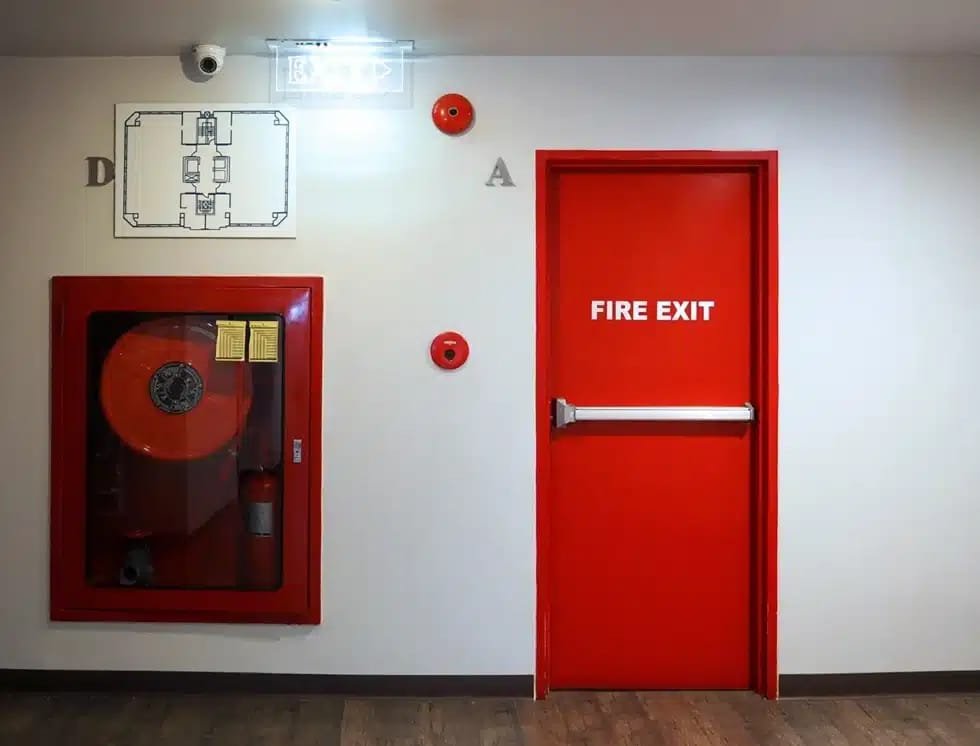
From a building-safety perspective, emergency exits, designated fire escapes, fire alarm systems, firefighting equipment, emergency lighting and clearly defined evacuation plans are critical components of hospital safety. The issue is particularly important in hospitals, where many patients may be unable to evacuate buildings independently and therefore require assistance during an emergency.
Experts say fire safety should not be limited to staff training but should form a permanent part of building design, construction standards and property management. Older hospital buildings, high-rise healthcare facilities and properties that have undergone extensions or structural changes require regular inspections of electrical systems, emergency routes, firefighting equipment and building-use arrangements.
The PMDC's decision to review fire-safety protocols is also significant from the perspective of building regulations and regulatory compliance. Approval of a building at the time of construction does not necessarily guarantee that all safety arrangements will remain effective over the years, particularly as occupancy levels, internal layouts, building use and infrastructure may change.
The council is also considering extending fire-safety training to medical students and postgraduate trainees in the future. The proposed expansion could help develop a stronger safety culture within healthcare institutions, ensuring that doctors and other medical personnel understand their responsibilities during fires, evacuations and other emergencies.
The decision also highlights the importance of building rules, fire-safety standards and property compliance in hospitals and other large public and institutional buildings. Experts maintain that effective fire protection requires both trained personnel and safe physical infrastructure, as staff training alone cannot eliminate risks arising from defective construction, inadequate fire-protection systems or insufficient emergency exits.
The PMDC's initiative signals that fire safety in healthcare institutions is increasingly being viewed not merely as an administrative responsibility but as a fundamental requirement linked to building safety, property management, regulatory compliance and the protection of human life.
اسلام آباد | ری نیوز پاکستان
سانحہ پمز کے بعد پاکستان میڈیکل اینڈ ڈینٹل کونسل (پی ایم ڈی سی) نے ملک بھر کے میڈیکل اور ڈینٹل کالجز میں ہاؤس آفیسرز کیلئے فائر سیفٹی ٹریننگ لازمی کرنے کا فیصلہ کر لیا ہے، جس کا مقصد ہسپتالوں اور طبی اداروں میں ہنگامی حالات سے نمٹنے کی صلاحیت بہتر بنانا اور مریضوں، ڈاکٹروں، طبی عملے اور دیگر افراد کے تحفظ کو یقینی بنانا ہے۔
پی ایم ڈی سی کے مطابق ملک بھر کے تمام میڈیکل اور ڈینٹل کالجز میں ہاؤس آفیسرز کو فائر سیفٹی کے حوالے سے باقاعدہ تربیت فراہم کی جائے گی۔ فائر سیفٹی ٹریننگ کو ہاؤس جاب کا لازمی حصہ بنایا جائے گا تاکہ ہاؤس آفیسرز آگ لگنے یا کسی دوسری ہنگامی صورتحال میں فوری اور مؤثر کارروائی کرنے کے قابل ہوں۔
کونسل نے تمام میڈیکل اور ڈینٹل اداروں میں پہلے سے موجود فائر سیفٹی پروٹوکولز کا جامع جائزہ لینے کا بھی فیصلہ کیا ہے۔ اس عمل میں صرف عملے کی تربیت ہی نہیں بلکہ ہسپتالوں اور میڈیکل کالجز کی عمارتوں میں موجود حفاظتی انتظامات کو بھی اہمیت حاصل ہوگی۔
بلڈنگ سیفٹی کے تناظر میں ہسپتالوں میں ہنگامی اخراج کے راستے، فائر ایگزٹ، فائر الارم سسٹم، آگ بجھانے والے آلات، ایمرجنسی لائٹس اور انخلا کے واضح منصوبے بنیادی اہمیت رکھتے ہیں۔ خاص طور پر ہسپتالوں میں ایسے مریض بھی موجود ہوتے ہیں جو اپنی مدد آپ کے تحت عمارت سے باہر نہیں نکل سکتے، اس لیے عمارت کا ڈیزائن اور فائر سیفٹی نظام عام عمارتوں کے مقابلے میں زیادہ مؤثر ہونا ضروری ہے۔
ماہرین کے مطابق فائر سیفٹی کو صرف تربیتی پروگرام تک محدود رکھنے کے بجائے اسے عمارتوں کے تعمیراتی اور انتظامی معیار کا مستقل حصہ بنانا ضروری ہے۔ پرانی عمارتوں، بلند و بالا ہسپتالوں اور وقت کے ساتھ توسیع یا تبدیلی سے گزرنے والی جائیدادوں میں بجلی کے نظام، ایمرجنسی راستوں، فائر فائٹنگ آلات اور عمارت کے استعمال میں ہونے والی تبدیلیوں کا باقاعدگی سے جائزہ لیا جانا چاہیے۔
پی ایم ڈی سی کی جانب سے فائر سیفٹی پروٹوکولز کے جائزے کا فیصلہ اس حوالے سے بھی اہم ہے کہ میڈیکل اداروں میں عمارتوں کی منظوری کے بعد حفاظتی قوانین پر مسلسل عمل درآمد یقینی بنایا جائے۔ کسی عمارت کا منظور شدہ ہونا اس امر کی ضمانت نہیں کہ اس میں مستقبل میں بھی فائر سیفٹی کے تمام انتظامات مؤثر حالت میں موجود رہیں گے، کیونکہ عمارت کے استعمال، گنجائش اور اندرونی ساخت میں وقت کے ساتھ تبدیلیاں آ سکتی ہیں۔
کونسل مستقبل میں فائر سیفٹی ٹریننگ کو میڈیکل طلبہ اور پوسٹ گریجویٹ طلبہ تک بھی توسیع دینے کی تجویز پر غور کر رہی ہے۔ اس اقدام سے طبی اداروں میں ایک ایسے حفاظتی کلچر کو فروغ مل سکتا ہے جس میں ڈاکٹرز اور دیگر طبی عملہ آگ لگنے، انخلا اور ہنگامی صورتحال کے دوران اپنے کردار اور ذمہ داریوں سے پہلے ہی آگاہ ہوں۔
یہ فیصلہ ہسپتالوں سمیت تمام بڑے عوامی اور ادارہ جاتی استعمال کی عمارتوں میں بلڈنگ رولز، فائر سیفٹی اور پراپرٹی کمپلائنس کی اہمیت کو بھی اجاگر کرتا ہے۔ ماہرین کے مطابق مؤثر فائر سیفٹی کیلئے تربیت یافتہ عملہ اور محفوظ عمارت دونوں ضروری ہیں، کیونکہ صرف افراد کو تربیت دینے سے ایسے خطرات ختم نہیں ہوتے جن کی وجہ ناقص تعمیر، غیر مؤثر فائر سیفٹی نظام یا ہنگامی اخراج کے ناکافی انتظامات ہوں۔
پی ایم ڈی سی کا حالیہ اقدام اس بات کی جانب اشارہ کرتا ہے کہ طبی اداروں میں فائر سیفٹی کو محض انتظامی معاملہ نہیں بلکہ عمارت، پراپرٹی مینجمنٹ اور انسانی جانوں کے تحفظ سے جڑے بنیادی ضابطے کے طور پر دیکھا جائے گا