
Published: October 28, 2026 - 3:01 PM
Major Construction Reforms Under Review; Proposals Include Returns on Contractors’ Retention Money and New Dispute Resolution System
تعمیراتی شعبے میں بڑی اصلاحات زیرِ غور، ٹھیکیداروں کی ضمانتی رقم پر منافع اور تنازعات کے حل کے لیے نئے نظام کی تجویز
▫️ Special boards proposed to prevent disputes and ensure their timely resolution in public development projects
Islamabad | ReNews PakistanThe federal government has begun considering a series of reforms aimed at addressing challenges facing the construction industry, ensuring the timely completion of development projects and protecting contractor...
Islamabad | ReNews Pakistan
The federal government has begun considering a series of reforms aimed at addressing challenges facing the construction industry, ensuring the timely completion of development projects and protecting contractors’ financial interests.
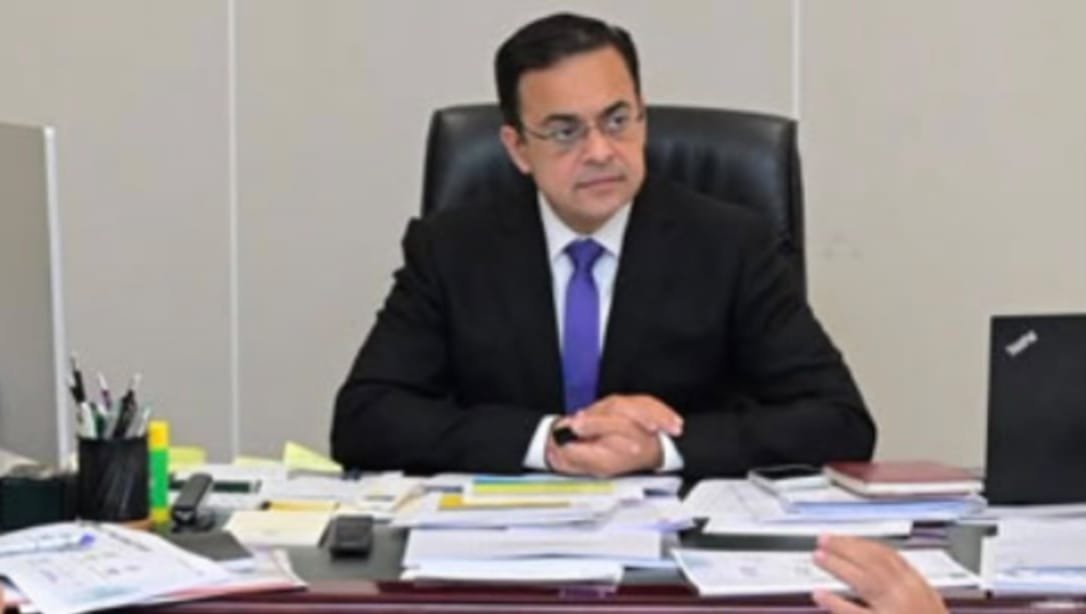
The proposals include establishing a new institution for the construction industry, paying contractors returns on retention money and introducing an effective mechanism for resolving disputes in development projects. The proposals were reviewed at a meeting chaired by Federal Minister for Economic Affairs and the Establishment Division Senator Ahad Cheema in Islamabad.
The meeting was attended by Minister of State for Finance Bilal Azhar Kayani, Housing Secretary Capt. (retd) Muhammad Mahmood, a member of the Planning Commission, the managing director of the Public Procurement Regulatory Authority (PPRA), representatives of the Constructors Association of Pakistan (CAP) and other senior officials.
Participants discussed the proposed Construction Industry Development Authority (CIDA) bill. Cheema called for a detailed assessment of whether a single institution would be more effective in regulating and developing the construction industry, or whether two separate bodies should be established, with one responsible for regulation and the other for industry development and promotion.
He directed the relevant officials, the minister of state for finance and industry representatives to hold further consultations on the proposed institutional structure.
A key issue discussed at the meeting was retention money—funds withheld from contractors’ bills as security under construction contracts.
These funds are retained for a specified period to ensure that any defects in construction work are rectified. Participants proposed placing the money in profit-bearing bank accounts so that contractors could receive both the principal amount and the accrued returns when the retention period ends.
Cheema directed officials to undertake further consultations to develop a workable mechanism for the proposal. The meeting also considered introducing special boards to prevent disputes and ensure their timely resolution during public development projects. CAP proposed applying the dispute avoidance and adjudication mechanism to projects worth Rs 20 billion or more. Cheema, however, said the financial threshold should be lower so that more development projects could benefit from the system. He called for further consultations to determine an appropriate threshold.
Participants also stressed the importance of using the standards of the International Federation of Consulting Engineers (FIDIC) as a key reference for construction contracts and project management. Cheema directed PPRA to begin work on setting a defects liability period of at least three years, or longer, for major development projects. During this period, the contractor concerned would be responsible for rectifying defects in accordance with the terms of the contract.
A phased extension of the proposed framework to smaller projects will also be considered.
The reforms discussed at the meeting aim to improve financial transparency, strengthen contractors’ confidence, enhance construction quality and ensure the timely resolution of disputes. However, no announcement was made regarding final approval of the proposals or the immediate implementation of a new legal framework.
اسلام آباد | ری نیوز پاکستان
وفاقی حکومت نے تعمیراتی صنعت کو درپیش مسائل کے حل، ترقیاتی منصوبوں کی بروقت تکمیل اور ٹھیکیداروں کے مالی مفادات کے تحفظ کے لیے متعدد اصلاحات پر غور شروع کر دیا ہے۔ ان میں تعمیراتی صنعت کے لیے نئے ادارے کا قیام، ٹھیکیداروں کی روکی گئی ضمانتی رقوم پر منافع کی ادائیگی اور ترقیاتی منصوبوں میں تنازعات کے حل کا مؤثر نظام شامل ہیں۔
ان تجاویز کا جائزہ وفاقی وزیر اقتصادی امور و اسٹیبلشمنٹ ڈویژن سینیٹر احد چیمہ کی زیر صدارت اسلام آباد میں منعقدہ اجلاس میں لیا گیا۔
اجلاس میں وزیرِ مملکت برائے خزانہ بلال اظہر کیانی، سیکرٹری ہاؤسنگ کیپٹن (ر) محمد محمود، پلاننگ کمیشن کے رکن، پبلک پروکیورمنٹ ریگولیٹری اتھارٹی (پیپرا) کے منیجنگ ڈائریکٹر، کنسٹرکٹرز ایسوسی ایشن آف پاکستان کے نمائندوں اور دیگر اعلیٰ حکام نے شرکت کی۔
اجلاس میں مجوزہ کنسٹرکشن انڈسٹری ڈویلپمنٹ اتھارٹی (سی آئی ڈی اے) بل پر غور کیا گیا۔ وفاقی وزیر نے کہا کہ اس بات کا تفصیلی جائزہ لیا جائے کہ تعمیراتی صنعت کی نگرانی اور ترقی کے لیے ایک ہی ادارہ قائم کرنا زیادہ مؤثر ہوگا یا دو الگ ادارے بنائے جائیں، جن میں سے ایک صنعت کے ضابطہ جاتی امور اور دوسرا اس کی ترقی اور فروغ کا ذمہ دار ہو۔
انہوں نے متعلقہ حکام، وزیرِ مملکت برائے خزانہ اور تعمیراتی صنعت کے نمائندوں کو مجوزہ ادارہ جاتی ڈھانچے پر مزید مشاورت کی ہدایت کی۔
اجلاس کا ایک اہم موضوع ٹھیکیداروں کے بلوں سے ضمانت کے طور پر روکی جانے والی رقم تھا، جسے تعمیراتی معاہدوں میں ریٹینشن منی کہا جاتا ہے۔
یہ رقم تعمیراتی کام میں ممکنہ نقائص کی درستگی یقینی بنانے کے لیے مقررہ مدت تک روک لی جاتی ہے۔ اجلاس میں تجویز پیش کی گئی کہ یہ رقوم ایسے بینک اکاؤنٹس میں رکھی جائیں جن پر منافع حاصل ہو، تاکہ مقررہ مدت پوری ہونے پر ٹھیکیداروں کو اصل رقم کے ساتھ حاصل ہونے والا منافع بھی واپس کیا جا سکے۔
وفاقی وزیر نے اس تجویز پر قابلِ عمل طریقہ کار وضع کرنے کے لیے مزید مشاورت کی ہدایت کی۔
اجلاس میں سرکاری ترقیاتی منصوبوں کے دوران اختلافات اور تنازعات سے بچاؤ اور ان کے بروقت فیصلے کے لیے خصوصی بورڈ کا نظام متعارف کرانے پر بھی غور کیا گیا۔
کنسٹرکٹرز ایسوسی ایشن آف پاکستان نے تجویز دی کہ تنازعات سے بچاؤ اور ان کے فیصلے کا یہ نظام 20 ارب روپے یا اس سے زائد مالیت کے منصوبوں پر نافذ کیا جائے۔ تاہم احد چیمہ نے کہا کہ اس کے لیے مالی حد کم رکھی جانی چاہیے تاکہ زیادہ ترقیاتی منصوبے اس نظام سے فائدہ اٹھا سکیں۔ انہوں نے مناسب حد کے تعین کے لیے مزید مشاورت کی ہدایت کی۔
اجلاس میں تعمیراتی معاہدوں اور منصوبوں کے انتظام کے لیے بین الاقوامی فیڈریشن آف کنسلٹنگ انجینئرز (FIDIC) کے معیارات کو بنیادی حوالہ بنانے کی اہمیت پر بھی زور دیا گیا۔
وفاقی وزیر نے پیپرا کو ہدایت کی کہ بڑے ترقیاتی منصوبوں میں تعمیراتی نقائص کی ذمہ داری کی مدت کم از کم تین سال یا اس سے زیادہ مقرر کرنے کے لیے کام شروع کیا جائے۔ اس مدت کے دوران معاہدے کی شرائط کے مطابق سامنے آنے والے نقائص دور کرنے کی ذمہ داری متعلقہ ٹھیکیدار پر ہوگی۔
مجوزہ نظام کو بعد میں مرحلہ وار چھوٹے منصوبوں تک توسیع دینے پر بھی غور کیا جائے گا۔
اجلاس میں زیرِ بحث آنے والی اصلاحات کا مقصد تعمیراتی صنعت میں مالی شفافیت، ٹھیکیداروں کے اعتماد، منصوبوں کے معیار اور تنازعات کے بروقت حل کو بہتر بنانا ہے۔
تاہم اجلاس میں زیرِ غور تجاویز کی حتمی منظوری یا نئے قانونی نظام کے فوری نفاذ کا اعلان نہیں کیا گیا۔