
Published: October 28, 2026 - 4:01 PM
Pakistan Needs Rs 5 Trillion for Water Infrastructure Development Over Next Decade, Planning Commission Says
پاکستان کو آبی ڈھانچے کی ترقی کیلئے آئندہ 10 سال میں 50 کھرب روپے درکار، پانی ذخیرہ کرنے کی صلاحیت بڑھانے کا منصوبہ
▫️ Estimated US$18 billion in federal financing required for dams, canal modernisation and flood protection as groundwater levels in Punjab decline by up to one metre annually
Islamabad | ReNews PakistanPakistan will require approximately US$18 billion, equivalent to around Rs 5 trillion, in federal financing over the next decade to develop strategic water infrastructure, improve irrigation efficiency and stre...
Islamabad | ReNews Pakistan
Pakistan will require approximately US$18 billion, equivalent to around Rs 5 trillion, in federal financing over the next decade to develop strategic water infrastructure, improve irrigation efficiency and strengthen protection against floods, according to a new Planning Commission report.
The National Water Security Framework, prepared under the URAAN Pakistan initiative, outlines major reforms in reservoir development, irrigation management, groundwater regulation and flood protection to address the country's growing water security challenges.
The report sets a target of increasing water-use efficiency from the existing 40% to 70% by 2029. It also aims to raise water availability at farm gates from 58.3 million acre-feet (MAF) to 79 MAF during the same period.
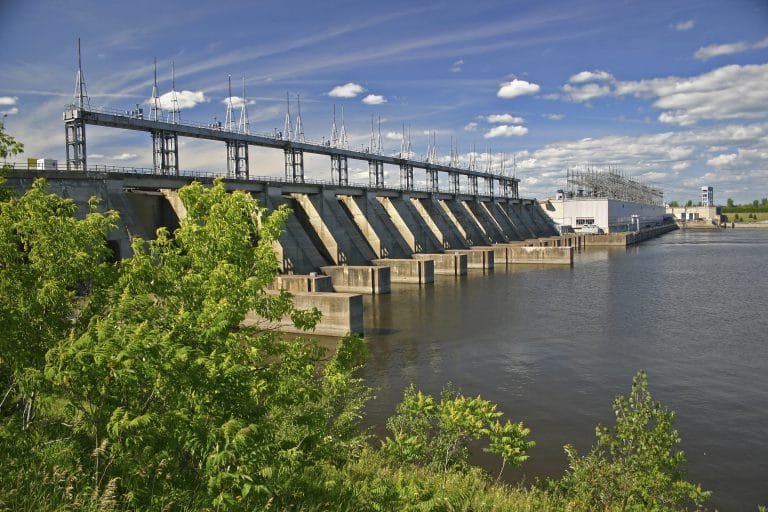
According to the Planning Commission, Pakistan's current usable water storage capacity stands at approximately 15.318 MAF, which the government aims to increase to 23.54 MAF by 2029.
The report warns that existing live storage capacity represents only about 11% of the annual flow of the Indus River system, leaving the country vulnerable to seasonal water shortages and extreme weather events.
Ongoing projects under the Public Sector Development Programme (PSDP) are expected to add approximately 9.821 MAF of water storage capacity.
Meanwhile, proposed strategic projects, including the Akhori Off-Channel Storage Dam, Shyok Dam and Skardu Dam, could collectively provide another 14.5 MAF of storage capacity.
The Planning Commission estimates that approximately US$18 billion in federal financing will be required over the next ten years for major reservoirs, flood management infrastructure, canal modernisation and other strategic water development projects.
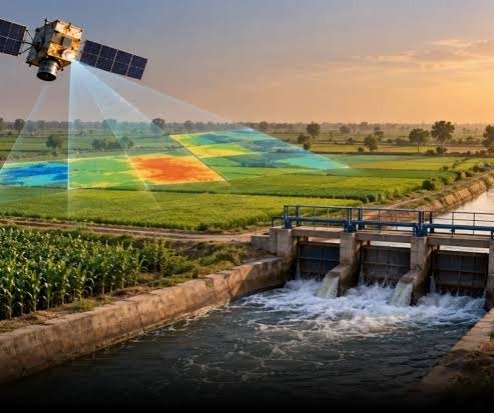
To improve transparency and accountability in water distribution, the report proposes establishing a Water System Integrator function under the Indus River System Authority (IRSA).
The proposed system would strengthen monitoring and coordination of water allocation from rivers through irrigation networks to agricultural fields.
Agriculture accounts for approximately 95% of Pakistan's freshwater withdrawals, while overall irrigation water-use efficiency remains around 40%.
The framework recommends accelerating the adoption of drip and sprinkler irrigation systems through financial incentives, reforming irrigation water charges, commonly known as abiana, and adjusting cropping patterns to improve water productivity.
It also identifies approximately 20.58 million acres of potentially suitable agricultural land outside the formal irrigation network, highlighting opportunities to expand agricultural production if adequate water and infrastructure become available.
Groundwater depletion is another major concern identified in the report.
According to the Planning Commission, groundwater levels in Punjab are declining by approximately 0.5 to one metre annually, while the Indus Basin Aquifer has been identified as the world's second most overstressed groundwater system.
The report warns that the increasing use of solar-powered agricultural tube wells may accelerate groundwater extraction because the additional energy cost of pumping water is extremely low.
It recommends linking subsidies for solar-powered tube wells to groundwater registration and sustainable extraction limits to discourage excessive pumping.
Flood preparedness also features prominently in the proposed reforms.
The report highlights a sharp reduction in flood early-warning time at Marala Headworks, from approximately 40 hours in 2014 to just 5.5 hours in 2025.
To address increasing flood risks, the Planning Commission recommends implementing the National Flood Protection Plan-IV, introducing national legislation for glacier protection and monitoring, and updating flood protection designs using the latest hydrological data.
The framework also proposes recycling at least 25% of urban wastewater to reduce pressure on freshwater resources.
According to the report, approximately 53% of monitored urban water sources were found unsafe for human consumption, underscoring the need for improved water treatment and sanitation infrastructure.
The Planning Commission has recommended treating water security as part of Pakistan's national security agenda, emphasising that water scarcity, declining groundwater reserves and climate-related disasters require coordinated national action.
The report concludes that achieving the 2029 targets will depend on sustained investment, stronger institutional coordination, regulatory reforms and efficient management of available water resources.
However, the estimated Rs 5 trillion represents a projected federal financing requirement over the next decade rather than funding already approved or fully secured.
اسلام آباد | ری نیوز پاکستان
پاکستان میں پانی کی بڑھتی ہوئی قلت، زرعی ضروریات اور سیلاب کے خطرات سے نمٹنے کے لیے وفاقی حکومت کو آئندہ 10 سال کے دوران آبی ڈھانچے کی تعمیر و ترقی پر تقریباً 18 ارب ڈالر، یعنی 50 کھرب روپے کی مالی معاونت درکار ہوگی۔ پلاننگ کمیشن نے قومی آبی تحفظ کے نئے فریم ورک میں پانی ذخیرہ کرنے کی صلاحیت، آبپاشی کے نظام اور زیر زمین آبی وسائل کے انتظام میں بڑے پیمانے پر اصلاحات تجویز کی ہیں۔
پلاننگ کمیشن کی رپورٹ کے مطابق اڑان پاکستان پروگرام کے تحت تیار کردہ قومی آبی تحفظ فریم ورک کا مقصد 2029 تک پانی کے استعمال کی موجودہ کارکردگی 40 فیصد سے بڑھا کر 70 فیصد کرنا ہے۔ اس کے ساتھ کھیتوں کی سطح پر پانی کی دستیابی 58.3 ملین ایکڑ فٹ سے بڑھا کر 79 ملین ایکڑ فٹ کرنے کا ہدف بھی مقرر کیا گیا ہے۔
رپورٹ میں ملک میں پانی ذخیرہ کرنے کی موجودہ گنجائش 15.318 ملین ایکڑ فٹ سے بڑھا کر 2029 تک 23.54 ملین ایکڑ فٹ کرنے کی تجویز دی گئی ہے۔ پلاننگ کمیشن نے خبردار کیا ہے کہ پاکستان میں پانی ذخیرہ کرنے کی قابل استعمال گنجائش دریائے سندھ کے سالانہ بہاؤ کا صرف 11 فیصد ہے، جو بڑھتی ہوئی آبادی، زرعی ضروریات اور موسمیاتی تبدیلیوں کے تناظر میں تشویش ناک صورتحال ہے۔
سرکاری شعبے کے ترقیاتی پروگرام کے تحت جاری منصوبوں سے پانی ذخیرہ کرنے کی صلاحیت میں مزید 9.821 ملین ایکڑ فٹ اضافے کی توقع ہے۔ اس کے علاوہ مستقبل کے منصوبوں میں اخوری آف چینل اسٹوریج ڈیم، شیوک ڈیم اور اسکردو ڈیم شامل ہیں، جن سے مجموعی طور پر تقریباً 14.5 ملین ایکڑ فٹ اضافی پانی ذخیرہ کرنے کی صلاحیت پیدا ہو سکتی ہے۔
رپورٹ میں واضح کیا گیا ہے کہ آئندہ دہائی کے دوران بڑے آبی ذخائر، نہروں کی جدید کاری، سیلاب سے تحفظ اور دیگر اہم آبی منصوبوں کے لیے وفاقی سطح پر تقریباً 18 ارب ڈالر کی فنانسنگ درکار ہوگی۔
پلاننگ کمیشن نے دریاؤں سے کھیتوں تک پانی کی تقسیم میں شفافیت اور جوابدہی بڑھانے کے لیے انڈس ریور سسٹم اتھارٹی (ارسا) کے تحت واٹر سسٹم انٹیگریٹر کا نظام قائم کرنے کی بھی سفارش کی ہے۔
رپورٹ کے مطابق پاکستان میں میٹھے پانی کے مجموعی استعمال کا تقریباً 95 فیصد زرعی شعبے میں صرف ہوتا ہے، تاہم آبپاشی کے پورے نظام میں پانی کے استعمال کی کارکردگی صرف 40 فیصد ہے۔
مجوزہ اصلاحات میں ڈرپ اور سپرنکلر آبپاشی کو مالی مراعات کے ذریعے فروغ دینا، آبیانہ کی شرح کو نہری نظام کے انتظام اور دیکھ بھال کے حقیقی اخراجات کے مطابق بنانا اور پانی کی بہتر پیداوار کے لیے فصلوں کی کاشت کے طریقوں میں تبدیلیاں شامل ہیں۔
پلاننگ کمیشن نے ملک میں تقریباً 20.58 ملین ایکڑ ایسی موزوں زرعی اراضی کی بھی نشاندہی کی ہے جو اس وقت باقاعدہ نہری آبپاشی کے نظام سے باہر ہے۔ رپورٹ کے مطابق پانی کی مناسب دستیابی اور متعلقہ بنیادی سہولتوں کی فراہمی سے اس اراضی کو زرعی پیداوار میں اضافے کے لیے استعمال کیا جا سکتا ہے۔
زیر زمین پانی کے حوالے سے رپورٹ میں خبردار کیا گیا ہے کہ پنجاب میں پانی کی سطح سالانہ 0.5 سے ایک میٹر تک گر رہی ہے، جبکہ دریائے سندھ کے طاس میں موجود زیر زمین آبی ذخیرے کو دنیا کا دوسرا سب سے زیادہ دباؤ کا شکار آبی ذخیرہ قرار دیا گیا ہے۔
رپورٹ میں شمسی توانائی سے چلنے والے زرعی ٹیوب ویلز کے لیے سبسڈی کو زیر زمین پانی کی رجسٹریشن اور پانی نکالنے کی پائیدار حدود سے مشروط کرنے کی سفارش کی گئی ہے۔ اس کی وجہ یہ بتائی گئی ہے کہ شمسی توانائی کے ذریعے ٹیوب ویل چلانے کی اضافی لاگت بہت کم ہونے سے زیر زمین پانی کے ضرورت سے زیادہ استعمال کا خطرہ بڑھ گیا ہے۔
سیلاب سے متعلق رپورٹ میں انکشاف کیا گیا ہے کہ مرالہ ہیڈ ورکس پر سیلاب کی پیشگی اطلاع کا دستیاب وقت 2014 میں 40 گھنٹے تھا، جو 2025 میں کم ہو کر صرف ساڑھے پانچ گھنٹے رہ گیا۔
پلاننگ کمیشن نے قومی سیلابی تحفظ منصوبہ چہارم پر عمل درآمد، گلیشیئرز کی نگرانی کے لیے قومی قانون سازی اور تازہ ترین آبی اعداد و شمار کی بنیاد پر سیلابی خطرات سے متعلق ڈیزائن اور حفاظتی معیار پر نظرثانی کی سفارش کی ہے۔
رپورٹ میں شہری علاقوں کے کم از کم 25 فیصد استعمال شدہ گندے پانی کو صاف کرکے دوبارہ قابل استعمال بنانے کا ہدف بھی تجویز کیا گیا ہے۔ اس کے مطابق شہری علاقوں میں نگرانی کے تحت لیے گئے پانی کے تقریباً 53 فیصد ذرائع انسانی استعمال کے لیے غیر محفوظ پائے گئے۔
پلاننگ کمیشن نے آبی تحفظ کو قومی سلامتی کے ایجنڈے کا حصہ بنانے کی سفارش کرتے ہوئے خبردار کیا ہے کہ پانی کی کمی پر قابو پانے کے لیے ڈیموں اور نہروں کی تعمیر کے ساتھ مؤثر حکمرانی، ضابطہ جاتی اصلاحات اور پانی کے ذمہ دارانہ استعمال کو بھی ترجیح دینا ہوگی۔