Published: November 2, 2026 - 11:01 AM
Reko Diq Production Could Be Delayed Until 2030
ریکوڈک میں پیداوار 2030 تک مؤخر ہونے کا امکان
▫️ Security concerns in Balochistan and regional tensions have prompted investors to reassess the project’s 2028 timeline
Production at Pakistan’s Reko Diq copper-gold project could be delayed by two years, from 2028 to 2030, as investors assess security conditions in Balochistan and tensions in the Middle East, Dawn reported.
Production at Pakistan’s Reko Diq copper-gold project could be delayed by two years, from 2028 to 2030, as investors assess security conditions in Balochistan and tensions in the Middle East, Dawn reported. The conflict in neighbouring Iran, alongside persistent security challenges in Balochistan, has led investors to revisit the project’s original schedule.
Barrick Mining, the Canadian company operating the project, is expected to resume full-scale development by mid-2027 after completing an internal review, although it has not officially announced a revised construction timeline. Barrick began a formal review in February 2026 and extended its assessment period into early 2027. Speaking at the Mining Forum Americas last month, the company’s chief executive did not set out a new construction schedule, saying improvements in security were needed before Barrick could commit to a full-scale programme. Project activity has slowed, but management has retained all 700 permanent employees and about 2,000 contract workers at the site.
Some third-party service contracts have been allowed to expire, while research, administrative work and community development projects continue, according to the report. Nearly $1 billion has been invested in the project so far. It remains a strategic priority for the company and the government and is considered technically viable, though its development schedule could be affected by external conditions.
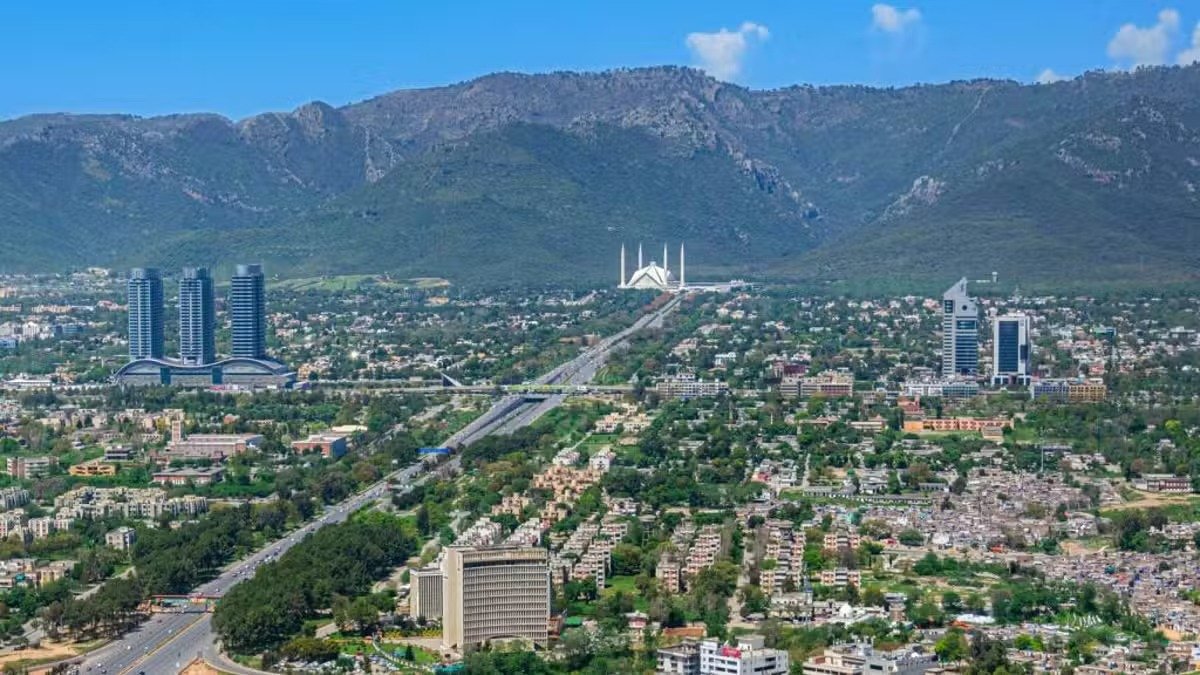
Barrick Chairman John L. Thornton is scheduled to visit Pakistan later this month for the Pakistan Minerals Investment Forum 2026 in Islamabad.
Assessments of the potential cost of a delay differ. One estimate puts cost escalation at $8 billion to $10 billion if work resumes within a year, and warns that a further deterioration in security or delays of more than two years could make the project prohibitively expensive. Another assessment estimates the increase at about 10 percent, or roughly $450 million to $900 million. The report said sentiment around the project had improved in recent weeks.
A proposal has also been made for a consortium of local companies to acquire a minority stake. Separately, concerns have been raised that only 30 to 35 percent of the copper-gold output may be processed in Pakistan, with the remainder sent to the operator’s Australian facility, potentially limiting domestic value addition. The project’s estimated capital cost has increased from earlier projections of about $7 billion to approximately $9.1 billion. Phase 1 investment is now estimated at $5.6 billion, up from $4 billion, while Phase 2 is expected to require a further $3.5 billion.
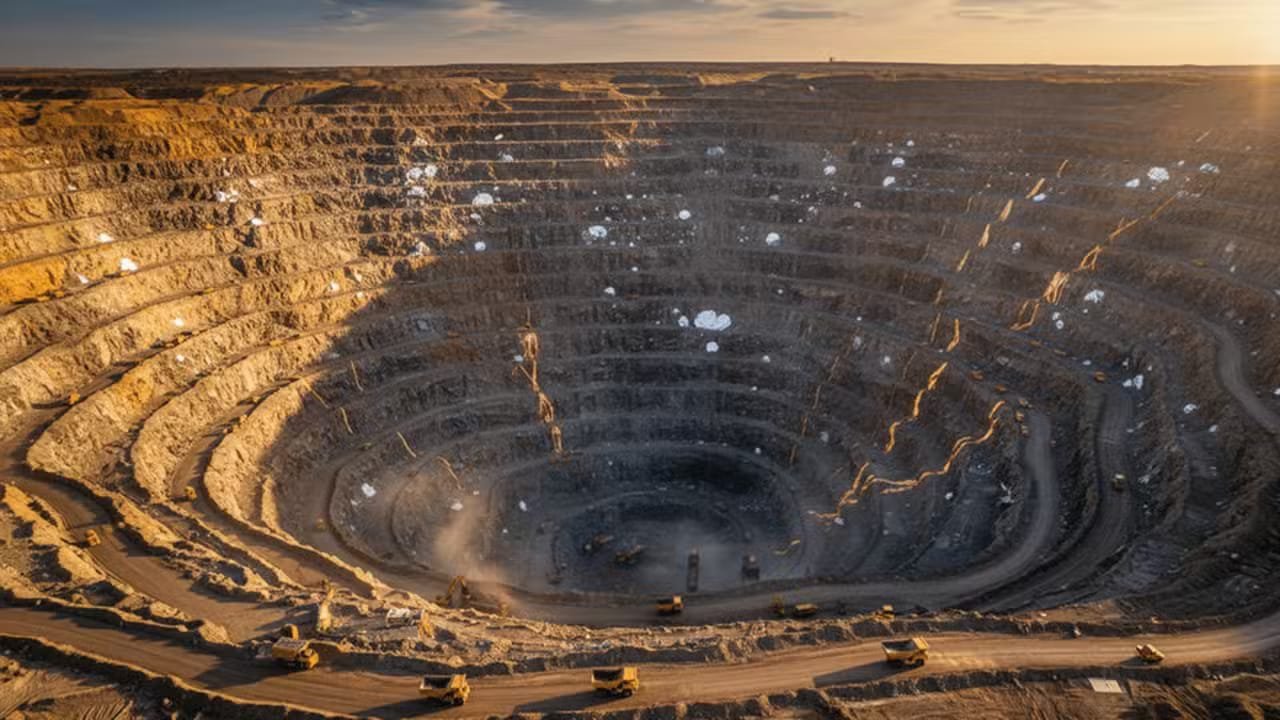
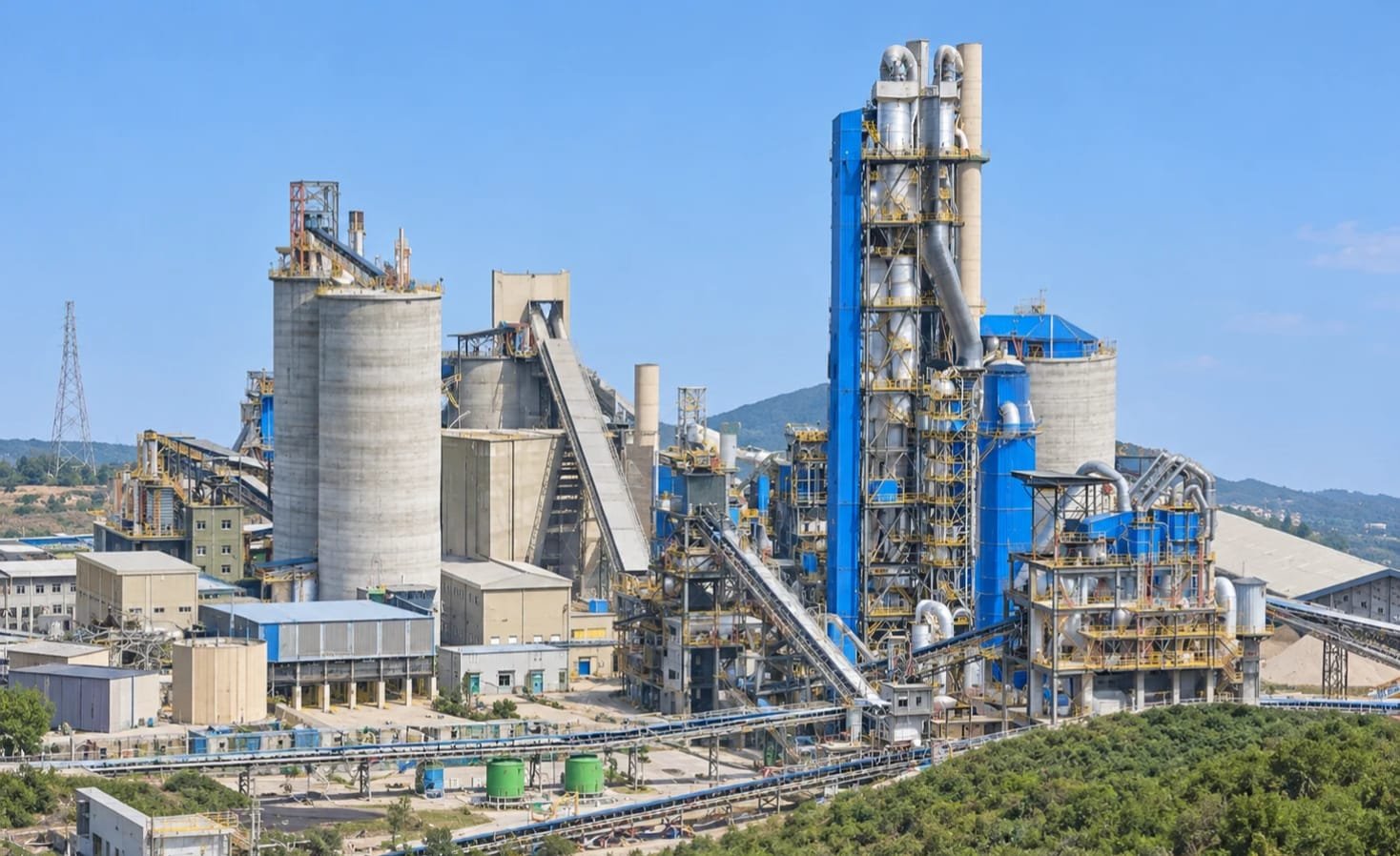
Designed as an open-pit mine and processing operation, Reko Diq is expected to produce copper-gold concentrate.
Initial capacity is planned at 45 million tonnes of ore a year, rising to 90 million tonnes after Phase 2.
The mine was initially planned to operate for 40 years. An updated feasibility study revised its estimated life to 37 years to account for higher throughput, while further exploration and resource development could potentially extend operations to as much as 80 years.
Reko Diq is projected to create 7,500 jobs during peak construction and support about 4,000 permanent positions once operational. Based on long-term commodity-price assumptions, projected free cash flow over 37 years is estimated at $74 billion.
Barrick holds a 50 percent stake in the project. The remaining 50 percent is held by the Balochistan government and three Pakistani state-owned entities: Pakistan Petroleum Limited, Oil and Gas Development Company and Government Holdings Private Limited.
پاکستان کے ریکوڈک تانبے اور سونے کے منصوبے میں پیداوار دو سال تاخیر سے، یعنی 2028 کے بجائے 2030 میں شروع ہونے کا امکان ہے۔ میڈیا رپورٹ کے مطابق سرمایہ کار بلوچستان میں سکیورٹی کی صورتِ حال اور مشرقِ وسطیٰ میں کشیدگی کا جائزہ لے رہے ہیں۔ ایران میں جاری تنازع اور بلوچستان میں سکیورٹی کے مسلسل مسائل کے باعث سرمایہ کاروں نے منصوبے کے طے شدہ شیڈول پر نظرثانی شروع کردی ہے۔ منصوبے کی آپریٹر کینیڈین کمپنی بیرک مائننگ کی جانب سے اندرونی جائزہ مکمل ہونے کے بعد 2027 کے وسط تک مکمل پیمانے پر ترقیاتی کام دوبارہ شروع کیے جانے کی توقع ہے، تاہم کمپنی نے تعمیراتی شیڈول میں تبدیلی کا باضابطہ اعلان نہیں کیا۔
بیرک نے فروری 2026 میں منصوبے کا باضابطہ جائزہ شروع کیا تھا اور اپنی جانچ پڑتال کا دورانیہ 2027 کے اوائل تک بڑھا دیا تھا۔ گزشتہ ماہ مائننگ فورم امریکا سے خطاب کرتے ہوئے کمپنی کے چیف ایگزیکٹو نے تعمیراتی کام کے نئے شیڈول کا اعلان نہیں کیا۔ ان کا کہنا تھا کہ مکمل تعمیراتی پروگرام طے کرنے سے پہلے سکیورٹی صورتِ حال میں بہتری ضروری ہے۔ منصوبے پر سرگرمیاں سست ہوئی ہیں، تاہم انتظامیہ نے تمام 700 مستقل ملازمین اور تقریباً 2,000 کنٹریکٹ ورکرز کو برقرار رکھا ہے۔
رپورٹ کے مطابق بعض تھرڈ پارٹی سروس معاہدوں کی مدت ختم ہونے دی گئی ہے، جبکہ تحقیق، انتظامی امور اور کمیونٹی ڈویلپمنٹ کے منصوبوں پر کام جاری ہے۔ منصوبے میں اب تک تقریباً ایک ارب ڈالر کی سرمایہ کاری ہو چکی ہے۔ اسے کمپنی اور حکومت دونوں کے لیے اسٹریٹجک اہمیت کا حامل اور تکنیکی اعتبار سے قابلِ عمل منصوبہ قرار دیا جا رہا ہے، تاہم بیرونی عوامل اس کی پیش رفت کے شیڈول کو متاثر کر سکتے ہیں۔
بیرک کے چیئرمین جان ایل تھورنٹن رواں ماہ کے آخر میں اسلام آباد میں پاکستان منرلز انویسٹمنٹ فورم 2026 میں شرکت کے لیے پاکستان آئیں گے۔ ممکنہ تاخیر کے مالی اثرات سے متعلق اندازے مختلف ہیں۔ ایک تخمینے کے مطابق اگر کام ایک سال کے اندر دوبارہ شروع ہو جائے تو لاگت میں 8 سے 10 ارب ڈالر تک اضافہ ہو سکتا ہے۔ اس جائزے میں خبردار کیا گیا ہے کہ سکیورٹی صورتِ حال مزید خراب ہونے یا تاخیر دو سال سے بڑھنے پر منصوبہ ناقابلِ برداشت حد تک مہنگا ہو سکتا ہے۔
ایک دوسرے اندازے کے مطابق تاخیر سے لاگت میں تقریباً 10 فیصد، یعنی 450 ملین سے 900 ملین ڈالر تک اضافہ ہو سکتا ہے۔ رپورٹ کے مطابق حالیہ ہفتوں میں منصوبے کے بارے میں سرمایہ کاروں کے اعتماد میں بہتری آئی ہے۔ مقامی کمپنیوں کے ایک کنسورشیم کی جانب سے منصوبے میں اقلیتی حصص خریدنے کی تجویز بھی سامنے آئی ہے۔ اس کے علاوہ خدشات ظاہر کیے گئے ہیں کہ تانبے اور سونے کی پیداوار کا صرف 30 سے 35 فیصد پاکستان میں پراسیس کیا جائے گا، جبکہ باقی حصہ آپریٹر کی آسٹریلوی تنصیب کو بھیجا جا سکتا ہے۔ اس سے ملک کے اندر ویلیو ایڈیشن محدود رہنے کا خدشہ ہے۔
منصوبے کی تخمینی لاگت پہلے کے تقریباً 7 ارب ڈالر کے اندازے سے بڑھ کر لگ بھگ 9.1 ارب ڈالر ہو گئی ہے۔ فیز ون پر سرمایہ کاری کا تخمینہ 4 ارب ڈالر سے بڑھا کر 5.6 ارب ڈالر کر دیا گیا ہے، جبکہ فیز ٹو کے لیے مزید 3.5 ارب ڈالر درکار ہوں گے۔ ریکوڈک کو کھلی کان کنی اور پراسیسنگ کے روایتی طریقۂ کار کے تحت تیار کیا جا رہا ہے، جہاں سے تانبے اور سونے کا کنسنٹریٹ تیار ہوگا۔ منصوبے کی ابتدائی گنجائش سالانہ 45 ملین ٹن خام دھات پراسیس کرنے کی ہوگی، جو فیز ٹو کے بعد بڑھ کر 90 ملین ٹن سالانہ ہو جائے گی۔
ابتدائی منصوبے کے مطابق کان کی عمر 40 سال تھی۔ تاہم، زیادہ پیداواری گنجائش کو مدنظر رکھتے ہوئے تازہ ترین فیزیبلٹی سٹڈی میں اس مدت کا تخمینہ کم کرکے 37 سال کر دیا گیا ہے۔ مزید تلاش اور معدنی وسائل کی ترقی کے ذریعے کان کی عمر 80 سال تک بڑھنے کا امکان بھی ظاہر کیا گیا ہے۔ توقع ہے کہ تعمیراتی کام کے عروج پر یہ منصوبہ 7,500 ملازمتیں پیدا کرے گا، جبکہ آپریشنل ہونے کے بعد تقریباً 4,000 مستقل ملازمتیں فراہم کرے گا۔ طویل مدتی اجناس کی قیمتوں کے مفروضوں کی بنیاد پر 37 سال کے دوران منصوبے سے متوقع فری کیش فلو کا تخمینہ 74 ارب ڈالر لگایا گیا ہے۔
بیرک منصوبے میں 50 فیصد حصص کی مالک ہے۔ باقی 50 فیصد حصص بلوچستان حکومت اور پاکستان کی تین سرکاری کمپنیوں، پاکستان پیٹرولیم لمیٹڈ، آئل اینڈ گیس ڈیولپمنٹ کمپنی اور گورنمنٹ ہولڈنگز پرائیویٹ لمیٹڈ کے پاس ہیں۔