Published: November 19, 2026 - 12:01 PM
World Toilet Day Highlights Pakistan’s Sanitation Crisis as Millions Lack Safe Facilities
عالمی یومِ بیت الخلا پر پاکستان میں صفائی و نکاسی آب کے بحران کی نشاندہی، کروڑوں افراد محفوظ سہولیات سے محروم
▫️ Over 58% of rural Pakistan lacks safely managed sanitation services, while 25 million people still practise open defecation
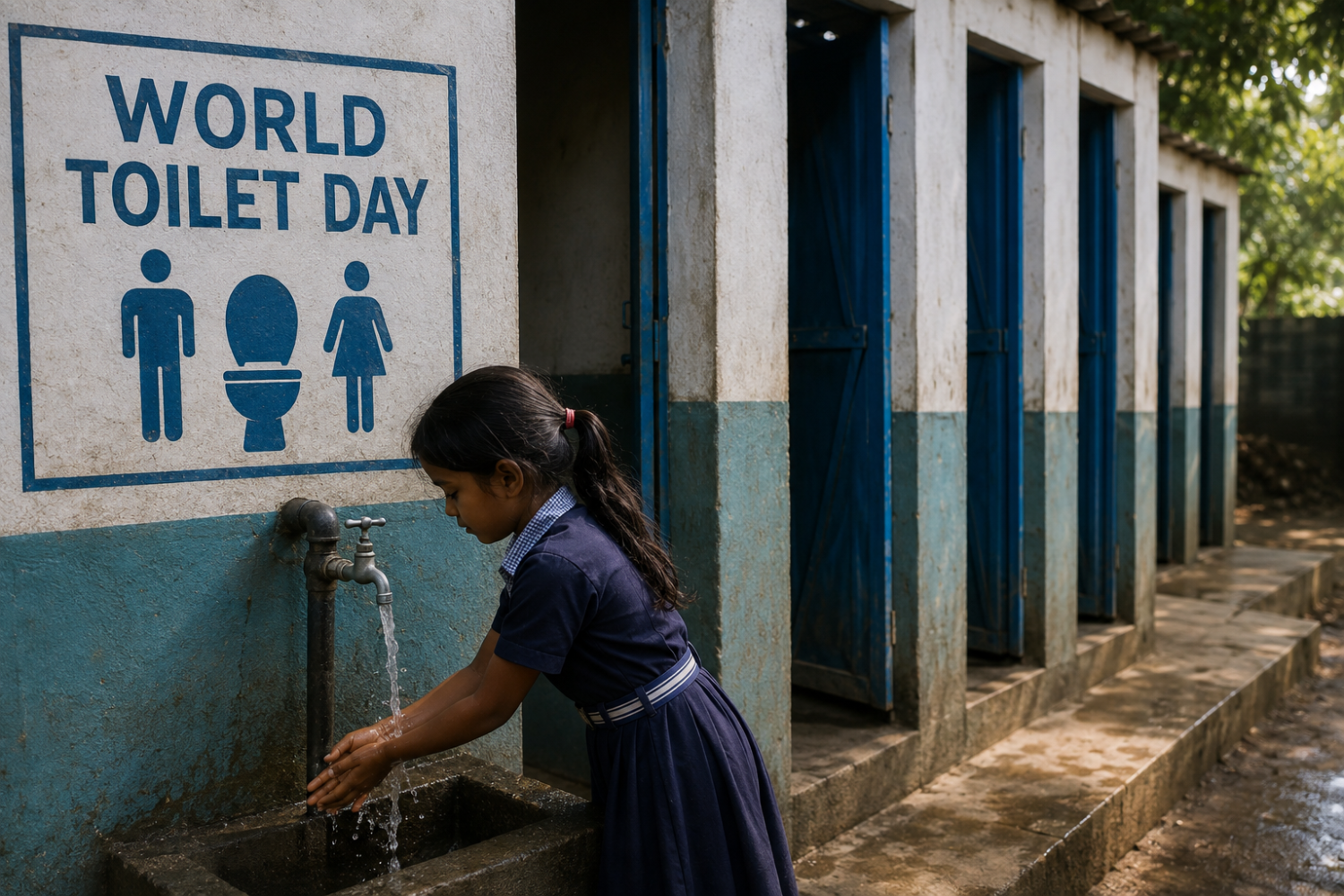
Pakistan joins the international community in observing World Toilet Day on November 19, drawing attention to the continuing shortage of safe sanitation facilities.
Pakistan joins the international community in observing World Toilet Day on November 19, drawing attention to the continuing shortage of safe sanitation facilities. This year's theme, Safe toilets. Equal futures, highlights how inadequate toilets, clean water and hygiene facilities disproportionately affect women and girls, limiting their access to education, employment and public spaces. Globally, approximately 3.4 billion people lack safely managed sanitation.
In Pakistan, more than 58% of the rural population lacks safely managed sanitation services, while an estimated 25 million people still practise open defecation. Poor water and sanitation conditions are also linked to approximately 53,000 child deaths from diarrhoeal diseases annually. According to UN-Water, although sanitation and hygiene spending increased by 18% between 2022 and 2024, its real value declined by 20% due to inflation.
The sanitation crisis remains particularly serious in schools, workplaces, public spaces and low-income communities where functional toilets and reliable water supplies are often unavailable. Improving sanitation infrastructure, ensuring safe facilities for women and girls, and strengthening services in flood prone areas remain essential priorities for protecting public health and expanding access to basic amenities across Pakistan.
پاکستان سمیت دنیا بھر میں آج 19 نومبر کو عالمی یومِ بیت الخلا منایا جا رہا ہے، جس کا مقصد محفوظ بیت الخلا اور صفائی و نکاسی آب کی بنیادی سہولیات کی کمی کی جانب توجہ دلانا ہے۔ رواں سال یہ دن محفوظ بیت الخلا، مساوی مستقبل کے عنوان سے منایا جا رہا ہے۔ صاف پانی، محفوظ بیت الخلا اور حفظانِ صحت کی سہولیات کی عدم دستیابی سے خواتین اور بچیاں زیادہ متاثر ہوتی ہیں، جس کے باعث انہیں تعلیم، روزگار اور سماجی سرگرمیوں میں مشکلات کا سامنا کرنا پڑتا ہے۔ دنیا بھر میں تقریباً 3 ارب 40 کروڑ افراد محفوظ صفائی و نکاسی آب کی سہولیات سے محروم ہیں۔
پاکستان میں دیہی آبادی کے 58 فیصد سے زائد افراد کو محفوظ صفائی و نکاسی آب کی سہولیات میسر نہیں، جبکہ اندازاً ڈھائی کروڑ افراد اب بھی کھلے مقامات پر رفع حاجت کرتے ہیں۔ آلودہ پانی اور ناقص صفائی کے باعث اسہال جیسی بیماریوں سے سالانہ تقریباً 53 ہزار بچوں کی اموات کا تخمینہ لگایا گیا ہے۔ اقوام متحدہ کے ادارے یو این واٹر کے مطابق 2022 سے 2024 کے دوران پانی، صفائی اور حفظانِ صحت کے شعبے میں اخراجات میں 18 فیصد اضافہ ہوا، تاہم مہنگائی کے باعث ان اخراجات کی حقیقی مالیت میں 20 فیصد کمی ریکارڈ کی گئی۔
ملک میں صفائی و نکاسی آب کا بحران بالخصوص تعلیمی اداروں، دفاتر، عوامی مقامات اور کم آمدن والے علاقوں میں زیادہ سنگین ہے، جہاں قابلِ استعمال بیت الخلا اور پانی کی مسلسل فراہمی اکثر دستیاب نہیں ہوتی۔ ماہرین کے مطابق عوامی صحت کے تحفظ کے لیے صفائی و نکاسی آب کے بنیادی ڈھانچے کی بہتری، خواتین اور بچیوں کے لیے محفوظ سہولیات کی فراہمی اور سیلاب سے متاثرہ علاقوں میں نکاسی و صفائی کے نظام کو مضبوط بنانا ضروری ہے۔