

Published: January 2, 2026 - 3:39 PM
Significant Surge in Household Internet Access in Pakistan, Rapid Growth in User Numbers.
پاکستان میں گھریلو انٹرنیٹ رسائی میں نمایاں اضافہ، صارفین کی تعداد میں تیز رفتار بڑھوتری.
▫️ Household Internet Availability Increases from 34% to 70% ▫️ Expansion of Digital Access Impacts Residential Areas and Land Use Trends
According to the Household Integrated Economic Survey (HIES) 2024–25, Pakistan has recorded a historic increase in household-level internet access.
2 January 2026
Islamabad: ReNews Pakistan
According to the Household Integrated Economic Survey (HIES) 2024–25, Pakistan has recorded a historic increase in household-level internet access. The survey results indicate a massive 57% surge in individual internet users, while the household internet availability rate has risen from 34% to 70%. These figures have been released by the Pakistan Bureau of Statistics (PBS) and represent a key milestone in the country's digital progress.
This survey is Pakistan's first fully digital household survey, conducted following the Digital Population and Housing Census 2023. Field operations were completed in June 2025, involving a quarterly sample of 32,000 households across the country. This has resulted in more accurate and transparent data, which will be highly beneficial for policymaking.
The survey findings show that internet access is no longer limited to major urban centers but is rapidly expanding to secondary cities, semi-urban, and developing areas. This transformation has changed the concept of household amenities, where internet is now viewed as a basic utility alongside electricity, water, and gas. For middle-class families and young households, high-speed internet connection has become a critical factor in choosing residence.
Data reveals that in areas with good internet facilities, there has been a multifold increase in online education, work-from-home, digital banking, e-commerce, and online shopping. This is not only boosting economic activities but also creating new employment opportunities.
Particularly, women and youth are gaining chances to work from home, leading to societal changes.
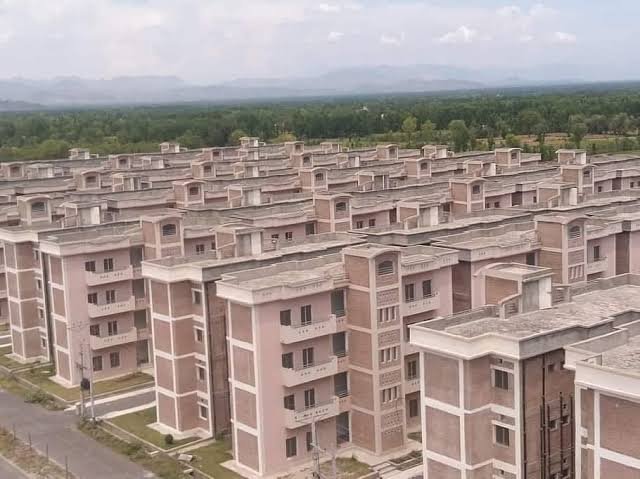
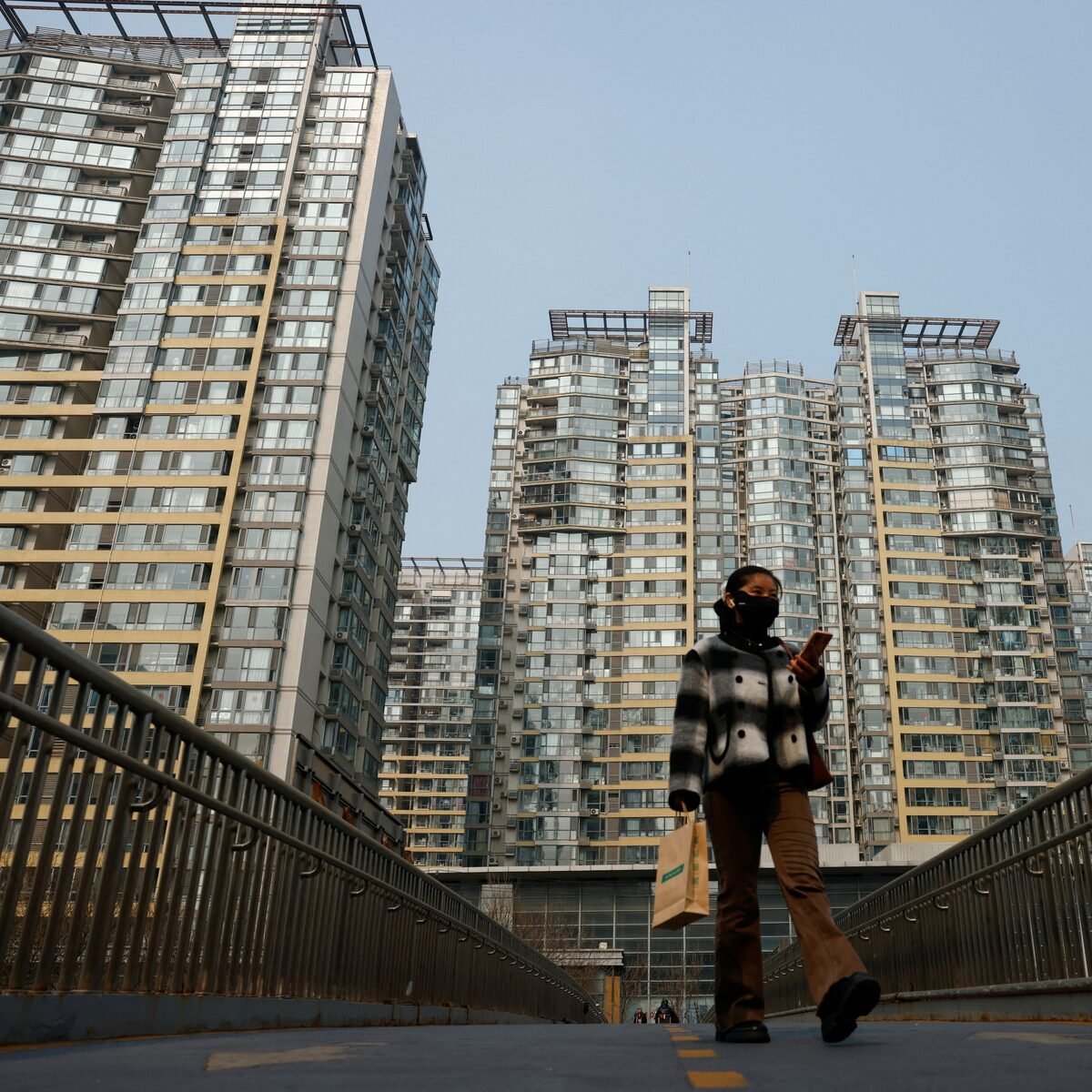
In urban areas, new residential schemes, apartment buildings, and housing societies are making digital infrastructure a mandatory feature. Developers are now incorporating fiber optic connections, high-speed Wi-Fi, and shared internet networks as core elements of projects. This trend is also affecting property prices; demand and values are rising rapidly in areas with better connectivity.
Land use patterns have seen clear changes as well. Previously unpopular remote areas due to lack of facilities are now turning into residential clusters thanks to reliable internet. New housing societies are emerging near semi-urban and rural areas, where people seek a balance between urban facilities and natural environment.
This has introduced a new trend in urban sprawl, posing environmental and infrastructure challenges.
The survey also highlights that household internet has reduced the importance of distance between residence and workplace. Due to remote working and online businesses, people are now opting for homes farther from city centers, reducing traffic pressure and improving the environment. However, residential activity remains slow in areas with weak internet, underscoring the digital divide.
Digital access has also simplified residential administrative matters. Now, utility bill payments, property taxes, digital records, and government services can be accessed from home. This is reducing corruption and increasing transparency.
The HIES 2024–25 results indicate that internet has become an essential part of household quality of life. Incorporating digital infrastructure in future residential planning will be necessary. This growth will have positive impacts on Pakistan's economic development, education, health, and social welfare.
Overall, this historic increase in household internet access is reshaping residential trends, land use, urban expansion, and the digital economy in Pakistan. These effects will become even more profound and visible in the coming years, helping align the country with the demands of the digital era.
2 جنوری 2026
اسلام آباد: ری نیوز پاکستان
ہاؤس ہولڈ انٹیگریٹڈ اکنامک سروے (HIES) 2024–25 کے مطابق پاکستان میں گھریلو سطح پر انٹرنیٹ رسائی میں تاریخی اضافہ ریکارڈ کیا گیا ہے۔ سروے کے نتائج سے ظاہر ہوتا ہے کہ انفرادی انٹرنیٹ صارفین کی تعداد میں 57 فیصد کا زبردست اضافہ ہوا ہے، جبکہ گھروں میں انٹرنیٹ کی دستیابی کی شرح 34 فیصد سے بڑھ کر 70 فیصد تک جا پہنچی ہے۔ یہ اعداد و شمار پاکستان بیورو آف سٹیٹسٹکس (PBS) کی جانب سے جاری کیے گئے ہیں اور یہ ملک کی ڈیجیٹل ترقی کی طرف ایک اہم سنگ میل ہیں۔
یہ سروے پاکستان کا پہلا مکمل ڈیجیٹل ہاؤس ہولڈ سروے ہے جو 2023 کے ڈیجیٹل آبادی اور ہاؤسنگ سنسس کے بعد کیا گیا۔ فیلڈ آپریشنز جون 2025 میں مکمل ہوئے، جس میں ملک بھر سے 32,000 گھرانوں کا نمونہ لیا گیا۔ اس کی بدولت اعداد و شمار زیادہ درست اور شفاف ہیں، جو پالیسی سازی کے لیے نہایت مفید ثابت ہوں گے۔
سروے کے مطابق، انٹرنیٹ کی رسائی اب صرف بڑے شہری مراکز تک محدود نہیں بلکہ ثانوی شہروں، نیم شہری اور ترقی پذیر علاقوں میں بھی تیزی سے پھیل رہی ہے۔ اس تبدیلی نے گھریلو زندگی کے تصور کو تبدیل کر دیا ہے۔ اب انٹرنیٹ کو بجلی، پانی اور گیس جیسی بنیادی سہولیات کے برابر سمجھا جا رہا ہے۔
متوسط طبقے کے خاندانوں اور نوجوانوں کے لیے رہائش کا انتخاب کرتے وقت تیز رفتار انٹرنیٹ کنکشن ایک اہم ترین عنصر بن گیا ہے۔
اعداد و شمار بتاتے ہیں کہ جہاں انٹرنیٹ کی اچھی سہولت دستیاب ہے، وہاں آن لائن تعلیم، ورک فرام ہوم، ڈیجیٹل بینکنگ، ای کامرس اور آن لائن شاپنگ کا استعمال کئی گنا بڑھ گیا ہے۔ اس سے نہ صرف معاشی سرگرمیاں فروغ پا رہی ہیں بلکہ روزگار کے نئے مواقع بھی پیدا ہو رہے ہیں۔ خاص طور پر خواتین اور نوجوانوں کو گھر بیٹھے کام کرنے کے امکانات مل رہے ہیں، جو معاشرتی تبدیلی کا باعث بن رہے ہیں۔
شہری علاقوں میں نئی رہائشی اسکیموں، اپارٹمنٹ بلڈنگز اور ہاؤسنگ سوسائٹیوں میں ڈیجیٹل انفراسٹرکچر کو لازمی حصہ بنایا جا رہا ہے۔ ڈویلپرز اب فائبر آپٹک کنکشن، ہائی سپیڈ وائی فائی اور مشترکہ انٹرنیٹ نیٹ ورکس کو منصوبوں کا بنیادی فیچر بنا رہے ہیں۔ اس رجحان سے پراپرٹی کی قیمتیں بھی متاثر ہو رہی ہیں؛ بہتر کنیکٹیویٹی والے علاقوں میں مکانات اور پلاٹس کی مانگ اور قیمتیں تیزی سے بڑھ رہی ہیں۔
زمین کے استعمال کے رجحانات میں بھی واضح تبدیلی آئی ہے۔ پہلے دور دراز کے علاقے جو سہولیات کی کمی کی وجہ سے غیر مقبول تھے، اب اچھے انٹرنیٹ کی بدولت رہائشی کلسٹرز میں تبدیل ہو رہے ہیں۔ نیم شہری اور دیہی علاقوں کے قریب نئی ہاؤسنگ سوسائٹیز ابھر رہی ہیں، جہاں لوگ شہری سہولیات اور قدرتی ماحول کا توازن چاہتے ہیں۔ اس سے شہری پھیلاؤ (urban sprawl) کا نیا رجحان سامنے آیا ہے، جو ماحولیاتی اور انفراسٹرکچر چیلنجز بھی پیدا کر رہا ہے۔
سروے سے یہ بھی پتہ چلتا ہے کہ گھریلو انٹرنیٹ نے کام اور رہائش کے درمیان فاصلے کی اہمیت کم کر دی ہے۔ ریموٹ ورکنگ اور آن لائن کاروبار کی وجہ سے لوگ اب شہر کے مرکز سے دور رہائش اختیار کر رہے ہیں، جس سے ٹریفک کا دباؤ کم ہو رہا ہے اور ماحولیات بہتر بن رہی ہے۔ تاہم، کمزور انٹرنیٹ والے علاقوں میں رہائشی سرگرمیاں اب بھی سست ہیں، جو ڈیجیٹل ڈیوائیڈ کو اجاگر کرتی ہیں۔
ڈیجیٹل رسائی نے رہائشی انتظامی امور کو بھی آسان بنا دیا ہے۔ اب یوٹیلیٹی بلز کی آن لائن ادائیگی، پراپرٹی ٹیکس، ڈیجیٹل ریکارڈز اور سرکاری خدمات گھر بیٹھے حاصل کی جا سکتی ہیں۔ اس سے کرپشن کم ہو رہی ہے اور شفافیت بڑھ رہی ہے۔
ہاوس ہولڈ انٹیگریٹڈ اکنامک سروے 2024-25 کے تنائج کے مطابق انٹرنیٹ اب گھریلو معیار زندگی کا لازمی جز ہے۔ مستقبل کی رہائشی منصوبہ بندی میں ڈیجیٹل انفراسٹرکچر کو ترجیح دینا ضروری ہو گا۔ یہ اضافہ پاکستان کی معاشی ترقی، تعلیم، صحت اور سماجی بہبود کے لیے مثبت اثرات مرتب کرے گا۔
مجموعی طور پر، گھریلو انٹرنیٹ کی رسائی میں یہ تاریخی اضافہ پاکستان کے رہائشی رجحانات، زمین کے استعمال، شہری توسیع اور ڈیجیٹل معیشت کو نئی شکل دے رہا ہے۔ آئندہ برسوں میں یہ اثرات مزید گہرے اور واضح ہوں گے، جو ملک کو ڈیجیٹل دور کے تقاضوں سے ہم آہنگ کرنے میں مدد دیں گے۔