
Published: October 26, 2026 - 4:06 PM
NEPRA Proposes New Framework for Alternative Power Systems
نیپرا نے بجلی کے متبادل نظام کیلئے نیا فریم ورک تجویز کردیا
▫️ Federal and provincial governments may establish off-grid electricity systems, with two pilot projects initially permitted per distribution company
Islamabad | ReNews PakistanThe National Electric Power Regulatory Authority (NEPRA) has proposed a new regulatory framework allowing federal and provincial governments to establish standalone electricity systems in selected areas where c...
Islamabad | ReNews Pakistan
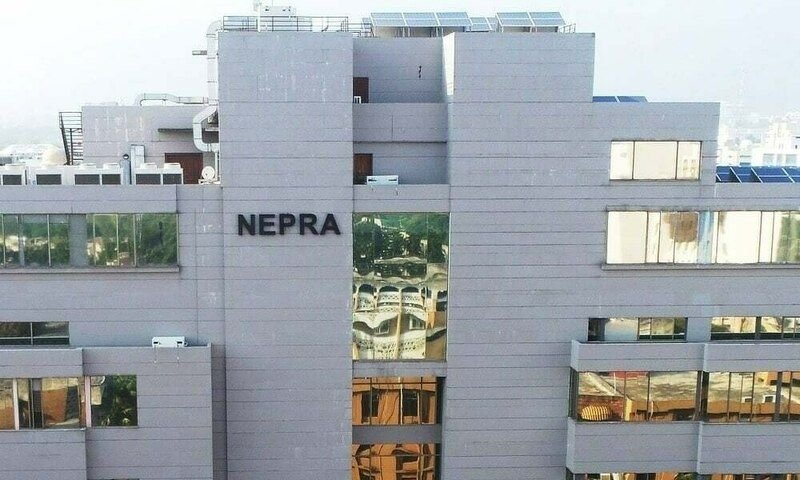
The National Electric Power Regulatory Authority (NEPRA) has proposed a new regulatory framework allowing federal and provincial governments to establish standalone electricity systems in selected areas where conventional distribution networks face persistently high losses, poor bill recovery, inadequate service quality or economically unsustainable operating costs.
The proposed National Electric Power Regulatory Authority Standalone Electric Power System (Pilot Projects) Regulations, 2026, aim to introduce alternative electricity supply arrangements independent of the national or provincial power grid.
NEPRA has released the draft regulations for public consultation, inviting government institutions, electricity consumers and other stakeholders to submit their comments and recommendations to the regulator's registrar within 30 days of publication.
Under the proposed framework, standalone electricity systems may include power generation facilities, energy storage equipment and associated electrical infrastructure. However, these systems would operate without any direct or indirect connection to the national or provincial electricity grid.
The initiative is intended for areas where traditional electricity distribution arrangements have become financially or operationally difficult to maintain because of high distribution losses, poor revenue recovery, inadequate services or the high cost of maintaining conventional networks.
The draft regulations provide that either the federal government or a provincial government would act as the sponsoring authority for an alternative electricity supply scheme.
With the consent of the relevant distribution company, the sponsoring government could notify a designated area for the establishment of a standalone electricity system.
Following notification, the designated area would be excluded from the licensed service territory of the existing distribution company and the relevant supplier of last resort.
The proposed regulations would initially allow a maximum of two pilot projects for each distribution licensee. However, NEPRA could approve additional projects upon a request from the sponsoring government.
Each proposed scheme would be required to provide detailed information about its geographical coverage, technology, implementation schedule, participating institutions, costs, safety arrangements and expected public benefits.
The framework also places emphasis on consumer protection and service quality.
Implementing agencies would be required to establish minimum service standards covering electricity availability, supply capacity, fault rectification, equipment replacement timelines and consumer complaint resolution.
Prior consultation with affected consumers and advance notification would also be mandatory. The schemes would need to address arrangements for providing electricity to future consumers within the designated areas.
According to the draft, the federal or relevant provincial government would finance standalone electricity systems either fully or partially, depending on the approved cost-sharing arrangements.
اسلام آباد | ری نیوز پاکستان
نیشنل الیکٹرک پاور ریگولیٹری اتھارٹی (نیپرا) نے ملک کے ایسے علاقوں میں قومی یا صوبائی گرڈ سے آزاد بجلی کی فراہمی کا متبادل نظام متعارف کرانے کے لیے نئے ضوابط کا مسودہ جاری کردیا ہے، جہاں بجلی کی تقسیم میں مسلسل زیادہ نقصانات، بلوں کی کم وصولی، ناقص خدمات یا روایتی بجلی نیٹ ورک برقرار رکھنے کے بڑھتے ہوئے اخراجات جیسے مسائل درپیش ہیں۔
نیپرا کی جانب سے جاری کردہ نیشنل الیکٹرک پاور ریگولیٹری اتھارٹی اسٹینڈ الون الیکٹرک پاور سسٹم (پائلٹ پروجیکٹس) ریگولیشنز 2026 کے مسودے کے تحت وفاقی اور صوبائی حکومتوں کو منتخب علاقوں میں متبادل بجلی نظام قائم کرنے کی اجازت دینے کی تجویز دی گئی ہے۔
نیپرا نے مجوزہ ضوابط عوامی مشاورت کے لیے جاری کرتے ہوئے متعلقہ اداروں، صارفین اور دیگر دلچسپی رکھنے والے فریقین سے کہا ہے کہ وہ مسودے کی اشاعت کے 30 روز کے اندر اپنی تجاویز اور اعتراضات نیپرا کے رجسٹرار کو جمع کرائیں۔
مجوزہ ضوابط کے مطابق اسٹینڈ الون بجلی نظام میں بجلی پیدا کرنے کی سہولیات، توانائی ذخیرہ کرنے کے آلات اور متعلقہ برقی بنیادی ڈھانچہ شامل ہوسکتا ہے، تاہم اس نظام کا قومی یا صوبائی بجلی گرڈ سے براہ راست یا بالواسطہ کوئی رابطہ نہیں ہوگا۔
اس منصوبے کا بنیادی مقصد ایسے علاقوں میں بجلی کی فراہمی کے متبادل انتظامات کا جائزہ لینا ہے جہاں موجودہ تقسیم کار کمپنیوں کو مسلسل مالی اور انتظامی مشکلات کا سامنا ہے یا روایتی نیٹ ورک برقرار رکھنا معاشی طور پر قابل عمل نہیں رہا۔
مسودے کے تحت وفاقی یا صوبائی حکومت منصوبے کی سرپرست ہوگی اور متعلقہ بجلی تقسیم کار کمپنی کی رضامندی سے مخصوص علاقے میں اسکیم کی منظوری کے لیے نوٹیفکیشن جاری کرسکے گی۔
نوٹیفکیشن کے بعد متعلقہ علاقے کو موجودہ تقسیم کار کمپنی اور آخری چارہ کار بجلی فراہم کرنے والے ادارے کے لائسنس یافتہ دائرہ کار سے خارج کردیا جائے گا۔
نیپرا نے ابتدائی طور پر ہر تقسیم کار کمپنی کے لیے زیادہ سے زیادہ دو آزمائشی منصوبوں کی تجویز دی ہے، تاہم متعلقہ حکومت کی درخواست پر ریگولیٹری اتھارٹی مزید منصوبوں کی اجازت بھی دے سکے گی۔
ہر منصوبے کے لیے متعلقہ علاقے، استعمال ہونے والی ٹیکنالوجی، منصوبے کی مدت، عمل درآمد کے انتظامات، ذمہ دار اداروں، اخراجات، حفاظتی اقدامات اور متوقع عوامی فوائد کی تفصیلات فراہم کرنا ضروری ہوگا۔
نئے ضوابط میں صارفین کے حقوق کے تحفظ پر بھی زور دیا گیا ہے۔ مجوزہ اسکیموں میں بجلی کی دستیاب گنجائش، فراہمی کے اوقات، خرابی دور کرنے، آلات کی تبدیلی اور شکایات کے ازالے کے لیے کم از کم معیار مقرر کرنا ہوگا۔
منصوبوں سے متاثر ہونے والے صارفین کو پیشگی اطلاع دینے اور ان سے مشاورت کرنے کے ساتھ مستقبل میں نئے صارفین کو بجلی کی فراہمی کے انتظامات بھی واضح کرنا ہوں گے۔
مسودے کے مطابق متبادل بجلی نظام کے اخراجات مکمل یا جزوی طور پر وفاقی یا متعلقہ صوبائی حکومت برداشت کرے گی۔ اس مقصد کے لیے سرکاری گرانٹس، سبسڈیز اور دیگر مالی وسائل استعمال کیے جاسکیں گے۔