Published: October 17, 2026 - 5:01 PM
Pakistan Eyes $8 Trillion Mineral Wealth as Exports Could Reach $8 Billion and Economic Growth 6%
پاکستان میں 8 ٹریلین ڈالر کی معدنی دولت کا تخمینہ، برآمدات 8 ارب ڈالر اور معاشی ترقی 6 فیصد تک پہنچنے کی توقع
▫️ Country has 92 identified minerals, with 52 commercially extracted across approximately 600,000 square kilometres of mineral-bearing territory
Islamabad | ReNews PakistanPakistan is seeking to position itself as a major global destination for critical minerals, aiming to transform its estimated $8 trillion mineral wealth into a substantial source of foreign investment, export e...
Islamabad | ReNews Pakistan
Pakistan is seeking to position itself as a major global destination for critical minerals, aiming to transform its estimated $8 trillion mineral wealth into a substantial source of foreign investment, export earnings and industrial development as international demand for strategic raw materials continues to increase.
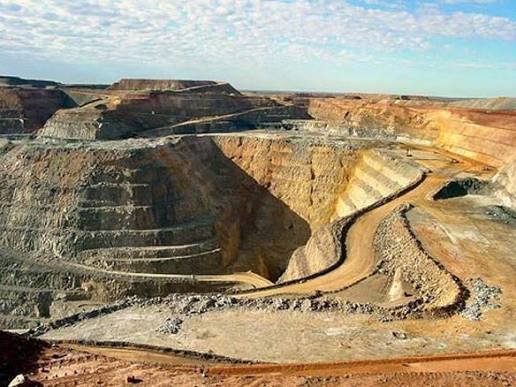
According to the Institute of Cost and Management Accountants of Pakistan (ICMA), the country has 92 identified minerals, of which 52 are currently being extracted commercially. Pakistan's mineral-bearing areas extend across approximately 600,000 square kilometres, containing resources including copper, gold, lithium, cobalt, chromite, rare earth elements, marble, granite, coal and gypsum.
Despite this extensive resource base, the mining sector has historically contributed less than 3 per cent to Pakistan's gross domestic product (GDP), indicating a significant gap between the country's geological potential and its commercial utilisation.
ICMA estimates suggest that stronger governance, improved security, modern technology, infrastructure development and increased investment could help raise annual mineral exports from approximately $3 billion to $8 billion.
Under favourable economic conditions and broader structural reforms, overall GDP growth could potentially increase from around 3 per cent to 6 per cent. However, these figures represent conditional economic projections rather than guaranteed outcomes or officially achieved targets.
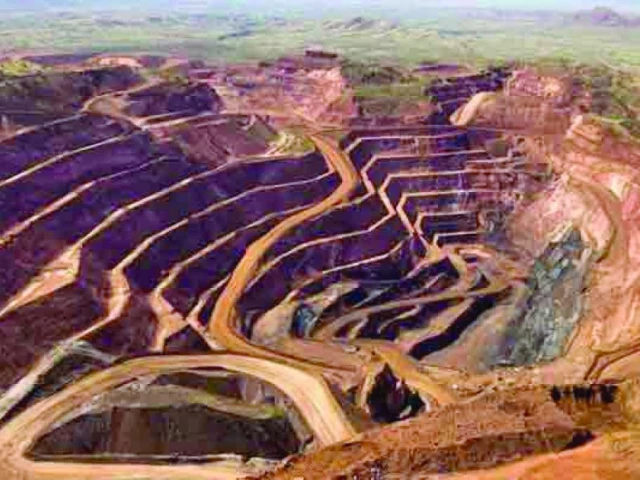
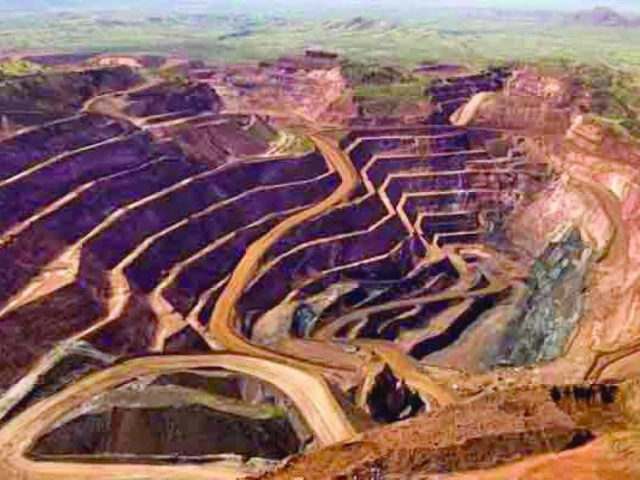
Among Pakistan's major mineral development initiatives, the Reko Diq copper and gold project in Balochistan's Chagai district remains particularly significant.
Considered one of the world's largest undeveloped copper and gold deposits, Reko Diq is expected to begin initial production by the end of 2028. The project could contribute substantially to mineral exports, foreign exchange earnings and employment once commercial operations commence.
The international market for critical minerals is expanding as countries invest in electric vehicles, battery manufacturing, renewable energy systems, electronics and advanced industrial technologies.
These developments have increased the strategic importance of copper, lithium, rare earth elements and other minerals essential for modern manufacturing and energy infrastructure.
Pakistan is seeking to capitalise on its mineral resources and geological position by attracting international mining companies, securing technical partnerships and expanding its participation in global mineral supply chains.
However, economic analysts maintain that exporting unprocessed minerals alone will not allow Pakistan to realise the full economic value of its geological resources.
Domestic mineral processing, refining, manufacturing and the production of higher-value industrial materials are considered essential for maximising export revenues and creating sustainable employment opportunities.
ICMA has highlighted several structural challenges affecting the mining industry, including fragmented governance, unclear regulatory frameworks, inadequate infrastructure, limited local processing facilities, security concerns and shortages of technically skilled workers.
The institute has also emphasised the need for transparent licensing procedures, reliable geological information, environmental safeguards, protection of local communities and consistent investment policies.
Addressing these challenges would help improve investor confidence and support the development of commercially viable mining projects.
Pakistan has also been pursuing mineral sector cooperation with international partners, including the United States, China and Türkiye, to attract capital, obtain advanced technology and develop exploration and processing capabilities.
اسلام آباد | ری نیوز پاکستان
پاکستان عالمی سطح پر اہم معدنیات کی بڑھتی ہوئی طلب سے فائدہ اٹھاتے ہوئے اپنے معدنی شعبے کو غیر ملکی سرمایہ کاری، برآمدات اور صنعتی ترقی کا بڑا ذریعہ بنانے کیلئے کوشاں ہے۔ ملک میں موجود معدنی دولت کی مجموعی مالیت کا تخمینہ تقریباً 8 ٹریلین ڈالر لگایا گیا ہے، تاہم اس غیر معمولی صلاحیت کے باوجود کان کنی کا شعبہ اب تک قومی معیشت میں محدود کردار ادا کر رہا ہے۔
انسٹی ٹیوٹ آف کاسٹ اینڈ مینجمنٹ اکاؤنٹنٹس آف پاکستان (آئی سی ایم اے) کے مطابق پاکستان میں 92 اقسام کی معدنیات کی نشاندہی ہو چکی ہے، جن میں سے 52 کی تجارتی بنیادوں پر کان کنی کی جا رہی ہے۔ ملک میں معدنی وسائل کے حامل علاقے تقریباً 6 لاکھ مربع کلومیٹر رقبے پر پھیلے ہوئے ہیں، جن میں تانبے، سونے، لیتھیم، کرومائٹ، کوبالٹ، نایاب ارضی عناصر، ماربل، گرینائٹ، کوئلے اور جپسم سمیت مختلف معدنیات شامل ہیں۔
ادارے کے تجزیے کے مطابق ملک میں معدنی وسائل کی وسیع دستیابی کے باوجود کان کنی کا شعبہ تاریخی طور پر مجموعی قومی پیداوار میں 3 فیصد سے بھی کم حصہ ڈال رہا ہے۔ تاہم بہتر حکومتی پالیسیوں، مؤثر انتظامی نظام، امن و امان کی بہتر صورتحال، جدید ٹیکنالوجی اور سرمایہ کاری میں اضافے سے سالانہ معدنی برآمدات تقریباً 3 ارب ڈالر سے بڑھ کر 8 ارب ڈالر تک پہنچ سکتی ہیں۔
اسی طرح سازگار معاشی حالات اور وسیع اصلاحات کے نتیجے میں مجموعی معاشی شرح نمو تقریباً 3 فیصد سے بڑھ کر 6 فیصد تک پہنچنے کا امکان ظاہر کیا گیا ہے۔ تاہم یہ اعداد و شمار مستقبل کے ممکنہ معاشی فوائد کے تخمینے ہیں، کوئی یقینی اہداف یا حاصل شدہ نتائج نہیں۔
پاکستان میں معدنی ترقی کے حوالے سے بلوچستان کے ضلع چاغی میں واقع ریکوڈک کا تانبے اور سونے کا منصوبہ خصوصی اہمیت رکھتا ہے۔ اسے دنیا کے بڑے غیر ترقی یافتہ تانبے اور سونے کے ذخائر میں شمار کیا جاتا ہے۔ منصوبے کے پہلے مرحلے میں پیداوار 2028 کے آخر تک شروع ہونے کی توقع ظاہر کی گئی ہے، جس سے پاکستان کی معدنی برآمدات میں نمایاں اضافے کے امکانات ہیں۔
عالمی سطح پر برقی گاڑیوں، بیٹریوں، قابلِ تجدید توانائی، الیکٹرانکس اور جدید صنعتی ٹیکنالوجی میں استعمال ہونے والی معدنیات کی طلب بڑھ رہی ہے۔ اس صورتحال میں پاکستان اپنے جغرافیائی محلِ وقوع اور معدنی وسائل کی بنیاد پر بین الاقوامی سپلائی چین میں زیادہ مؤثر کردار حاصل کرنے کی کوشش کر رہا ہے۔
تاہم ماہرین کے مطابق محض خام معدنیات کی برآمد سے ملک اپنی معدنی دولت کے مکمل معاشی فوائد حاصل نہیں کر سکے گا۔ اس مقصد کیلئے معدنیات کی مقامی سطح پر پروسیسنگ، ریفائننگ، جدید صنعتی یونٹس کے قیام اور تیار مصنوعات کی برآمد پر توجہ دینا ضروری ہے۔
آئی سی ایم اے نے اپنے تحقیقی تجزیوں میں نشاندہی کی ہے کہ غیر واضح ضوابط، مختلف اداروں کے درمیان انتظامی عدم یکسانیت، ناکافی انفراسٹرکچر، توانائی کی ضروریات، سیکیورٹی خدشات اور تربیت یافتہ افرادی قوت کی کمی معدنی شعبے کی ترقی میں بڑی رکاوٹیں ہیں۔
ادارے کے مطابق بین الاقوامی سرمایہ کاروں کا اعتماد حاصل کرنے کیلئے شفاف لائسنسنگ، قابلِ اعتماد ارضیاتی معلومات، ماحولیاتی تحفظ، مقامی آبادی کے حقوق اور پالیسیوں میں تسلسل کو یقینی بنانا ہوگا۔
پاکستان معدنی شعبے میں امریکہ، چین، ترکیہ اور دیگر ممالک کے ساتھ سرمایہ کاری اور تکنیکی تعاون کے مواقع بھی تلاش کر رہا ہے۔ ان کوششوں کا مقصد جدید ٹیکنالوجی کا حصول، مقامی پیداواری صلاحیت میں اضافہ اور معدنی وسائل کو قابلِ تجارت صنعتی مصنوعات میں تبدیل کرنا ہے۔