تاریخ اشاعت: July 7, 2026 - 4:00 PM
Govt Can Acquire Land Without Owner’s Consent for Public Interest Projects: Supreme Court
مفادِ عامہ کے منصوبوں کیلئے حکومت مالک کی رضامندی کے بغیر بھی زمین حاصل کر سکتی ہے : سپریم کورٹ
▫️20 صفحات پر مشتمل تفصیلی فیصلے میں عدالت نے قرار دیا کہ زمین کے معاوضے کا تعین صرف سرکاری نرخوں پر نہیں بلکہ مارکیٹ ویلیو، مستقبل کے استعمال اور ترقی کے امکانات کو مدنظر رکھ کر کیا جائے
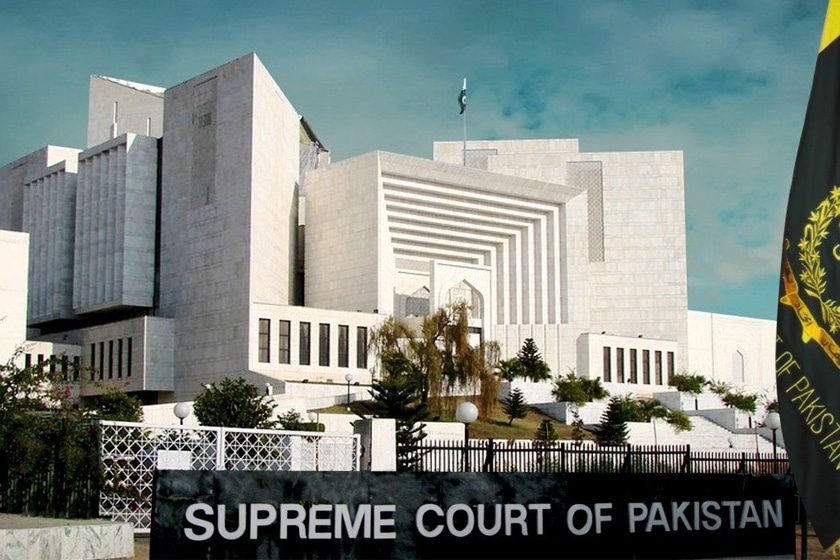
Islamabad | ReNews PakistanThe Supreme Court of Pakistan has ruled in a significant judgment that the government may acquire property without the owner’s consent for the completion of public interest projects, provided all legal requirem...
Islamabad | ReNews Pakistan
The Supreme Court of Pakistan has ruled in a significant judgment that the government may acquire property without the owner’s consent for the completion of public interest projects, provided all legal requirements are fulfilled. However, the court made it clear that the affected owner must be paid full, fair and genuine compensation based on the land’s market value.
The apex court observed that in land acquisition matters, official rates alone cannot serve as the basis for compensation. Instead, the actual market value of the land, its possible use, location, future development potential and other relevant factors must be considered to ensure justice for the affected citizen.
The judgment was authored by Justice Muhammad Ali Mazhar in a case related to compensation for land acquired for a canal project in Swabi. In the 20 page written verdict, the court dismissed all civil appeals filed by the Khyber Pakhtunkhwa government and upheld the decisions of the Peshawar High Court and the Reference Court.
The Supreme Court also reiterated the principle that compensation for land should follow the standard of “gold for gold, not copper.” According to the court, this means that when the state acquires a citizen’s land for public interest, the compensation must fully cover the owner’s actual financial loss, rather than amounting to a symbolic or undervalued payment.
The court further held that if there is an extraordinary delay in the land acquisition process, the increase in land prices and the impact of inflation during that period must also be reflected in the compensation. Otherwise, genuine financial justice cannot be provided to the affected owner.
The judgment stated that while land acquisition may be necessary for public interest and development projects, causing unfair financial loss to a citizen in the name of such projects is contrary to the spirit of the Constitution and the law. The state, the court noted, is bound to maintain a balance between development needs and citizens’ fundamental rights.
According to the court record, landowners in Swabi had approached the Reference Court after declaring the officially fixed compensation for land acquired for the canal project insufficient. The Reference Court enhanced the compensation on the basis of available evidence, market value and other relevant factors, a decision later upheld by the Peshawar High Court.
The Khyber Pakhtunkhwa government challenged those rulings before the Supreme Court. However, the apex court rejected the government’s objections, holding that the lower courts’ decisions were in accordance with the law and evidence. The Supreme Court consequently dismissed all civil appeals filed by the government and maintained the rulings in favour of the landowners.
Legal observers say the Supreme Court’s decision may serve as an important precedent in future land acquisition cases across the country, particularly for infrastructure, canal, road, rail, energy and other public development projects. The ruling is expected to strengthen the principle that affected landowners must be compensated on the basis of fair market value rather than official rates alone.
اسلام آباد | ری نیوز پاکستان
سپریم کورٹ نے اپنے ایک اہم فیصلے میں قرار دیا ہے کہ حکومت عوامی مفاد کے منصوبوں کی تکمیل کے لیے قانونی تقاضے پورے کرتے ہوئے زمین کے مالک کی رضامندی کے بغیر بھی جائیداد حاصل کر سکتی ہے، تاہم اس کے بدلے متاثرہ مالک کو مکمل، منصفانہ اور حقیقی مارکیٹ ویلیو کے مطابق معاوضہ دینا ریاست کی آئینی اور قانونی ذمہ داری ہے۔
عدالتِ عظمیٰ نے واضح کیا کہ اراضی کے حصول کے معاملات میں صرف سرکاری ریٹ کو بنیاد نہیں بنایا جا سکتا بلکہ زمین کی اصل مارکیٹ قیمت، اس کے ممکنہ استعمال، مقام، مستقبل میں ترقی کے امکانات اور دیگر متعلقہ عوامل کو بھی مدنظر رکھنا ضروری ہے تاکہ متاثرہ شہری کے ساتھ انصاف ہو سکے۔
یہ فیصلہ سپریم کورٹ کے جج جسٹس محمد علی مظہر نے صوابی میں نہری منصوبے کے لیے حاصل کی گئی اراضی کے معاوضے سے متعلق مقدمے میں 20 صفحات پر مشتمل تحریری فیصلے کی صورت میں جاری کیا۔ عدالت نے خیبرپختونخوا حکومت کی جانب سے دائر تمام سول اپیلیں مسترد کرتے ہوئے پشاور ہائی کورٹ اور ریفرنس کورٹ کے فیصلوں کو برقرار رکھا۔
سپریم کورٹ نے اپنے فیصلے میں اس اصول کو بھی دہرایا کہ زمین کے معاوضے کا معیار "سونے کے بدلے سونا، تانبا نہیں" ہونا چاہیے۔ عدالت کے مطابق اس اصول کا مطلب یہ ہے کہ اگر ریاست عوامی مفاد میں کسی شہری کی زمین حاصل کرتی ہے تو اسے ایسا معاوضہ ادا کیا جائے جو زمین کے مالک کے حقیقی مالی نقصان کا مکمل ازالہ کر سکے، نہ کہ محض رسمی یا کم قیمت ادائیگی کی جائے۔
عدالت نے قرار دیا کہ اگر اراضی کے حصول کے عمل میں غیر معمولی تاخیر ہو جائے تو اس دوران زمین کی قیمت میں ہونے والے اضافے اور افراطِ زر کے اثرات کو بھی معاوضے کے تعین میں شامل کیا جانا چاہیے۔ بصورت دیگر متاثرہ شہری کو حقیقی مالی انصاف فراہم نہیں کیا جا سکتا۔
فیصلے میں کہا گیا کہ اگرچہ زمین کا حصول عوامی مفاد اور ترقیاتی منصوبوں کی تکمیل کے لیے ضروری ہو سکتا ہے، لیکن ایسے منصوبوں کی تکمیل کے نام پر کسی شہری کو غیر منصفانہ مالی نقصان پہنچانا آئین اور قانون کی روح کے منافی ہے۔ ریاست ترقیاتی ضروریات اور شہریوں کے بنیادی حقوق کے درمیان توازن برقرار رکھنے کی پابند ہے۔
عدالتی ریکارڈ کے مطابق صوابی میں نہری منصوبے کے لیے حاصل کی گئی اراضی کے مالکان نے سرکاری طور پر مقرر کیے گئے معاوضے کو ناکافی قرار دیتے ہوئے ریفرنس کورٹ سے رجوع کیا تھا۔ ریفرنس کورٹ نے دستیاب شواہد، زمین کی مارکیٹ ویلیو اور دیگر عوامل کی بنیاد پر معاوضے میں اضافہ کیا، جسے بعد ازاں پشاور ہائی کورٹ نے بھی برقرار رکھا۔
خیبرپختونخوا حکومت نے ان فیصلوں کے خلاف سپریم کورٹ میں اپیلیں دائر کیں، تاہم عدالتِ عظمیٰ نے حکومتی اعتراضات مسترد کرتے ہوئے قرار دیا کہ ماتحت عدالتوں کے فیصلے قانون اور شواہد کے مطابق ہیں۔ اس کے ساتھ ہی سپریم کورٹ نے زمین مالکان کے حق میں دیے گئے فیصلوں کو برقرار رکھتے ہوئے حکومت کی تمام سول اپیلیں خارج کر دیں۔
ماہرین کے مطابق سپریم کورٹ کا یہ فیصلہ مستقبل میں ملک بھر میں اراضی کے حصول، انفراسٹرکچر، نہری، شاہراہوں، ریل، توانائی اور دیگر عوامی منصوبوں کے لیے زمین کے معاوضے کے تعین میں ایک اہم قانونی نظیر ثابت ہو سکتا ہے، جس کے تحت متاثرہ مالکان کو صرف سرکاری قیمت کے بجائے حقیقی اور منصفانہ مارکیٹ ویلیو کی بنیاد پر معاوضہ دینے کے اصول کو مزید تقویت ملے گی۔